
 The Rebel: An Essay on Man in Revolt
Quotes from the Book
I may not have been sure about what really did interest me, but I was absolutely sure about what didn't.
I opened myself to the gentle indifference of the world.
I had only a little time left and I didn't want to waste it on God.
There is not love of life without despair about life.
Since we're all going to die, it's obvious that when and how don't matter.
If something is going to happen to me, I want to be there.
It was as if that great rush of anger had washed me clean, emptied me of hope, and, gazing up at the dark sky spangled with its signs and stars, for the first time, the first, I laid my heart open to the benign indifference of the universe. To feel it so like myself, indeed, so brotherly, made me realize that I'd been happy, and that I was happy still. For all to be accomplished, for me to feel less lonely, all that remained to hope was that on the day of my execution there should be a huge crowd of spectators and that they should greet me with howls of execration.
I looked up at the mass of signs and stars in the night sky and laid myself open for the first time to the benign indifference of the world.
Have you no hope at all? And do you really live with the thought that when you die, you die, and nothing remains?" "Yes," I said.
I had been right, I was still right, I was always right. I had lived my life one way and I could just as well have lived it another. I had done this and I hadn't done that. I hadn't done this thing but I had done another. And so?
She was wearing a pair of my pajamas with the sleeves rolled up. When she laughed I wanted her again. A minute later she asked me if I loved her. I told her it didn't mean anything but that I didn't think so. She looked sad. But as we were fixing lunch, and for no apparent reason, she laughed in such a way that I kissed her.
Mother died today. Or maybe yesterday; I can't be sure.
Mostly, I could tell, I made him feel uncomfortable. He didn't understand me, and he was sort of holding it against me. I felt the urge to reassure him that I was like everybody else, just like everybody else. But really there wasn't much point, and I gave up the idea out of laziness.
I realized then that a man who had lived only one day could easily live for a hundred years in prison. He would have enough memories to keep him from being bored
I've never really had much of an imagination. But still I would try to picture the exact moment when the beating of my heart would no longer be going on inside my head.
Nothing, nothing mattered, and I knew why. So did he. Throughout the whole absurd life I'd lived, a dark wind had been rising toward me from somewhere deep in my future, across years that were still to come, and as it passed, this wind leveled whatever was offered to me at the time, in years no more real than the ones I was living. What did other people's deaths or a mother's love matter to me; what did his God or the lives people choose or the fate they think they elect matter to me when we're all elected by the same fate, me and billions of privileged people like him who also called themselves my brothers? Couldn't he see, couldn't he see that? Everybody was privileged. There were only privileged people. The others would all be condemned one day. And he would be condemned, too.
After another moment's silence she mumbled that I was peculiar, that that was probably why she loved me but that one day I might disgust her for the very same reason.
After awhile you could get used to anything.
It is better to burn than to disappear.
Maman used to say that you can always find something to be happy about. In my prison, when the sky turned red and a new day slipped into my cell, I found out that she was right.
I felt that I had been happy and that I was happy again. For everything to be consummated, for me to feel less alone, I had only to wish that there be a large crowd of spectators the day of my execution and that they greet me with cries of hate.
And it was like knocking four quick times on the door of unhappiness.
Mother used to say that however miserable one is, there’s always something to be thankful for. And each morning, when the sky brightened and light began to flood my cell, I agreed with her.
At that time, I often thought that if I had had to live in the trunk of a dead tree, with nothing to do but look up at the sky flowing overhead, little by little I would have gotten used to it.
I explained to him, however, that my nature was such that my physical needs often got in the way of my feelings.
For the first time in a long time I thought about Maman. I felt as if I understood why at the end of her life she had taken a 'fiancé,' why she had played at beginning again. Even there, in that home where lives were fading out, evening was a kind of wistful respite. So close to death, Maman must have felt free then and ready to live it all again. Nobody, nobody had the right to cry over her. And I felt ready to live it all again too.
One always has exaggerated ideas about what one doesn't know.
I knew that I had shattered the harmony of the day, the exceptional silence of a beach where I'd been happy. Then I fired four more times at the motionless body where the bullets lodged without leaving a trace. And it was like knocking four quick times on the door of unhappiness.
I felt the urge to reassure him that I was like everybody else, just like everybody else.
Did you know?
- The novel was originally written in French and titled "L'Étranger."
- In the United Kingdom it is published under the title "The Outsider."
- Le Monde ranked it number one on its list of the 100 Books of the 20th Century.
- The murdered man in the novel is never named, referred to only as "the Arab."
- The first English translation, by Stuart Gilbert, appeared in 1946.
- Matthew Ward's 1988 translation kept the French word "Maman" in the famous opening line.
About Albert Camus
Albert Camus (1913-1960) was a French-Algerian writer, philosopher, and journalist associated with absurdism. He won the Nobel Prize in Literature in 1957.
More about the author →More by Albert Camus
All books by Albert Camus →
About the book
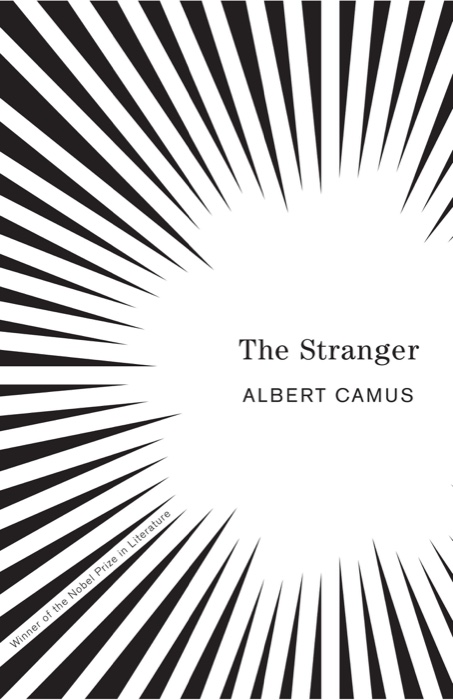
"The Stranger" (French: "L'Étranger"), also published in English as "The Outsider," is a 1942 novella by the French writer Albert Camus. It follows Meursault, an emotionally detached French Algerian who shows no conventional grief at his mother's funeral. Weeks later, drawn into a neighbor's violent quarrel and disoriented by the heat on an Algiers beach, he shoots and kills an unnamed Arab man. The second half of the book turns to his trial and imprisonment, where he is condemned as much for his indifference to social ritual as for the killing itself.
At its core the novel is an expression of Camus's philosophy of the absurd: the idea that human beings seek meaning in a universe that offers none. Meursault's refusal to feign emotions he does not feel, his physical honesty, and his eventual acceptance of a meaningless world make him a lightning rod for the story's central questions about authenticity, alienation, mortality, and the demands society places on individual conduct. Though the book is often linked with existentialism, Camus himself rejected that label.
Considered a classic of twentieth-century literature, "The Stranger" has drawn sustained critical acclaim for its spare syntax, its cool narrative voice, and its philosophical depth. Le Monde ranked it first on its list of the 100 Books of the 20th Century, and it remains one of the most widely read and studied French novels, foundational to Camus's later essay "The Myth of Sisyphus" and to broader debates about absurdism and modern alienation.
Key characters
- MeursaultThe indifferent French Algerian narrator who commits the killing
- Marie CardonaA former coworker who becomes Meursault's lover
- Raymond SintèsA neighbor whose feud with a mistress draws Meursault in
- The ArabThe unnamed man Meursault shoots on the beach
- The chaplainA prison priest who confronts Meursault about religion and death
Book details
- First published
- 1942
- Length
- 159 pages
- Reading time
- 3 hours
- Author
- Albert Camus
- Genre
- Classics
- Goodreads rating
- 4.03 (1.5M ratings) →
- First line
- “Maman died today.”
Movie & TV adaptations
- IMDb
If you liked this, read…
- 1The TrialKafka's account of a man condemned by an incomprehensible system echoes Meursault's absurd trial
- 2NauseaSartre's novel shares the same interwar French exploration of existence and meaninglessness
- 3The Meursault InvestigationKamel Daoud's novel retells the story from the perspective of the murdered Arab's brother
Keep reading
 The Bell Jar
 How I Live Now
 A Thousand Acres
 The Bone Season
 The Mandarins
 A Wolf at the Table
 Hollow City
 The Blindfold
 Great House
 The Rum Diary
 What I Was
 Underdog
 A Long Way Gone
 The Sisters Brothers
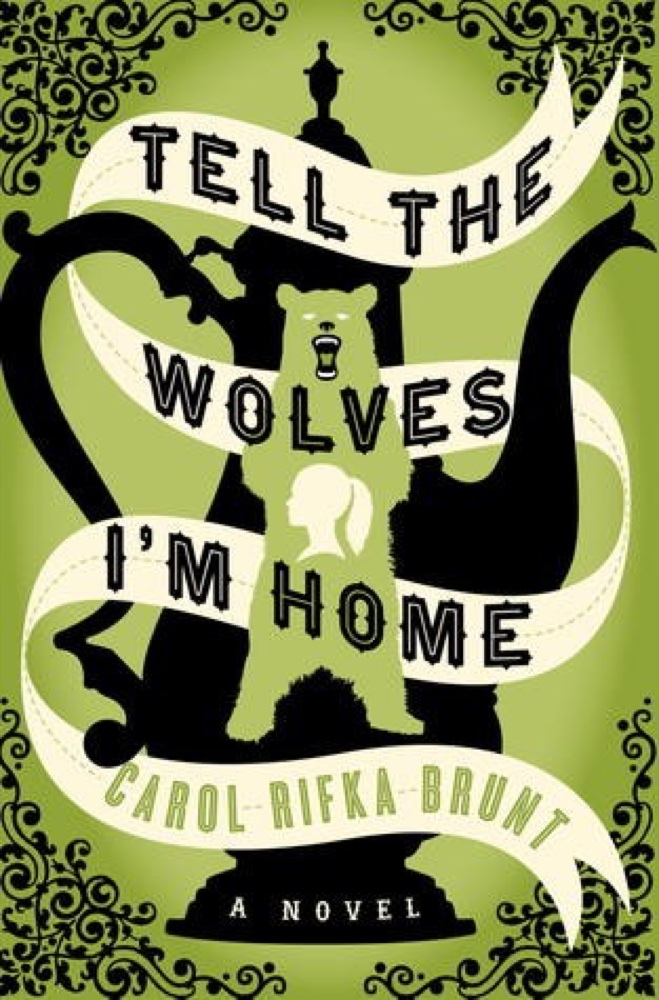 Tell the Wolves I'm Home
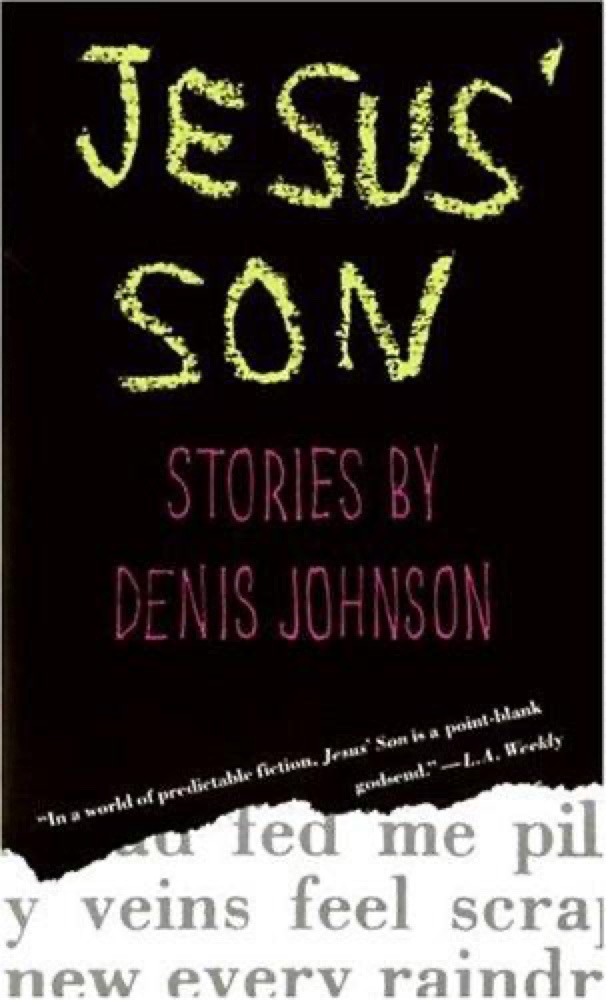 Jesus' Son
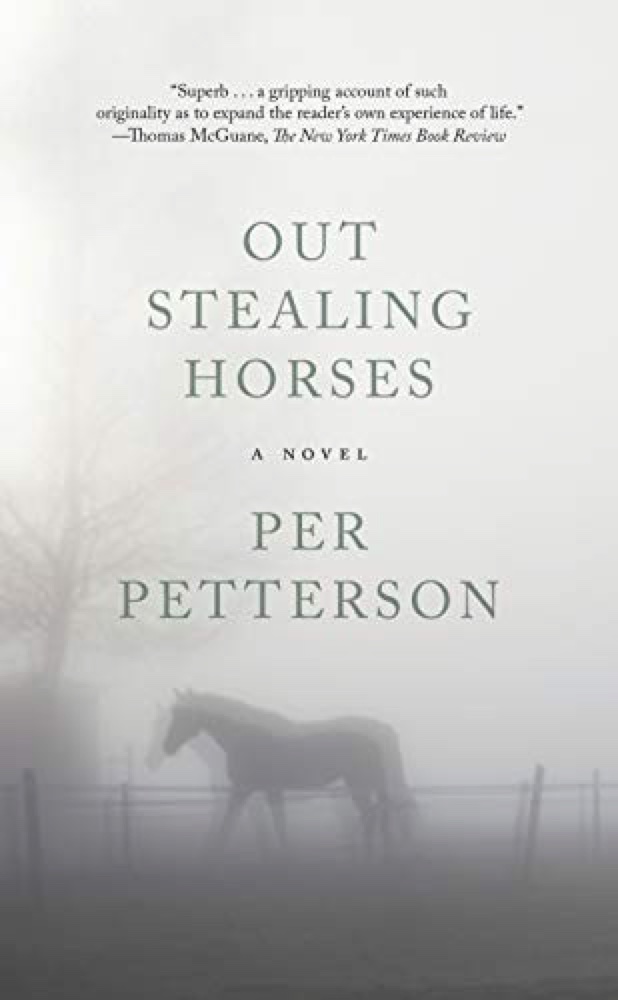 Out Stealing Horses
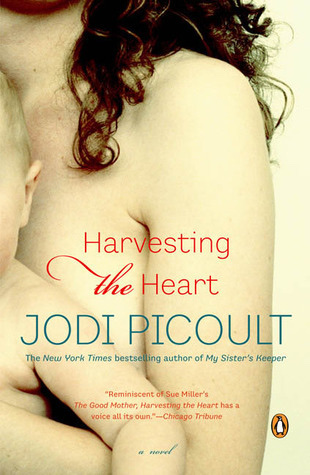 Harvesting the Heart
 Autobiography
 Rebecca
 No One Belongs Here More Than You
 One's Company
 All the Ugly and Wonderful Things
 The Death of Vivek Oji
 The Siren
 Saint Anything
 Impulse
 All But My Life: A Memoir
 A Hero of Our Time
 Outpost
 The Turn of the Screw
 The First Bad Man
 The Lies About Truth
 The Void
 When God Was a Rabbit
 Horde
Horde
 Twenty-Eight and a Half Wishes
 Nine Coaches Waiting
 The Story of a New Name
 A Room Made of Leaves
 Darkly Dreaming Dexter
 The Kind Worth Killing
 Molloy
 A Separate Peace
 Prep
Prep
 Stranded
 Agnes Grey
 Hunger
 I Keep My Exoskeletons to Myself
 Incarnate
 And the Mountains Echoed
 Tropic of Capricorn
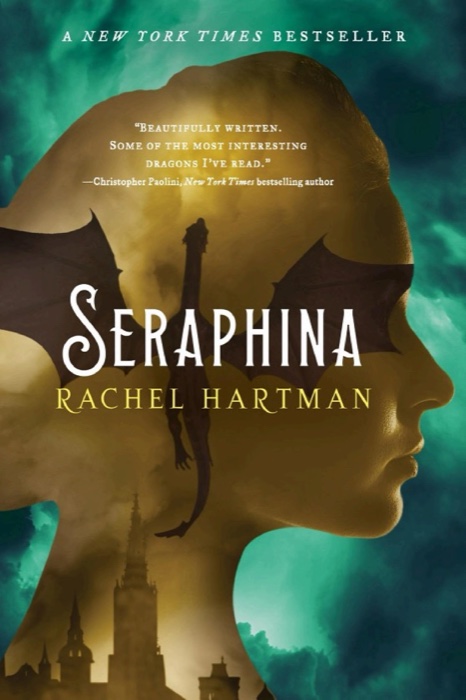 Seraphina
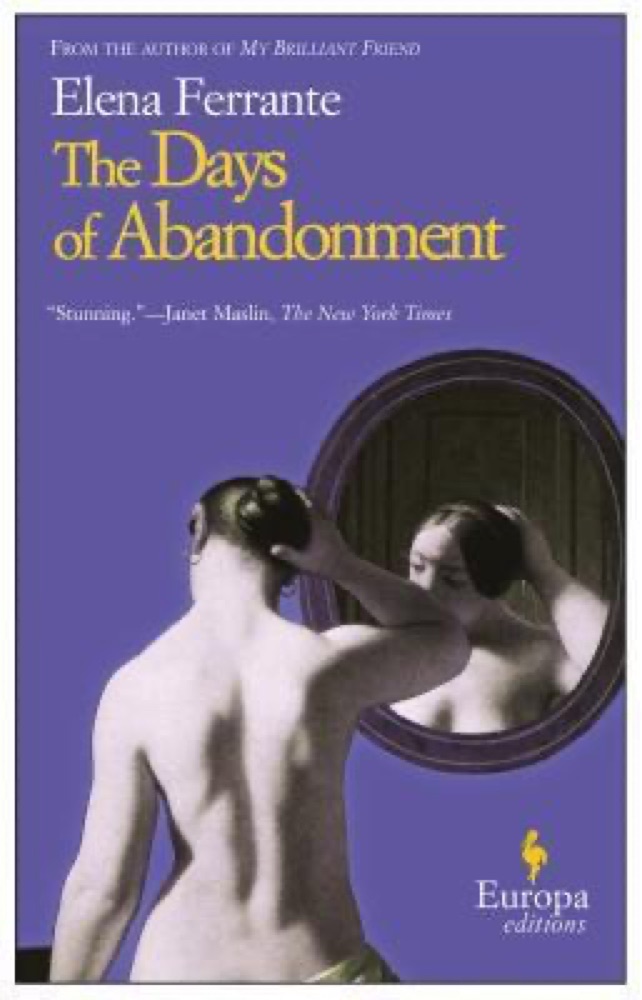 The Days of Abandonment
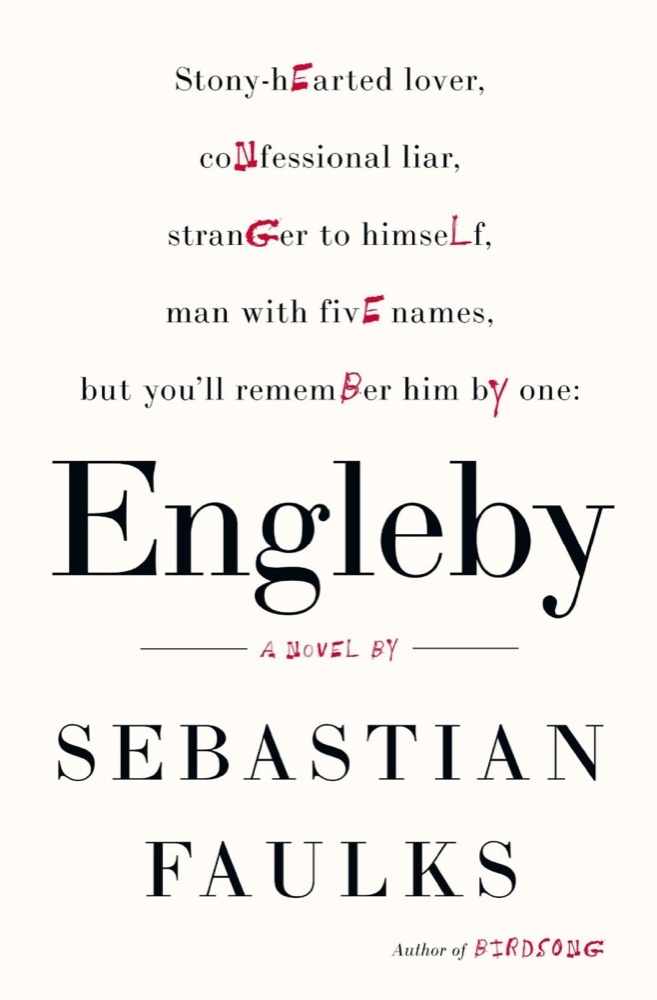 Engleby
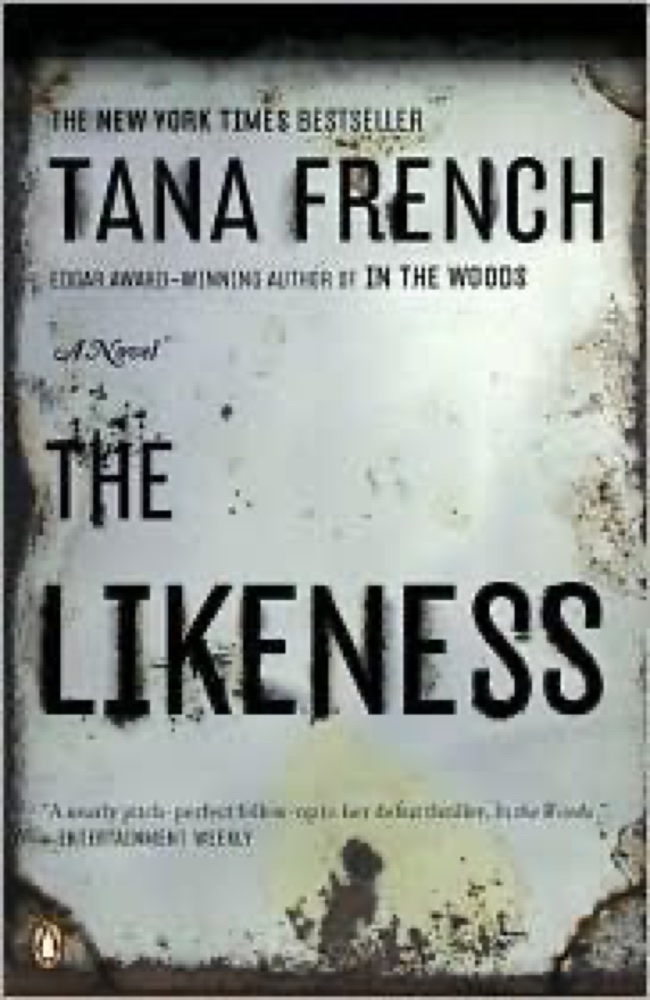 The Likeness
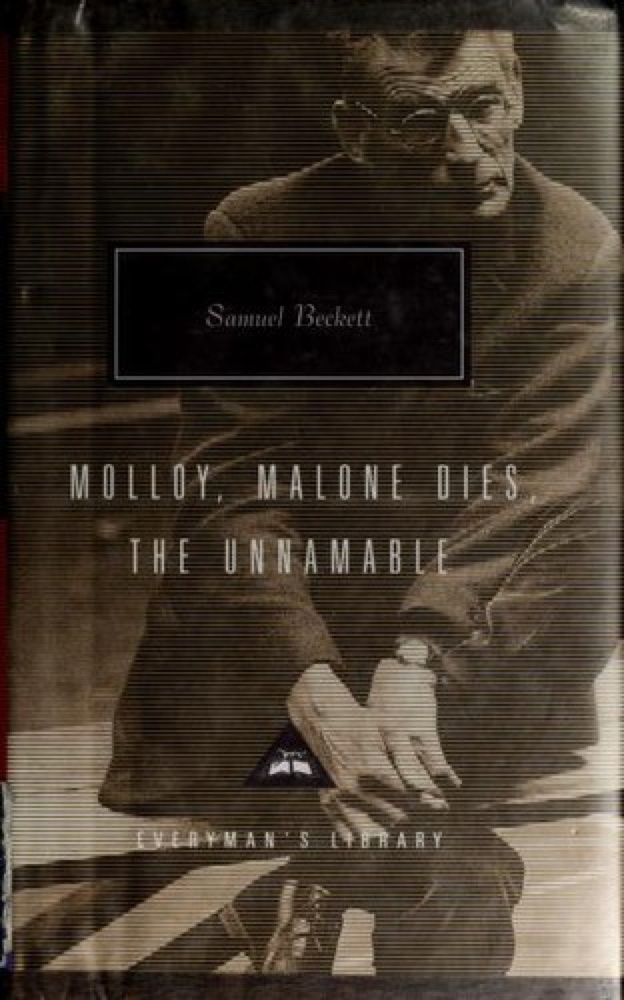 Molloy, Malone Dies, The Unnamable
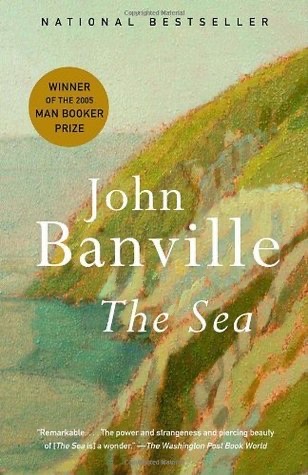 The Sea
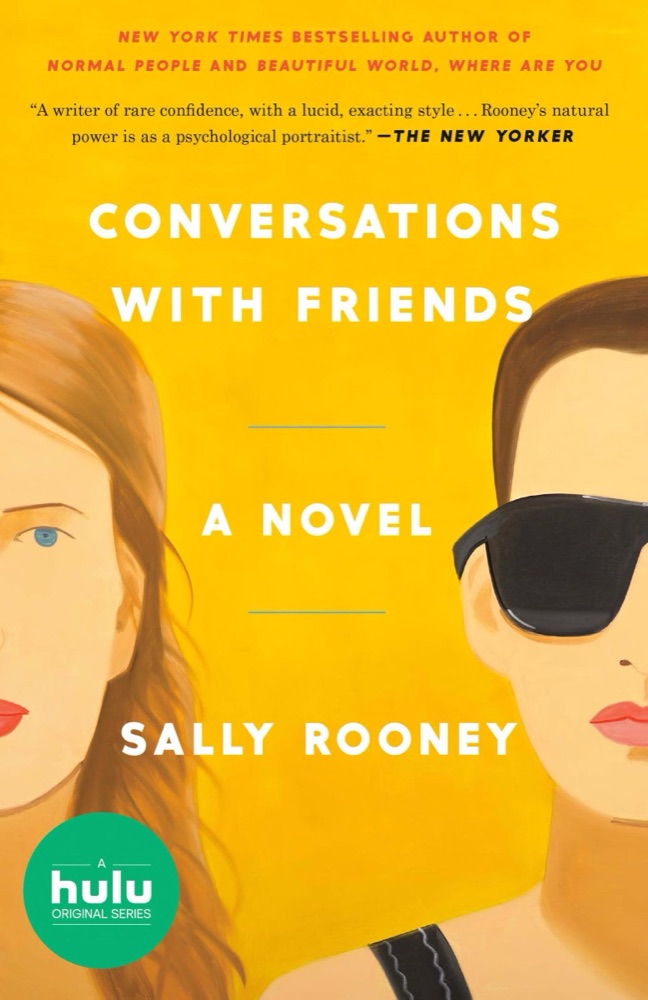 Conversations with Friends