

 The Last September
Quotes from the Book
Darling, I don't want you; I've got no place for you; I only want what you give. I don't want the whole of anyone.... What you want is the whole of me-isn't it, isn't it?-and the whole of me isn't there for anybody. In that full sense you want me I don't exist.
A romantic man often feels more uplifted with two women than with one: his love seems to hit the ideal mark somewhere between two different faces.
She walked about with the rather fated expression you see in photographs of girls who have subsequently been murdered, but nothing had so far happened to her.
The innocent are so few that two of them seldom meet-when they do meet, their victims lie strewn all round.
Pity the selfishness of lovers: it is brief, a forlorn hope; it is impossible.
One's sentiments -- call them that -- one's fidelities are so instinctive that one hardly knows they exist: only when they are betrayed or, worse still, when one betrays them does one realize their power.
It is not our exalted feelings, it is our sentiments that build the necessary home. The need to attach themselves makes wandering people strike roots in a day: wherever we unconsciously feel, we live.
The happy passive nature, locked up with itself like a mirror in an airy room, reflects what goes on but demands not to be approached.
Some people are moulded by their aspirations, others by their hostilities.
Darling, I don’t want you; I’ve got no place for you; I only want what you give. I don’t want the whole of anyone…What you want is the whole of me — isn't it, isn't it? — and the whole of me isn't there for anybody. In that full sense you want me I don’t exist.
She posed as being more indolent than she felt, for fear of finding herself less able than she could wish.
Looking back at a repetition of empty days, one sees that monuments have sprung up. Habit is not mere subjugation, it is a tender tie: when one remembers habit it seems to have been happiness.
Makes of men date, like makes of cars...
The furniture would have missed you? Furniture's knowing all right. Not much gets past the things in a room, I daresay, and chairs and tables don't go to the grave so soon. Every time I take the soft cloth to that stuff in the drawingroom, I could say, 'Well, you know a bit more'.
The belt slid down her thin hips, and she nervously gripped at it, pulling it up. Short sleeves showed her very thin arms and big delicate elbow joints. Her body was all concave and jerkily fluid lines; it moved with sensitive looseness, loosely threaded together: each movement had a touch of exaggeration , as though some secret power kept springing out.
The heart may think it knows better: the senses know that absence blots people out.
But there's no end to what's been said, and I'll be a party to nothing. I was born with my mouth shut:those with their mouths open do nothing but start trouble and catch flies.
After inside upheavals, it is important to fix on imperturbable things. Their imperturbableness, their air that nothing has happened renews our guarantee. Pictures would not be hung plumb over the centres of fireplaces or wallpapers pasted on with such precision that their seams make no break in the pattern if life were really not possible to adjudicate for. These things are what we mean when we speak of civilization: they remind us how exceedingly seldom the unseemly or unforeseeable rears its head. In this sense, the destruction of buildings and furniture is more palpably dreadful to the spirit than the destruction of human life.
It seemed to her that while people were very happy, individual persons were surely damned. So, she shrank from that specious mystery the individual throws about himself, from Anna's smiles, from Lilian's tomorrows, from the shut-in room, the turned-in heart.
Are you really an orphan? Yes, I am, said Portia a shade shortly. Are you? No, not at present, but I suppose it's a thing one is bound to be.
Innocence so constantly finds itself in a false position that inwardly innocent people learn to be disingenuous. Finding no language to speak in their own terms they resign themselves to being translated imperfectly. They exist alone; when they try and enter into relations they compromise falsifyingly- through anxiety, through desire to impart and to feel warmth. The system of our affections is too corrupt for them. They are bound to blunder, then to be told they cheat...Their singleness, their ruthlessness, their one continuous wish makes them bound to be cruel, and to suffer cruelty.
Sacrificers,” said Matchett, “are not the ones to pity. The ones to pity are those that they sacrifice
The most we can hope is to go on getting away with it till the others get it away from us
the senses bound our feeling world: there is an abrupt break where their power stops
We desert those who desert us; we cannot afford to suffer; we must live how we can
For people who live on expectations, to face up to their realisation is something of an ordeal. Expectations are the most perilous form of dream, and when dreams do realise themselves it is in the waking world: the difference is subtly but often painfully felt
Did Anna also, sometimes not know what to do next? Because she knew what to do next, because she knew what to laugh at, what to say, did it always follow that she knew where to turn? Inside everyone, is there an anxious person who stands to hesitate in an empty room?
In a library in a staid South Coast resort of retirees
Some of my ideas get enlarged almost before I have them.
The happy passive nature, locked up with itself like a mirror in an airy room, reflects what goes on but demands not to be approached. A pact with life, a pact of immunity, appears to exist-But this pact is not respected for ever- a street accident, an overheard quarrel, a certain note in a voice, a face coming too close, a tree being blown down, someone's unjust fate- the peace tears right across.
Watch on YouTube
About Elizabeth Bowen
We have collected 53 quotes from 3 books by Elizabeth Bowen on BookQuoters.
More about the author →More by Elizabeth Bowen
The Last September
 The Heat of the Day
Book details
- Author
- Elizabeth Bowen
- Genre
- Classics
- Goodreads rating
- 3.63 (9k ratings) →
Keep reading
 Angle of Repose
 The Guermantes Way
 A Fraction of the Whole
 The Story of the Lost Child
 Adam Bede
 The Winter of Our Discontent
 Embers
 Far from the Madding Crowd
 The Ground Beneath Her Feet
 The Jewel in the Crown
 Women in Love
 The Fall of Babel
 Middlemarch
 Desperate Remedies
![What Was She Thinking? [Notes on a Scandal]](/i/book/g/08/what-was-she-thinking-notes-on-a-scandal.jpg) What Was She Thinking? [Notes on a Scandal]
What Was She Thinking? [Notes on a Scandal]
 What Is Not Yours Is Not Yours
 Selected Stories
 The Bone Clocks
 The Unbearable Lightness of Being
 The Razor's Edge
 Ilustrado
 The Heart of the Matter
 The Luminaries
 Swann's Way
 The Sea, the Sea
 Sexing the Cherry
 Giovanni's Room
 A Room with a View
 The Stone Diaries
 Dream Count
 Brideshead Revisited: The Sacred and Profane Memories of Captain Charles Ryder
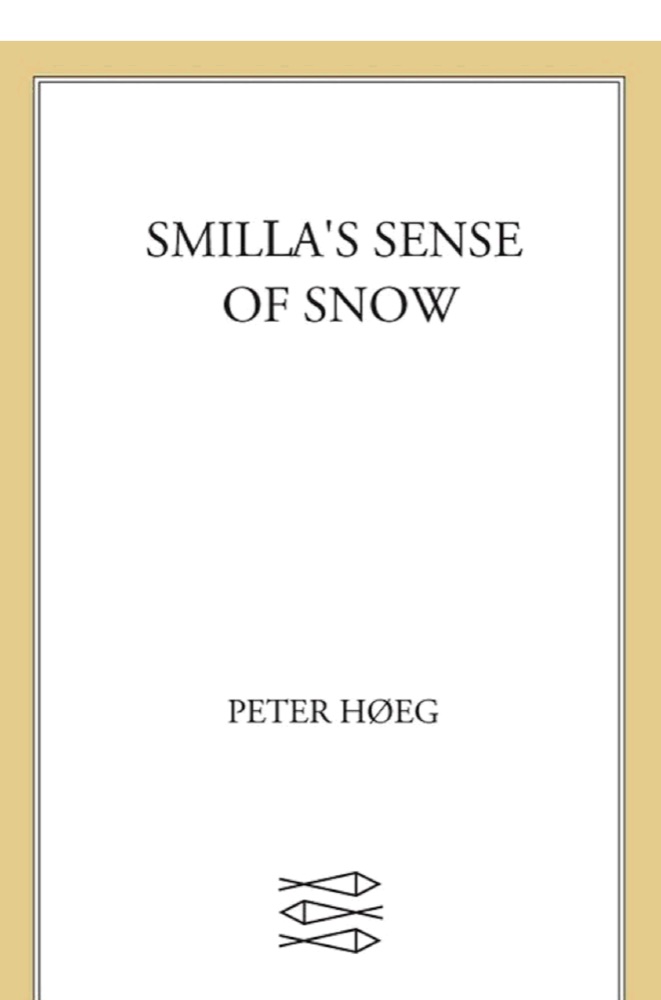 Smilla's Sense of Snow
 The Shadow of the Wind
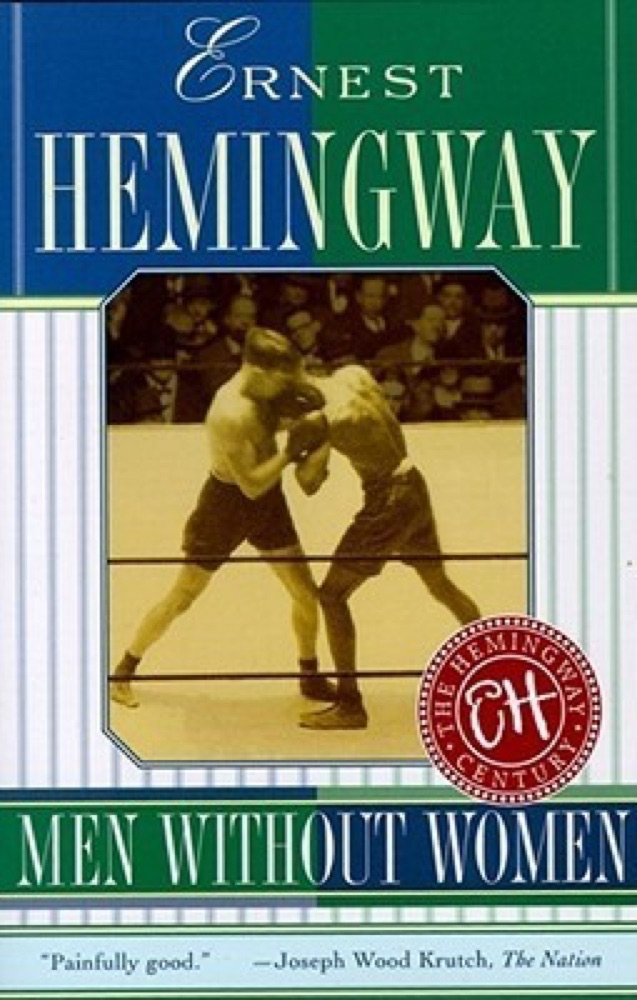 Men Without Women
 The Mandarins
 In Search of Lost Time
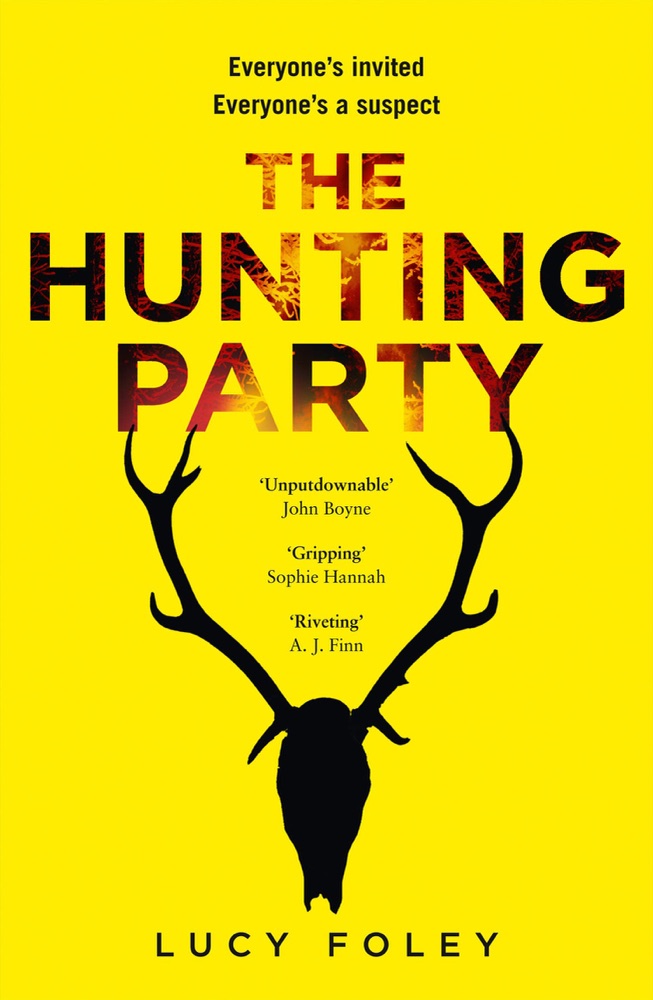 The Hunting Party
 The Post-Birthday World
 The Tsar of Love and Techno
 Sister Carry
 1Q84
1Q84
 Justine
 On Beauty
 A Rule Against Murder
 The Mill on the Floss
 Enduring Love
 A Well-Tempered Heart
 Nightwood
 A Lion Among Men
 The Year of the Flood
 The Nice and the Good
 Lady Chatterley's Lover
 Every Heart a Doorway
 Housekeeping
 The Blind Assassin
 The Well of Loneliness
 Q & A
Q & A
 Shirley
 Girl with Curious Hair
 The Bell