 Villette
Quotes from the Book
I am no bird; and no net ensnares me: I am a free human being with an independent will.
I would always rather be happy than dignified.
Do you think I am an automaton? — a machine without feelings? and can bear to have my morsel of bread snatched from my lips, and my drop of living water dashed from my cup? Do you think, because I am poor, obscure, plain, and little, I am soulless and heartless? You think wrong! — I have as much soul as you — and full as much heart! And if God had gifted me with some beauty and much wealth, I should have made it as hard for you to leave me, as it is now for me to leave you. I am not talking to you now through the medium of custom, conventionalities, nor even of mortal flesh: it is my spirit that addresses your spirit; just as if both had passed through the grave, and we stood at God's feet, equal — as we are!
Life appears to me too short to be spent in nursing animosity or registering wrongs.
I care for myself. The more solitary, the more friendless, the more unsustained I am, the more I will respect myself.
I have for the first time found what I can truly love–I have found you. You are my sympathy–my better self–my good angel–I am bound to you with a strong attachment. I think you good, gifted, lovely: a fervent, a solemn passion is conceived in my heart; it leans to you, draws you to my centre and spring of life, wrap my existence about you–and, kindling in pure, powerful flame, fuses you and me in one.
I do not think, sir, you have any right to command me, merely because you are older than I, or because you have seen more of the world than I have; your claim to superiority depends on the use you have made of your time and experience.
Jane, be still; don't struggle so like a wild, frantic bird, that is rending its own plumage in its desperation." "I am no bird; and no net ensnares me; I am a free human being, with an independent will; which I now exert to leave you.
If all the world hated you and believed you wicked, while your own conscience approved of you and absolved you from guilt, you would not be without friends.
I am not an angel,' I asserted; 'and I will not be one till I die: I will be myself. Mr. Rochester, you must neither expect nor exact anything celestial of me - for you will not get it, any more than I shall get it of you: which I do not at all anticipate.
I can live alone, if self-respect, and circumstances require me so to do. I need not sell my soul to buy bliss. I have an inward treasure born with me, which can keep me alive if all extraneous delights should be withheld, or offered only at a price I cannot afford to give.
Do you think, because I am poor, obscure, plain and little, I am soulless and heartless? You think wrong! - I have as much soul as you, - and full as much heart! And if God had gifted me with some beauty and much wealth, I should have made it as hard for you to leave me, as it is now for me to leave you!
Every atom of your flesh is as dear to me as my own: in pain and sickness it would still be dear.
Prejudices, it is well known, are most difficult to eradicate from the heart whose soil has never been loosened or fertilised by education: they grow there, firm as weeds among stones.
I had not intended to love him; the reader knows I had wrought hard to extirpate from my soul the germs of love there detected; and now, at the first renewed view of him, they spontaneously revived, great and strong! He made me love him without looking at me.
Flirting is a woman’s trade, one must keep in practice.
All my heart is yours, sir: it belongs to you; and with you it would remain, were fate to exile the rest of me from your presence forever.
The soul, fortunately, has an interpreter - often an unconscious but still a faithful interpreter - in the eye.
I have little left in myself -- I must have you. The world may laugh -- may call me absurd, selfish -- but it does not signify. My very soul demands you: it will be satisfied, or it will take deadly vengeance on its frame.
It is a long way to Ireland, Janet, and I am sorry to send my little friend on such weary travels: but if I can't do better, how is it to be helped? Are you anything akin to me, do you think, Jane?" I could risk no sort of answer by this time: my heart was still. "Because, he said, "I sometimes have a queer feeling with regard to you - especially when you are near me, as now: it is as if I had a string somewhere under my left ribs, tightly and inextricably knotted to a similar string situated in the corresponding quarter of your little frame. And if that boisterous channel, and two hundred miles or so of land some broad between us, I am afraid that cord of communion will be snapt; and then I've a nervous notion I should take to bleeding inwardly. As for you, - you'd forget me.
I ask you to pass through life at my side—to be my second self, and best earthly companion.
It is in vain to say human beings ought to be satisfied with tranquillity: they must have action; and they will make it if they cannot find it. Millions are condemned to a stiller doom than mine, and millions are in silent revolt against their lot. Nobody knows how many rebellions besides political rebellions ferment in the masses of life which people earth. Women are supposed to be very calm generally: but women feel just as men feel; they need exercise for their faculties, and a field for their efforts, as much as their brothers do; they suffer from too rigid a restraint, to absolute a stagnation, precisely as men would suffer; and it is narrow-minded in their more privileged fellow-creatures to say that they ought to confine themselves to making puddings and knitting stockings, to playing on the piano and embroidering bags. It is thoughtless to condemn them, or laugh at them, if they seek to do more or learn more than custom has pronounced necessary for their sex.
We know that God is everywhere; but certainly we feel His presence most when His works are on the grandest scale spread before us; and it is in the unclouded night-sky, where His worlds wheel their silent course, that we read clearest His infinitude, His omnipotence, His omnipresence.
Even for me life had its gleams of sunshine.
It does good to no woman to be flattered [by a man] who does not intend to marry her; and it is madness in all women to let a secret love kindle within them, which, if unreturned and unknown, must devour the life that feeds it; and, if discovered and responded to, must lead, ignis-fatuus-like, into miry wilds whence there is no extrication.
There is no happiness like that of being loved by your fellow creatures, and feeling that your presence is an addition to their comfort.
Good-night, my-" He stopped, bit his lip, and abruptly left me.
Did you know?
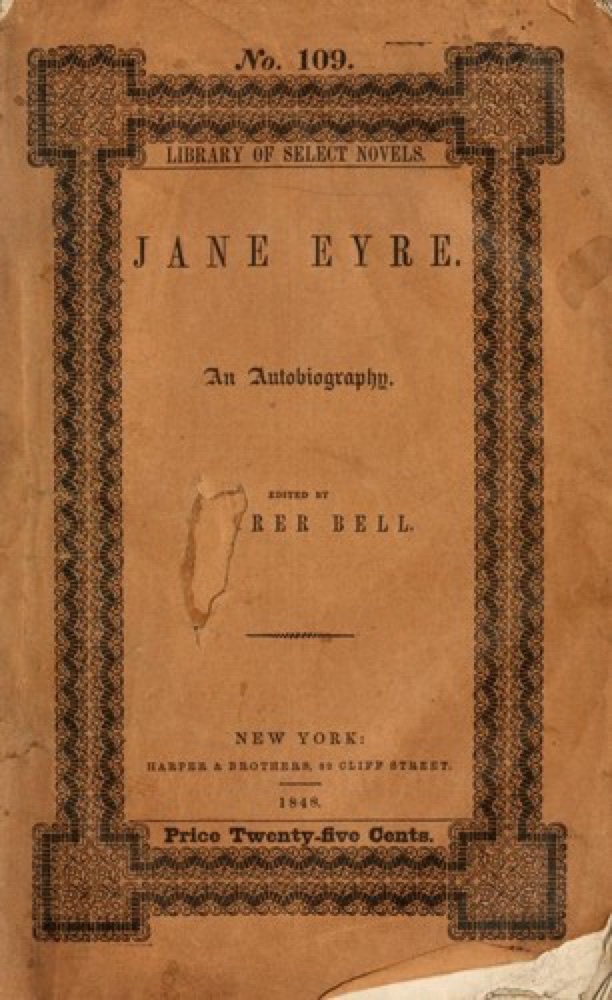
- Charlotte Bronte first published Jane Eyre under the male pen name Currer Bell.
- The novel's original full title was Jane Eyre: An Autobiography.
- The harsh Lowood school was inspired by the Clergy Daughters' School Bronte attended, where two of her sisters died.
- The final chapter famously opens with the line 'Reader, I married him.'
- Jean Rhys's 1966 novel Wide Sargasso Sea retells the story from the perspective of Rochester's first wife, Bertha Mason.
- Jane Eyre ranked tenth in the BBC's 2003 Big Read poll of Britain's favourite novels.
About Charlotte Brontë
Charlotte Bronte (1816-1855) was an English novelist and poet, the eldest of the three Bronte sisters. She published Jane Eyre under the pen name Currer Bell, drawing on her own experiences of harsh schooling and work as a governess.
More about the author →More by Charlotte Brontë

About the book
Jane Eyre, first published in 1847 under Charlotte Bronte's pen name Currer Bell, follows an orphaned girl from a loveless childhood into adulthood. Raised harshly by her aunt Mrs. Reed and later sent to the austere Lowood school, Jane grows into a self-possessed young woman and takes a post as governess at Thornfield Hall. There she is drawn to her employer, the brooding Edward Rochester, and the novel traces the obstacles that stand between them and Jane's insistence on preserving her own dignity and independence.
At its heart the book is a study of moral and spiritual development told through an intimate first-person voice. It weaves together themes of women's independence, class and social mobility, religious conscience, and Gothic mystery, giving unusual interior depth to a heroine who refuses to compromise her principles for love, comfort, or security. Bronte drew on her own experience of harsh schooling and work as a governess in shaping Jane's world.
Jane Eyre was a critical and commercial success on publication and has remained one of the most influential English novels, praised for pioneering an intensely subjective narrative of private consciousness. It has inspired countless film, television, and stage adaptations, and Jean Rhys's 1966 novel Wide Sargasso Sea reimagines the story of Rochester's first wife. The book placed tenth in the BBC's 2003 Big Read poll of Britain's best-loved novels.
Key characters
- Jane EyreOrphaned protagonist who grows from an abused child into an independent governess
- Edward RochesterBrooding master of Thornfield Hall and Jane's employer and love interest
- Bertha MasonRochester's first wife, confined in the attic at Thornfield
- St. John RiversEarnest clergyman and cousin who urges Jane to join him in missionary work
- Mrs. ReedJane's cold aunt and guardian in her early childhood
Book details
- First published
- 1847
- Author
- Charlotte Brontë
- Genre
- Literature
- Goodreads rating
- 4.16 (2.4M ratings) →
- First line
- “There was no possibility of taking a walk that day.”
Movie & TV adaptations
- IMDb
If you liked this, read…
- 1Wide Sargasso SeaJean Rhys's prequel that tells the story of Rochester's first wife
- 2Wuthering HeightsGothic romance by Charlotte's sister Emily Bronte
- 3RebeccaGothic tale of a young woman and a brooding master of a grand house
Keep reading
Villette
 Agnes Grey
 Wuthering Heights
 Clarissa, or, the History of a Young Lady
 A Lady for a Duke
 Pride and Prejudice
 Great Expectations
 Mansfield Park
 The Tenant of Wildfell Hall
 Shirley
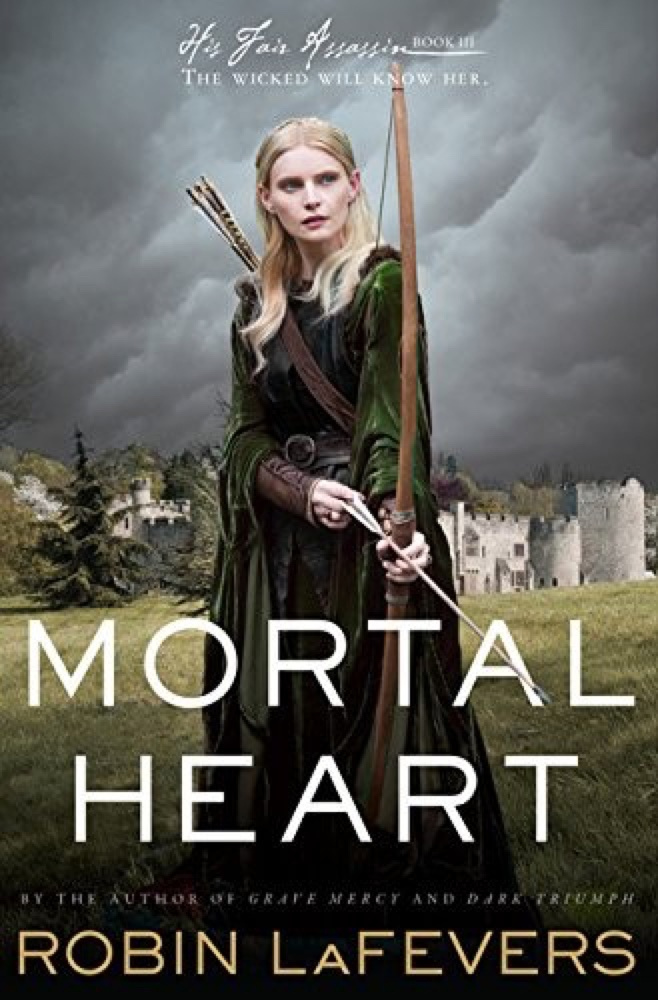 Mortal Heart
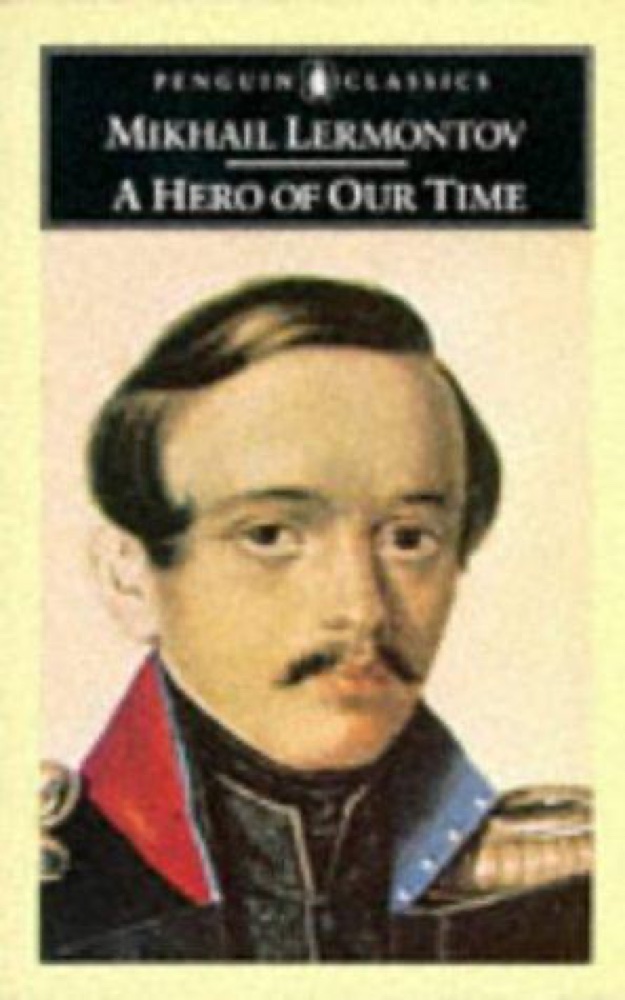 A Hero of Our Time
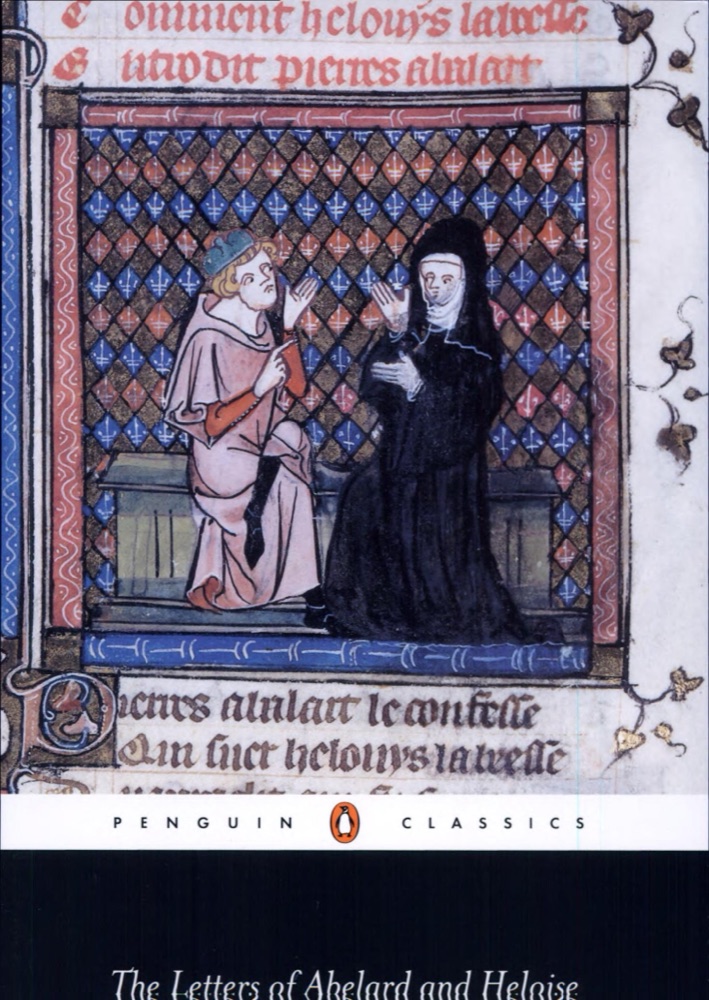 The Letters of Abélard and Héloïse
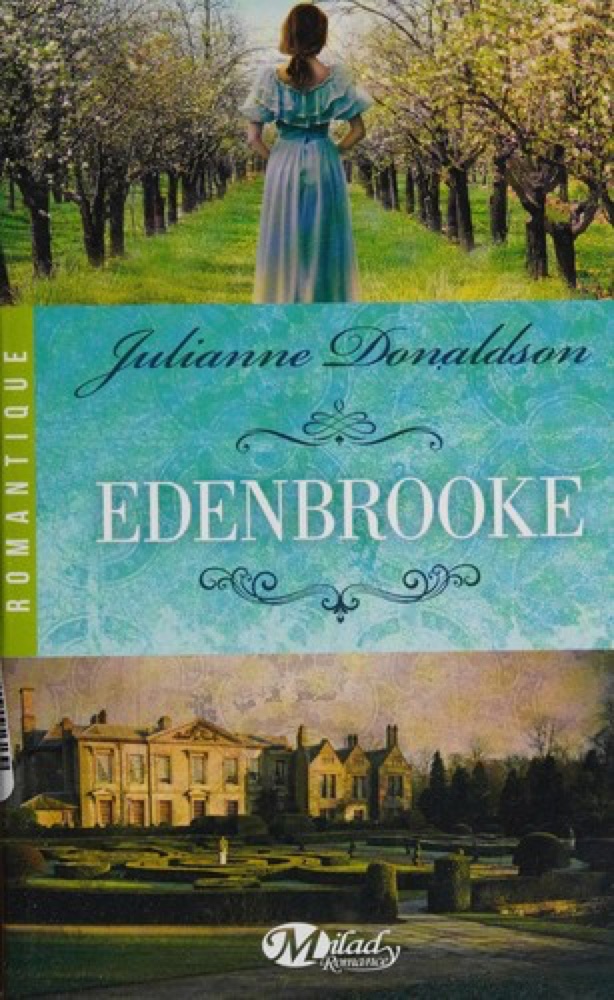 Edenbrooke
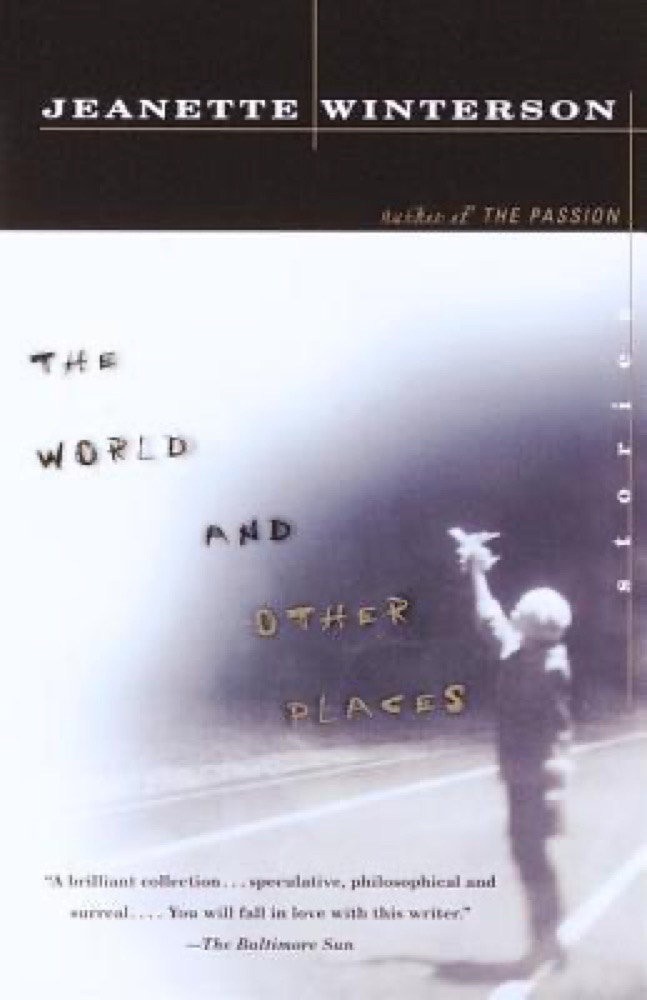 The World and Other Places: Stories
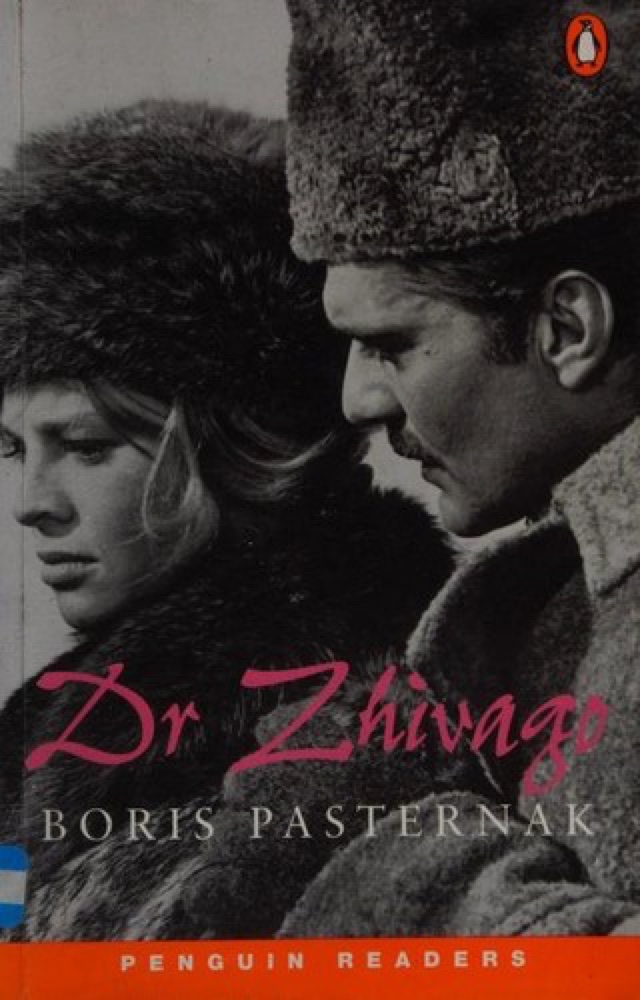 Doctor Zhivago
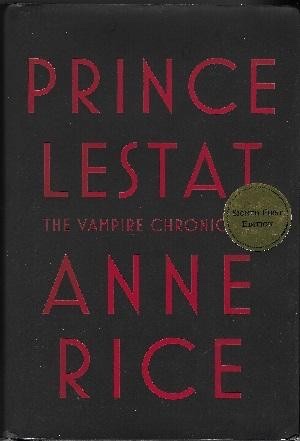 Prince Lestat
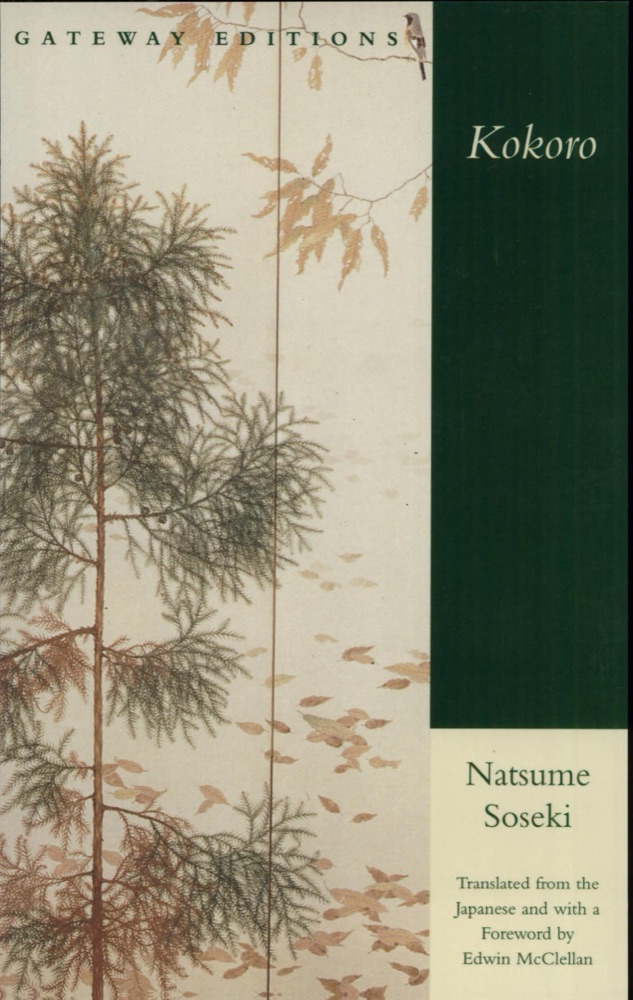 Kokoro
 De Profundis
 Faust
Faust
 A Mercy
 Sense and Sensibility
 North and South
 The Gargoyle
 The Unabridged Journals of Sylvia Plath
 Our Mutual Friend
 No Exit and Three Other Plays
 The Host
 Gabriel's Inferno
 Rebecca
 Little Women
 Leaves of Grass
 Possession
 Reveries of the Solitary Walker
 This Side of Paradise
 Seraphina
 The Diary of a Young Girl
 Frankenstein
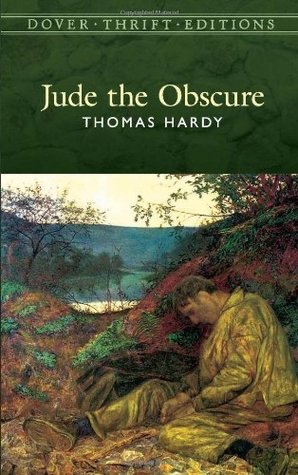 Jude the Obscure
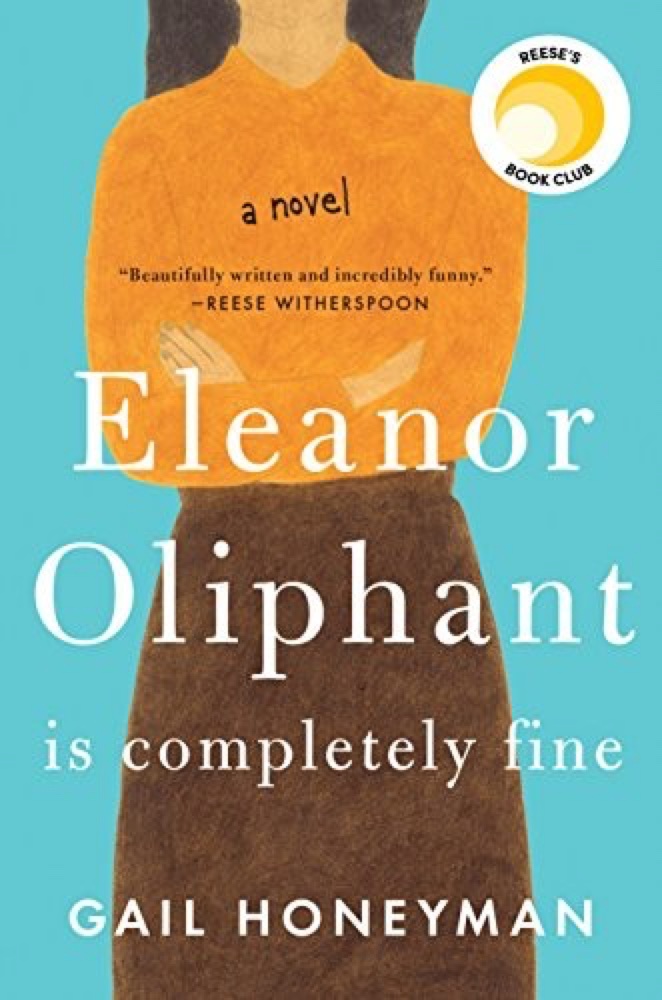 Eleanor Oliphant Is Completely Fine
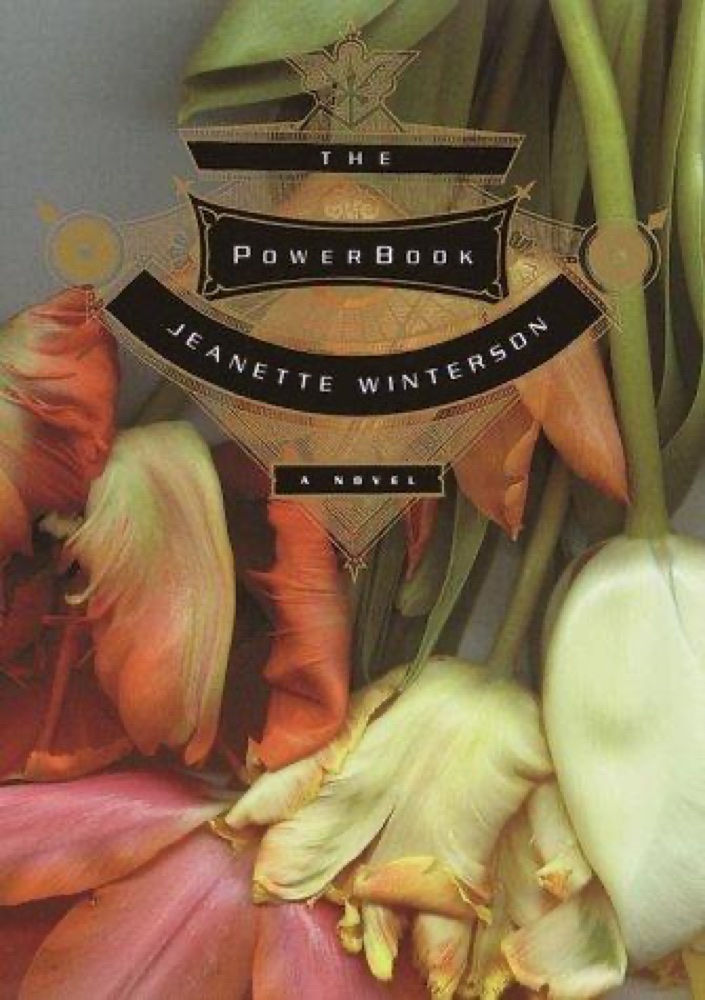 The Powerbook
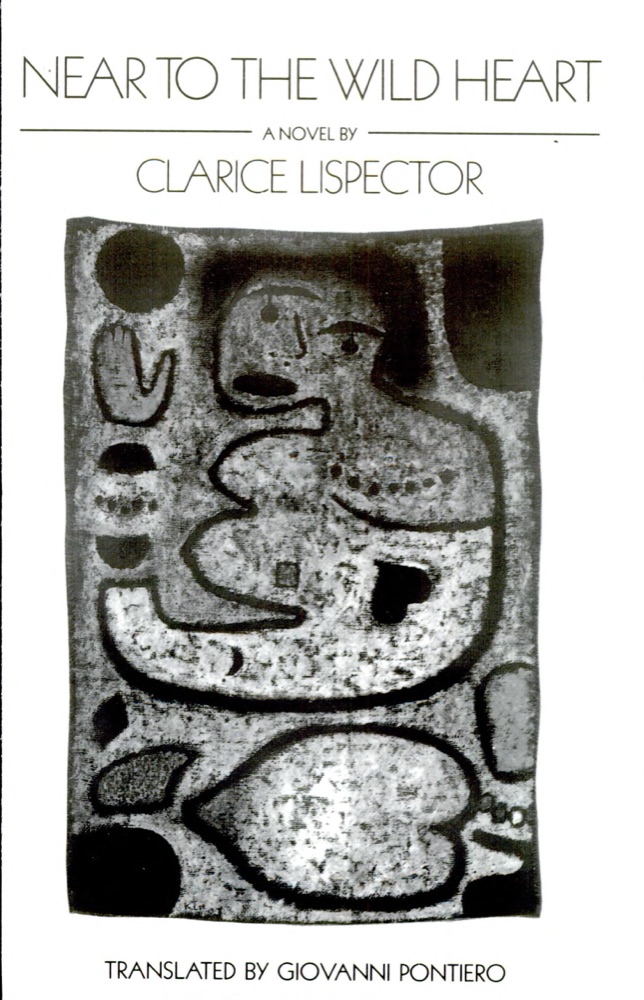 Near to the Wild Heart
 The Vagabond
 The Complete Poems of Emily Dickinson
 Anna Karenina
 Gilead
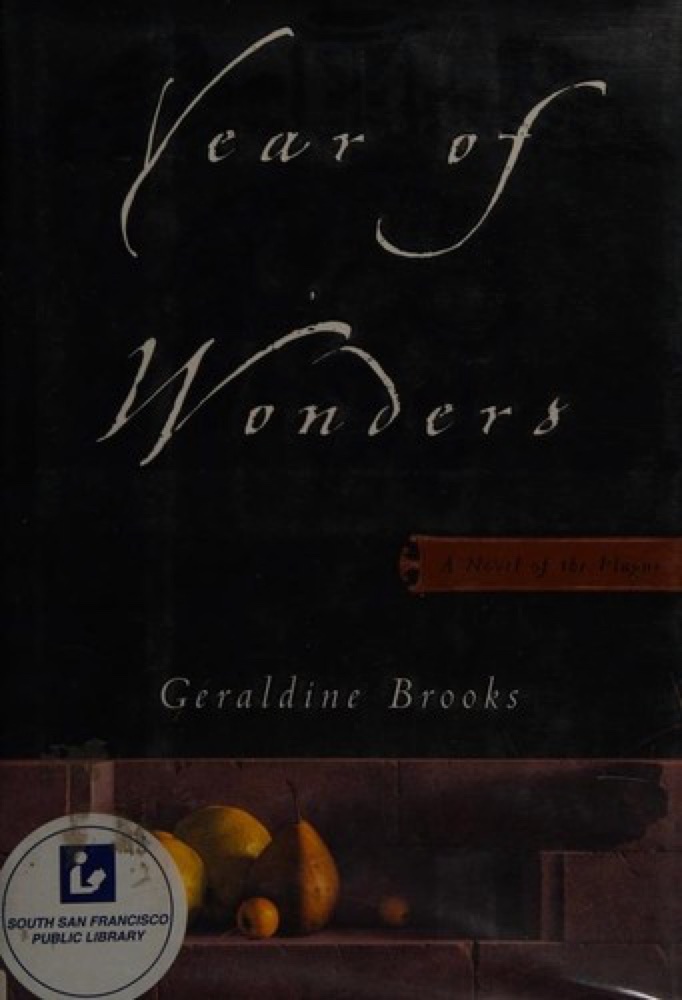 Year of Wonders
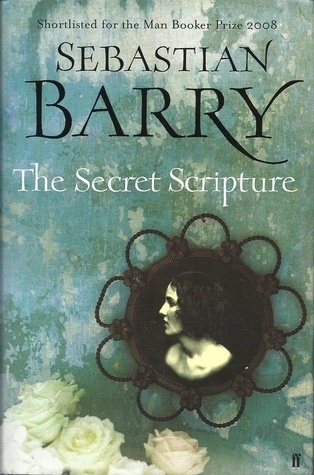 The Secret Scripture
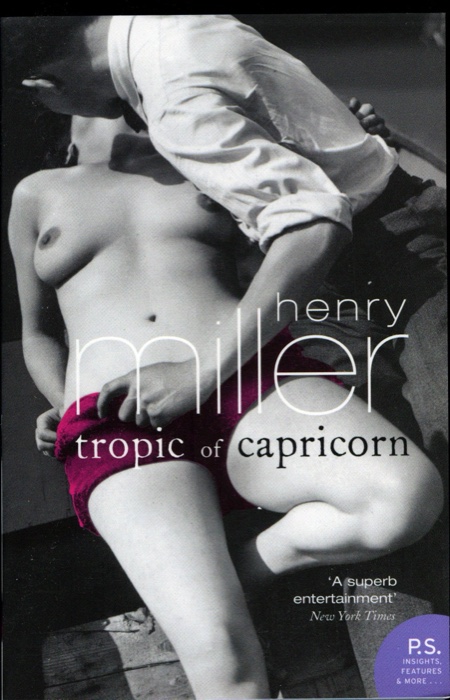 Tropic of Capricorn
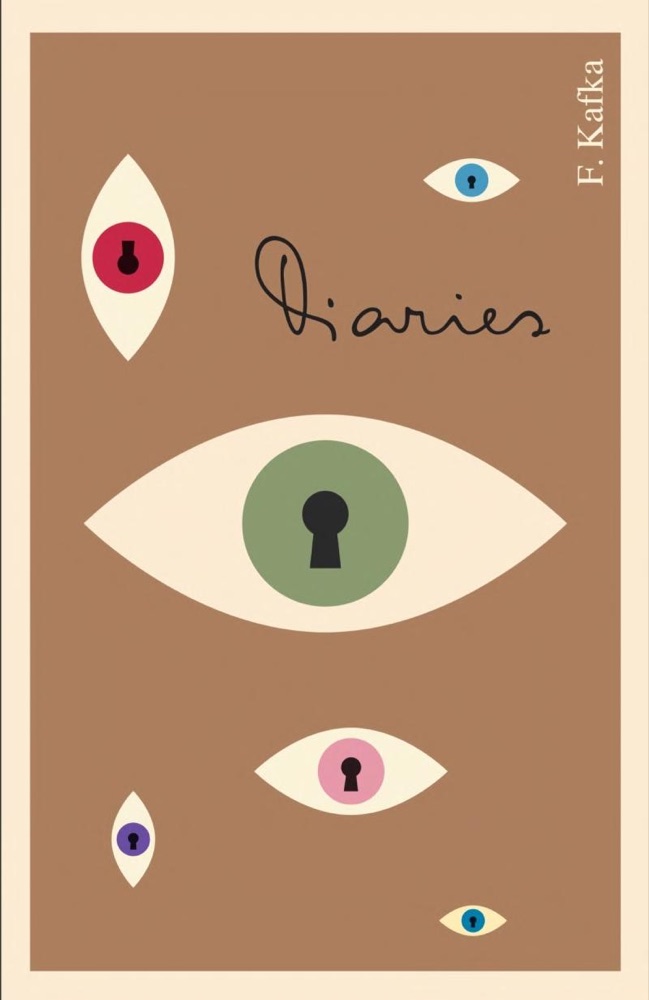 Diaries, 1910-1923
 Without Dogma
 Pygmalion
 Flappers and Philosophers
 Brideshead Revisited: The Sacred and Profane Memories of Captain Charles Ryder
 Immortal Beloved
 First Love
 Devotions: The Selected Poems of Mary Oliver
 An Ideal Husband
 Embers
 The Immoralist