![The Complete Poems of Emily Bronte [with Biographical Introduction]](/i/book/g/b2/the-complete-poems-of-emily-bronte-with-biographical-introduction.jpg) The Complete Poems of Emily Bronte [with Biographical Introduction]
The Complete Poems of Emily Bronte [with Biographical Introduction]
Quotes from the Book
He's more myself than I am. Whatever our souls are made of, his and mine are the same.
If all else perished, and he remained, I should still continue to be; and if all else remained, and he were annihilated, the universe would turn to a mighty stranger.
Be with me always - take any form - drive me mad! only do not leave me in this abyss, where I cannot find you! Oh, God! it is unutterable! I can not live without my life! I can not live without my soul!
I wish I were a girl again, half-savage and hardy, and free.
If he loved with all the powers of his puny being, he couldn't love as much in eighty years as I could in a day.
Catherine Earnshaw, may you not rest as long as I am living. You said I killed you--haunt me then. The murdered do haunt their murderers. I believe--I know that ghosts have wandered the earth. Be with me always--take any form--drive me mad. Only do not leave me in this abyss, where I cannot find you! Oh, God! It is unutterable! I cannot live without my life! I cannot live without my soul!
I have not broken your heart - you have broken it; and in breaking it, you have broken mine.
She burned too bright for this world.
I cannot express it; but surely you and everybody have a notion that there is or should be an existence of yours beyond you. What were the use of my creation, if I were entirely contained here? My great miseries in this world have been Heathcliff's miseries, and I watched and felt each from the beginning: my great thought in living is himself. If all else perished, and he remained, I should still continue to be; and if all else remained, and he were annihilated, the universe would turn to a mighty stranger: I should not seem a part of it. My love for Linton is like the foliage in the woods: time will change it, I'm well aware, as winter changes the trees. My love for Heathcliff resembles the eternal rocks beneath: a source of little visible delight, but necessary. Nelly, I am Heathcliff! He's always, always in my mind: not as a pleasure, any more than I am always a pleasure to myself, but as my own being.
I gave him my heart, and he took and pinched it to death; and flung it back to me. People feel with their hearts, Ellen, and since he has destroyed mine, I have not power to feel for him.
I have dreamt in my life, dreams that have stayed with me ever after, and changed my ideas; they have gone through and through me, like wine through water, and altered the color of my mind. And this is one: I'm going to tell it - but take care not to smile at any part of it.
You teach me now how cruel you've been - cruel and false. Why did you despise me? Why did you betray your own heart, Cathy? I have not one word of comfort. You deserve this. You have killed yourself. Yes, you may kiss me, and cry; and wring out my kisses and tears: they'll blight you - they'll damn you. You loved me - what right had you to leave me? What right - answer me - for the poor fancy you felt for Linton? Because misery, and degradation, and death, and nothing that God or Satan could inflict would have parted us, you, of your own will did it. I have no broken your heart - you have broken it; and in breaking it, you have broken mine. So much the worse for me that I am strong. Do I want to live? What kind of living will it be when you - Oh, God! would you like to lie with your soul in the grave?
If you ever looked at me once with what I know is in you, I would be your slave.
I have to remind myself to breathe -- almost to remind my heart to beat!
My love for Linton is like the foliage in the woods: time will change it, I'm well aware, as winter changes the trees. My love for Heathcliff resembles the eternal rocks beneath: a source of little visible delight, but necessary. Nelly, I am Healthcliff! He's always, always in my mind: not as a pleasure, any more than I am always a pleasure to myself, but as my own being.
It was not the thorn bending to the honeysuckles, but the honeysuckles embracing the thorn.
It is hard to forgive, and to look at those eyes, and feel those wasted hands,' he answered. 'Kiss me again; and don’t let me see your eyes! I forgive what you have done to me. I love my murderer—but yours! How can I?
He wanted all to lie in an ecstasy of peace; I wanted all to sparkle and dance in a glorious jubilee. I said his heaven would be only half alive; and he said mine would be drunk: I said I should fall asleep in his; and he said he could not breathe in mine.
He shall never know I love him: and that, not because he's handsome, but because he's more myself than I am. Whatever our souls are made out of, his and mine are the same.
A person who has not done one half his day's work by ten o'clock, runs a chance of leaving the other half undone.
Nelly, I am Heathcliff - he's always, always in my mind - not as a pleasure, any more then I am always a pleasure to myself - but, as my own being.
I’m wearying to escape into that glorious world, and to be always there: not seeing it dimly through tears, and yearning for it through the walls of an aching heart: but really with it, and in it.
And I pray one prayer--I repeat it till my tongue stiffens--Catherine Earnshaw, may you not rest as long as I am living! You said I killed you--haunt me, then!...Be with me always--take any form--drive me mad! only do not leave me in this abyss, where I cannot find you!
Treachery and violence are spears pointed at both ends; they wound those who resort to them worse than their enemies.
I've no more business to marry Edgar Linton than I have to be in heaven and if the wicked man in there had not brought Heathcliff so low I shouldn't have thought of it. It would degrade me to marry Heathcliff now so he shall never know how I love him and that not because he's handsome Nelly but because he's more myself than I am. Whatever our souls are made of his and mine are the same and Linton's is as different as a moonbeam from lightning or frost from fire.
You know that I could as soon forget you as my existence!
Did you know?
- The novel was first published in 1847 under the pseudonym Ellis Bell.
- It was Emily Bronte's only novel; she died in 1848, the year after its publication.
- The first edition was issued by publisher Thomas Cautley Newby in three volumes.
- Much of the story is relayed through the nested narration of the servant Nelly Dean and the tenant Lockwood.
- Contemporary critics found the novel powerful but were disturbed by the cruelty of its characters.
About Emily Brontë
Emily Jane Bronte (1818-1848) was an English novelist and poet, one of the three Bronte sisters. Wuthering Heights (1847) was her only novel, first published under the pen name Ellis Bell.
More about the author →More by Emily Brontë
The Complete Poems of Emily Bronte [with Biographical Introduction]
About the book
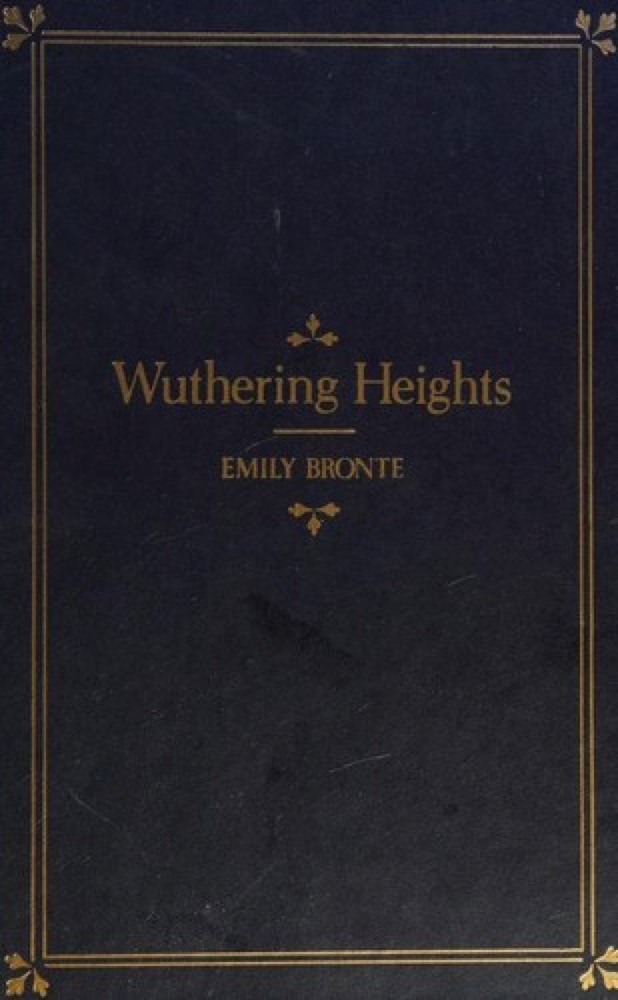
Wuthering Heights is Emily Bronte's only novel, published in 1847 under the masculine pseudonym Ellis Bell. Set on the wild Yorkshire moors, it follows the fierce and destructive bond between Catherine Earnshaw and Heathcliff, a foundling brought home by her father. When Catherine chooses to marry the genteel Edgar Linton of Thrushcross Grange, Heathcliff departs, returning years later mysteriously wealthy and consumed by a desire for revenge that reaches into a second generation.
The novel is remembered for its intense treatment of love as possession, its exploration of class, cruelty, and revenge, and the way childhood shapes adult character. Its nested narration, chiefly through the servant Nelly Dean and the visitor Lockwood, gives a plain tale of the moors the depth of ancient tragedy, layering the story across time and household boundaries.
On first publication the book drew polarised reviews, with critics acknowledging its power while recoiling from the savagery and selfishness of its characters. Later generations reassessed it as a masterpiece of English literature, and it has since been widely adapted for film, most famously in the 1939 Hollywood version and Peter Kosminsky's 1992 adaptation.
Key characters
- HeathcliffFoundling adopted by Mr. Earnshaw who becomes wealthy and seeks revenge
- Catherine EarnshawWilful daughter of Mr. Earnshaw who loves Heathcliff but marries Edgar
- Edgar LintonGentleman of Thrushcross Grange who marries Catherine
- Cathy LintonDaughter of Catherine and Edgar
- Hareton EarnshawSon of Hindley who eventually reclaims Wuthering Heights
- Nelly DeanServant and chief narrator across the generations
- LockwoodTenant of Thrushcross Grange whose visit frames the narrative
Book details
- First published
- 1847
- Author
- Emily Brontë
- Genre
- Classics
- Goodreads rating
- 3.89 (2.3M ratings) →
- First line
- “1801—I have just returned from a visit to my landlord—the solitary neighbour that I shall be troubled with.”
Movie & TV adaptations
- IMDb
- IMDb
If you liked this, read…
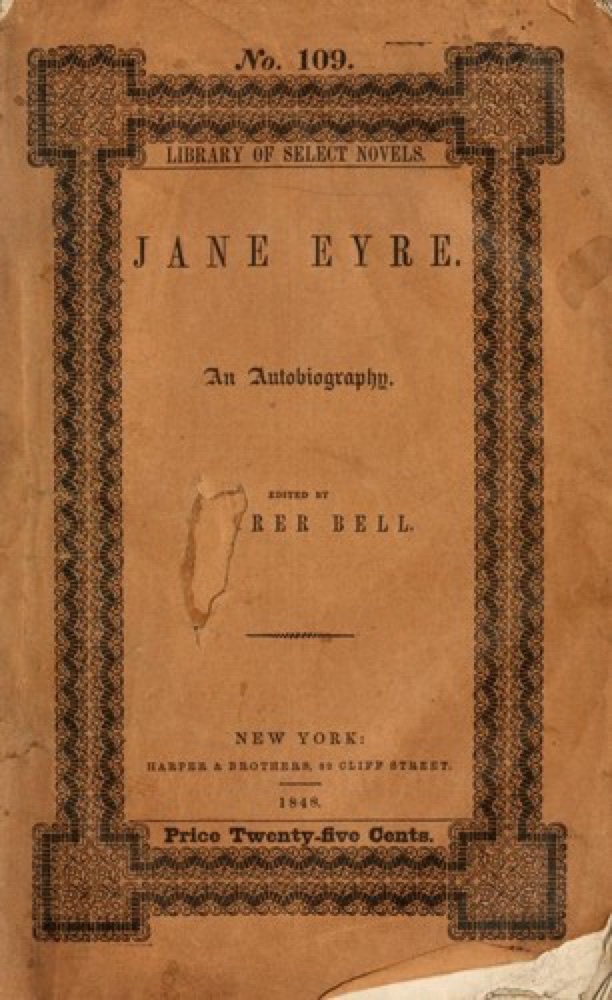
- 1Jane EyreCharlotte Bronte's passionate Gothic-tinged romance by Emily's sister
- 2The Tenant of Wildfell HallAnne Bronte's novel of a troubled marriage on the moors
- 3RebeccaDaphne du Maurier's brooding Gothic tale of obsession and a haunting past
Keep reading
 Jane Eyre
 Cruel Beauty
 Immortal Beloved
 Great Expectations
 Mortal Heart
 Edenbrooke
 The Gargoyle
 Emblaze
 Volition
 The Host
 Dark Harmony
 Meditations in an Emergency
 Lament: The Faerie Queen's Deception
 Seraphina
 Intuition
 Prince Lestat
 The Wrath and the Dawn
 New Moon
 Gabriel's Inferno
 The Women of Chateau Lafayette
 Jude the Obscure
 Villette
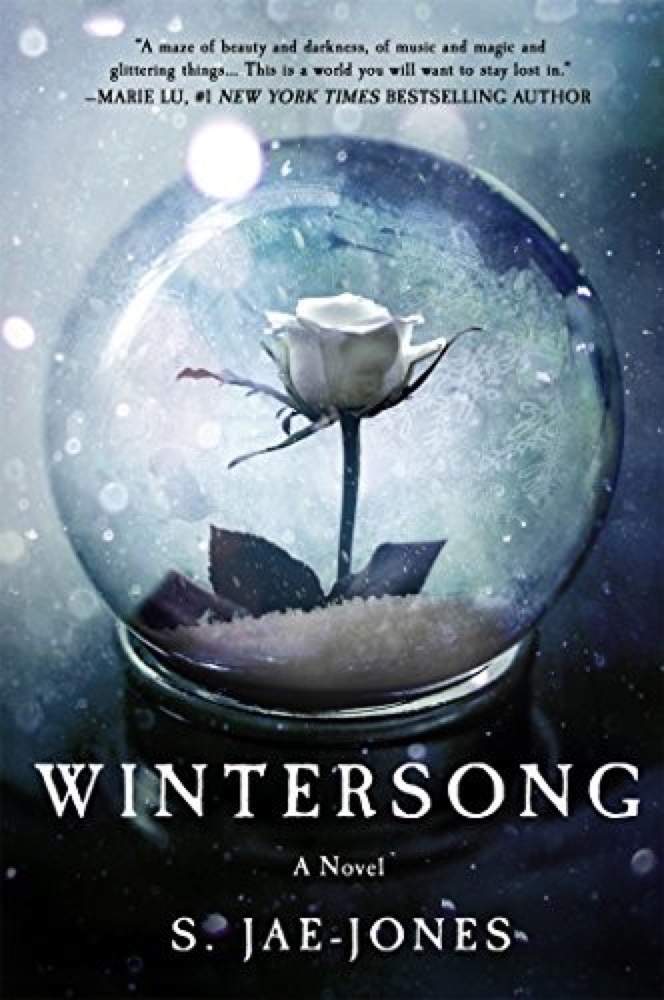 Wintersong
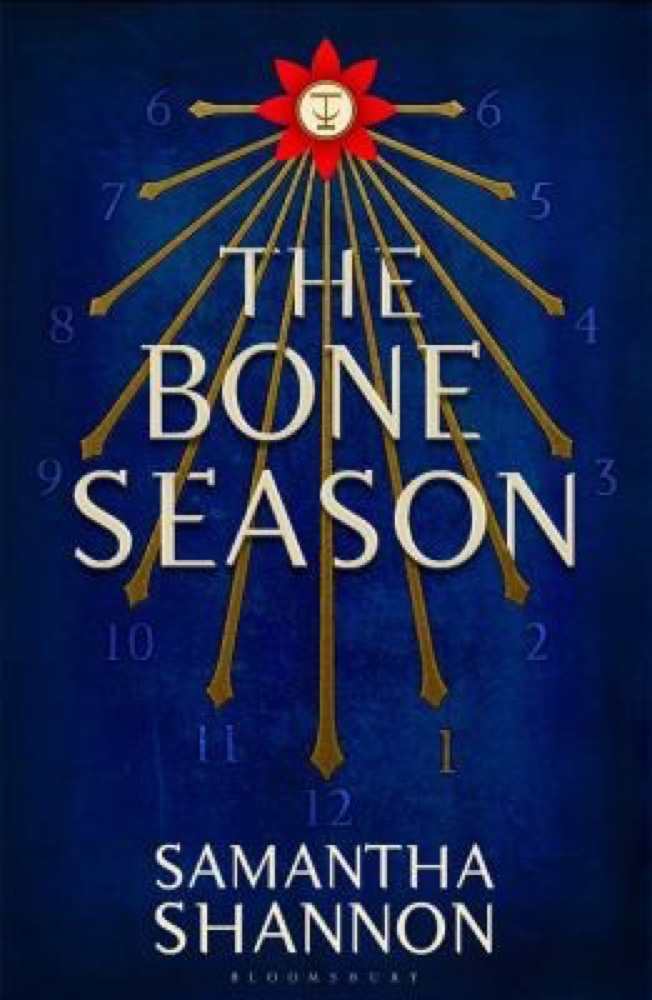 The Bone Season
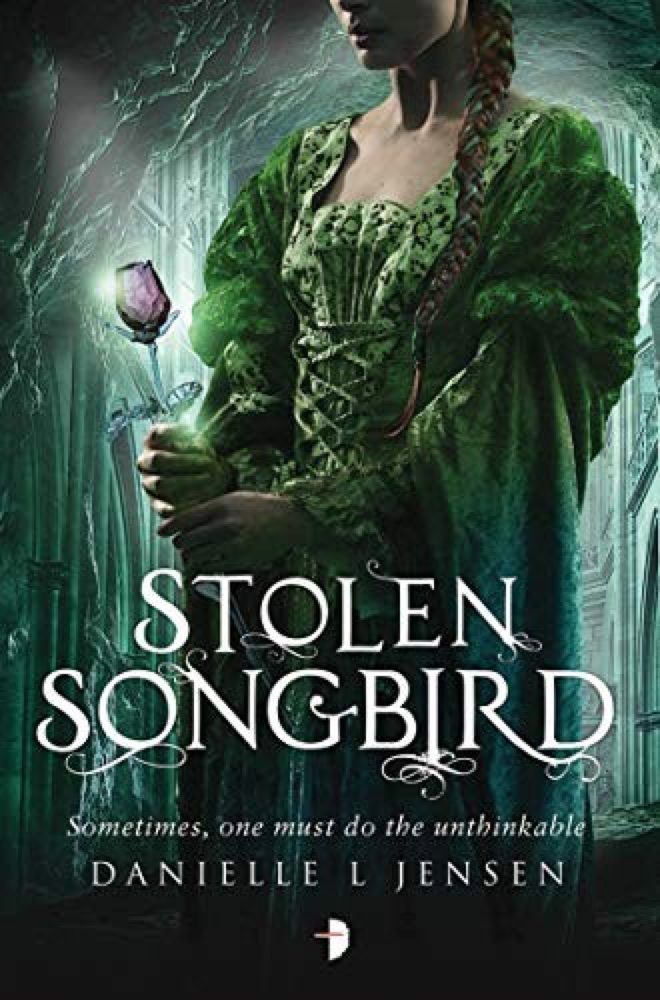 Stolen Songbird
 Juliet
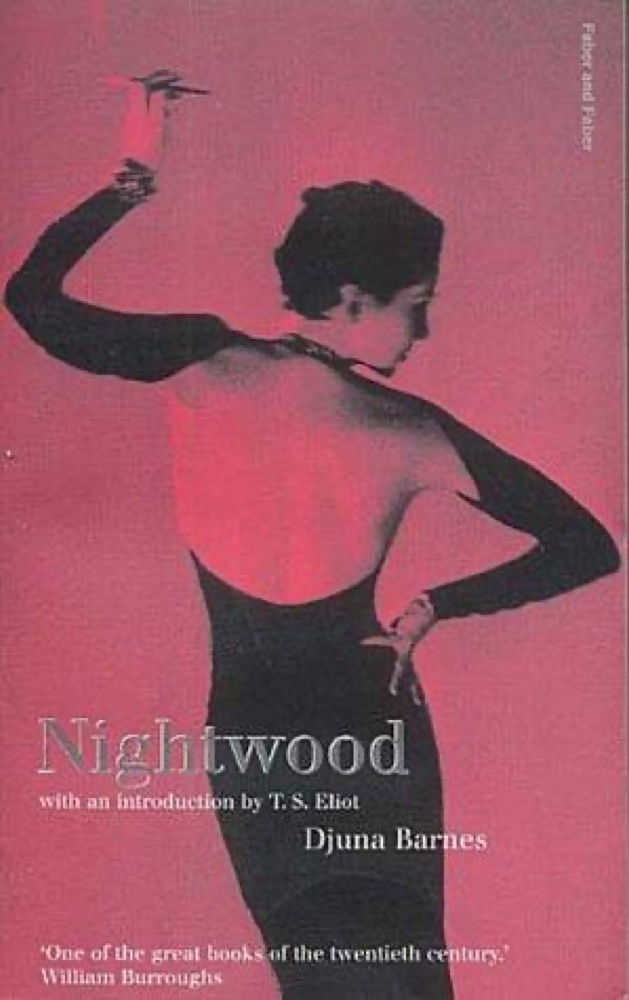 Nightwood
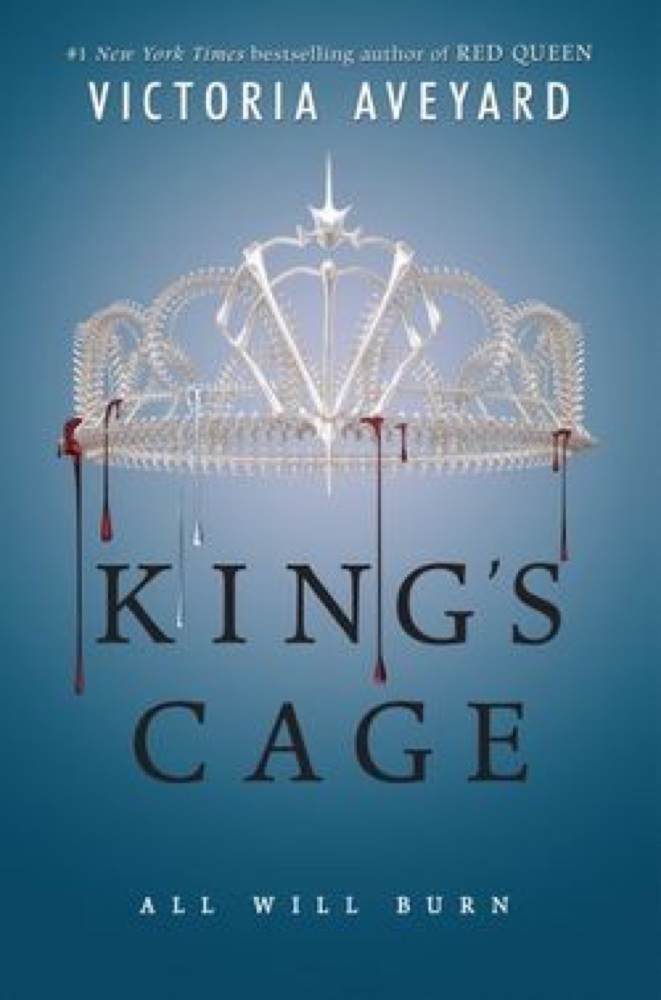 King's Cage
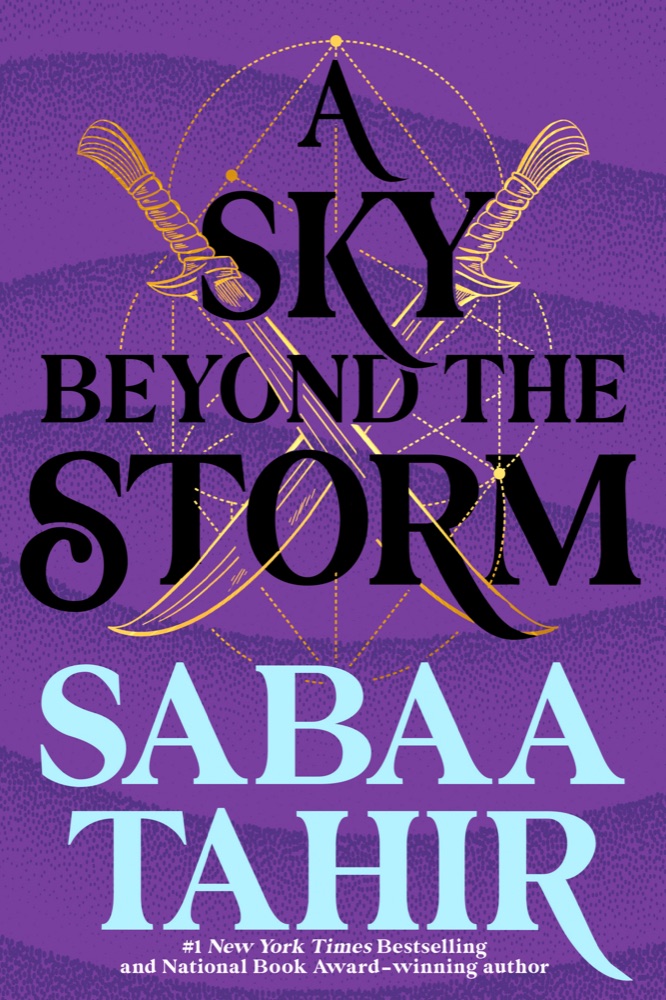 A Sky Beyond the Storm
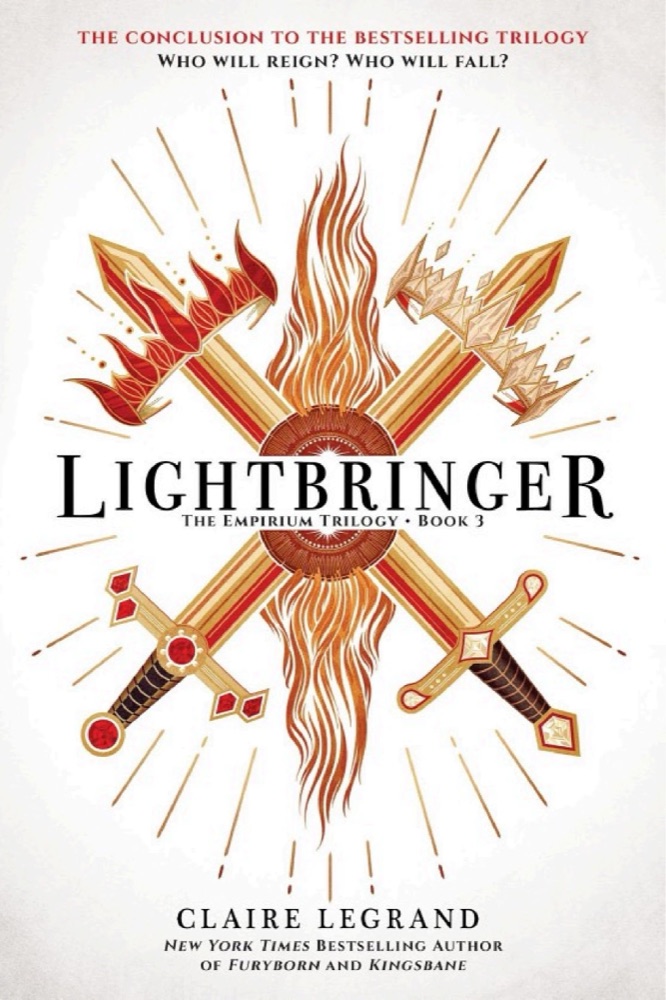 Lightbringer
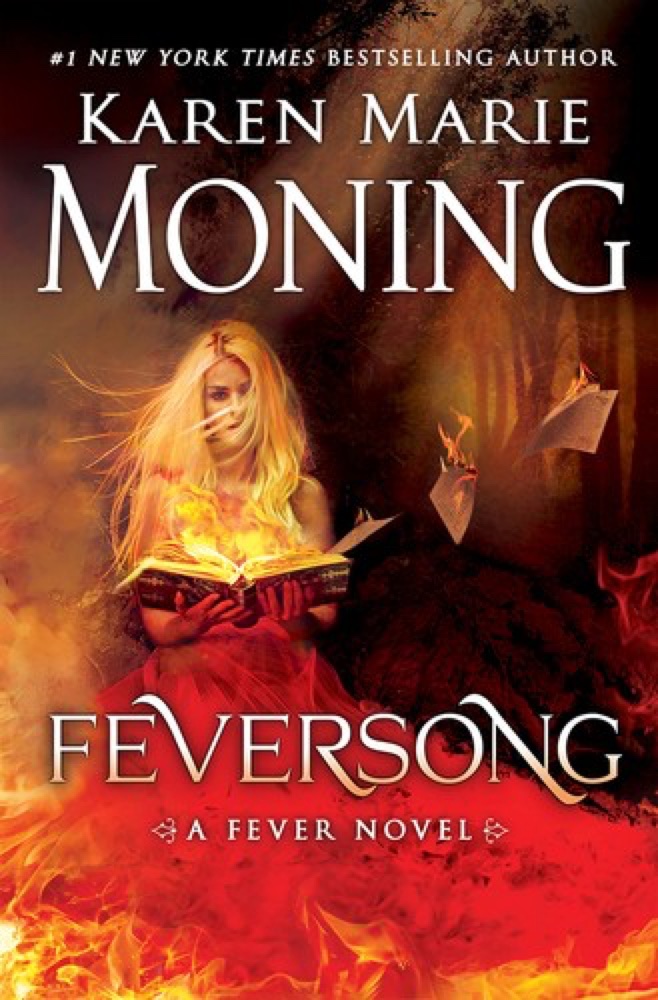 Feversong
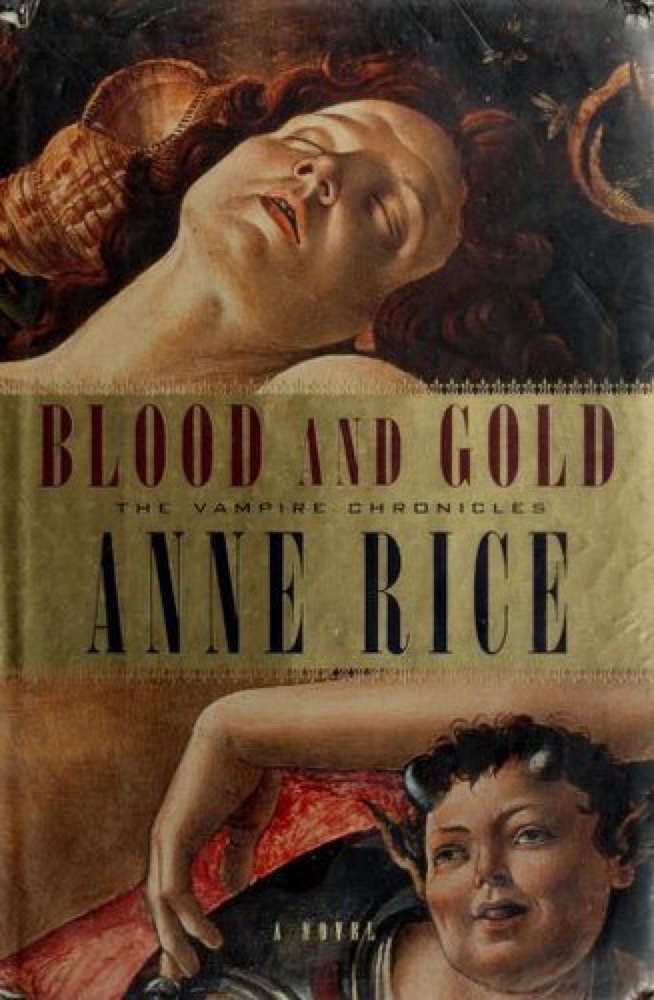 Blood And Gold
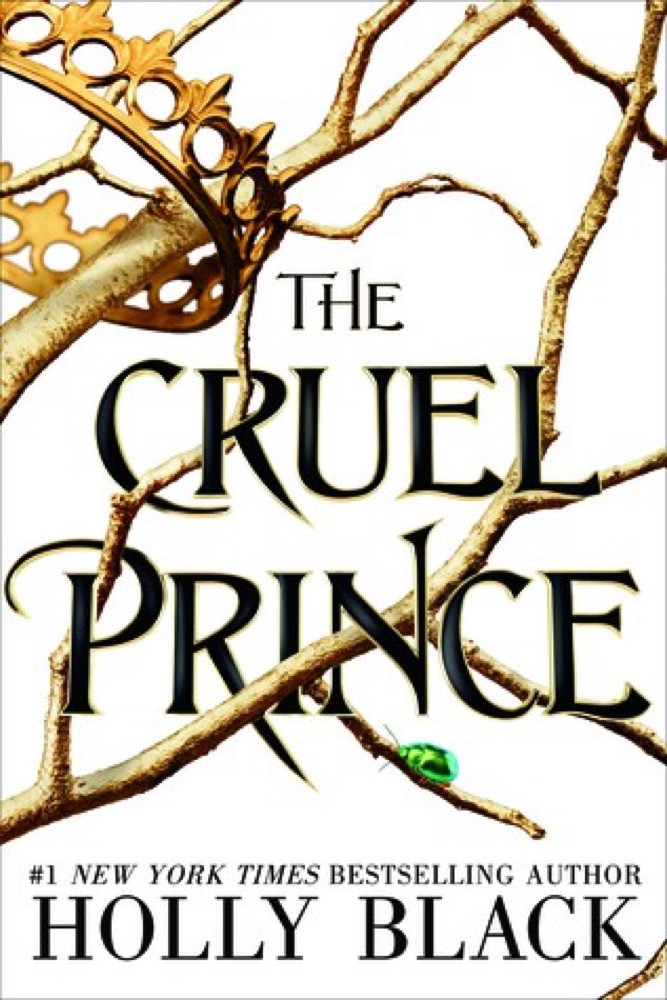 The Cruel Prince
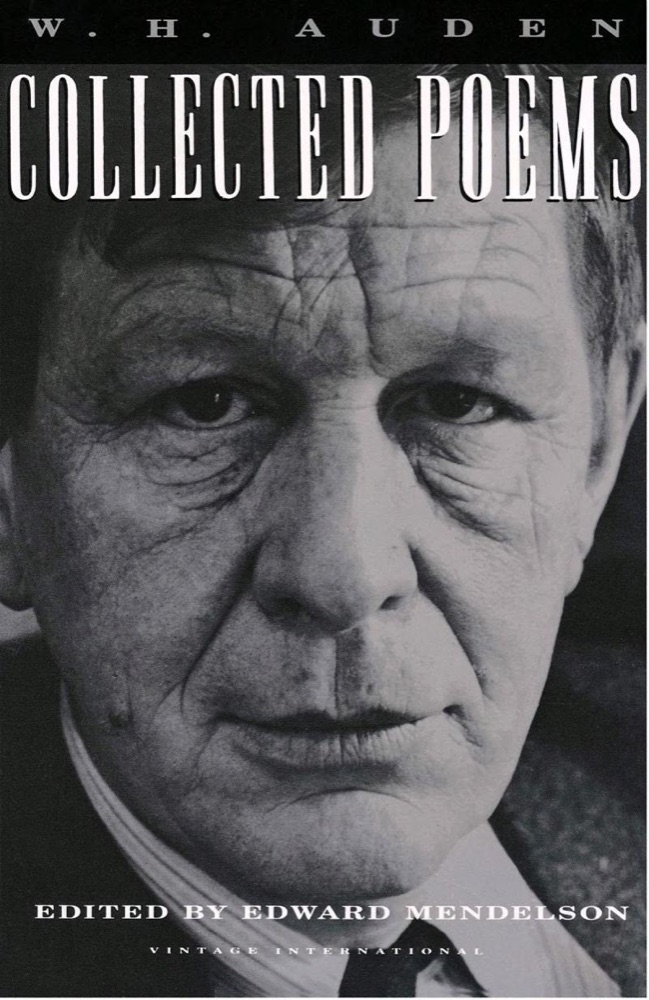 Collected Poems
 Our Mutual Friend
 Shirley
 Henry and June: From "A Journal of Love"--The Unexpurgated Diary of Anaïs Nin
 Brideshead Revisited: The Sacred and Profane Memories of Captain Charles Ryder
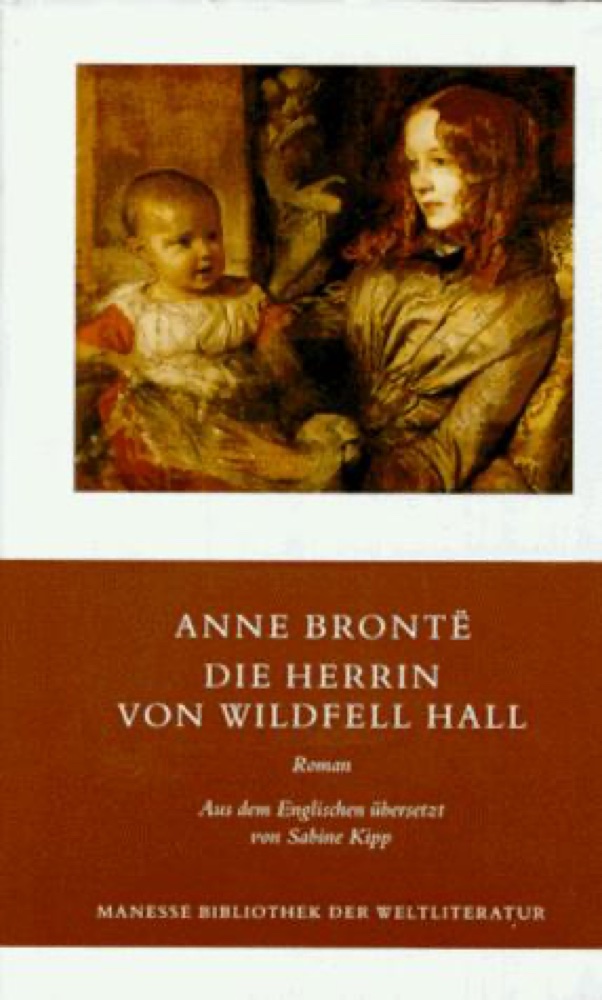 The Tenant of Wildfell Hall
 Gone with the Wind
 A Hero of Our Time
 Petals on the Wind
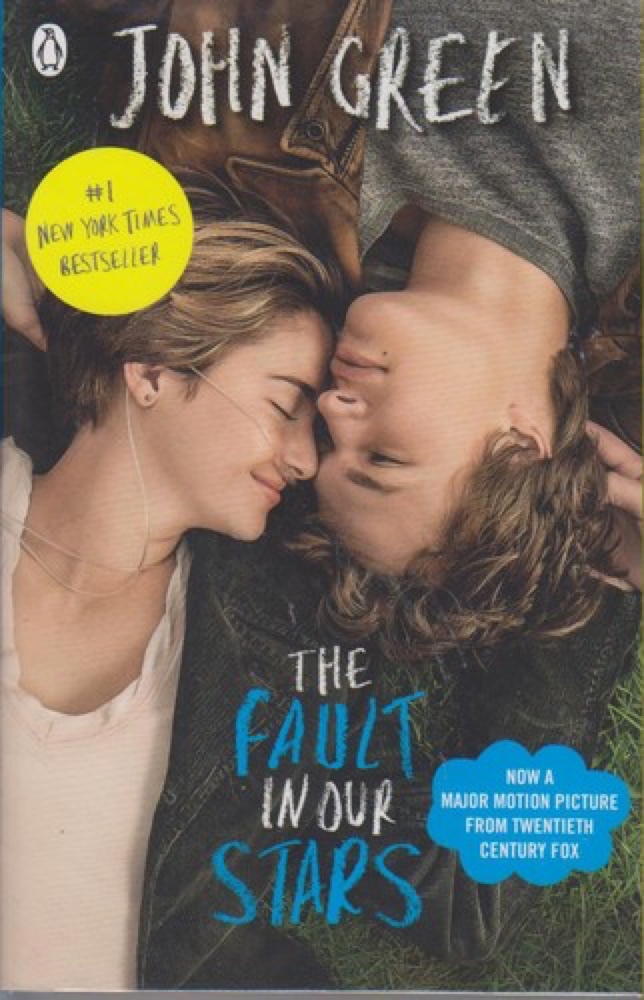 The Fault in Our Stars
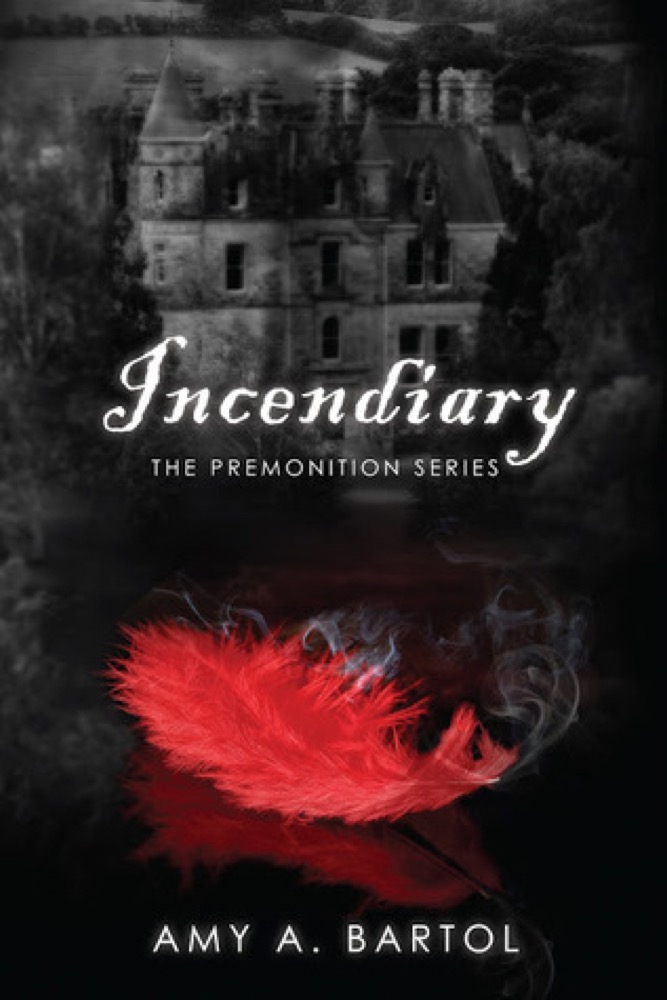 Incendiary
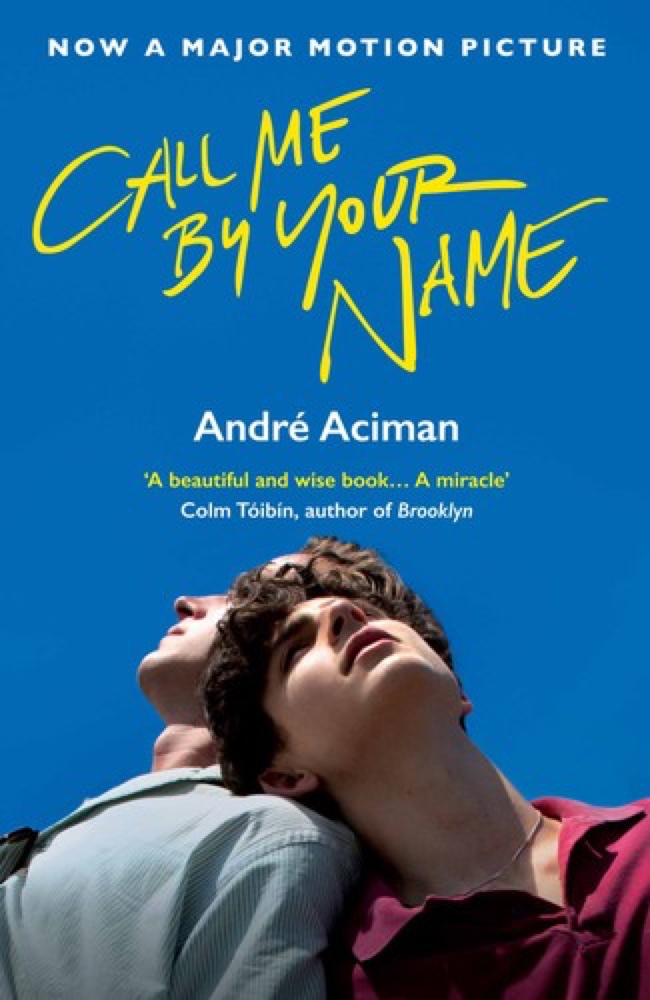 Call Me by Your Name
 Existence
 By Grand Central Station I Sat Down and Wept
 Emily Climbs
 Kyland
 Pride and Prejudice
 Memnoch the Devil
 Written in My Own Heart's Blood
 If He Had Been with Me
 Phantastes
 The Knight and the Moth
 Letters to Milena
 Truth in the Dark
 The English Patient
 An Artificial Night
 When the Moon Hatched