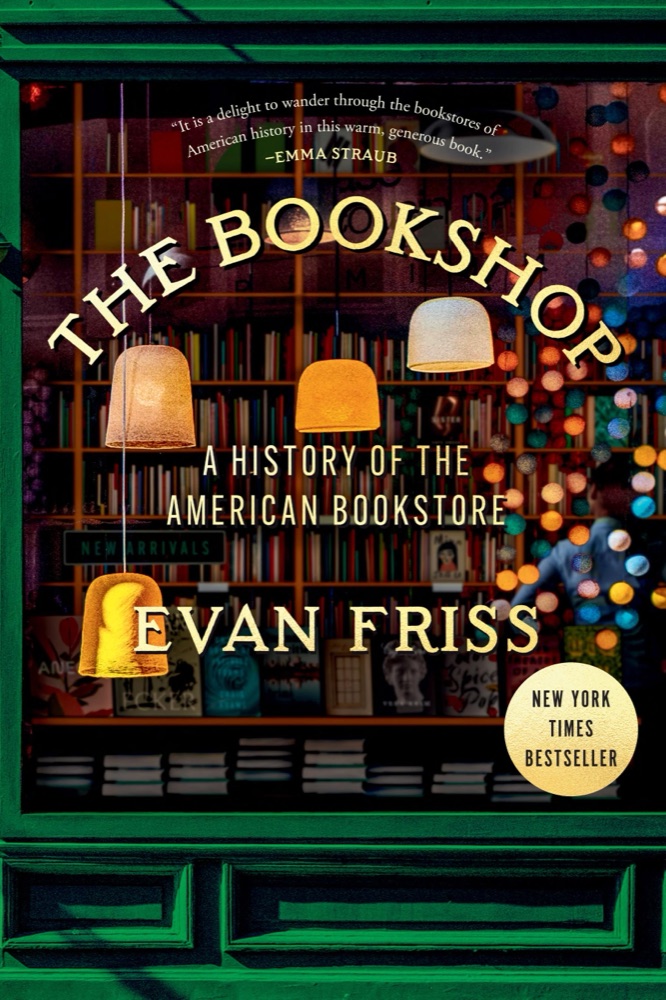

 The Yellow-Lighted Bookshop: A Memoir, a History
Quotes from the Book
The right book put in the right hands at the right time could change the course of a life or many lives.
13
Bookstores also stimulate our senses. Being surrounded by books matters. Sociologists have found that just growing up in a home full of books—mere proximity—confers a lifetime of intellectual benefits.
10
a city without a bookstore wasn't a city worth calling home.
5
He understood that we are what we read. And that what we read is dictated by what authors choose to write, what publishers choose to publish, what printers choose to print, and what, where, and how booksellers choose to sell.
2
The power of the bookstore doesn’t just emanate from the books, the architecture, and the staff. Customers also make the space. Neither home nor work, these “third spaces” function as critical sites for intellectual, social, political, and cultural exchange. They nurture existing communities and foster new ones. They are de facto public spaces, gathering spots. They cost nothing to enter. People often just want company.
2
What was once a battle between independents and chains evolved into a war between in-person bookstores (Barnes & Noble included) and Amazon. Suburbanites, many of whom had no other bookstores nearby, rallied to save “my Barnes & Noble” as passionately as activists had once protested to keep them out.
1
Whether in mysteries or memoirs, travelogues or true-crime tales, romances or rom-coms, horror or history, bookstores can be more than just passive backdrops. Bookstores can be actors. Bookstores, even the little ones, can shape the world around them. They already have.
1
In a town like London there are always plenty of not quite certifiable lunatics walking the streets, and they tend to gravitate towards bookshops, because a bookshop is one of the few places where you can hang about for a long time without spending any money.
1
Whether independent or corporate, whether in New York or New Mexico, bookstores have been disappearing. If bookstores were animals, they'd be on the list of endangered species.
1
Conventional wisdom suggests that for bookstores to survive, they need to sell heaps of sidelines (higher-margin nonbook merchandise), host near-daily events, maximize social media, and leverage technology. The Three Lives' simplicity is its brilliance. The tiny bookstore is filled with books and books and books and books....And so, while the same books can be bought from Amazon, often at lower prices, Three Lives offers what an internet behemoth cannot: people, conversation, books to be held and happened upon, floors that creak, atmosphere.
1
Benjamin Franklin understood that books could be revolutionary, that what colonists read shaped what colonists thought and, in turn, shaped the course of human events.
As a child, Steloff was "starved for books." Now she was surrounded by them. Thousands and thousands of them.
In 1969, the barely breathing FABA unsuccessfully petitioned the city to add the name Book Row to the Fourth Avenue street signs. Meanwhile, by 1965, there was at least one TV in 94 percent of American homes. Critics blamed televisions, like radios before and many things after, for sapping attention spans. In 1969, Fred Bass anticipated that books would one day become electronic: “You’ll have a telephone with a screen and you’ll be able to dial a book.
Morley urged readers "To be a little more of an explorer... The most important books are shy
Business is cold and calculating; books are warm and invaluable. The whole notion of a book business can seem oxymoronic.
Bookstores are literary playgrounds and capitlist enterprises, sometimes more obviously one than the other, sometimes seemingly stuck in the space between.
Franklin could now look back and see how the various pieces of his life had coalesced—how printing and bookselling had shaped education, intellectual life, and the means by which colonists consumed information and developed new ideologies, including revolutionary ones. Books hold ideas. Ideas hold power.
Founded in 1966 by a department store operator, B. Dalton was envisioned as the new frontier in mass-market retail.
Barnes & Noble dates to 1874, when Charles Barnes started a wholesale book business out of his home in Wheaton, Illinois.
Waldenbooks started in the Depression with small lending libraries tucked inside department stores.
Amazon Books was never intended to be like other bookstores. Nor was Amazon.com intended to be an online bookstore. The goal was to become a titanic retailer, an “everything store.” Amazon certainly achieved its goal. In the process, the company transformed the bookstore as we know it.
Paperback-only bookstores started appearing in the 1950s, furthering the popularity of softcovers, long dismissed by certain booksellers as an injustice. (Frances Steloff refused to stock them.) Paperbacks challenged the belief that books were items to be treasured and collected, by and for the cultured and well off. Several of the new paperback bookstores evolved into sizable chains. Bookmasters had a half dozen locations in New York, including one on Broadway near Forty-Second Street, next to a pornographic movie house. One of several dozen paperback-only bookstores in the city, it stayed open twenty-four hours a day. (Barnes & Noble later acquired Bookmasters.)
Erudite criminals cased the nation’s finest libraries, marking one-of-a-kind works by tipping them forward along the shelf. Less erudite thieves followed, snatching the books and erasing any identifying stamps inside. The notorious Book Row Gang targeted Harvard and other august institutions between Cambridge and Fourth Avenue.
The US government had come to appreciate the subversive potential of bookstores, spaces that could shape Americans’ thinking. There certainly were people who walked out of a radical bookstore radicalized. Whether that meant they had simply become educated or something more dangerous depended on perspective. The same held true for defining a radical bookshop. Any colonial outpost selling Thomas Paine’s Common Sense might have been accused of dealing in radical literature. In the first half of the twentieth century, radical bookstores took many forms and often served as part of larger, multichannel campaigns.
Everyone was searching for a mistake, a book priced too low. When one scout discovered a twenty-five-dollar book in Stammer’s twenty-cent stand, he unwisely revealed the bargain just after paying for it. “The king of Fourth Avenue” wasn’t amused. He tore out the page with the author’s inscription—the very page that made the book so valuable. “Now the book’s worth what I priced it,” he steamed.
in getting lost within the maze of book aisles. As that experience becomes rarer, it only feels more precious.
On Fourth Avenue between Eighth and Fourteenth Streets, Book Row was a stretch of secondhand bookstores, eccentric booksellers, and browsers. Books spilled out onto the sidewalks, stacked into carts that always seemed too small. There were plenty of other bookshops in the city, then, before, and after. But never had so many books, booksellers, and booklovers congregated in one area, not in New York and not anywhere else in the United States. Bookshops were not just part of the neighborhood. They were the neighborhood.
and many hours wrapping books. (They didn’t put books in bags back then.)
Watch on YouTube
About Evan Friss
We have collected 28 quotes from 1 book by Evan Friss on BookQuoters.
More about the author →About the book
An affectionate and engaging history of the American bookstore and its central place in American cultural life, from department stores to indies, from highbrow dealers trading in first editions to sidewalk vendors, and from chains to special-interest community destinations
Bookstores have always been unlike any other kind of store, shaping readers and writers, and influencing our tastes, thoughts, and politics. They nurture local communities while creating new ones of their own. Bookshops are powerful spaces, but they are also endangered ones. In The Bookshop, we see those stakes: what has been, and what might be lost.
Evan Friss’s history of the bookshop draws on oral histories, archival collections, municipal records, diaries, letters, and interviews with leading booksellers to offer a fascinating look at this institution beloved by so many. The story begins with Benjamin Frankli
Book details
- First published
- 2024
- Author
- Evan Friss
- Genre
- Nonfiction
- Goodreads rating
- 3.90 (12k ratings)
The buzz
- The New York TimesReview in The New York Timesprofessional review (via Book Marks)
- The Washington PostReview in The Washington Postprofessional review (via Book Marks)
- The Wall Street JournalReview in The Wall Street Journalprofessional review (via Book Marks)
- Kirkus ReviewsReview in Kirkus Reviewsprofessional review (via Book Marks)
- Publishers WeeklyReview in Publishers Weeklyprofessional review (via Book Marks)
- BooklistReview in Booklistprofessional review (via Book Marks)
Keep reading
The Yellow-Lighted Bookshop: A Memoir, a History
 The Bookshop Book
 The Man Who Loved Books Too Much: The True Story of a Thief, a Detective, and a World of Literary Obsession
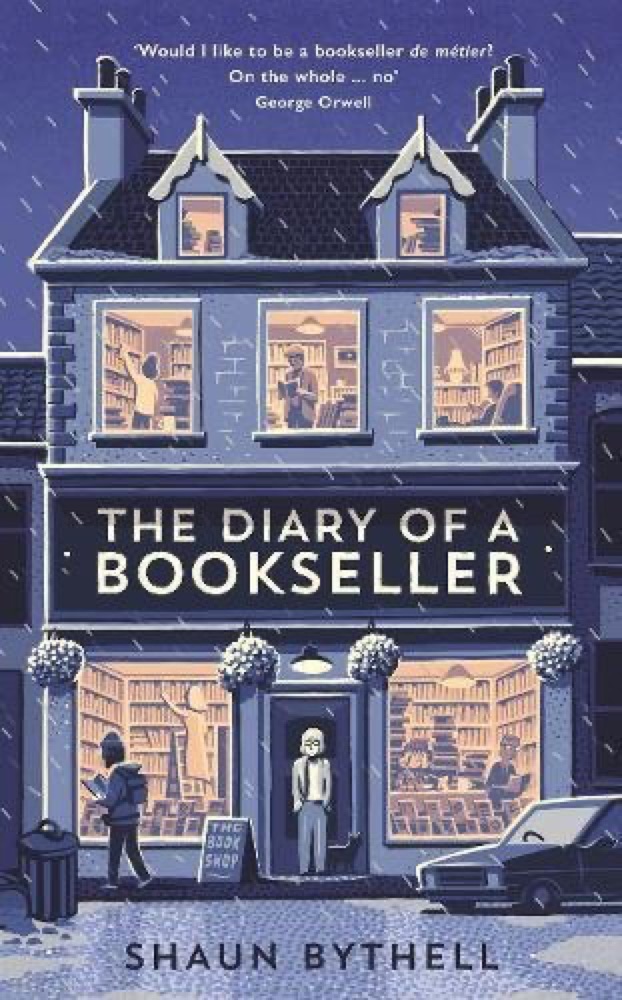 The Diary of a Bookseller
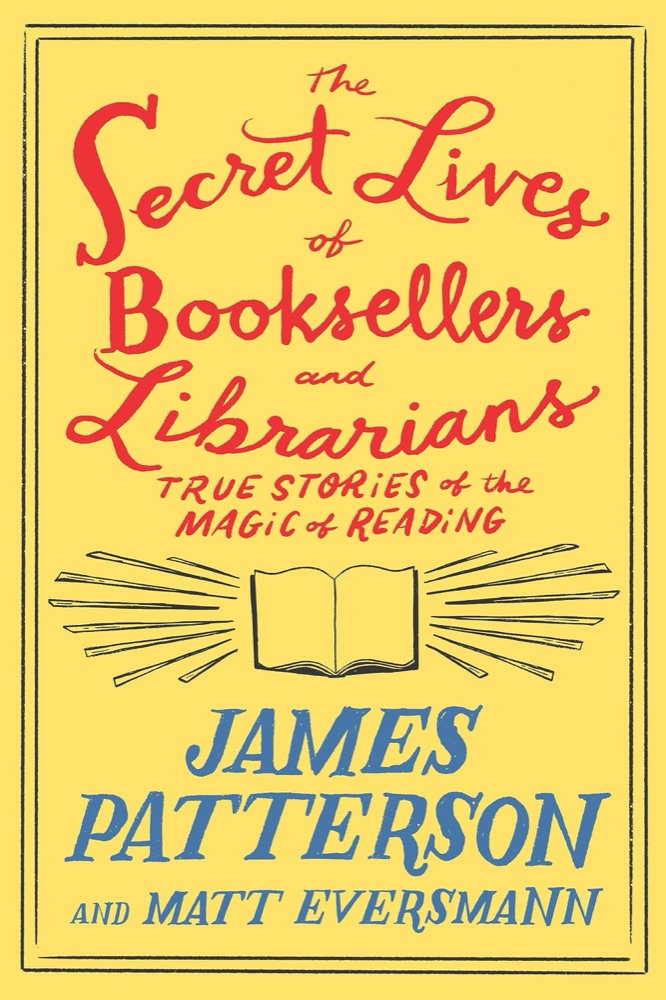 The Secret Lives of Booksellers and Librarians: True Stories of the Magic of Reading
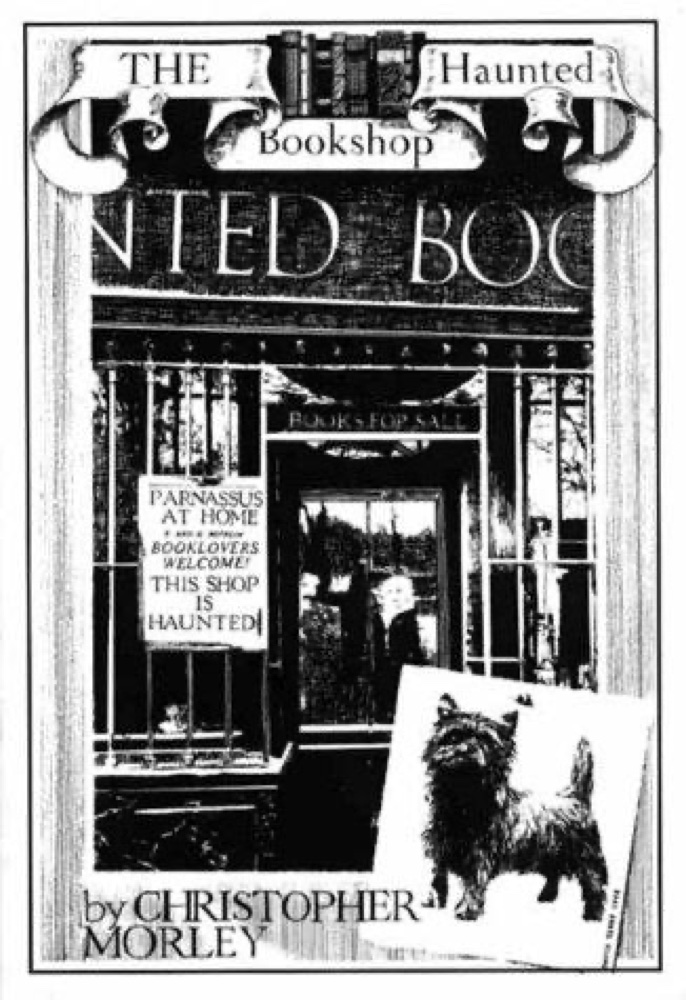 The Haunted Bookshop
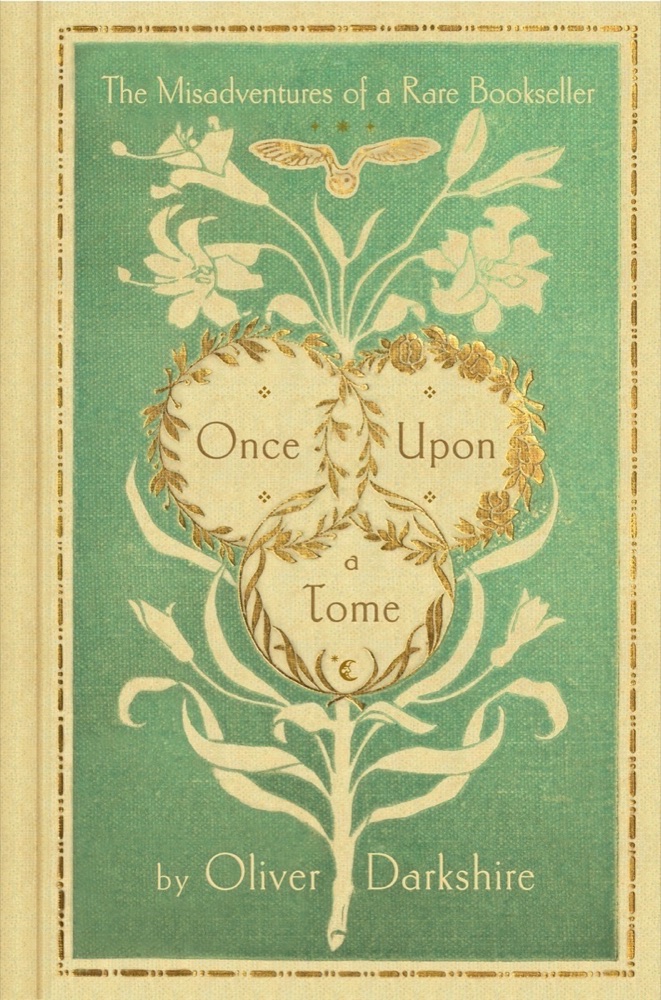 Once Upon a Tome: The Misadventures of a Rare Bookseller
 Ex Libris: Confessions of a Common Reader
 Sixpence House: Lost in a Town of Books
 The Library at Night
 The City of Dreaming Books
 The Door-to-Door Bookstore
 Judging a Book by Its Lover: A Field Guide to the Hearts and Minds of Readers Everywhere
 The Year of Reading Dangerously
 The Cat Who Saved Books
 The Lost Library: A Kid-Friendly Mystery
 Leave Me Alone, I'm Reading: Finding and Losing Myself in Books
 The Secret, Book & Scone Society
 How Reading Changed My Life
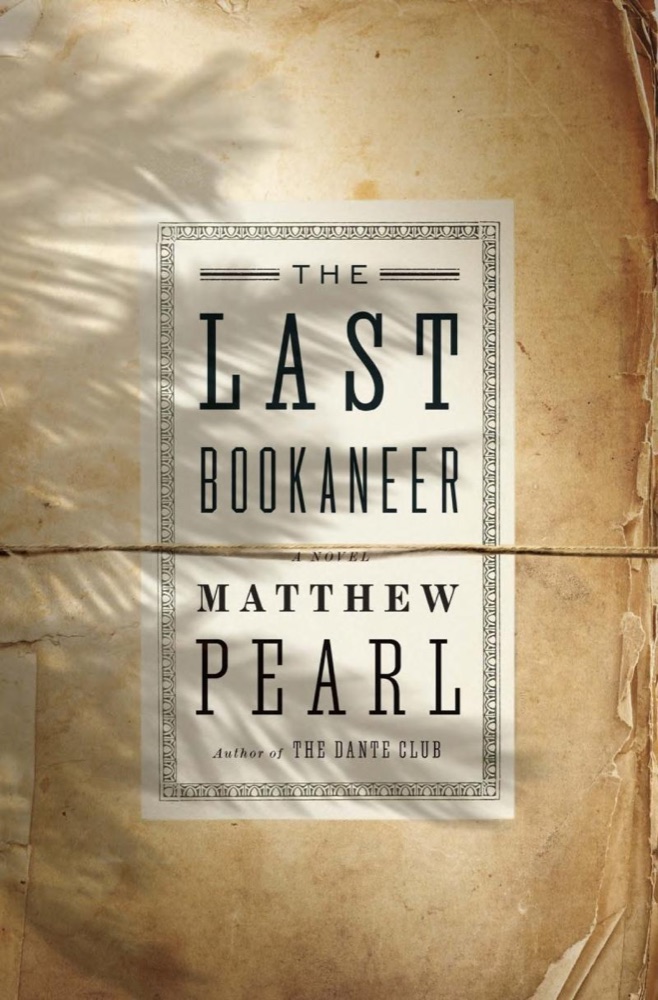 The Last Bookaneer
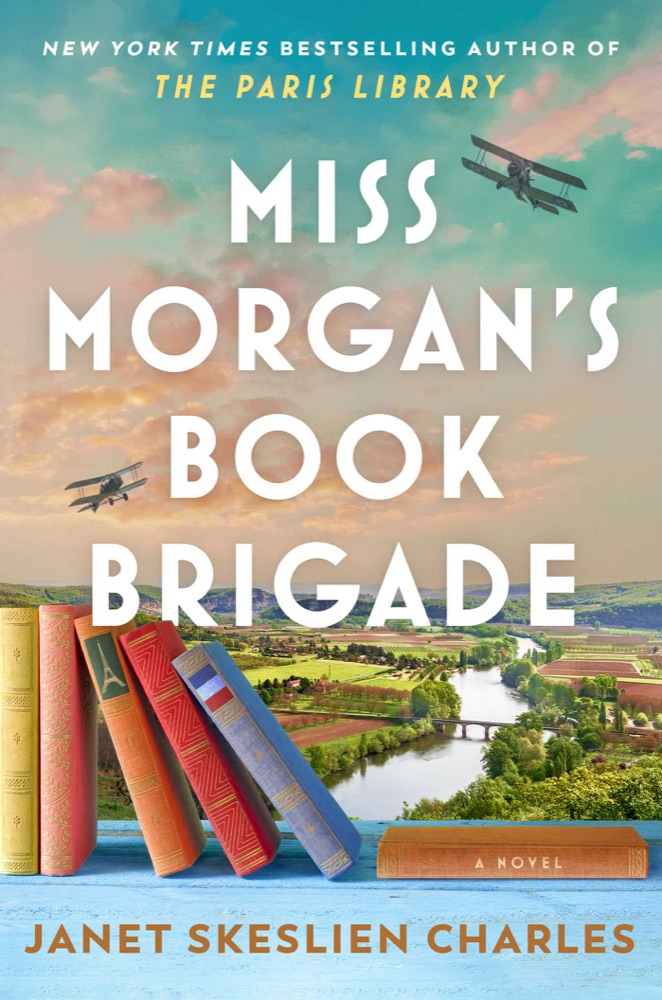 Miss Morgan's Book Brigade
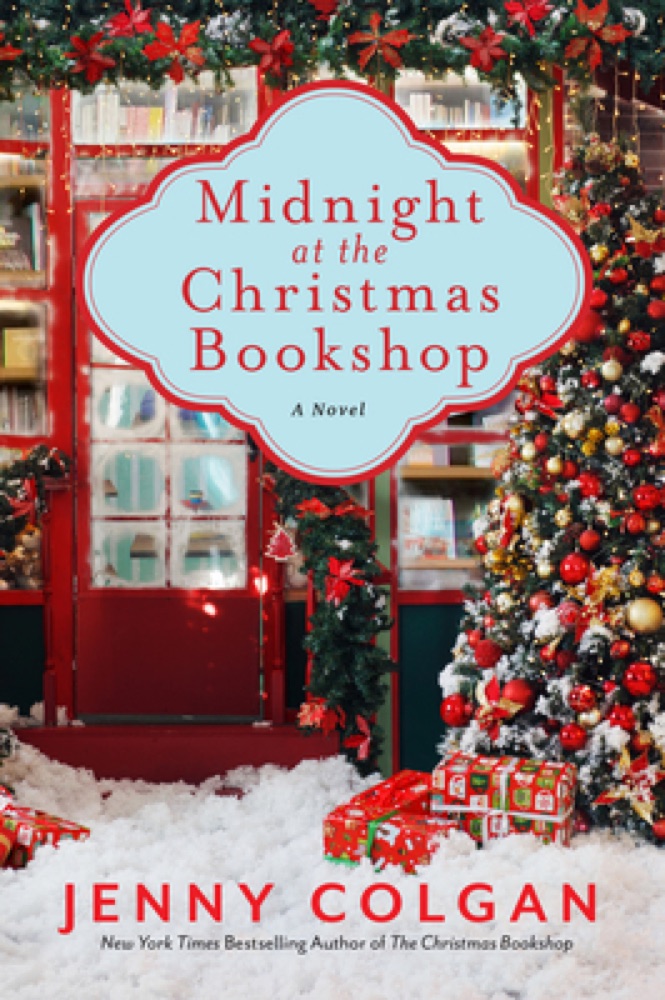 Midnight at the Christmas Bookshop
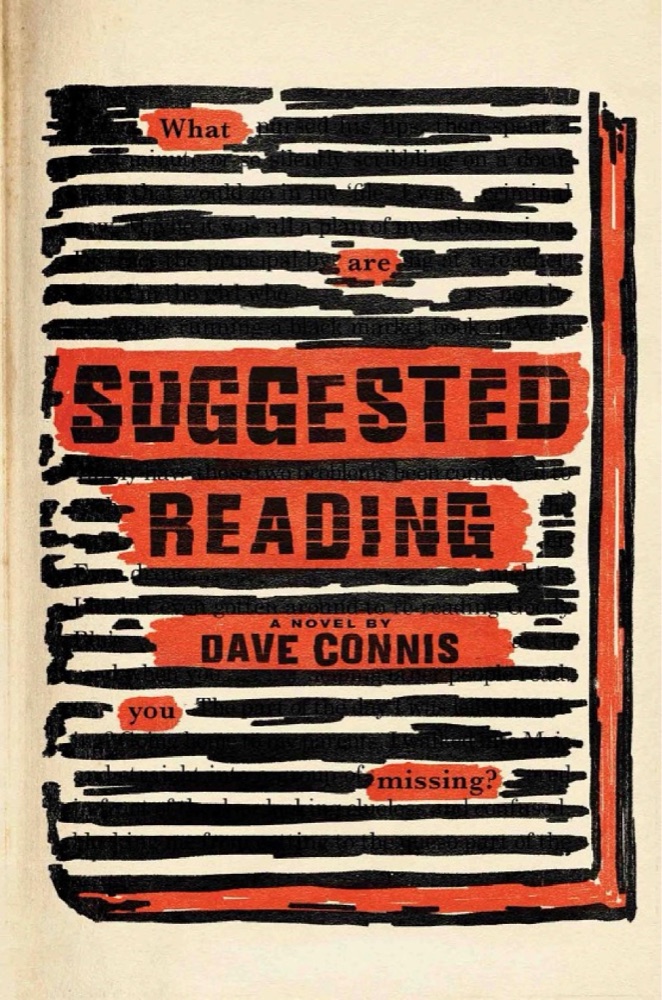 Suggested Reading
 Packing My Library: An Elegy and Ten Digressions
 I'd Rather Be Reading: The Delights and Dilemmas of the Reading Life
 Ban This Book
 The Storied Life of A.J. Fikry
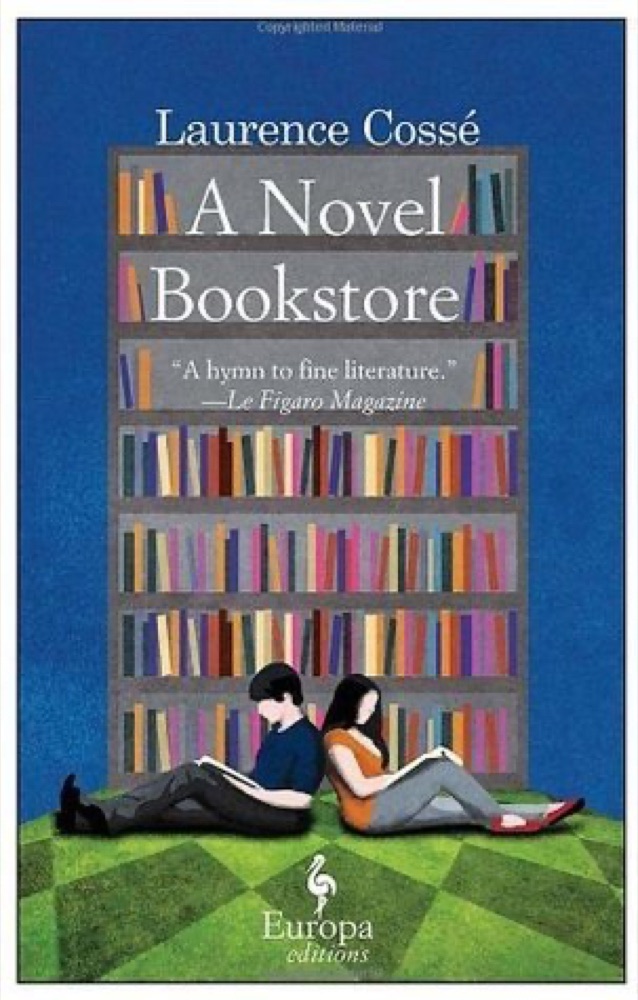 A Novel Bookstore
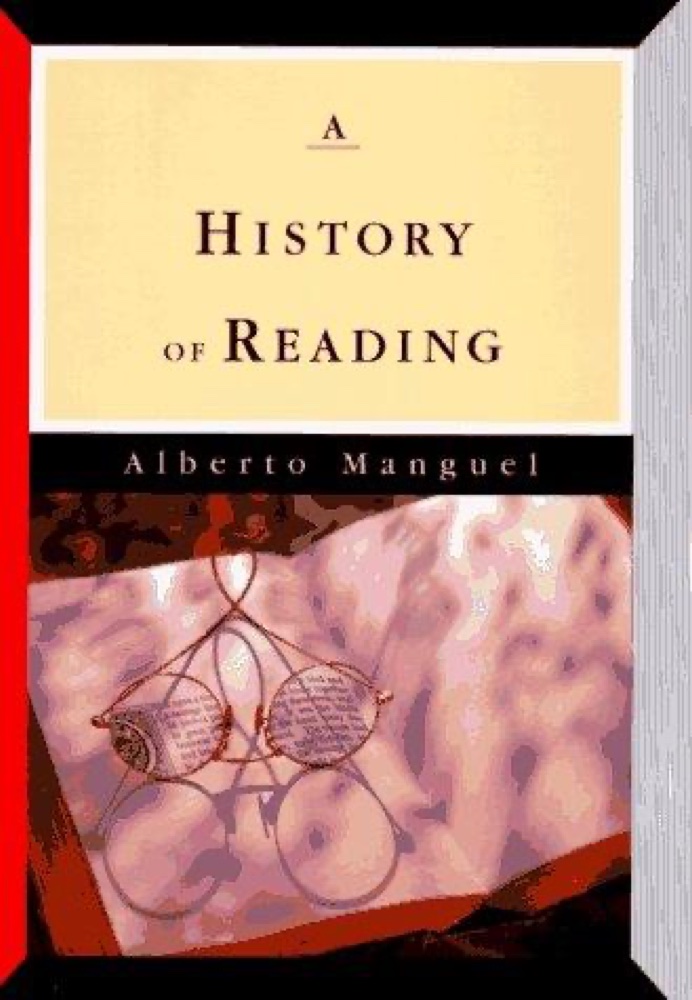 A History of Reading
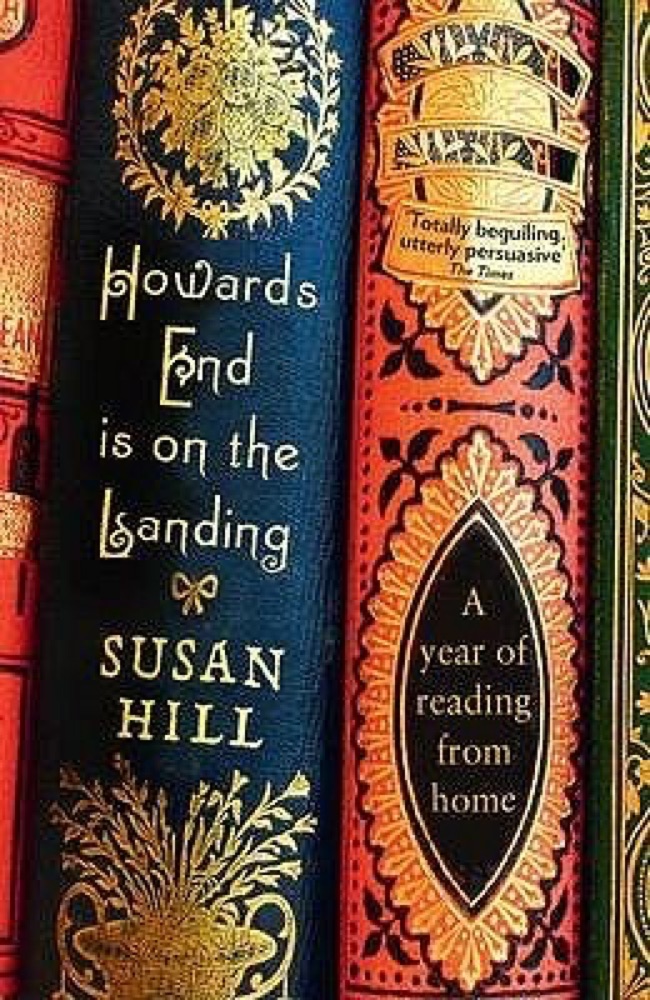 Howards End Is on the Landing: A Year of Reading from Home
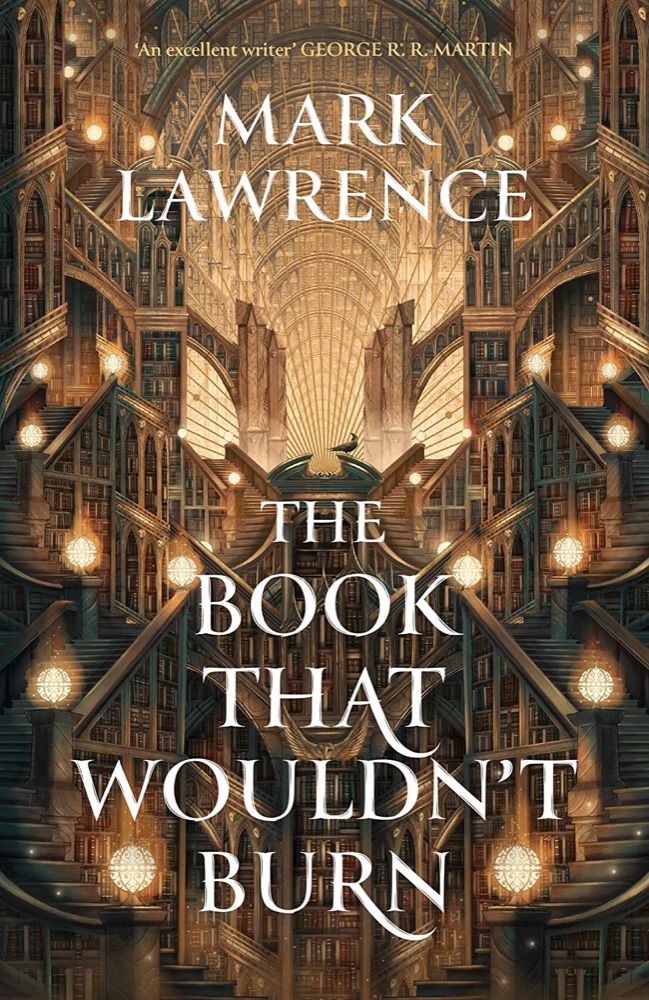 The Book That Wouldn’t Burn
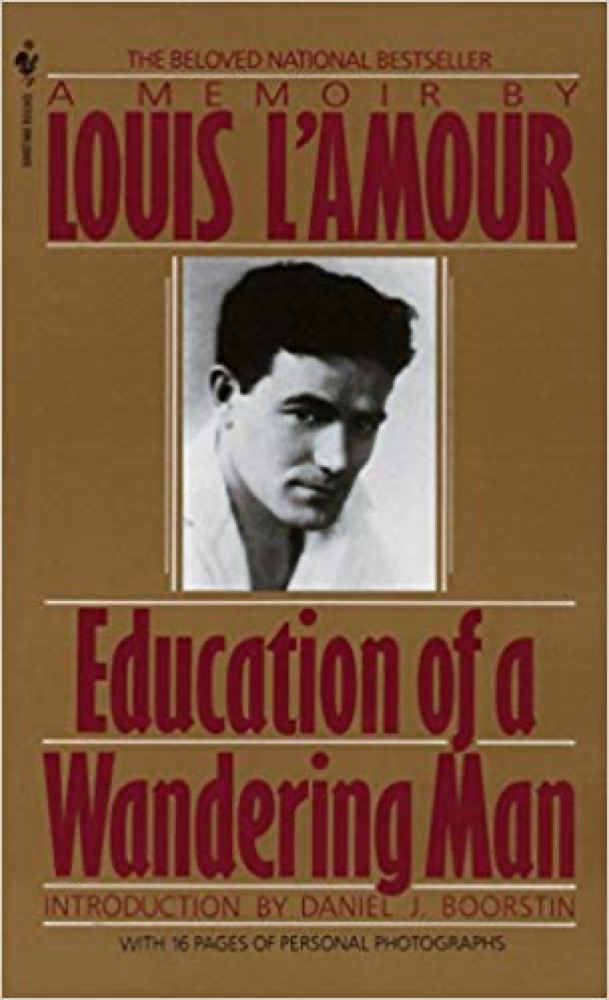 Education of a Wandering Man: A Memoir
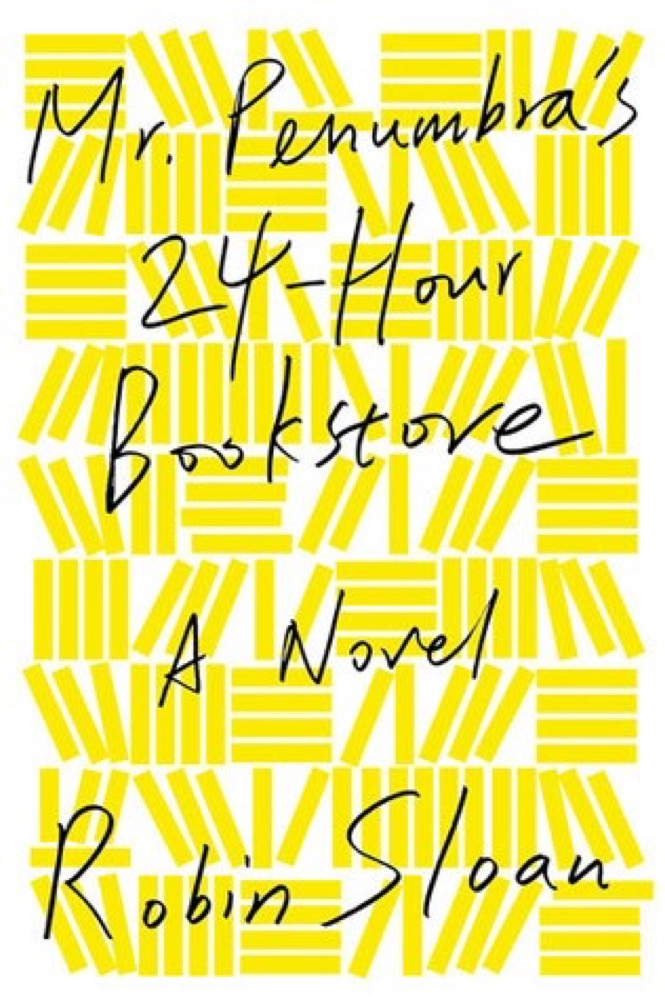 Mr. Penumbra's 24-Hour Bookstore
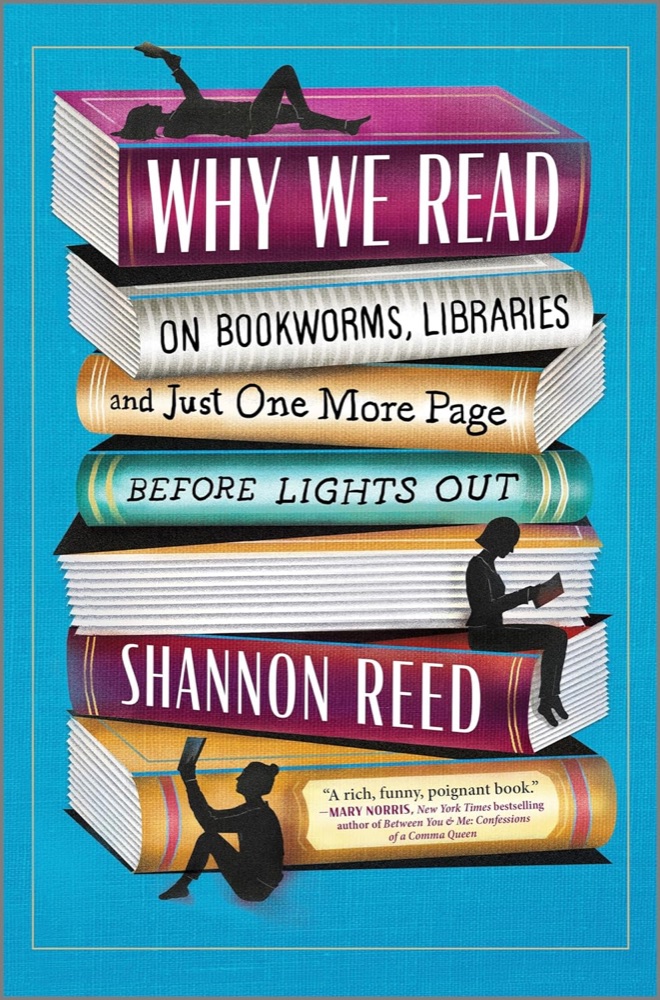 Why We Read: On Bookworms, Libraries, and Just One More Page Before Lights Out
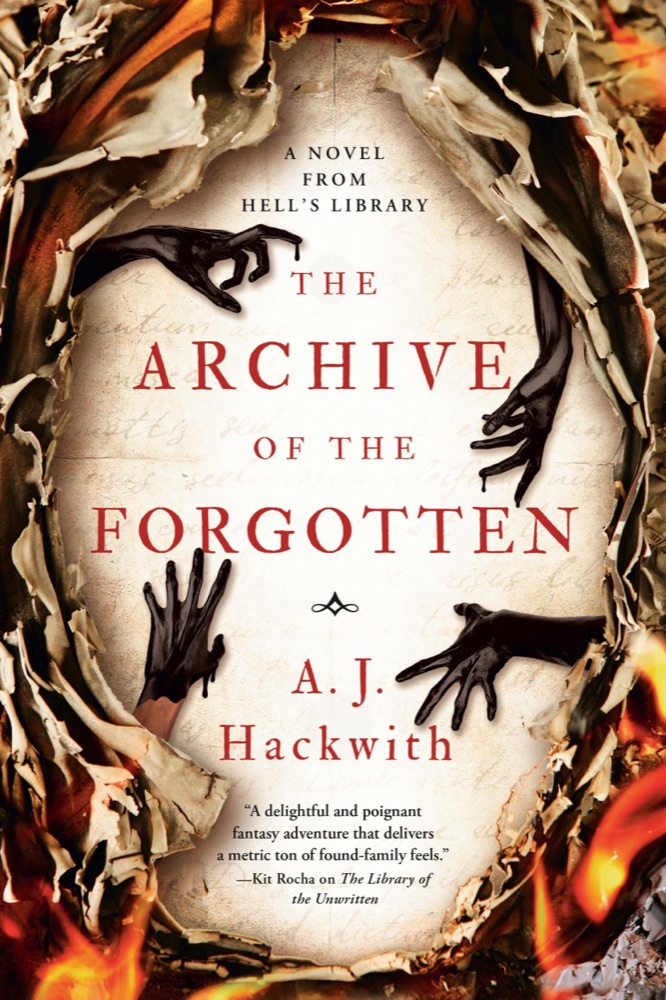 The Archive of the Forgotten
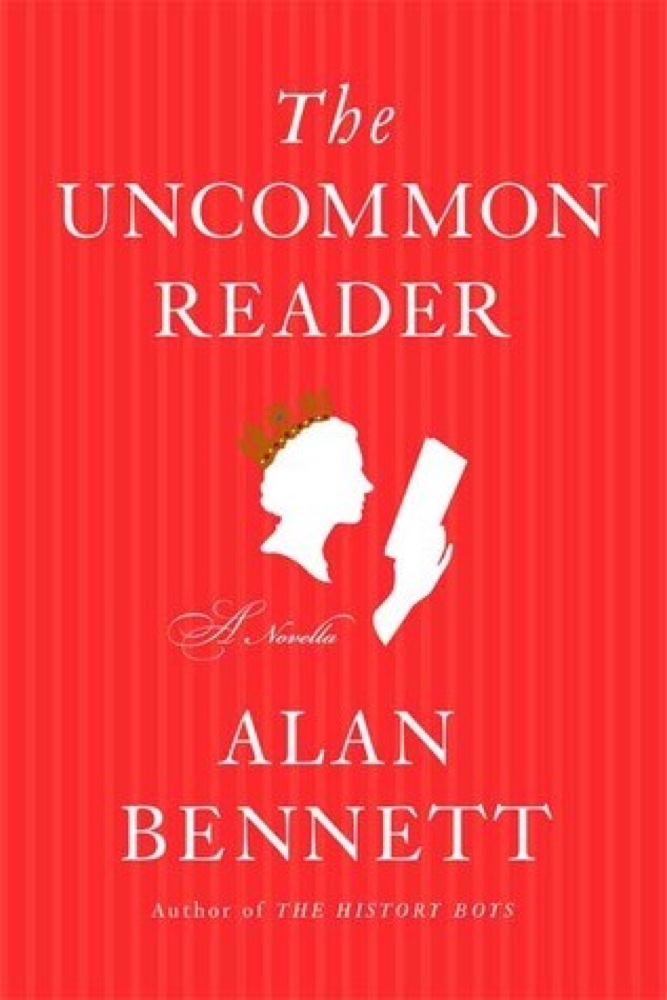 The Uncommon Reader
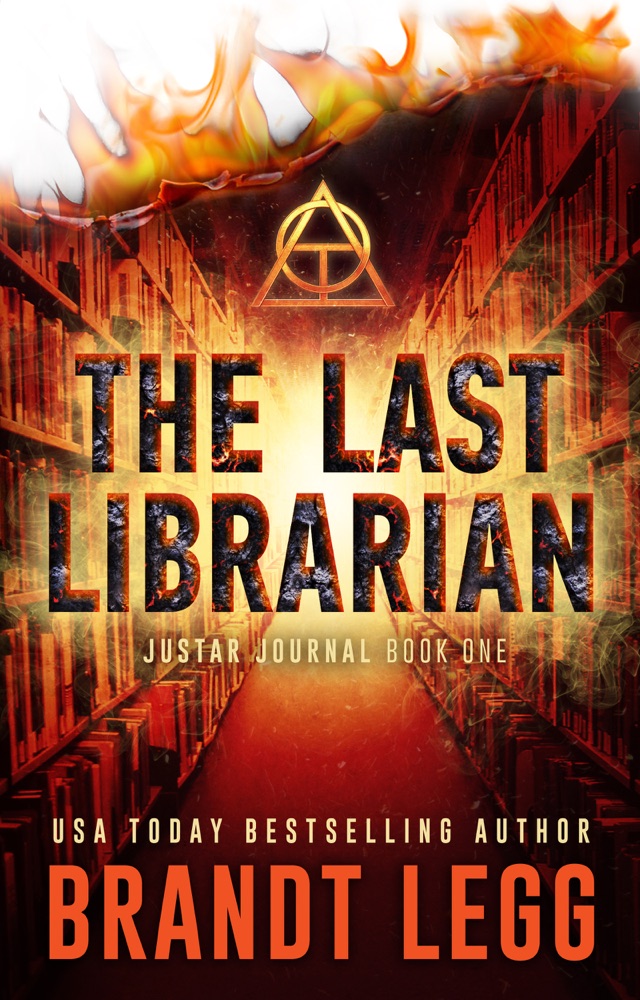 The Last Librarian
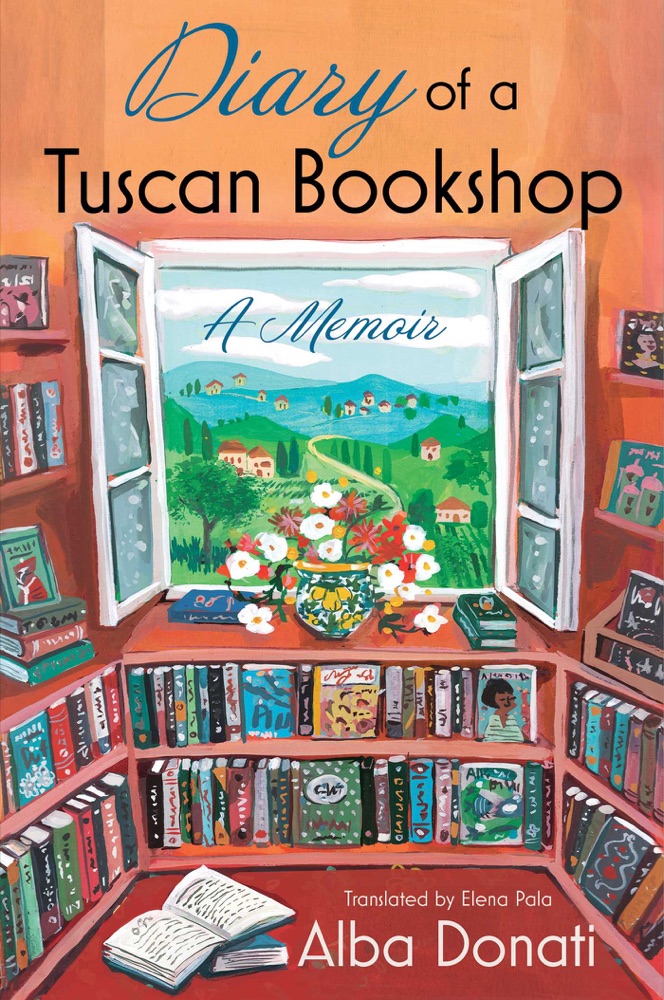 Diary of a Tuscan Bookshop: A Memoir
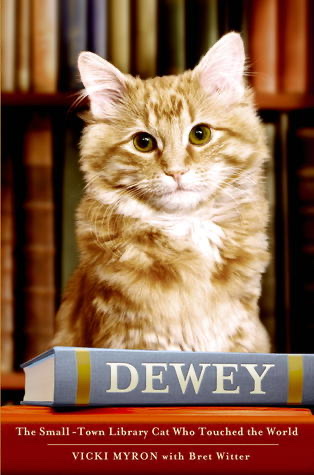 Dewey: The Small-Town Library Cat Who Touched the World
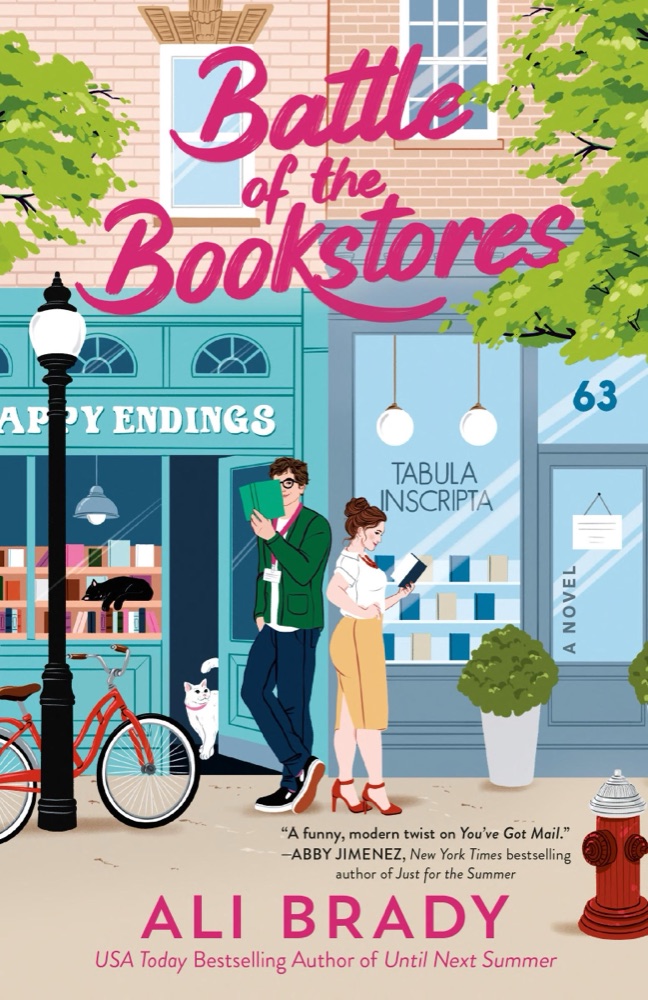 Battle of the Bookstores
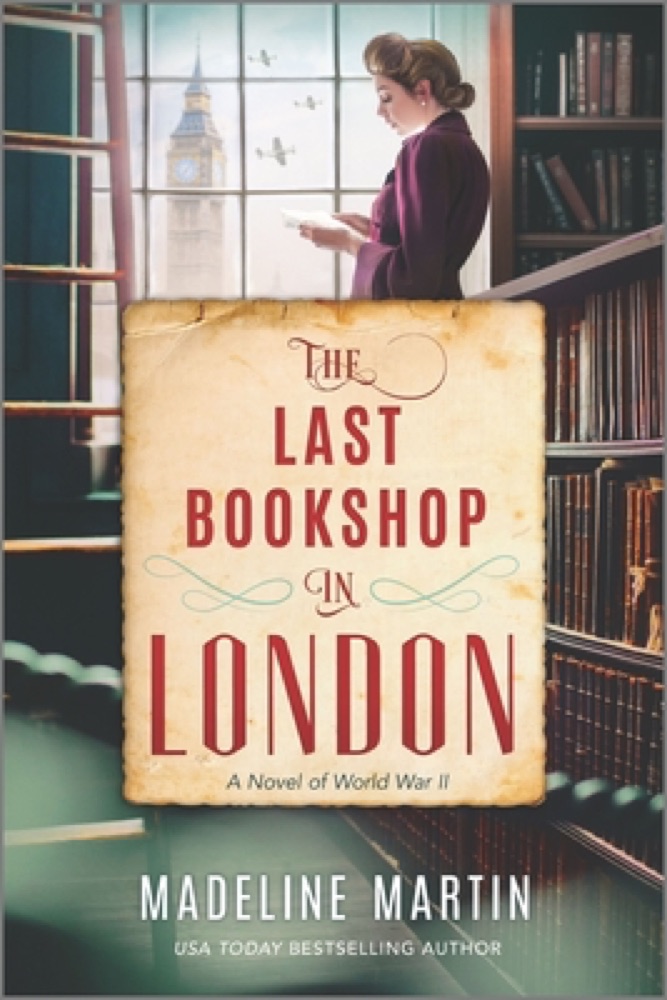 The Last Bookshop in London
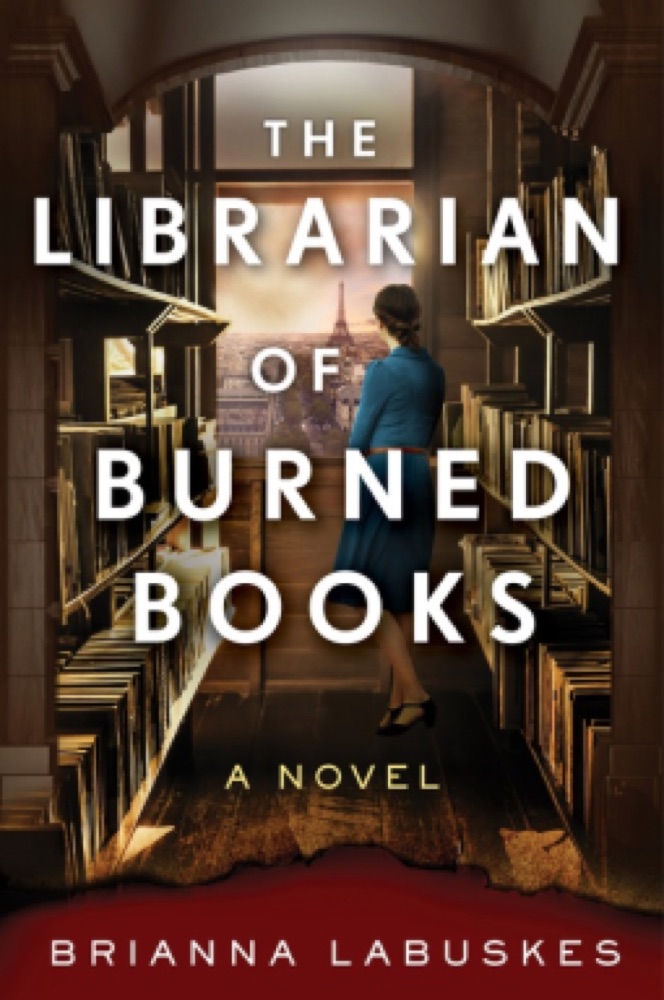 The Librarian of Burned Books
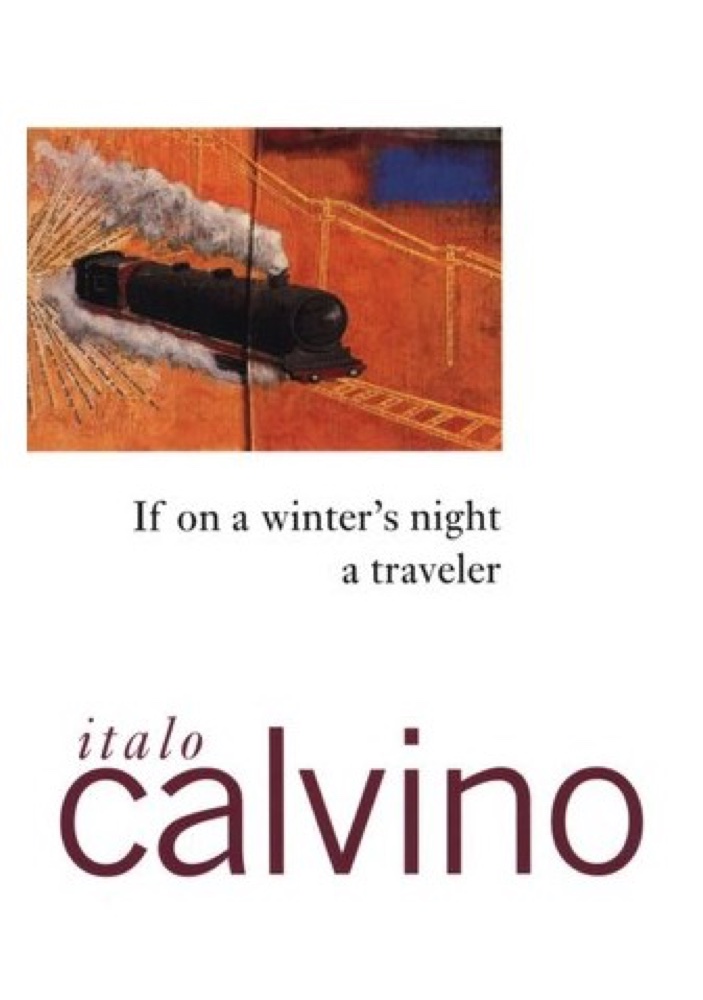 If on a Winter's Night a Traveler
 Bibliophile: An Illustrated Miscellany
 Books for Living
 The Collector of Burned Books
 Tilly and the Bookwanderers
 Checkout 19
 The View from the Cheap Seats: Selected Nonfiction
 The Book That Held Her Heart
 The Book of Lost Names
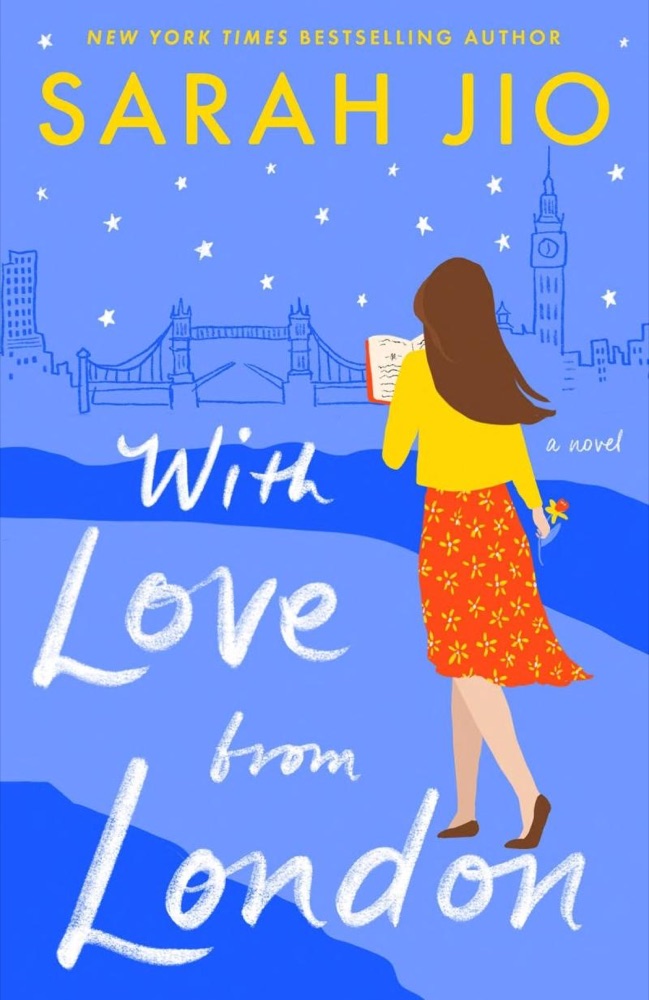 With Love from London
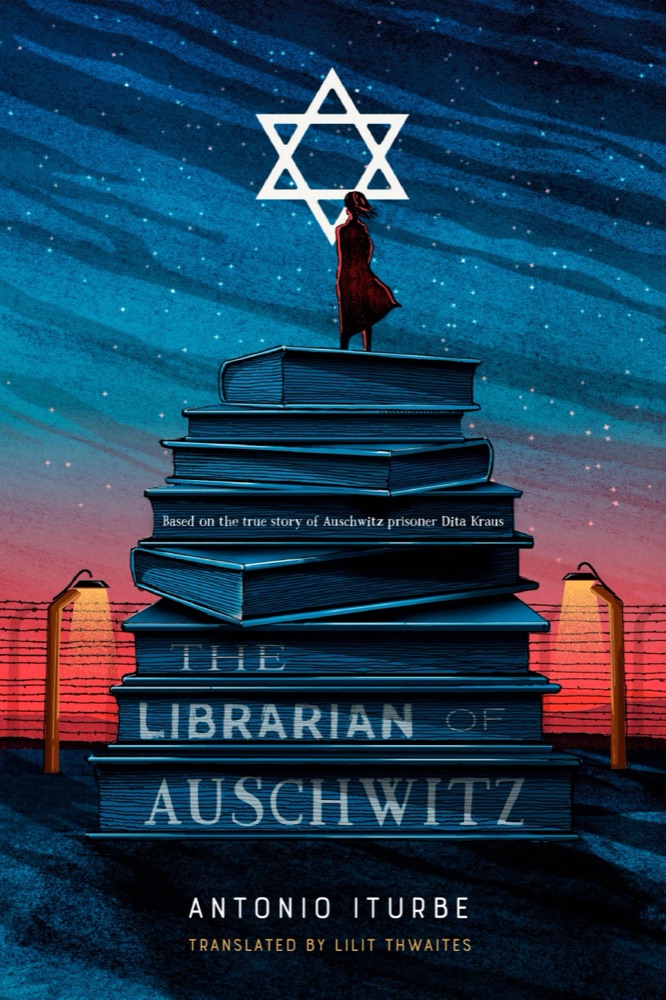 The Librarian of Auschwitz
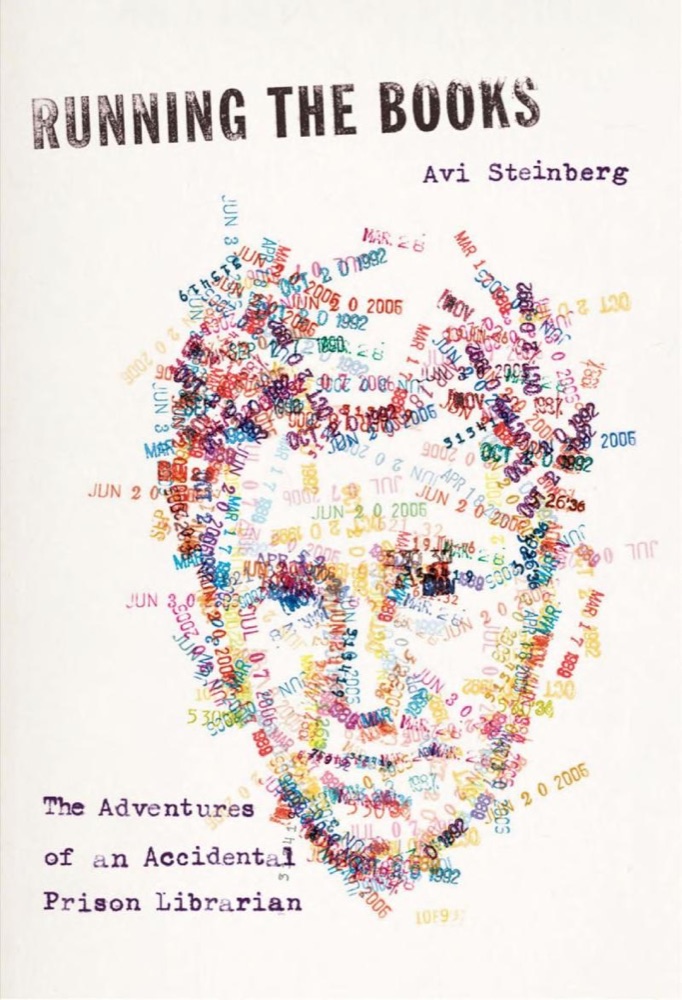 Running the Books: The Adventures of an Accidental Prison Librarian
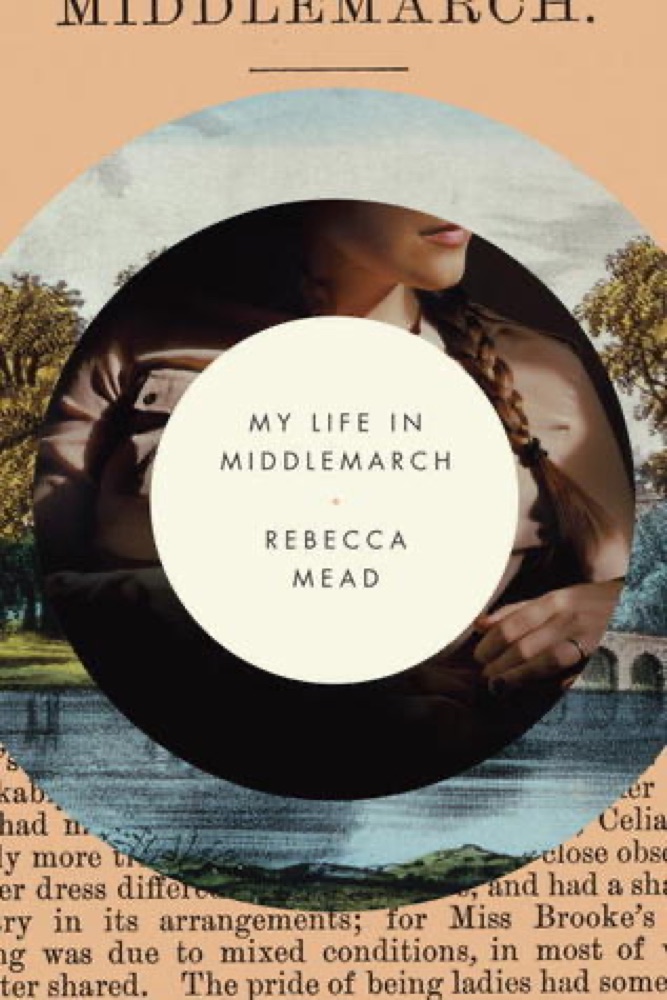 My Life in Middlemarch
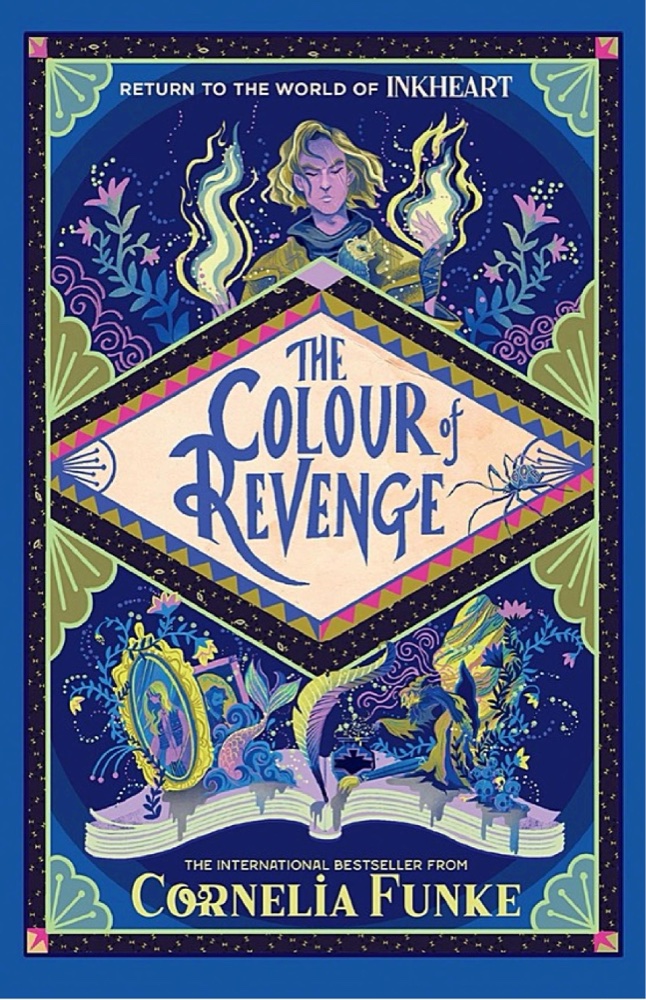 Inkheart
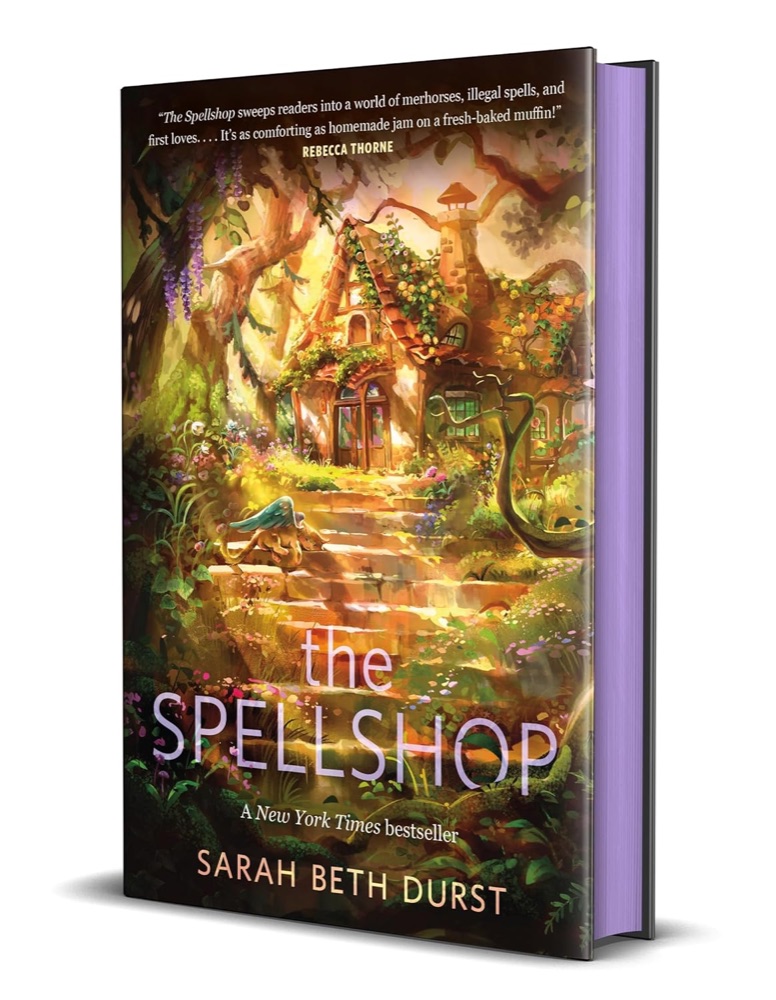 The Spellshop
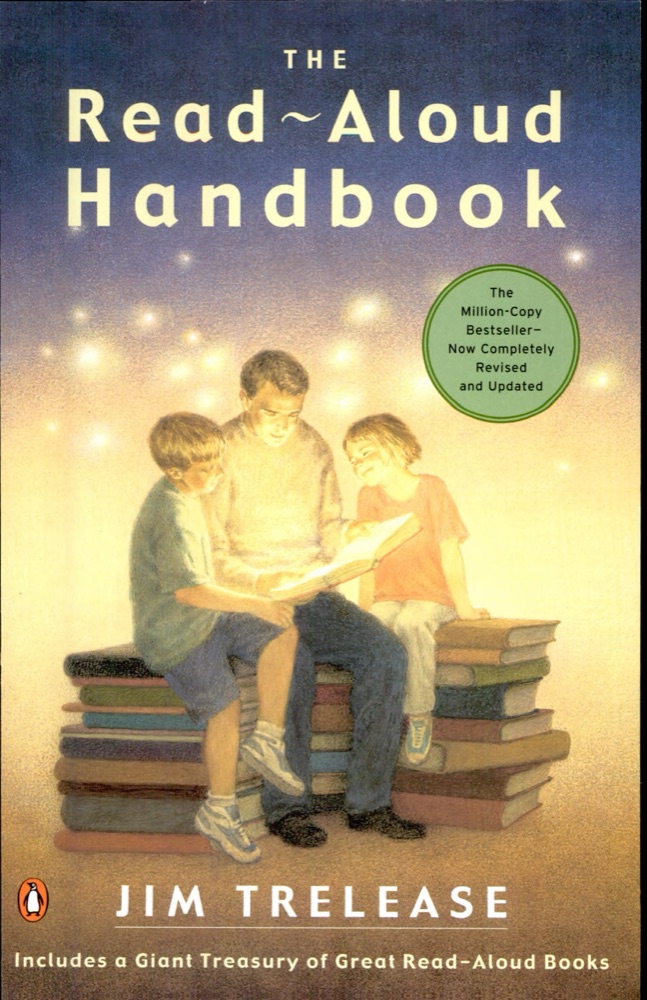 The Read-Aloud Handbook
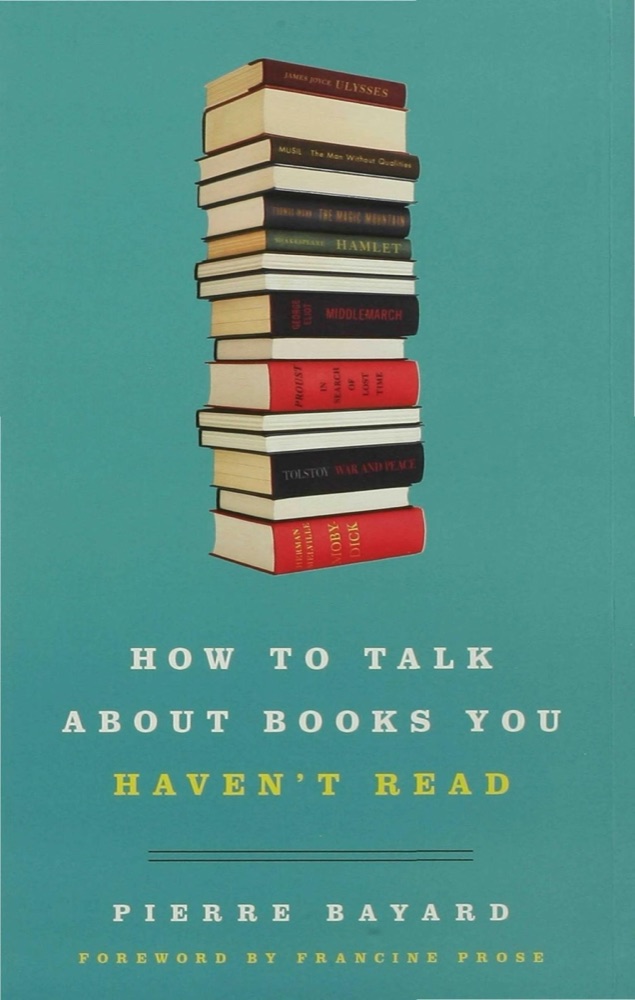 How to Talk About Books You Haven't Read
 Parnassus on Wheels