
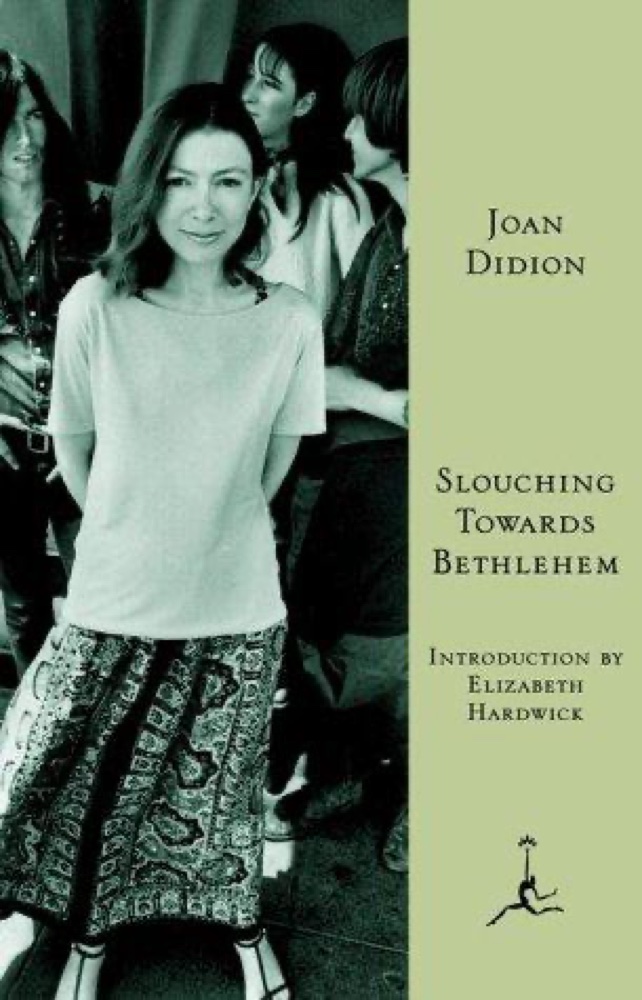
 Slouching Towards Bethlehem
Quotes from the Book
It occurred to me almost constantly in the South that had I lived there I would have been an eccentric and full of anger, and I wondered what form the anger would have taken. Would I have taken up causes, or would I have simply knifed somebody?
19
In the South they are convinced that they have bloodied their place with history. In the West we do not believe that anything we do can bloody the land, or change it, or touch it.
8
It was the kind of Sunday to make one ache for Monday morning.
8
Part of it is simply what looks right to the eye, sounds right to the ear. I am at home in the West. The hills of the coastal ranges look "right" to me, the particular flat expanse of the Central Valley comforts my eye. The place names have the ring of real places to me. I can pronounce the names of the rivers, and recognize the common trees and snakes. I am easy here in a way that I am not easy in other places.
8
In New Orleans the wilderness is sensed as very near, not the redemptive wilderness of the western imagination but something rank and old and malevolent, the idea of wilderness not as an escape from civilization and its discontents but as a mortal threat to a community precarious and colonial in its deepest aspect. The effect is lively and avaricious and intensely self-absorbed, a tone not uncommon in colonial cities, and the principal reason I find such cities invigorating.
7
I am easy here in a way that I am not easy in other places.
5
To be a white middle-class child in a small southern town must be on certain levels the most golden way for a child to live in the United States.
4
I have been looking all my life for history and have yet to find it.
3
I am trying to place myself in history. I have been looking all my life for history and have yet to find it.
2
The time warp: the Civil War was yesterday, but 1960 is spoken of as if it were about three hundred years ago.
2
I had only some dim and unformed sense, a sense which struck me now and then, and which I could not explain coherently, that for some years the South and particularly the Gulf Coast had been for America what people were still saying California was, and what California seemed to me not to be: the future, the secret source of malevolent and benevolent energy, the psychic center.
2
At the center of this story there is a terrible secret, a kernel of cyanide, and the secret is that the story doesn’t matter, doesn’t make any difference, doesn’t figure.
1
A somnolence so dense it seemed to inhibit breathing…
1
It was a fatalism I would come to recognize as endemic to the particular tone of New Orleans life. Bananas would rot, and harbor tarantulas. Weather would come in on the radar, and be bad. Children would take fever and die, domestic arguments would end in knifings, the construction of highways would lead to graft and cracked pavement where the vines would shoot back. Affairs of state would turn on sexual jealousy, in New Orleans as if in Port-au-Prince, and all the king's men would turn on the king. The temporality of the place is operatic, childlike, the fatalism that of a culture dominated by wilderness.
1
I've never been any place I wanted to go.
1
The devastation along the Gulf had an inevitability about it: the coast was reverting to its natural state.
1
About the cathouse: the notion that an accepted element in the social order is a whorehouse goes hand in hand with the woman on a pedestal.
1
In Coffeeville, Miss., at 6 p.m., there was a golden light and a child swinging in it, swinging from a big tree, over a big lawn, back and forth in front of a big airy house. To be a white middle-class child in a small southern town must be on certain levels the most golden way for a child to live in the United States.
1
In New Orleans they have mastered the art of the motionless. In
1
We lived together for some years, and I think we most fully understood each other when once I tried to kill him with a kitchen knife.
What I saw that night was a world so rich and complex I was disorientated, a world complete unto itself, a world of smooth surfaces broken occasionally by a flash of eccentricity so deep that it numbed any attempt at interpretation.
Watch on YouTube
About Joan Didion
We have collected 209 quotes from 9 books by Joan Didion on BookQuoters.
More about the author →More by Joan Didion
All books by Joan Didion →

About the book
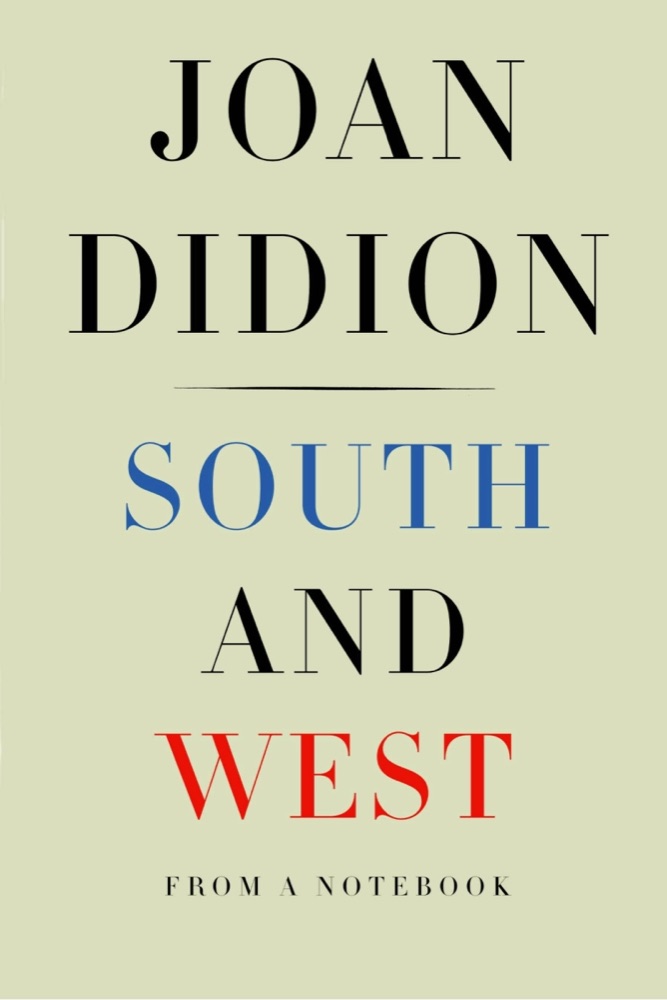
From the best-selling author of the National Book Award-winning The Year of Magical Thinking two extended excerpts from her never-before-seen notebooks--writings that offer an illuminating glimpse into the mind and process of a legendary writer.
Joan Didion has always kept notebooks: of overheard dialogue, observations, interviews, drafts of essays and articles--and here is one such draft that traces a road trip she took with her husband, John Gregory Dunne, in June 1970, through Louisiana, Mississippi, and Alabama. She interviews prominent local figures, describes motels, diners, a deserted reptile farm, a visit with Walker Percy, a ladies' brunch at the Mississippi Broadcasters' Convention. She writes about the stifling heat, the almost viscous pace of life, the sulfurous light, and the preoccupation with race, class, and heritage she finds in the small towns they pass through.
Book details
- First published
- 2017
- Author
- Joan Didion
- Genre
- Nonfiction
- Goodreads rating
- 3.68 (16k ratings)
The buzz
- The New York TimesReview in The New York Timesprofessional review (via Book Marks)
- The Washington PostReview in The Washington Postprofessional review (via Book Marks)
- The AtlanticReview in The Atlanticprofessional review (via Book Marks)
- Los Angeles TimesReview in Los Angeles Timesprofessional review (via Book Marks)
- VultureReview in Vultureprofessional review (via Book Marks)
- The Boston GlobeReview in The Boston Globeprofessional review (via Book Marks)
Keep reading
 The White Album
 South of Broad
 A Bend in the River
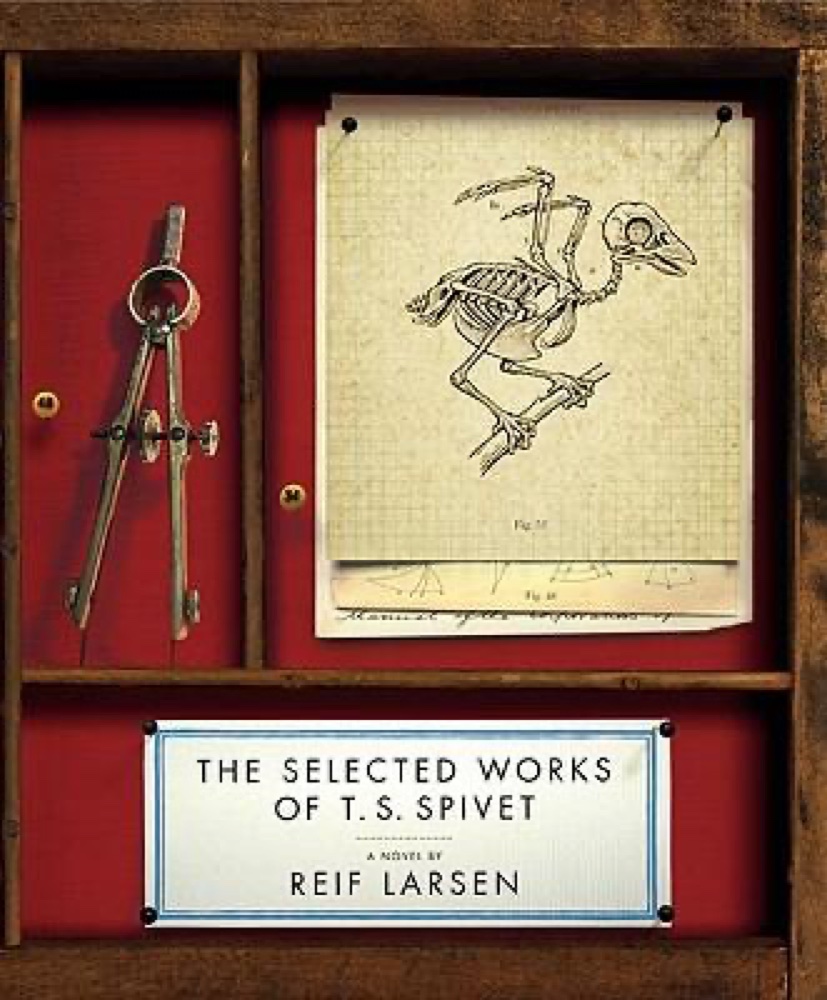 The Selected Works of T.S. Spivet
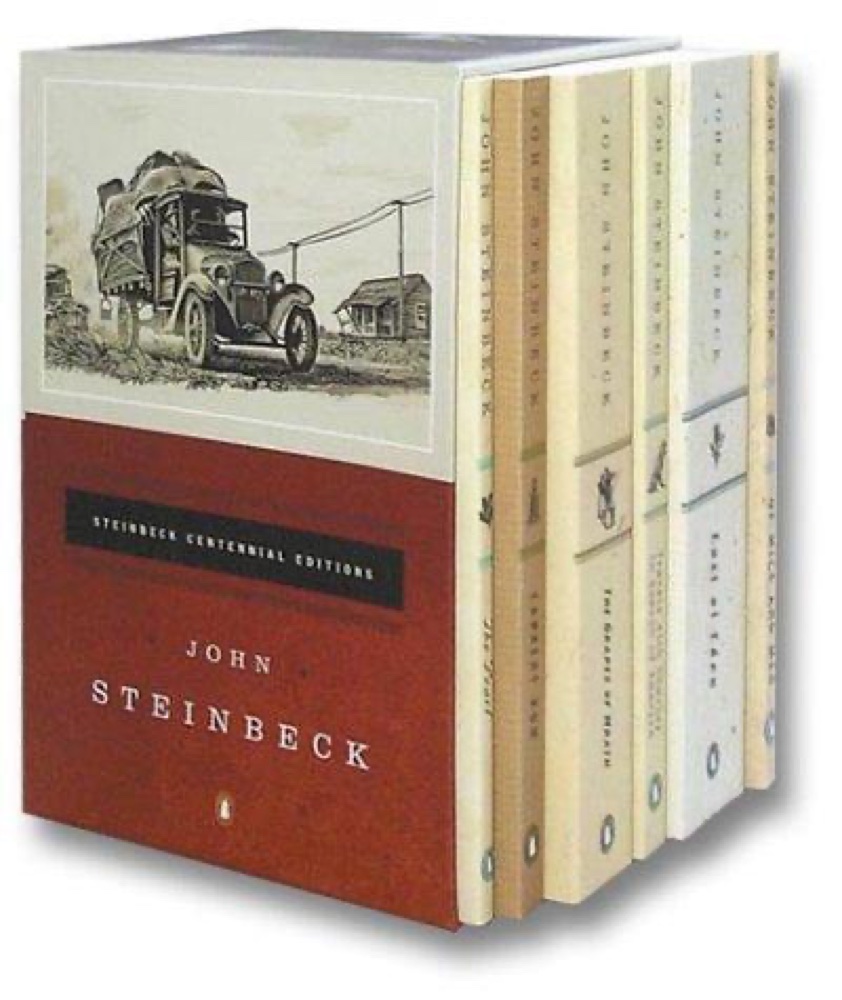 Travels with Charley: In Search of America
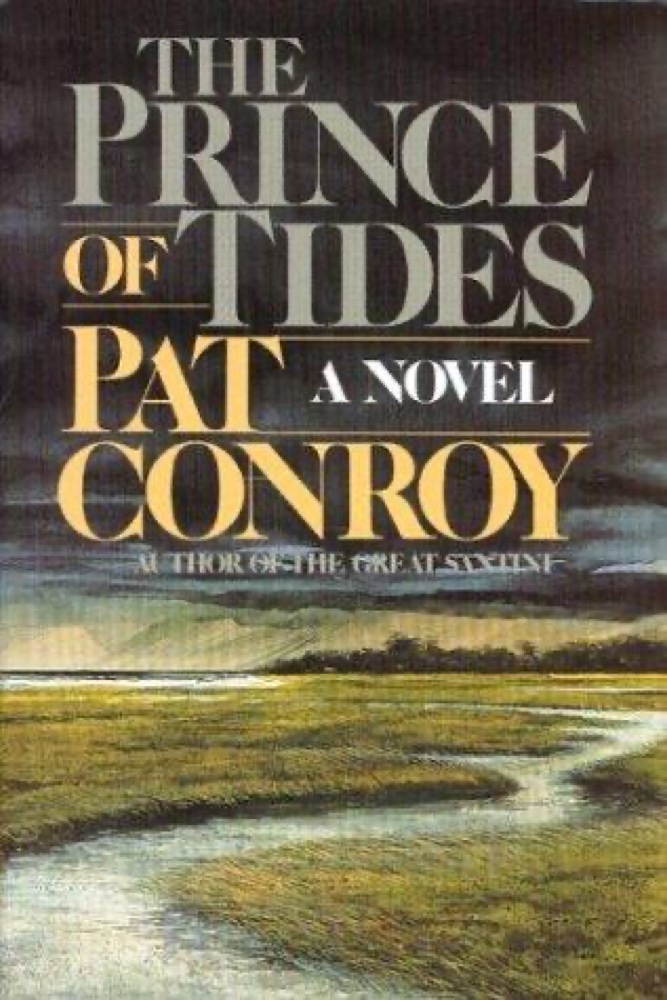 The Prince of Tides
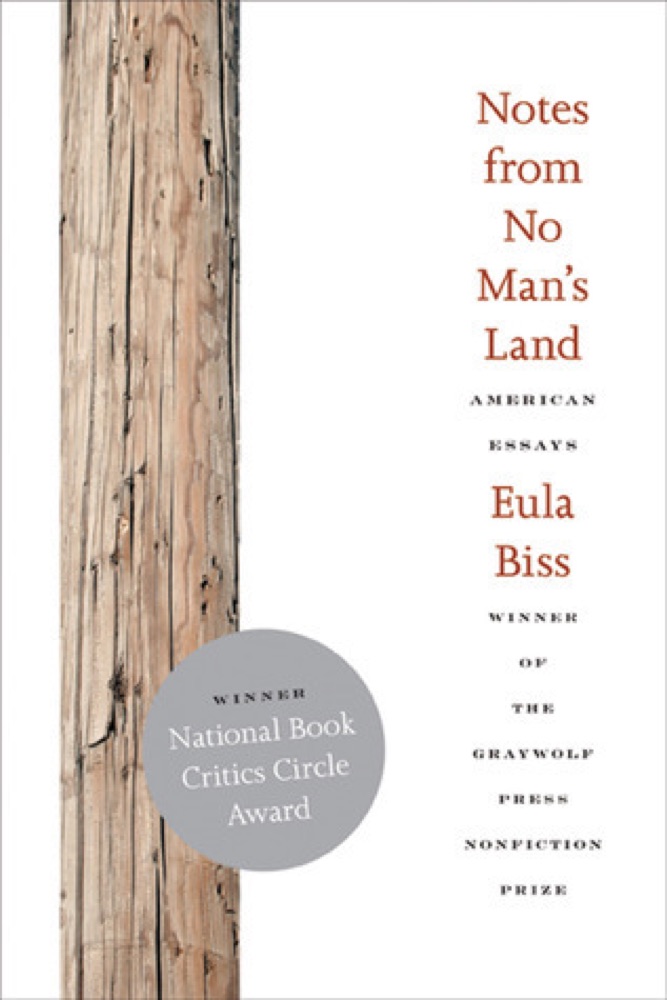 Notes from No Man's Land
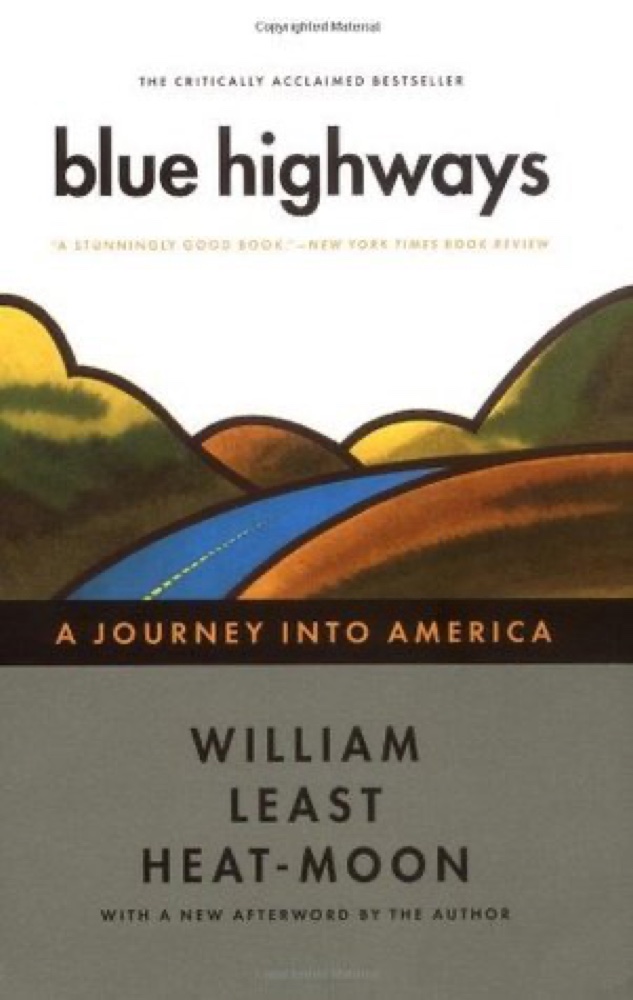 Blue Highways
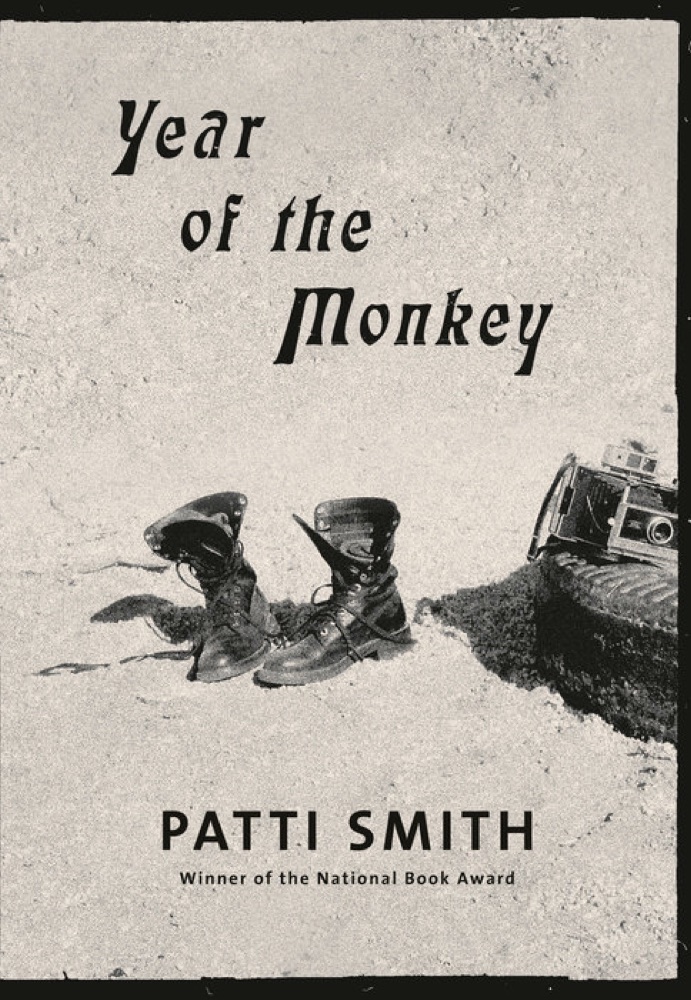 Year of the Monkey
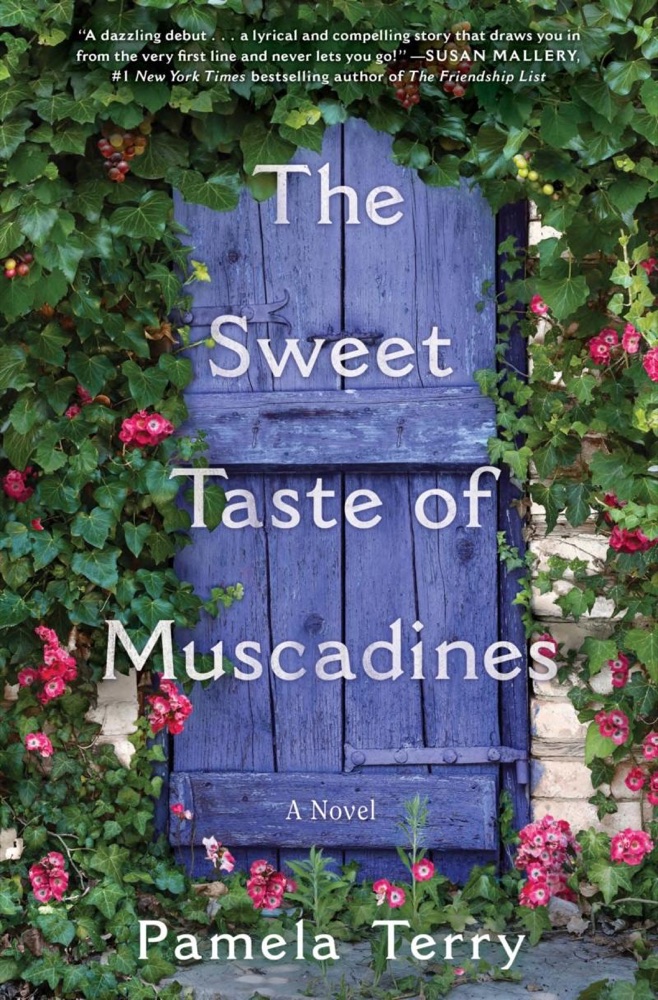 The Sweet Taste of Muscadines
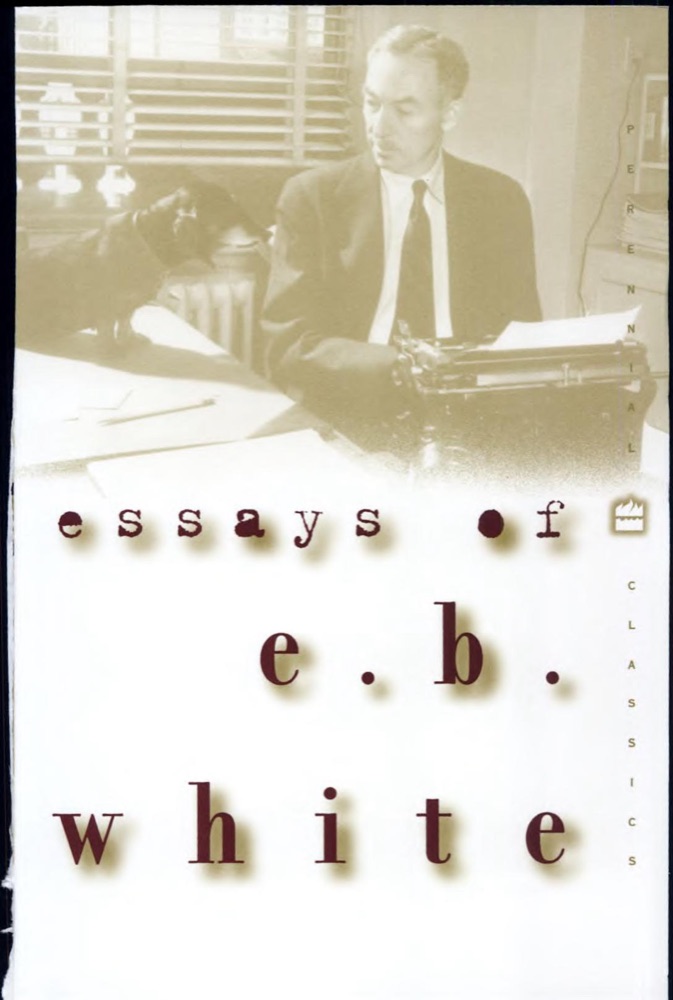 Essays of E.B. White
 World's Fair
 A House in the Sky
 The Lost Continent: Travels in Small Town America
 All Over But the Shoutin'
 Open City
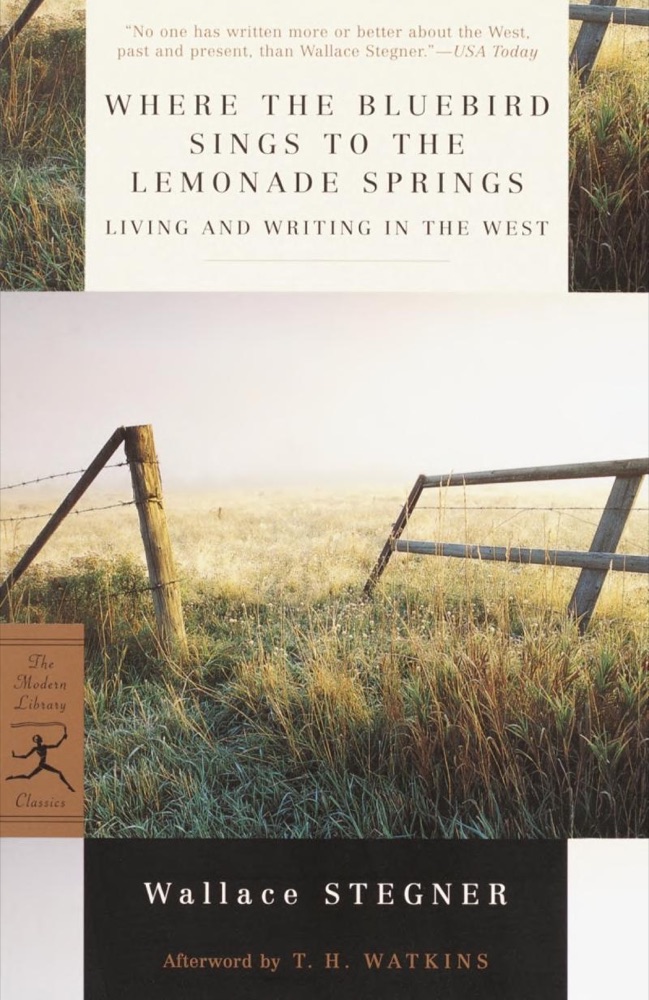 Where the Bluebird Sings to the Lemonade Springs: Living and Writing in the West
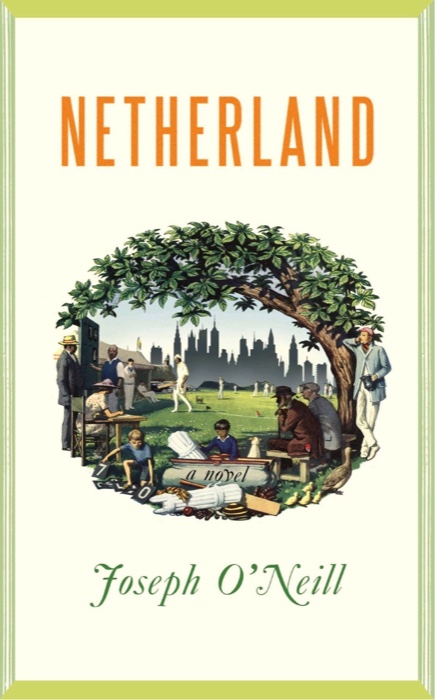 Netherland
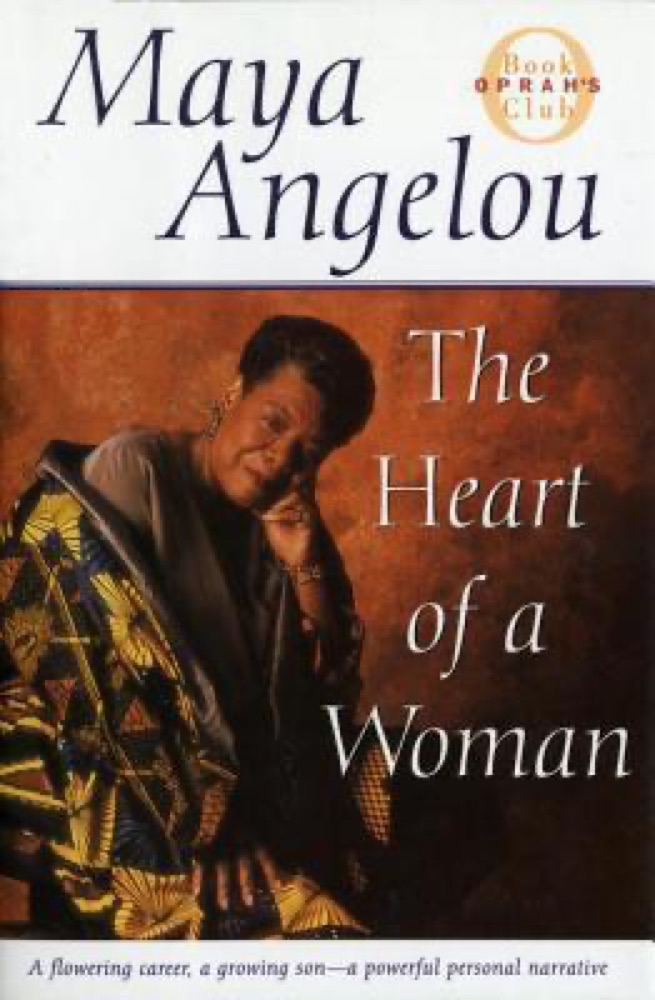 The Heart of a Woman
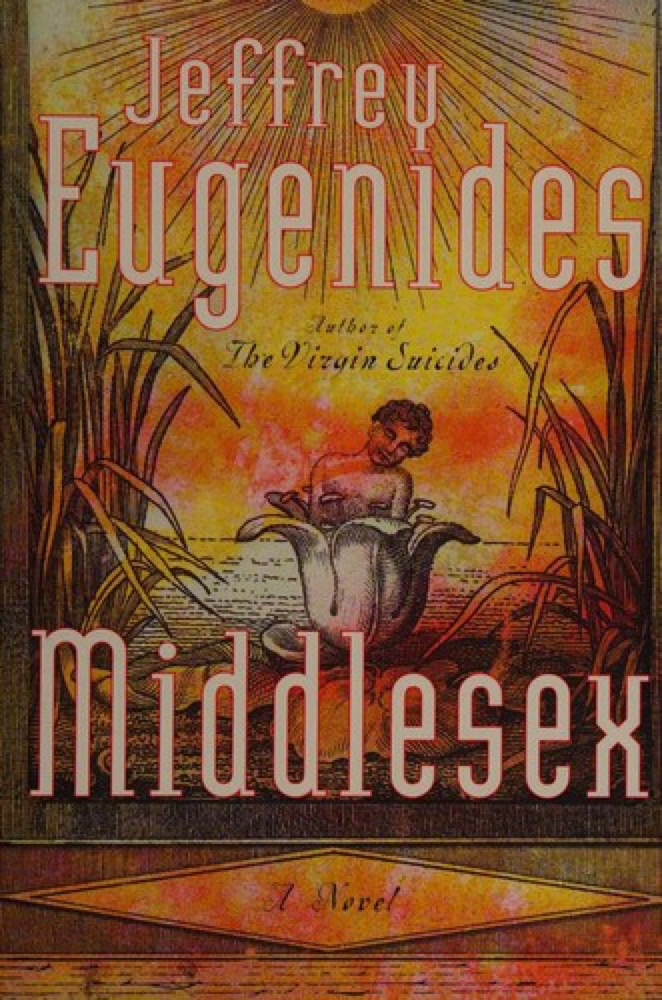 Middlesex
 All God's Children Need Traveling Shoes
 Shadow Country
 The Quiet Game
 The Book of Salt
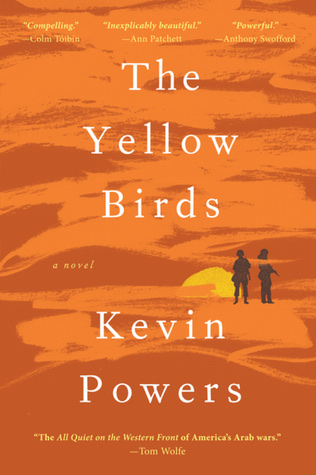 The Yellow Birds
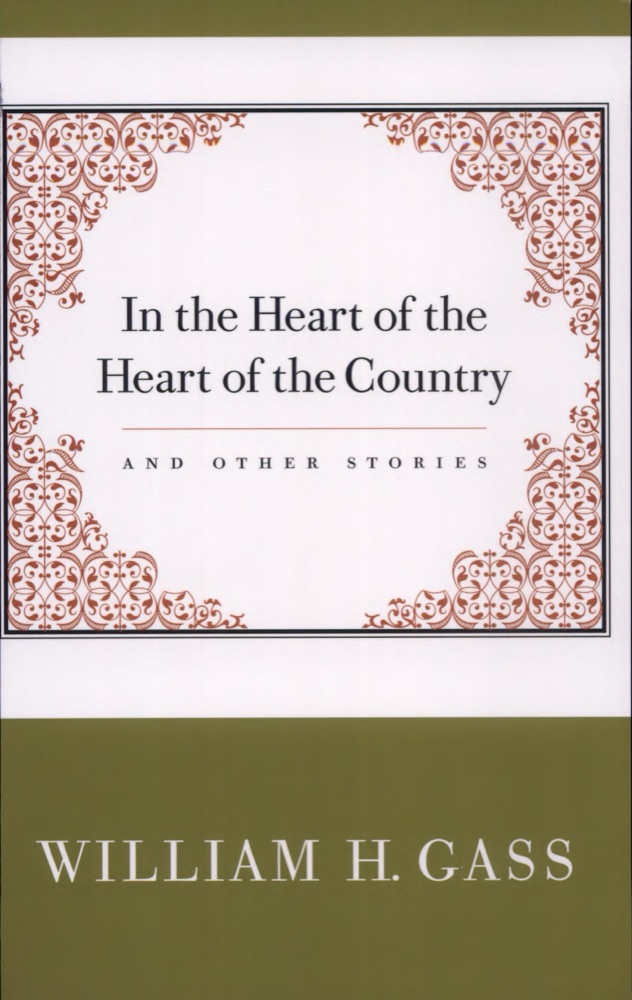 In the Heart of the Heart of the Country and Other Stories
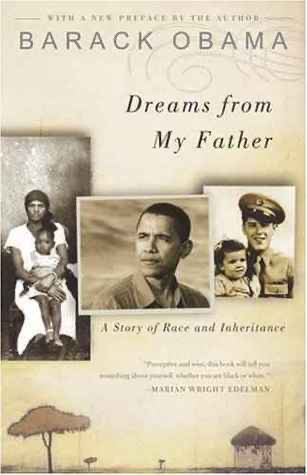 Dreams from My Father: A Story of Race and Inheritance
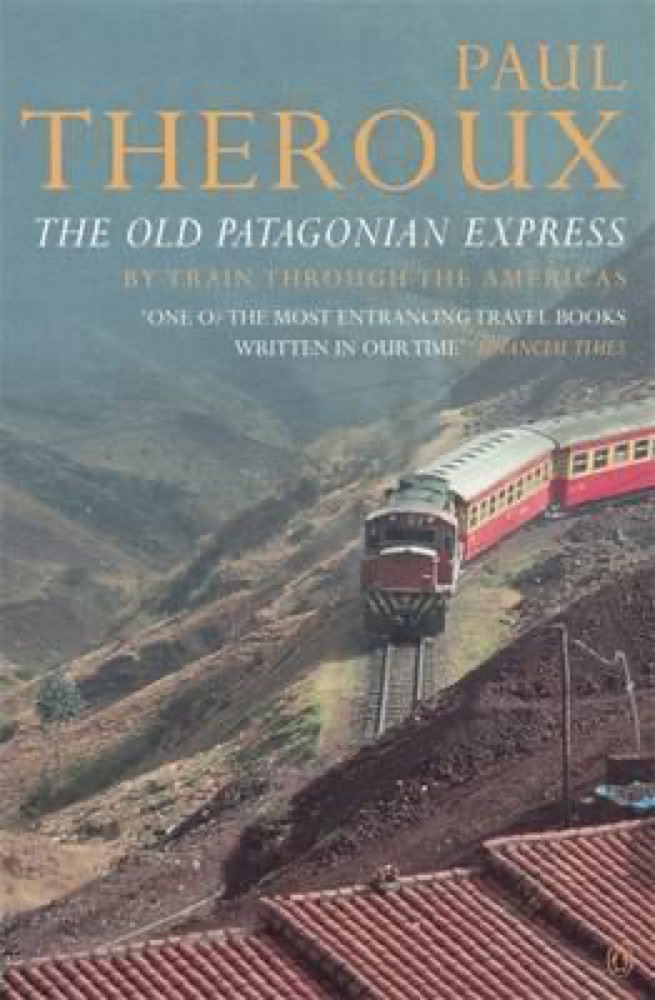 The Old Patagonian Express: By Train Through the Americas
 The Sea Keeper's Daughters
 Chronicles, Volume One
 Gold Coast
 The Lords of Discipline
 The Cat's Table
 Severance
 A Thousand Acres
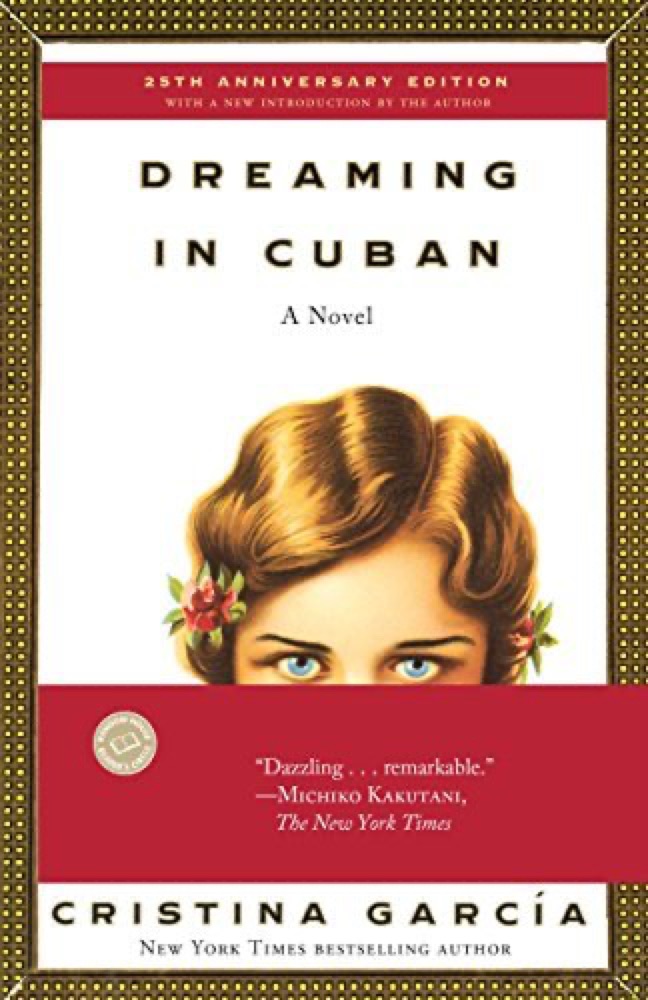 Dreaming in Cuban
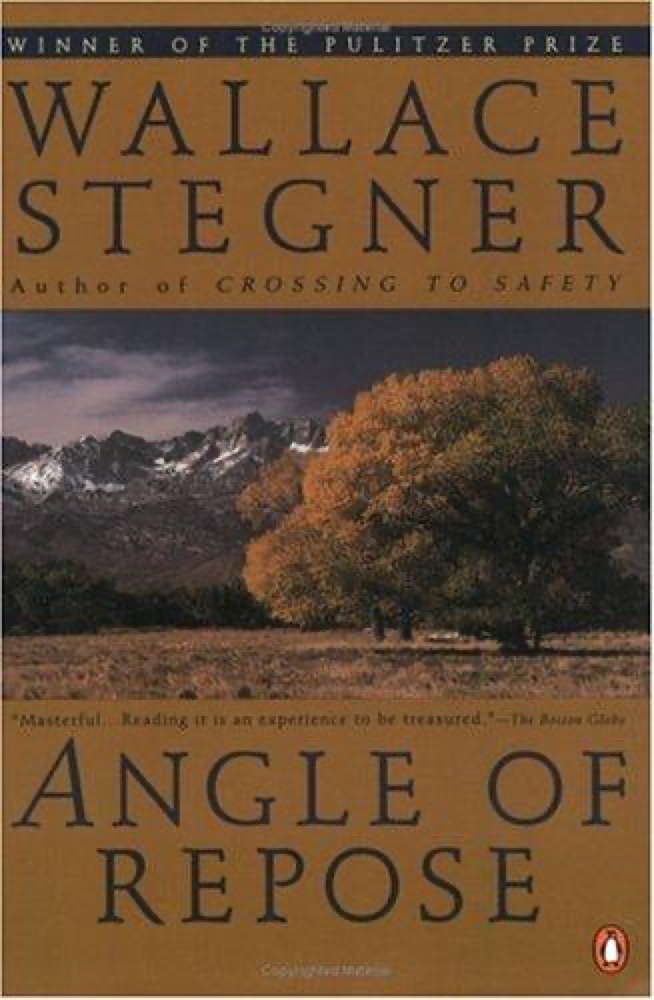 Angle of Repose
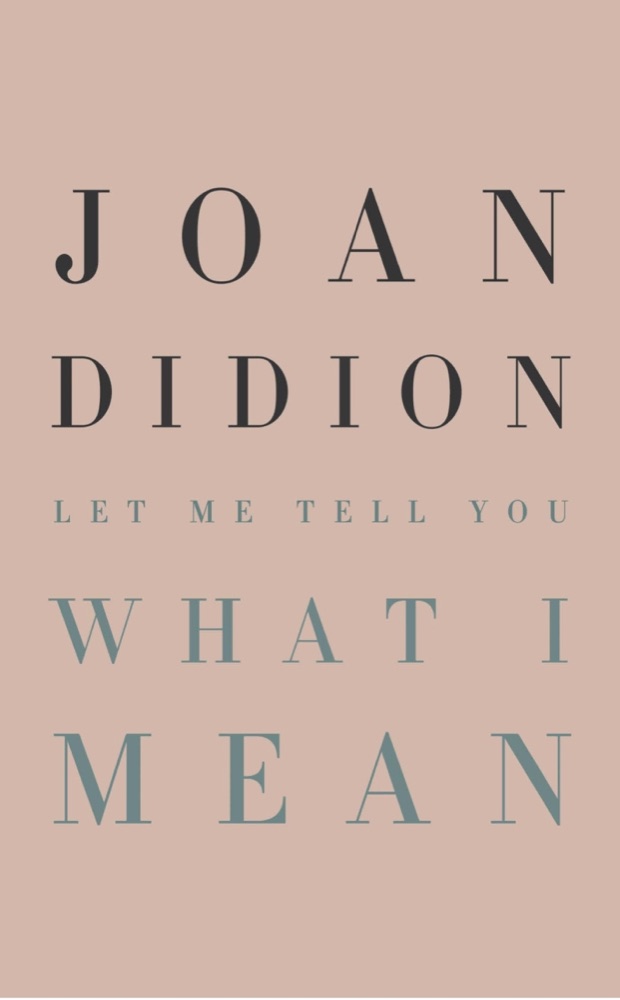 Let Me Tell You What I Mean
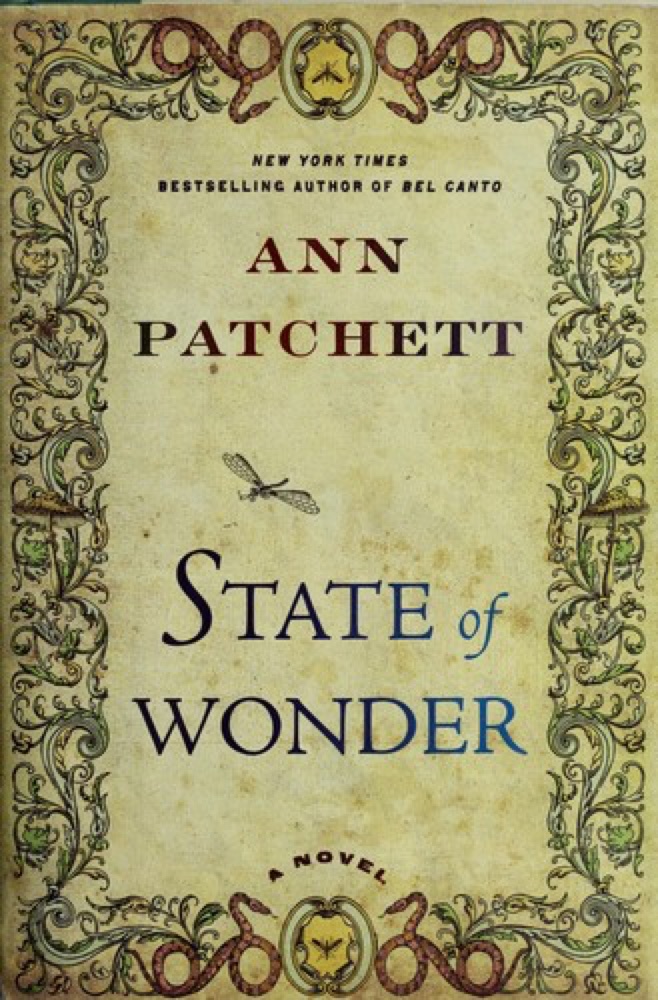 State of Wonder
 Sixty Stories
 The Hour I First Believed
 Close to the Knives: A Memoir of Disintegration
 Out of Africa
 Underworld
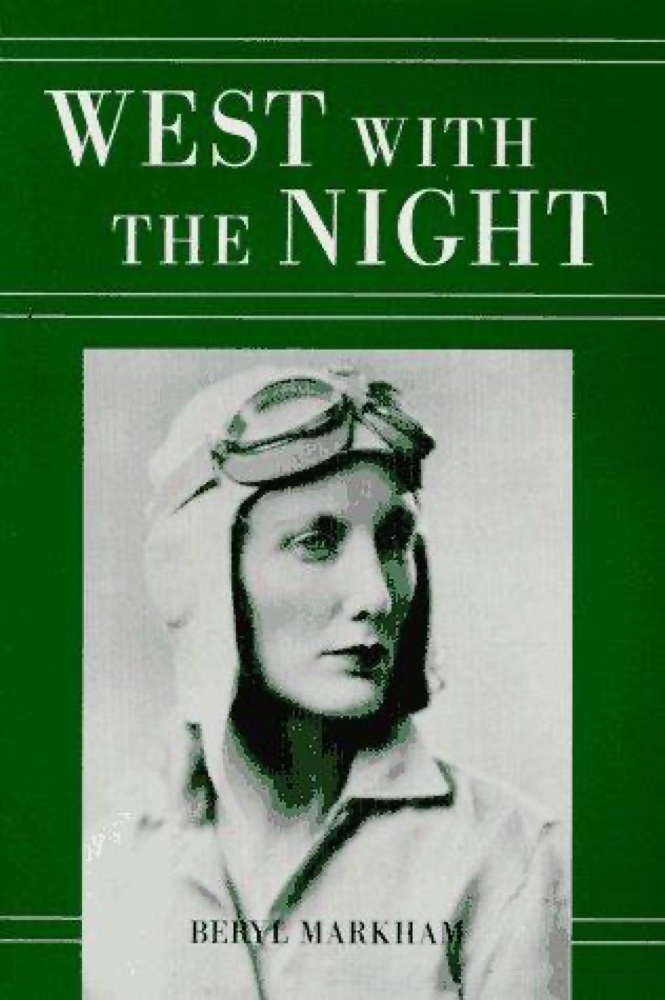 West with the Night
 A Thousand Moons
 The People in the Trees
 A Little Devil in America: Notes in Praise of Black Performance
 TransAtlantic
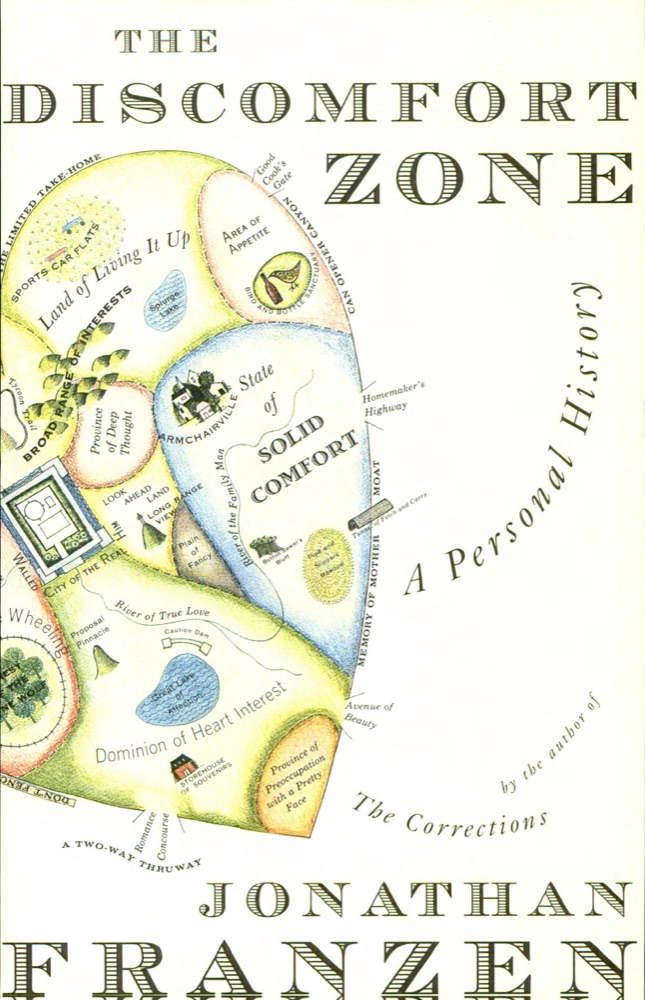 The Discomfort Zone: A Personal History
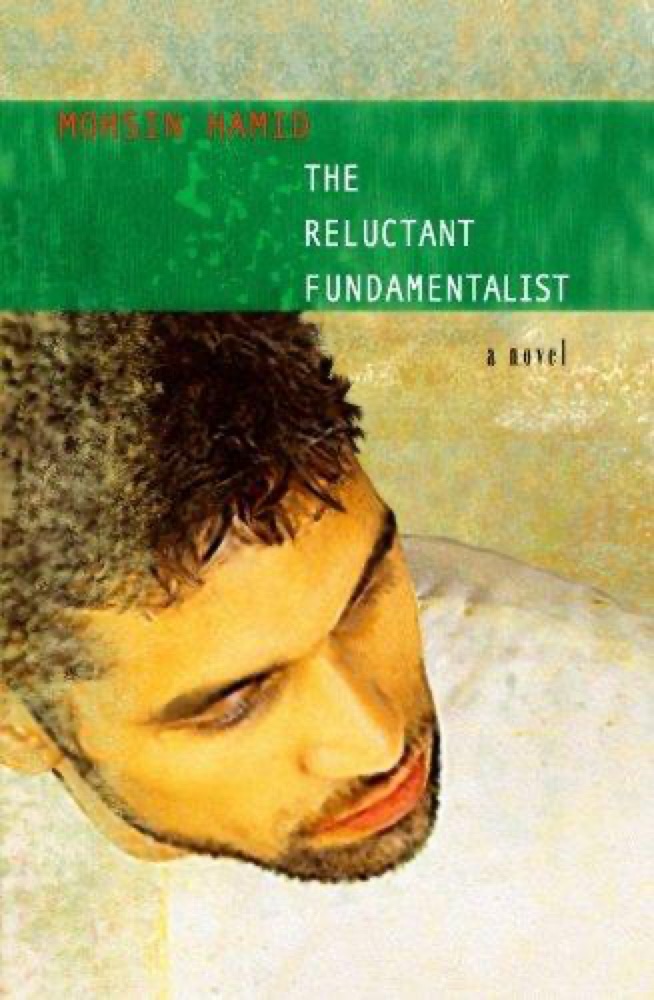 The Reluctant Fundamentalist
 Canada
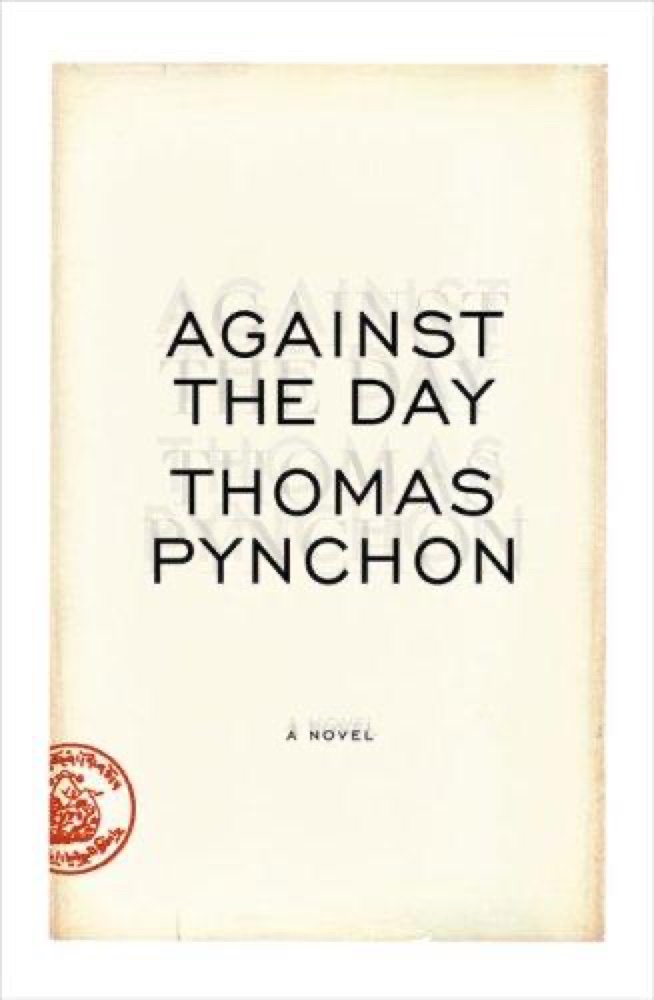 Against the Day
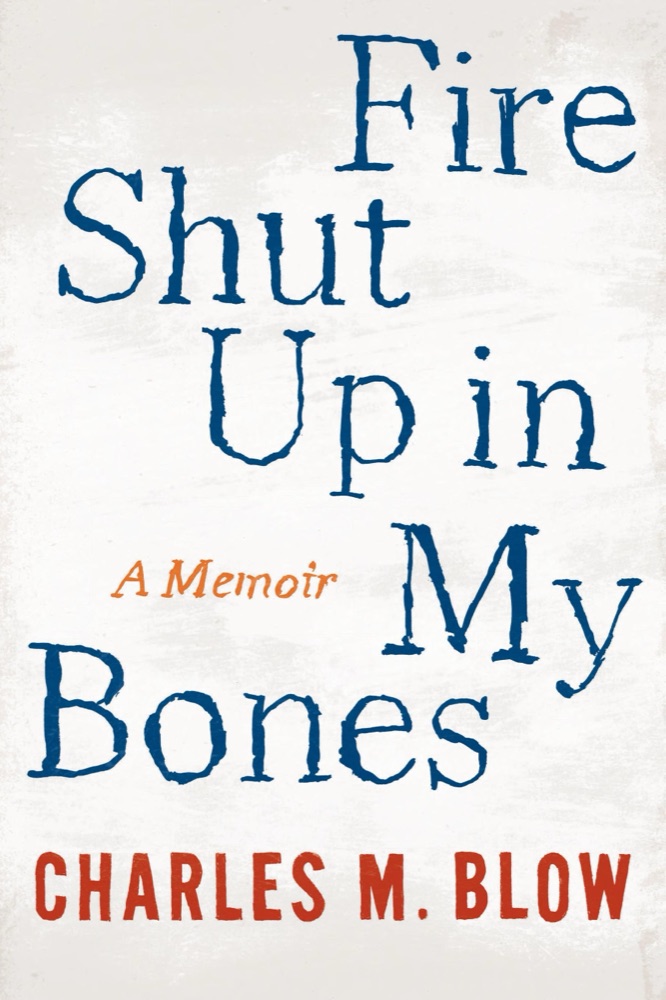 Fire Shut Up in My Bones: A Memoir
 The Fortress of Solitude
 Singin' and Swingin' and Gettin' Merry Like Christmas
 Warlight
 The Untouchable
 State of Paradise
 Another Country