
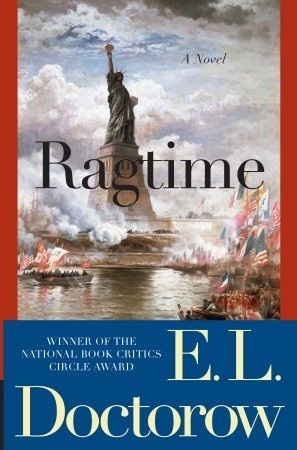
 Ragtime
Quotes from the Book
I knew he was unreliable, but he was fun to be with. He was a child’s ideal companion, full of surprises and happy animal energy. He enjoyed food and drink. He liked to try new things. He brought home coconuts, papayas, mangoes, and urged them on our reluctant conservative selves. On Sundays he liked to discover new places, take us on endless bus or trolley rides to some new park or beach he knew about. He always counseled daring, in whatever situation, the courage to test the unknown, an instruction that was thematically in opposition to my mother’s.
14
The Shadow had no imagination. He neither looked at naked women nor thought of ridding the world of dictators like Hitler or Mussolini.
7
I struggled to understand Christianity as something that would shove a knife into my belly.
1
not because I had succeeded but because I had tried.
whiteness of the future as it expanded in my mind perispherically and thrust its needle into the sky.
It was exhausting to use your mind all the time, education was exhausting, particularly when it was administered by one’s parents.
By contrast, my mother lacked any capacity for irreverence. She could be bitter, but never disrespectful
was that I had gotten us into something, in the least likely way I had come up with the tickets.
Shoulder back,” he said to me, “chin up, eyes straight ahead. That’s it. Look the world in the eye.
A large part of the otherwise intelligent public still labor under the delusion that the ventriloquist is endowed by nature with the power of throwing his voice … but what the ventriloquist really does is to imitate as exactly as possible a sound as it is heard by the ears after it has travelled some distance.…
I had worried before, all the time in this enormous effort to catch up to life, to find it, to feel it, comprehend it; but all I had to do was be in it and it would instruct me and give me everything I needed.
And for one moment hung there like pendants from the neck of the night.
In the cities of the future, pedestrian bridges connected the buildings and highways were sunken on tracks below them. No one would get run over in this futuristic world.
real little cars moving on them at different speeds, the center lanes for the higher speeds, the lanes on the edge for the lower.
among great crowds of strolling people. Everywhere people walked in family groups
to my mother. This would take some doing. A rill of disloyalty opened up in me.
The sun and the sky seemed untethered too, I felt the freedom of things at this farm, and
Wherever you were, at whatever far edge of the world’s consciousness, one three-cent postage stamp could vault you into the heart of things.
I experienced a diffuse sense of urgency all through my body, my limbs, my fingers and toes. I found that I was angry. And then all at once I was feeling sorry for myself.
She and I never discussed these things, recognizing the danger of entrusting such delicate matters to words. If either of us had said anything, the other could no longer have sustained the relationship. It could only continue unarticulated, tacit, in the pretense of ignorance.
People wouldn’t talk to them in a way they wouldn’t want to be talked to.
He was becoming like my parents—an adult to be observed and worried about.
Men slept on their sides in the doorways, their hands under their heads, they were grown men but they slept curled up as I did.
that most mysterious night of the day of rest.
I saw in these sportsmen, I derived from them, information of a high life of celebrity, wealth, and the careless accommodation of pleasure.
I liked in my house circles of lamplight surrounded by rings of darkness that grew in depth the farther out they went. I liked the shelter of a desk lamp, feeling toward it Bomba the Jungle Boy’s affection for his campfire in the roars of the dark surrounding night.
What was essential to them was that same dusk of winter, that late afternoon of cold hard air and leaves spinning down from the plane trees of the Bronx streets, produced by the clouds of World War Two.
He had the fervent pride of the assimilationist,
Watch on YouTube
About E.L. Doctorow
We have collected 88 quotes from 5 books by E.L. Doctorow on BookQuoters.
More about the author →More by E.L. Doctorow

About the book
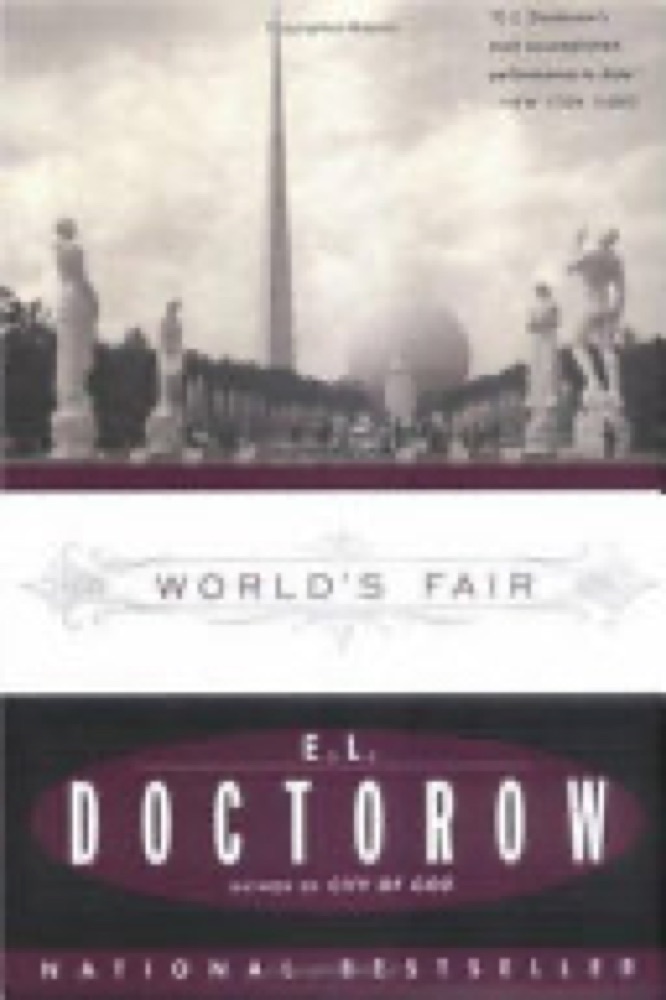
The astonishing novel of a young boy's life in the New York City of the 1930s, a stunning recreation of the sights, sounds, aromas and emotions of a time when the streets were safe, families stuck together through thick and thin, and all the promises of a generation culminate in a single great World's Fair . . .
Book details
- First published
- 1985
- Author
- E.L. Doctorow
- Genre
- Fiction
- Goodreads rating
- 3.85 (5k ratings)
Keep reading
 Netherland
 A Thousand Acres
 A Separate Peace
 The People in the Trees
 Black Boy
 When We Were Animals
 A Wolf at the Table
 A House in the Sky
 Sweet Tooth
 The Marriage of Opposites
 Fire Shut Up in My Bones: A Memoir
 The Go-Between
 The Round House
 A Home at the End of the World
 Prime of Life
 The Almost Moon
 Another Country
 The Turn of the Screw
 On the Road
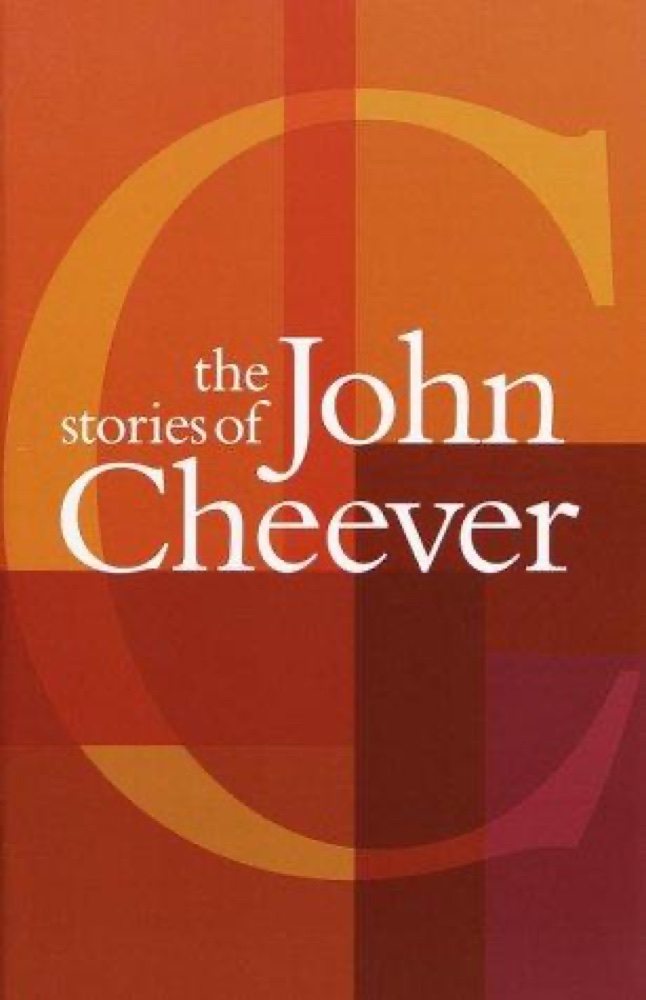 The Stories of John Cheever
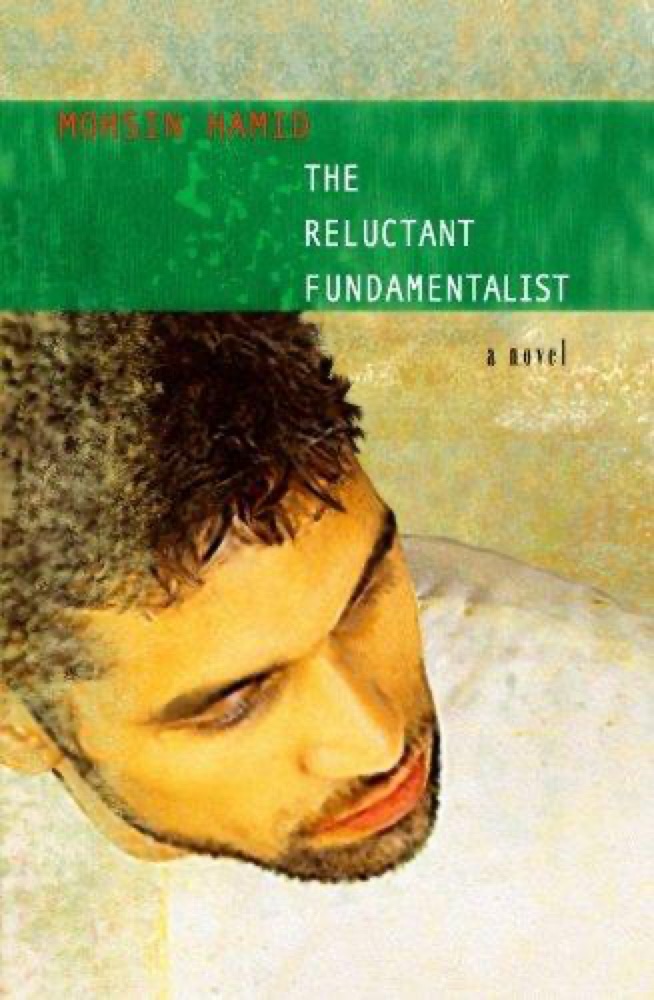 The Reluctant Fundamentalist
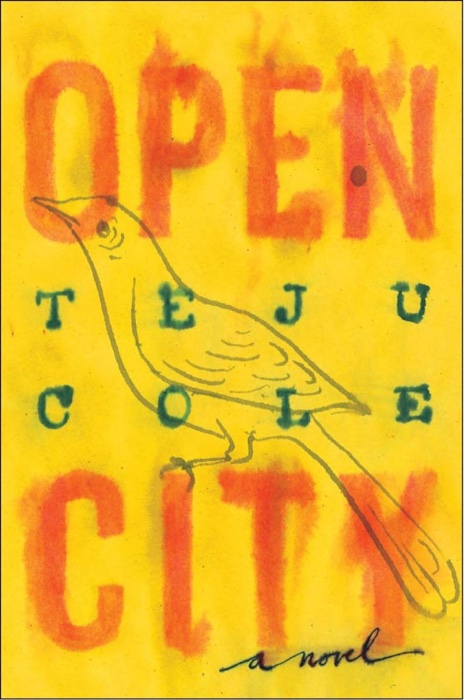 Open City
 Testament of Youth
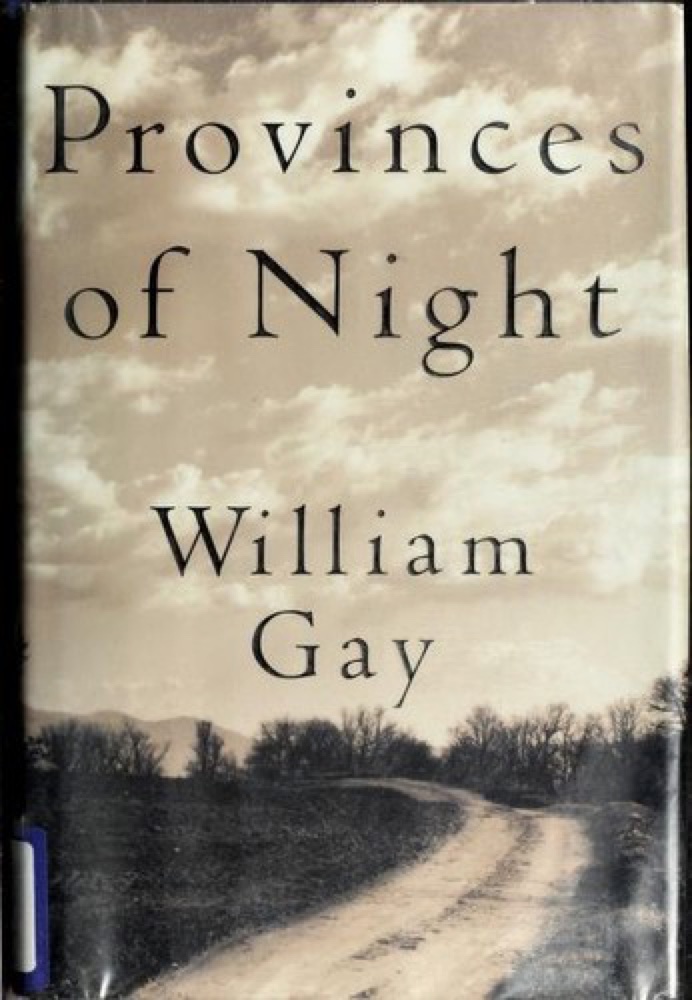 Provinces of Night
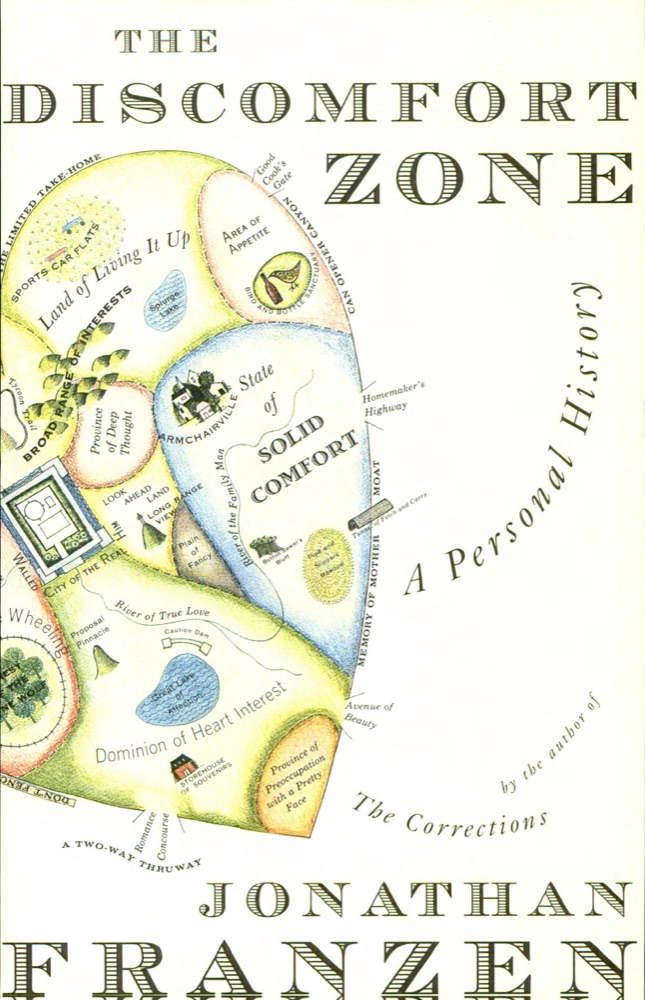 The Discomfort Zone: A Personal History
 A Room Made of Leaves
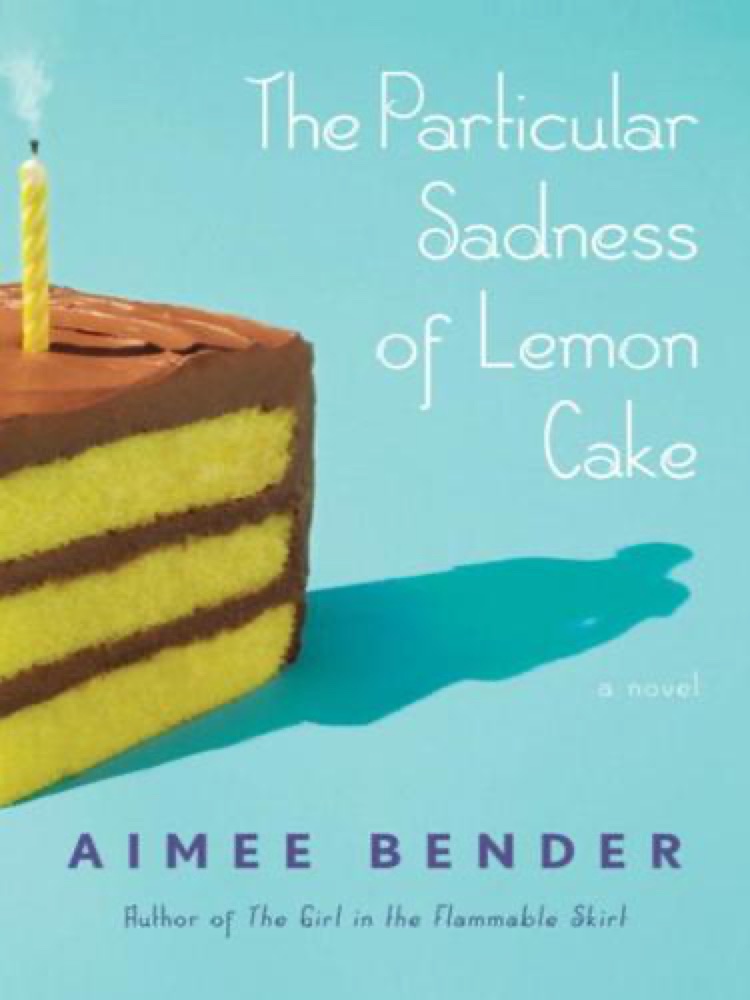 The Particular Sadness of Lemon Cake
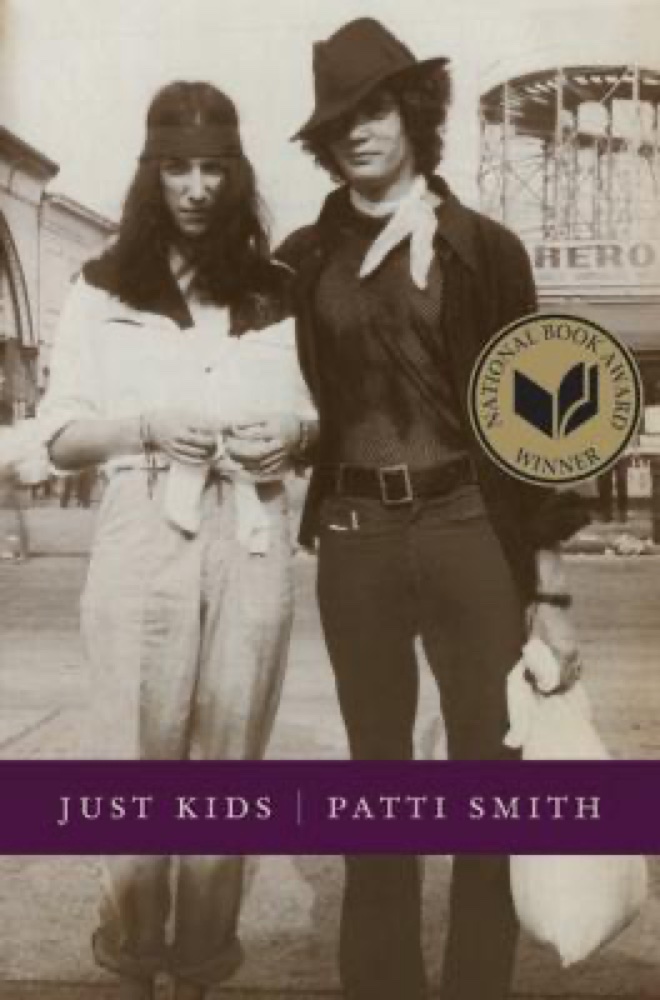 Just Kids
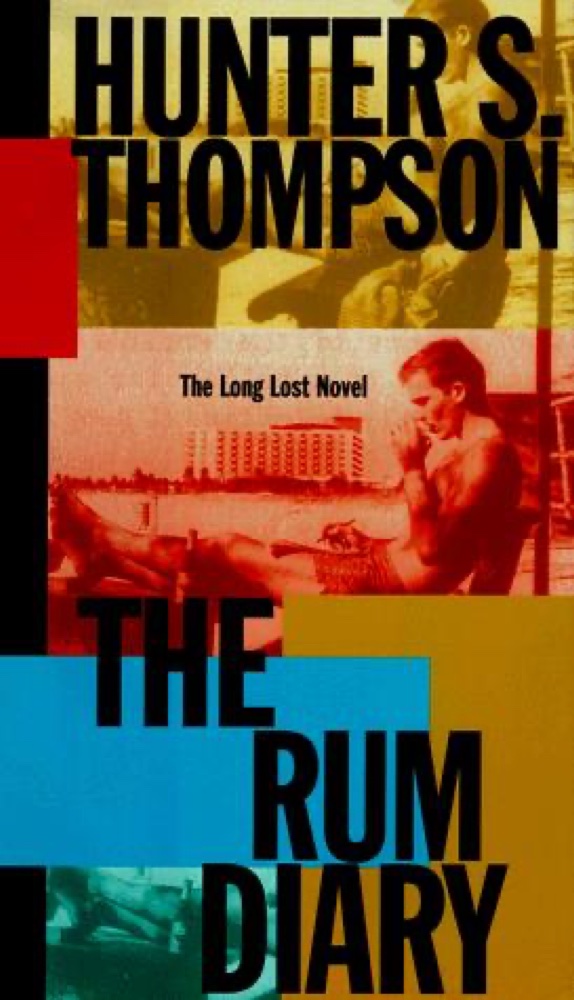 The Rum Diary
 Singin' and Swingin' and Gettin' Merry Like Christmas
 I'm Supposed to Protect You from All This
 The Illustrated Man
 Chronicles, Volume One
 Harvesting the Heart
 Miss Peregrine’s Home for Peculiar Children
 A Bend in the River
 Wolf in White Van
 The Yellow Birds
Ragtime
The Yellow Birds
Ragtime
 Dubliners
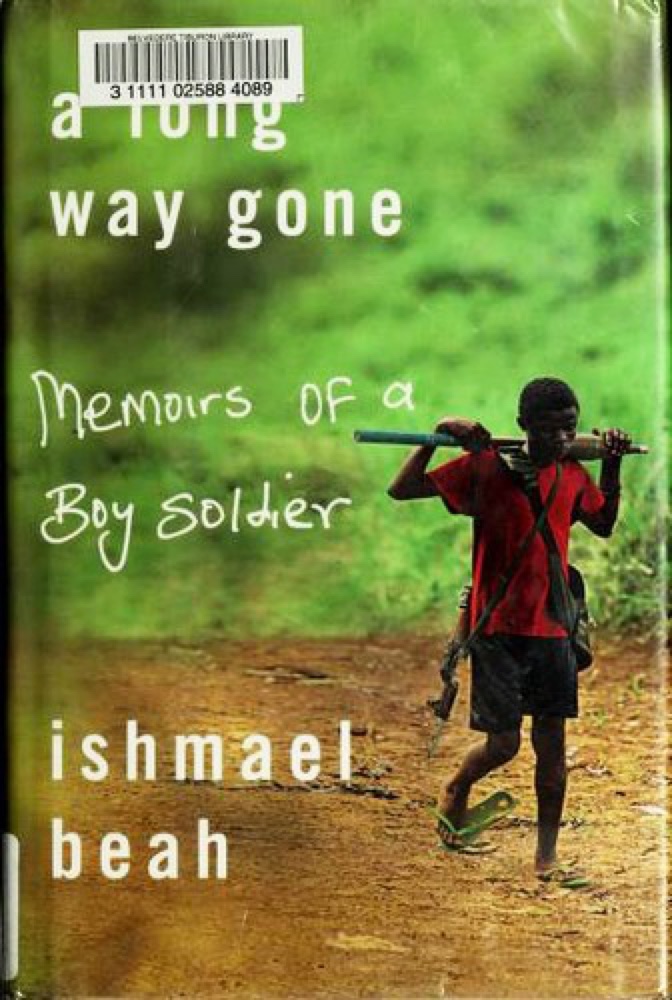 A Long Way Gone
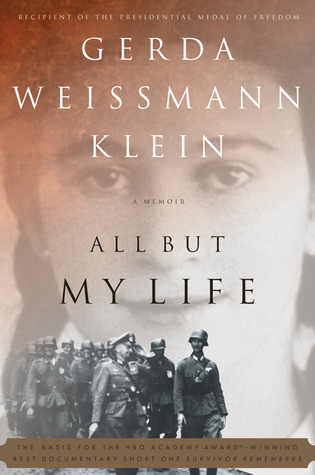 All But My Life: A Memoir
 The Collected Stories
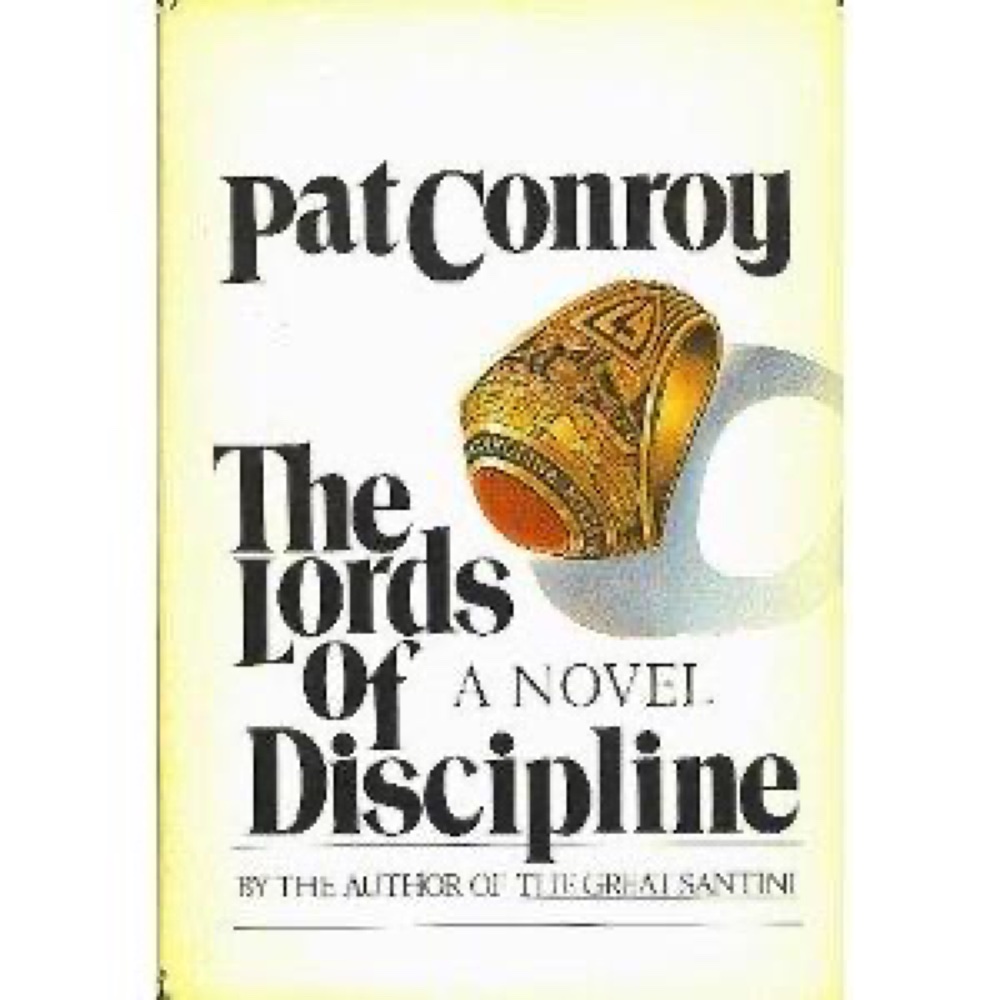 The Lords of Discipline
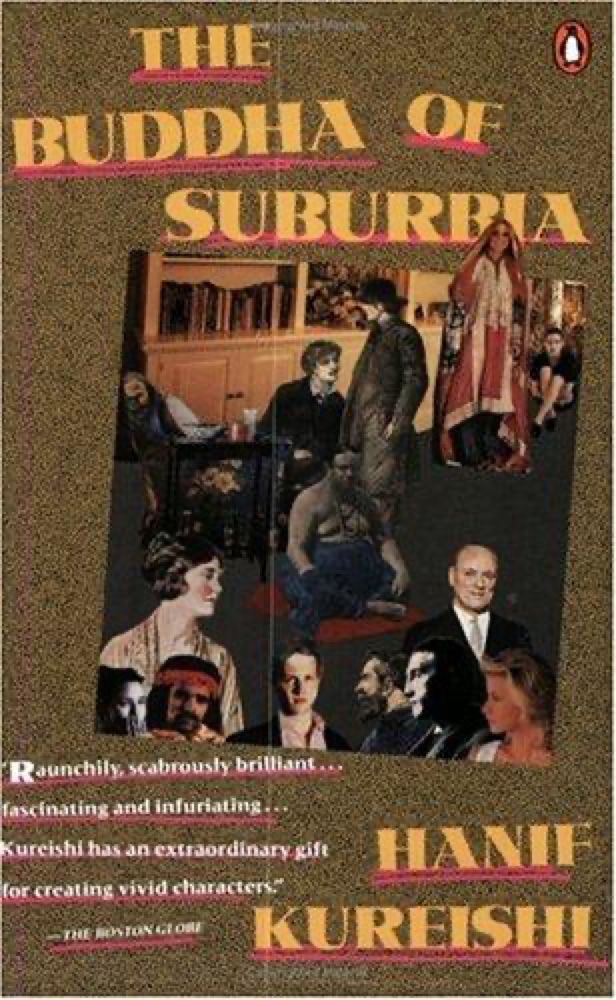 The Buddha of Suburbia
 Middlesex
 Great House
 South of Broad
 Lunar Park
 The Likeness
 Gates of Thread and Stone
 Interpreter of Maladies
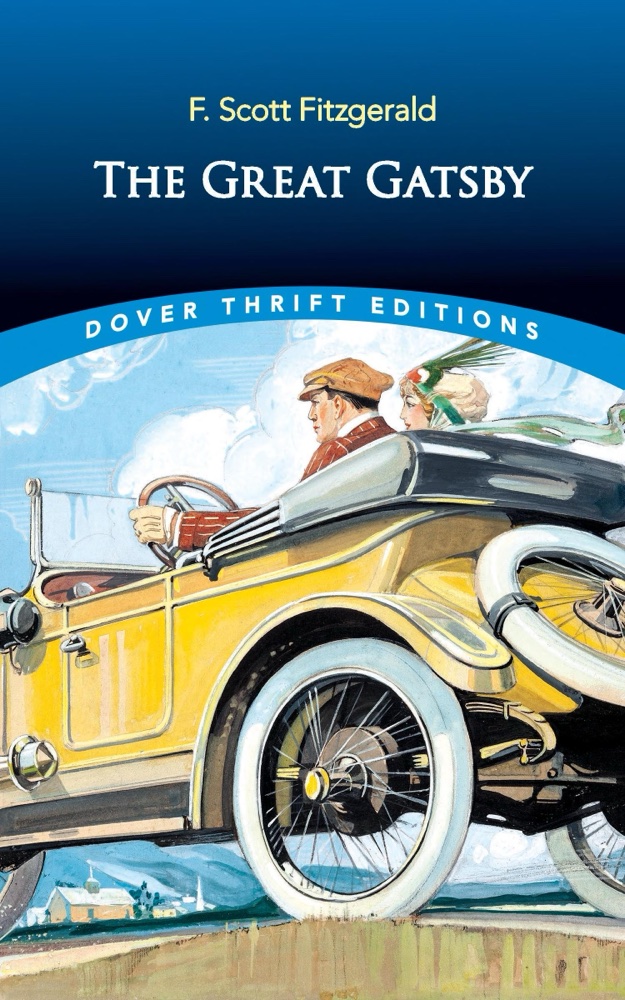 The Great Gatsby
 Wonder Boys
 Living to Tell the Tale
 Min kamp 2
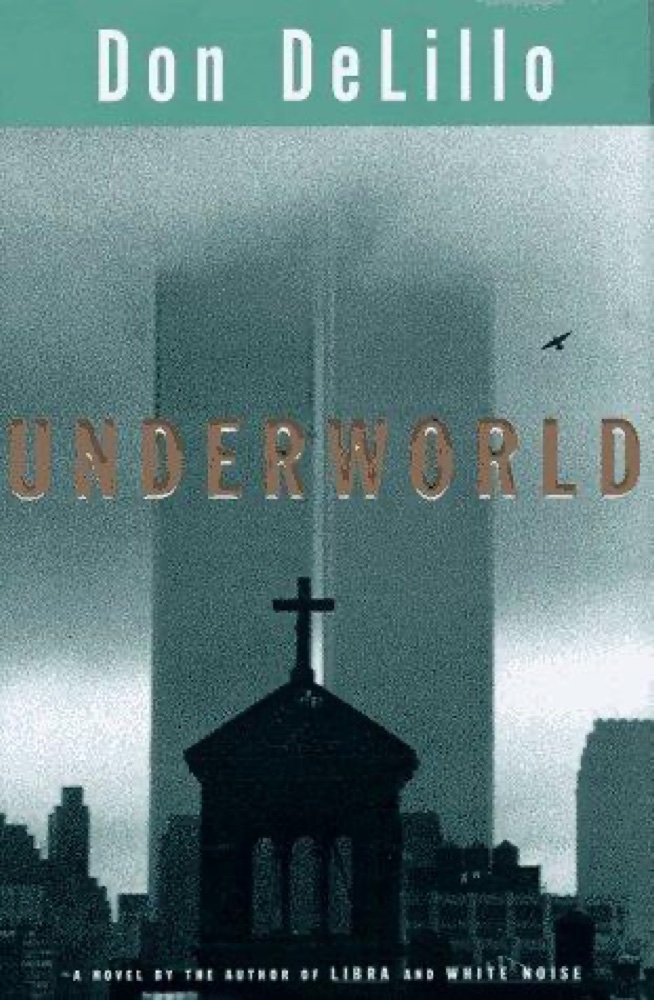 Underworld
 Nightmares and Dreamscapes
 Underdog
 The Hour I First Believed