
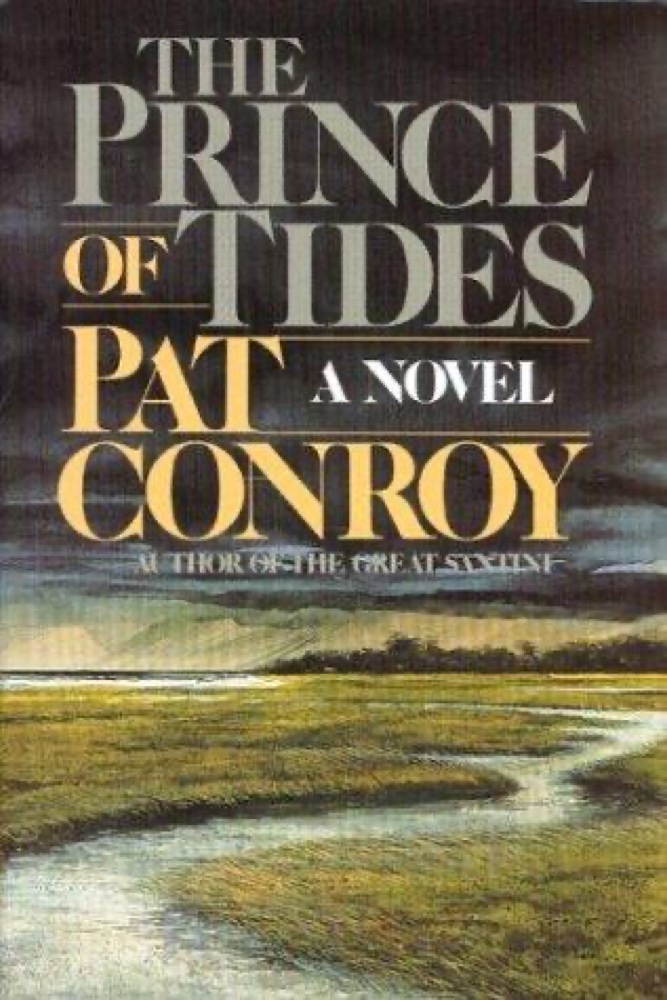
 The Prince of Tides
Quotes from the Book
What's important is that a story changes every time you say it out loud. When you put it on paper, it can never change. But the more times you tell it, the more changes will occur. A story is a living thing; it moves and shifts
Time moves funny and it's hard to pin down. Occasionally, time offers you a hundred opportunities to do the right thing. Sometimes, it gives you only one chance.
...I realize words are never enough; they stutter and cleave to the roof of my mouth.
I was trying to unravel the complicated trigonometry of the radical thought that silence could make up the greatest lie ever told.
It did not look like the work of God, but it might have represented the handicraft of a God with a joyous sense of humor, a dancing God who loved mischief as much as prayer, and playfulness as much as mischief.
Perfect doesn't just mean happy. Perfect can have lots of different parts. - Niles.
He treated the stars as though they were love songs written to him by God.
Humanity is best described as inhumanity.
The tide was a poem that only time could create, and I watched it stream and brim and makes its steady dash homeward, to the ocean.
I was born in the age of "alas".
I've always admired people who give accurate directions, and the tribe is small.
my folks wouldn't read a book if you put a gun to their dicks. but they read people all day long and always get it right.
The moment you are born your death is foretold by your newly minted cells as your mother holds you up, then hands you to your father, who gently tickles the stomach where the cancer will one day form, studies the eyes where melanoma’s dark signature is already written along the optic nerve, touches the back where the liver will one day house the cirrhosis, feels the bloodstream that will sweeten itself into diabetes, admires the shape of the head where the brain will fall to the ax-handle of stroke, or listens to your heart, which, exhausted by the fearful ways and humiliations and indecencies of life, will explode in your chest like a light going out in the world.
Being a failed teenager is not a crime, but a predicament and a secret crucible. It is a fun-house mirror where distortion and mystification led to the bitter reflection that sometimes ripens into self knowledge. Time is the only ally of the humiliated teenager, who eventually discovers the golden boy of the senior class is a bloated, bald drunk at the twentieth reunion, and that the homecoming queen married a wife-beater and philanderer and died in a drug rehabilitation center before she was thirty. The prince of acne rallied in college and is now head of neurology, and the homeliest girl blossoms in her twenties, marries the chief financial officer of a national bank, and attends her reunion as president of the Junior League. But since a teenager is denied a crystal ball that will predict the future, there is a forced march quality to this unspeakable rite of passage. It is an unforgivable crime for teenagers not to be able to absolve themselves for being ridiculous creatures at the most hazardous time of their lives.
You must appreciate beauty for it to endure.
You're going to act like a happy man. I know, I know. It's the hardest role in the world.
He lived out his whole life as an anthem to the pleasures of a bad mood.
San Francisco is a city that requires a fine pair of legs, a city of cliffs misnamed as hills, honeycombed with a fine webbing of showy houses that cling to the slanted streets with the fierceness of abalones.
I will always find myself a prisoner to the divine sublimity of the Eucharist itself." (201)
The narrator welcomes new students to his school by offering to tell them who the easy teachers are, or who the good ones are.
My irritation with Niles was growing, though. I had always thought the quiet man was the most overrated form of human life".
I take account of my life and find that I have lived a lot and learned very little.
Chad seemed both venomous and insecure, a flammable combination.
Though I felt like a voyeur to some kind of disaster, my eyes were riveted to the scene ...
Mansions were forming like jewels in my bloodstream.
It was my father who called the city the Mansion on the River. He was talking about Charleston, South Carolina, and he was a native son, peacock proud of a town so pretty it makes your eyes ache with pleasure just to walk down its spellbinding, narrow streets. Charleston was my father’s ministry, his hobbyhorse, his quiet obsession, and the great love of his life. His bloodstream lit up my own with a passion for the city that I’ve never lost nor ever will. I’m Charleston-born, and bred. The city’s two rivers, the Ashley and the Cooper, have flooded and shaped all the days of my life on this storied peninsula. I carry the delicate porcelain beauty of Charleston like the hinged shell of some soft-tissued mollusk. My soul is peninsula-shaped and sun-hardened and river-swollen. The high tides of the city flood my consciousness each day, subject to the whims and harmonies of full moons rising out of the Atlantic. I grow calm when I see the ranks of palmetto trees pulling guard duty on the banks of Colonial Lake or hear the bells of St. Michael’s calling cadence in the cicada-filled trees along Meeting Street. Deep in my bones, I knew early that I was one of those incorrigible creatures known as Charlestonians. It comes to me as a surprising form of knowledge that my time in the city is more vocation than gift; it is my destiny, not my choice. I consider it a high privilege to be a native of one of the loveliest American cities, not a high-kicking, glossy, or lipsticked city, not a city with bells on its fingers or brightly painted toenails, but a ruffled, low-slung city, understated and tolerant of nothing mismade or ostentatious. Though Charleston feels a seersuckered, tuxedoed view of itself, it approves of restraint far more than vainglory. As a boy, in my own backyard I could catch a basket of blue crabs, a string of flounder, a dozen redfish, or a net full of white shrimp. All this I could do in a city enchanting enough to charm cobras out of baskets, one so corniced and filigreed and elaborate that it leaves strangers awed and natives self-satisfied. In its shadows you can find metalwork as delicate as lace and spiral staircases as elaborate as yachts. In the secrecy of its gardens you can discover jasmine and camellias and hundreds of other plants that look embroidered and stolen from the Garden of Eden for the sheer love of richness and the joy of stealing from the gods. In its kitchens, the stoves are lit up in happiness as the lamb is marinating in red wine sauce, vinaigrette is prepared for the salad, crabmeat is anointed with sherry, custards are baked in the oven, and buttermilk biscuits cool on the counter.
I bet they love those games on Friday night more than they do segregation.
Watch on YouTube
About Pat Conroy
We have collected 246 quotes from 9 books by Pat Conroy on BookQuoters.
More about the author →More by Pat Conroy
All books by Pat Conroy →
Book details
- Author
- Pat Conroy
- Genre
- Fiction
- Goodreads rating
- 3.88 (52k ratings) →
Keep reading
The Prince of Tides
 Light in August
 The Lords of Discipline
 The 13½ Lives of Captain Bluebear
 Sixty Stories
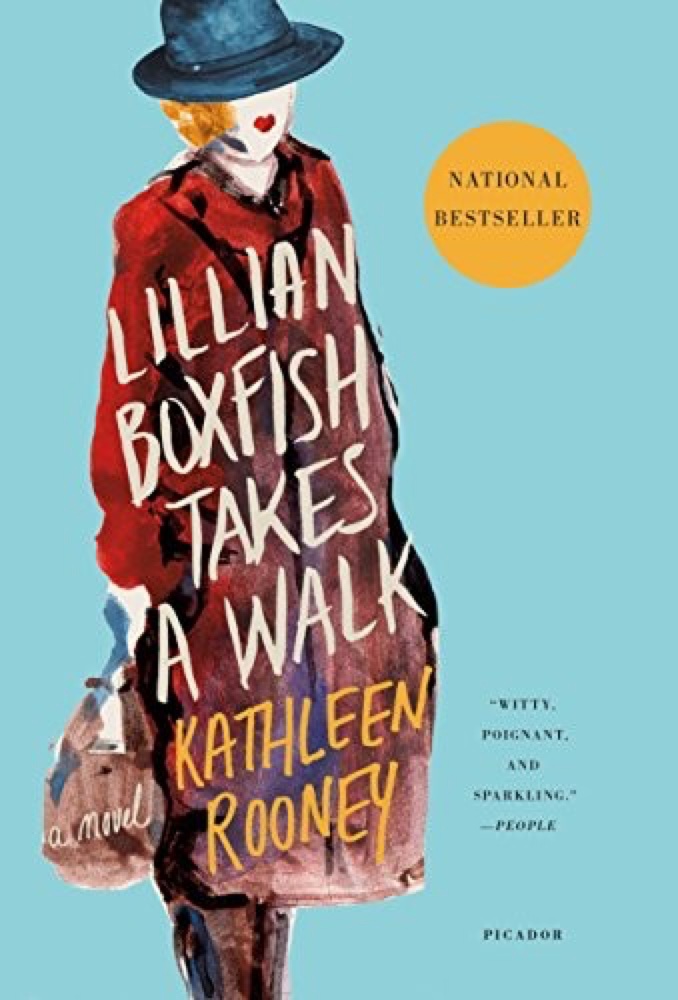 Lillian Boxfish Takes a Walk
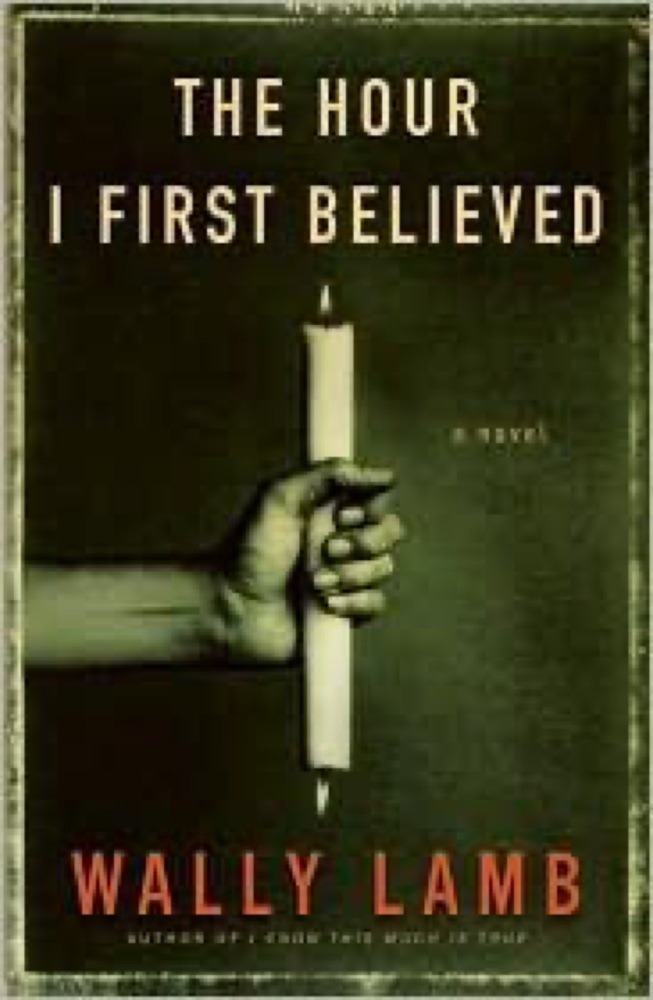 The Hour I First Believed
 I Cheerfully Refuse
 Wonder Boys
 The Untouchable
 A Sport and a Pastime
 The Sea, the Sea
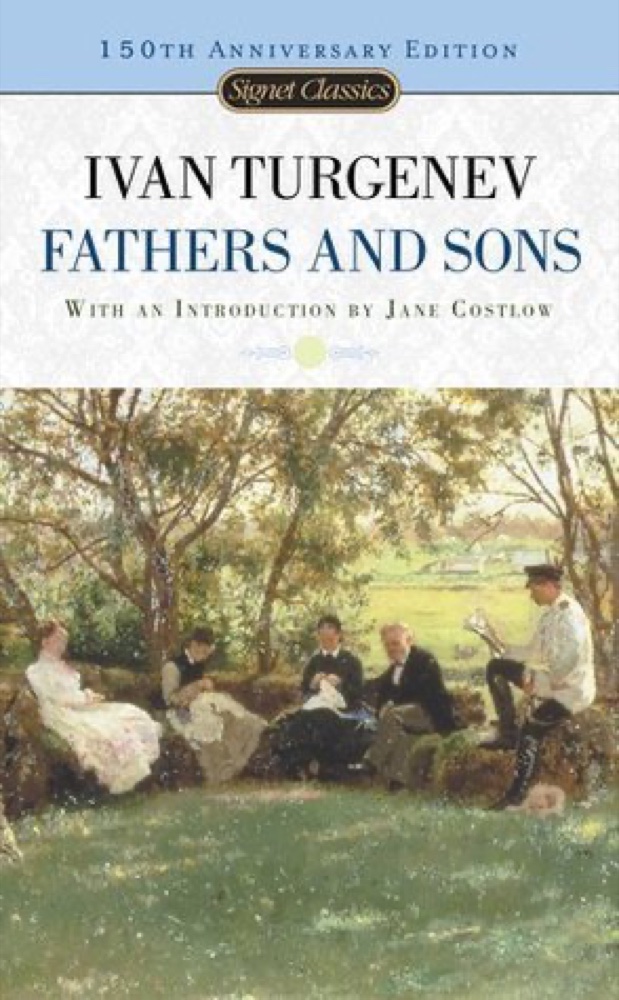 Fathers and Sons
 The Water is Wide
 Thrice the Brinded Cat Hath Mew'd
 The Jewel in the Crown
 Senlin Ascends
 Humboldt's Gift
 The Illustrated Man
 A Thousand Acres
 Bag of Bones
 Joyland
 The Liars' Club
 A Room with a View
 The Mill on the Floss
 Ragtime
 A Dance to the Music of Time: 1st Movement
 The Bridges of Madison County
 Ulysses
 False Memory
 Seraphina
 Lord Jim
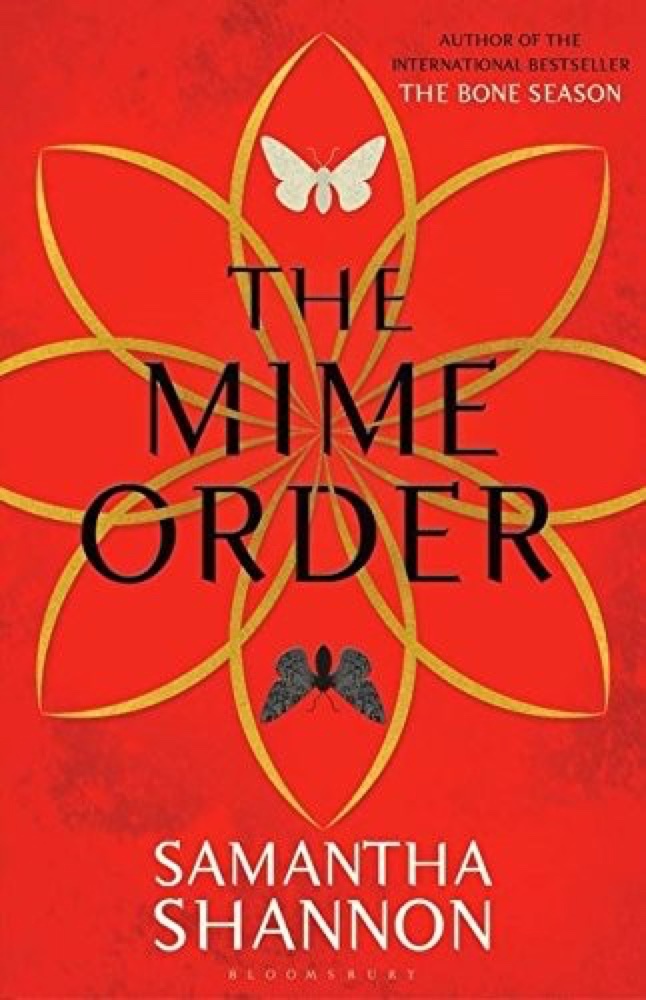 The Mime Order
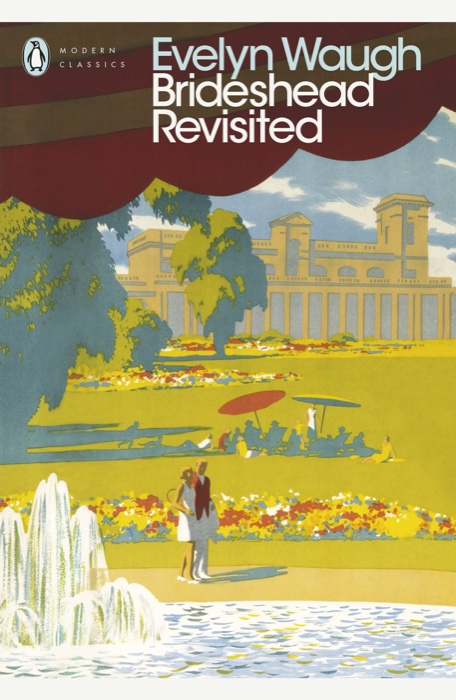 Brideshead Revisited: The Sacred and Profane Memories of Captain Charles Ryder
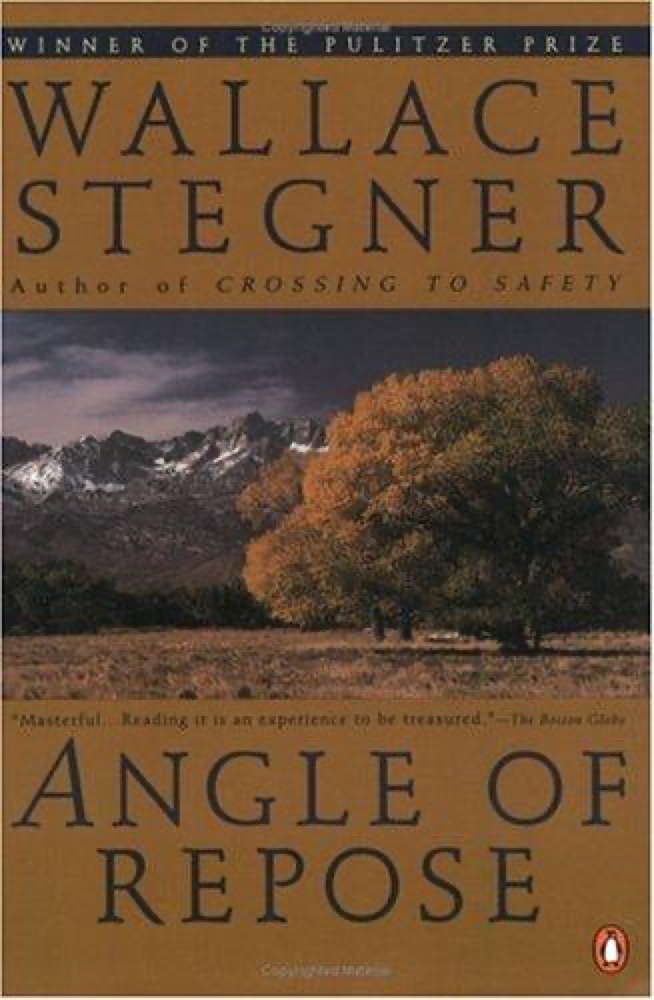 Angle of Repose
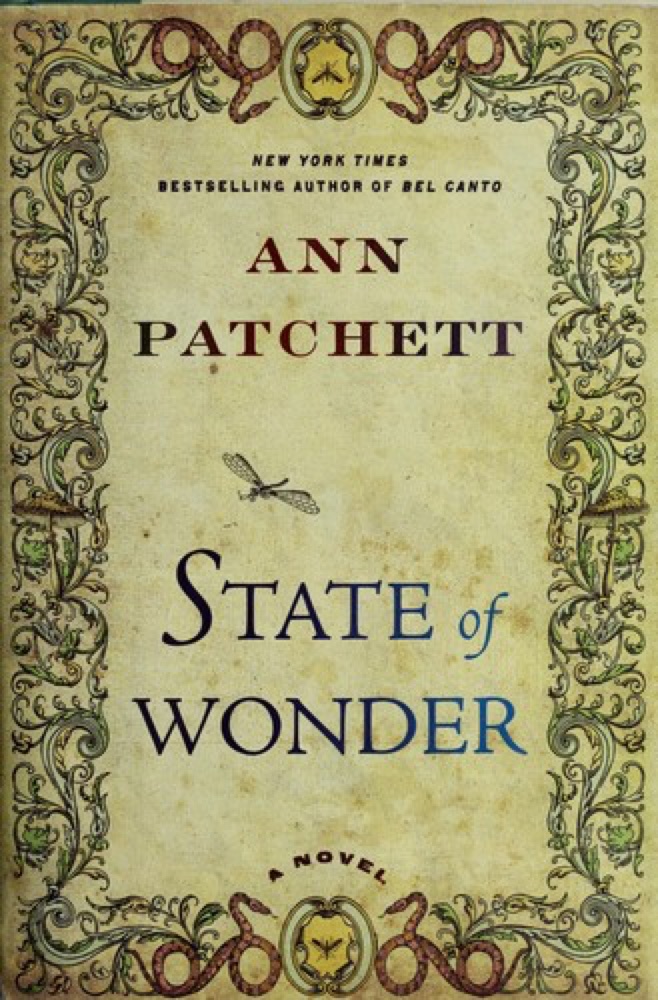 State of Wonder
 David Copperfield
 Outrun the Moon
 Underworld
 Fifth Business
 The Great Gatsby
 Speedboat
 A Tale of Two Cities
 The Color Master: Stories
 I Am Pilgrim
 The Weight of Words
 Middlesex
 This Is Happiness
 Gaudy Night
 Library of Souls
 The Adventures of Augie March
 All This Could Be Different
 The House of the Seven Gables
 The Sweet Far Thing
 The Likeness
 The Serpent King
 Out of Oz
 Hawaii
 And the Mountains Echoed
 What Matters Most is How Well You Walk Through the Fire