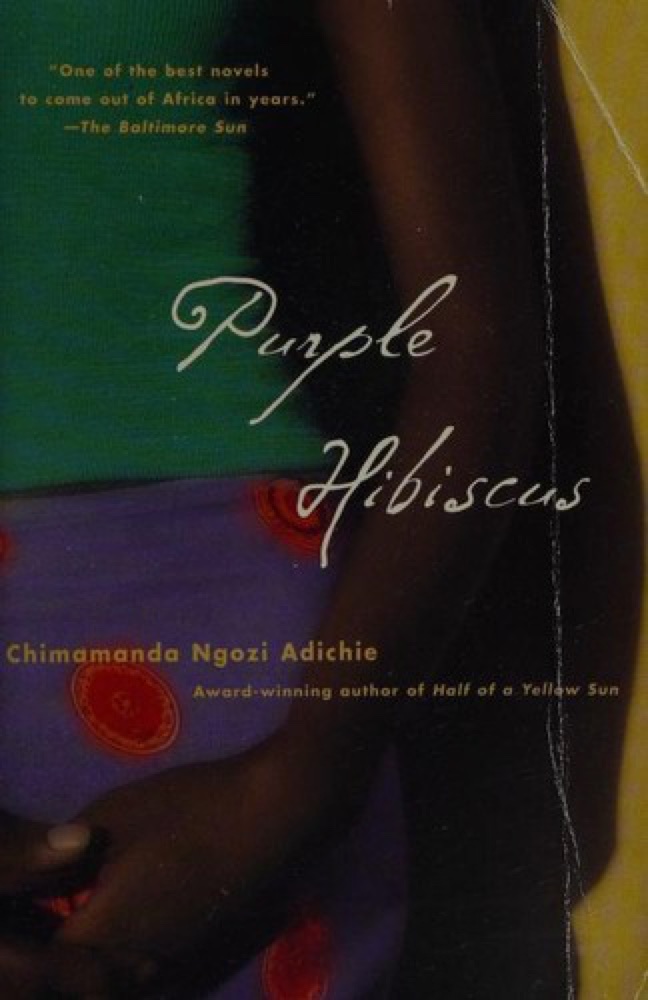

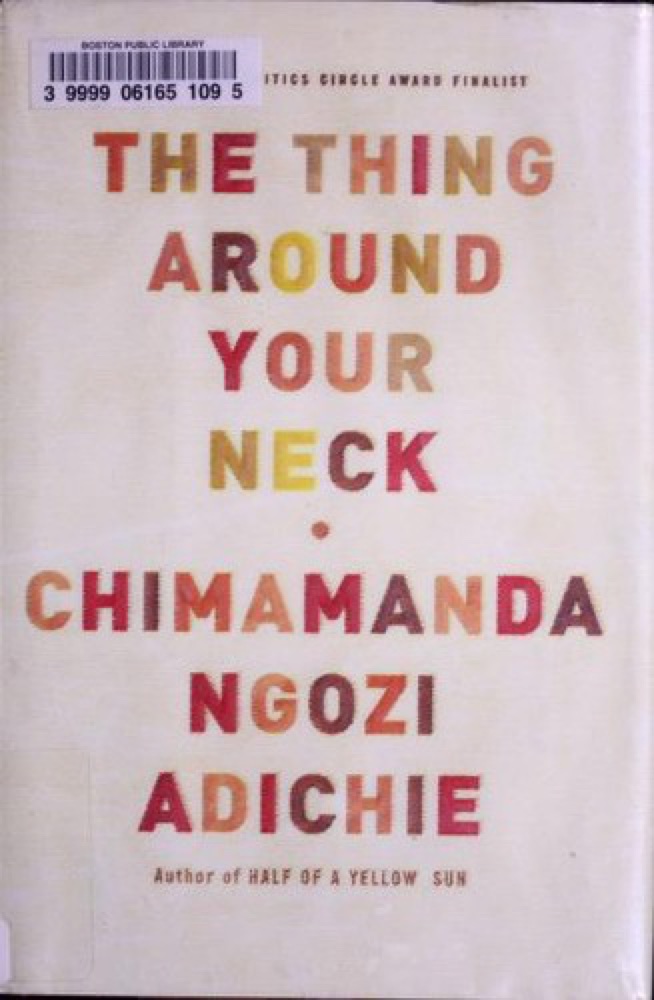
 The Thing Around Your Neck
Quotes from the Book
There are people, she once wrote, who think that we cannot rule ourselves because the few times we tried, we failed, as if all the others who rule themselves today got it right the first time. It is like telling a crawling baby who tries to walk, and then falls back on his buttocks, to stay there. As if the adults walking past him did not all crawl, once.
We did that often, asking each other questions whose answers we already knew. Perhaps it was so that we would not ask the other questions, the ones whose answers we did not want to know.
The educated ones leave, the ones with the potential to right the wrongs. They leave the weak behind. The tyrants continue to reign because the weak cannot resist. Do you not see that it is a cycle? Who will break that cycle?
Being defiant can be a good thing sometimes," Aunty Ifeoma said. "Defiance is like marijuana - it is not a bad thing when it is used right.
...he did not want me to seek the whys, because there are some things that happen for which we can formulate no whys, for which whys simply do not exist and, perhaps, are not necessary.
People have crushes on priests all the time, you know. It’s exciting to have to deal with God as a rival.
It was what Aunty Ifeoma did to my cousins, I realized then, setting higher and higher jumps for them in the way she talked to them, in what she expected of them. She did it all the time believing they would scale the rod. And they did. It was different for Jaja and me. We did not scale the rod because we believed we could, we scaled it because we were terrified that we couldn't.
Papa sat down at the table and poured his tea from the china tea set with pink flowers on the edges. I waited for him to ask Jaja and me to take a sip, as he always did. A love sip, he called it, because you shared the little things you loved with the people you love.
To call him humble was to make rudeness normal. Besides, humility had always seemed to him a specious thing, invented for the comfort of others; you were praised for humility by people because you did not make them feel any more lacking than they already did. It was honesty that he valued; he had always wished himself to be truly honest, and always feared that he was not
Military men would always overthrow one another, because they could, because they were all power drunk.
As we drove back to Enugu, I laughed loudly,above Fela's stringent singing. I laughed because Nsukka's untarred roads coat cars with dust in the harmattan and with sticky mud in the rainy season. Because the tarred roads spring potholes like surprise presents and the air smells of hills and history and the sunlight scatters the sand and turns it into gold dust. Because Nsukka could free something deep inside your belly that would rise up to your throat and come out as freedom song. As laughter.(299)
The white missionaries brought us their god,” Amaka was saying. “Which was the same color as them, worshiped in their language and packaged in the boxes they made. Now that we take their god back to them, shouldn’t we at least repackage it?
There was a helplessness to his joy, the same kind of helplessness as in that woman’s despair.
Eugene has to stop doing God's job. God is big enough to do his own job. If God will judge our father for choosing to follow the way of our ancestors, then let God do the judging, not Eugene.
We did not scale the rod because we believed we could, we scaled it because we were terrified that we couldn't.
She seemed so happy, so at peace, and I wondered how anybody around me could feel that way when liquid fire was raging inside me, when fear was mingling with hope and clutching itself around my ankles.
I often wondered why Sister Veronica needed to understand it, when it was simply the way things were done.
One day I said to them, Where is the God you worship? They said he was like Chukwu, that he was in the sky. I asked then, Who is the person that was killed, the person that hangs on the wood outside the mission? They said he was the son, but that the son and the father are equal. It was then that I knew that the white man was mad. The father and son are equal? Tufia! Do you not see?
I cannot control even the dreams that I have made.
I had examined him that day, too, looking away when his eyes met mine, for signs of difference, of godlessness. I didn't see any, but I was sure they were there somewhere. They had to be.
His letters dwell on me. I carry them around because they are long and detailed, because they remind me of my worthiness, because they tug at my feelings. Some months ago, he wrote that he did not want me to seek the whys, because there are some things that happen for which we can formulate no whys, for which whys simply do not exist and, perhaps, are not necessary. He did not mention Papa—he hardly mentions Papa in his letters—but I knew what he meant, I understood that he was stirring what I was afraid to stir myself.
Things started to fall apart at home when my brother, Jaja, did not go to communion and Papa flung his heavy missal across the room and broke the figurines on the etagere.(Opening page, 3)
I sat at my bedroom window after I changed; the cashew tree was so close I could reach out and pluck a leaf if it were not for the silver-colour crisscross of mosquito netting. The bell-shaped yellow fruits hung lazily, drawing buzzing bees that bumped against my window's netting. I heard Papa walk upstairs to his room for his afternoon siesta. I closed my eyes, sat still, waiting to hear him call Jaja, to hear Jaja go into his room. But after long, silent minutes, I opened my eyes and pressed my forehead against the window louvers to look outside.9
He spoke so effortlessly, as if his mouth were a musical instrument that just let sound out when touched, when opened.
I want to hold his hand, but I know he will shake it free. His eyes are too full of guilt to really see me, to see his reflection in my eyes, the reflection of my hero, the brother who tried always to protect me the best he could. He will never think that he did enough, and he will never understand that I do not think he should have done more.
There is so much that is still silent between Jaja and me. Perhaps we will talk more with time, or perhaps we never will be able to say it all, to clothe things in words, things that have long been naked.
Watch on YouTube
About Chimamanda Ngozi Adichie
We have collected 255 quotes from 9 books by Chimamanda Ngozi Adichie on BookQuoters.
More about the author →More by Chimamanda Ngozi Adichie
All books by Chimamanda Ngozi Adichie →

Book details
- Author
- Chimamanda Ngozi Adichie
- Genre
- Literature
- Goodreads rating
- 4.18 (149k ratings) →
Keep reading
 The Round House
 Under the Udala Trees
 The Broken Kingdoms
 Things We Couldn't Say
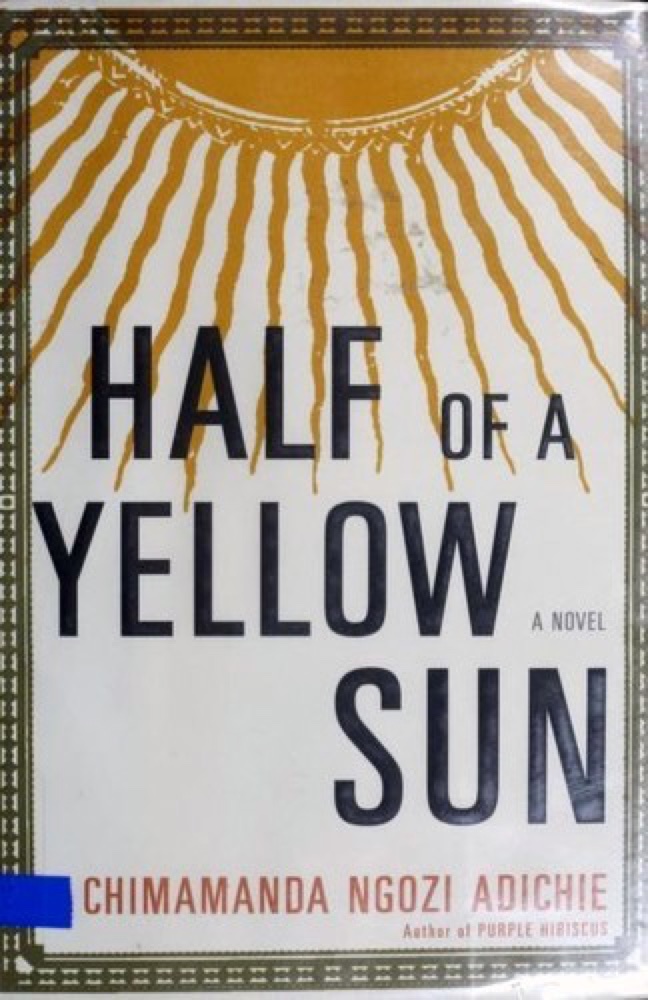 Half of a Yellow Sun
 Christy
 A Thousand Acres
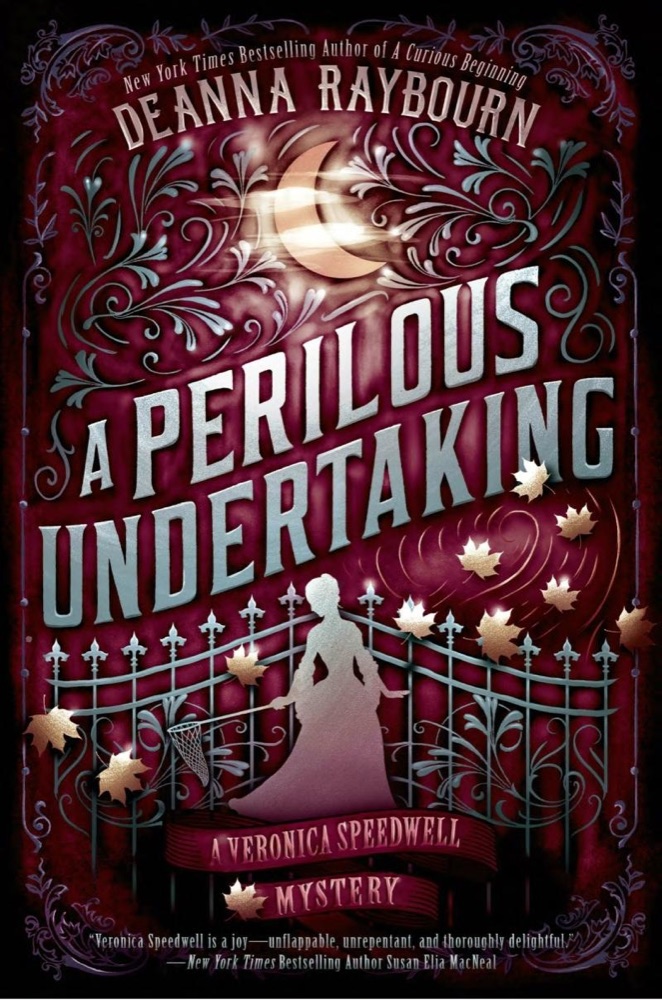 A Perilous Undertaking
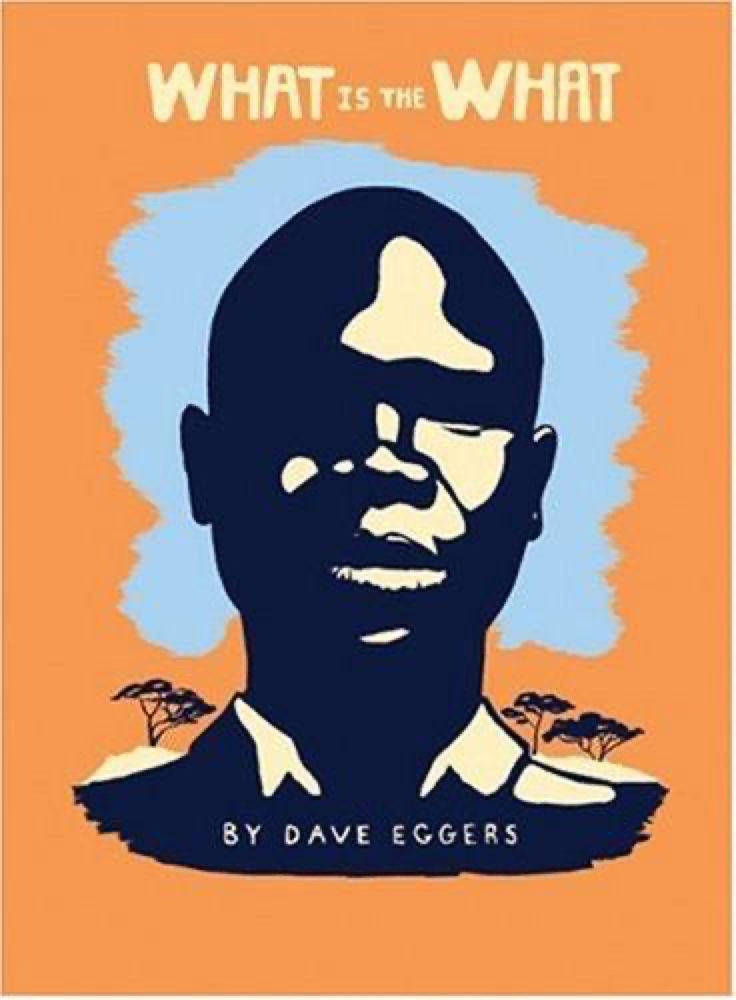 What Is the What
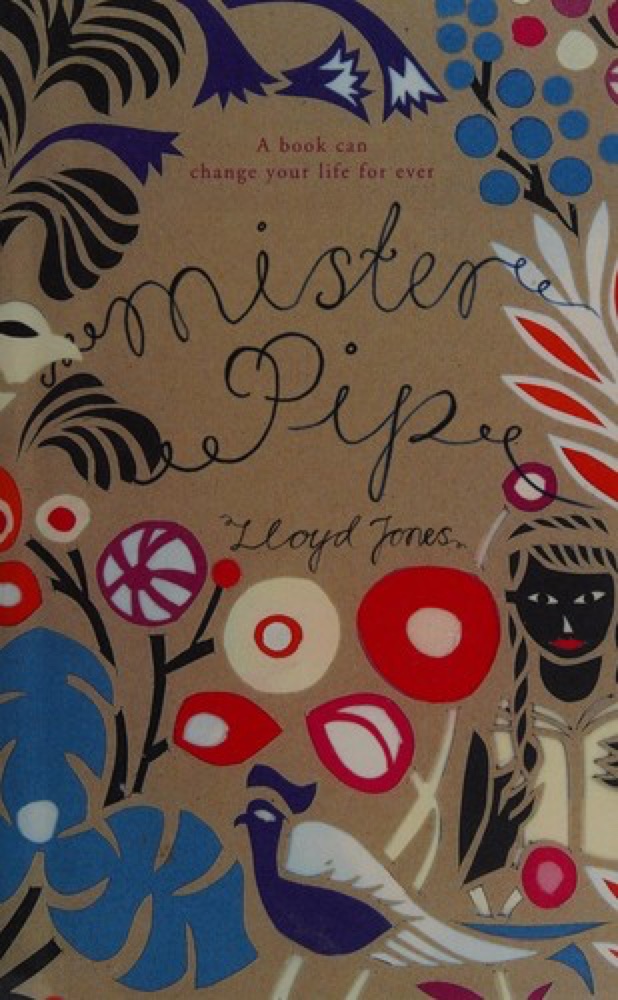 Mister Pip
 Fifth Business
 The Night Diary
 The Kitchen God's Wife
 The Sparrow
 Agnes Grey
 The Memoirs of Cleopatra
 Cuckold
 Another Country
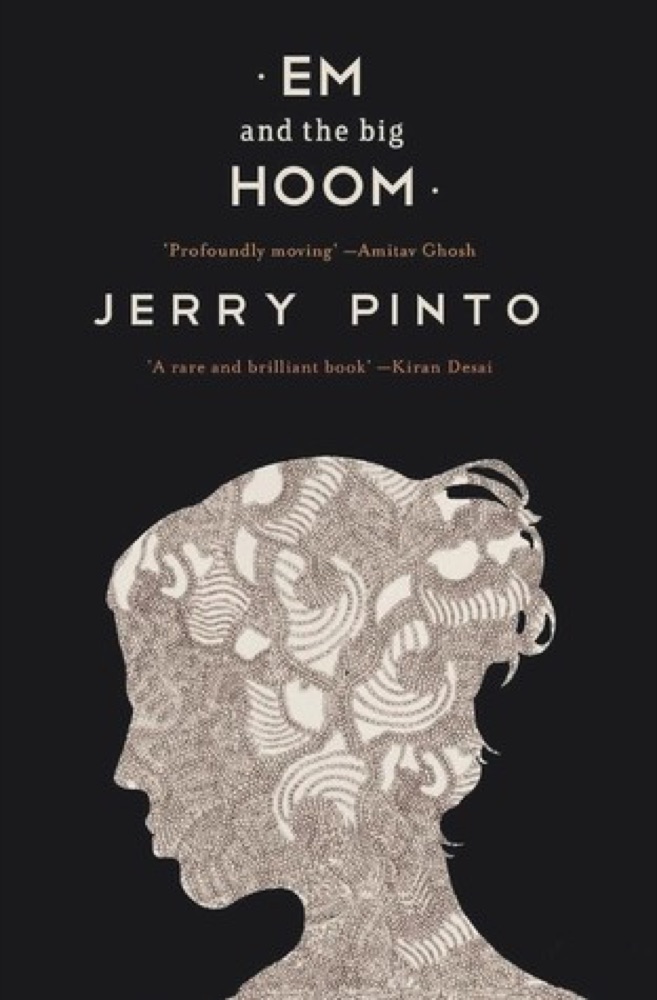 Em and The Big Hoom
 The 19th Wife
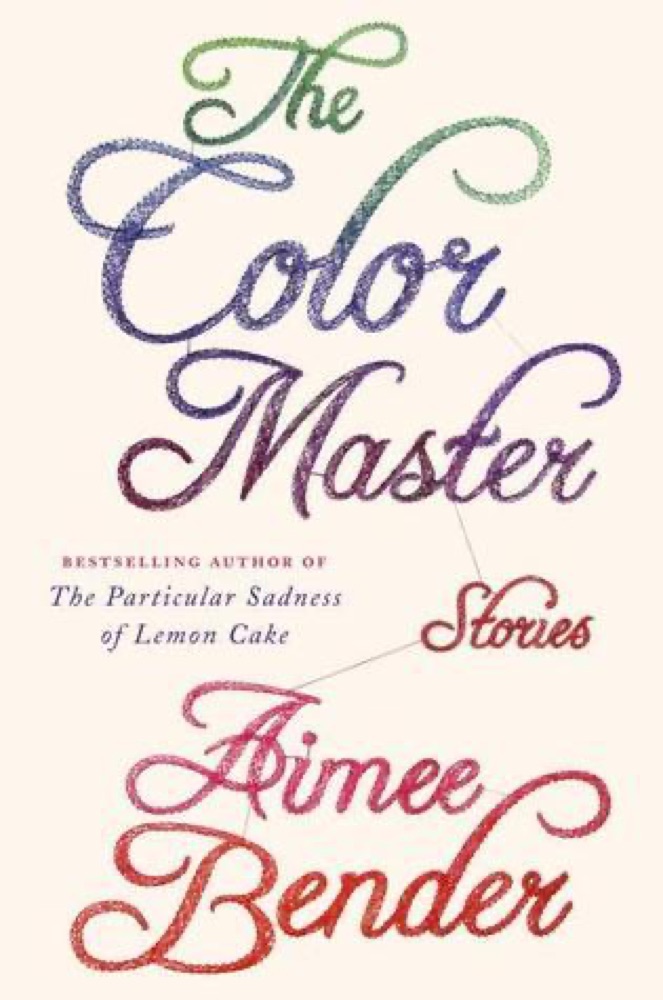 The Color Master: Stories
 Tamar
Tamar
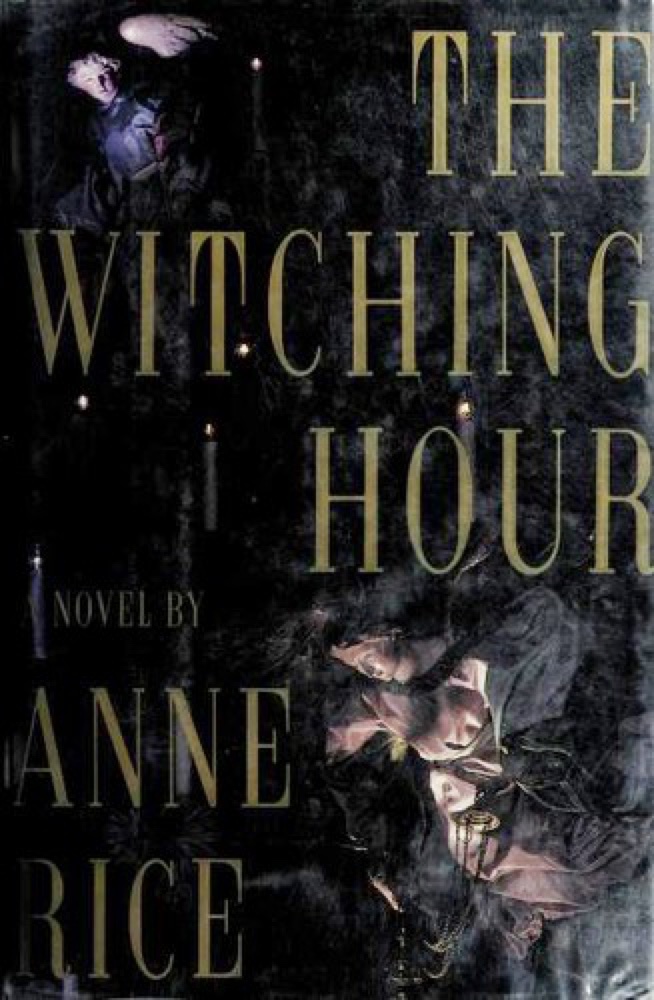 The Witching Hour
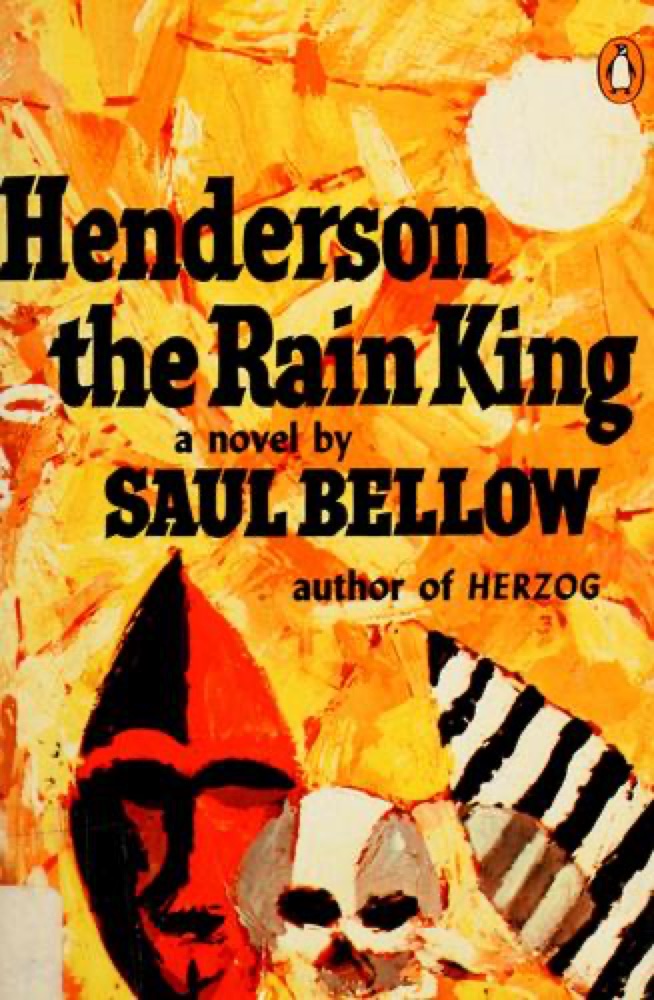 Henderson the Rain King
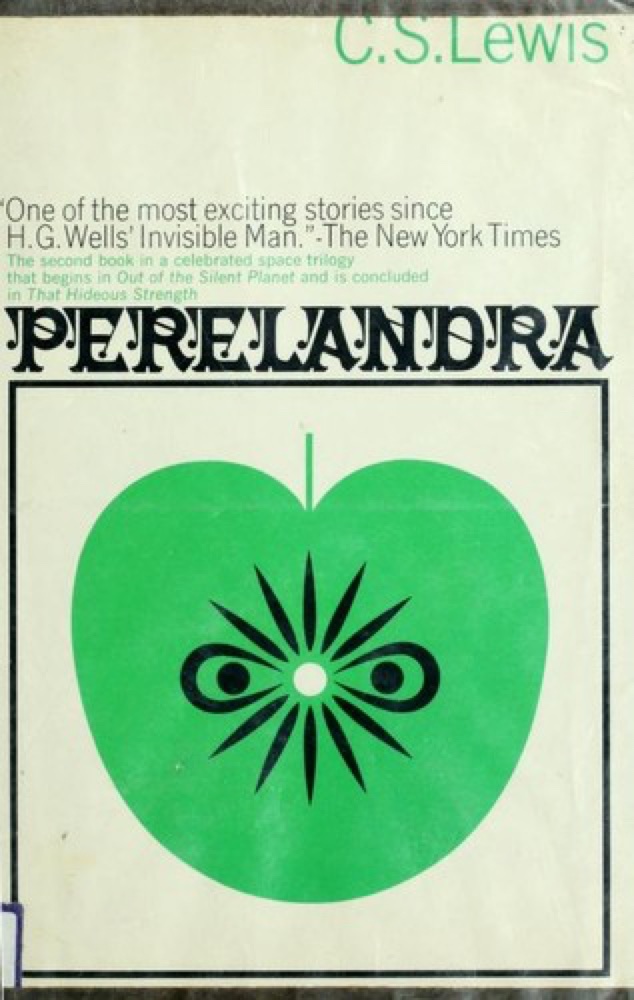 Perelandra
 The Sisters Brothers
 Peace Like a River
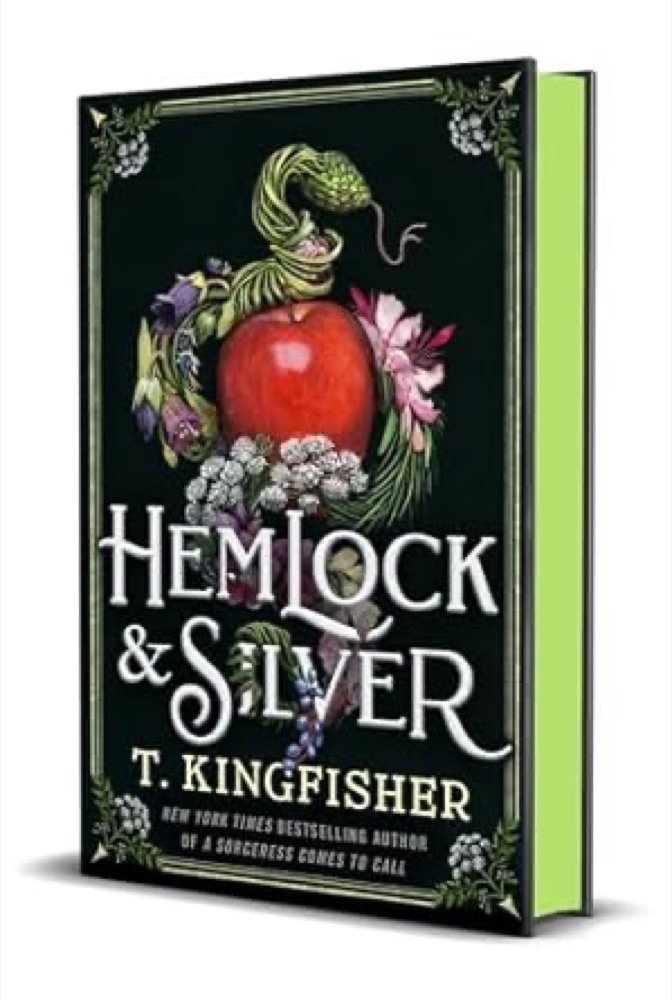 Hemlock & Silver
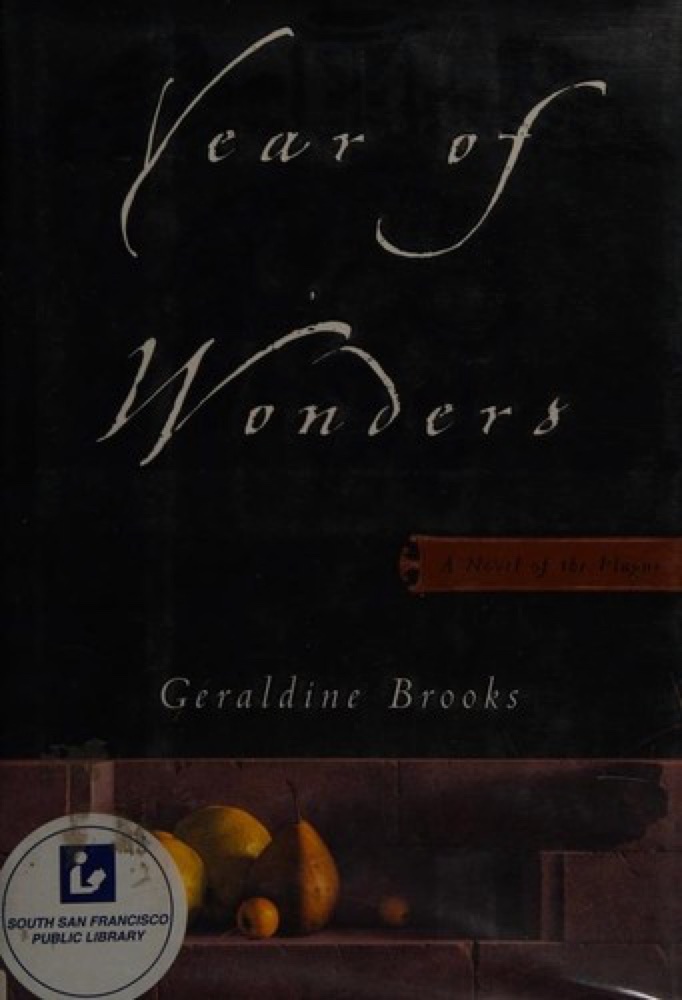 Year of Wonders
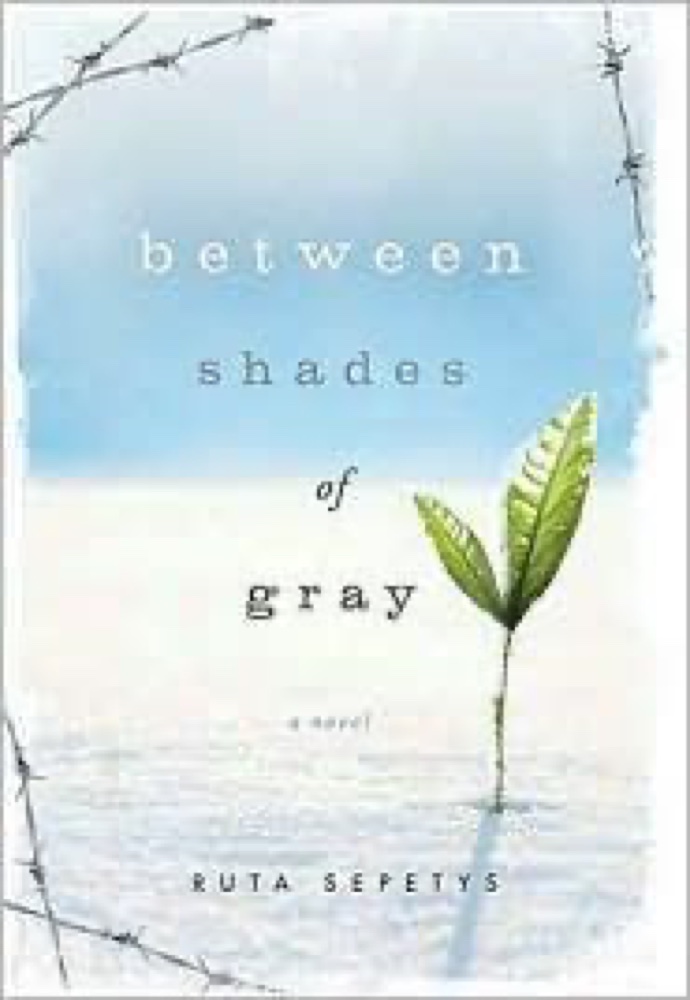 Between Shades of Gray
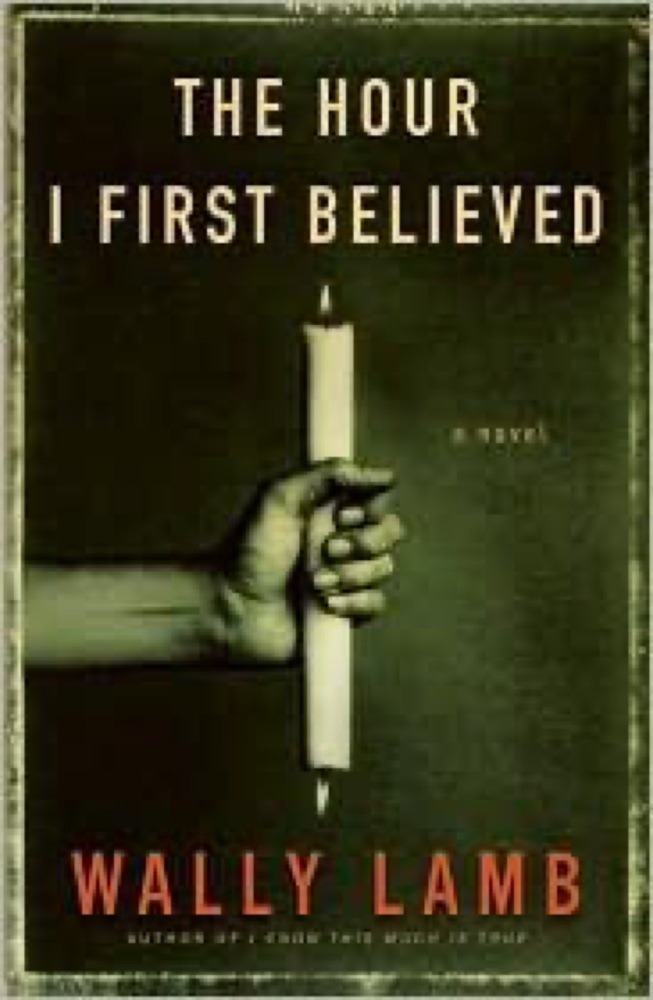 The Hour I First Believed
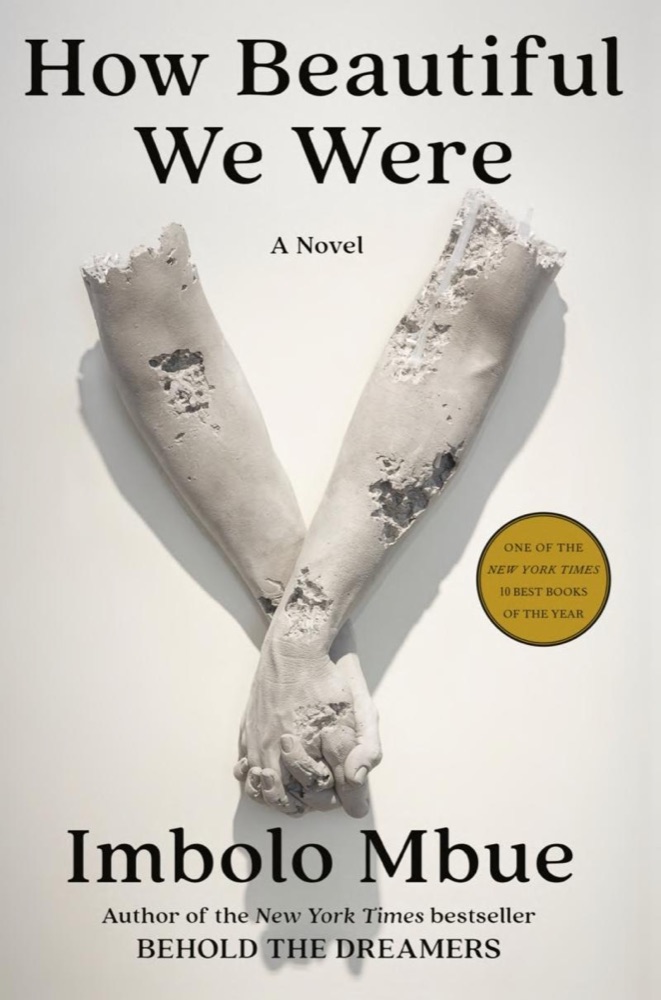 How Beautiful We Were
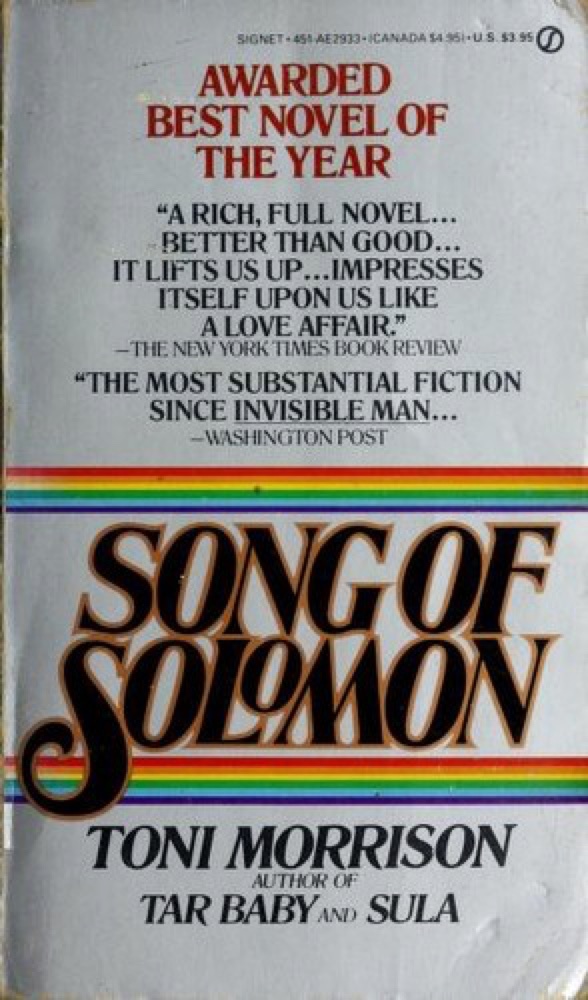 Song of Solomon
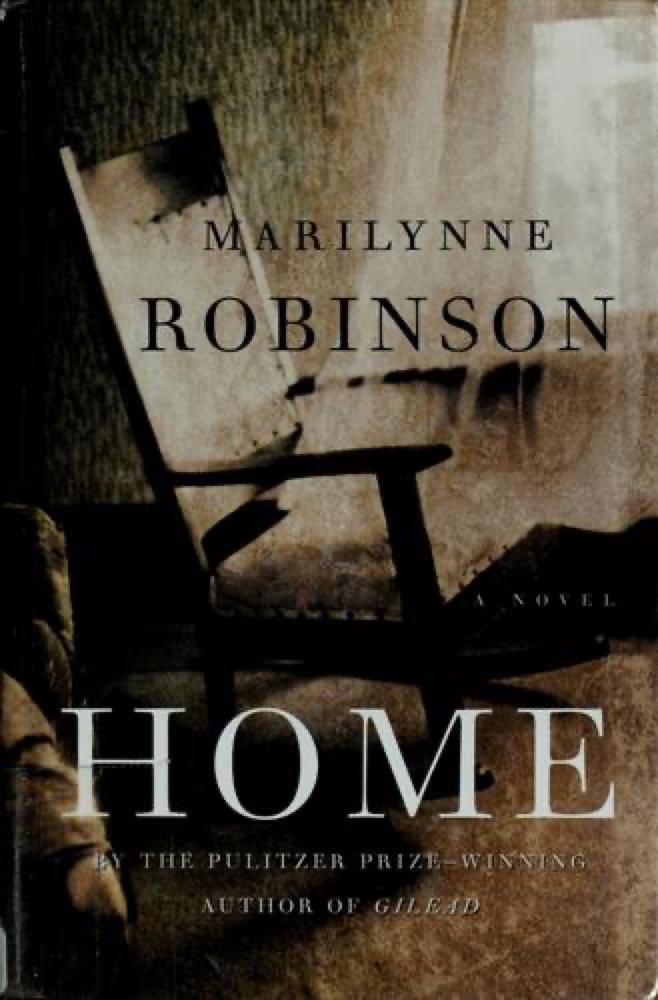 Home
Home
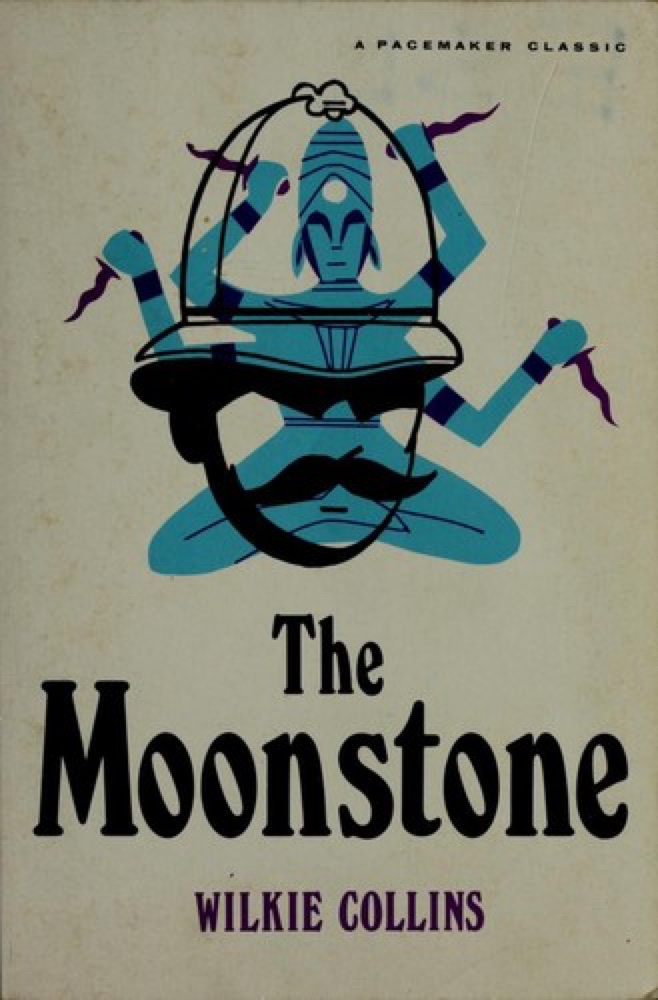 The Moonstone
 The Scent of Water
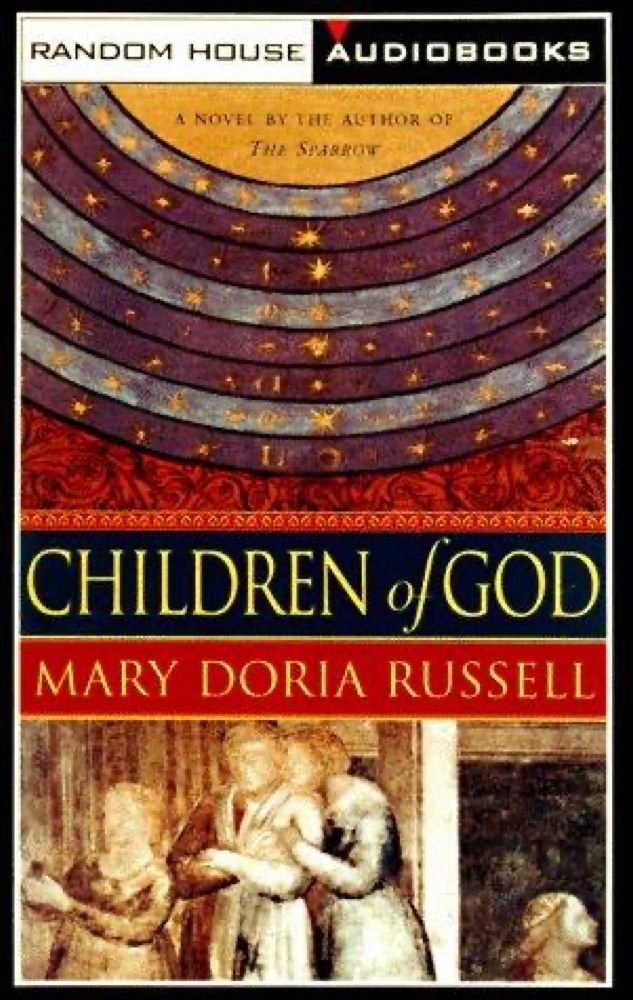 Children of God
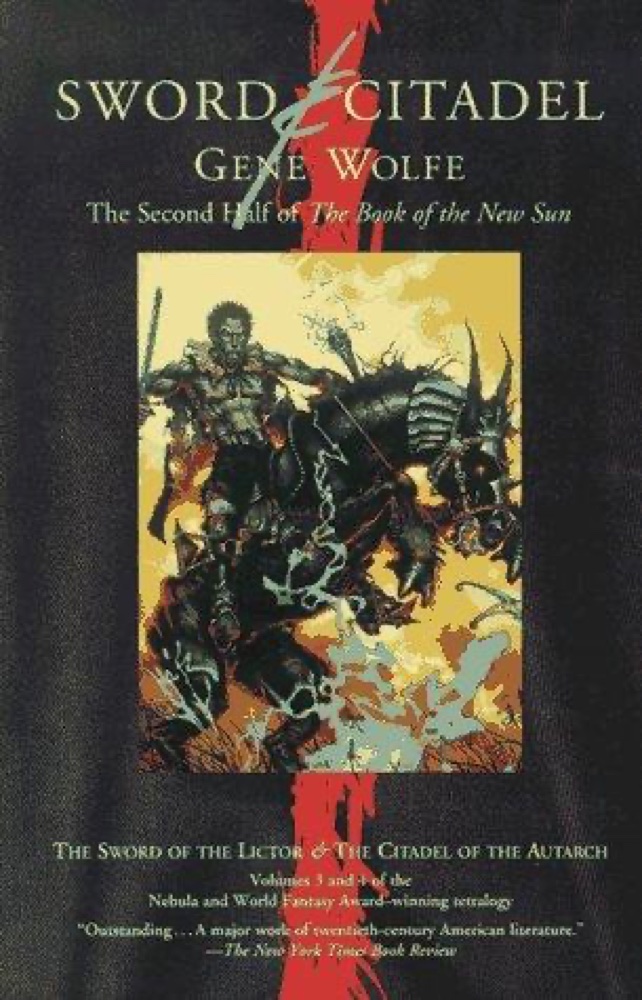 Sword & Citadel
 The Spanish Daughter
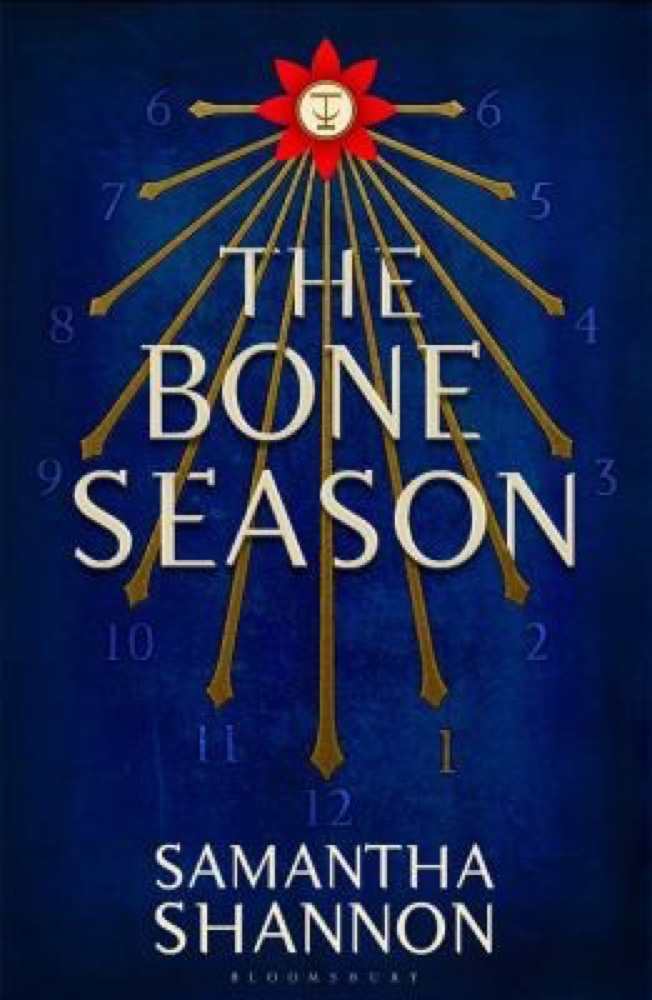 The Bone Season
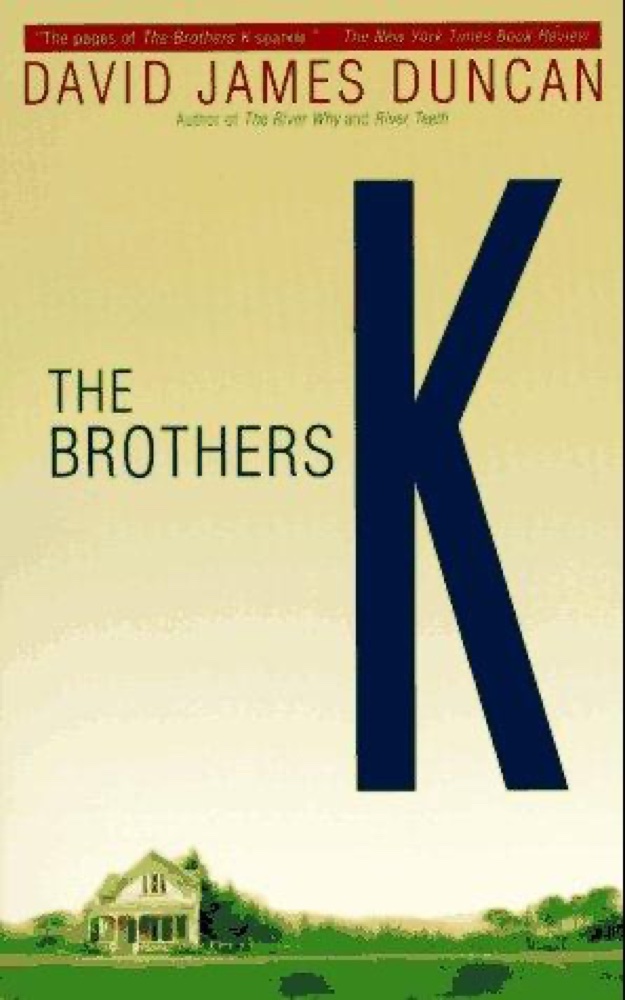 The Brothers K
 What I Loved
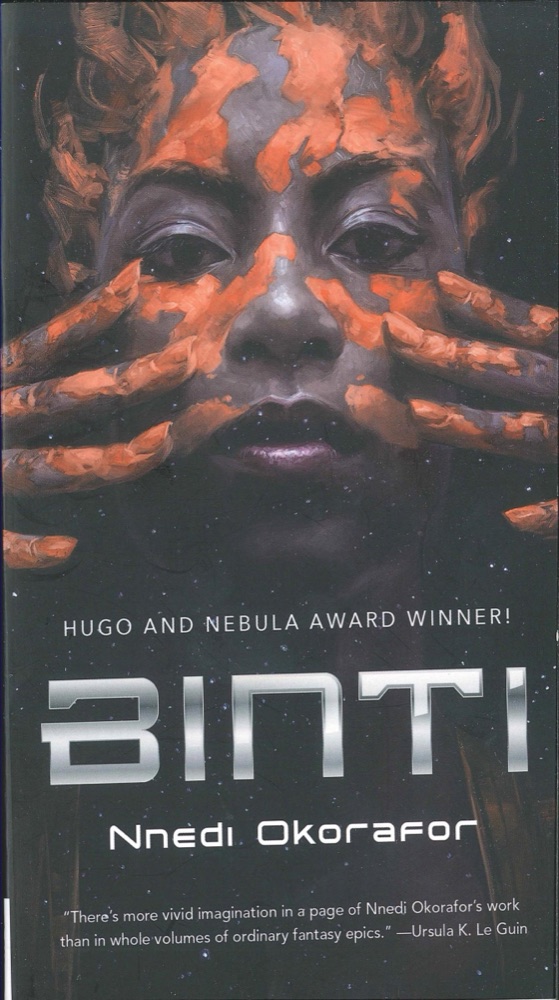 Binti
Binti
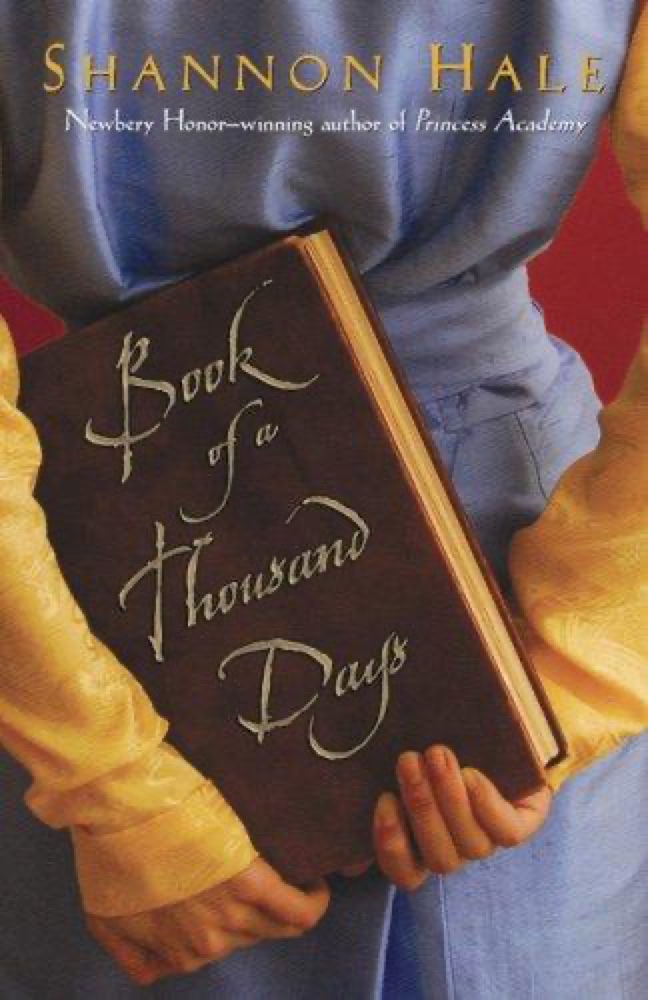 Book of a Thousand Days
 Déjà Dead
 An Untamed State
 The Kite Runner
 The Illustrated Man
 Homegoing
 The Pearl That Broke Its Shell
 Blood And Gold
 Ancillary Sword
 The Likeness
 The Story of a New Name
 Caleb's Crossing
 Palimpsest
 Crazy Little Thing
 So Long, See You Tomorrow
 The Girl of Fire and Thorns