
 The Brooklyn Follies
Quotes from the Book
Grammar, he saw, was agreement, community, consensus.
9
That was it exactly—irony was defeatist, timid, the telltale of a generation too afraid to say what it meant, and so in danger of forgetting it had anything to say.
7
I go through a loop in which I notice all the ways I am - for just an example - self-centered and careerist and not true to standards and values that transcend my own petty interests, and feel like I'm not one of the good ones; but then I countenance the fact that here at least I am worrying about it; so then I feel better about myself (I mean, at least this stuff is on my mind, at least I'm dissatisfied with my level of integrity and commitment); but this soon becomes a vehicle for feeling superior to (imagined) Others...It has to do with God and gods and a basic sense of trust in the universe v. fear that the universe must be held at bay and micromanaged into giving me some smidgen of some gratification I feel I simply can't live without. It's all very confusing. I think I'm very honest and candid, but I'm also proud of how honest and candid I am - so where does that put me.
6
In dark times, the definition of good art would seem to be art that locates and applies CPR to those elements of what’s human and magical that still live and glow despite the times’ darkness.
5
He [Wallace] sent a quick note to his friend [Franzen] explaining his behavior. "the bold fact is that I'm a little afraid of you right now,"[...] "all I can tell you is that I may have been that [a worthy opponent] for you a couple/ three years ago, and maybe 16 months or tow or 5 or 10 years hence, but right now I am a pathetic and very confused man, a failed writer at 28, who is so jealous, so sickly searing envious of you and Vollmann and Mark Leyner and even David Fuckward Leavitt and any young man who is right now producing pages with which he can live and even approving them off some base-clause of conviction about the entrprise's meaning and end that I consider suicide a reasonable- if not at this point a desirable- option with respect to the whole wretched problem.
4
In the age of media, we are nothing but minds waiting to be filled, emotions waiting to be manipulated.
4
America was, Wallace now knew, a nation of addicts, unable to see that what looked like love freely given was really need neurotically and chronically unsatisfied.
3
centerless pop-culture country full of marginalized subnations that are themselves postmodern, looped, self-referential, self-obsessed, voyeuristic, passive, slack-jawed, debased.
3
His anguish, he wrote, had multiple sources, from a fear of fame to a fear of failure. Behind the ordinary fears lurked the fear of being ordinary.
3
It is the ultimate metafictional act, not homicide but suicide. (Wallace would say that one of the problems of metafiction is that there is no difference.)
3
When David Markson wrote in June to complain about an author's getting an award he though should have been his, Wallace gently warned him away from the pitfall of envy: "Mostly I try to remember how lucky I am to be able to write, and doubly, triply lucky I am that anyone else is willing to read it, to say nothing of publishing it. I'm no pollyanna - this keeping-the-spirits-up shit is hard work, and I don't often do it well. But I try... Life is good
2
What goes on inside is just too fast and huge and all interconnected for words to do more than barely sketch the outlines of at most one tiny little part of it at any given instant.
2
There is a sense—again brought to full boil in Infinite Jest—that our obsession with being entertained has deadened our affect, that we are not, as a character warns in that book, choosing carefully enough what to love.
1
quoted Lewis Hyde, whose pamphlet on John Berryman and alcohol he had read in his early months at Granada House: “Irony has only emergency use. Carried over time, it is the voice of the trapped who have come to enjoy the cage.” Then he continued: This is because irony, entertaining as it is, serves an almost exclusively negative function. It’s critical and destructive, a ground-clearing….[I]rony’s singularly unuseful when it comes to constructing anything to replace the hypocrisies it debunks.
1
He told his roommate that when he was writing, “I can’t feel my ass in the chair.
1
American writers were still content to describe an ironic culture when they should be showing the way out.
1
He found he was popular, known for a loose style and an appealing willingness to digress. “We spend most of our time talking about Twin Peaks and The Simpsons so they think I am an okay caballero,” he told Markson.
1
A publisher sent him a galley of a novel by a writer he had barely heard of, one that impressed him deeply and seemed to embody all the literary qualities he had called for in his "fictional Futures" essay. The book was Franzen's The Twenty-Seventh City. Set in St. Louis, it mixed postmodernism and traditional storytelling and showed a familiarity its chosen city that Wallace could only marvel it. it decanted a Pynchonesque conspiracy in media-mediated language; it was about word AND the world, realism for an era when there was no real.
1
He found Fraden, the department head, exactly how he hoped she’d be. They soon had a standing date to watch Buffy the Vampire Slayer every Tuesday night at her house. As
1
I bought a house, it's small and brick and next to a horse pasture. It has what seems like a 6-acre lawn, and I bought the house in the winter and it didn't occur to me that the grass in this lawn grows and will have somehow to be dealt with. I haven't mowed a lawn since I folded my childhood lawn-mowing business at 13, and I see all my neighbors mowing their own 6-acre lawns like every fourth day, and Weed-Whacking, and dispersing seed and nitrates through devices that look like enormous flour-sifters on wheels, and I am not keen on becoming a lawn-obsessed homeowner. But it's nice to own a house and not pay off a landlord's mortgage.
At one point in the story, Alex Trebek says, “My favorite word is moist,…especially when used in combination with my second favorite word, which is loincloth.
He hoped they could meet in Boston soon to 'drink or eat or whatever.' Franzen in turn suggested a Red Sox game.
Watch on YouTube
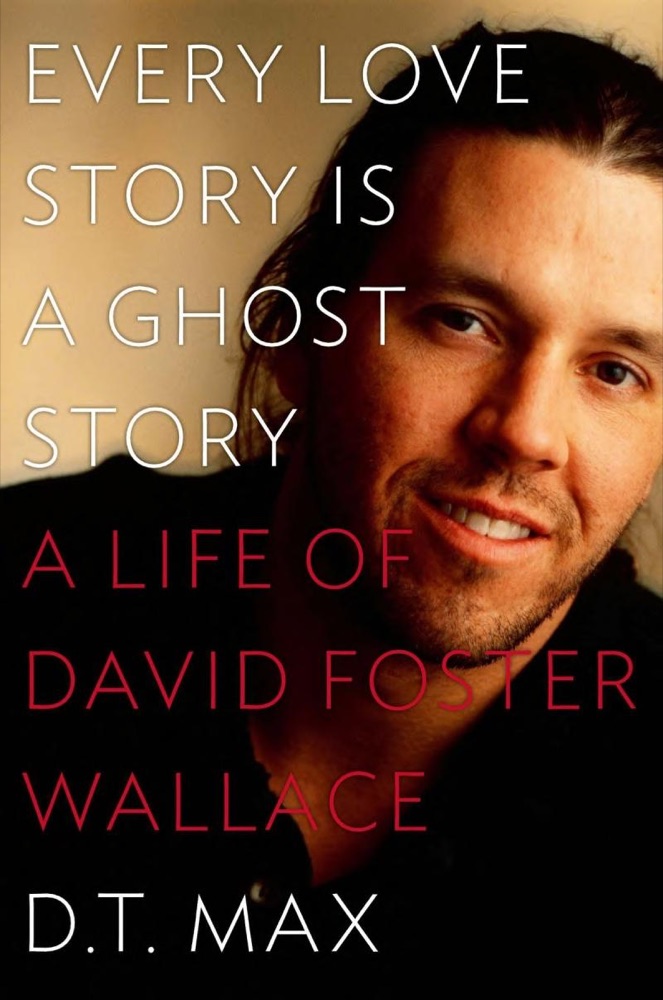
About D.T. Max
We have collected 22 quotes from 1 book by D.T. Max on BookQuoters.
More about the author →About the book
The first biography of the most influential writer of his generation, David Foster Wallace
David Foster Wallace was the leading literary light of his era, a man who not only captivated readers with his prose but also mesmerized them with his brilliant mind. In this, the first biography of the writer, D. T. Max sets out to chart Wallace’s tormented, anguished and often triumphant battle to succeed as a novelist as he fights off depression and addiction to emerge with his masterpiece, Infinite Jest.
Since his untimely death by suicide at the age of forty-six in 2008, Wallace has become more than the quintessential writer for his time—he has become a symbol of sincerity and honesty in an inauthentic age. In the end, as Max shows us, what is most interesting about Wallace is not just what he wrote but how he taught us all to live. Written with the cooperation of Wallace’s family and frien
Keep reading
The Brooklyn Follies
 Private Citizens
 Speedboat
 Everything's Eventual
 Sixty Stories
 Let Me Tell You What I Mean
 Essays of E.B. White
 The Rise & Fall of Great Powers
 In the Heart of the Heart of the Country and Other Stories
 Girl with Curious Hair
 20th Century Ghosts
 Although of Course You End Up Becoming Yourself: A Road Trip with David Foster Wallace
 Welcome to Braggsville
 V.
V.
 Everything's Eventual
 The Story of the Lost Child
 Make Something Up: Stories You Can't Unread
 Miss Lonelyhearts
 Mao II
 Everyone on This Train Is a Suspect
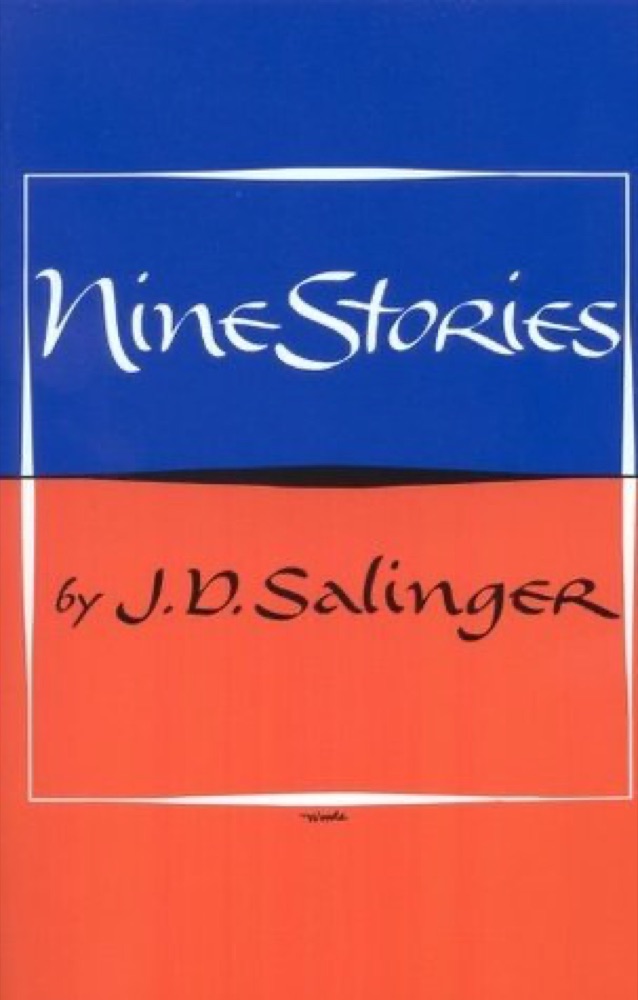 Nine Stories
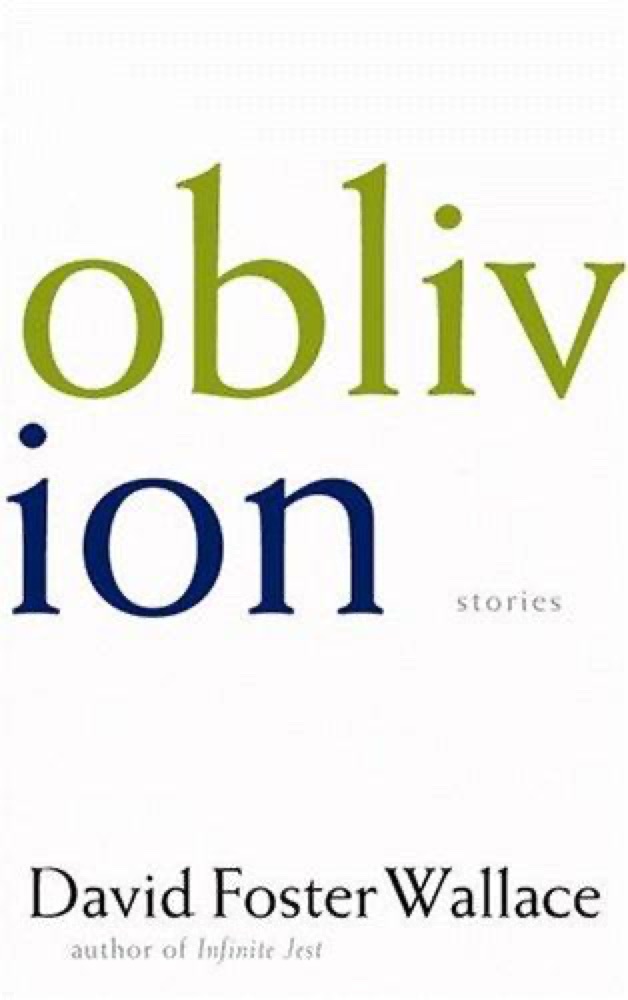 Oblivion
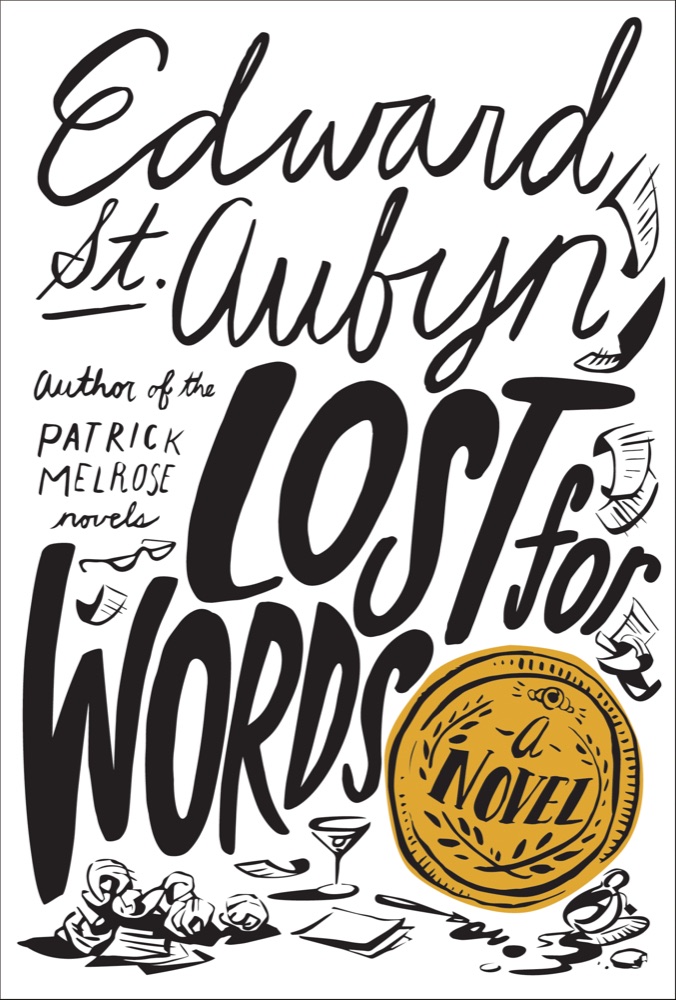 Lost for Words
 Purity
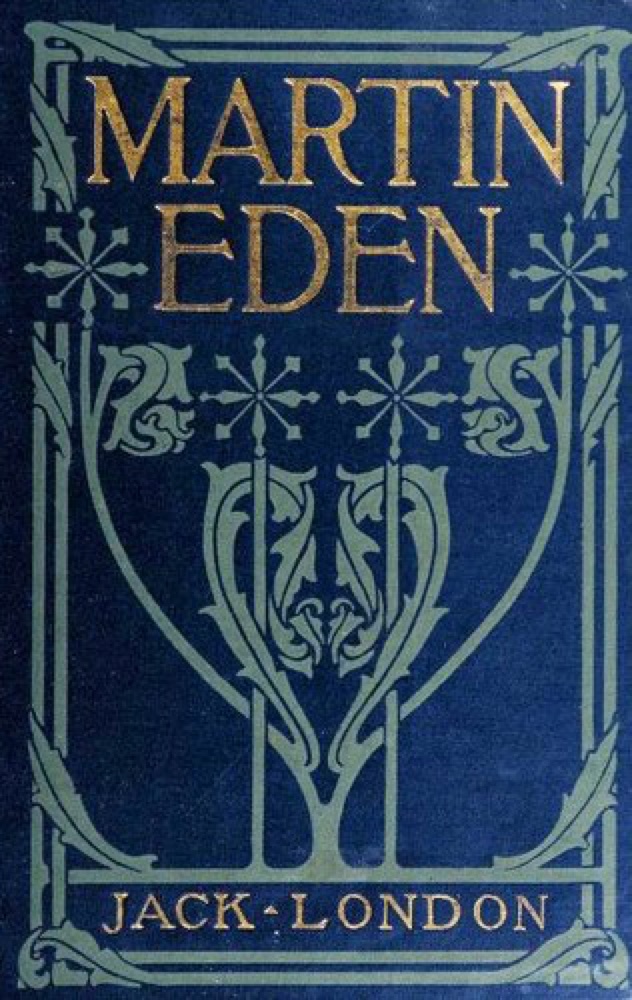 Martin Eden
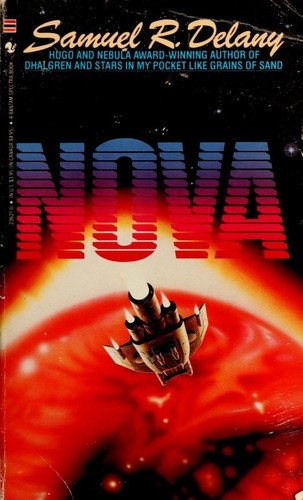 Nova
Nova
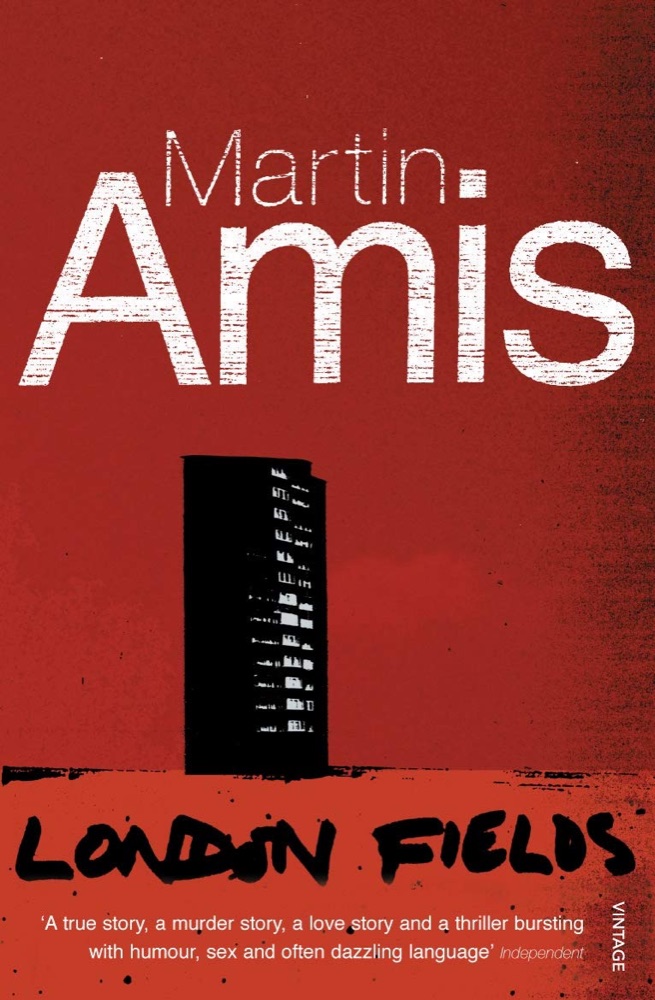 London Fields
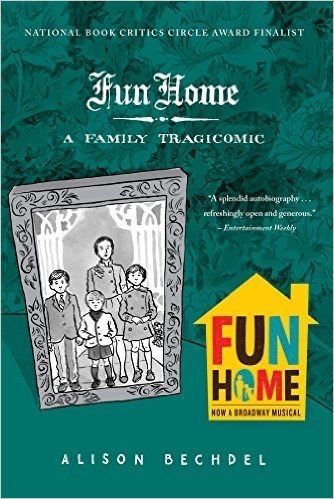 Fun Home: A Family Tragicomic
 Wampeters, Foma and Granfalloons
 Misery
 How to Be Alone
 The Counterlife
 Mohawk
 On Writing
 The Tsar of Love and Techno
 The Tunnel
 Experience
 Both Flesh and Not: Essays
 Orlando
 Cakes and Ale
 The Naked and the Dead
 Mislaid
 The Crack-Up
 Smoke and Mirrors: Short Fiction and Illusions
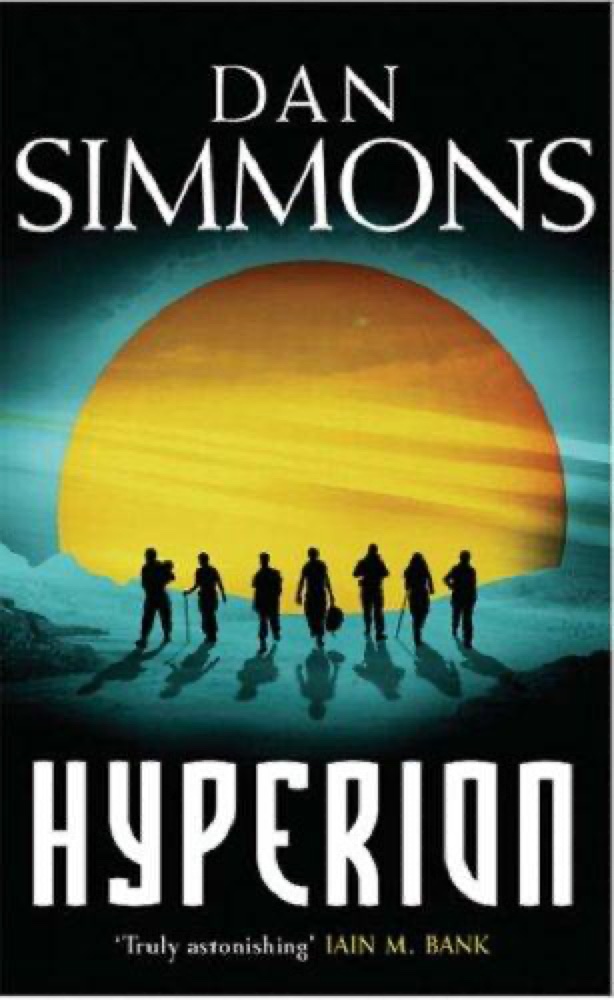 Hyperion
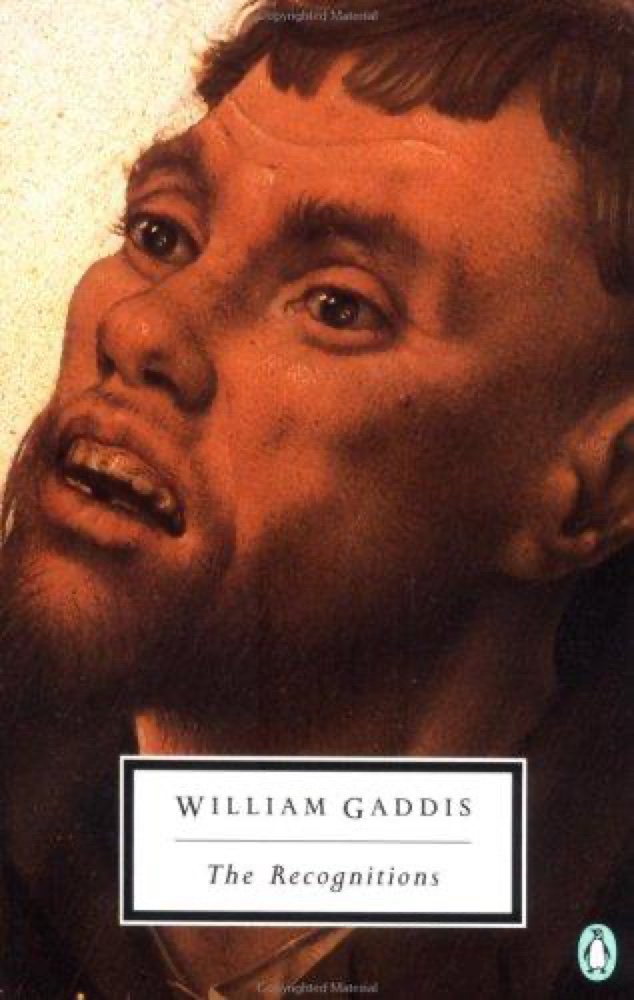 The Recognitions
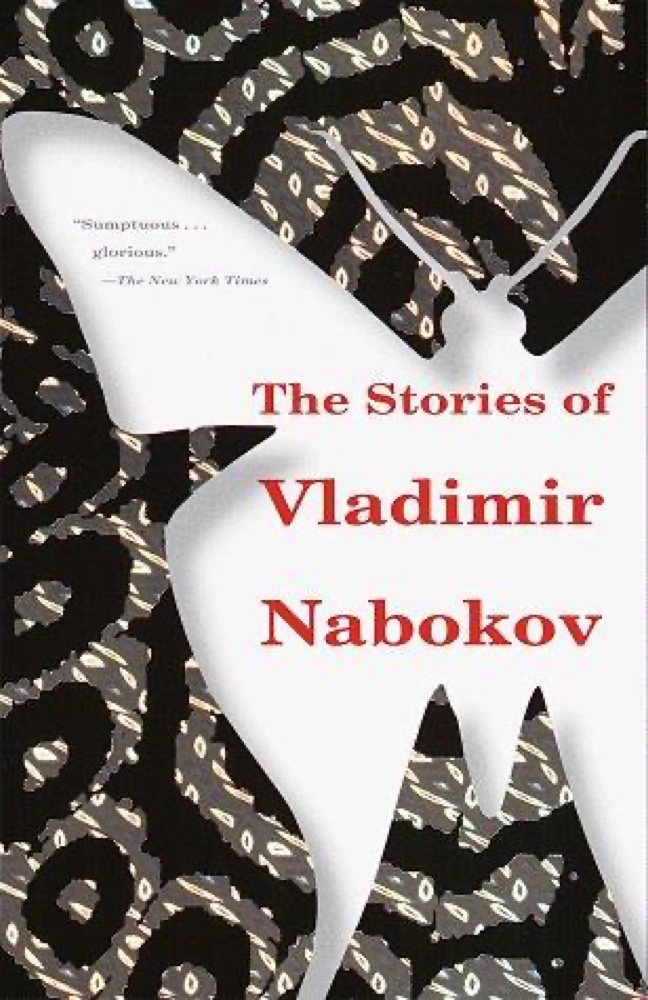 The Stories of Vladimir Nabokov
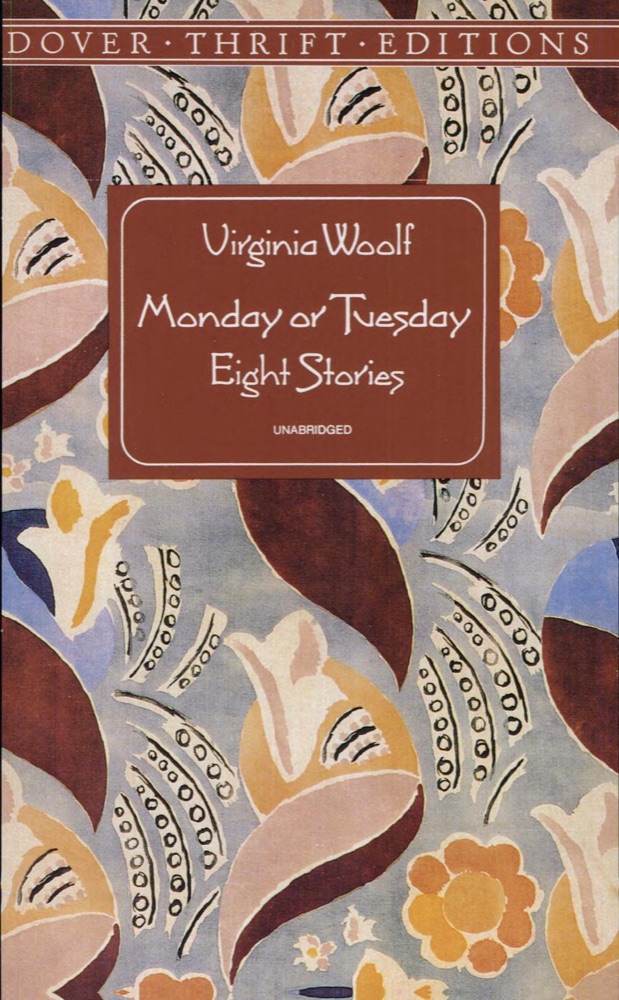 Monday or Tuesday
 The Angel Esmeralda
 The Braindead Megaphone
 The Collected Stories
 Tibetan Peach Pie
 The Real Life of Sebastian Knight
 The Sportswriter
 The Art of Fielding
 Ragtime
 The White Album
 The Proud Highway: Saga of a Desperate Southern Gentleman, 1955-1967
 Fall; or, Dodge in Hell
 The Golden House