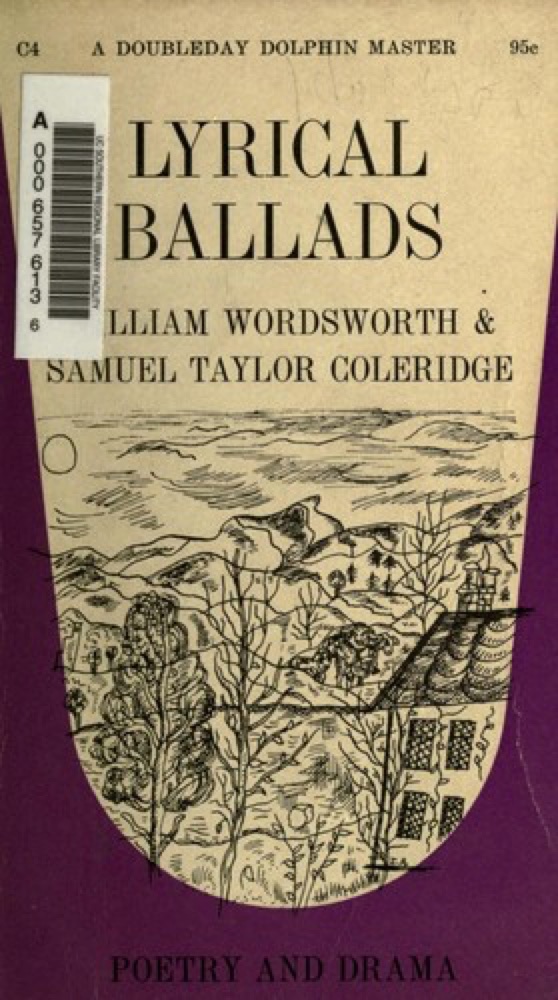
 Lyrical Ballads
Quotes from the Book
Bliss it was in that dawn to be alive But to be young was very heaven.
181
I had melancholy thoughts... a strangeness in my mind, A feeling that I was not for that hour, Nor for that place.
50
The earth was all before me. With a heart Joyous, nor scared at its own liberty, I look about; and should the chosen guide Be nothing better than a wandering cloud, I cannot miss my way.
43
And I was taught to feel, perhaps too much, The self-sufficing power of solitude.
36
Go to the poets, they will speak to thee More perfectly of purer creatures--
12
Feeling comes in aid Of feeling, and diversity of strength Attends us, if but once we have been strong.
9
Here must thou be, O man, Strength to thyself — no helper hast thou here — Here keepest thou thy individual state: No other can divide with thee this work, No secondary hand can intervene To fashion this ability. 'Tis thine, The prime and vital principle is thine In the recesses of thy nature, far From any reach of outward fellowship, Else 'tis not thine at all.
7
Thence did I drink the visionary power; And deem not profitless those fleeting moods Of shadowy exultation: not for this, That they are kindred to our purer mind And intellectual life; but that the soul, Remembering how she felt, but what she felt Remembering not, retains an obscure sense Of possible sublimity, whereto With faculties still growing, feeling still That whatsoever point they gain, they yet Have something to pursue.
3
Oh, blank confusion! true epitome Of what the mighty City is herself, To thousands upon thousands of her sons, Living amid the same perpetual whirl Of trivial objects, melted and reduced To one identity, by differences That have no law, no meaning, and no end— Oppression, under which even highest minds Must labour, whence the strongest are not free.
2
Mighty is the charm Of these abstractions to a mind beset With images, and haunted by herself And specially delightful unto me Was that clear synthesis built up aloft So gracefully.
2
How oft, amid those overflowing streets, Have I gone forward with the crowd, and said Unto myself, "The face of every one That passes by me is a mystery!
1
All moveables of wonder, from all parts, Are here—Albinos, painted Indians, Dwarfs, The Horse of knowledge, and the learned Pig, The Stone-eater, the man that swallows fire, Giants, Ventriloquists, the Invisible Girl, The Bust that speaks and moves its goggling eyes, The Wax-work, Clock-work, all the marvellous craft Of modern Merlins, Wild Beasts, Puppet-shows, All out-o'-the-way, far-fetched, perverted things, All freaks of nature, all Promethean thoughts Of man, his dullness, madness, and their feats All jumbled up together, to compose A Parliament of Monsters.
1
Nor was it mean delight To watch crude Nature work in untaught minds; To note the laws and progress of belief; Though obstinate on this way, yet on that How willingly we travel, and how far! To have, for instance, brought upon the scene The champion, Jack the Giant-killer: Lo! He dons his coat of darkness; on the stage Walks, and achieves his wonders, from the eye Of living Mortal covert, "as the moon Hid in her vacant interlunar cave." Delusion bold! and how can it be wrought? The garb he wears is black as death, the word "Invisible" flames forth upon his chest.
1
But that night When on my bed I lay, I was most mov'd And felt most deeply in what world I was; With unextinguish'd taper I kept watch, Reading at intervals
1
Watch on YouTube
About William Wordsworth
We have collected 31 quotes from 2 books by William Wordsworth on BookQuoters.
More about the author →More by William Wordsworth
Lyrical Ballads
About the book
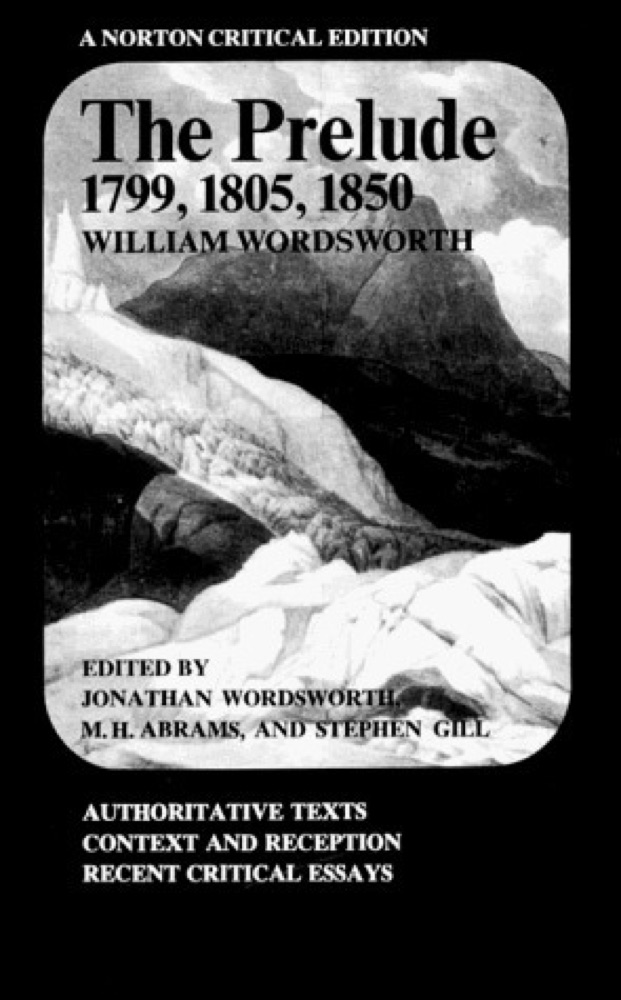
This book is the first to present Wordsworth's greatest poem in all three of its separate forms. It reprints, on facing pages, the version of "The Prelude" was was completed in 1805, together with the much-revised work published after the poet's death in 1850. In addition the editors include the two-part version of the poem, composed 1798-99. Each of these poems has its distinctive qualities and values; to read them together provides an imcomparable chance to observe a great poet composing and recomposing, through a long life, his major work.
Book details
- First published
- 1850
- Author
- William Wordsworth
- Genre
- Literature
- Goodreads rating
- 3.87 (4k ratings)
Keep reading
 Phantastes
 The Last Man
 The Complete Poems of Emily Dickinson
 Childe Harold's Pilgrimage
 Selected Stories
 Too Loud a Solitude
 Swann's Way
 Winter Hours: Prose, Prose Poems, and Poems
 The Complete Stories and Poems
 The Lifted Veil
 The Stories of Vladimir Nabokov
 Lord Jim
 Villette
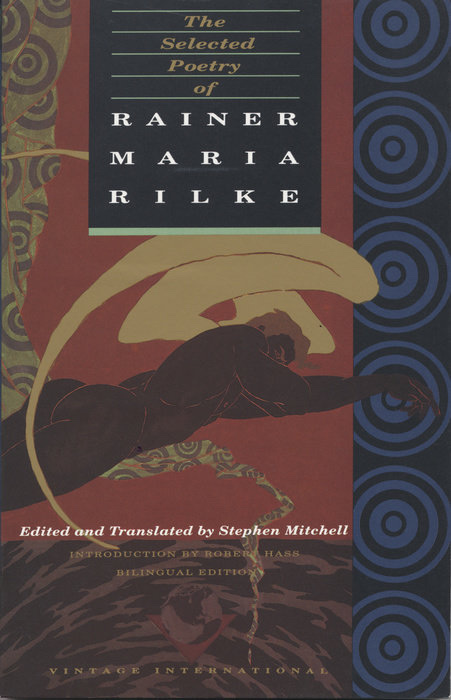 The Selected Poetry of Rainer Maria Rilke
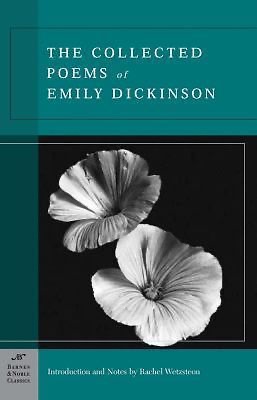 The Collected Poems of Emily Dickinson
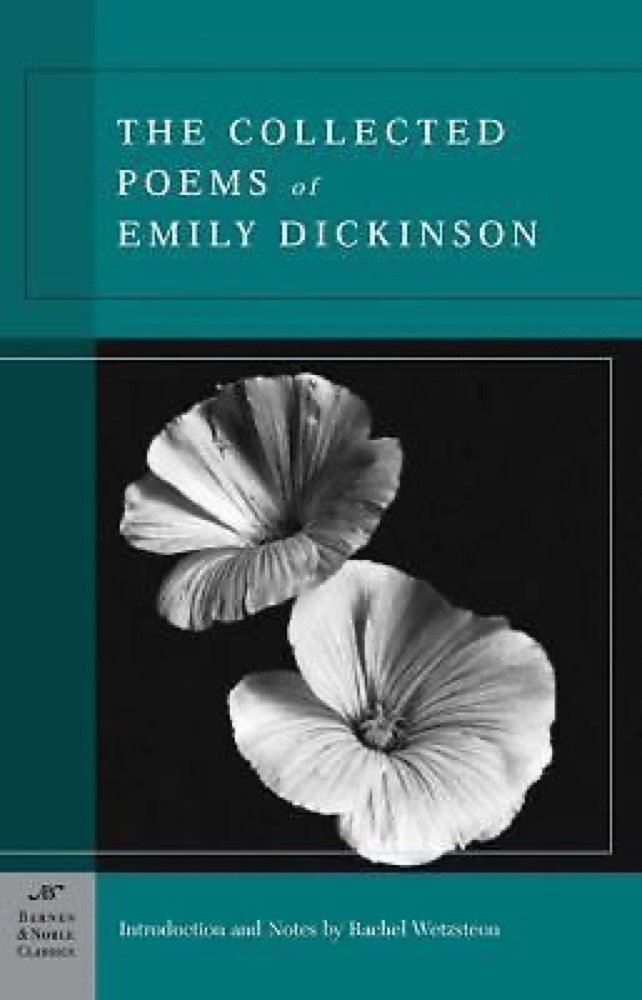 Selected Poems
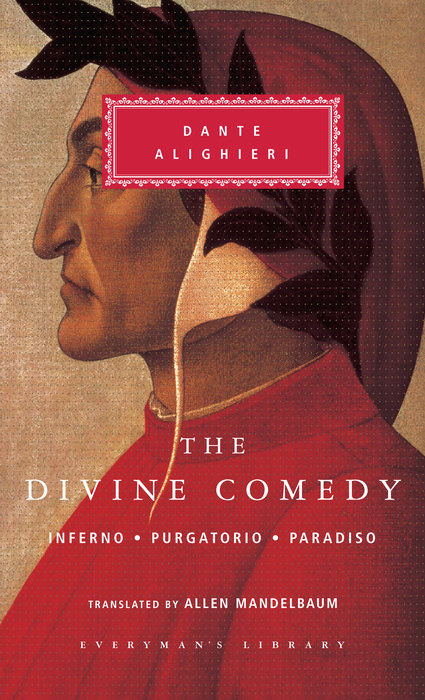 The Divine Comedy
Lyrical Ballads
The Divine Comedy
Lyrical Ballads
 Speak, Memory
 A Portrait of the Artist as a Young Man
 The Pox Party
 Howl and Other Poems
 The Story of My Life
 Johnny Panic and the Bible of Dreams: Short Stories, Prose and Diary Excerpts
 Faust
Faust
 Brideshead Revisited: The Sacred and Profane Memories of Captain Charles Ryder
 Wilhelm Meister's Apprenticeship
 Monday or Tuesday
 The Mysteries of Udolpho
 To The Bright Edge of the World
 The Star Rover
 In the Heart of the Heart of the Country and Other Stories
 The Complete Poems
 The Untouchable
 Daniel Deronda
 The Voyage Out
 Upstream: Selected Essays
 Testament of Youth
 The Collected Poems of W.B. Yeats
 Devotion
 Ulysses
 Reveries of the Solitary Walker
 Confessions
 In Search of Lost Time
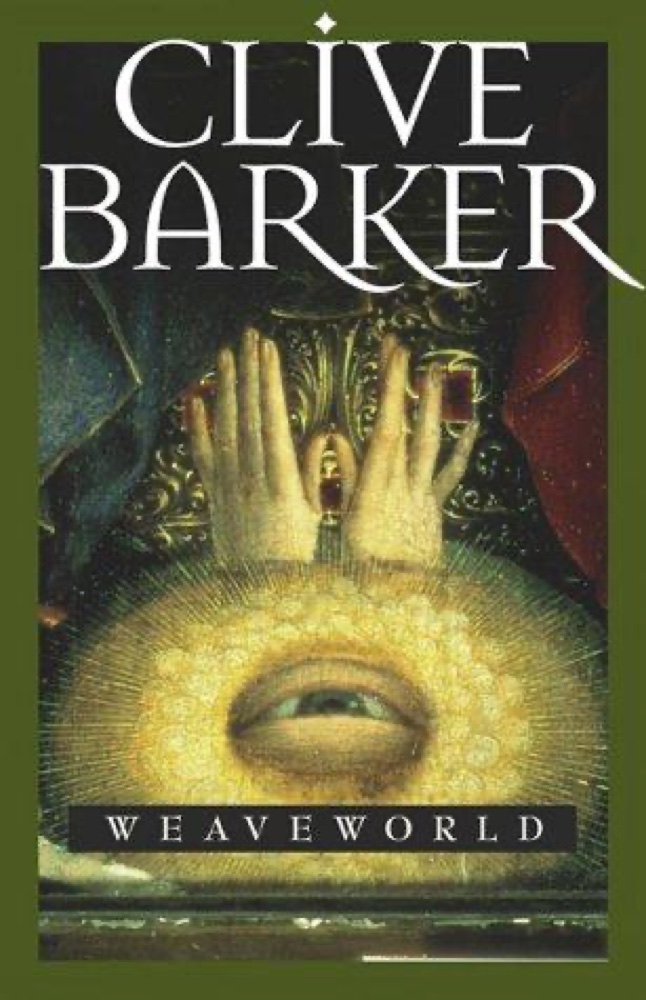 Weaveworld
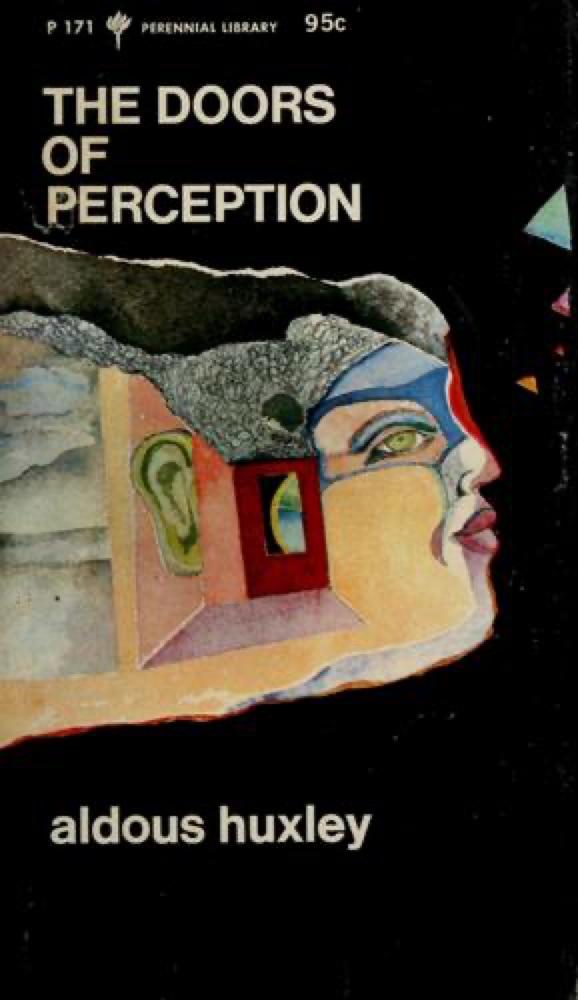 The Doors of Perception
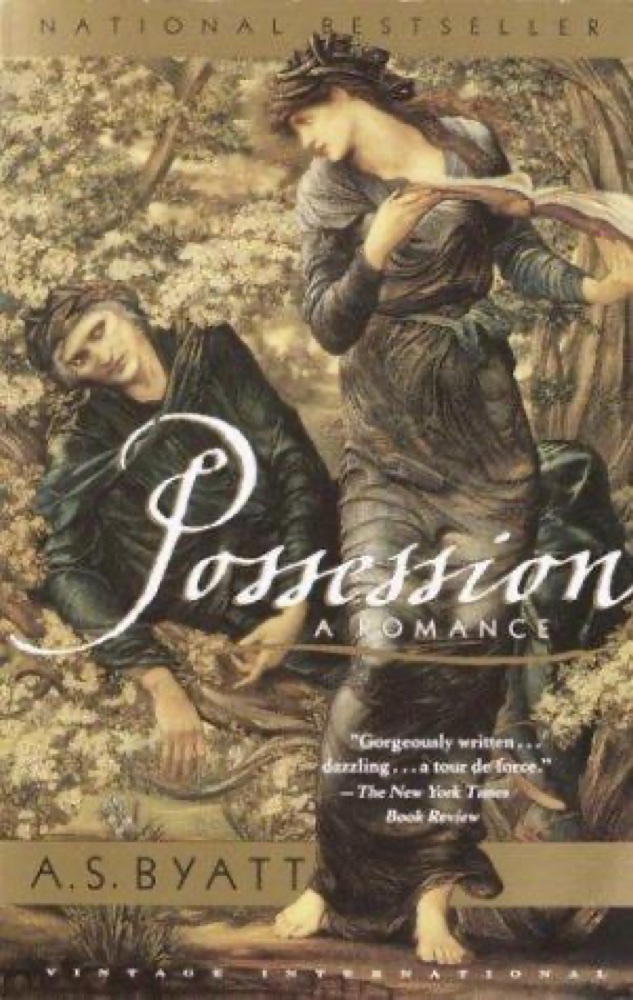 Possession
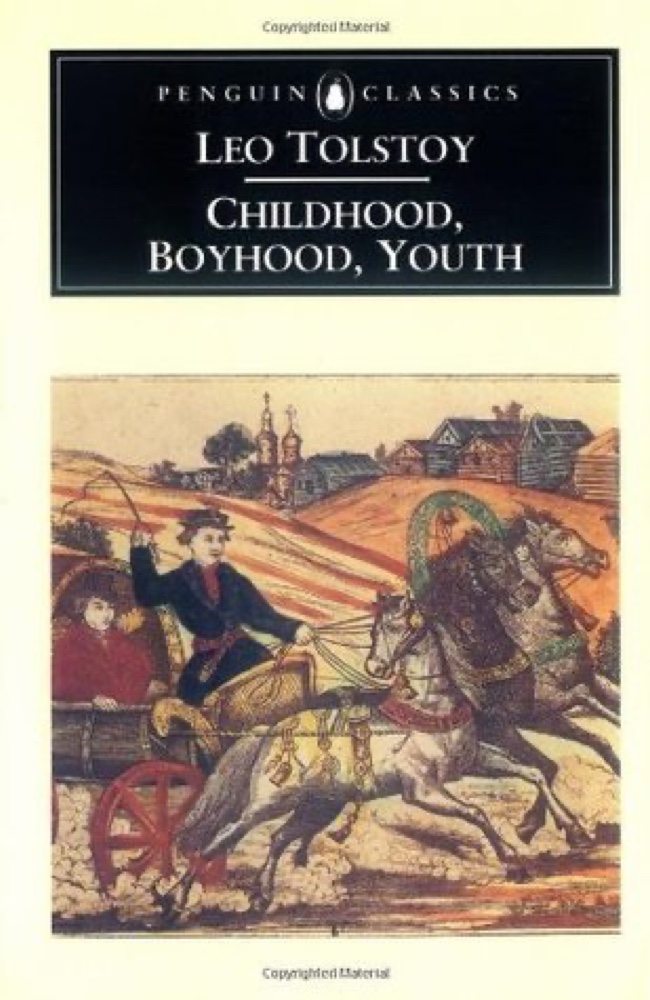 Childhood, Boyhood, Youth
 Prime of Life
 The Guermantes Way
 The Shadow-Line
 The Complete Poems
 The Scarlet Letter
 March
March
 Out of the Silent Planet
 Cosmicomics
 Allan Quatermain
 Meditations in an Emergency
 Selected Poems
 Frankenstein