 The Book of the Unnamed Midwife
Quotes from the Book
Parenthood was never knowing what was going to hurt your kids, but knowing only that something, inevitably, would.
21
Ruth had learned only one thing from the current reality, and it was that everything held together by tacit agreement that it would. All it took to unravel something was one party deciding to do just that. There was no real structure to prevent chaos. There was only a collective faith in order.
19
You never know when a time is the last time, because if you did you could never go on with life.
18
Enjoying a moment is a victory.
15
People weren’t that connected to one another. Terrible things happened constantly and never prevented you from going out for ice cream or celebrating birthdays or going to the movies or paying your taxes or fucking your wife or worrying about the mortgage.
12
They had asked themselves questions when they decided to have children — do we have the money, do we have the space, do we have what it takes — but they didn’t ask what the world would be when their children grew.
11
You told yourself there was an end to the worry. You told yourself it was sleeping through the night, then weaning from the breast, then walking then shoelaces then reading then algebra then sex then college admissions then you would be liberated, but this was a lie. Worry was infinite. A parent’s only task was to protect his child.
10
Theirs was a failure of imagination, though, two overlapping but private delusions. G. H. would have pointed out that the information had always been there waiting for them, in the gradual death of Lebanon’s cedars, in the disappearance of the river dolphin, in the renaissance of cold-war hatred, in the discovery of fission, in the capsizing vessels crowded with Africans. No one could plead ignorance that was not willful. You didn’t have to scrutinize the curve to know; you didn’t even have to read the papers, because our phones reminded us many times daily precisely how bad things had got. How easy to pretend otherwise.
9
If they didn’t know how it would end, with night, with more terrible noise from the top of Olympus, with bombs, with disease, with blood, with happiness, with deer or something else watching them from the darkened woods—well, wasn’t that true of every day?
8
It was like some tacit agreement; everyone had ceded to things just falling apart. That it was common knowledge that things were bad surely meant they were actually worse.
8
Life was like that; life was about change.
8
The world was over, so why not dance?
7
It’s the right thing to do.” Clay knew this would work; his wife felt it important, not to do the moral thing, necessarily, but to be the kind of person who would. Morality was vanity, in the end.
7
There was no way to explain that the thing about dark is that it’s rare. There’s always some ambient light. There’s always that contrast that helps you understand: This is dark. The pricks of stars, the leak beneath the door, the glow of an appliance, something. Wasn’t its ability to assert itself, and at breakneck speed at that, light’s most remarkable quality?
6
There was a point, when he was younger, where he’d dreamed of understanding grown-up conversation. Now he could, and realized he’d overestimated it.
6
Worry was infinite. A parent’s only task was to protect his child.
6
Home was just where you were, in the end. It was just the place where you found yourself.
4
She could have got into that bed and read a book. She might even have dozed in that indolent way you do when you’re in a vacation home—not for need of rest but because you can.
4
She wanted her colleagues to need her as God wants people to keep praying.
3
He kissed the worn cotton on Rose’s shoulder and regretted that he did not believe in prayer.
3
Fear was private. It was primal. It was something you guarded because you thought you could defuse it that way. How could they continue to love each other, having realized that they could not save each other?
2
She packed a book, as you never knew when you'd need a book.
2
She kept her silence and pictured the faces of her daughter and grandsons, the atheist’s prayer.
2
What the fuck?” This was, maybe, the only proper response. Amanda was not talking to George. She was not talking to anyone. “What the fuck?” She said it a third time, a fourth time, a fifth time, it didn’t matter. She kept saying it, and it was unanswered, as a prayer.
2
To enjoyment. To the enjoyment of vacations. To the enjoyment of any moment in life, I guess. Enjoying a moment is a victory. I think we need to hold on to those.
2
The building lacked a thirteenth floor because that was terrible luck. Simply pretending it wasn’t there was better.
2
He retrieved his cigarettes from the glove box, wincing at the gravel. He sat on the front lawn in the shade of a tree and smoked. He should feel bad about this, but tobacco was the foundation of the nation. Smoking tethered you to history itself! It was a patriotic act, or once had been, anyway, like owning slaves or killing the Cherokee.
2
Did you know?
- The novel was a finalist for the 2020 National Book Award for Fiction.
- It was adapted into a 2023 Netflix film written and directed by Sam Esmail.
- Barack and Michelle Obama's Higher Ground Productions executive-produced the film adaptation.
- The film stars Julia Roberts, Mahershala Ali, Ethan Hawke, Myha'la, and Kevin Bacon.
- In the film adaptation, the character Ruth is changed from George's wife to his daughter.
- The story is largely confined to a single rental house on the eastern end of Long Island.
About Rumaan Alam
Rumaan Alam is an American novelist and essayist born in 1977. He is the author of the novels Rich and Pretty, That Kind of Mother, Leave the World Behind, and Entitlement, and his writing has appeared in publications including The New York Times and The New Yorker.
More about the author →About the book
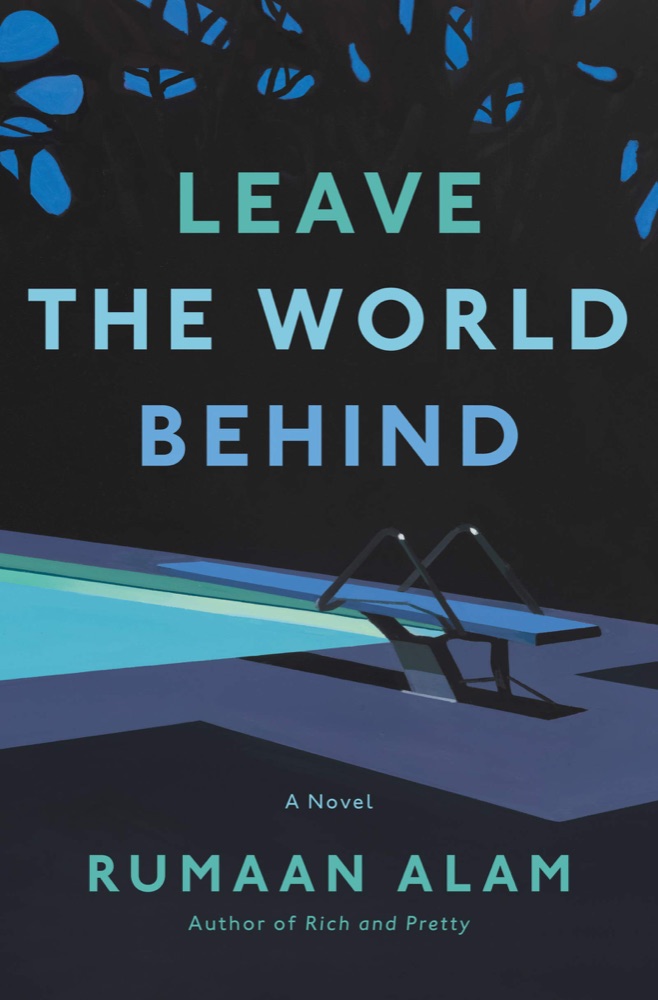
Leave the World Behind is Rumaan Alam's third novel, a literary thriller about a family that rents a remote luxury home on the eastern end of Long Island for a late-summer vacation. Their idyll is interrupted late one night when an older couple, George and Ruth, arrive at the door claiming to own the house and seeking shelter after a sudden, sweeping blackout has struck New York City. With phones, television, and the internet failing, the two unacquainted families are forced to share the house and decide how much to trust one another as unsettling signs accumulate around them.
The book uses its confined, claustrophobic setting to explore anxieties about class, race, parenthood, and the fragility of modern comfort. Strange phenomena, an unexplained piercing noise, migrating animals, and a child's mysterious illness, heighten a mood of dread without offering tidy explanations, and the novel is as interested in the characters' private fears and assumptions as it is in the larger catastrophe unfolding offstage. Alam keeps the nature of the disaster deliberately ambiguous, turning the story into a meditation on how ordinary people behave when the systems they depend on quietly stop working.
Published in October 2020, the novel became a critical and commercial success, landing on numerous best-of-the-year lists and resonating with readers during a period of real-world uncertainty. It was a finalist for the 2020 National Book Award for Fiction and was praised by outlets such as The New Yorker for its tension and prose. Its profile grew further with the 2023 Netflix film adaptation written and directed by Sam Esmail.
Key characters
- AmandaMother of the vacationing family, anxious and observant
- ClayAmanda's husband, a professor and father
- ArchieAmanda and Clay's teenage son
- RoseAmanda and Clay's younger daughter
- G.H. (George)Older man who owns the house and arrives seeking shelter
- RuthGeorge's wife, who arrives with him during the blackout
Book details
- First published
- 2020
- Length
- 256 pages
- Reading time
- 4 hours
- Author
- Rumaan Alam
- Genre
- Fiction
- Goodreads rating
- 3.14 (172k ratings)
- First line
- “Well, the sun was shining.”
Critical reception
- Finalist for the 2020 National Book Award for Fiction.
- The New Yorker described the novel as enthralling.
- It appeared on numerous best-of-2020 year-end lists.
Movie & TV adaptations
- IMDb
Keep reading
The Book of the Unnamed Midwife
 Dust
Dust
 The Whisper Man
 The Passage
 Empire Falls
 We All Looked Up
 Hush
Hush
 A Spot of Bother
 The Burgess Boys
 The Night in Question
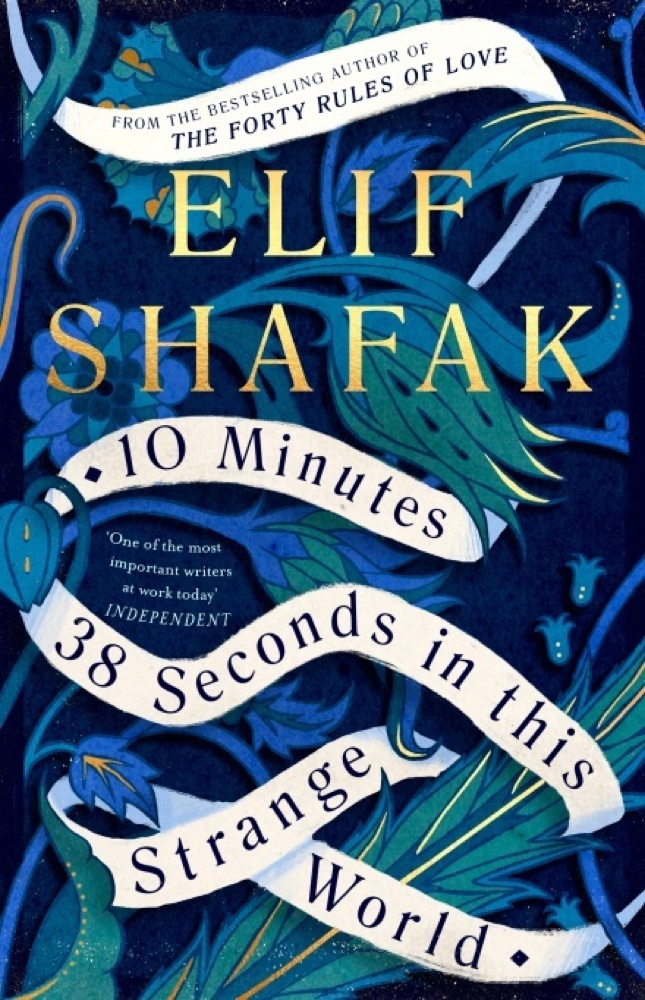 10 Minutes 38 Seconds in This Strange World
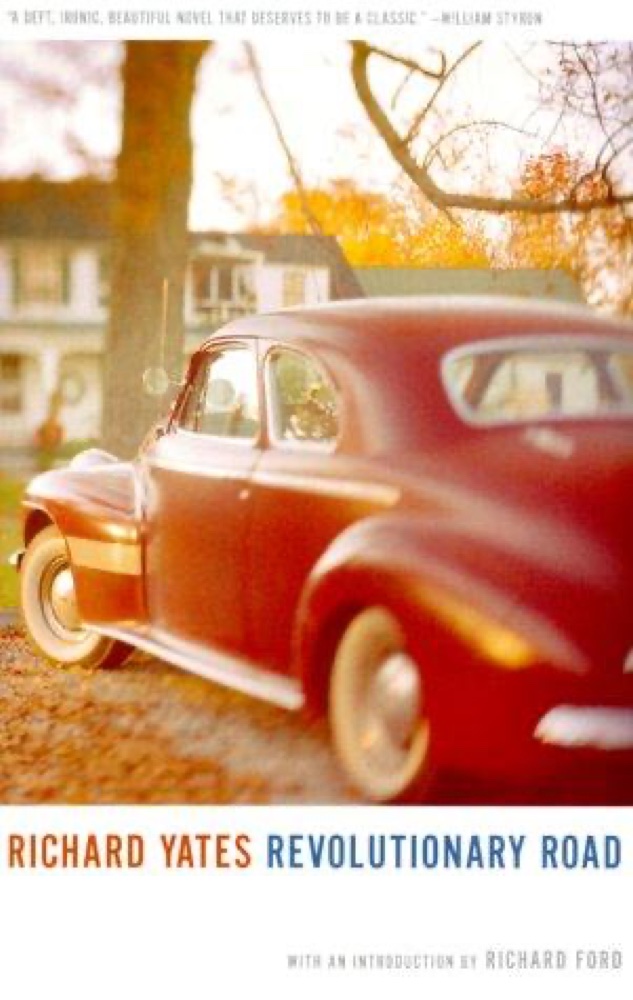 Revolutionary Road
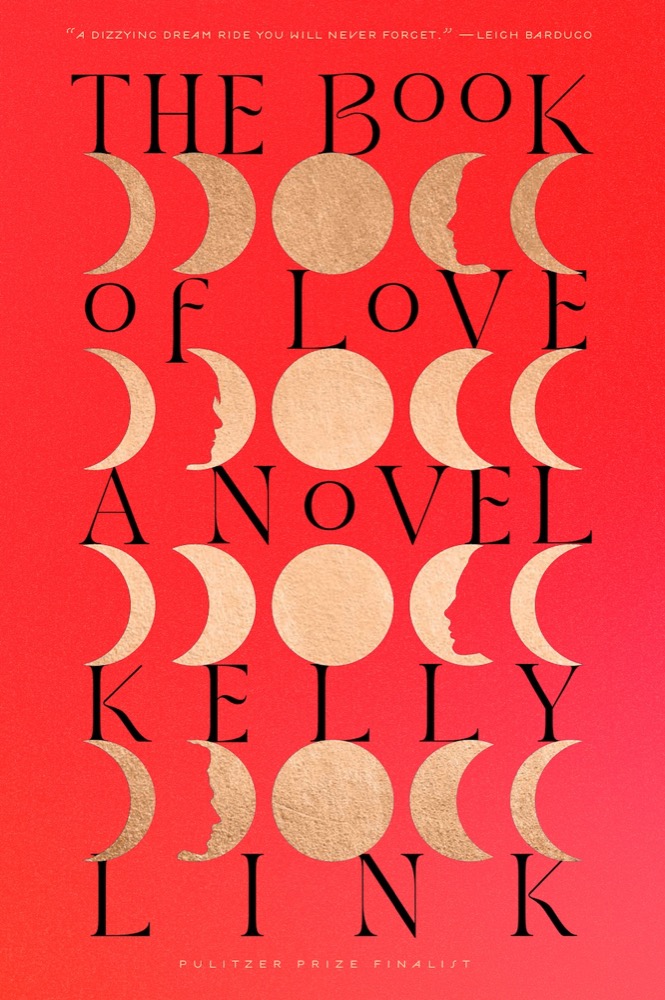 The Book of Love
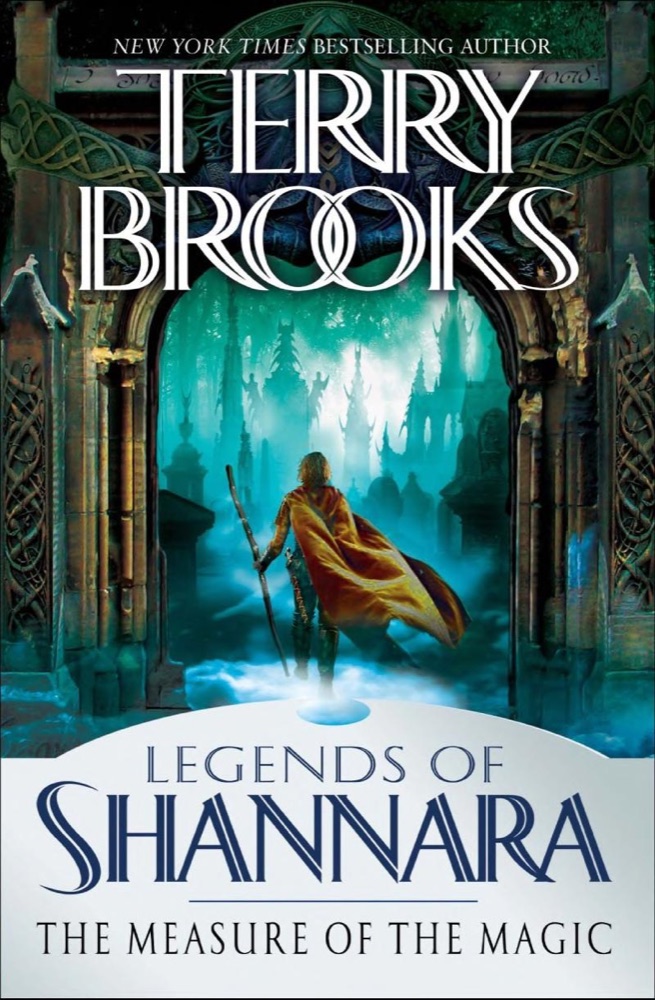 The Measure of the Magic
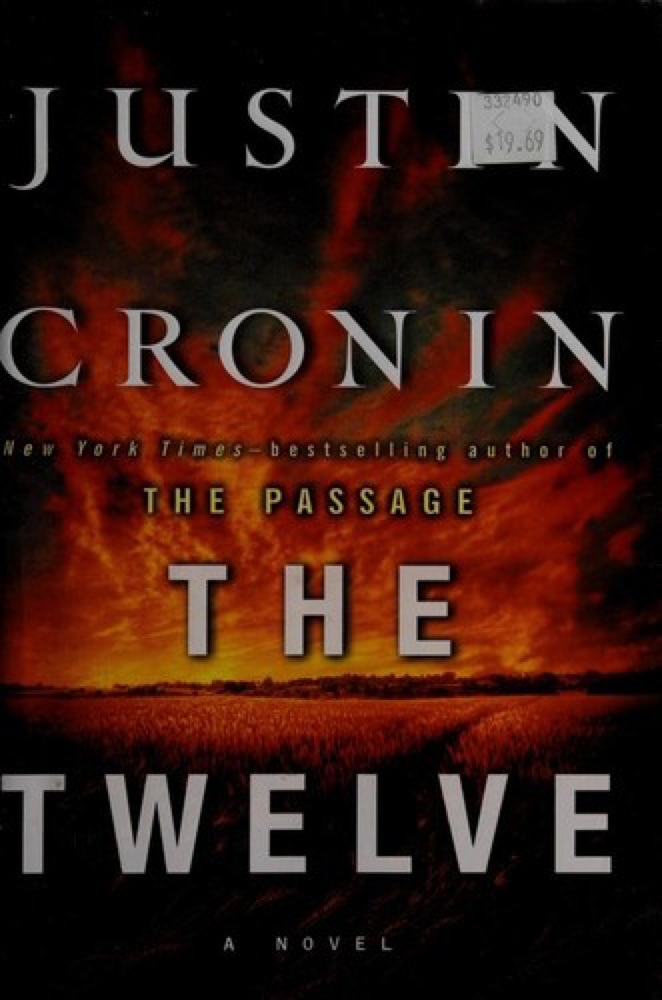 The Twelve
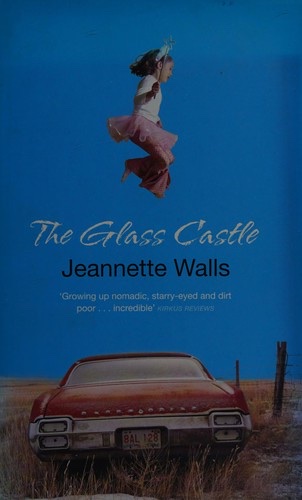 The Glass Castle
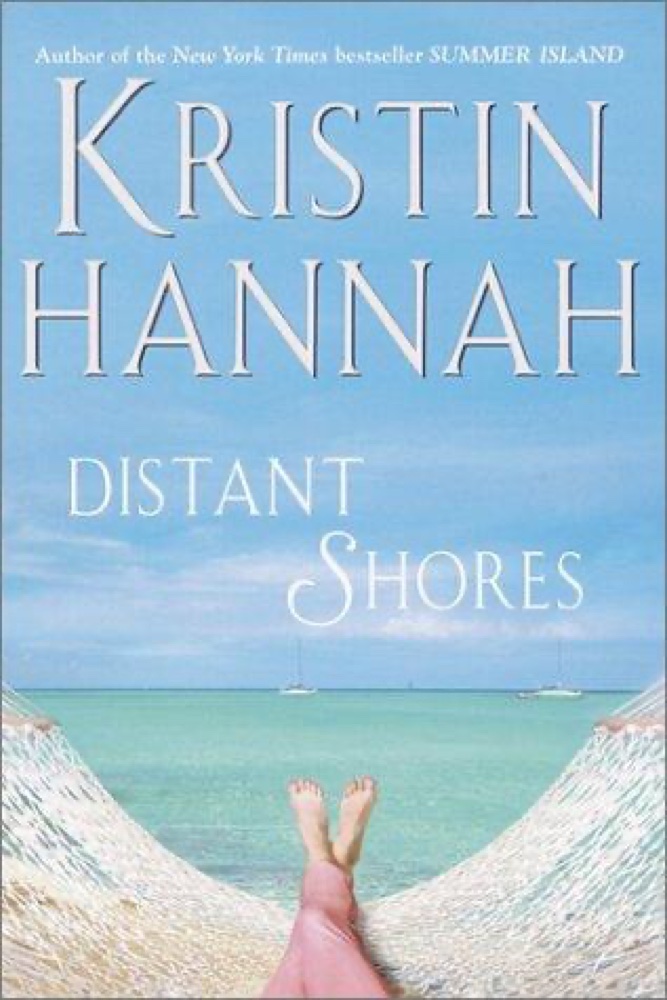 Distant Shores
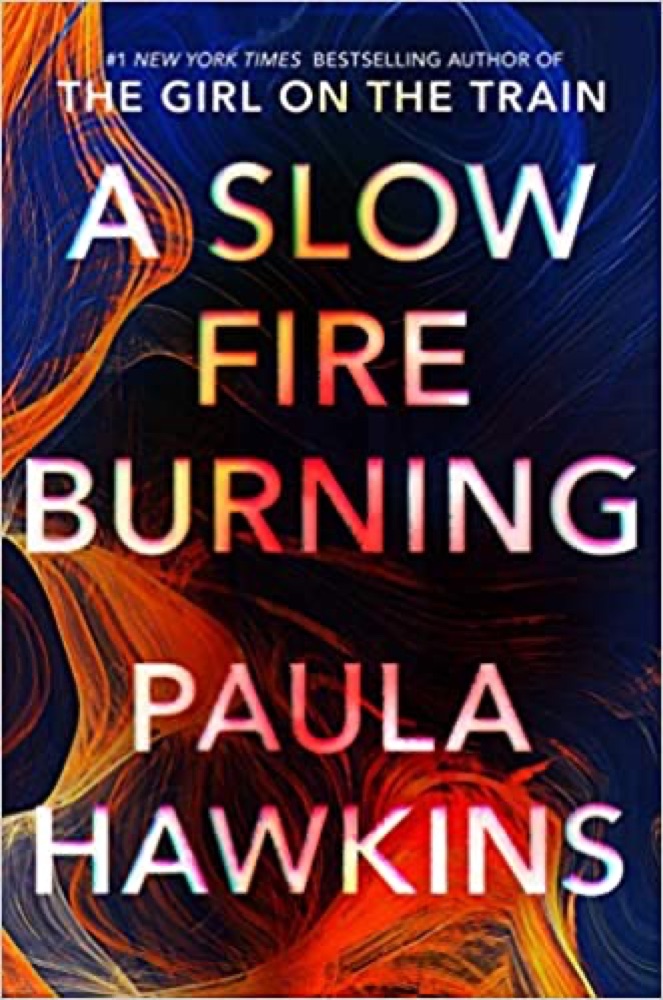 A Slow Fire Burning
 Flight Behavior
 This Strange Eventful History
 Life After Life
 The Nest
 The Children Act
 Forever in Blue: The Fourth Summer of the Sisterhood
 City on Fire
 The Husband's Secret
 Another Country
 Severance
 A Reliable Wife
 Confessions on the 7:45
 Little Fires Everywhere
 A Rule Against Murder
 We Are Not Ourselves
 Hold Tight
 Case Histories
 Somebody Else's Daughter
 How High We Go in the Dark
 The Quick and the Dead
 State of Wonder
 The Clockmaker's Daughter
 The Story of Edgar Sawtelle
 The Silent Corner
 Too Much Happiness: Stories
 Dinner at the Homesick Restaurant
 Lisey's Story
 Requiem for a Dream
 Every Heart a Doorway
 Mystic River
 Elsewhere
 Atonement
 The Brief History of the Dead
 The Round House
 So Long, See You Tomorrow
 The Institute
 The Yellow Birds
 Ninth House
 The Corrections
 Plain Truth
 Ohio
Ohio
 Homecoming