
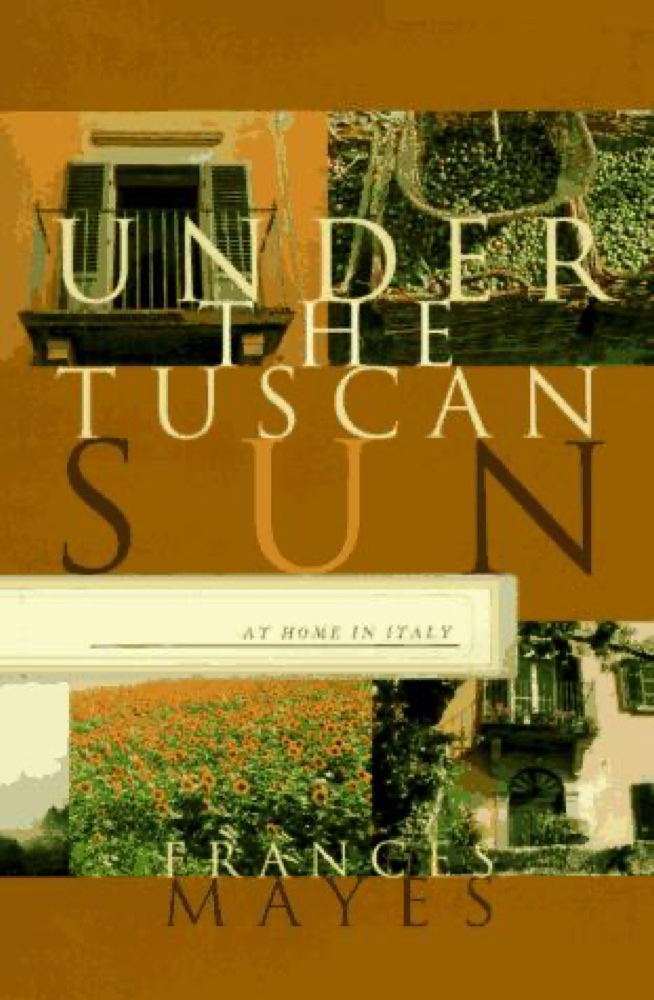
 Under the Tuscan Sun
Quotes from the Book
The world cracks open for those willing to take a risk.
33
One of those flash epiphanies of travel, the realization that worlds you'd love vibrantly exist outside your ignorance of them. The vitality of many lives you know nothing about. The breeze lifting a blue curtain in a doorway billows just the same whether you are lucky enough to observe it or not. Travel gives such jolts. I could live in this town, so how is it that I've never been here before today?
20
As travel pushes me forward, memory keeps dragging me backward.
17
Everything I pick up seems to lure me away. Everything I do in my daily life begins to feel like striking wet matches. The need to travel is a mysterious force. A desire to 'go' runs through me equally with an intense desire to 'stay' at home. An equal and opposite thermodynamic principle. When I travel, I think of home and what it means. At home I'm dreaming of catching trains at night in the gray light of Old Europe, or pushing open shutters to see Florence awaken. The balance just slightly tips in the direction of the airport.
15
All afternoon in the deck chair, I try to describe to my notebook the colors of the water and sky. How to translate sunlight into words?
14
Travel releases spontaneity. You become a godlike creature full or choice, free to visit the stately pleasure domes, make love in the morning, sketch a bell tower, read a history of Byzantium, stare for one hour at the face of Leonardo da Vinci's 'Madonna dei fusi.' You open, as in childhood, and--for a time--receive this world. There's visceral aspect, too--the huntress who is free. Free to go, free to return home bringing memories to lay on the hearth.
13
There are reasons we congregate in these hot spots- to worship beauty and to feel its effects light up the electrolytes in the bloodstream.
10
When you travel you become invisible if you want. I do want. I like to be the observer. What makes these people who they are Could I feel at home here No one expects you to have the stack of papers back by Tuesday or to check messages or to fertilize the geraniums or to sit full of dread in the waiting room at the protologist’s office. When travelling you have the delectable possibility of not understanding a word of what is said to you. Language becomes simply a musical background for watching bicycles zoom along a canal calling for nothing from you. Even better if you speak the language you catch nuances and make more contact with people. Travel releases spontaneity. You become a godlike creature full of choice free to visit the stately pleasure domes make love in the morning sketch a bell tower read a history of Byzantium stare for one hour at the face of Leonardo da Vinci’s Madonna dei fusi. You open as in childhood and – for a time – receive this world. There’s the visceral aspect too – the huntress who is free. Free to go Free to return home bringing memories to lay on the hearth.
8
Always, I liked the infinitive 'to go.' Let's go, let's go. let's really go. 'Andare' was the first verb I learned to conjugate in Italian. 'Andiamo,' let's go, teh sound comes out at a gallop.
5
Behind sunglasses we linger over espresso, talking about pizza as an art form, the geekiness of people's travel clothes...
5
There is so much jasmine and nightshade in the garden that we all wake with lyrical headaches.
5
But the essence of a place, the part of it that picks you up and puts you down somewhere else, cannot be given to the reader through factual description. And maybe not at all. You have to find your own secret images. The slow fall of a coin into the gorge with the sun catching the copper only for a moment, and the fall into nothing says more about a sense of place than three pages of restaurant and hotel descriptions...
4
He said he couldn't understand a world 'shameless and cruel enough to divide its people by color when color is in fact the sign of God's artistic genius.
4
Martin Buber said, 'All journeys have secret destinations of which the traveller is unaware.
4
If I lived here,...I have a feeling this place would take me.
4
And my mother, whose radius of travel was short, tied the letters with ribbon and kept them in her desk, When you get the chance, she said to me, "go.
3
The words 'forse che si,' 'forse che no', 'perhaps yes,' 'perhaps no,' repeat along all paths.
3
We are walking on the foundations of literature, up the steep, stony path in the fiery heat.
3
Oh, come on, he was twenty-six. And he had poetry on his lips.
2
[As Chevalley says,] 'Sicilians never want to improve for the simple reason that they think themselves perfect...
2
Vicki shines with intelligence as brightly as with beauty, a clear open face, black eyes, and a smile that makes you see what she looked like as a nine-year-old.
1
[As Garibaldi says,] 'Sleep, my dear Chevalley, sleep, that is what Sicilians want, and they will always hate anyone who tries to wake them...
1
VIOLET’S HOT TOFFEE SAUCE FOR GINGERBREAD 6 ounces soft brown sugar 4 ounces butter 1⁄4 pint double cream Heat in a pan until sugar dissolves and butter melts. Bring quickly to a boil, then switch off. She serves this also on waffles. At home we don’t get the same kind of double cream that blesses the British desserts. Heavy cream, perhaps thickened with a little crème fraîche, would substitute.
It's daunting to find the language so foreign, so distant, but also so thrilling. One is absolved of responsibility when the language is incomprehensible. Is this one of the mysteries of travel? One returns to preverbal pointing, smiling, shaping the air with gestures.
Naguib Mahfouz’s Palace Walk, set in Cairo, a
Watch on YouTube
About Frances Mayes
We have collected 55 quotes from 2 books by Frances Mayes on BookQuoters.
More about the author →More by Frances Mayes
Under the Tuscan Sun
About the book
A CLASSIC FROM THE NEW YORK TIMES BESTSELLING AUTHOR OF UNDER MAGNOLIA
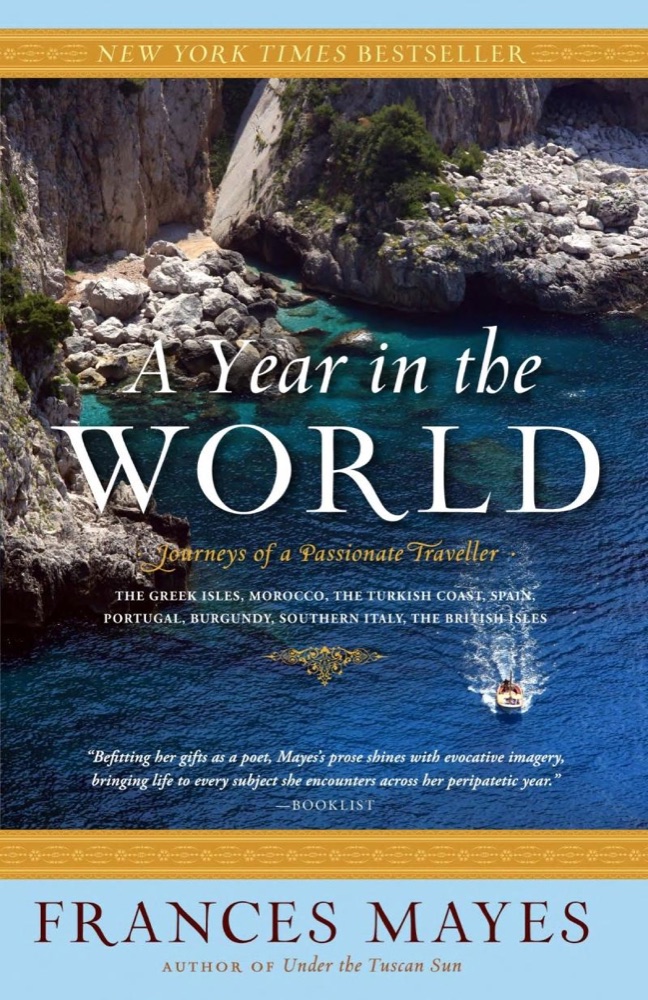
A Year in the World is vintage Frances Mayes—a celebration of the allure of travel, of serendipitous pleasures found in unlikely locales, of memory woven into the present, and of a joyous sense of quest. With her beloved Tuscany as a home base, Mayes travels to Spain, Portugal, France, the British Isles, and to the Mediterranean world of Turkey, Greece, the South of Italy, and North Africa. Weaving together personal perceptions and informed commentary on art, architecture, history, landscape, and social and culinary traditions, Mayes brings the immediacy of life in her temporary homes to readers. An illuminating and passionate book that will be savored by all who loved Under the Tuscan Sun , A Year in the World is travel writing at its peak.
Book details
- First published
- 2006
- Author
- Frances Mayes
- Genre
- Nonfiction
- Goodreads rating
- 3.58 (7k ratings)
Keep reading
Under the Tuscan Sun
 Flights
 Ghost Train to the Eastern Star
 At Home in the World: Reflections on Belonging While Wandering the Globe
 The Angel Esmeralda
 A Room with a View
 Neither Here nor There: Travels in Europe
 The Way of the World
 Plainwater: Essays and Poetry
 The Paris Novel
 Travels with Charley: In Search of America
 The Names
 Sweetbitter
 In Arabian Nights: A Caravan of Moroccan Dreams
 Underworld
 Out of Oz
 Sexing the Cherry
 The Art of Travel
 The Art of Inheriting Secrets
 Ulysses
 Paris to the Moon
 The Illustrated Man
 The Vacation
 Out of Africa
 To The Bright Edge of the World
 The Hungry Tide
 Tell Them of Battles, Kings, and Elephants
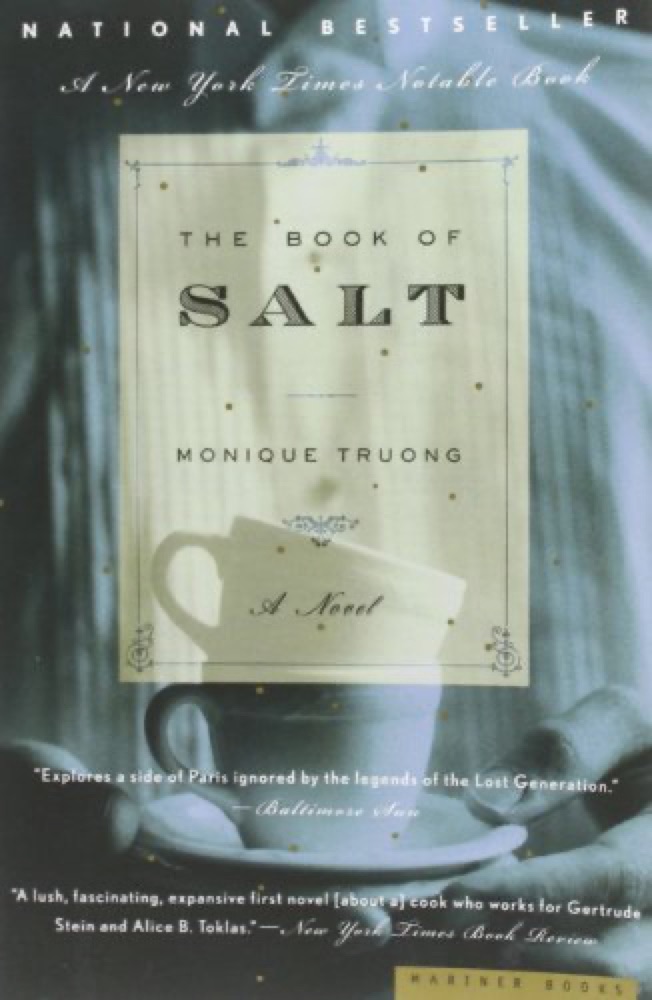 The Book of Salt
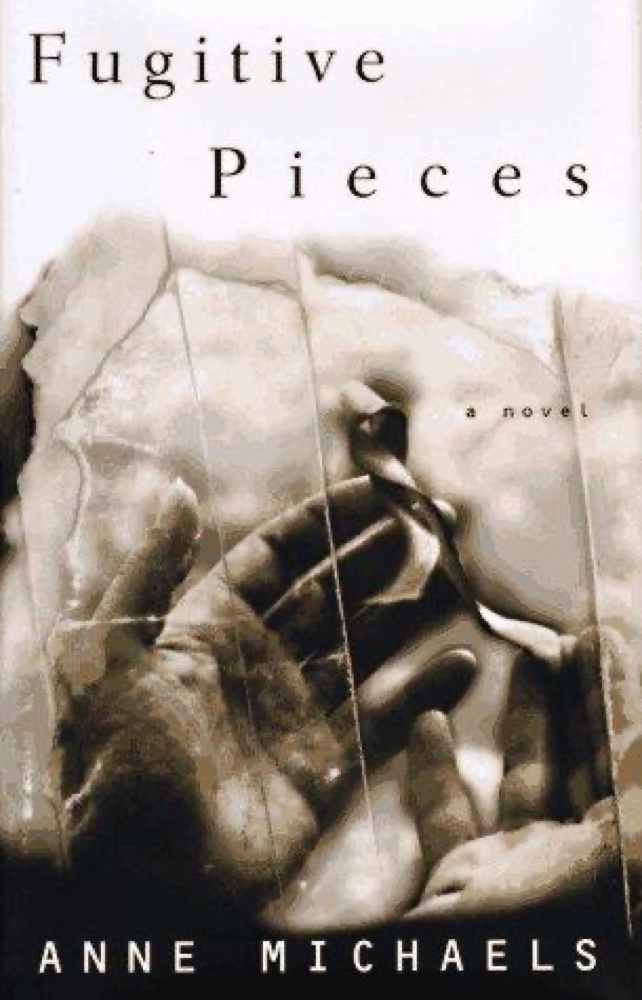 Fugitive Pieces
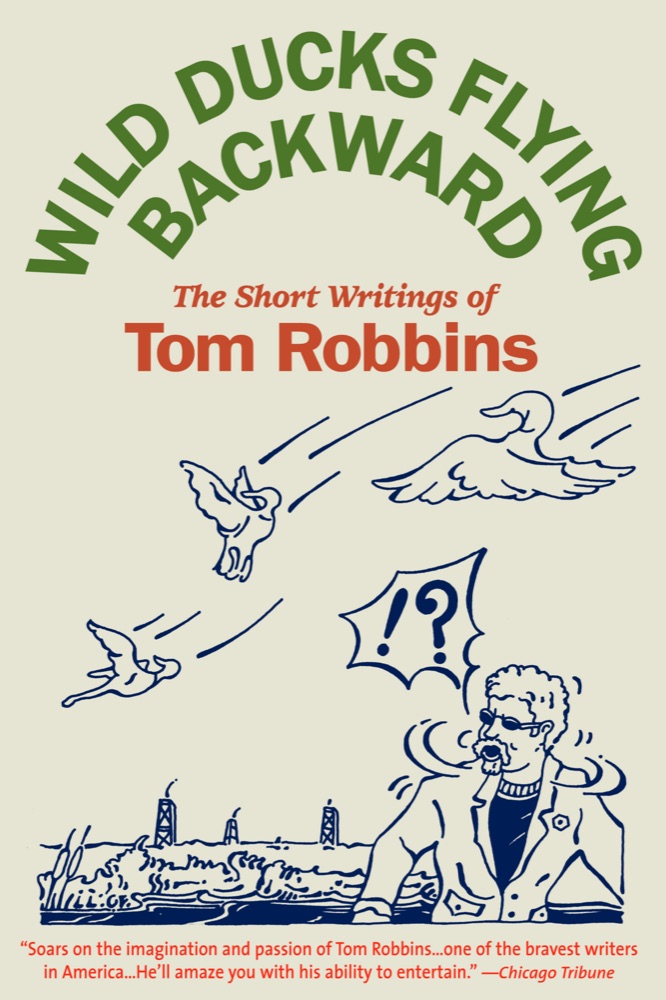 Wild Ducks Flying Backward
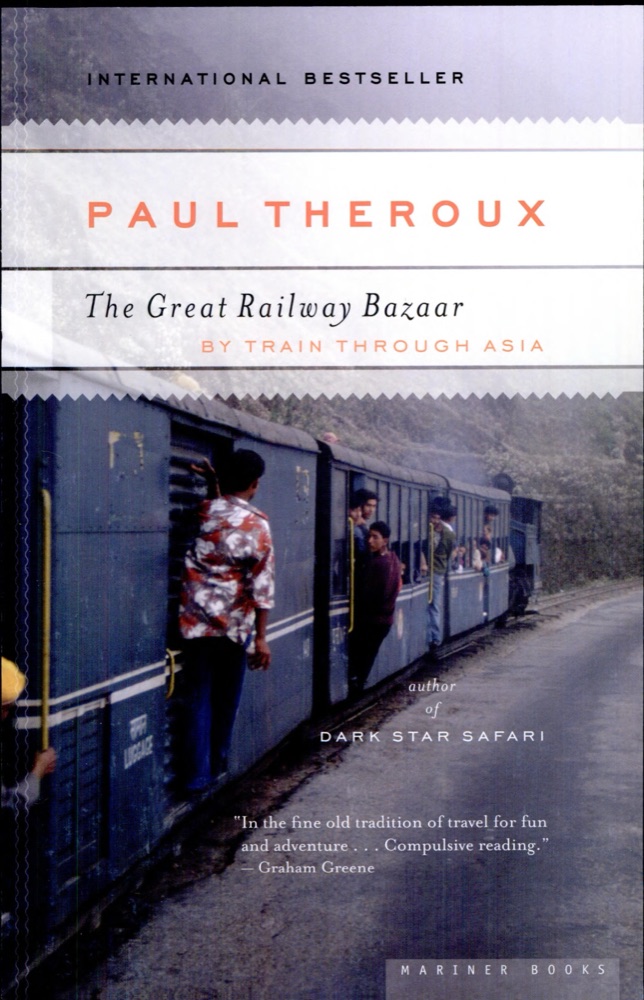 The Great Railway Bazaar
 The Good Girl's Guide to Getting Lost: A Memoir of Three Continents, Two Friends, and One Unexpected Adventure
 Wanderlust
 Beautiful Ruins
 The World and Other Places: Stories
 North of Beautiful
 The Bronzed Beasts
 Let the Great World Spin
 Tibetan Peach Pie
 Sixty Stories
 Chocolat
 The Cat's Table
 Pilgrim at Tinker Creek
 Lost in Translation: A Life in a New Language
 Wanderlove
 Winter
 The Sea, the Sea
 Selected Stories
 South of Broad
 The Journey Home: Some Words in Defense of the American West
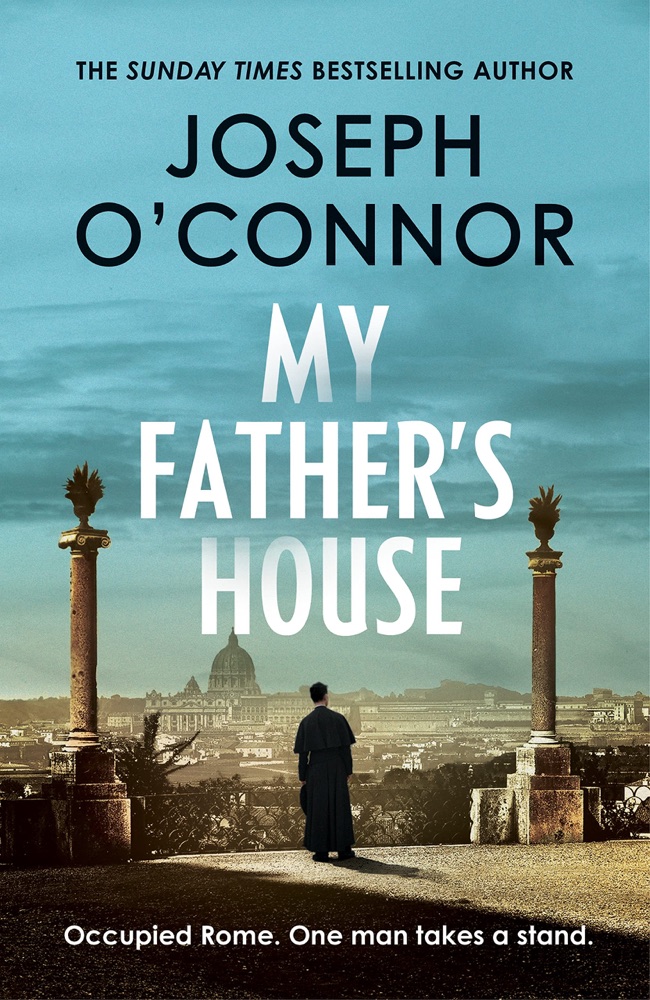 My Father's House
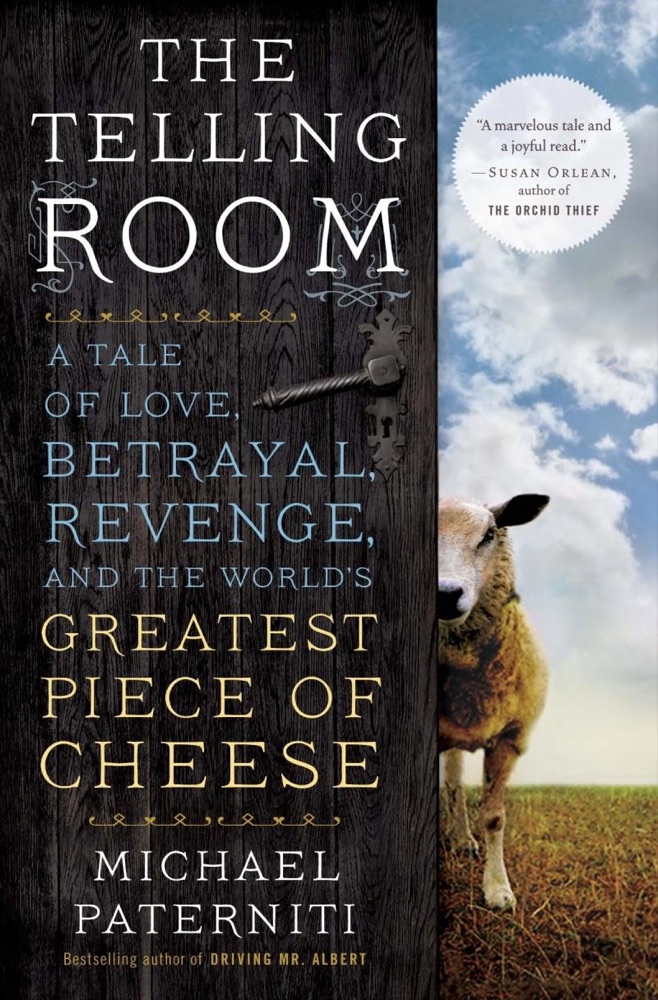 The Telling Room: A Tale of Love, Betrayal, Revenge, and the World's Greatest Piece of Cheese
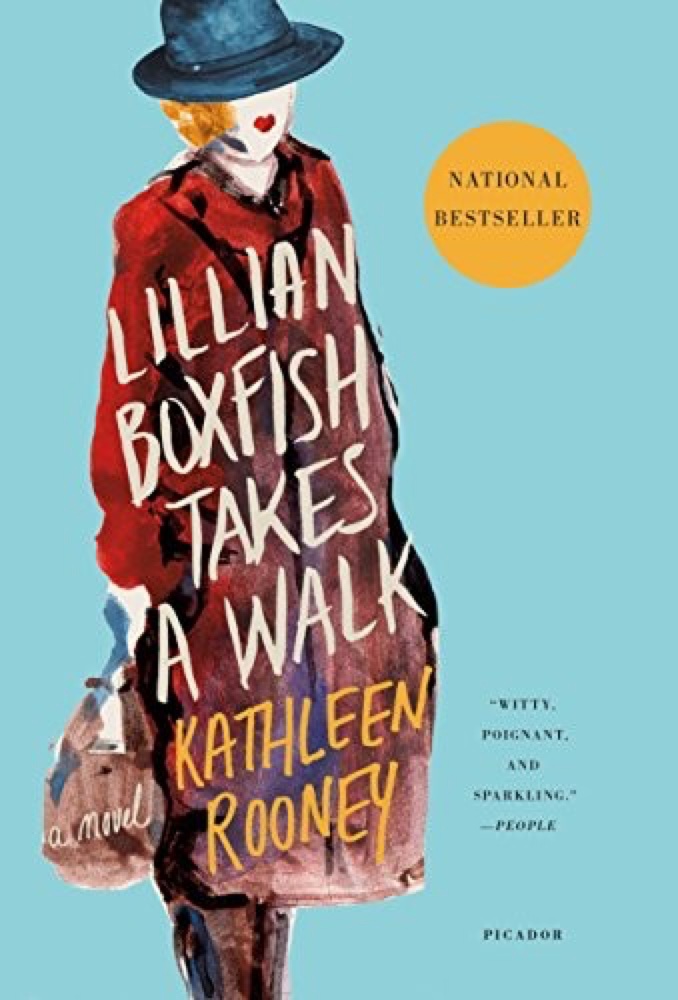 Lillian Boxfish Takes a Walk
 A Coney Island of the Mind
 Johnny Panic and the Bible of Dreams: Short Stories, Prose and Diary Excerpts
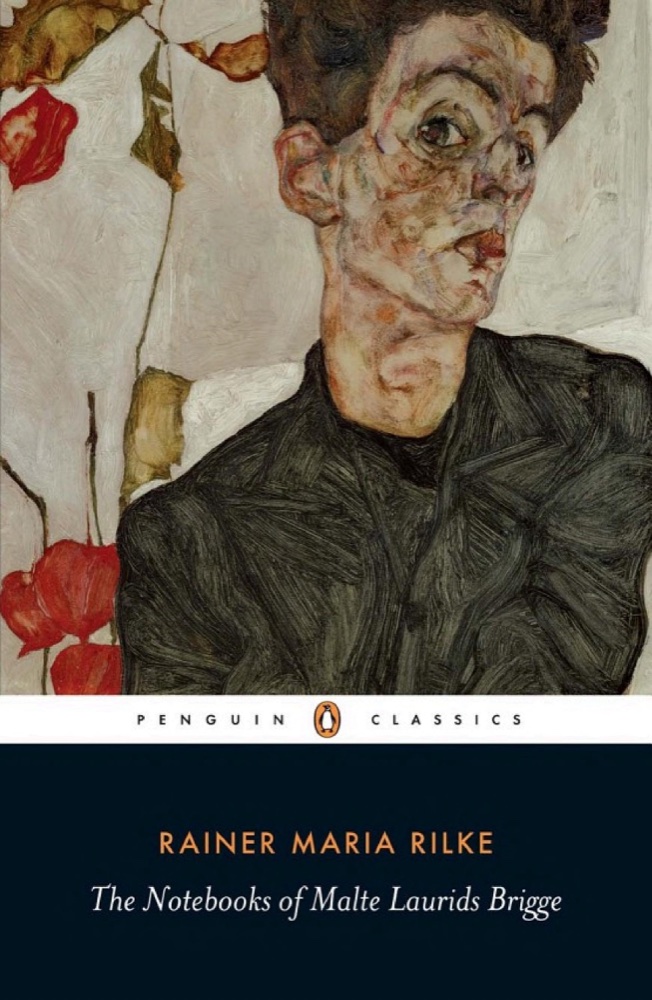 The Notebooks of Malte Laurids Brigge
 Brideshead Revisited: The Sacred and Profane Memories of Captain Charles Ryder
 The Abundance