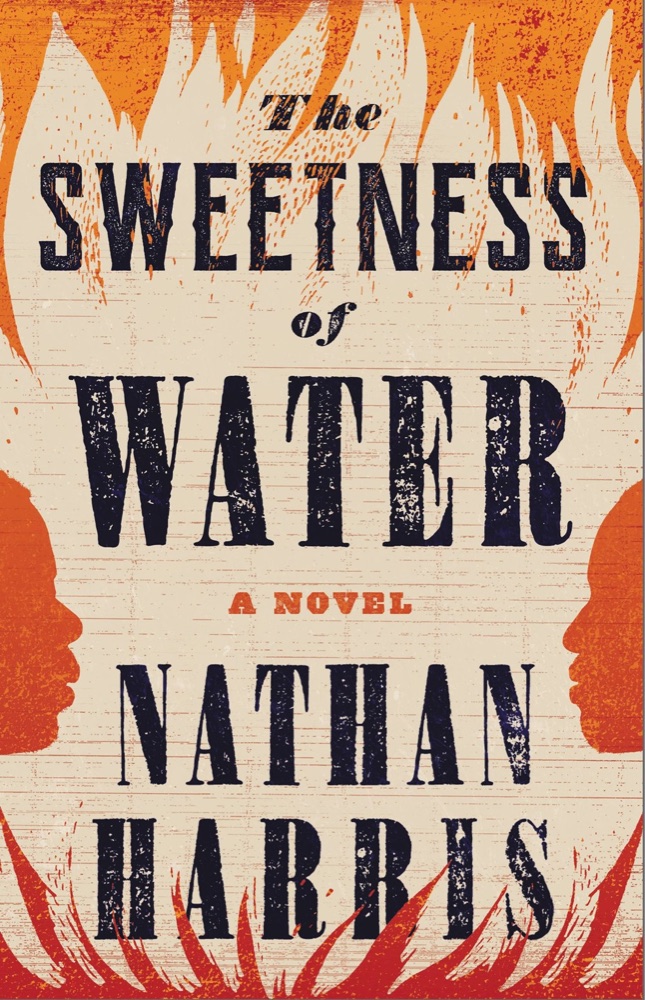

 Mohawk
Quotes from the Book
...perhaps that was the great ill of the world, that those prone to evil were left untouched by guilt to a degree so vast that they might sleep through a storm, while better men, conscience-stained men, lay awake as though that very storm persisted unyieldingly in the furthest reaches of their soul.
10
Maybe with time there were parts of the past that could be forgotten, their sway over him toppled, but there would always be certain memories that survived the fall and stood amid the rubble. Monuments of loss.
8
...each day of each year, a man might imagine a tree in his mind. The tree, upon doing good in the world, could grow strong and thick, but with each poor decision, rot would start to sprout -- gnarled roots at its base, limp branches that snapped with the lightest touch. At the end of any given period -- a month, a year -- it was wise to consider the growth of one's tree, and the decisions you had made that led it there. It was yours to let grow or die.
7
They sat in silence, and George found their aversion to speaking welcome. Other than his wife [Isabelle], they seemed like the only individuals he'd come upon in some time who would rather leave a moment naked than tar it with wasted words.
7
I can carry him, I've carried him my whole life.
6
And alongside this decision there was some forfeiture in the thought he found unsettling: that for every pound of weight they’d carried across their backs, for every drop of sweat that had poured off, no inch of this land was theirs. As long as they stayed, they were no better than the others, kept on the borders of town, hidden among the trees just like their brothers and sisters. And it grew clear that the only path to a life worth living would be found elsewhere, where they might not have more but could not possibly have less.
5
These were just inventions, of course, and she [Isabelle] lived knowing, quite well, that such things were not promised to her. She might hope for more but had long ago learned to live with whatever came to pass. Yet sometimes--just sometimes--hope was enough.
4
to explain a world of cruelty that had also carried in it the great joy of watching his mother at the mercy of Little James’s fiddle on a Sunday afternoon, the miracle of a fresh tick mattress, the sweetness of water after a day spent picking in the fields?
3
Her beauty was secondary to the strength of her character, the fortitude in which she housed her beliefs,
3
You know,” George said, “when I look in the mirror in the morning I see a miserable old bastard looking back at me. Yet when I see you, I take great comfort, knowing how much progress I have left to make on that same path.
3
she lived knowing, quite well, that such things were not promised to her. She might hope for more but had long ago learned to live with whatever came to pass. Yet sometimes—just sometimes—hope was enough.
2
Many a thinker had devoted himself to questions of aging and death, yet the thinkers died at the same rate as the idiots, and
2
After that she’d had to face life by herself, to brave it anew each morning upon waking, and to continue without knowing where the journey might lead her, if anywhere at all.
2
Society made exceptions in matters of great beauty.
2
...it dawned on him [Landry] that there was less to fear than he'd once imagined, which was maybe a truth he'd long wished to believe--that all danger carried the faint trace of comfort, all wrongs the hint of what may be right.
2
Early on, this inactivity was a pulsing shame. She sensed her old self, the dutiful and productive self, knocking at her conscience, begging to be let back into her life. But this feeling passed, and what took its place was something akin to bliss.
2
The present thunders on while the past is a wound untended, unstitched, felt but never healed.
1
The man had sparse, oily hair parted down the center and that particular style of wiry, unkempt mustache that reached so far from his face it seemed liable to attack passersby.
1
This man was an individual, Prentiss now saw, entirely different from himself. It wasn’t his cunning, or the evil coursing through him, but his confidence—the surfeit of knowledge in his broad smile, which indicated that although his son had been accused of a cold-blooded murder, everything in the world was aligned to ease his livelihood, no matter who, or what, got in the way. “Might
1
Don't hide this pain either, I want you to carry what you've done.
1
Clementine looked at Prentiss a final time, not in shame but as if to say, "This is what I will do for you.
1
feeling passed, and what took its place was something akin to bliss. Sitting on the porch with Mildred was not a respite from another task but a way to spend the day. Cleaning the kitchen could wait until tomorrow; dusting George’s study could wait a lifetime. There were stretches where she did not even bathe. A life without motion, without expectations—it was the secret she kept from the outside world, for no one else comprehended the great joy in abandonment, in giving up and starting over with a blank page, a page that might never be filled.
1
that all danger carried the faint trace of comfort, all wrongs the hint of what may be right. How else to explain a world of cruelty that had also carried in it the great joy of watching his mother at the mercy of Little James’s fiddle on a Sunday afternoon, the miracle of a fresh tick mattress, the sweetness of water after a day spent picking
1
He could think only of the rituals. Not his own people’s, but those he’d heard of on other plantations. Men and women gathering when certain stars aligned and heating clay, smearing themselves whole, dancing naked, first in unison but then alone, twirling endlessly, as though if they twirled fast enough they might spin themselves right into the ground and return to the earth.
1
She thought of Caleb—the cruelty of his absence. How on days like this in his boyhood, rife with silence, they had once huddled together on the couch, suspending all else in store for the day in favor of each other’s company. Before long coffee would be brewed, and the house would find heat as though created purely by the words they shared, the laughter between them, and the day would draw to a close without either noticing.
1
When they hugged, when he held the shape of her against him, he felt like a boy again, and wished he could draw upon that feeling on command for the rest of his time alive.
1
You claim you itching to get started, Mr. Walker, but from what I seen I’d hazard you ain’t worked a day in your life.
1
Having returned from the war in one piece, Caleb apparently didn't realize how these situations so often ended. No reunion. No resolution. Instead, the spark of life that connects you to the other you cherish simply dims and then goes black entirely. The present thunders on while the past is a wound untended, unstitched, felt but never healed.
1
It’s rare for your father to find fellow travelers. Those two boys are outsiders. They understand him. And he them.
1
Watch on YouTube
About Nathan Harris
We have collected 29 quotes from 1 book by Nathan Harris on BookQuoters.
More about the author →About the book
In the spirit of The Known World and The Underground Railroad, a profound debut about the unlikely bond between two freedmen who are brothers and the Georgia farmer whose alliance will alter their lives, and his, forever.
In the waning days of the Civil War, brothers Prentiss and Landry—freed by the Emancipation Proclamation—seek refuge on the homestead of George Walker and his wife, Isabelle. The Walkers, wracked by the loss of their only son to the war, hire the brothers to work their farm, hoping through an unexpected friendship to stanch their grief. Prentiss and Landry, meanwhile, plan to save money for the journey north and a chance to reunite with their mother, who was sold away when they were boys.
Parallel to their story runs a forbidden romance between two Confederate soldiers. The young men, recently returned from the war to the town of Old Ox, hold their trysts in th
Book details
- First published
- 2021
- Author
- Nathan Harris
- Genre
- Historical
- Goodreads rating
- 4.14 (63k ratings)
The buzz
- The New York TimesReview in The New York Timesprofessional review (via Book Marks)
- The Washington PostReview in The Washington Postprofessional review (via Book Marks)
- NPRReview in NPRprofessional review (via Book Marks)
- Kirkus ReviewsReview in Kirkus Reviewsprofessional review (via Book Marks)
- Publishers WeeklyReview in Publishers Weeklyprofessional review (via Book Marks)
- BooklistReview in Booklistprofessional review (via Book Marks)
Keep reading
Mohawk
 The Prophets
 The Brutal Telling
 One of Ours
 The Long Way Home
 Another Country
 The Daughter of Doctor Moreau
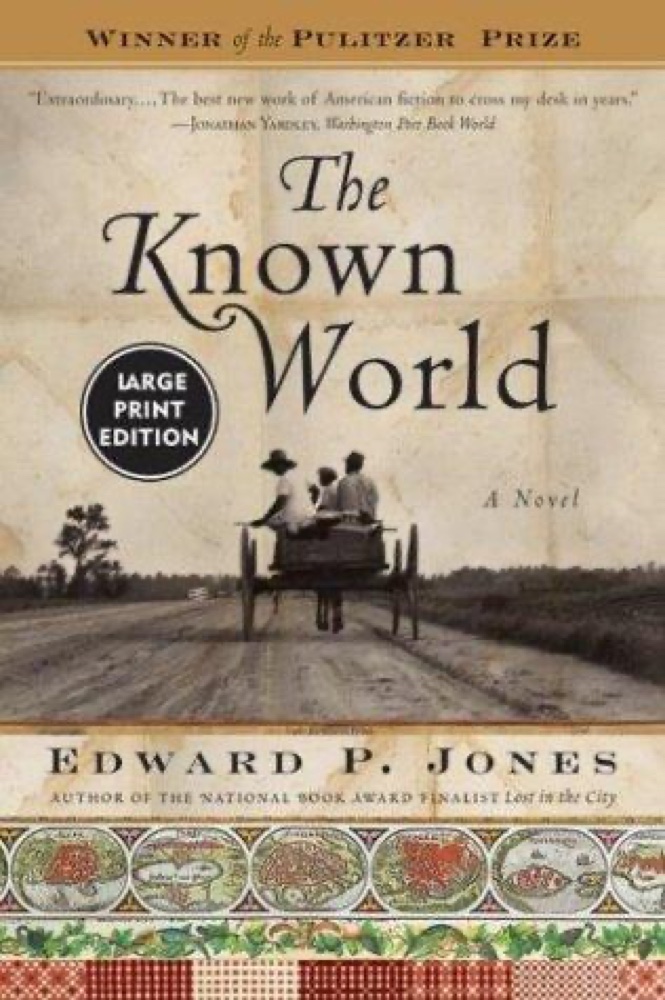 The Known World
 The Orchardist
 The Stories of John Cheever
 Cold Mountain
 Unaccustomed Earth
 Fire Shut Up in My Bones: A Memoir
 The Master
 The Whisper Man
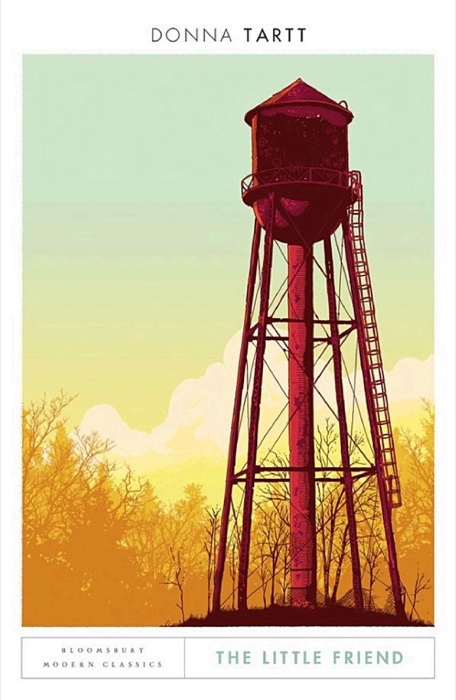 The Little Friend
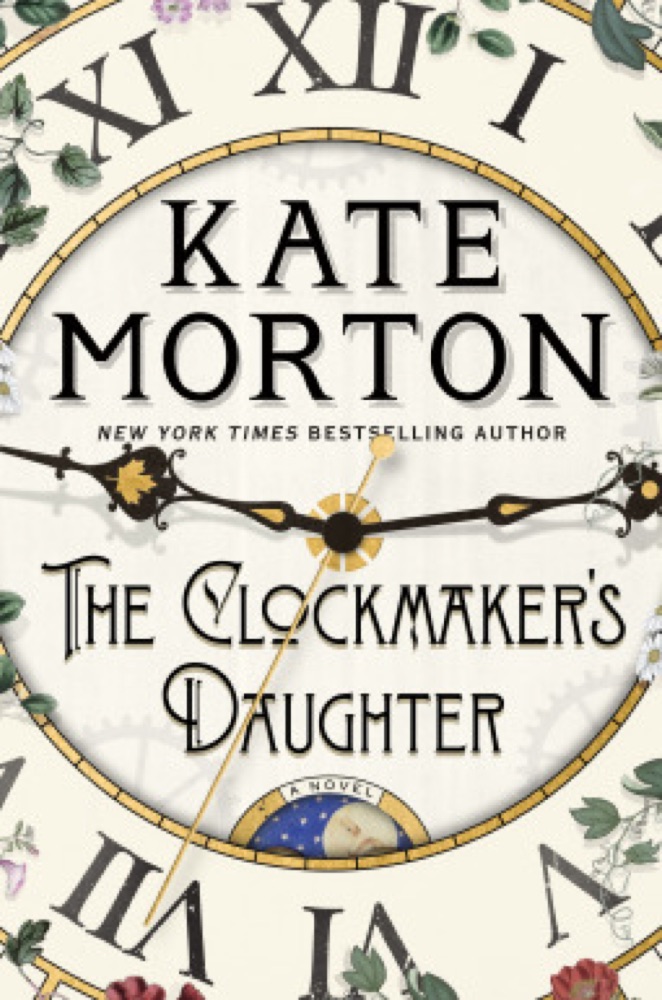 The Clockmaker's Daughter
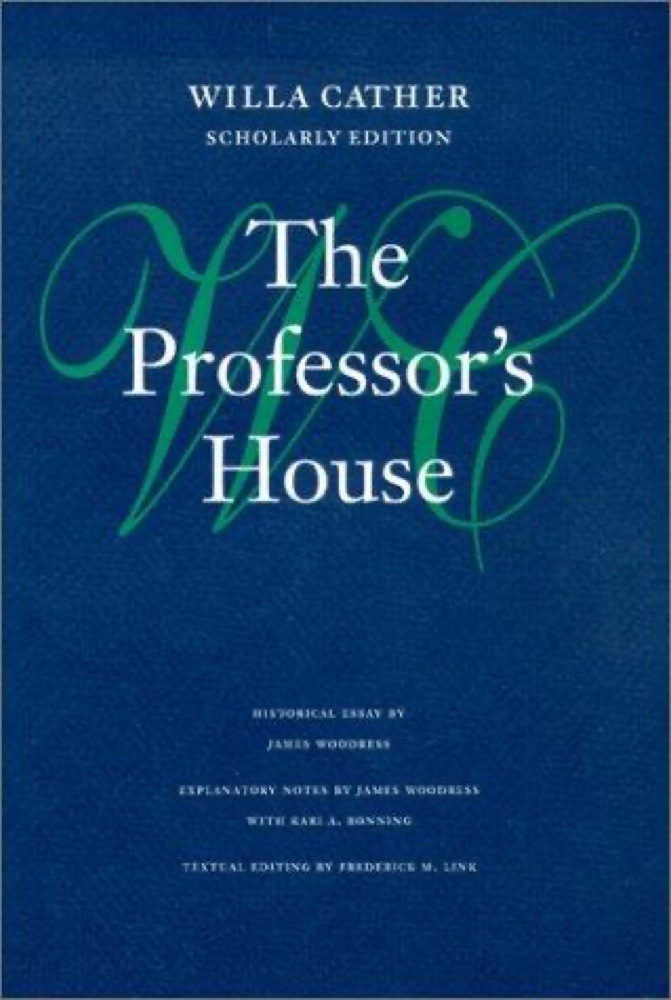 The Professor's House
 Jeremy Poldark
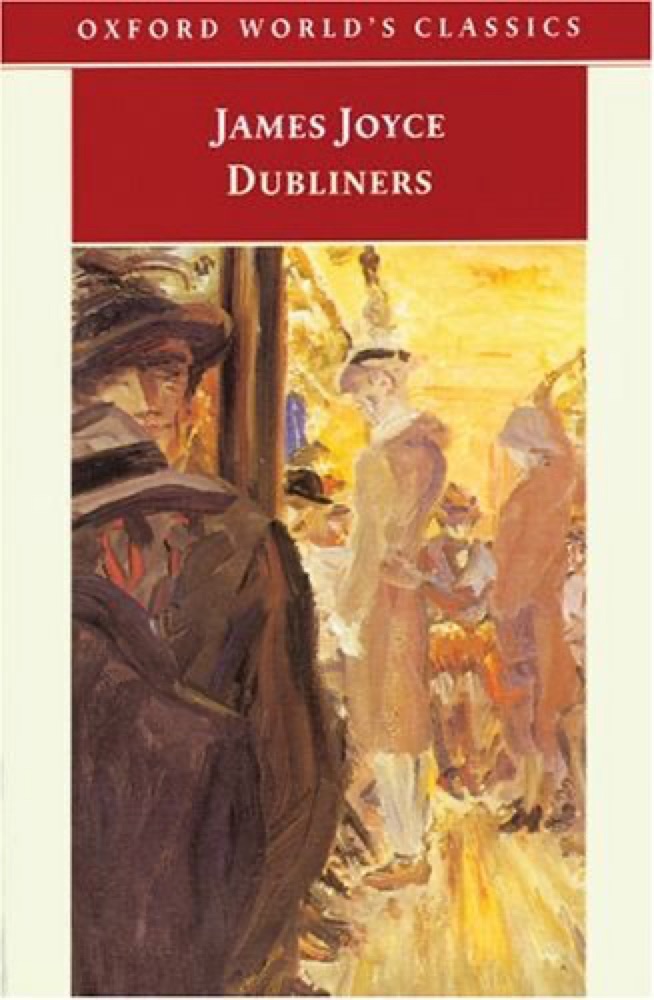 Dubliners
 Powers
 The Ministry of Fear
 This Strange Eventful History
 The Damnation Game
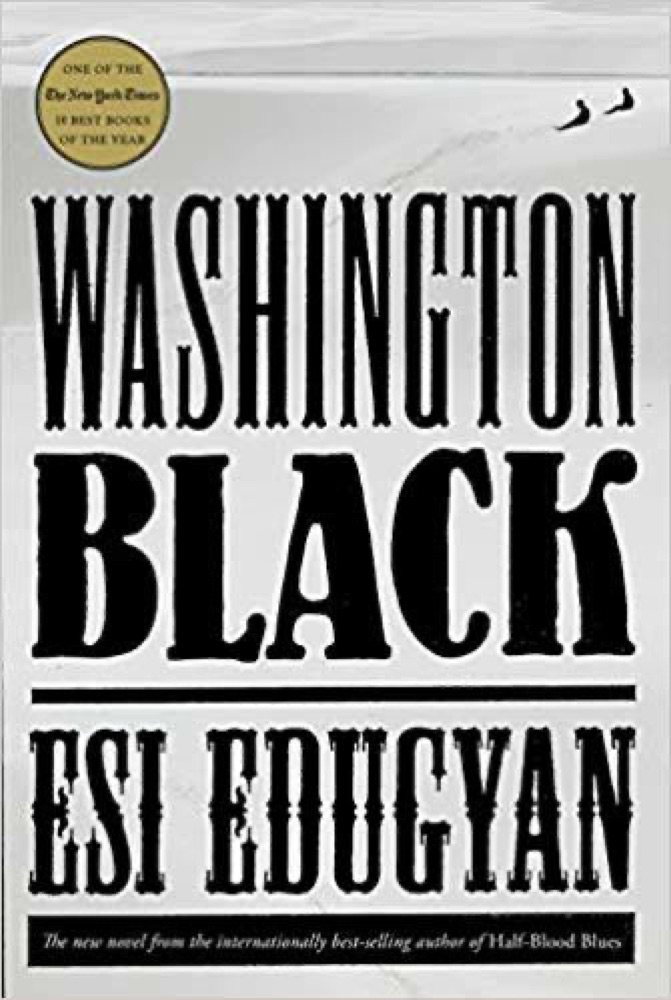 Washington Black
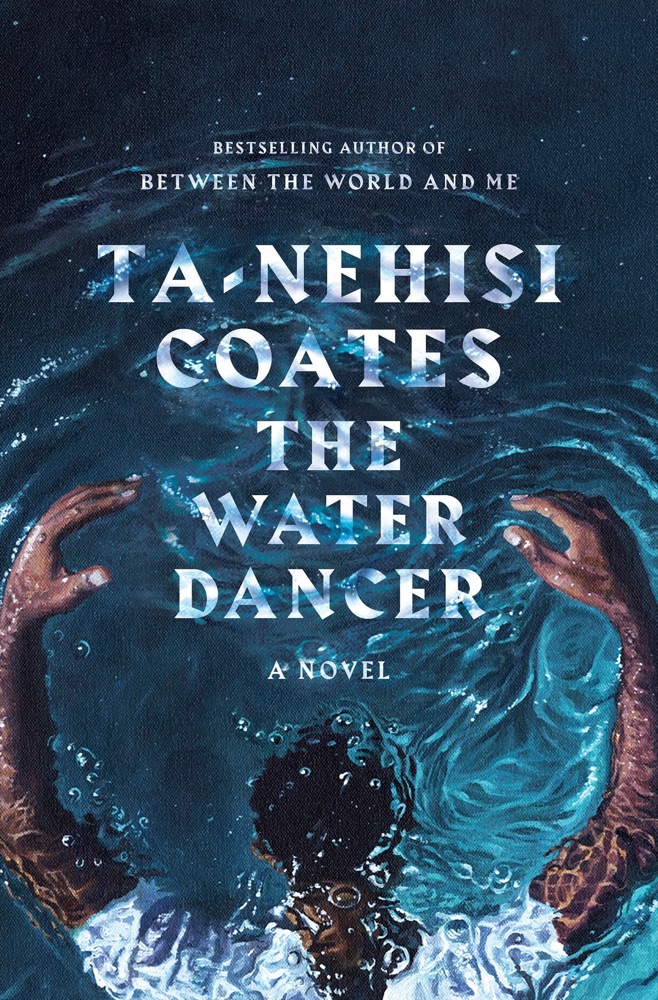 The Water Dancer
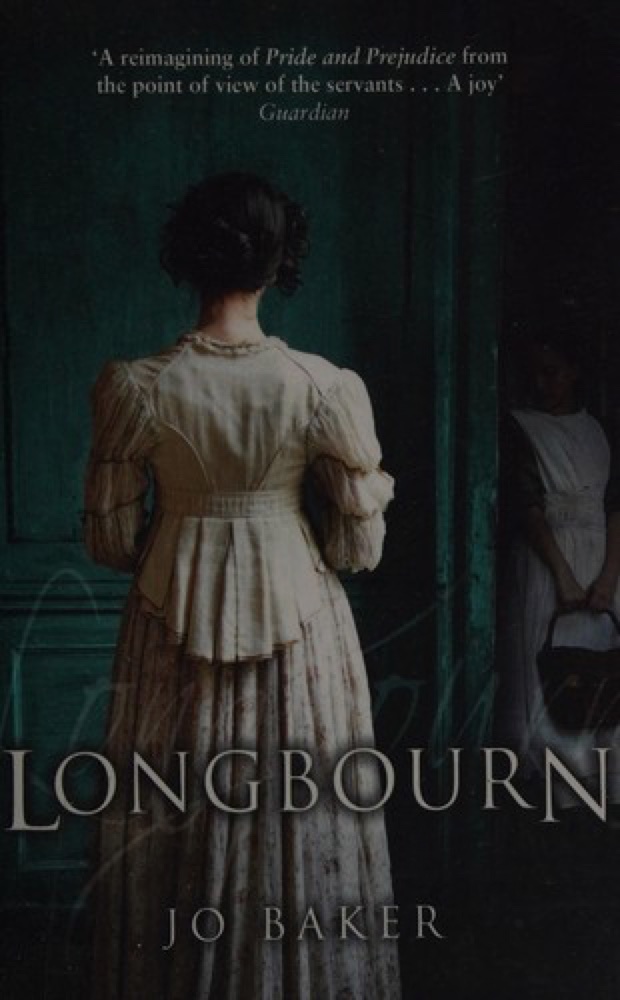 Longbourn
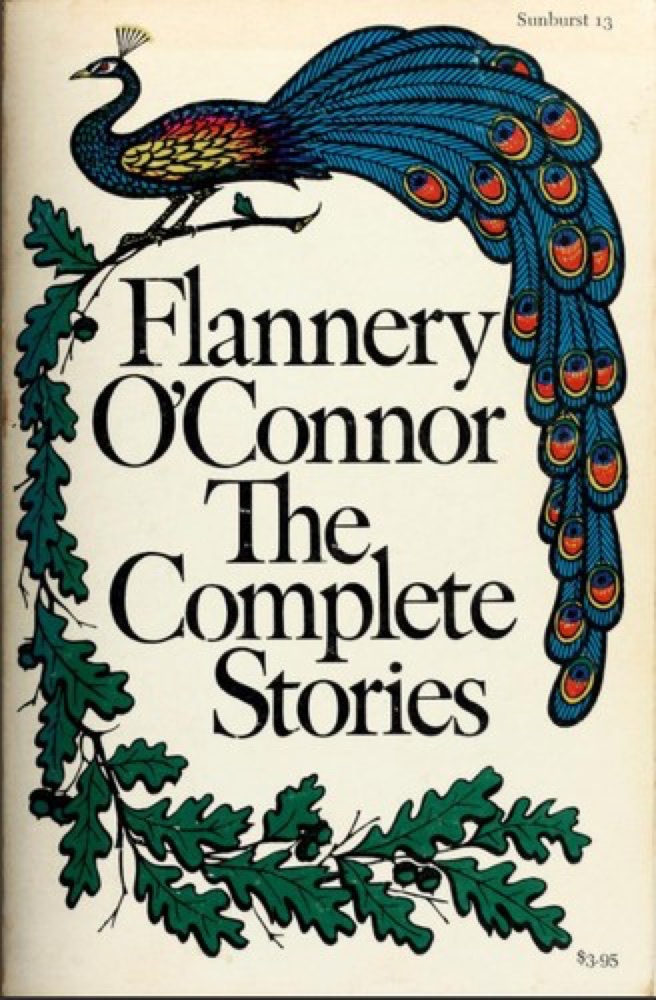 The Complete Stories
 The Prince of Tides
 The Unvanquished
 Lincoln in the Bardo
 Old God's Time
 Harvesting the Heart
 Down Cemetery Road
 A Thousand Moons
 Remembering
 The Round House
 TransAtlantic
 Messenger
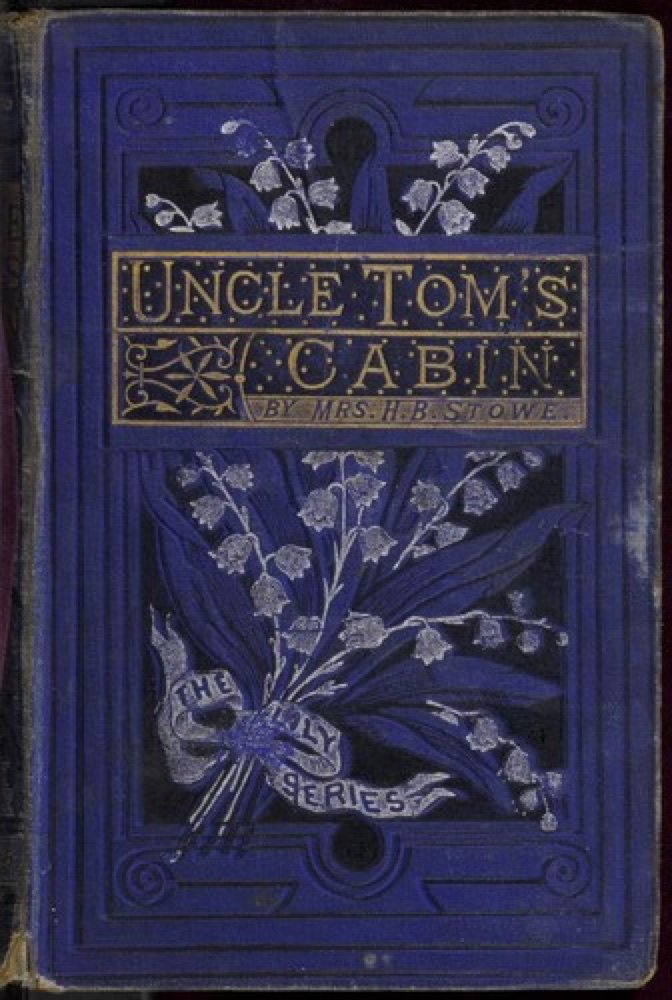 Uncle Tom's Cabin
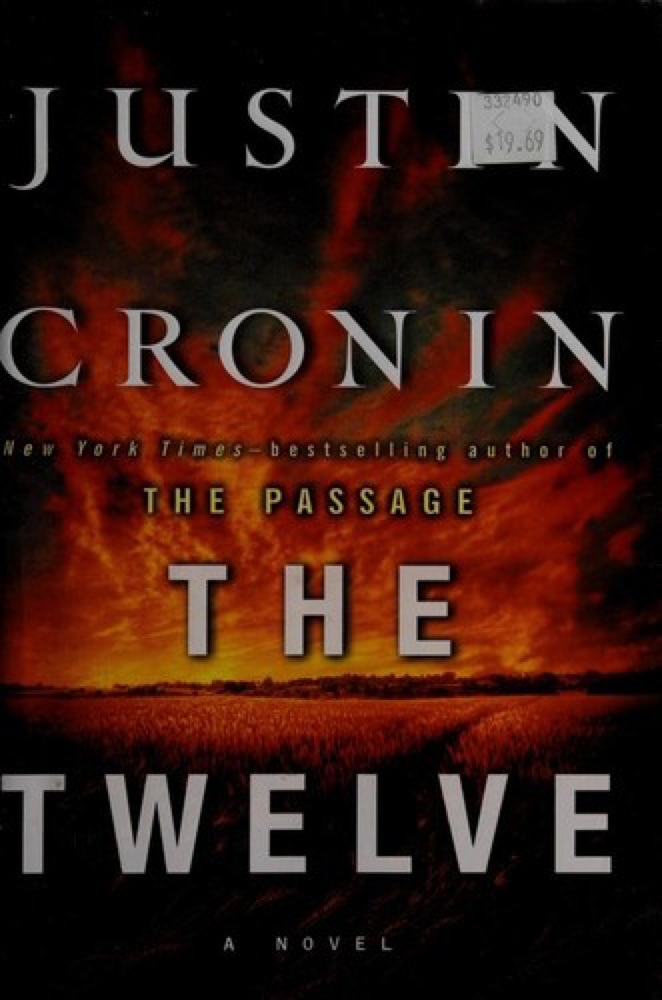 The Twelve
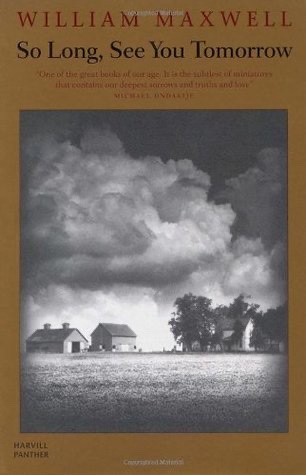 So Long, See You Tomorrow
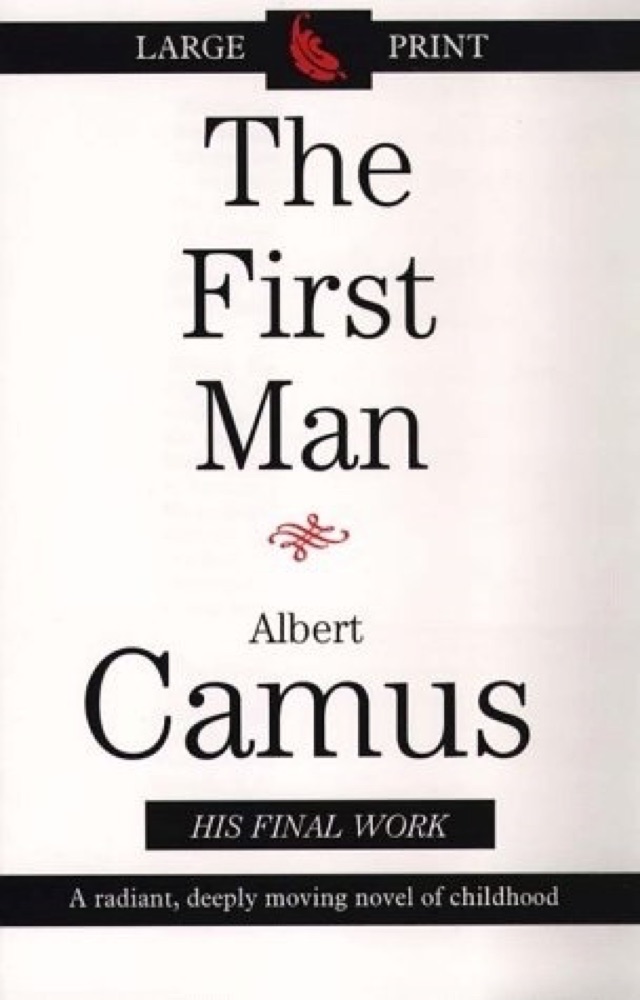 The First Man
 Lethal White
 The Corrections
 Death Watch
 We Are Not Ourselves
 The Shipping News
 Green Dolphin Street
 Testament of Youth
 The Inheritance of Loss
 The Proposal
 A Rule Against Murder
 Little Dorrit
 The Passage
 Light in August
 Time of the Child
 Dombey and Son
 Weaveworld
 Brick Lane