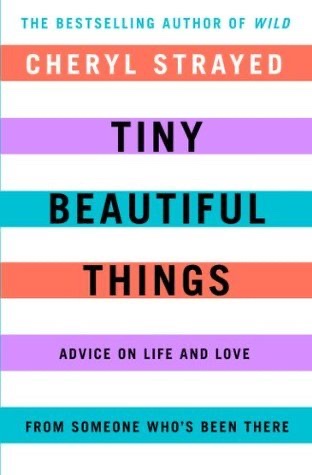
 Tiny Beautiful Things: Advice on Love and Life from Dear Sugar
Quotes from the Book
What if I forgave myself? I thought. What if I forgave myself even though I'd done something I shouldn't have? What if I was a liar and a cheat and there was no excuse for what I'd done other than because it was what I wanted and needed to do? What if I was sorry, but if I could go back in time I wouldn't do anything differently than I had done? What if I'd actually wanted to fuck every one of those men? What if heroin taught me something? What if yes was the right answer instead of no? What if what made me do all those things everyone thought I shouldn't have done was what also had got me here? What if I was never redeemed? What if I already was?
I knew that if I allowed fear to overtake me, my journey was doomed. Fear, to a great extent, is born of a story we tell ourselves, and so I chose to tell myself a different story from the one women are told. I decided I was safe. I was strong. I was brave. Nothing could vanquish me.
How wild it was, to let it be.
The universe, I'd learned, was never, ever kidding. It would take whatever it wanted and it would never give it back.
I’m a free spirit who never had the balls to be free.
Alone had always felt like an actual place to me, as if it weren’t a state of being, but rather a room where I could retreat to be who I really was.
It had nothing to do with gear or footwear or the backpacking fads or philosophies of any particular era or even with getting from point A to point B. It had to do with how it felt to be in the wild. With what it was like to walk for miles with no reason other than to witness the accumulation of trees and meadows, mountains and deserts, streams and rocks, rivers and grasses, sunrises and sunsets. The experience was powerful and fundamental. It seemed to me that it had always felt like this to be a human in the wild, and as long as the wild existed it would always feel this way.
The father’s job is to teach his children how to be warriors, to give them the confidence to get on the horse to ride into battle when it’s necessary to do so. If you don’t get that from your father, you have to teach yourself.
It was all unknown to me then, as I sat on that white bench on the day I finished my hike. Everything except the fact that I didn't have to know. That is was enough to trust that what I'd done was true. To understand its meaning without yet being able to say precisely what it was, like all those lines from The Dream of a Common Language that had run through my nights and days. To believe that I didn't need to reach with my bare hands anymore. To know that seeing the fish beneath the surface of the water was enough. That it was everything. It was my life - like all lives, mysterious and irrevocable and sacred. So very close, so very present, so very belonging to me. How wild it was, to let it be.
There's no way to know what makes one thing happen and not another. What leads to what. What destroys what. What causes what to flourish or die or take another course.
I was a terrible believer in things,but I was also a terrible nonbeliever in things. I was as searching as I was skeptical. I didn't know where to put my faith,or if there was such a place,or even what the word faith meant, in all of it's complexity. Everything seemed to be possibly potent and possibly fake.
I didn't get to grow up and pull away from her and bitch about her with my friends and confront her about the things I'd wished she'd done differently and then get older and understand that she had done the best she could and realize that what she had done was pretty damn good and take her fully back into my arms again. Her death had obliterated that. It had obliterated me. It had cut me short at the very heigh of my youthful arrogance. It had forced me to instantly grow up and forgive her every motherly fault at the same time that it kept me forever a child, my life both ended and begun in that premature place where we'd left off. She was my mother, but I was motherless. I was trapped by her, but utterly alone. She would always be the empty bowl that no one could full. I'd have to fill it myself again and again and again.
I'd finally come to understand what it had been: a yearning for a way out, when actually what I had wanted to find was a way in.
I didn't feel sad or happy. I didn't feel proud or ashamed. I only felt that in spite of all the things I'd done wrong, in getting myself here, I'd done right.
Fear, to a great extent, is born of a story we tell ourselves...
The thing about hiking the Pacific Crest Trail, the thing that was so profound to me that summer—and yet also, like most things, so very simple—was how few choices I had and how often I had to do the thing I least wanted to do. How there was no escape or denial. No numbing it down with a martini or covering it up with a roll in the hay. As I clung to the chaparral that day, attempting to patch up my bleeding finger, terrified by every sound that the bull was coming back, I considered my options. There were only two and they were essentially the same. I could go back in the direction I had come from, or I could go forward in the direction I intended to go.
I was amazed that what I needed to survive could be carried on my back. And, most surprising of all, that I could carry it.
I made it the mantra of those days; when I paused before yet another series of switchbacks or skidded down knee-jarring slopes, when patches of flesh peeled off my feet along with my socks, when I lay alone and lonely in my tent at night I asked, often out loud: Who is tougher than me? The answer was always the same, and even when I knew absolutely there was no way on this earth that it was true, I said it anyway: No one.
[Books] were the world I could lose myself in when the one I was actually living in became too lonely or harsh or difficult to bear.
God is not a granter of wishes. God is a ruthless bitch.
…the death of my mother was the thing that made me believe the most deeply in my safety: nothing bad could happen to me, I thought. The worst thing already had.
Fear begets fear. Power begets power. I willed myself to beget power. And it wasn't long before I actually wasn't afraid.
That my complicated life could be made so simple was astounding.
The amount that she loved us was beyond her reach. It could not be quantified or contained. It was the ten thousand named things in the Tao Te Ching’s universe and then ten thousand more. Her love was full-throated and all-encompassing and unadorned. Every day she blew through her entire reserve.
I was a pebble. I was a leaf. I was the jagged branch of a tree. I was nothing to them and they were everything to me.
Fear, to a great extent, is born of a story we tell ourselves, and so I chose to tell myself a different story from the one women are told. I decided I was safe. I was strong. I was brave. Nothing could vanquish me. Insisting on this story was a form of mind control, but for the most part, it worked.
I had diverged, digressed, wandered, and become wild. I didn't embrace the word as my new name because it defined negative aspects of my circumstances or life, but because even in my darkest days—those very days in which I was naming myself—I saw the power of the darkness. Saw that, in fact, I had strayed and that I was a stray and that from the wild places my straying had brought me, I knew things I couldn't have known before.
The clamor of 'What have I gotten myself into?' was a mighty shout. It could not be drowned out. The only possible distraction was my vigilant search for rattlesnakes. I expected one around every bend, ready to strike. The landscape was made for them, it seemed. And also for mountain lions and wilderness-savvy serial killers. But I wasn't thinking of them. It was a deal I'd made with myself months before and the only thing that allowed me to hike alone. I knew that if I allowed fear to overtake me, my journey was doomed. Fear, to a great extent, is born of a story we tell ourselves, and so I chose to tell myself a different story from the one women are told. I decided I was safe. I was strong. I was brave. Nothing could vanquish me. Insisting on this story was a form of mind control, but for the most part, it worked. Every time I heard a sound of unknown origin or felt something horrible cohering in my imagination, I pushed it away. I simply did not let myself become afraid. Fear begets fear. Power begets power. I willed myself to beget power. And it wasn't long before I actually wasn't afraid.
It seemed to me the way it must feel to people who cut themselves on purpose. Not pretty, but clean. Not good, but void of regret. I was trying to heal. Trying to get the bad out of my system so I could be good again. To cure me of myself.
Uncertain as I was as I pushed forward, I felt right in my pushing, as if the effort itself meant something. That perhaps being amidst the undesecrated beauty of the wilderness meant I too could be undesecrated, regardless of the regrettable things I'd done to others or myself or the regrettable things that had been done to me. Of all the things I'd been skeptical about, I didn't feel skeptical about this: the wilderness had a clarity that included me.
Did you know?
- The memoir recounts Cheryl Strayed's actual 1995 hike, though the book was not published until 2012.
- Strayed hiked roughly 1,100 miles of the Pacific Crest Trail from the Mojave Desert through California and Oregon to the Bridge of the Gods in Washington.
- Wild was the first selection for Oprah Winfrey's relaunched Oprah's Book Club 2.0 in 2012.
- The book reached number one on the New York Times bestseller list in July 2012.
- It was adapted into the 2014 film Wild, directed by Jean-Marc Vallee with a screenplay by Nick Hornby and Reese Witherspoon in the lead role.
- The memoir has been translated into dozens of languages.
About Cheryl Strayed
Cheryl Strayed (born Cheryl Nyland, September 17, 1968) is an American writer and podcast host who has lived in Portland, Oregon, since the mid-1990s. She is the author of the novel Torch (2006) and the nonfiction books Wild (2012), Tiny Beautiful Things (2012), and Brave Enough (2015), and wrote the anonymous advice column Dear Sugar.
More about the author →More by Cheryl Strayed
Tiny Beautiful Things: Advice on Love and Life from Dear Sugar
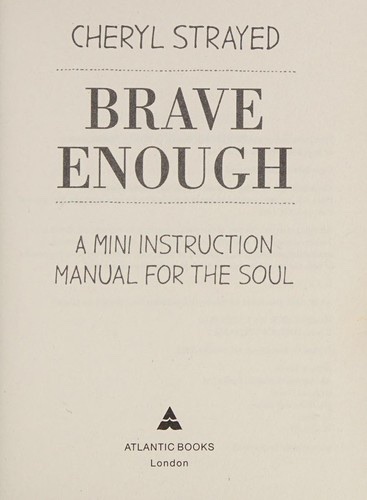 Brave Enough
About the book
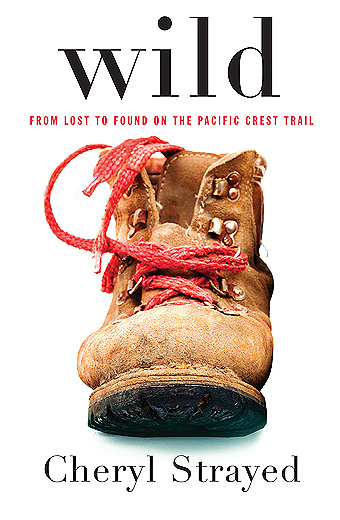
"Wild: From Lost to Found on the Pacific Crest Trail" is Cheryl Strayed's 2012 memoir of the roughly 1,100-mile solo hike she undertook along the Pacific Crest Trail in 1995, at the age of twenty-six. Reeling from the death of her mother from cancer, the disintegration of her family, the end of her marriage, and a period of drug use, Strayed set out with almost no backcountry experience to walk from the Mojave Desert in California through Oregon to the Bridge of the Gods in Washington.
The book braids the physical ordeal of the trail with flashbacks to the grief and self-destruction that drove her there. Its central themes are loss and recovery, self-reliance, and the way sustained hardship and solitude can become a form of healing. The hike is framed less as a triumphant adventure than as an act of survival and self-reckoning, told with unsparing honesty about her mistakes and her mourning.
"Wild" became an international bestseller and Oprah Winfrey's first pick for the relaunched Oprah's Book Club 2.0 in 2012, reaching number one on the New York Times bestseller list. It was translated into dozens of languages and adapted into the acclaimed 2014 film "Wild," cementing Strayed's reputation and helping spark wider popular interest in long-distance hiking and the memoir of self-transformation.
Book details
- First published
- 2012
- Length
- 336 pages
- Reading time
- 20 hours
- Author
- Cheryl Strayed
- Genre
- Nonfiction
- Goodreads rating
- 4.07 (882k ratings) →
- First line
- “I was alone. I was barefoot. I was twenty-six years old and an orphan too.”
Movie & TV adaptations
- IMDb
If you liked this, read…
- 1Eat, Pray, LoveAnother bestselling memoir of a woman using a long journey to recover from personal crisis.
- 2A Walk in the WoodsA first-person account of hiking a long American trail, in this case the Appalachian Trail.
- 3Tiny Beautiful ThingsCheryl Strayed's own collection of Dear Sugar columns, sharing her candid voice on loss and healing.
Keep reading
 Girl in the Woods: A Memoir
 Tracks: A Woman's Solo Trek Across 1700 Miles of Australian Outback
 Lucky
Lucky
 Dreams of Falling
 And the Mountains Echoed
 To Shake the Sleeping Self: A Journey from Oregon to Patagonia, and a Quest for a Life with No Regret
 One's Company
 A Room Made of Leaves
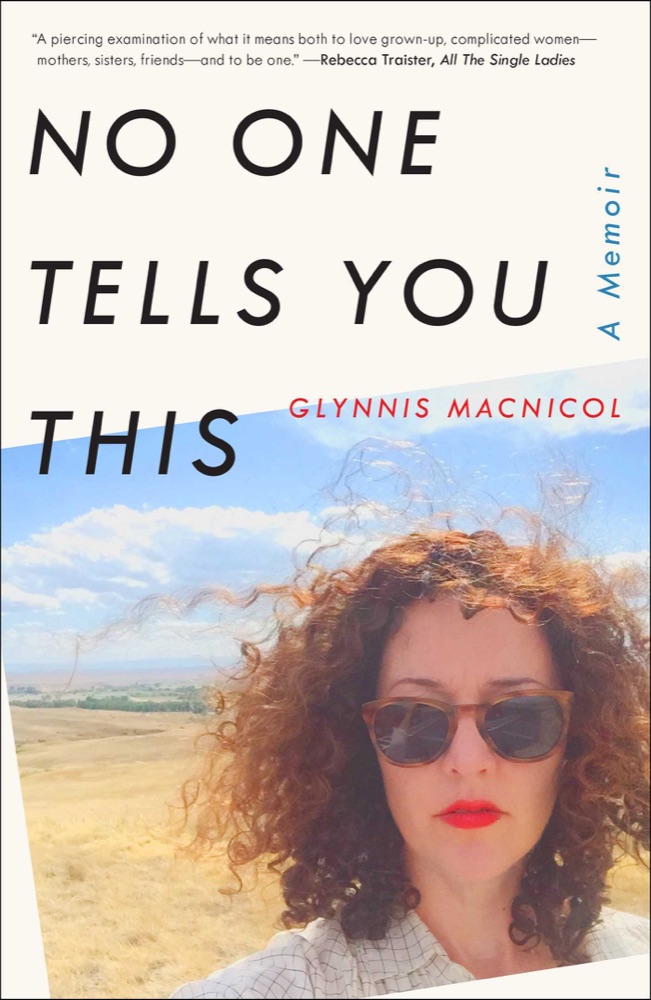 No One Tells You This
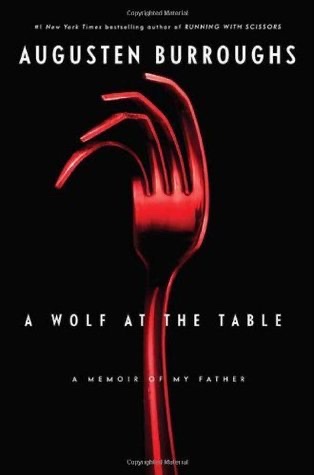 A Wolf at the Table
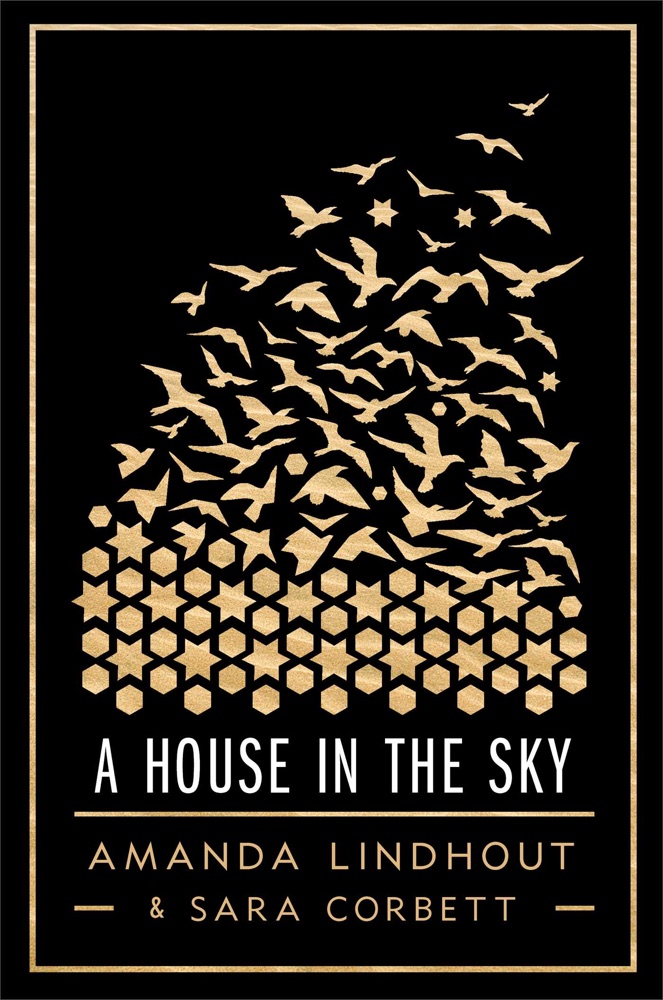 A House in the Sky
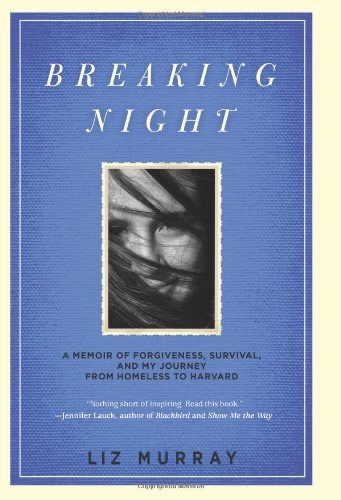 Breaking Night: A Memoir of Forgiveness, Survival, and My Journey from Homeless to Harvard
 The Tell: A Memoir
 Somebody's Daughter
 Stone Butch Blues
 Get Me Out of Here: My Recovery from Borderline Personality Disorder
 All But My Life: A Memoir
 Mother Mary Comes to Me
 Borne
Borne
 The Chronology of Water
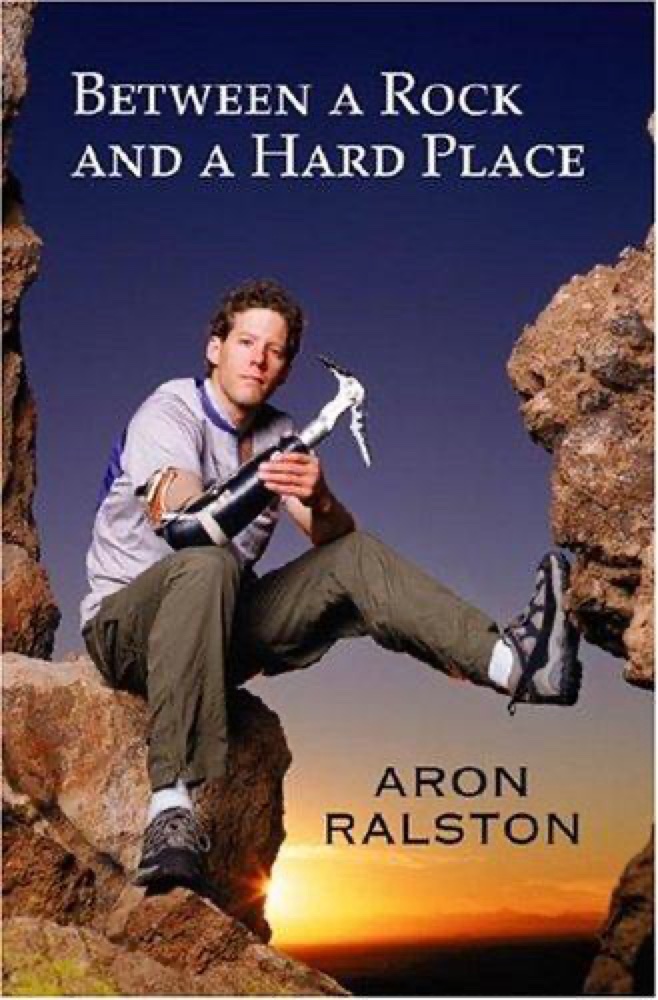 Between a Rock and a Hard Place
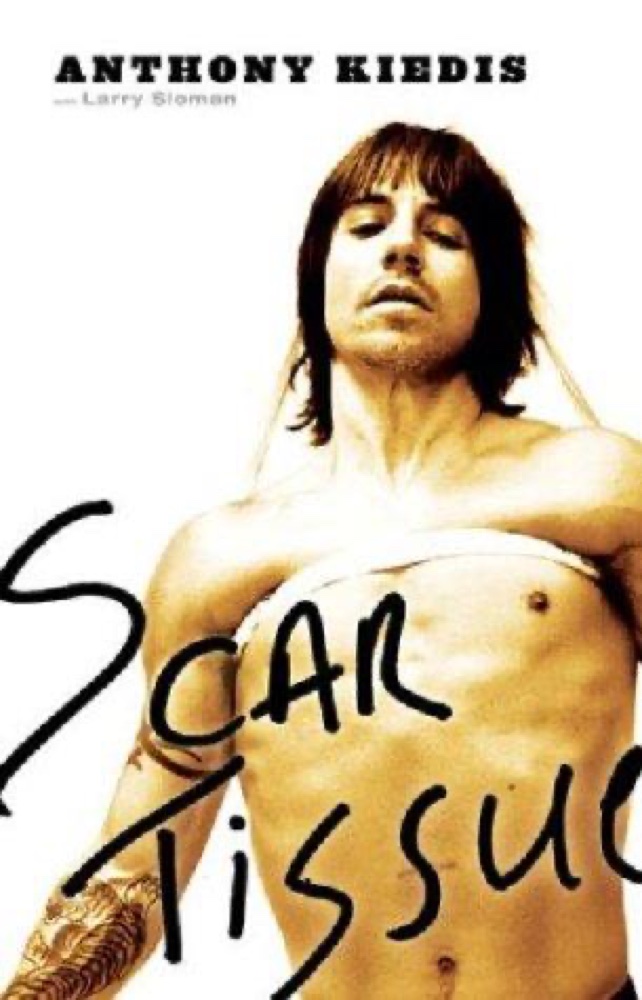 Scar Tissue
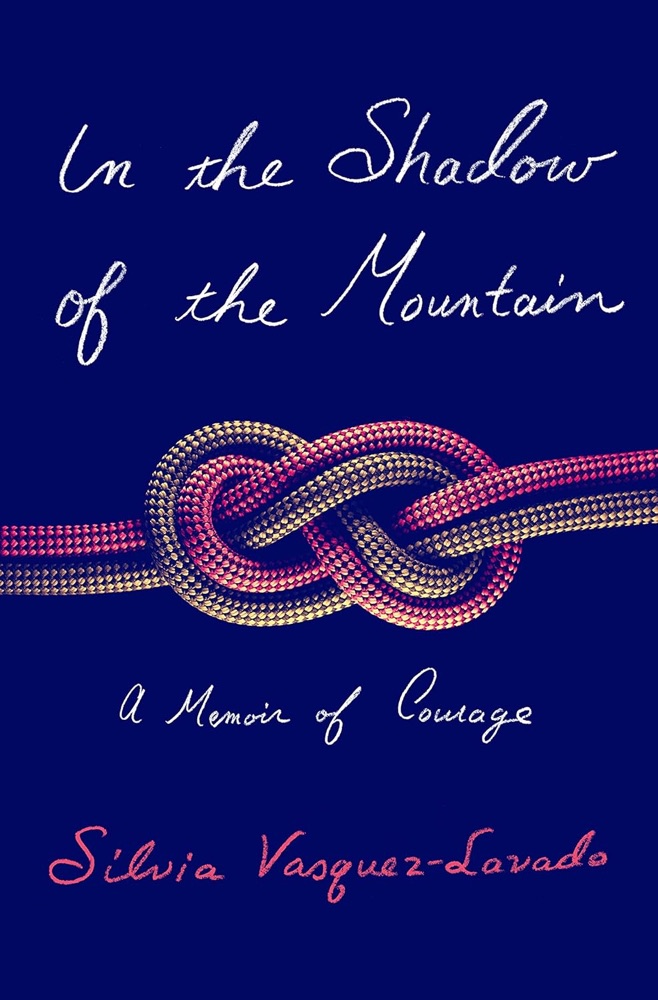 In the Shadow of the Mountain: A Memoir of Courage
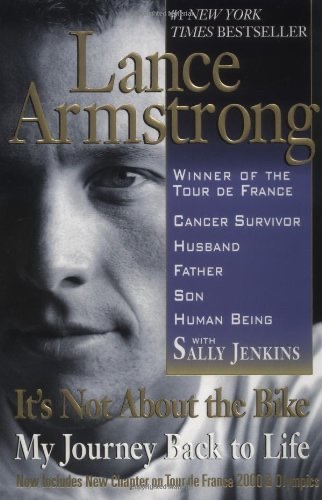 It's Not about the Bike: My Journey Back to Life
 Heart Berries
 All Fours
 After the Flood
 Underdog
 The Lies About Truth
 What I Was
 Tell the Wolves I'm Home
 The Hour I First Believed
 On Being Human: A Memoir of Waking Up, Living Real, and Listening Hard
 Miracle in the Andes
 The Pisces
 The Likeness
 The Wind-Up Bird Chronicle
 The First Time She Drowned
 Devotion
 The Girl Who Smiled Beads: A Story of War and What Comes After
 The Twelve Kingdoms: Skies of Dawn
 In My Dreams I Hold a Knife
 White Oleander
 Without Reservations: The Travels of an Independent Woman
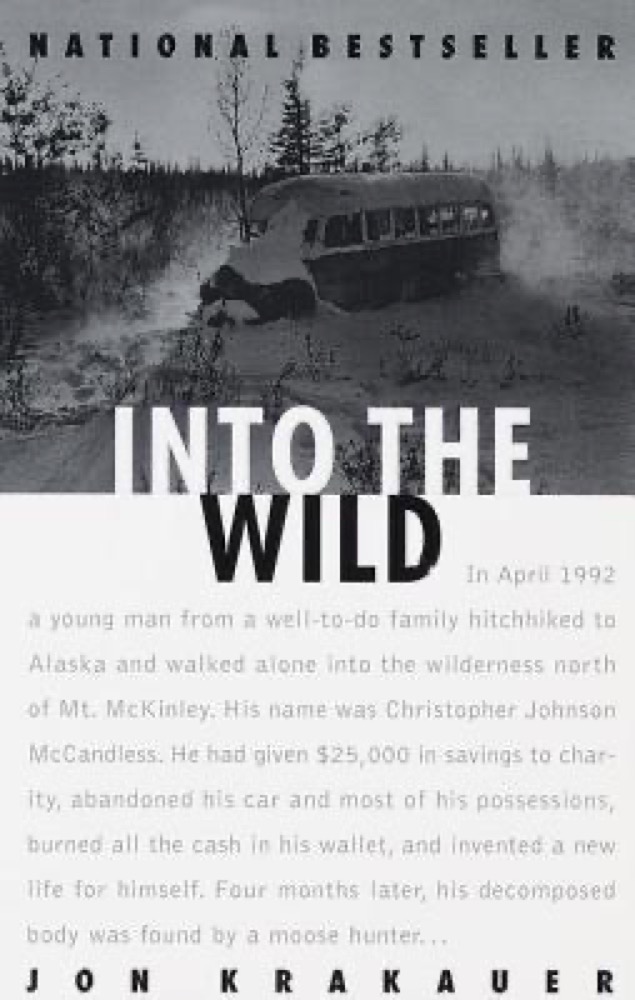 Into the Wild
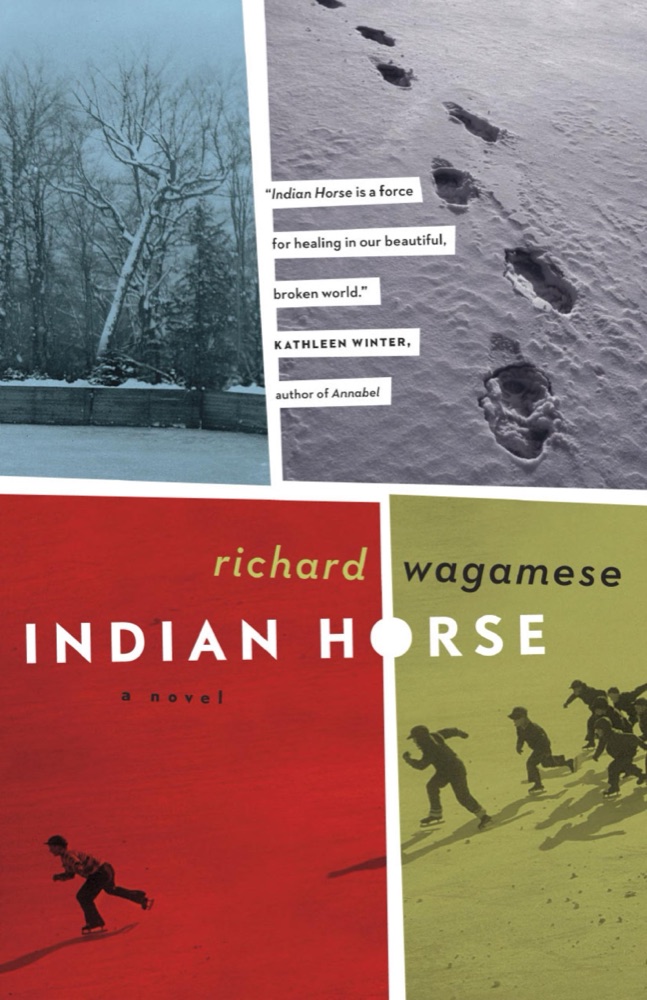 Indian Horse
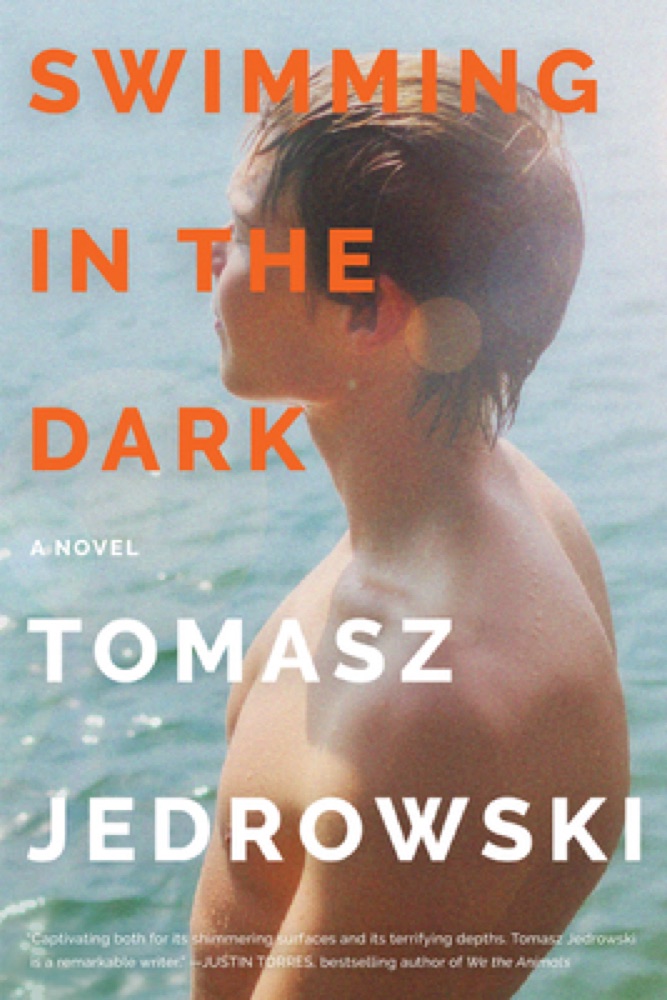 Swimming in the Dark
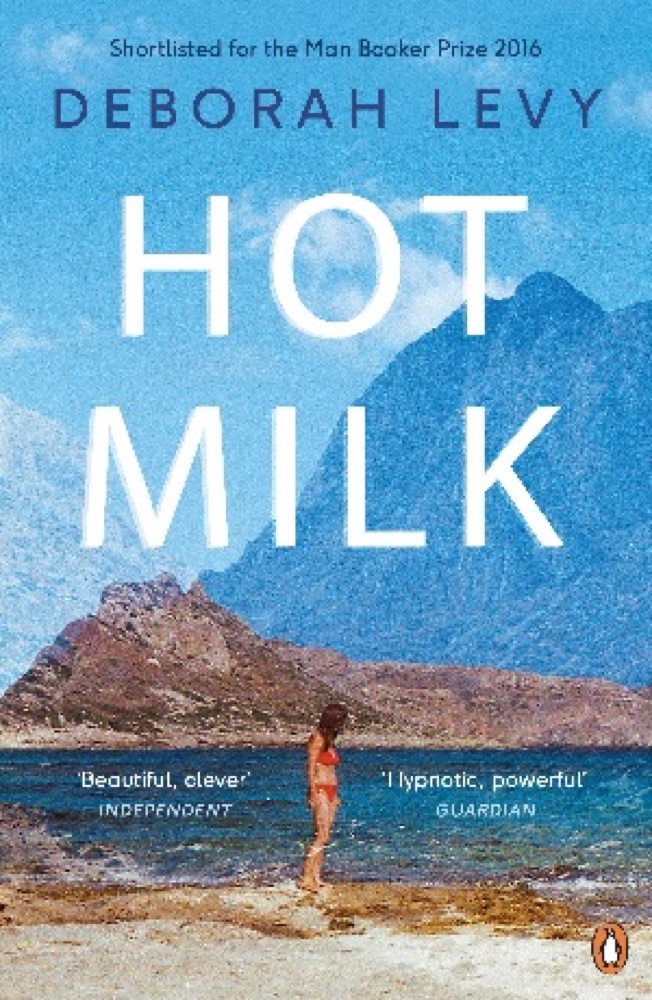 Hot Milk
 The Story of a New Name
 Dream Work
 A Long Way Gone
 Educated
 The Marriage of Opposites
 The Mermaid Chair
 Medusa: The Girl Behind the Myth
 The Reader
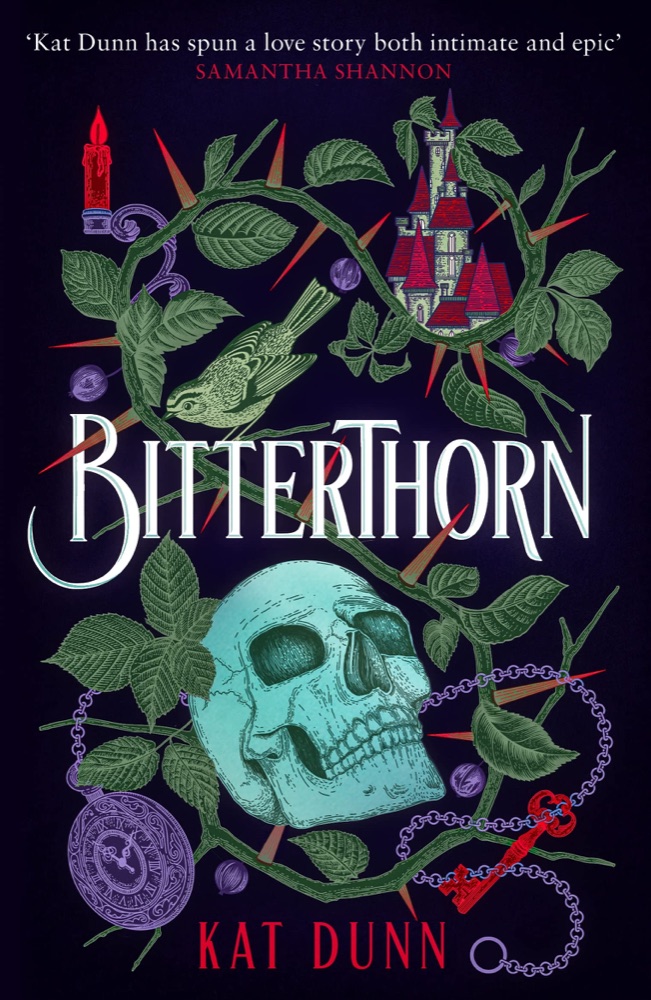 Bitterthorn
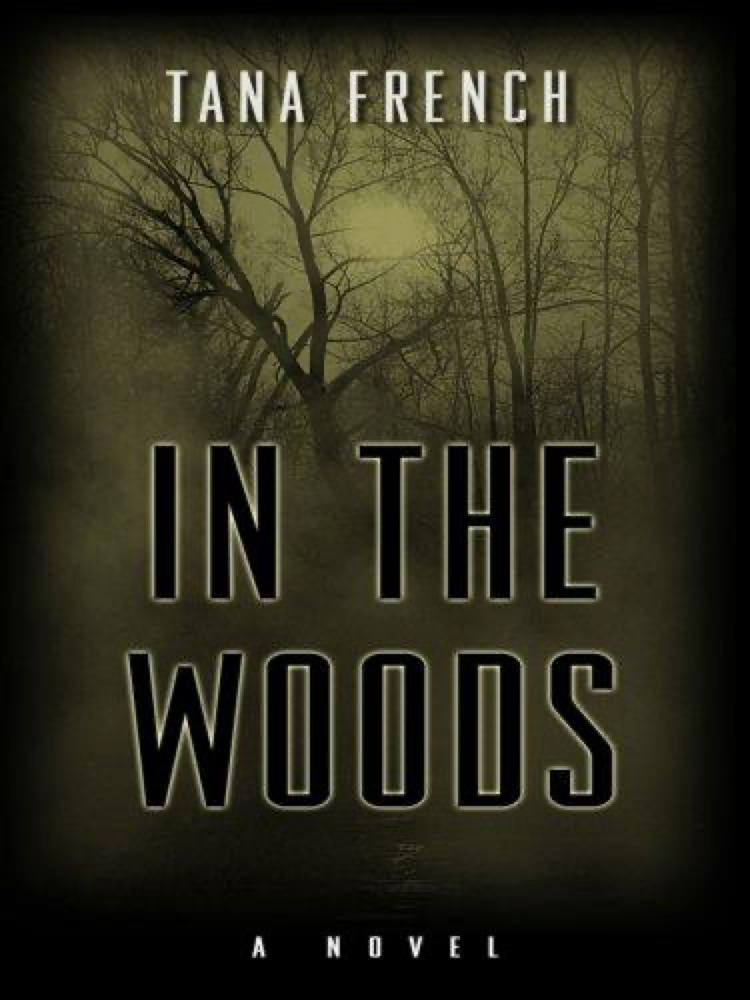 In the Woods
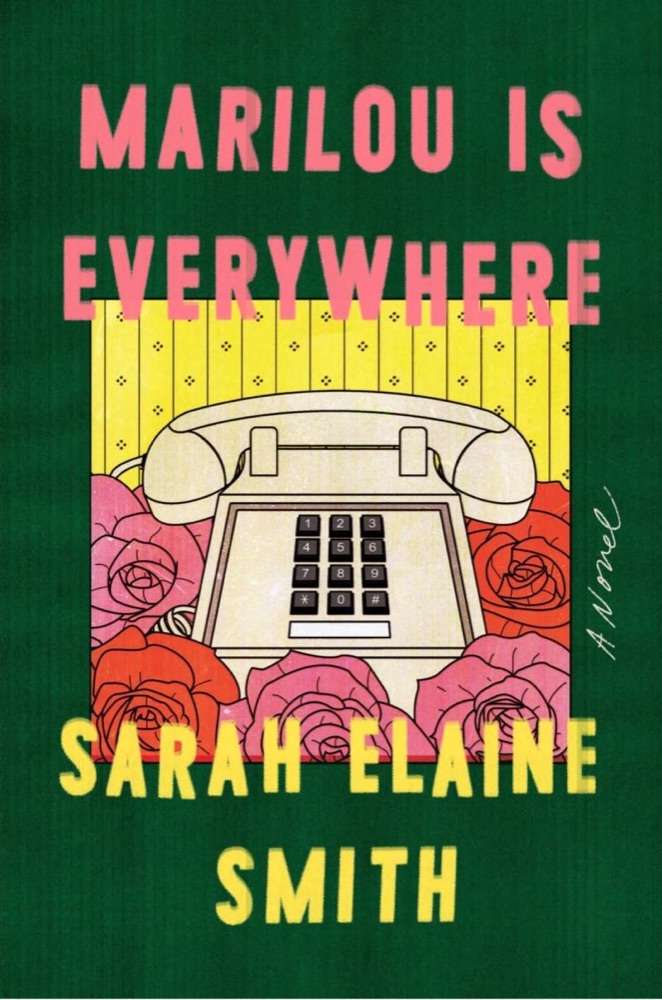 Marilou Is Everywhere
 Bastard Out of Carolina