

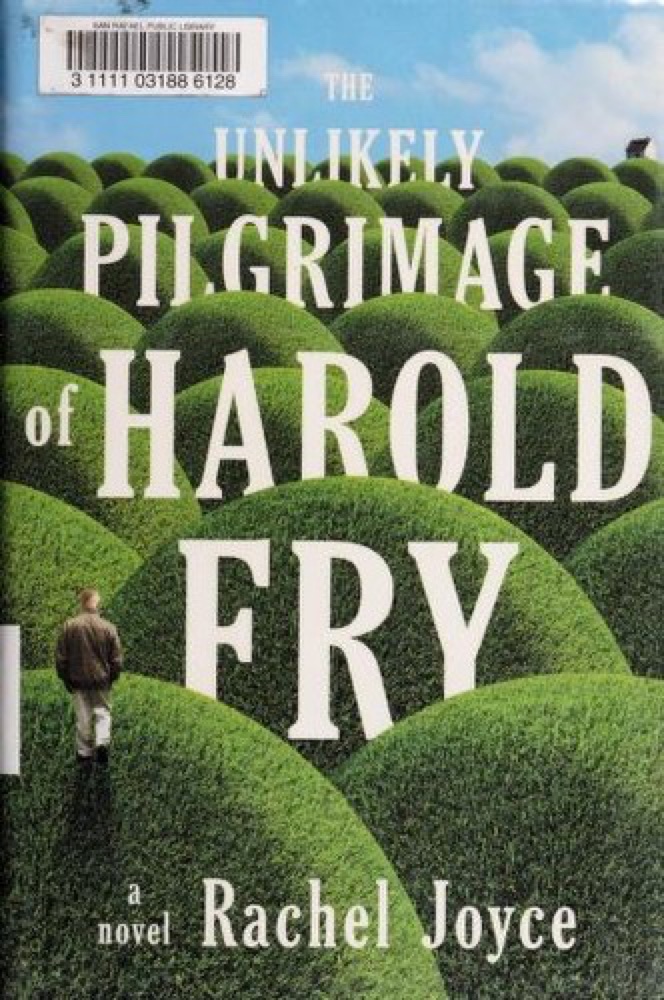
 The Unlikely Pilgrimage of Harold Fry
Quotes from the Book
Maybe the clever people are not the ones who think they’re clever. Maybe the clever people are the ones who accept that they know nothing.
And it can take a lifetime, a life of many years, to accept the incongruity of things: that a small moment can sit side by side with a big one, and become part of the same.
Besides, the big things in life do not present themselves as such. They come in the quiet, ordinary moments-- a phone call, a letter-- they come when we are not looking, without clues, without warning, and that is why they floor us. And it can take a lifetime, a life of many years, to accept the incongruity of things: that a small moment can sit side by side with a big one, and become part of the same.
That's what nobody realizes. Two seconds are huge. It's the difference between something happening and something not happening. You could take one step too many and fall over the edge of a cliff. It's very dangerous.
No one knows how to be normal, Jim. We’re all just trying our best. Sometimes we don’t have to think about it and other times it’s like running after a bus that’s already halfway down the street.
Mrs. Sussex said Byron’s loss would grow more bearable. But here was the nub: he didn’t want to lose his loss. Loss was all he had left of his mother. If time healed the gap, it would be as if she’d never been there.
It was the same with time, he thought, and also sorrow. They were both waiting to catch you. And no matter how much you shook your arms at them and hollered, they knew they were bigger. They knew they would get you in the end.
He doesn’t know if the words they are using actually mean the things they purport to mean or whether the words have taken on a new significance. They are talking about nothing, after all. And yet these words, these nothings, are all they have, and he wishes there were whole dictionaries of them.
Sometimes it is easier, he thinks, to live out the mistakes we have made than to summon the energy and imagination required to repair them.
Paula says that the problem is that people like Jim are too good. And he knows that the problem is not them. The problem is that people need other people (like Eileen) to be too bad.
No one knows how to be normal ... We're all just trying our best.
I actually hate Christmas," says Eileen. "Everybody has this idea you have to have a good time, like happiness comes in a ruddy packet." Her face is flushed with heat. "One time, I stayed in bed all day. That was one of my best Christmases.
Time was what held the world together. It kept life as it should be.
but it is these, he realizes, these smallnesses, that make up the big things. Besides, the big things in life do not present themselves as such. They come in the quiet, ordinary moments—a phone call, a letter—they come when we are not looking, without clues, without warning, and that is why they floor us. And it can take a lifetime, a life of many years, to accept the incongruity of things: that a small moment can sit side by side with a big one, and become part of the same.
Who’s to say time is real just because we have clocks for measuring it? Who knows if everything is going forward at the same rate? Maybe everything is going backwards or sideways. Or we could take matters into our own hands. We could move the clocks. We could make them what we want.
Maybe it was as simple as believing things were what you wanted them to be? Maybe that was all it took? If there was anything Byron had learned that summer, it was that a thing was capable of being not one but many different things, and some of them contradictory. Not everything had a label. Or if it did, you had to be prepared to re-examine that label from time to time and paste another alongside it. The truth could be true, but not in a definite way. It could be more or less true; and maybe that was the best a human being could hope for.
The fact is that something has changed. It isn’t that he has become more likable or any less strange, but the accident has accentuated the fragility of things. If this could happen to Jim, it could happen to any one of them. Consequently the café staff have decided that Jim’s strangeness is a part of themselves, and they must protect it.
Every morning there were silver snail trails crisscrossing the hall. There were cobwebs like soft clouds and pepperings of mold at the windowsills. The moor was coming inside.
A flock of gulls flew east, rising and falling, as if they might clean the sky with their wings.
October passed. Leaves that his mother had once looked at loosened from the trees and twisted through the air, gathering in a slippery carpet at Byron’s feet.
Time would heal, Mrs. Sussex said. Byron’s loss would grow more bearable. But here was the crux. He didn’t want to lose his loss. Loss was all he had left of his mother. If time healed the gap, it would be as if she had never been there. One
(He) feels (his) words reach him. They slide beneath his orange uniform and touch his bones.
You have to think bigger than what you know,” James
Jim looks out the car window with his nose pressed to the glass. Sometimes he pretends to be asleep. Not because he is tired, but because he needs to be quiet.
Time was something altogether more fragmented than it had been before. It was like throwing a handful of feathers into the air and watching them drift. Moments no longer flowed from one to the other.
So why did you want her to go? Why did you choose to be the victim? You could have shouted at her. You could have let her know she’d hurt you. What happened, Jim? Why couldn’t you say that?
and he wonders if that is what people look for in a partner or a friend: the part of themselves that is missing.
My point is, why are we slaves to something that is just a set of rules? Yes, we get up at six thirty. We get to school for nine. We eat lunch at one. But why?’ ‘Because if we didn’t there would be chaos. There would be people going to work and people eating lunch and people going to bed. Nobody would have a clue what was right and what was not.
We don’t know what to do with sadness. That’s the problem. We want to put it out of the way and we can’t.
There was something about her, something pure and fluid that could not be contained.
About Rachel Joyce
We have collected 88 quotes from 3 books by Rachel Joyce on BookQuoters.
More about the author →More by Rachel Joyce
The Unlikely Pilgrimage of Harold Fry
 The Love Song of Miss Queenie Hennessy
Book details
- Author
- Rachel Joyce
- Genre
- Contemporary
- Goodreads rating
- 3.58 (21k ratings) →
Keep reading
 Ordinary People
 Flight Behavior
 Saturday
 Say Goodbye for Now
 A Fine Balance
 Hush
Hush
 Thief of Time
 Sometimes a Great Notion
 The Moon and More
 Canada
 The Time Between
 The Stone Diaries
 The Hour I First Believed
 A Wrinkle in Time
 Empire Falls
 A Single Man
 Libra
Libra
 Odd Hours
 The Probability of Miracles
 S.
S.
 Let the Great World Spin
 Leonard and Hungry Paul
 Wayward
 Invisibility
 1Q84
1Q84
 The Last Song
 Tenth of December
 After Dark
 False Memory
 Under the Whispering Door
 The Shock of the Fall
 Hold Tight
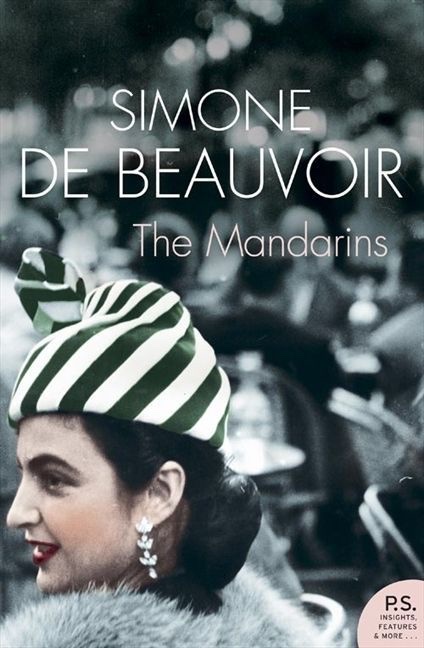 The Mandarins
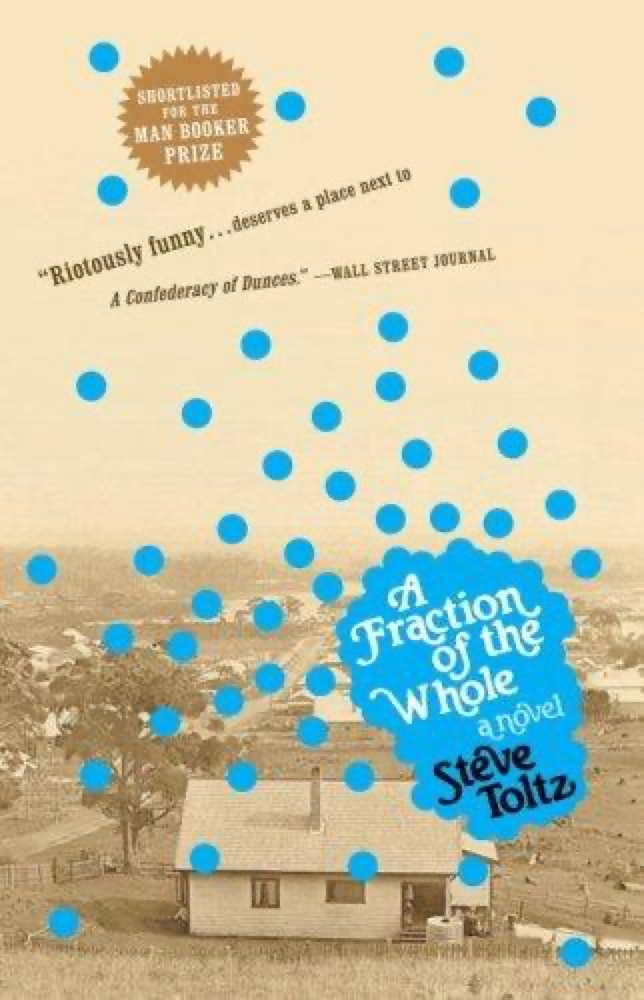 A Fraction of the Whole
 Tempted
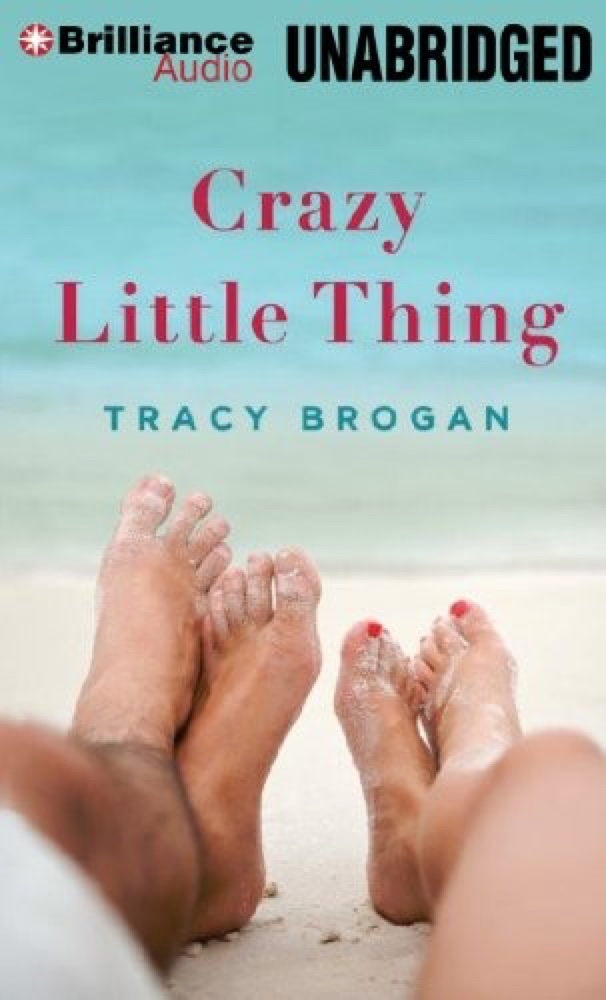 Crazy Little Thing
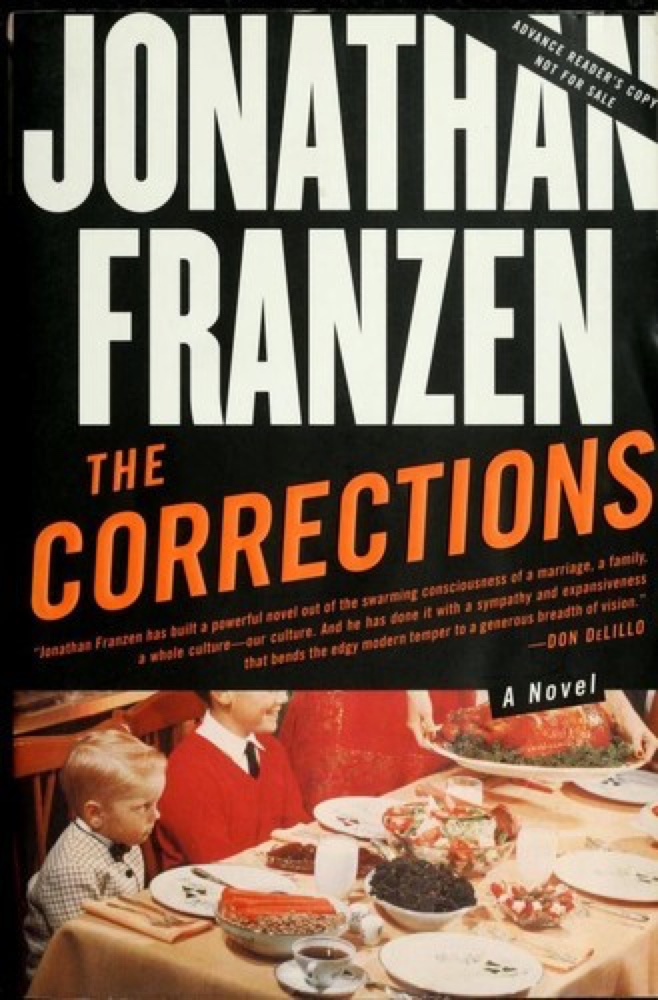 The Corrections
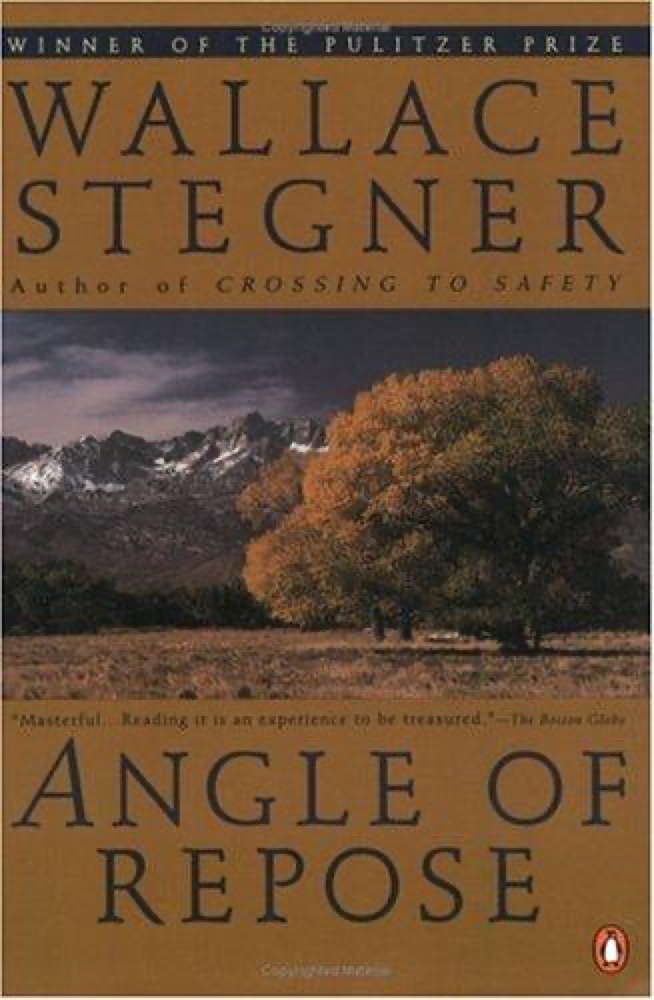 Angle of Repose
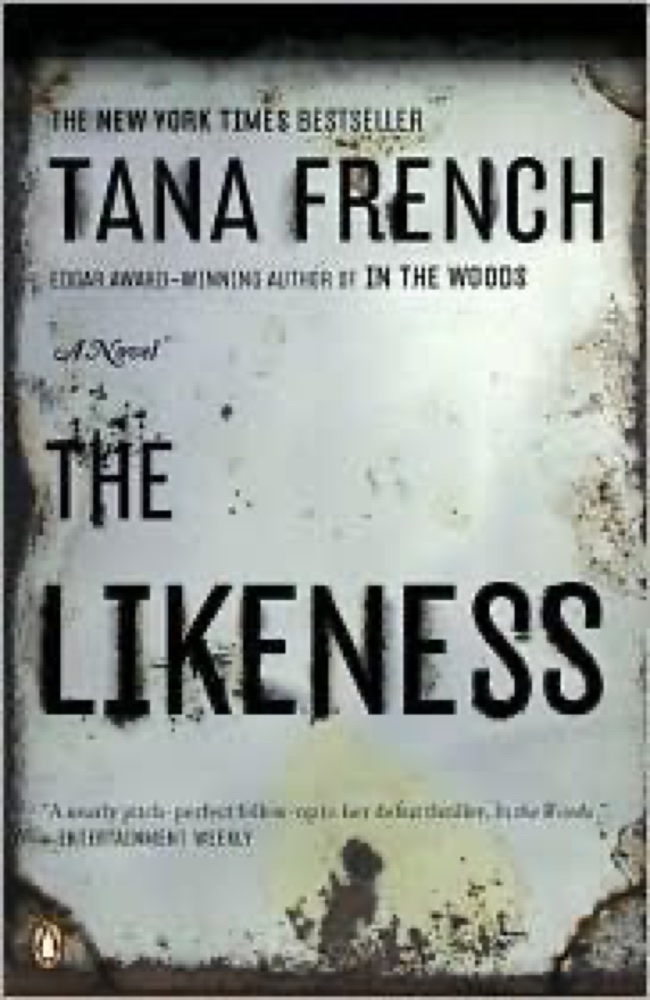 The Likeness
 Just After Sunset
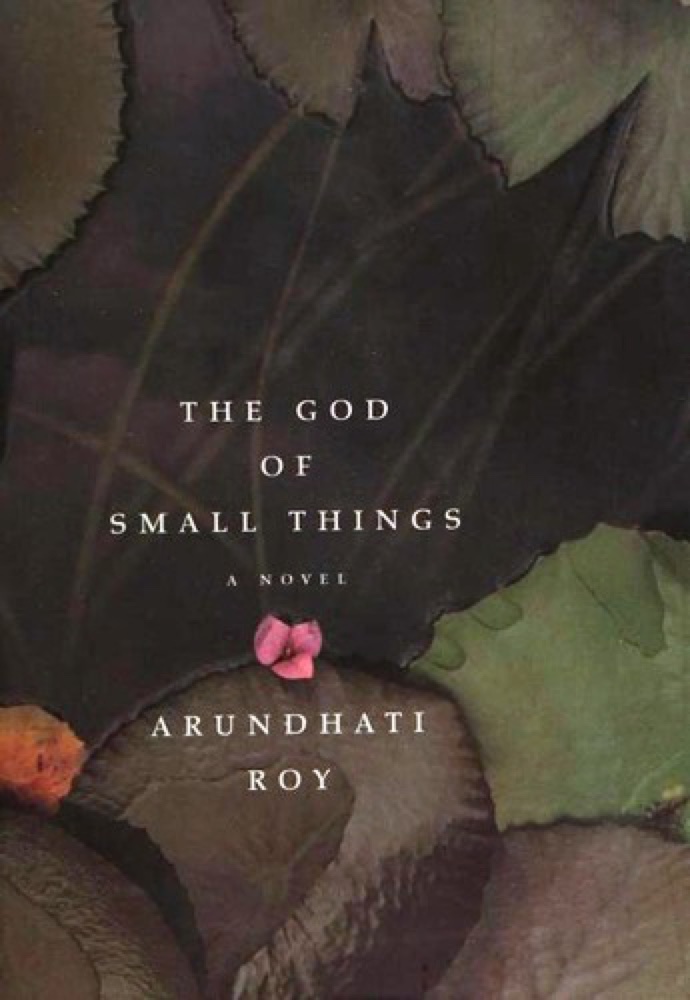 The God of Small Things
 The Year of the Flood
 Acceptance
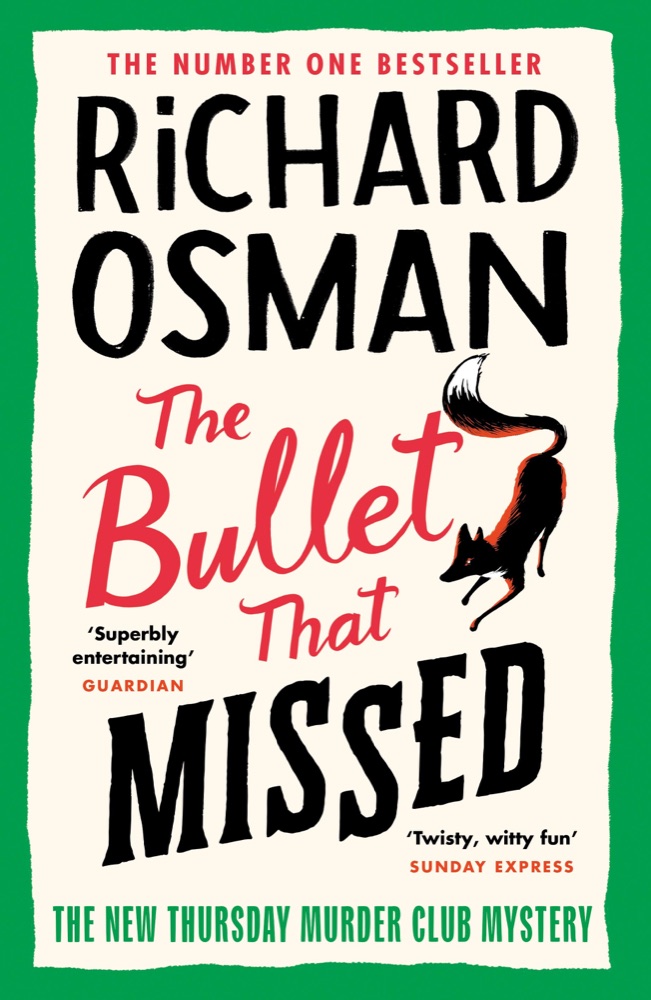 The Bullet That Missed
 Winter
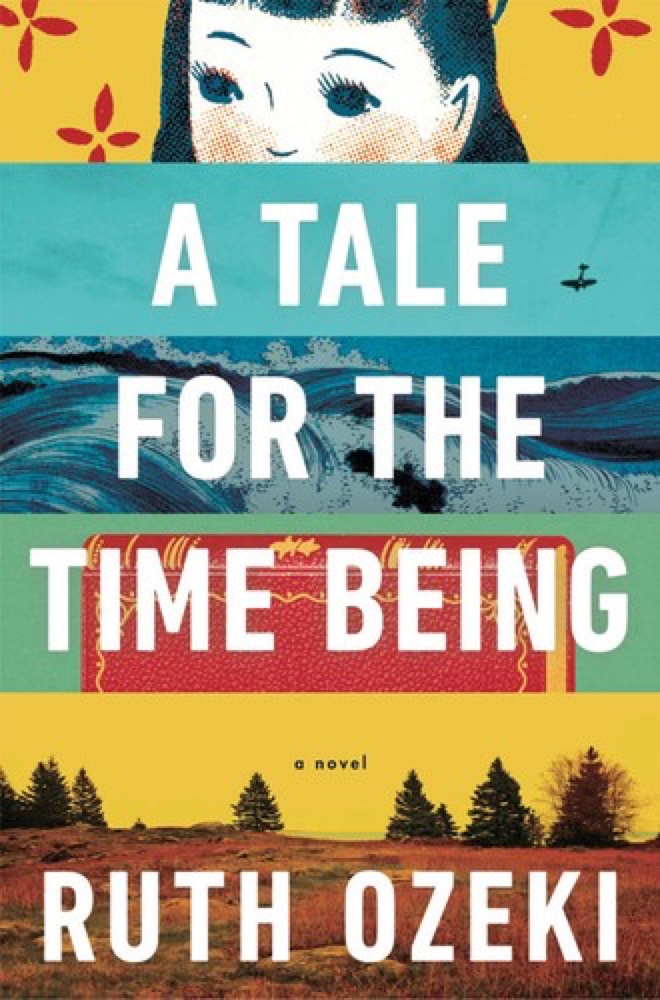 A Tale for the Time Being
 The Choice
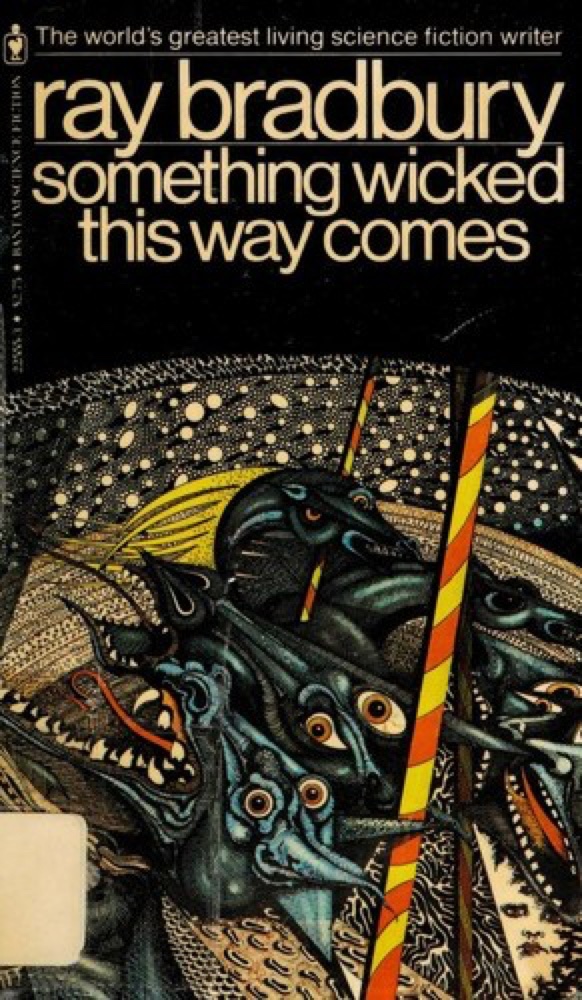 Something Wicked This Way Comes
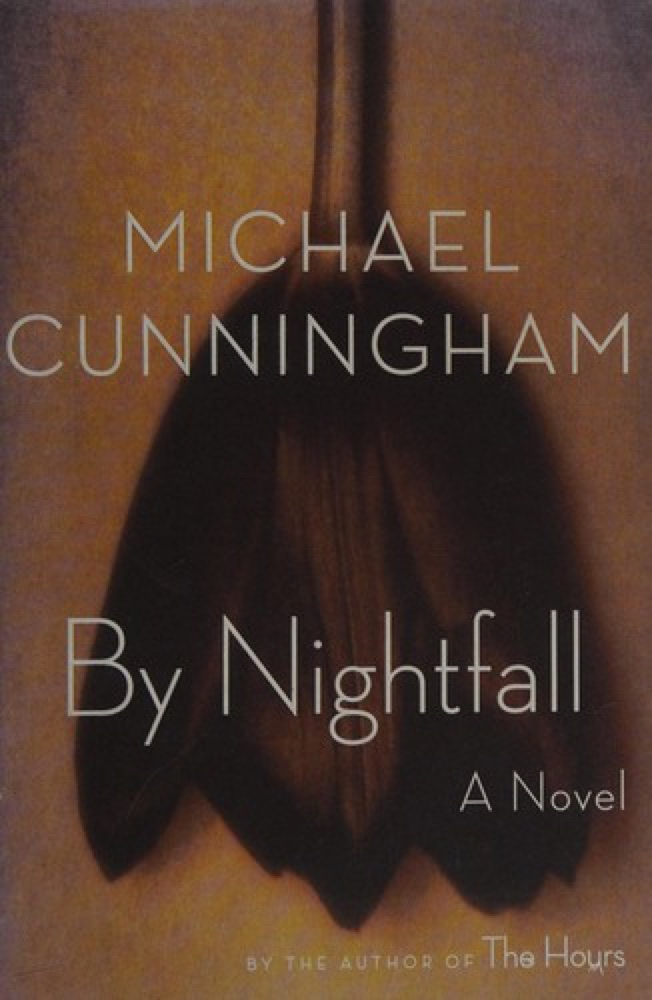 By Nightfall
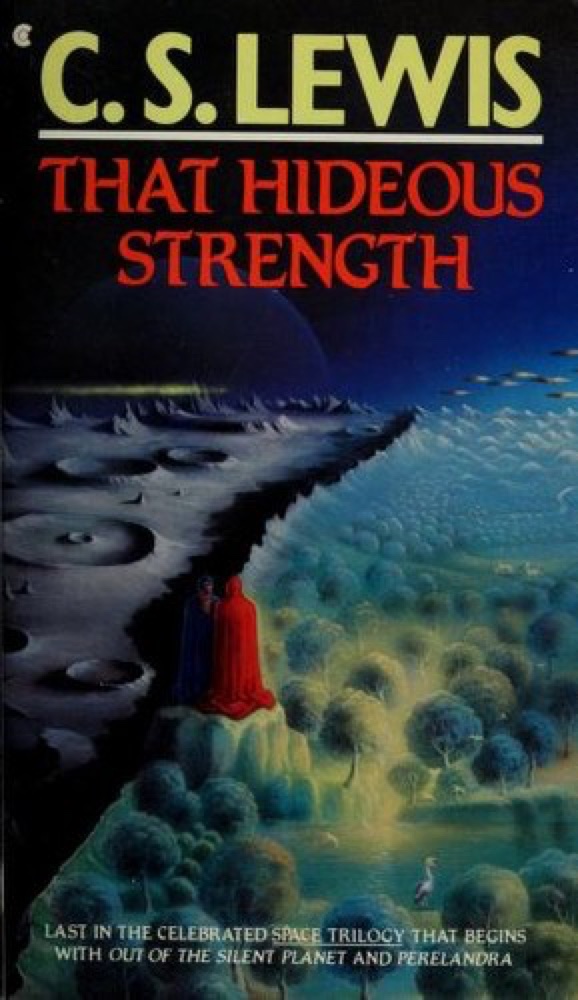 That Hideous Strength
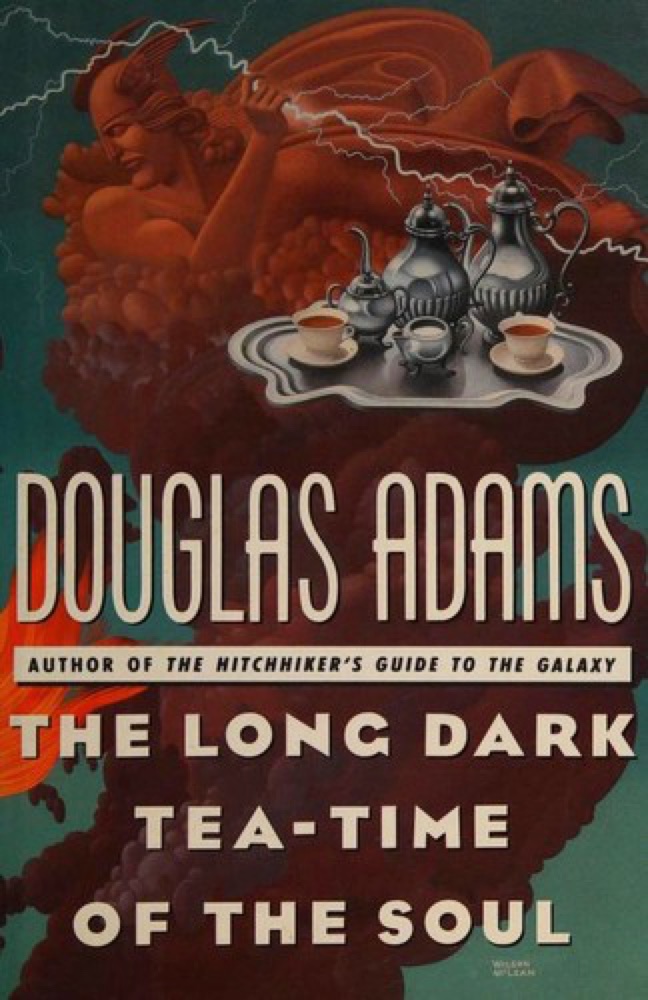 The Long Dark Tea-Time of the Soul
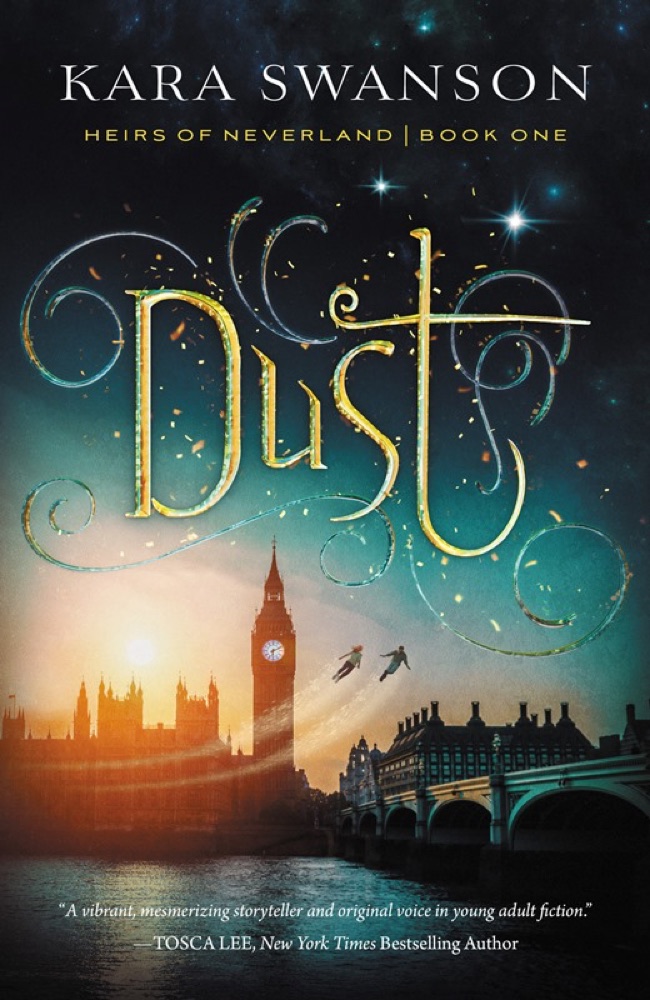 Dust
Dust
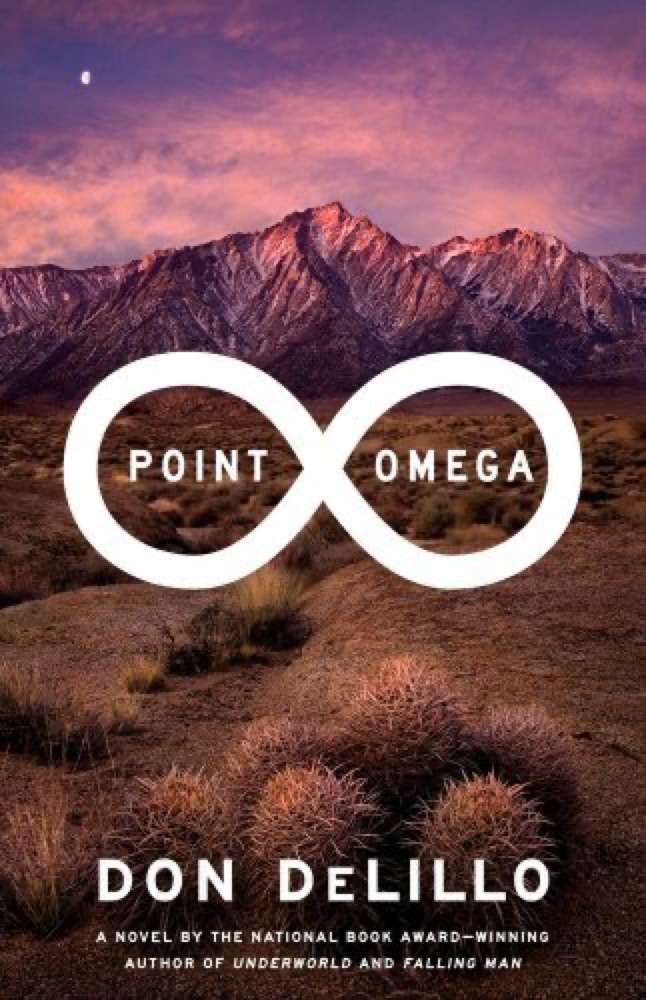 Point Omega
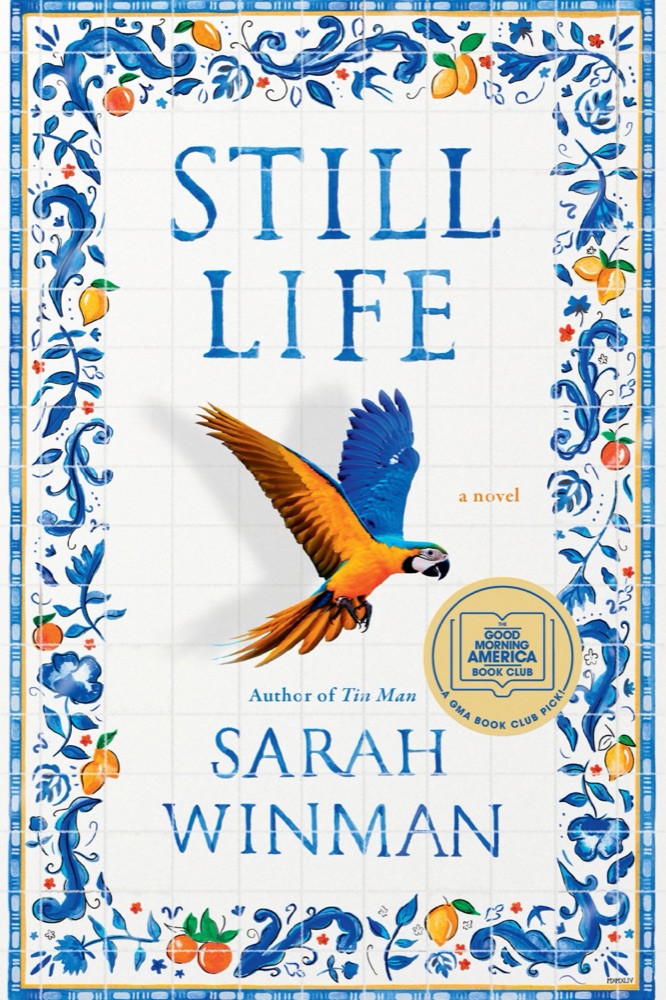 Still Life
 The Toll
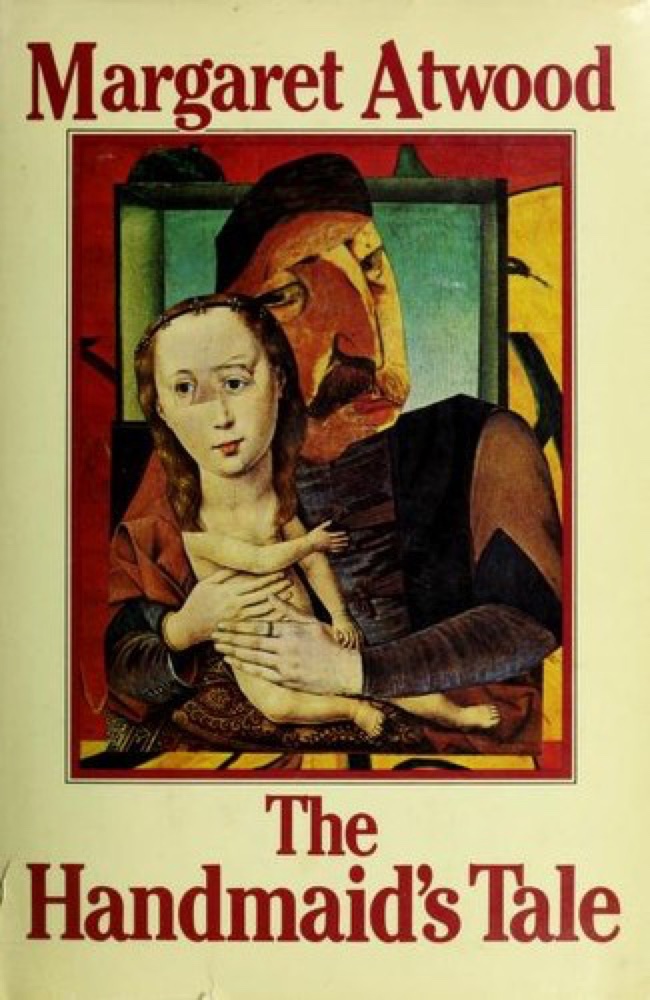 The Handmaid's Tale
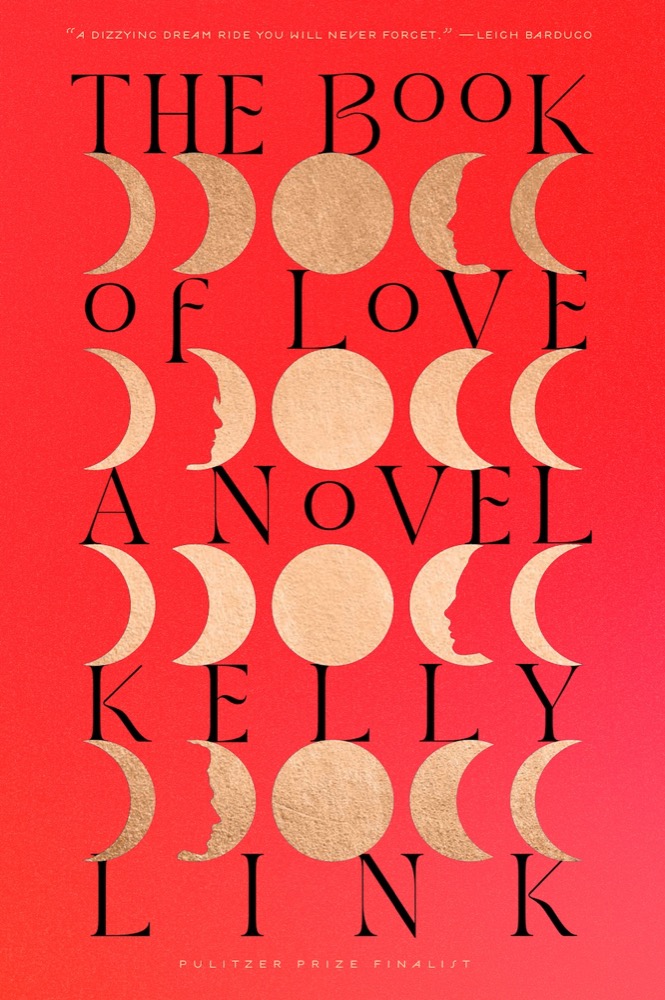 The Book of Love
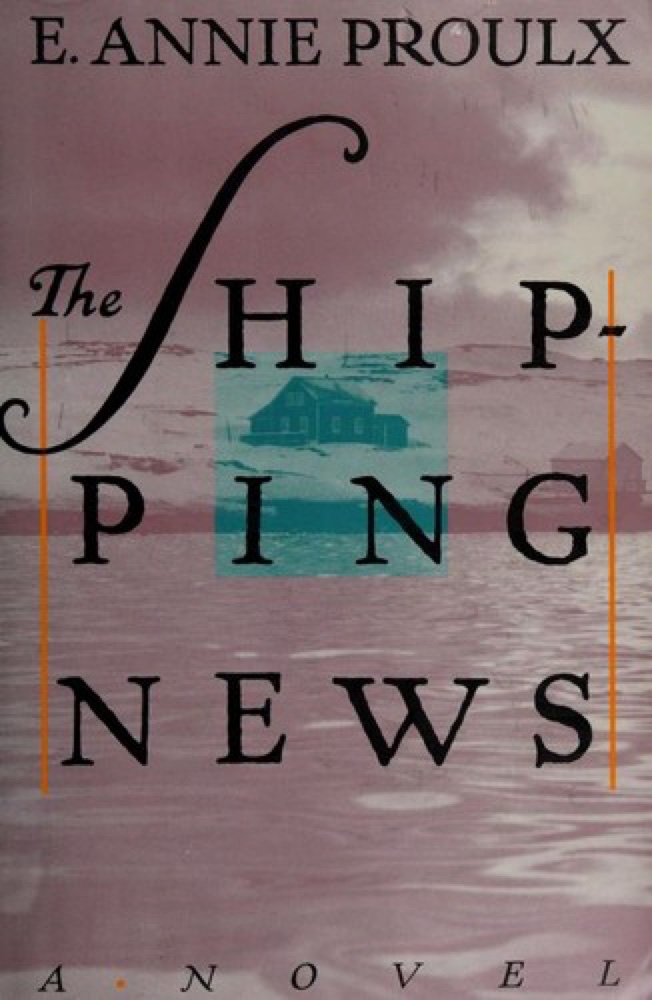 The Shipping News
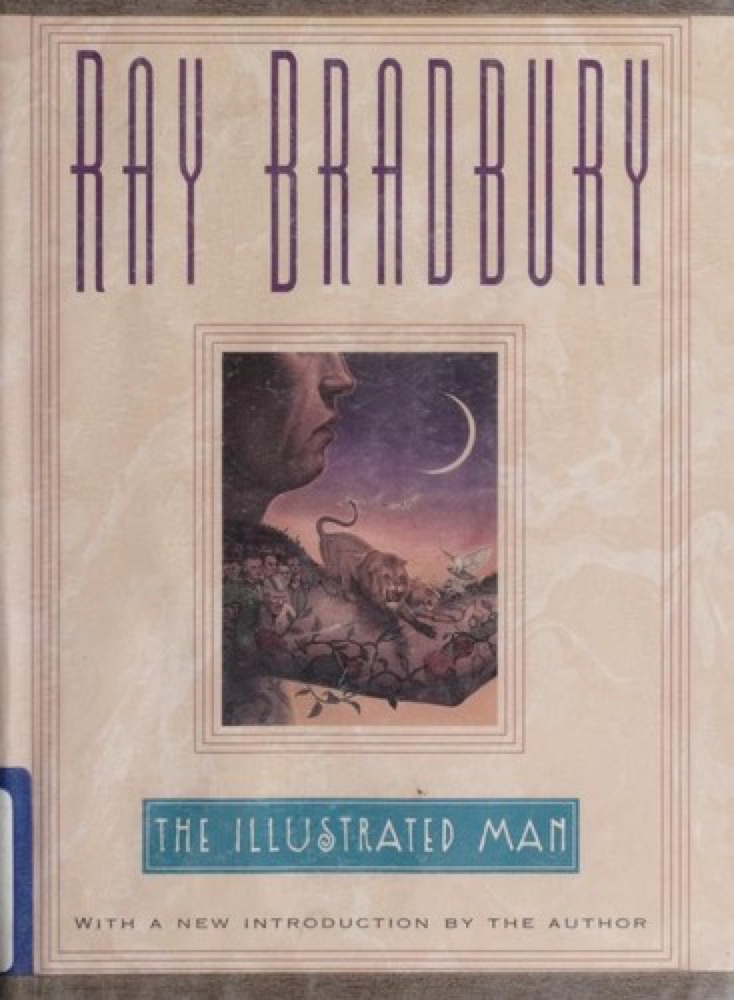 The Illustrated Man