
 Thirteen Moons
Quotes from the Book
She fit her head under his chin, and he could feel her weight settle into him. He held her tight and words spilled out of him without prior composition. And this time he made no effort to clamp them off. He told her about the first time he had looked on the back of her neck as she sat in the church pew. Of the feeling that had never let go of him since. He talked to her of the great waste of years between then and now. A long time gone. And it was pointless, he said, to think how those years could have been put to better use, for he could hardly have put them to worse. There was no recovering them now. You could grieve endlessly for the loss of time and the damage done therein. For the dead, and for your own lost self. But what the wisdom of the ages says is that we do well not to grieve on and on. And those old ones knew a thing or two and had some truth to tell, Inman said, for you can grieve your heart out and in the end you are still where you are. All your grief hasn't changed a thing. What you have lost will not be returned to you. It will always be lost. You're left with only your scars to mark the void. All you can choose to do is go on or not. But if you go on, it's knowing you carry your scars with you. Nevertheless, over all those wasted years, he had held in his mind the wish to kiss her on the back of her neck, and now he had done it. There was a redemption of some kind, he believed, in such complete fulfillment of a desire so long deferred.
He tried to name which of the deadly seven might apply, and when he failed he decided to append an eighth, regret.
I'm ruined beyond repair, is what I fear...And if so, in time we'd both be wretched and bitter." "I know people can be mended. Not all, and some more immediately than others. But some can be. I don't see why not you." "Why not me?
What you have lost will not be returned to you; it always be lost. You’re left with only your scars to mark the void. All you can choose to do is go on, or not. But if you go on, it’s knowing you carry your scars with you.
They call this war a cloud over the land. But they made the weather and then they stand in the rain and say 'Shit, it's raining!
...for you can grieve your heart out and in the end you are still where you were. All your grief hasn't changed a thing. What you have lost will not be returned to you. It will always be lost. You're only left with your scars to mark the void. All you can choose to do is go on or not.
That's just pain she said. It goes eventually. And when it's gone, there's no lasting memory. Not the worst of it anyway. It fades. Our minds aren't made to hold on to the particulars of pain the way we do bliss. It's a gift God gives us, a sign of His care for us.
I know I don't need him, but I think I want him.
[No] matter what a waste one has made of one's life, it is ever possible to find some path to redemption, however partial.
Marrying a woman for her beauty makes no more sense than eating a bird for its singing. But it's a common mistake nonetheless.
He had been alone in the world and empty for so long. But she filled him full, and so he believed everything that had been taken out of him might have been for a purpose. To clear space for something better.
What I'm certain I don't want is to find myself someday in a new century, an old bitter woman looking back, wishing that right now I'd had more nerve.
One thing he discovered with a great deal of astonishment was that music held for him more then just pleasure. There was meat to it. The grouping of sounds, their forms in the air as they rang out and faded, said something comforting to him about the rule of Creation. What the music said was that there is a right way for things to be ordered so that life might not always be just tangle and drift, but have a shape, an aim. It was a powerful argument that life did not just happen.
And it was pointless...to think how those years could have been put to better use, for he could hardly have put them to worse. There was no recovering them now. You could grieve endlessly for the loss of time and for the damage done therein. For the dead, and for your own lost self. But what the wisdom of the ages says is that we do well not to grieve on and on. And those old ones knew a thing or two and had some truth to tell...for you can grieve your heart out and in the end you are still where you were. All your grief hasn't changed a thing. What you have lost will not be returned to you. It will always be lost. You're left with only your scars to mark the void. All you can choose to do is to go on or not. But if you go on, it's knowing you carry your scars with you.
That's not a thing any of us are granted. To go back. Wipe away what later doesn't suit us and make it the way we wish it. You just go on
She wondered if literature might lose some of its interest when she reached an age or state of mind where her life was set on such a sure course that the things she read might stop seeming so powerfully like alternate directions for her being.
They say this war is a cloud over the land! But they make the weather and then they stand in the rain and say, ‘Shit, it’s raining!
And then she thought that you went on living one day after another, and in time you were somebody else, your previous self only like a close relative, a sister or brother, with whom you shared a past. But a different person, a separate life. Certainly neither she nor Inman were the people they had been the last time they were together. And she believed maybe she liked them both better now.
We mark some days as fair, some as foul, because we do not see that the character of every day as identical
Our minds aren't made to hold on to the particulars of pain the way we do bliss. It's a gift God gives us, a sign of His care for us.
Ruby said there were many songs that you could not say anybody in particular had made by himself. A song went around from fiddler to fiddler and each one added something and took something away so that in time the song became a different thing from what it had been, barely recognizable in either tune or lyric. But you could not say the song had been improved, for as was true of all human effort, there was never advancement. Everything added meant something lost, and about as often as not the thing lost was preferable to the thing gained, so that over time we'd be lucky if we just broke even. Any thought otherwise was empty pride.
There was a redemption of some kind, he believed, in such complete fulfillment of a desire so long deferred.
At the first gesture of morning, flies began stirring.
I consider it a mutual duty, that we owe to each other, to communicate in a spirit of the utmost frankness and candor. Let it ever be done with unlocked hearts.
The man had asked, Why do you want sheep? The wool? Meat? Monroe's answer had been, For the atmosphere.
...she knew in her heart that nature has a preference for a particular order: parents die, then children die. But it was a harsh design, offering little relief from pain, for being in accord with it means that the fortunate find themselves orphaned.
Bleak as the scene was, though, there was growing joy in Inman's heart. He was nearing home; he could feel it in the touch of thin air on skin, in his longing to see the lead of hearth smoke from the houses of people he had known all his life. People he would not be called upon to hate or fear. He rose and took a wide stance on the rock and stood and pinched down his eyes to sharpen the view across the vast propect to one far mountain. It stood apart from the sky only as the stroke of a poorly inked pen, a line thin and quick and gestural. But the shape slowly grew plain and unmistakable. It was to Cold Mountain he looked. He had achieved a vista of what for him was homeland.
If I had a brother in jail and one in Georgia, I'd try to bust the one out of Georgia first.
Needing and getting don’t seem likely to match up any time soon... What needs doing is mine to do.
Did you know?
- Cold Mountain was Charles Frazier's debut novel.
- The novel won the 1997 National Book Award for Fiction.
- It has sold roughly three million copies worldwide.
- The character W. P. Inman was inspired by one of Frazier's own great-granduncles.
- The story parallels Homer's Odyssey in its account of a soldier's long journey home.
- The 2003 film adaptation earned Renee Zellweger an Academy Award for Best Supporting Actress.
About Charles Frazier
Charles Frazier (born November 4, 1950) is an American novelist from Asheville, North Carolina. His debut novel, Cold Mountain (1997), won the National Book Award for Fiction, and he has since written further historical novels.
More about the author →More by Charles Frazier
Thirteen Moons
 Varina
About the book
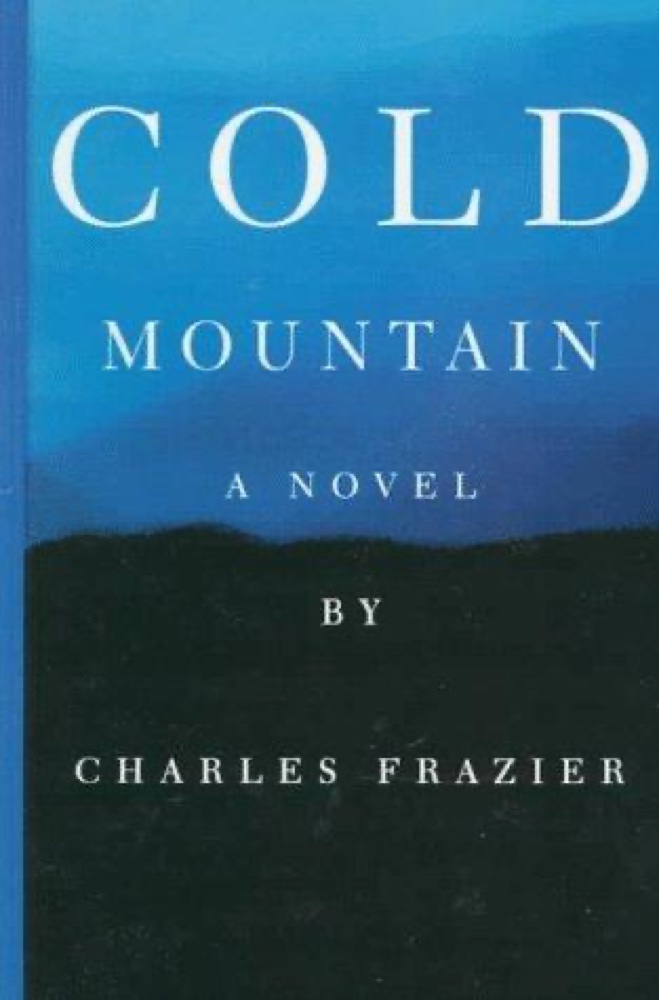
Cold Mountain is Charles Frazier's 1997 debut novel, set in the closing years of the American Civil War. It follows W. P. Inman, a wounded Confederate soldier who deserts a military hospital and undertakes a long, perilous journey on foot across North Carolina to return home to Cold Mountain and to Ada Monroe, the woman he loves. The narrative alternates between Inman's dangerous trek and Ada's parallel struggle to survive on her late father's failing farm, where she is aided by the resourceful mountain woman Ruby.
The novel is widely read as an American echo of Homer's Odyssey, tracing a soldier's circuitous, often derailed journey homeward through a landscape of violence, hunger, and moral hazard. Its central themes include the devastation of war on ordinary lives, endurance and self-reliance, the healing relationship between people and the natural world, and the possibility of love and renewal amid ruin. Frazier drew inspiration from his own family history, basing Inman in part on a great-granduncle of the same name.
Cold Mountain was a major critical and commercial success, winning the 1997 National Book Award for Fiction and selling roughly three million copies worldwide. It was adapted into an acclaimed 2003 feature film, and it established Frazier as a leading voice in contemporary American historical fiction. The book remains celebrated for its lyrical prose, its meticulous evocation of Appalachian life, and its unflinching portrait of a nation tearing itself apart.
Key characters
- W. P. InmanWounded Confederate deserter making his way home to Cold Mountain
- Ada MonroeMinister's daughter struggling to run her late father's farm
- Ruby ThewesResourceful mountain woman who helps Ada work the land
- Captain TeagueAntagonist leading the Confederate Home Guard hunting deserters
Book details
- First published
- 1997
- Length
- 356 pages
- Reading time
- 8 hours
- Author
- Charles Frazier
- Genre
- Fiction
- Goodreads rating
- 3.89 (252k ratings) →
- First line
- “At the first gesture of morning, flies began stirring.”
Movie & TV adaptations
- IMDb
If you liked this, read…
- 1The OdysseyCold Mountain is modeled on Homer's epic of a soldier's long journey home
- 2The Killer AngelsAnother acclaimed, deeply researched novel of the American Civil War
- 3News of the WorldFrazier-adjacent historical fiction of a lone traveler crossing a war-scarred American landscape
Keep reading
 Royal Assassin
 Fool's Fate
 And the Mountains Echoed
 The Proposal
 The Hour I First Believed
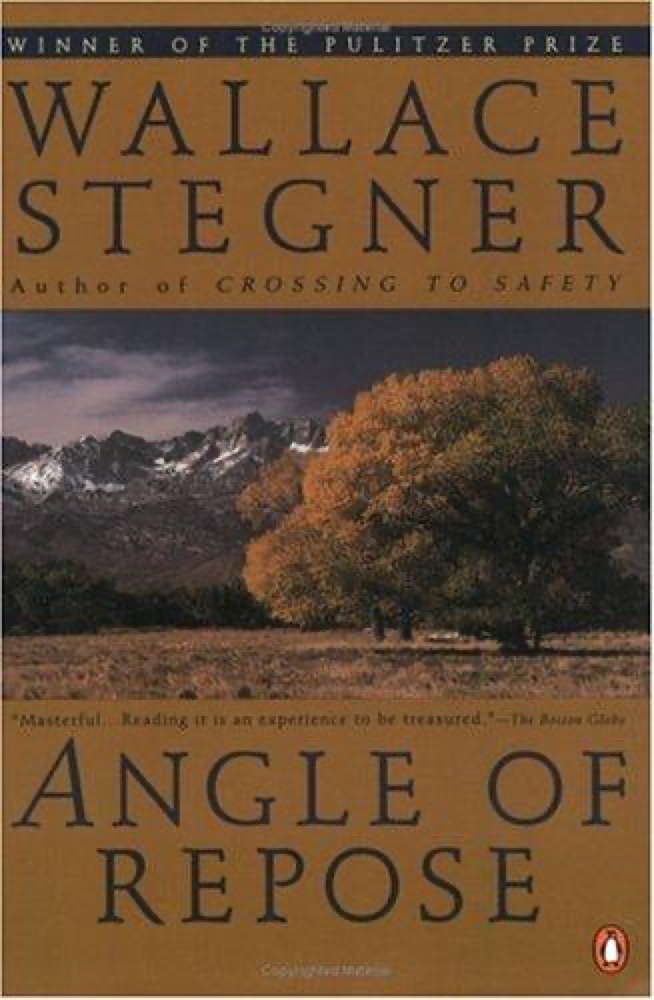 Angle of Repose
Varina
Angle of Repose
Varina
 The Valley of Amazement
 Requiem
 Absalom, Absalom!
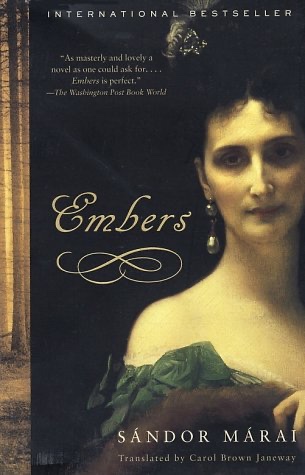 Embers
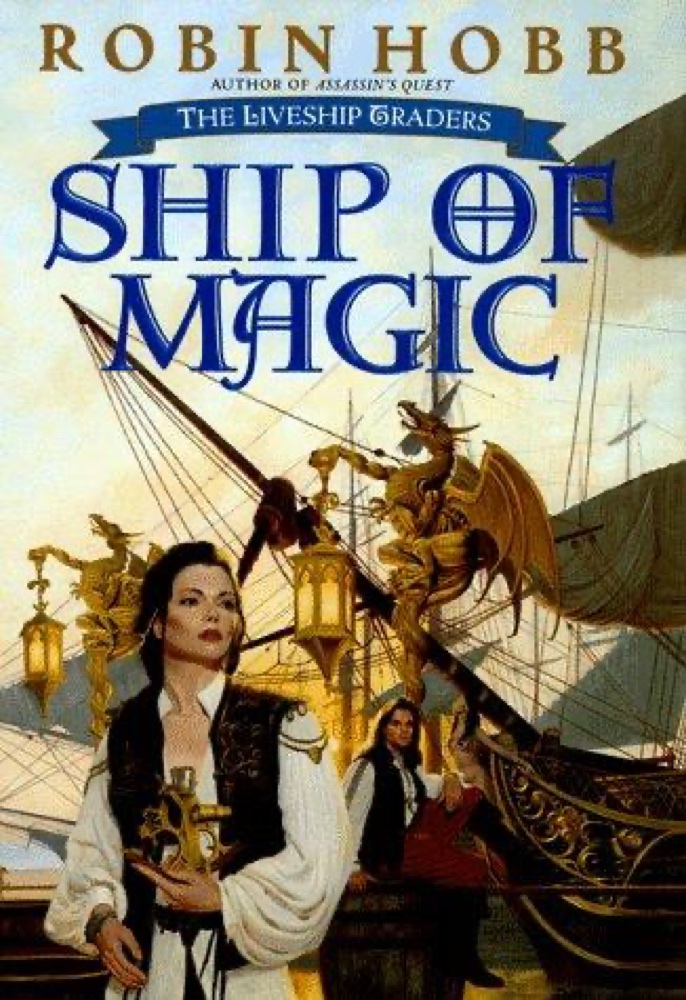 Ship of Magic
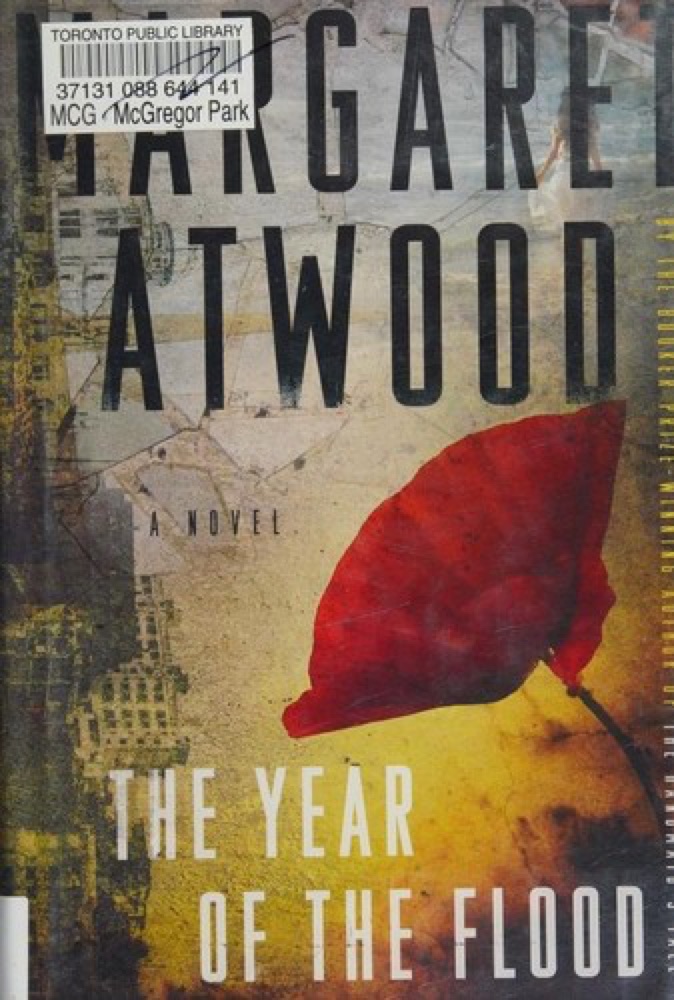 The Year of the Flood
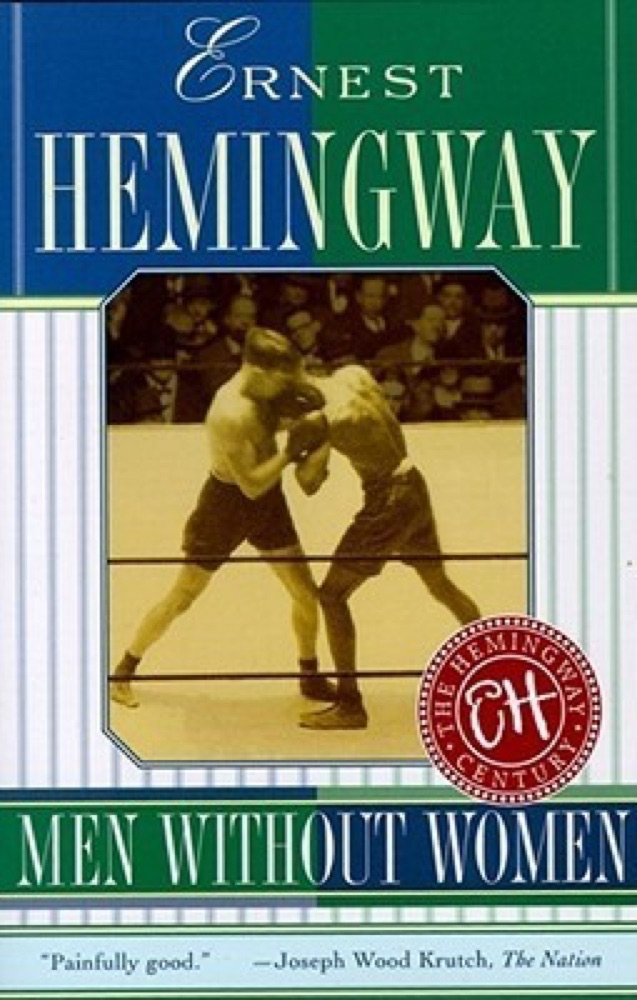 Men Without Women
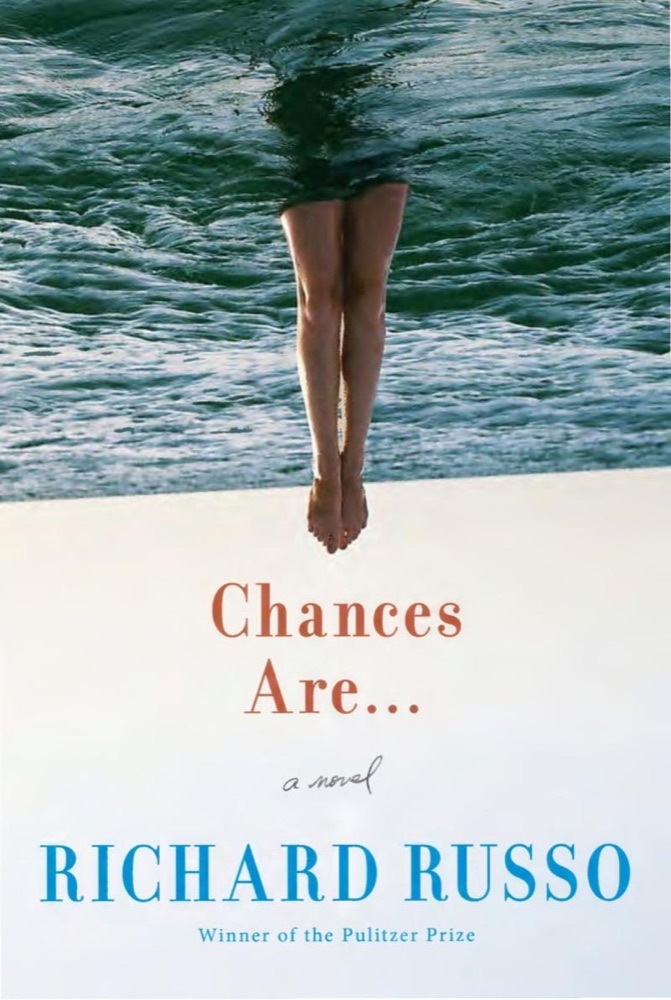 Chances Are...
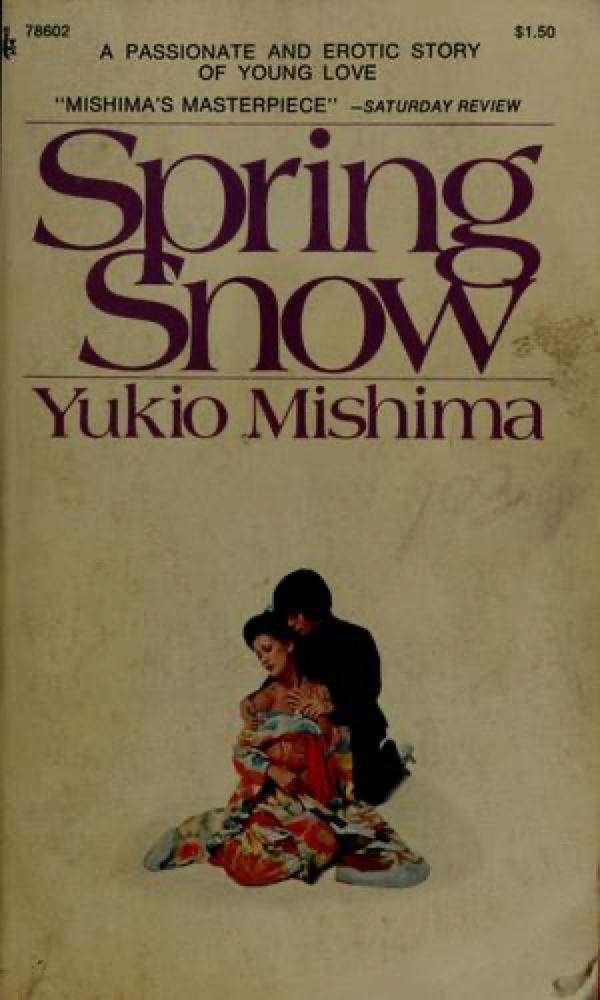 Spring Snow
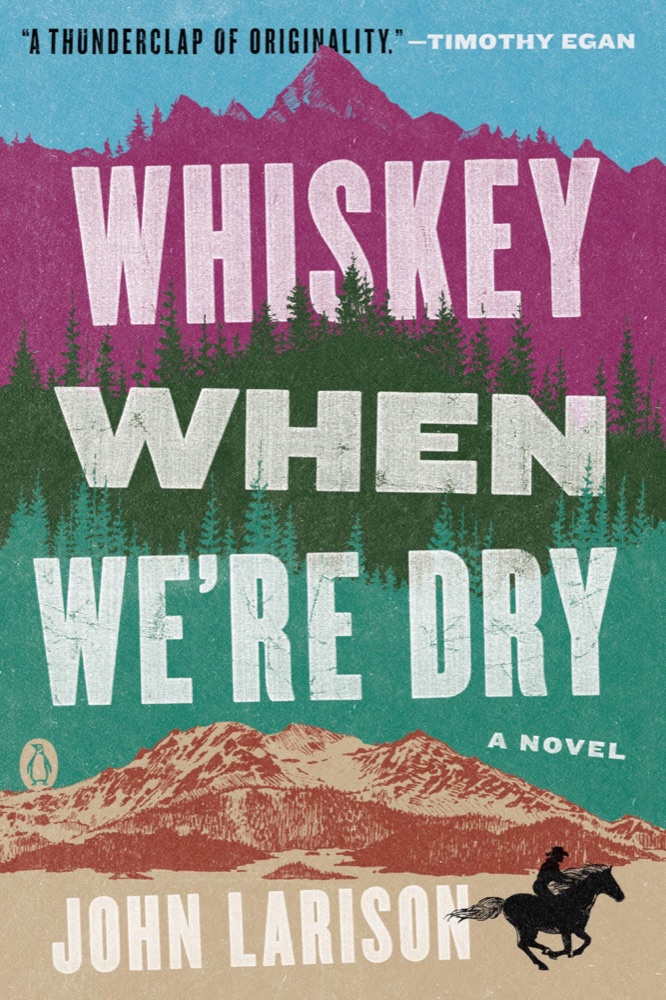 Whiskey When We're Dry
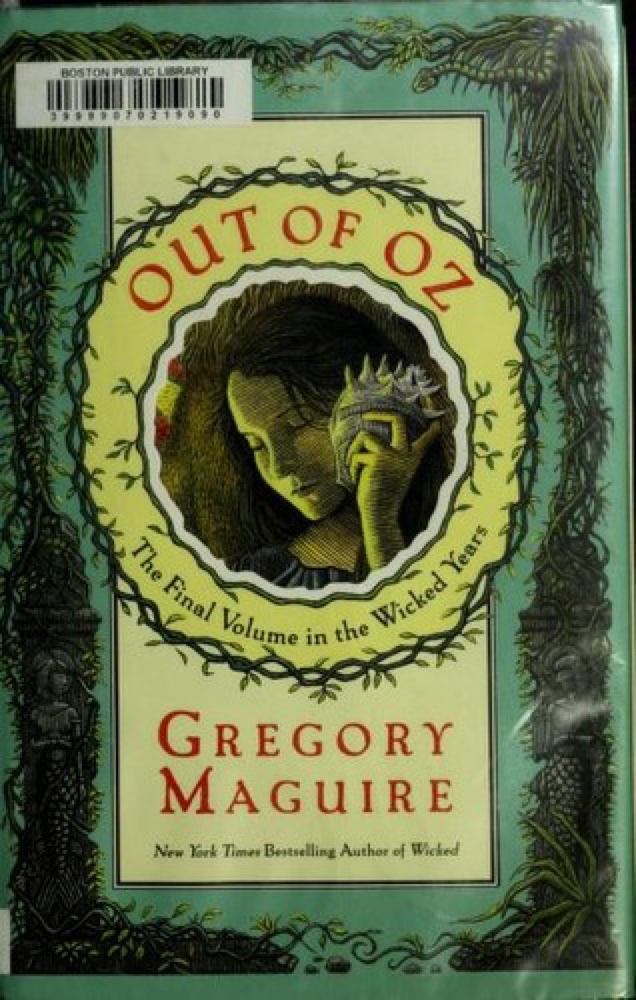 Out of Oz
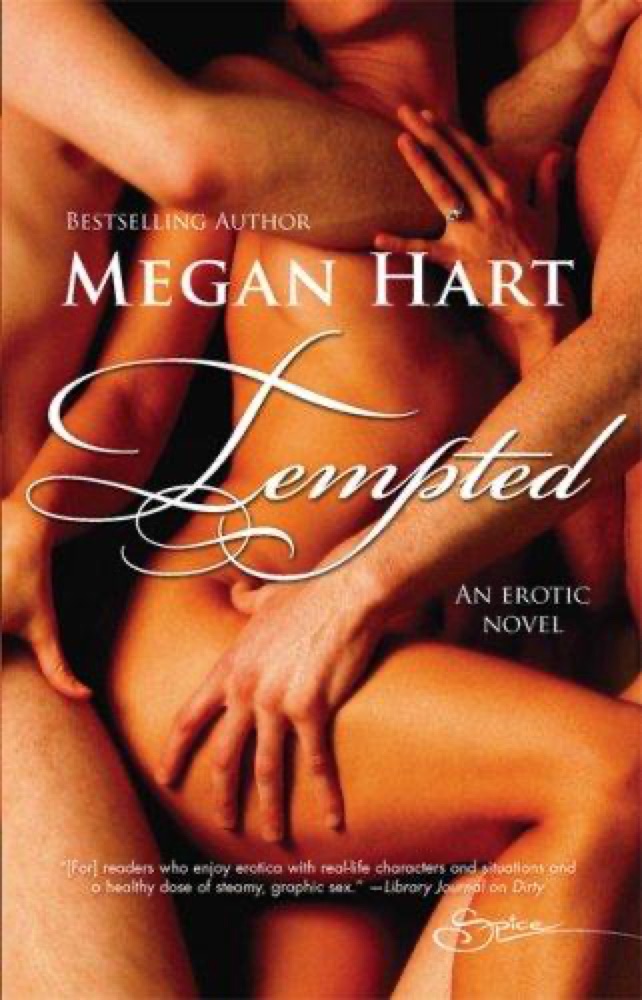 Tempted
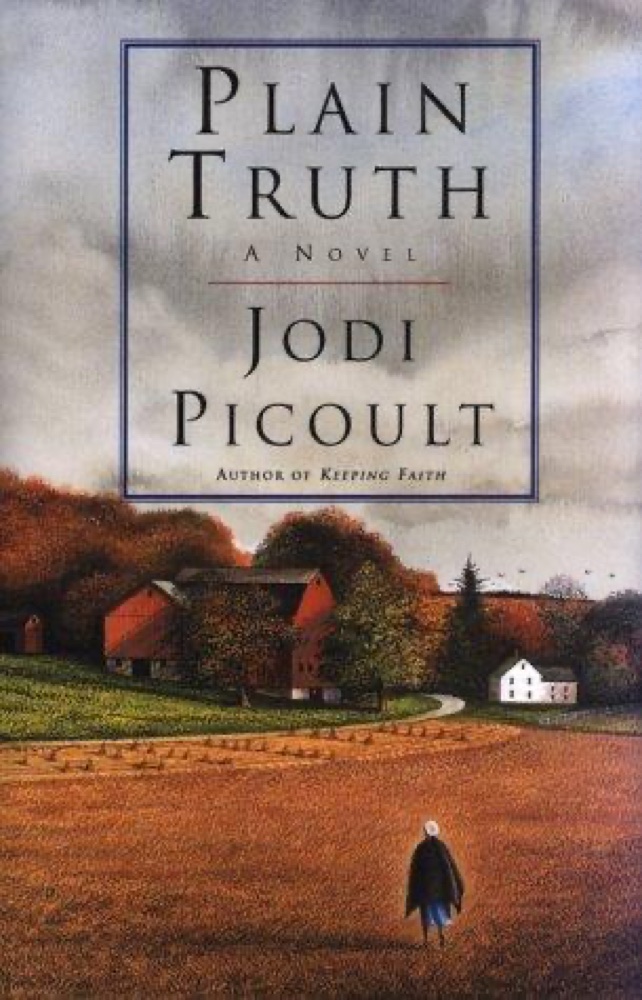 Plain Truth
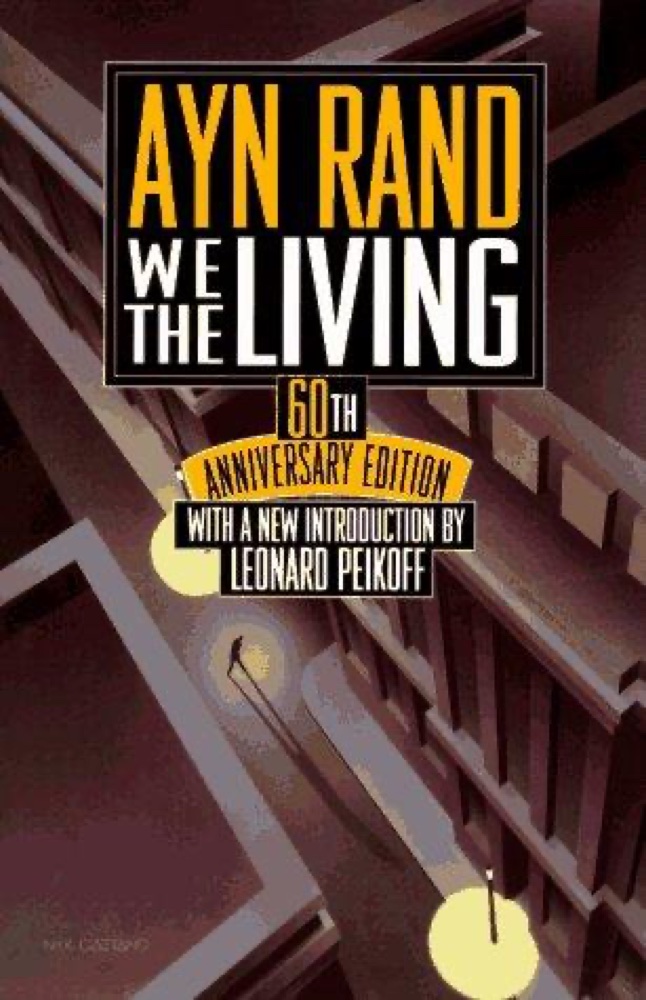 We the Living
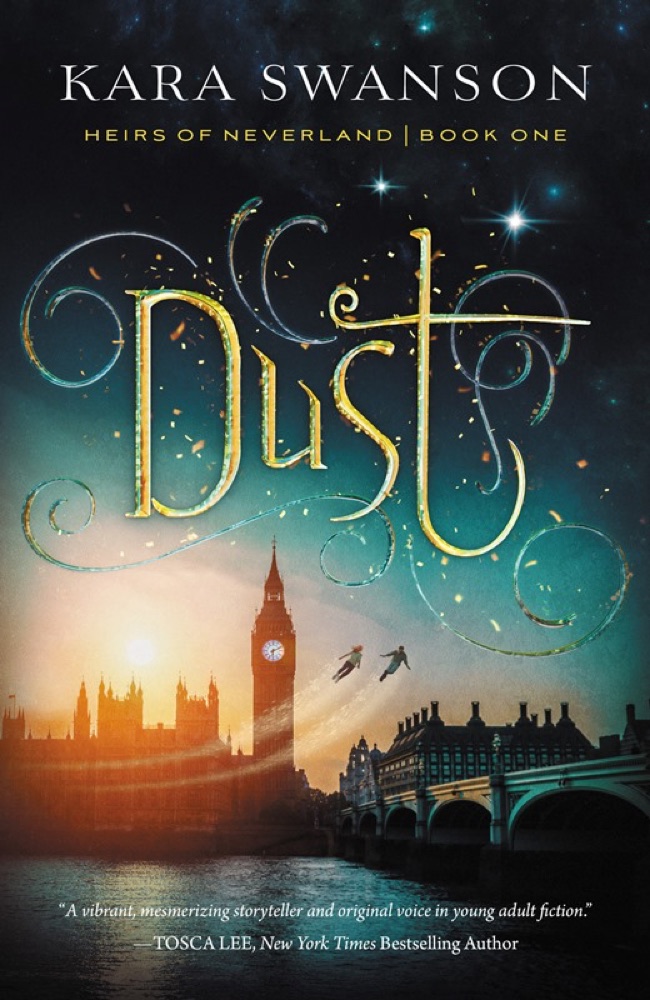 Dust
Dust
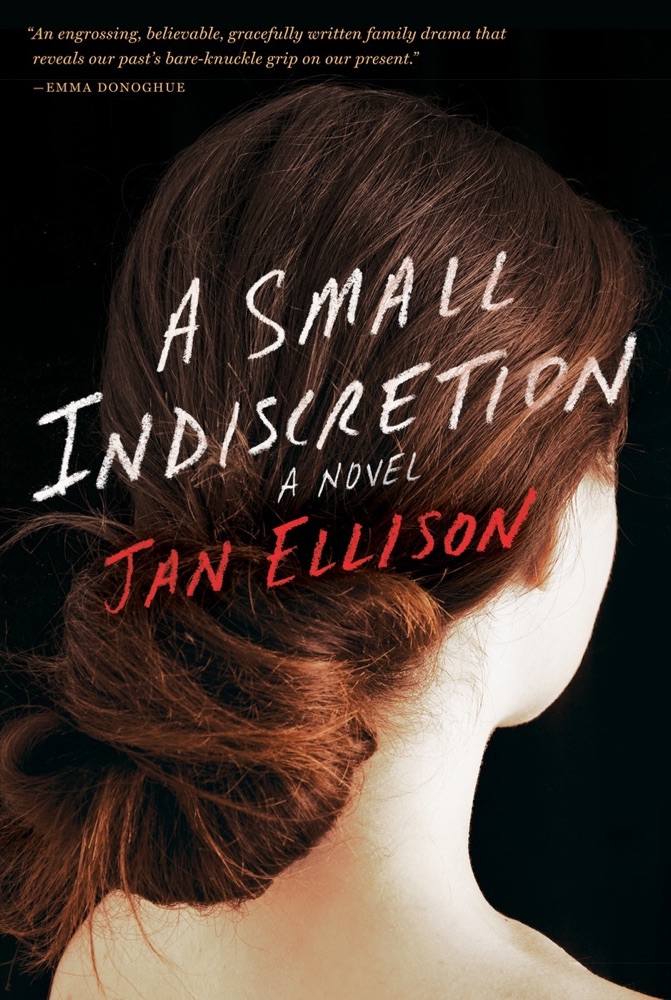 A Small Indiscretion
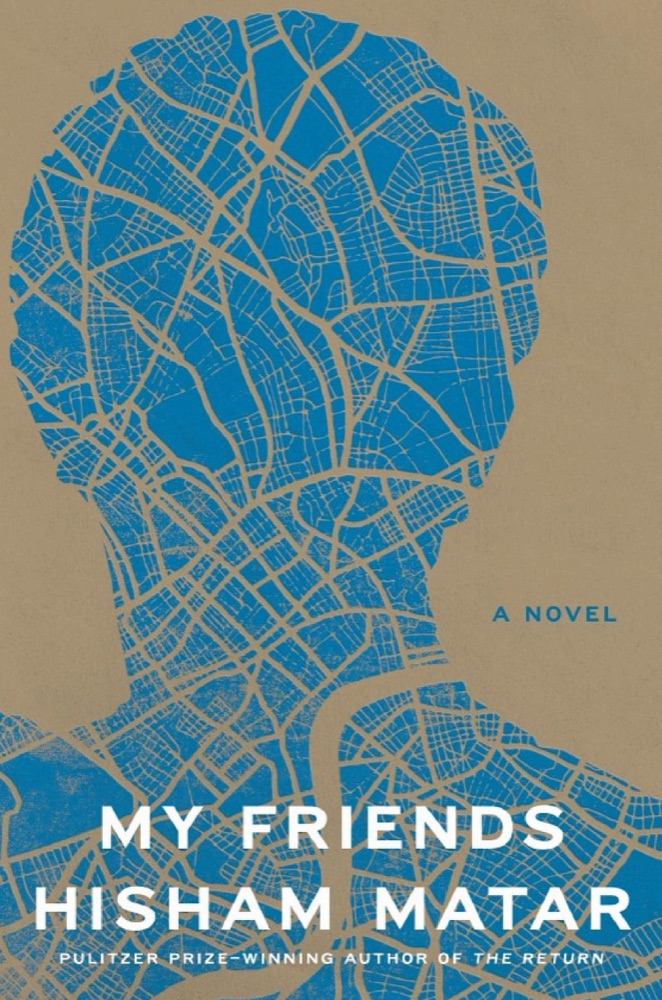 My Friends
 Light in August
 The Light Between Oceans
 The Blue Castle
 The Kite Runner
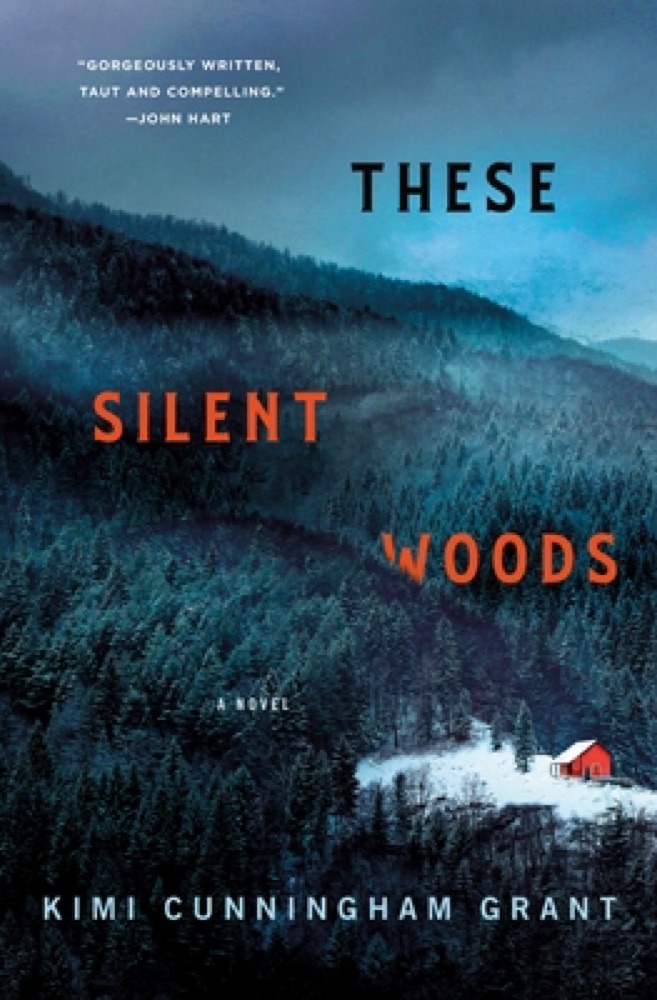 These Silent Woods
 Extraordinary Means
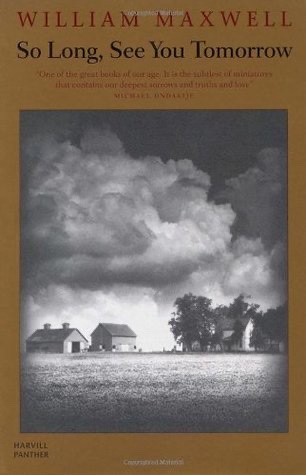 So Long, See You Tomorrow
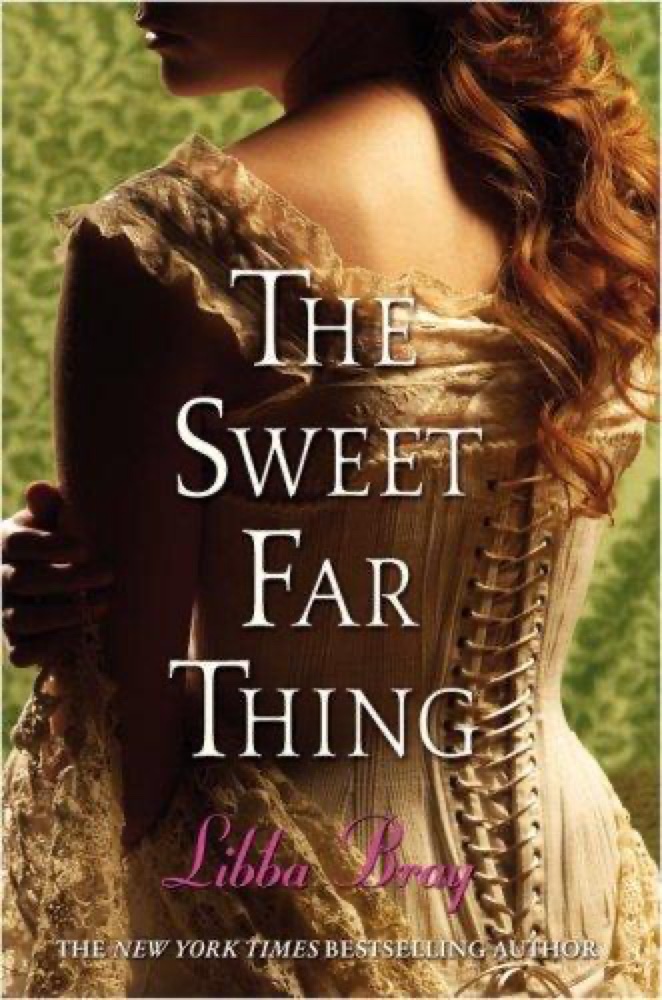 The Sweet Far Thing
 The Long Way Home
 Crossed
 Sometimes a Great Notion
 Lila
Lila
 The Wild Palms
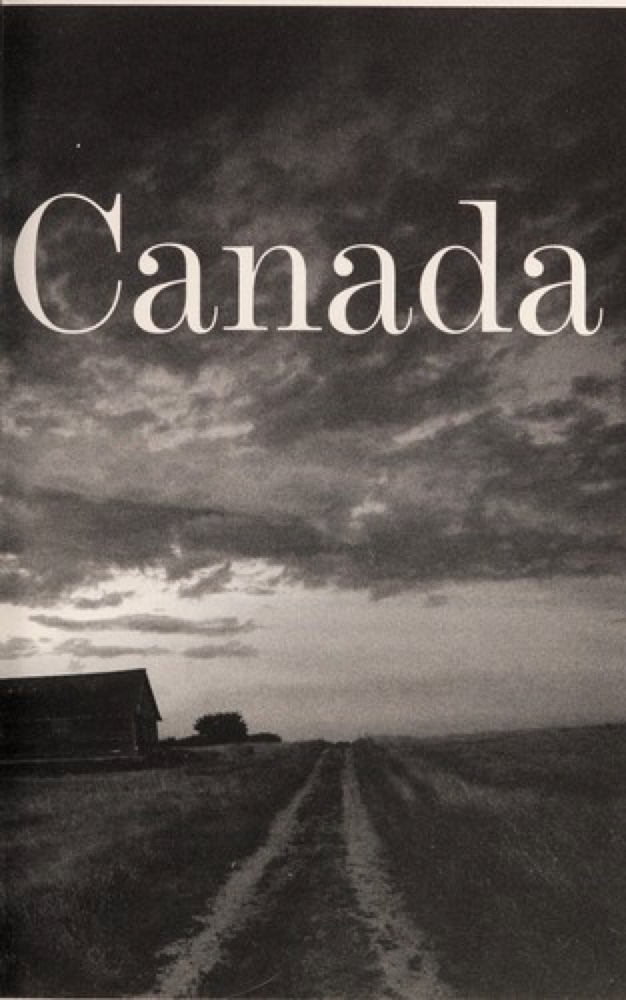 Canada
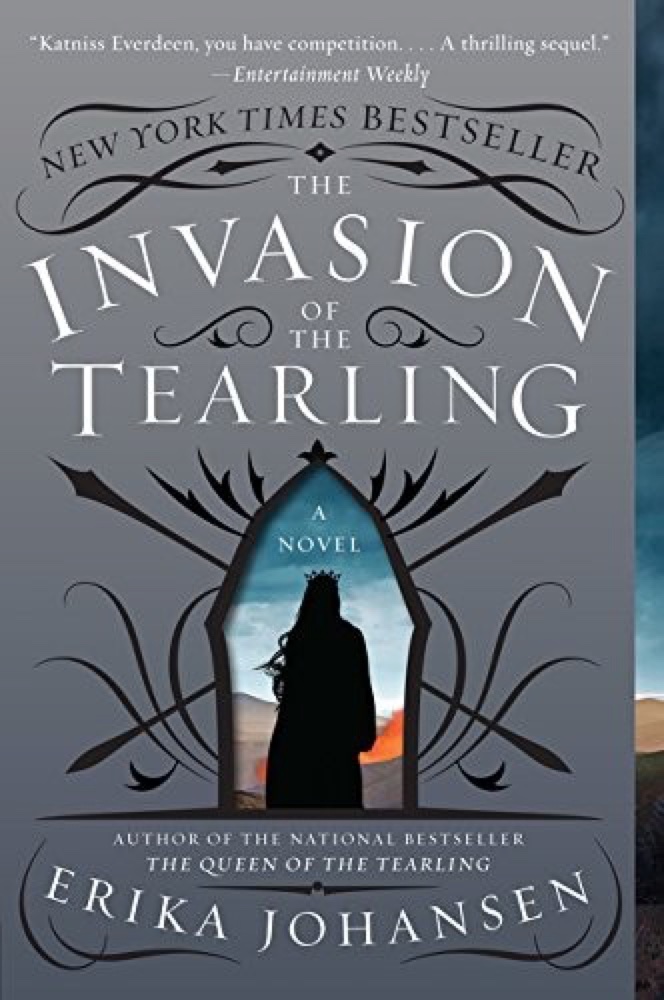 The Invasion of the Tearling
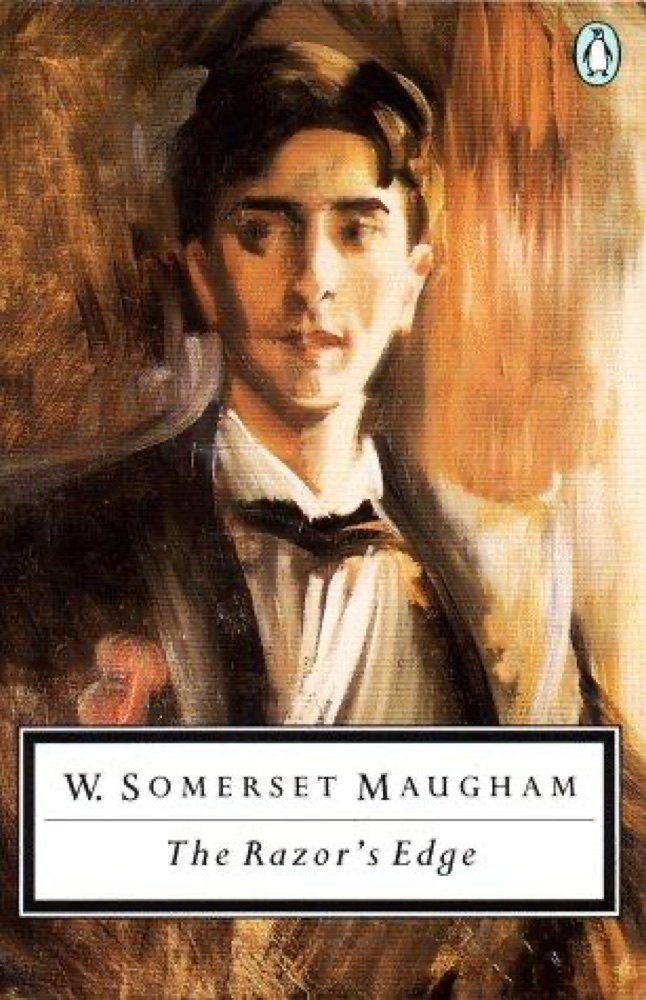 The Razor's Edge
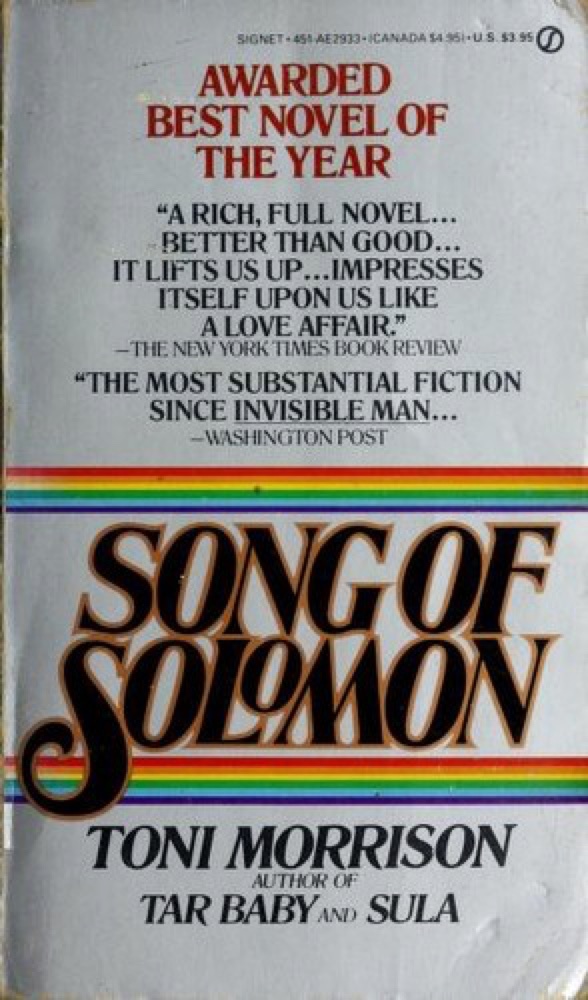 Song of Solomon
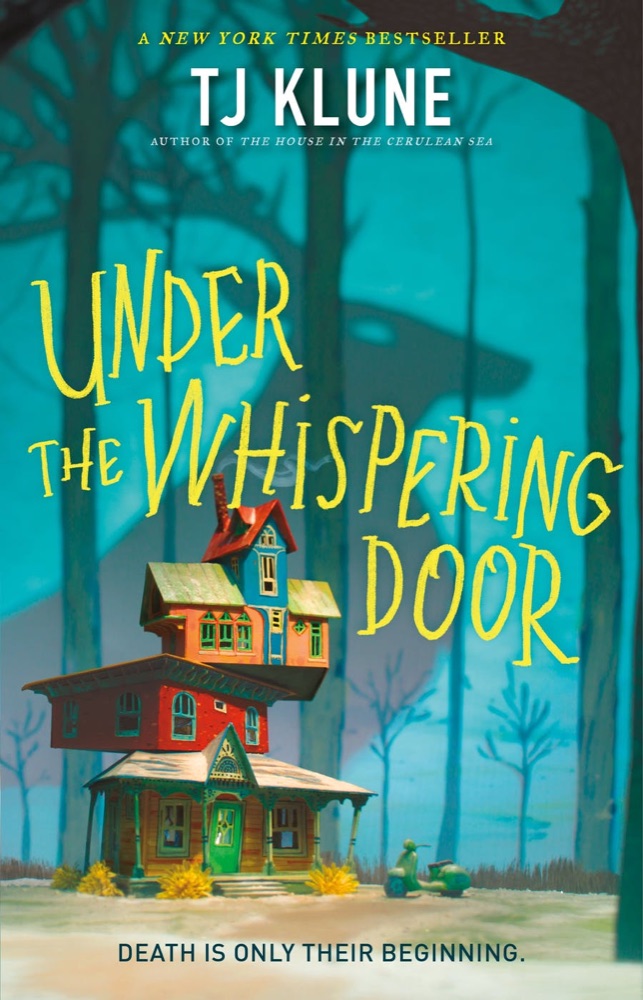 Under the Whispering Door
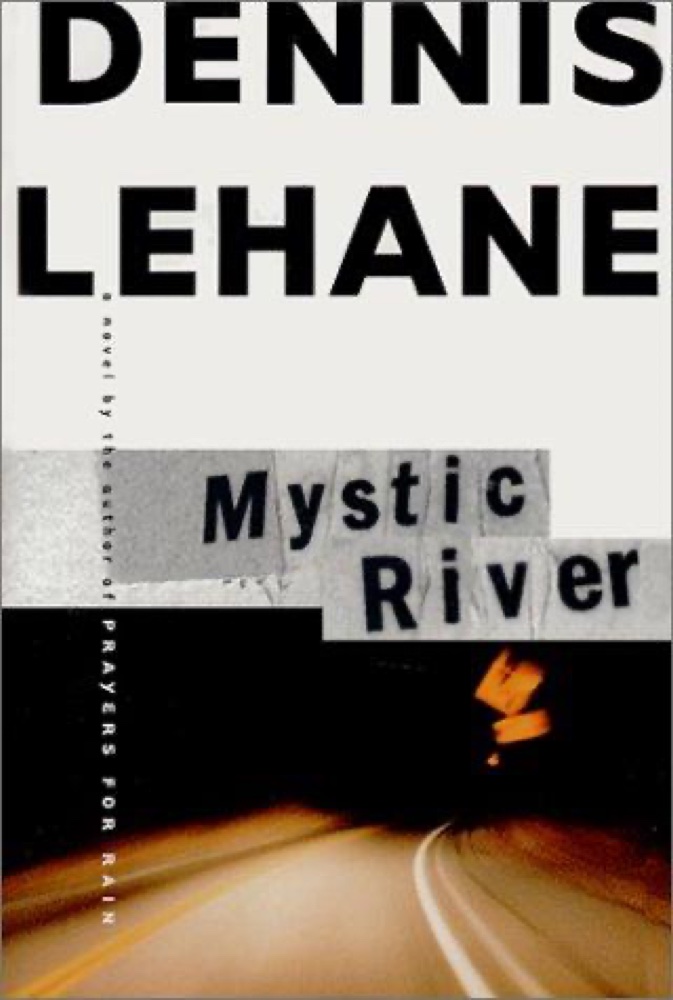 Mystic River
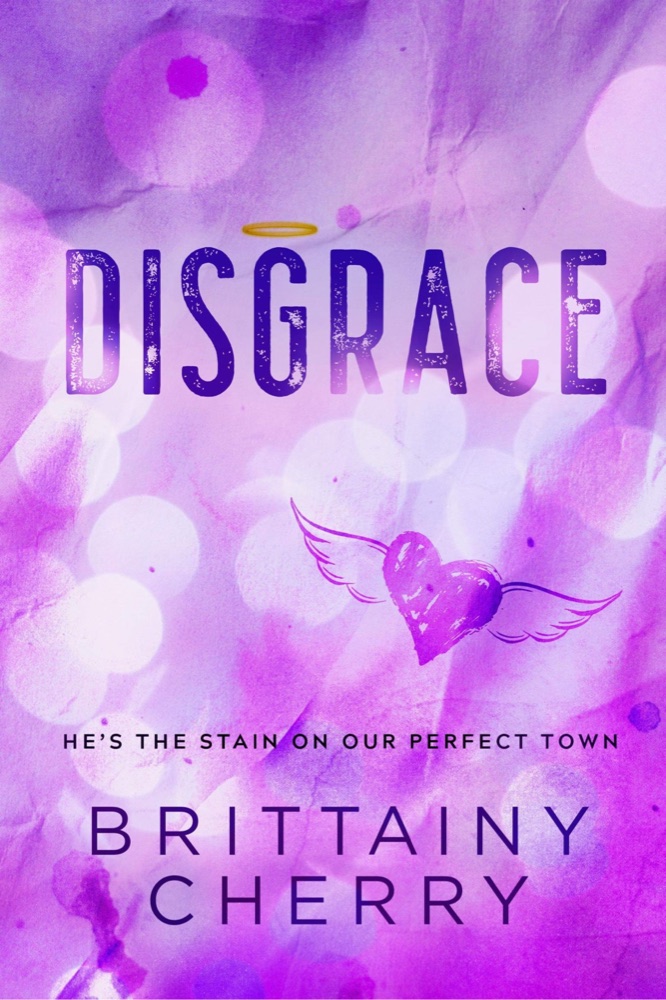 Disgrace
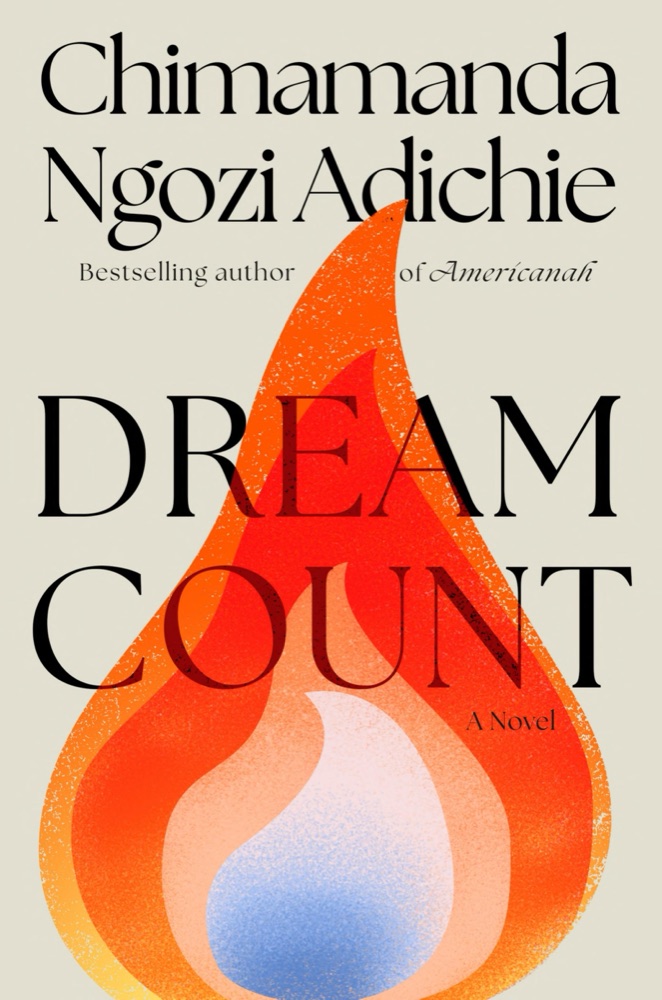 Dream Count
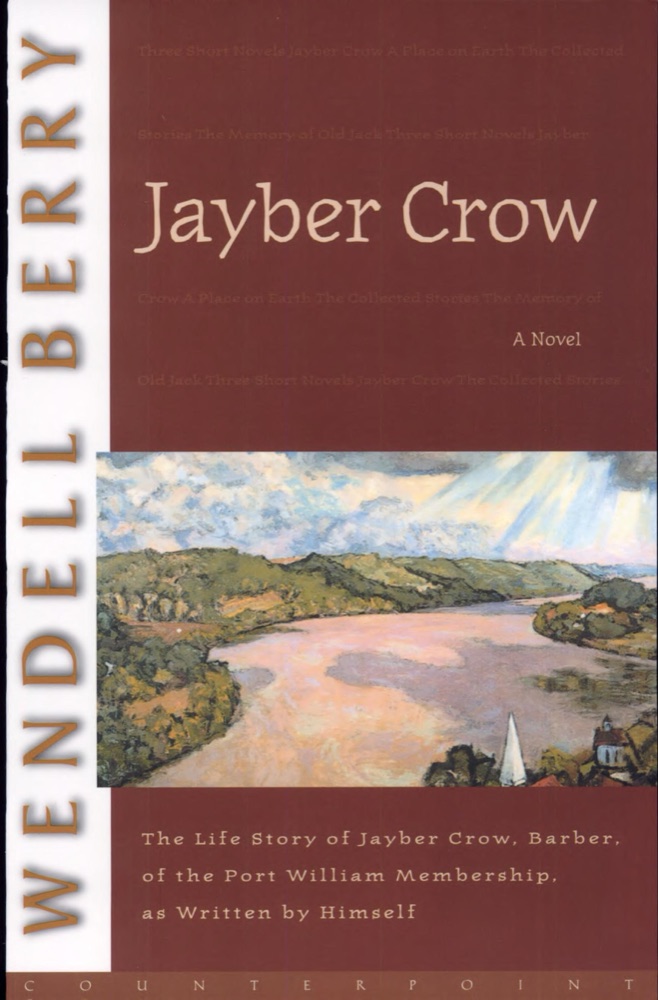 Jayber Crow
 The Mill on the Floss
 S.
S.
 The Gap of Time
 Rot & Ruin
 Hard-Boiled Wonderland and the End of the World
 The Handmaid's Tale
 The Void
 Wayfarer
 Uncle Tom's Cabin
 A Great Reckoning
 A Brightness Long Ago
 Weaveworld
 Memoirs of a Geisha