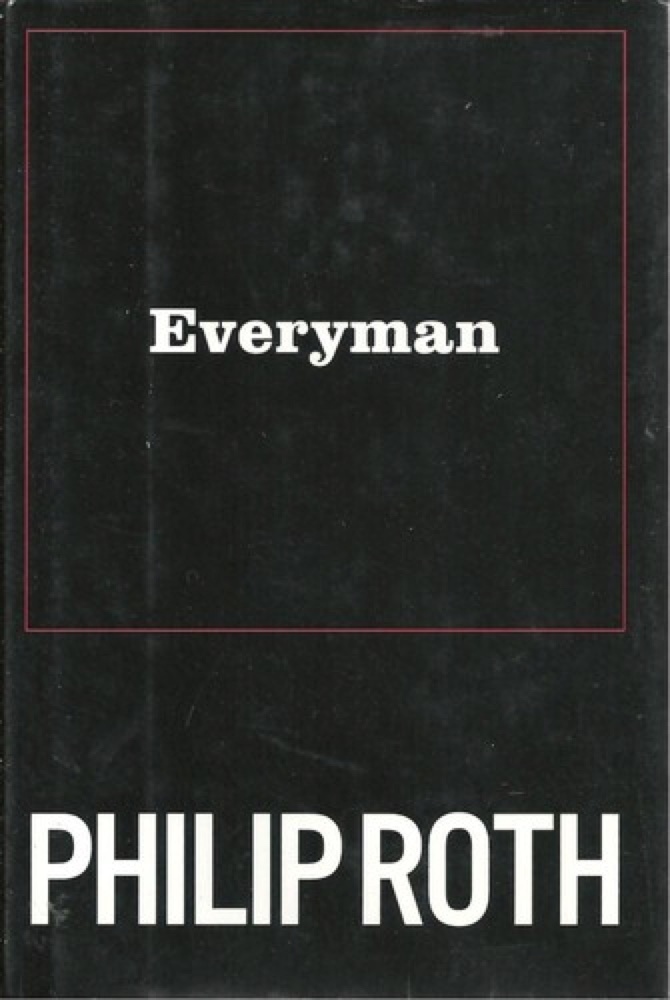

 Portnoy's Complaint
Quotes from the Book
It's best to give while your hand is still warm.
Old age isn't a battle: old age is a massacre.
There’s no remaking reality... Just take it as it comes. Hold your ground and take it as it comes. There’s no other way.
He was no more, freed from being, entering into nowhere without even knowing it. Just as he'd feared from the start.
Everyone thinks at some time or other that in a hundred years no one now alive will be on earth - the overwhelming force will sweep the place clean.
My God, he thought, the man I once was! The life that surrounded me! The force that was mine! No "otherness" to be felt anywhere! Once upon a time I was a full human being.
How much time could you spend staring out the ocean, even if it was the ocean you'd loved since you were a boy?
For hours after the three consecutive calls—and after the predictable banality and futility of the pep talk, after the attempt to revive the old esprit by reviving memories of his colleagues' lives, by trying to find things to say to buck up the hopeless and bring them back from the brink—what he wanted to do was not only to phone and speak to his daughter, whom he found in the hospital with Phoebe, but to revive his own esprit by phoning and talking to his mother and father. Yet what he'd learned was nothing when measured against the inevitable onslaught that is the end of life. Had he been aware of the mortal suffering of every man and woman he happened to have known during all his years of professional life, of each one's painful story of regret and loss and stoicism, of fear and panic and isolation and dread, had he learned of every last thing they had parted with that had once been vitally theirs and of how, systematically, they were being destroyed, he would have had to stay on the phone through the day and into the night, making another hundred calls at least. Old age isn't a battle; old age is a massacre.
Terrifying encounters with the end? I'm thirty-four! Worry about oblivion, he told himself, when you're seventy-five! The remote future will be time enough to anguish over the ultimate catastrophe!
time having transformed his own body into a storehouse for man-made contraptions designed to fend off collapse... there was only our bodies, born to live and die on terms decided by the bodies that had lived and died before us.
They were just bones, bones in a box, but their bones were his bones, and he stood as close to the bones as he could, as though the proximity might link him up with them and mitigate the isolation born of losing his future and reconnect him with all that had gone. For the next hour and a half, those bones were the things that mattered most. They were all that mattered, despite the impingement of the neglected cemetery's environment of decay. Once he was with those bones he could not leave them, couldn't not talk to them, couldn't but listen to them when they spoke. Between him and those bones there was a great deal going on, far more than now transpired between him and those still clad in their flesh.
His mother had died at eighty, his father at ninety. Aloud he said to them, "I'm seventy-one. Your boy is seventy-one." "Good. You lived," his mother replied, and his father said, "Look back and atone for what you can atone for, and make the best of what you have left.
It's a big deal for working people to buy a diamond," he told his sons, "no matter how small. The wife can wear it for the beauty and she can wear it for the status. And when she does, this guy is not just a plumber — he's a man with a wife with a diamond. His wife owns something that is imperishable. Because beyond the beauty and the status and the value, the diamond is imperishable. A piece of the earth that is imperishable, and a mere mortal is wearing it on her hand!
je kunt alles doorstaan zei Phoebe, zelfs als het vertrouwen geschonden is, als het maar eerlijk wordt bekend. je wordt dan levenspartners op een andere manier, maar je kunt nog wel partners blijven. maar liegen- liegen is een goedkope manier van macht uitoefenen over de ander. wie liegt, kijkt toe terwijl de ander handelt op basis van onvolledige informatie- met andere woorden zichzelf vernedert. ... het is toch eeuwig hetzelfde verhaal. de man verliest de hartstocht voor de huwelikspartner, zonder dat kan hij niet leven. de vrouw is pragmatisch. de vrouw is realistisch. zeker de hartstocht is geluwd, maar zij is tevreden met de lichamelijke genegenheid, gewoon samen met hem in bed liggen, hij in haar armen, zij in de zijne. maar voor hem is dat niet genoeg. hij is een man die niet zonder leven kan
hoe weemoedig hij soms ook mocht kijken naar zulke echtparen in de vallende schemering of op zondagmiddagen, de week had nog meer uren en hun leven was niets voor hem, als hij zijn melancholie weer de baas was
This ordinarily even-tempered man struck furiously at his heart like some fanatic at prayer, and, assailed by remorse not just for this mistake but for all his mistakes, all the ineradicable, stupid, inescapable mistakes — swept away by the misery of his limitations yet acting as if life's every incomprehensible contingency were of his making
Old age isn't a battle, old age is a massacre.
Religion was a lie that he had recognized early in life, and he found all religions offensive, considered their superstitious folderol meaningless, childish, couldn't stand the complete unadultness — the baby talk and the righteousness and the sheep, the avid believers. No hocus-pocus about death and God or obsolete fantasies of heaven for him. There was only our bodies, born to live and die on terms decided by the bodies that had lived and died before us. If he could be said to have located a philosophical niche for himself that was it - he'd come upon it early and intuitively, and however elemental, that was the whole of it. Should he ever write an autobiography, he'd call it The Life and Death of a Male Body.
True, he had chosen to live alone, but not unbearably alone. The worst of being unbearably alone was that you had to bear it - either that or you were sunk. You had to work hard to prevent your mind from sabotaging you by its looking hungrily back at the superabundant past.
He was walking back through the cemetery to his car when he came upon a black man digging a grave with a shovel. The man was standing about two feet down in the unfinished grave and stopped shoveling and hurling the dirt out to the side as the visitor approached him. He wore dark coveralls and an old baseball cap, and from the gray in his mustache and the lines in his face he looked to be at least fifty. His frame, however, was still thick and strong. "I thought they did this with a machine," he said to the gravedigger. "In big cemeteries, where they do many graves, a lot of times they use a machine, that's right." He spoke like a Southerner, but very matter-of-factly, very precisely, more like a pedantic schoolteacher than a physical laborer. "I don't use a machine," the gravedigger continued, "because it can sink the other graves. THe soil can give and it can crush in on the box. And you have the gravestones you have to deal with. It's just easier in my case to do everything by hand. Much neater. Easier to take the dirt away without ruining anything else. I use a real small tractor that I can maneuver easily, and I dig by hand.
Puoi superare qualunque cosa, anche se la fiducia è stata tradita, se ti viene confessato. Allora diventate compagni di vita in un modo diverso, ma è sempre possibile rimanere compagni. Ma mentire... Mentire significa esercitare un meschino, spregevole controllo sull'altra persona. Significa permettere che l'altra persona agisca in base a informazioni incomplete. Lasciare, in altri termini, che si umili.
Watch on YouTube
About Philip Roth
We have collected 283 quotes from 16 books by Philip Roth on BookQuoters.
More about the author →More by Philip Roth
All books by Philip Roth →
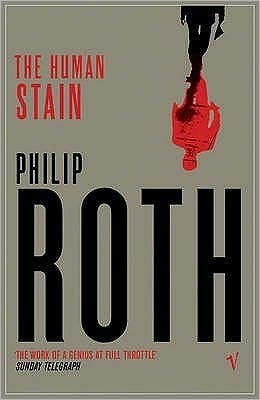
Book details
- Author
- Philip Roth
- Genre
- Literature
- Goodreads rating
- 3.63 (22k ratings) →
Keep reading
 The Damnation Game
 Old God's Time
 Dead Souls
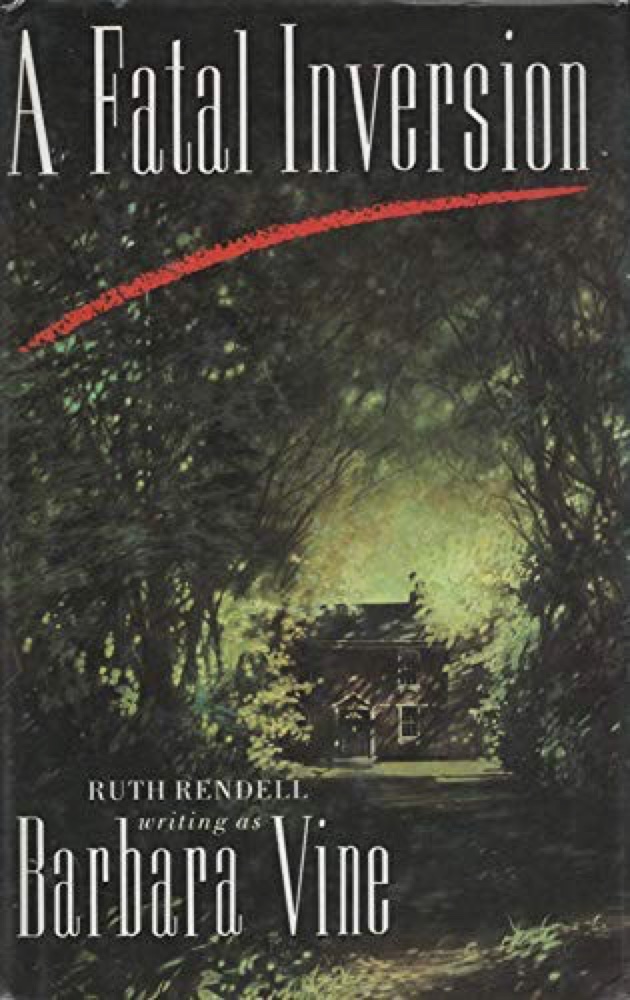 A Fatal Inversion
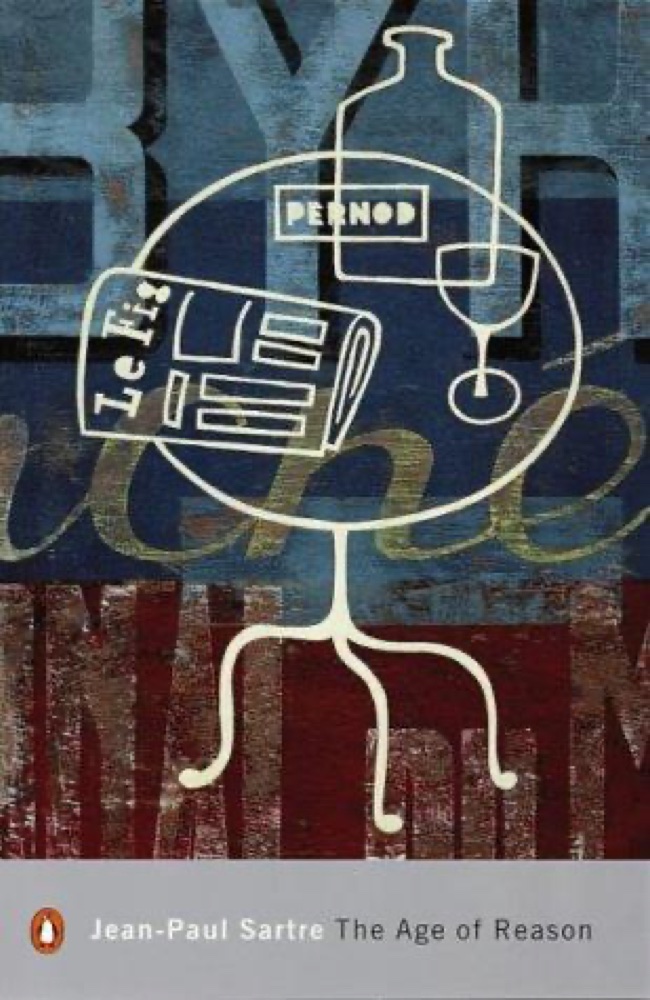 The Age of Reason
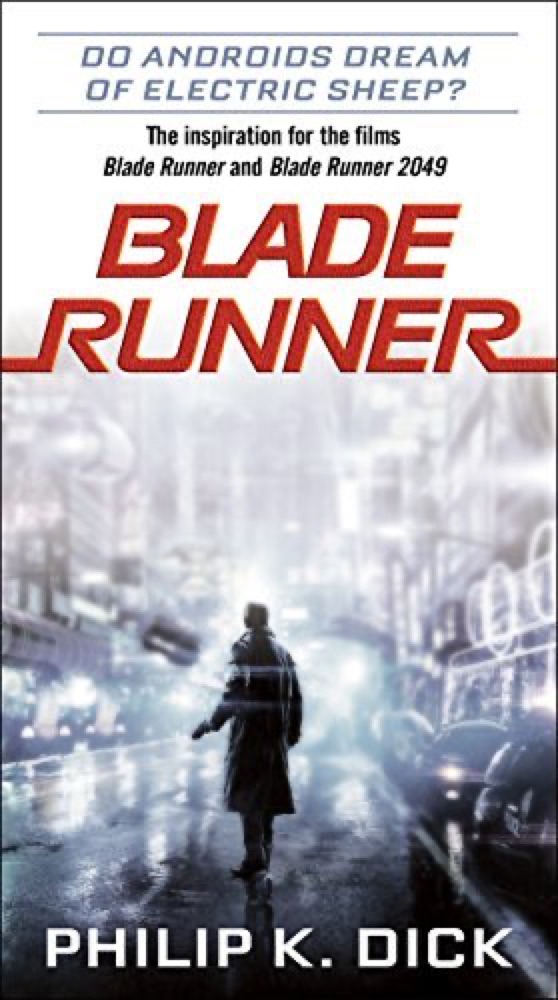 Do Androids Dream of Electric Sheep?
 V.
V.
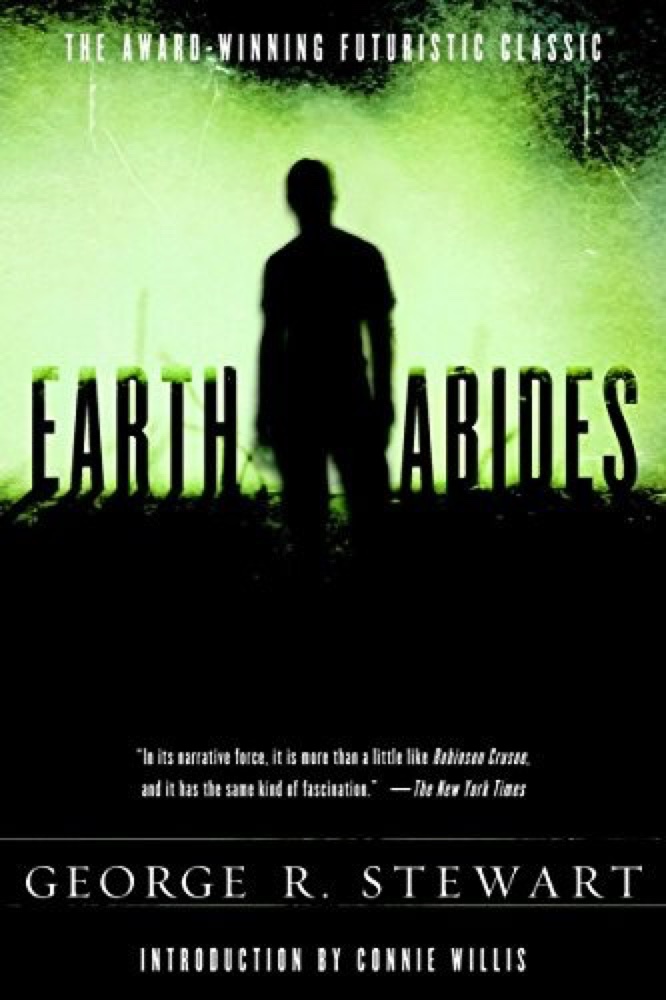 Earth Abides
 The Wars
 The Given Day
 All the King's Men
 Orient
 Wayward
 Exit Ghost
 Fathers and Sons
 The Naked and the Dead
 The Black Obelisk
 The Magus
 A Death in the Family
 Catch-22
 Bad News
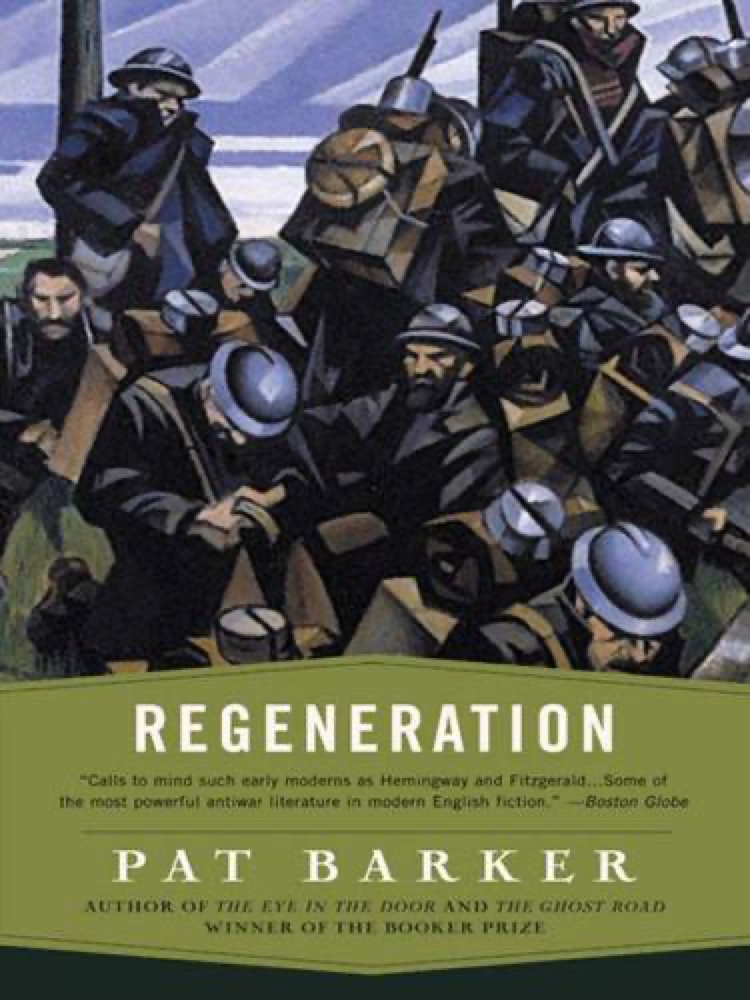 Regeneration
 The Sailor Who Fell from Grace with the Sea
 The Son
 Light in August
 City
City
 The Night in Question
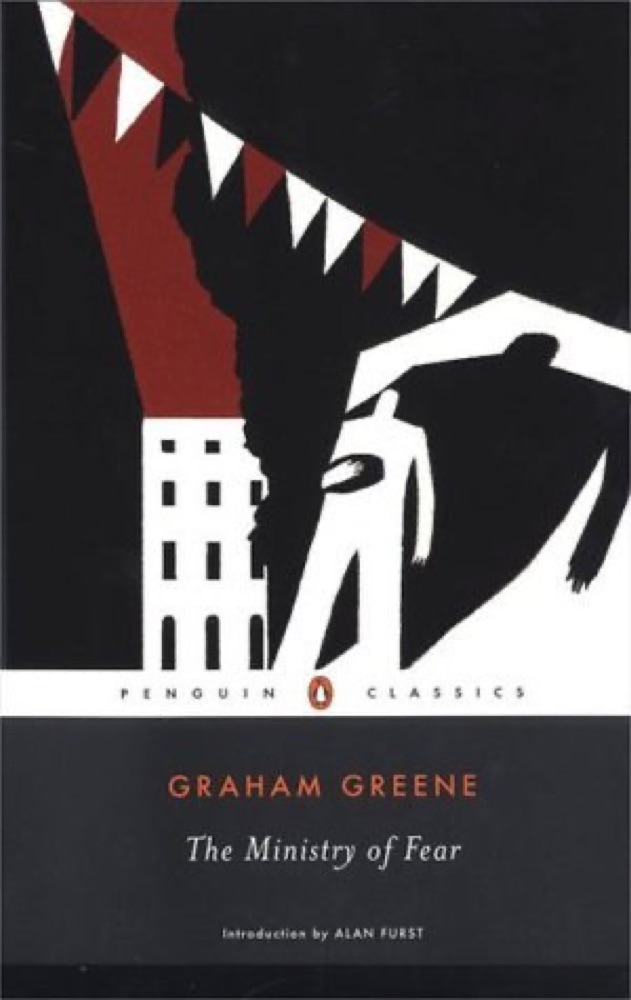 The Ministry of Fear
 Absalom, Absalom!
 Uncle Tom's Cabin
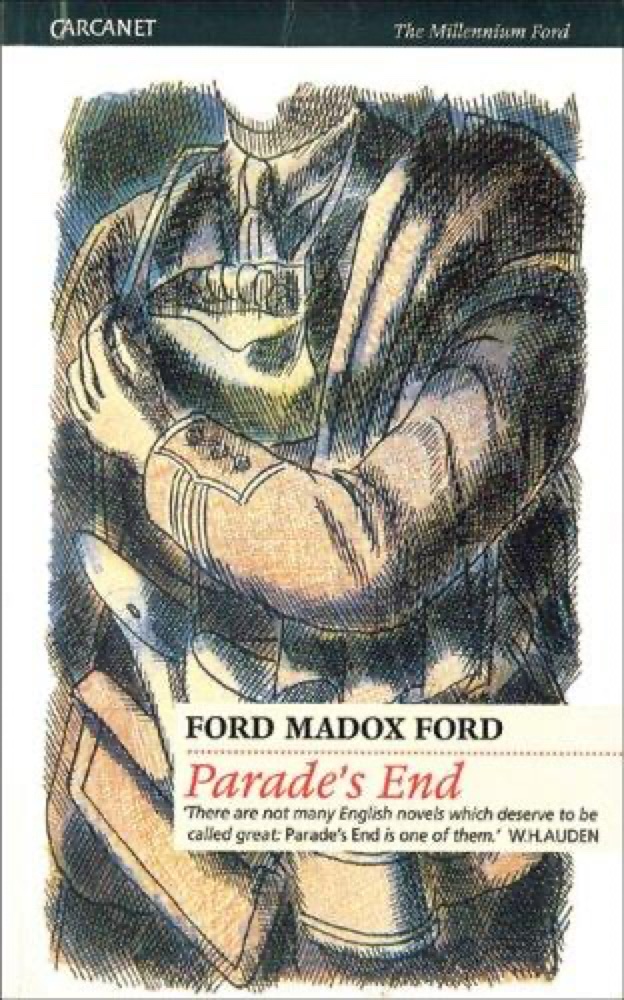 Parade's End
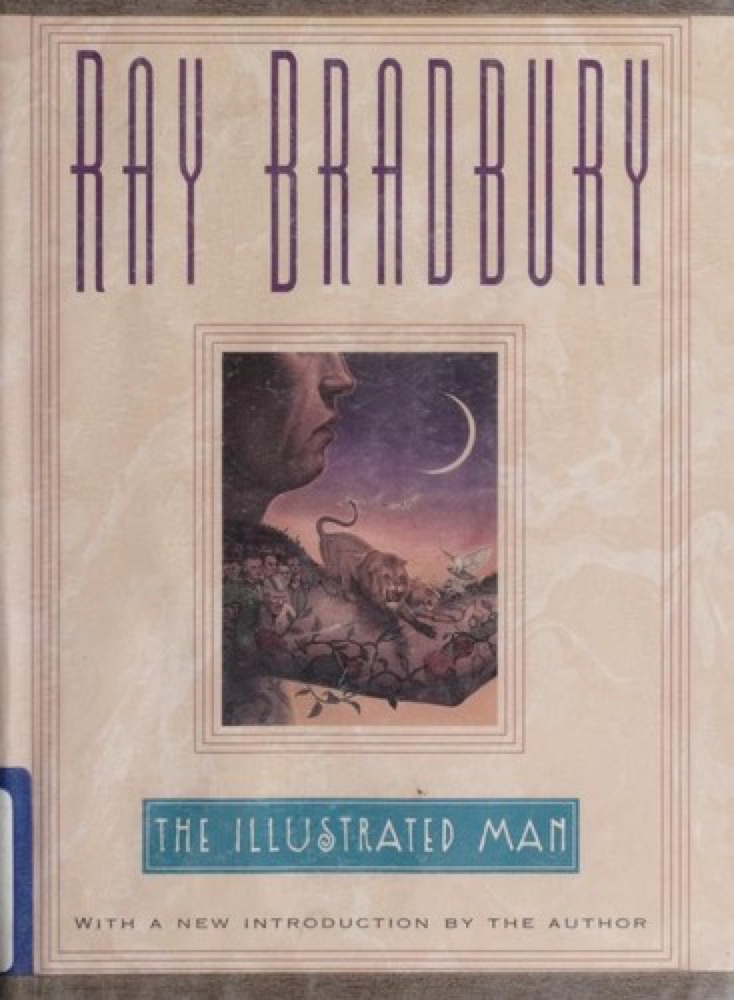 The Illustrated Man
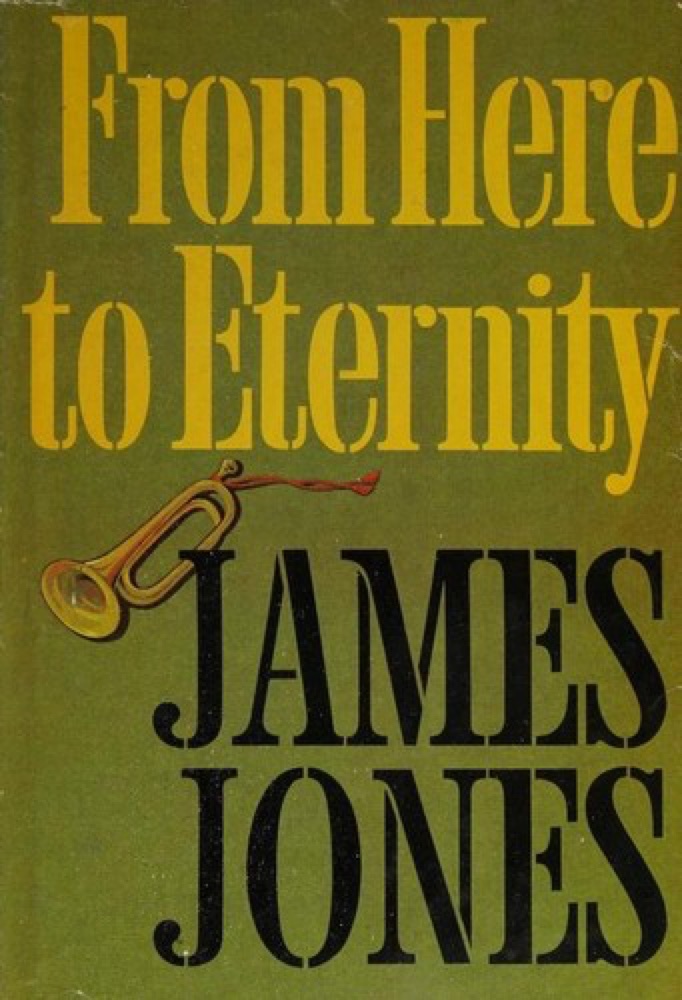 From Here to Eternity
 American Pastoral
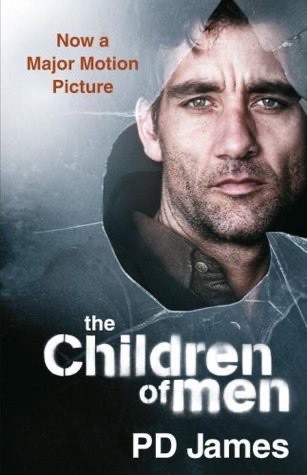 The Children of Men
 A Place on Earth
 The Mysterious Mr. Quin
 A Scanner Darkly
 Flotsam
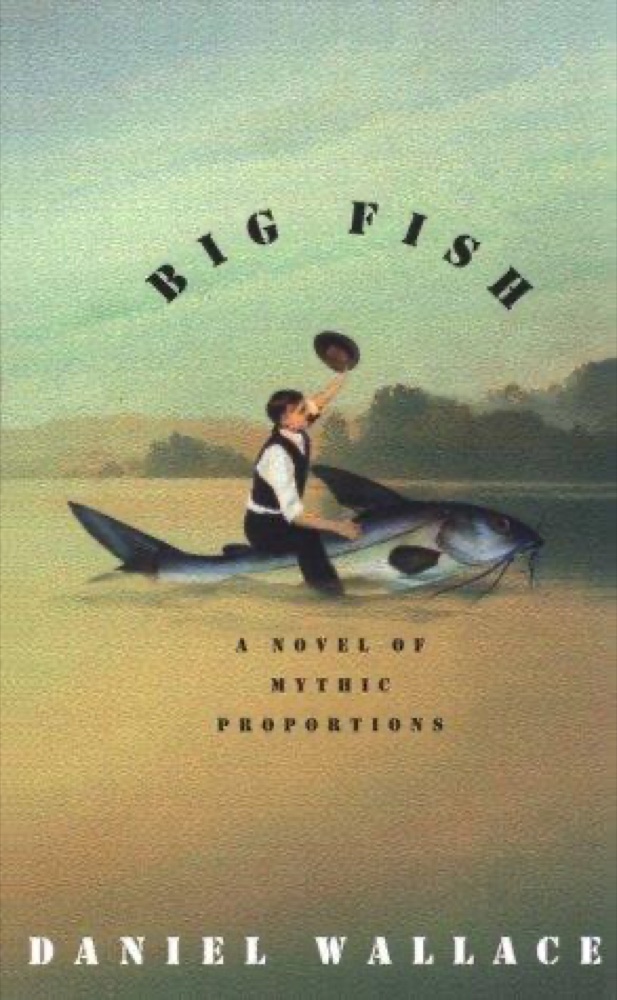 Big Fish
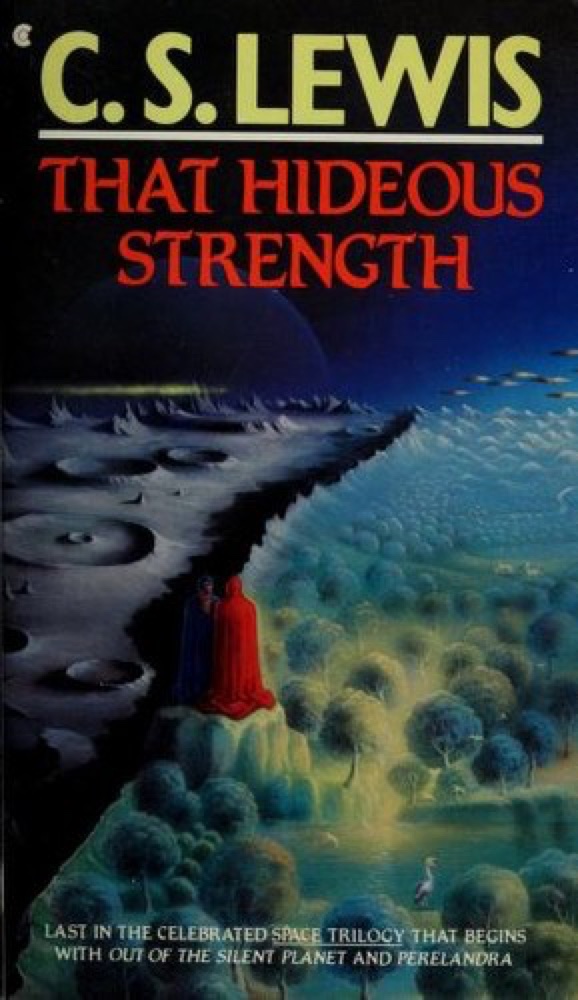 That Hideous Strength
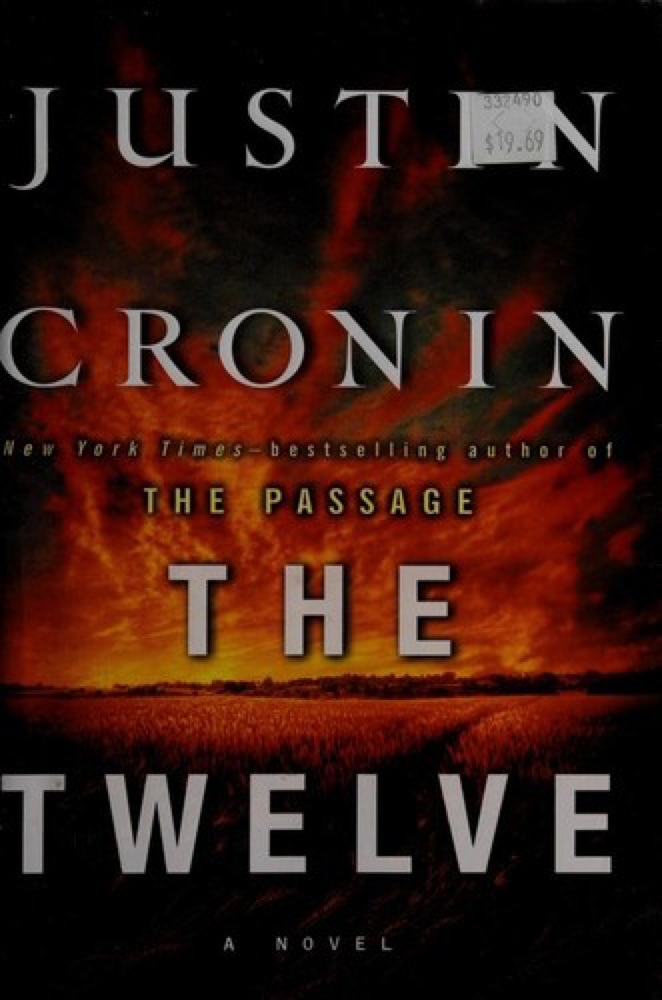 The Twelve
 A Rule Against Murder
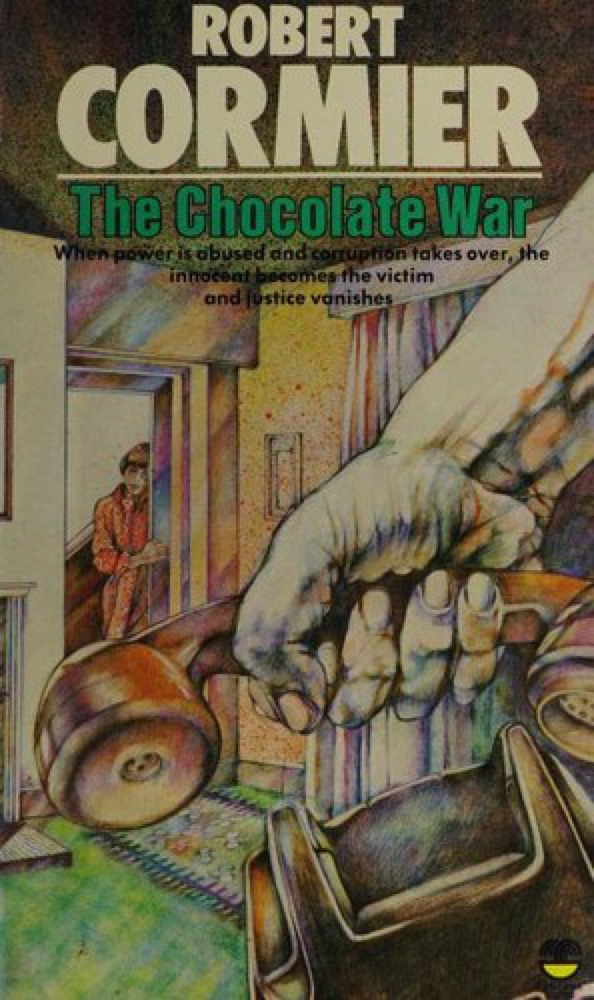 The Chocolate War
 Another Country
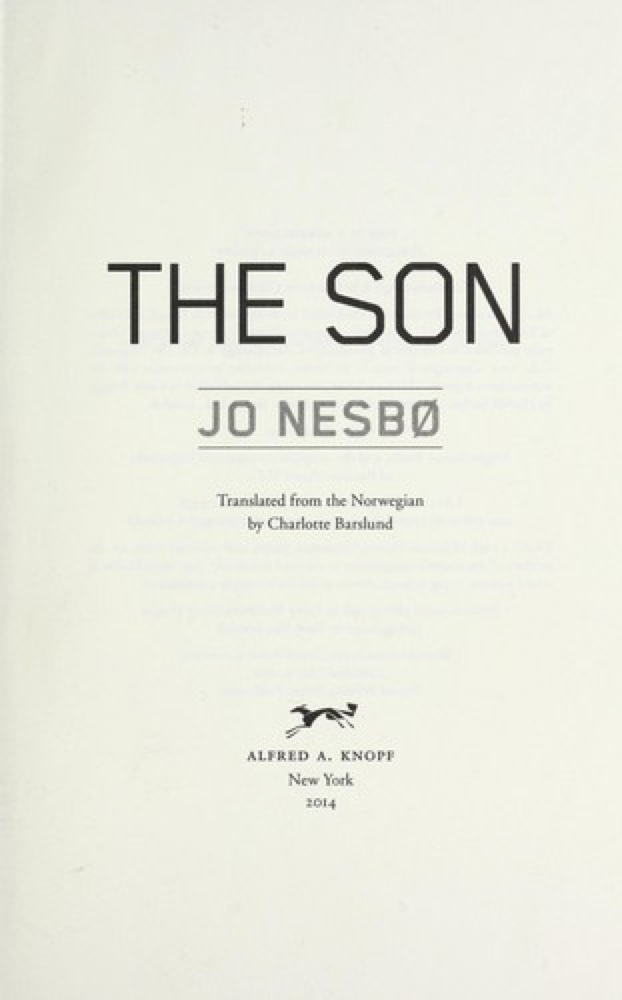 The Son
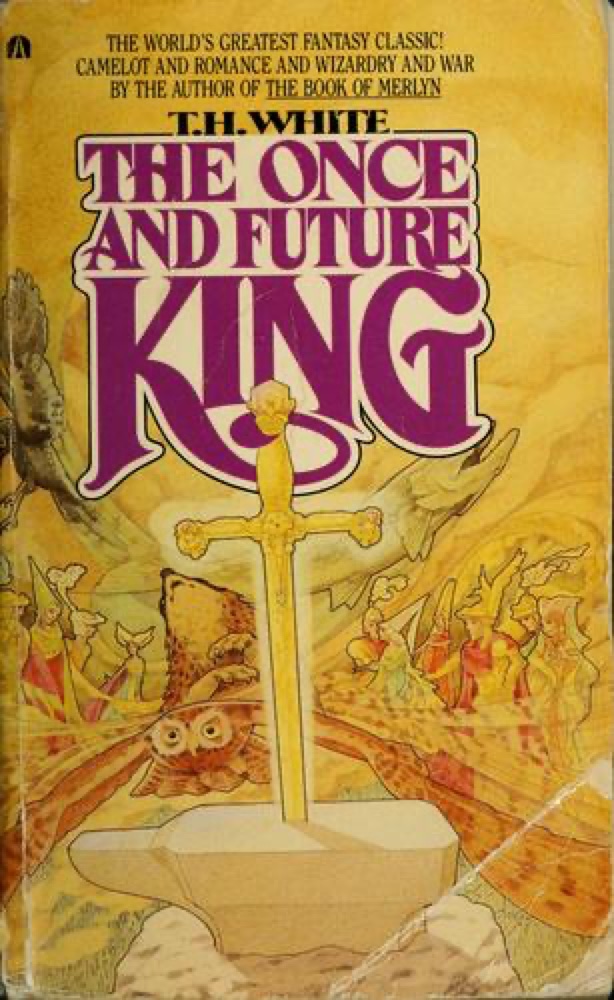 The Once and Future King
 Crime and Punishment
 The Narrow Road to the Deep North
 Embers
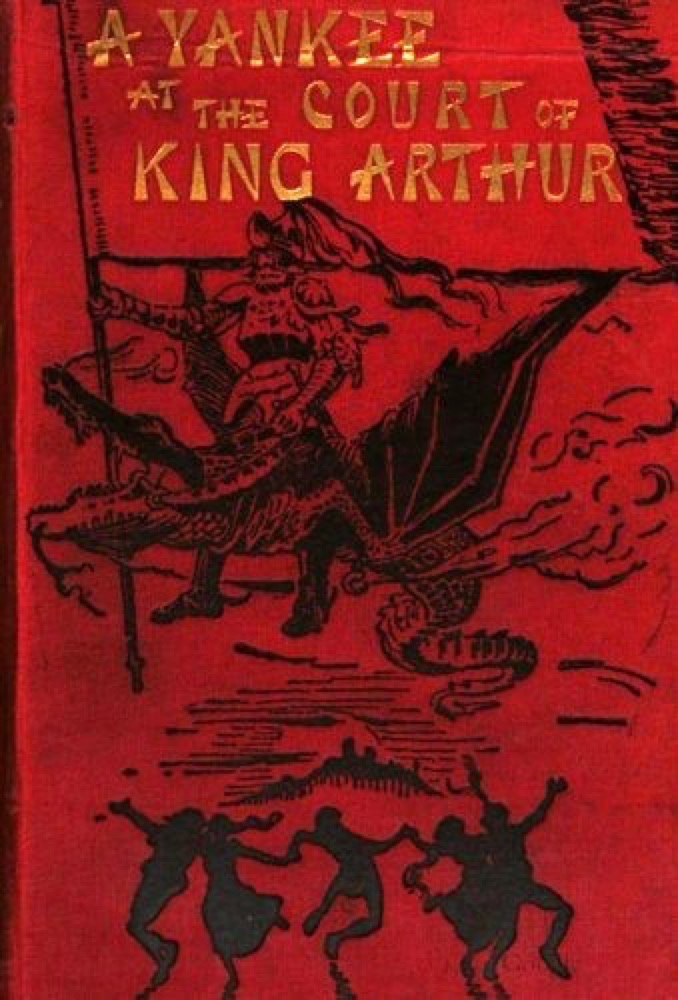 A Connecticut Yankee in King Arthur's Court
 Alas, Babylon
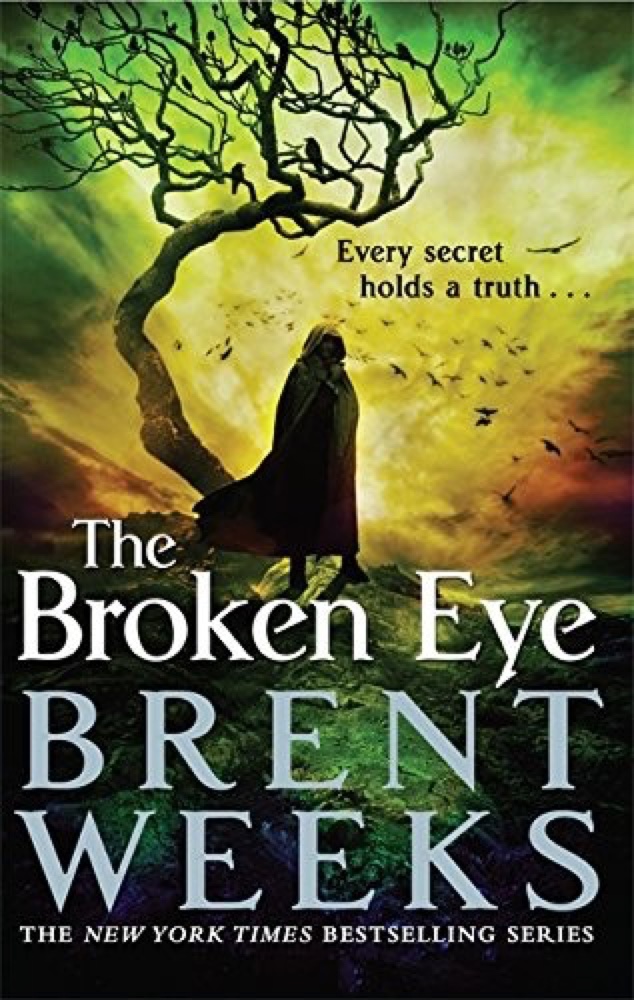 The Broken Eye
 The Empusium
 Cancer Ward
 The Snowman
 So Long, See You Tomorrow
 The Known World
 Herzog
 Chances Are...