
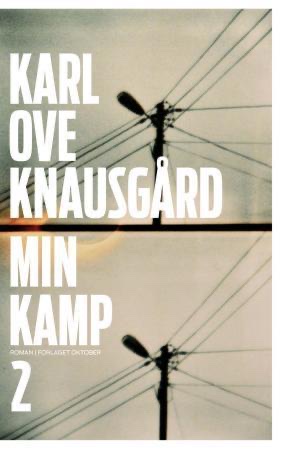
 Min kamp 2
Quotes from the Book
What happens to the bird does not concern it. It was the most radical thought I had ever known. It would free me from all pain, all suffering. What happens to me does not concern me.
4
I am here, at this moment in time. It's enough.
4
That is what life is like, is it not? When we’re young we think there’s more to come, that this is only the beginning, whereas in fact it’s all there is, and what we have now, and barely even think about, will soon be the only thing we ever had.
4
God’s kingdom was the moment. The trees, the forest, the sea, the lily, the bird, all existed in the moment. To them, there was no such thing as future or past. Nor any fear or terror. That was the first turning point. The second came when I read what followed. What happens to the bird does not concern it. It was the most radical thought I had ever known. It would free me from all pain, all suffering. What happens to me does not concern me.
3
a person only has to step sideways for everything to look different.
3
But Nietzsche was impossible to read without consideration of the fact that he himself was a loser, weak and alone, and that everything he wrote about will, about power and about the strong, was to compensate for his own inadequacy.
2
Our every worry, our every trouble, our every anxiety will then fall way- what happens to the bird does not concern it, he wrote. Our burdens are given up to God. Such innocence still of the animals and the smallest children, was torn from us by the awareness of death, which made us and our godless world.
2
Forty was when you met yourself in the doorway and could take stock one last time, before it was too late to change direction.
1
Ideas didn’t have to be true to enthuse him, nor even probably true. It was enough for them to be new.
1
It’s all the wrong people talking about God,” she said once. “So it’s hardly surprising no one believes anymore. There’s something wrong from the outset with a man who wants to be a priest, and it is still mainly men.” “Who else should talk about God?” I asked.
1
Death belongs to the future—perhaps it even establishes the future—and can be perceived only as a future occurrence
When we’re young we think there’s more to come
[The Bible says] 'And death shall flee from them.' I believe 'those days' to be near. I believe 'them' to be us. But if it is the case that death one day will be gone, what then of the already dead?
You’ve got lots of interesting thoughts. Not all priests have.
The priest who once supervised me as a student had once said to me that a person only has to step sideways for everything to look different. He'd been talking about the priest's role as a director of souls. I don't know why I remembered it so vividly, because he said all sorts of clever things, but I reasoned it was because it was true, and because it was something I needed to know and thus found significant. People disappeared into their own lives and conflicts, and in doing so they lost perspective, not only on where they were, but also on who they were, and who they had been or could become. But stepping sideways in one's own life was well nigh impossible.
We had the children, of course. They would always be ours. But did we have anything besides them?
Man is fundamentally good, it’s society that turns him bad. Have you ever known a bad baby?’ It wasn’t difficult to see where these opinions
The dynamic between freedom and dependency is in other words fundamentally the same for monocellular life and
We are just as unnecessary as death, and however odd it may sound, our presence here is more closely attached to death than to life. Death created us. —
Criticizing a person was the same as putting yourself above them, telling them you’re better than they are. There was no other way of looking at it.
In a strange way, what I read coincided with what I was. I read about the raging sea as the sea raged, I read about the whispering forest as the forest whispered, and when I read that to pray was not to speak, but to become silent, that only in silence could God's kingdom be sought, God's kingdom came. God's kingdom was the moment. The trees, the forest, the sea, the lily, the bird, all existed in the moment. To them, there was no such thing as future or past. Nor any fear or terror. That was the first turning point. The second came when I read what followed: What happens to the bird does not concern it. It was the most radical thought I had ever known. It would free me from all pain, all suffering. What happens to me does not concern me.
But something must have happened, unbeknown to my conscious self I must have been working away at it, because during the winter I had become converted. In an indescribable moment of joy, everything slotted into place. The insight, for that's what it was, had since faded somewhat, and I strove continually to approach it once more. And although the days were dark, its light was somewhere always shining, whether in my soul I was in the forest or on the sea, all I had to do was go towards it.
Meaning wasn’t in me, meaning wasn’t in another, meaning arose in the encounter between us.
Watch on YouTube
About Karl Ove Knausgård
We have collected 117 quotes from 6 books by Karl Ove Knausgård on BookQuoters.
More about the author →More by Karl Ove Knausgård
All books by Karl Ove Knausgård →
About the book
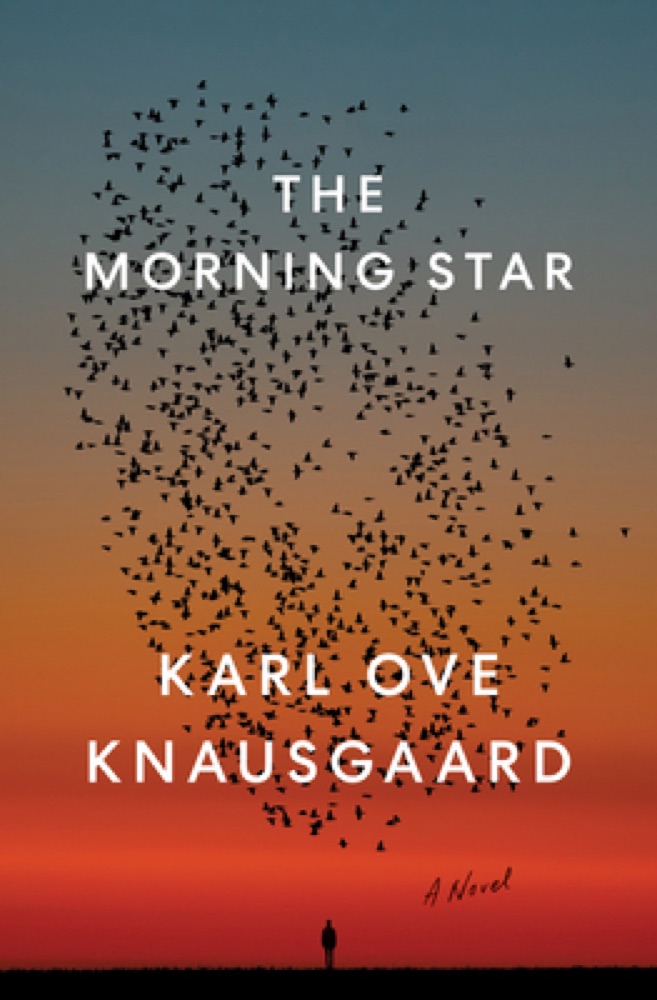
It's a normal night in August. Literature professor Arne and artist Tove are with their children at the resort in southern Norway. Their friend, Egil, a driver by day, is staying in a cabin nearby. Kathrine, a priest, is on her way home from a seminar, the journalist Jostein is out on the town, and his wife Turid, who is an assistant nurse, has a night shift.
Above them all, a huge star suddenly appears in the sky. No one, not even the astronomers, knows for sure what kind of phenomenon it is. Is there a star burning itself out? Why then has no one seen it before? Or is it a brand new star? Slowly the interest in the news subsides, and life goes on, but not quite as before, for unusual phenomena begin to occur on the fringes of human existence.
Over these days in August, the characters the novel follows will each understand what is happening differently, and all face new struggle
Book details
- First published
- 2020
- Author
- Karl Ove Knausgård
- Genre
- Fiction
- Goodreads rating
- 3.96 (20k ratings)
The buzz
- The New York TimesReview in The New York Timesprofessional review (via Book Marks)
- The New YorkerReview in The New Yorkerprofessional review (via Book Marks)
- The GuardianReview in The Guardianprofessional review (via Book Marks)
- Los Angeles TimesReview in Los Angeles Timesprofessional review (via Book Marks)
- Kirkus ReviewsReview in Kirkus Reviewsprofessional review (via Book Marks)
- Publishers WeeklyReview in Publishers Weeklyprofessional review (via Book Marks)
Keep reading
 Jayber Crow
 Light Years
 A Sudden Light
 Killing Commendatore
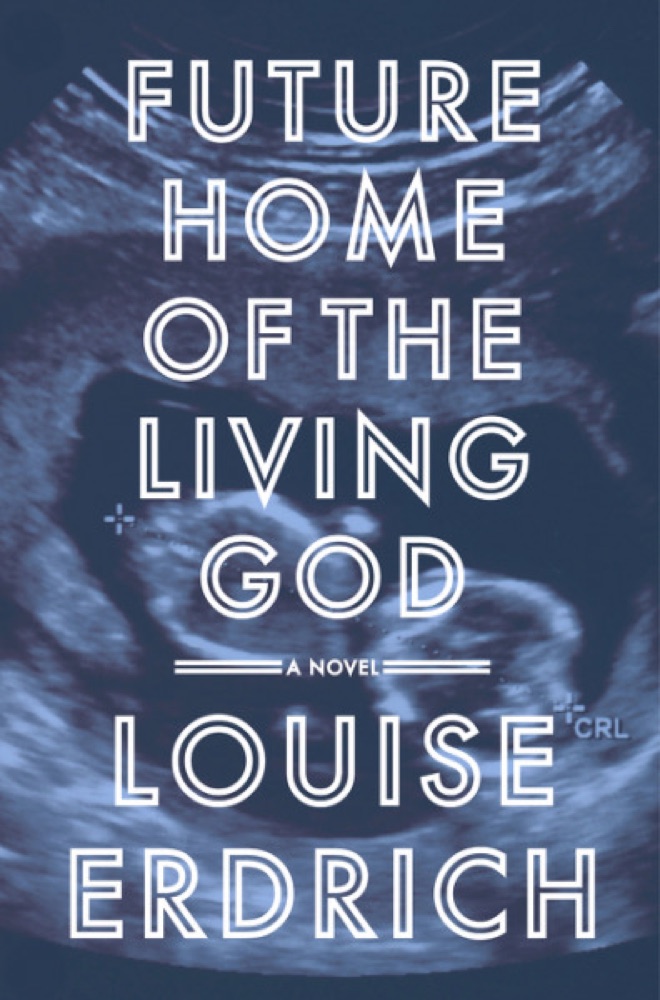 Future Home of the Living God
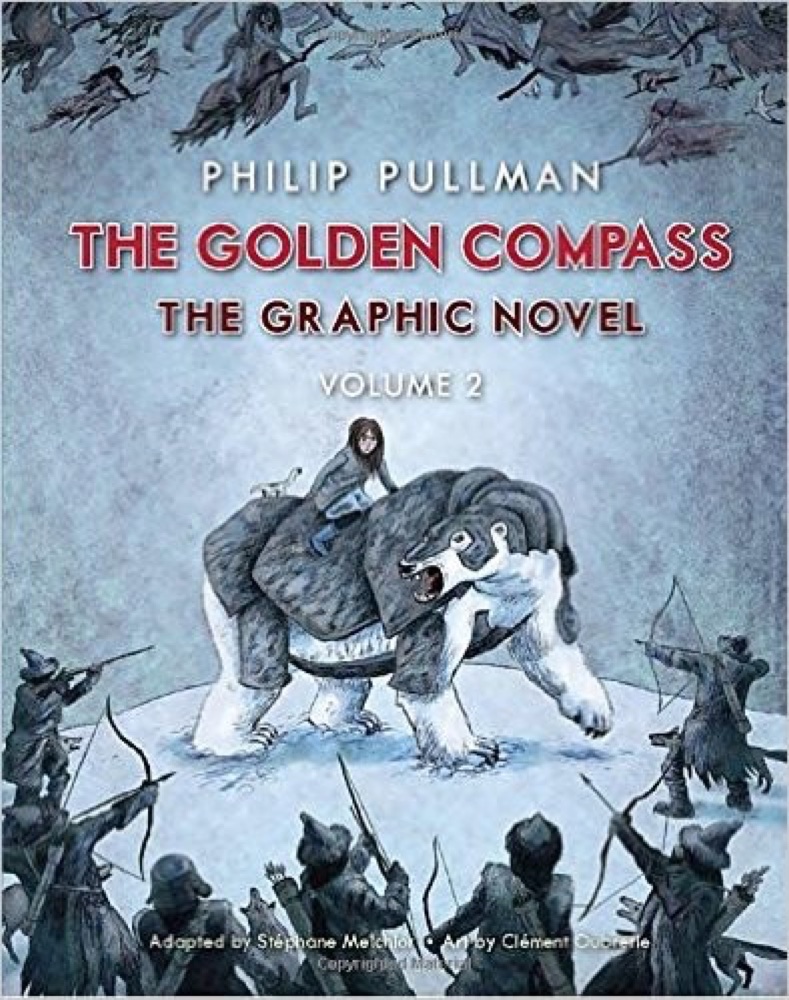 The Golden Compass
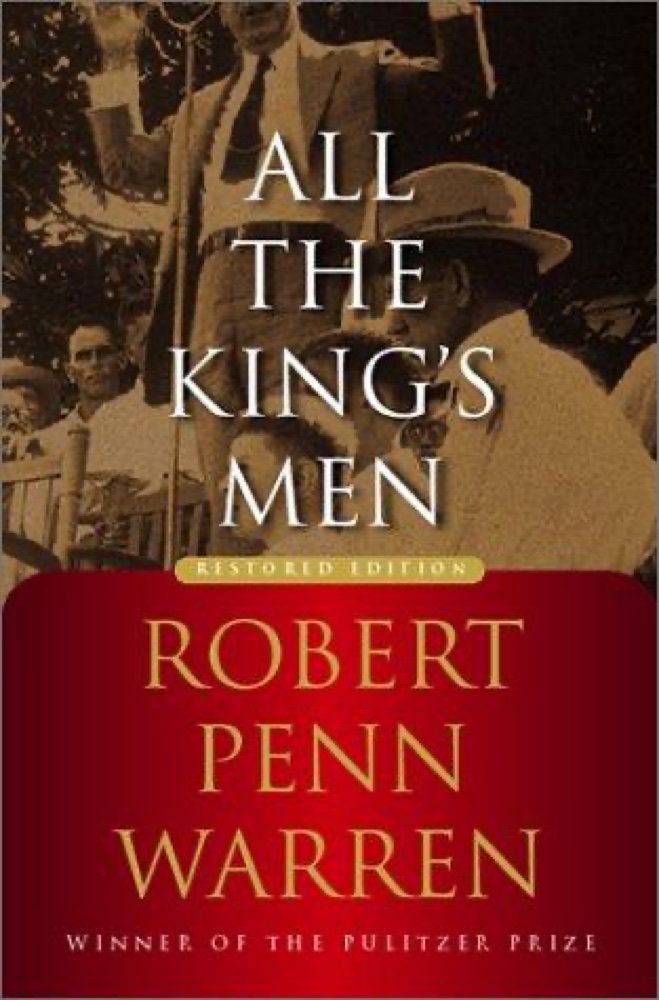 All the King's Men
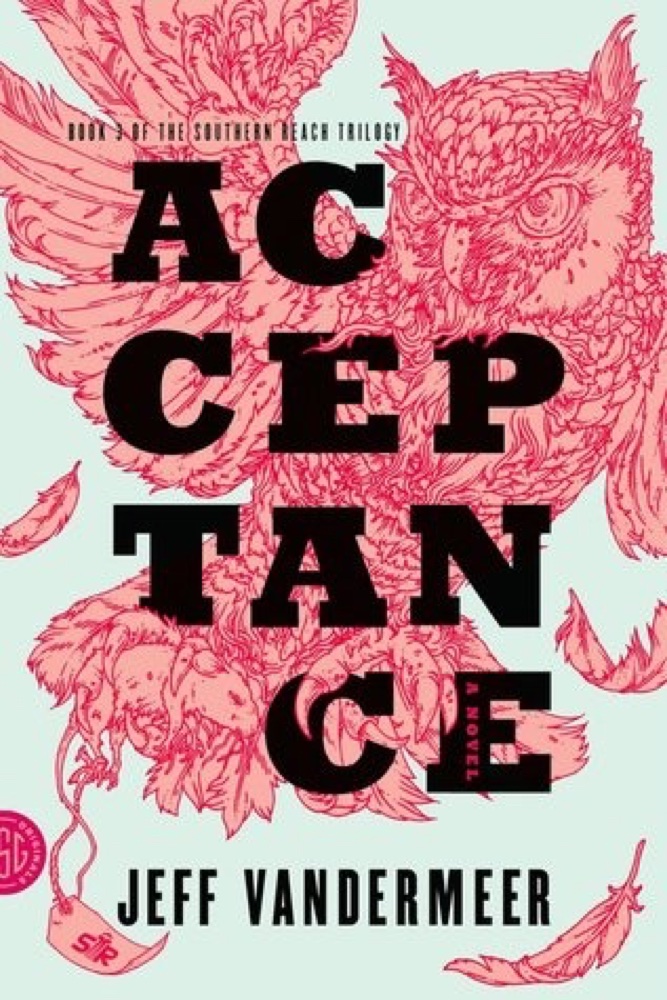 Acceptance
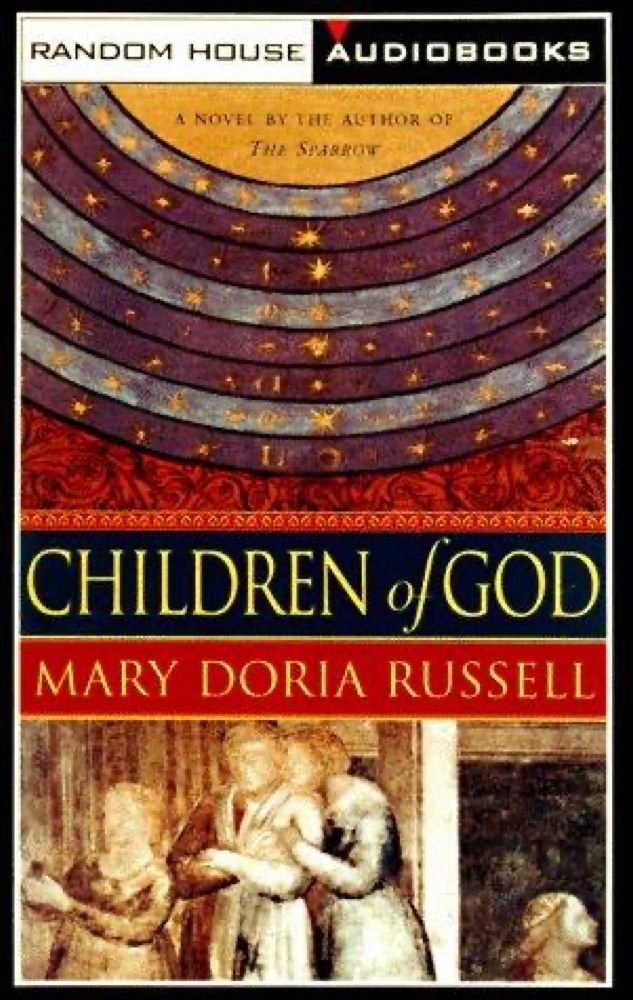 Children of God
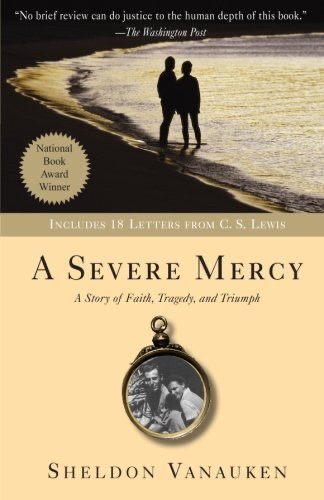 A Severe Mercy: A Story of Faith, Tragedy and Triumph
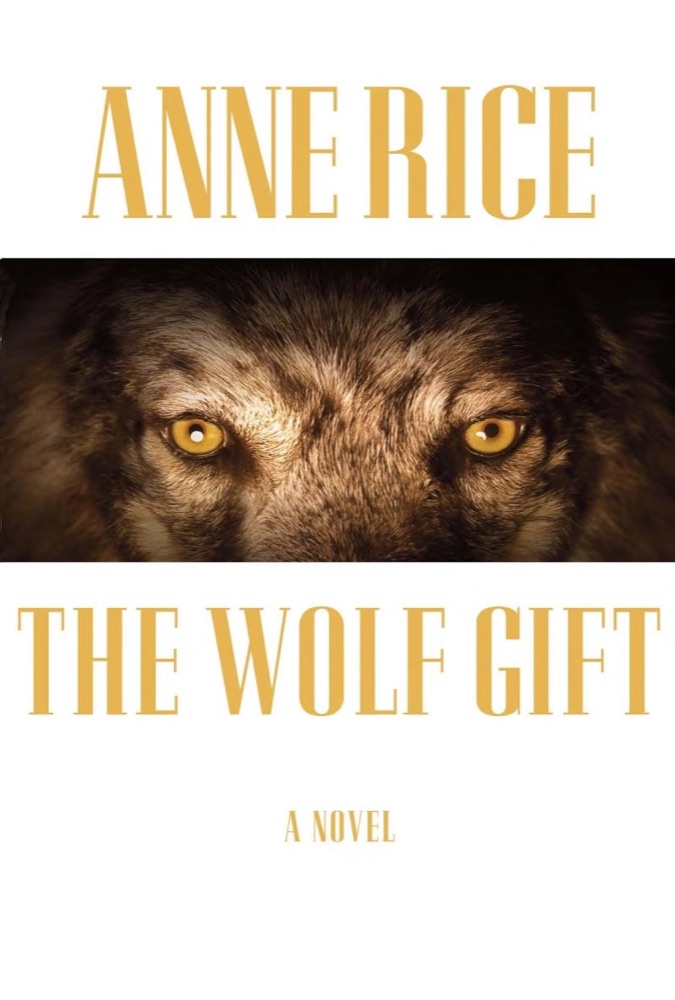 The Wolf Gift
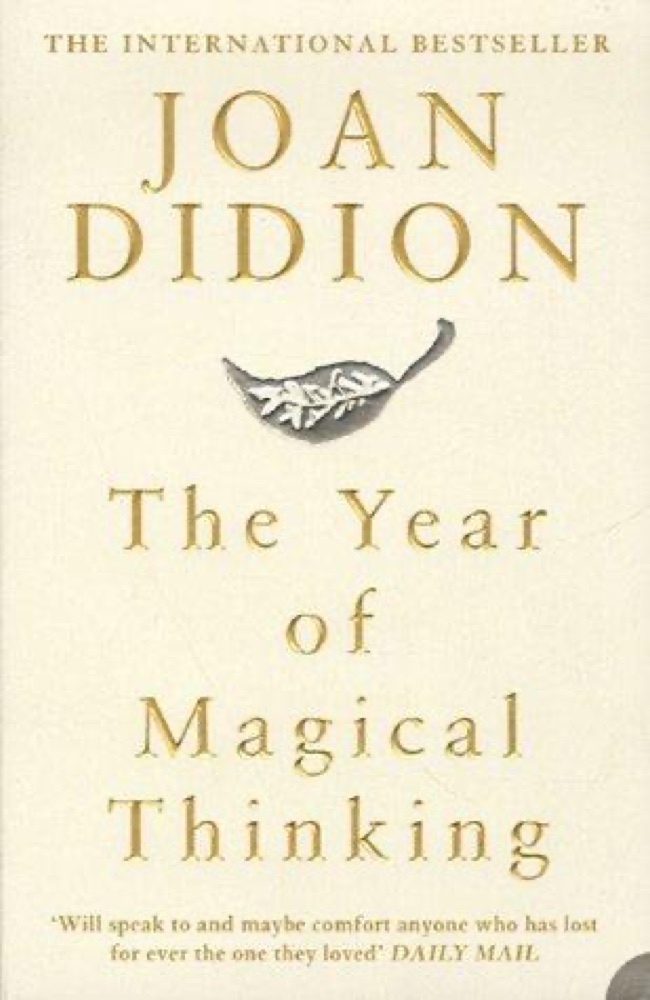 The Year of Magical Thinking
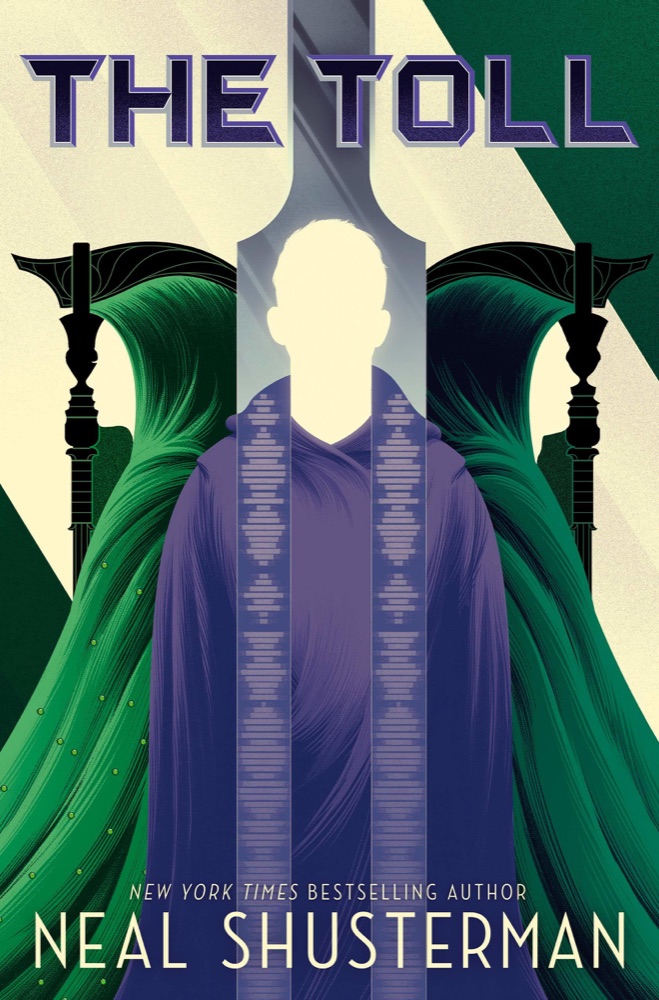 The Toll
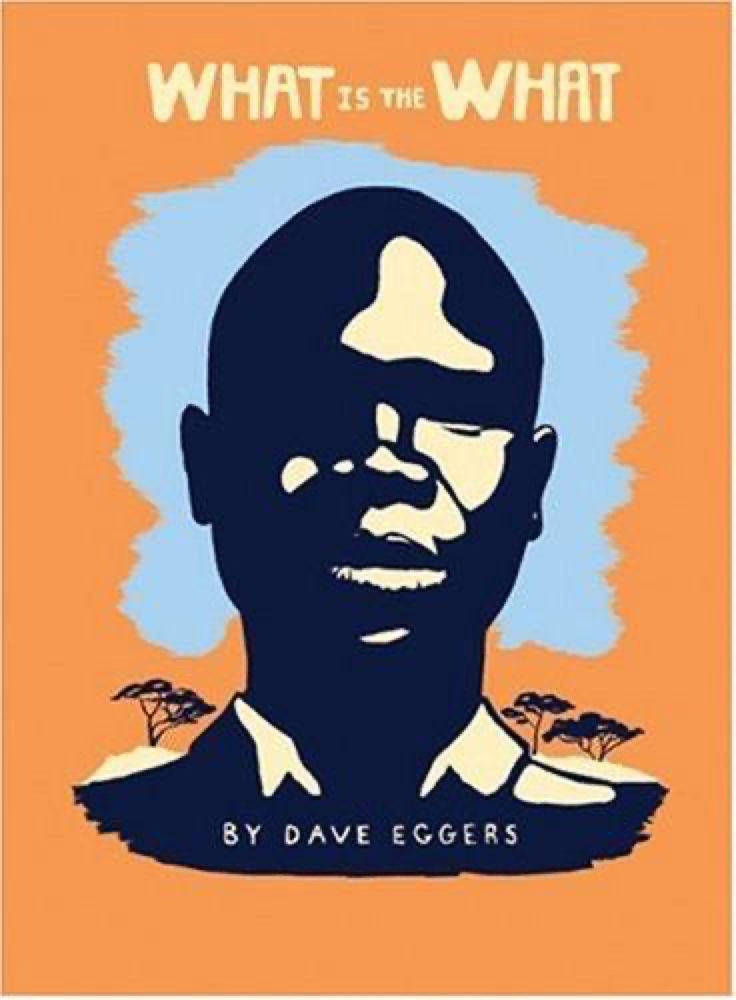 What Is the What
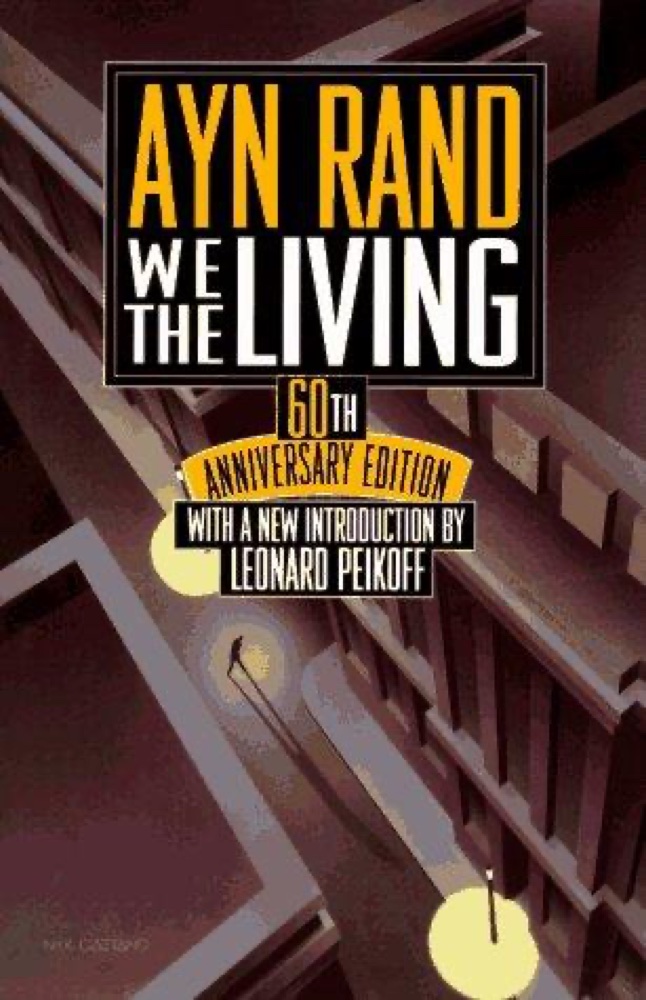 We the Living
 Pew
Pew
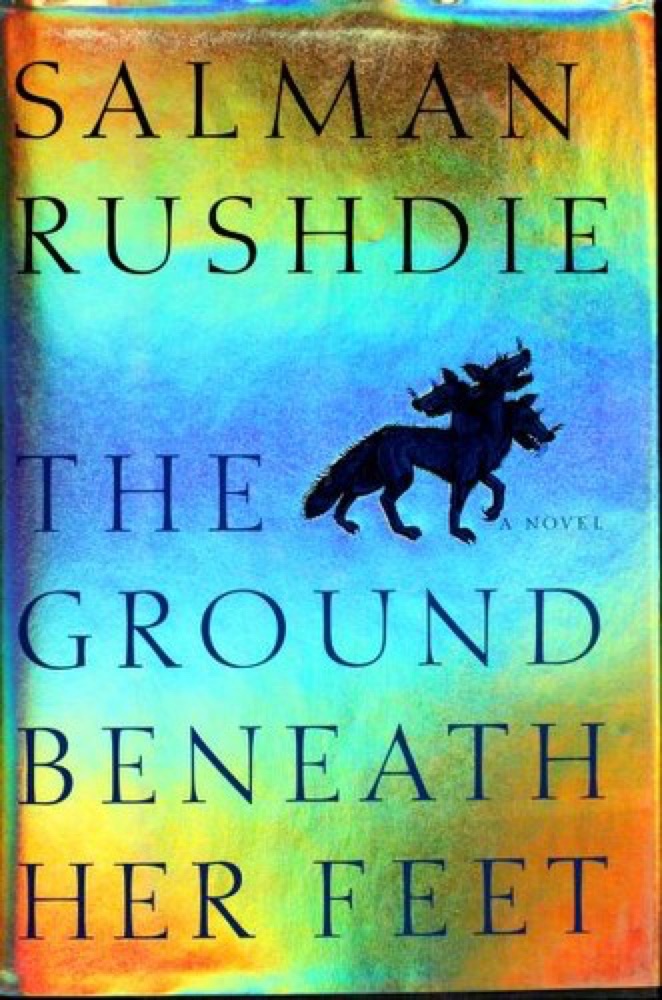 The Ground Beneath Her Feet
 This Is Happiness
 The Stranger in the Lifeboat
 Lighthousekeeping
 My Friends
 Liberation Day
 Kafka on the Shore
 The Empusium
 The Sparrow
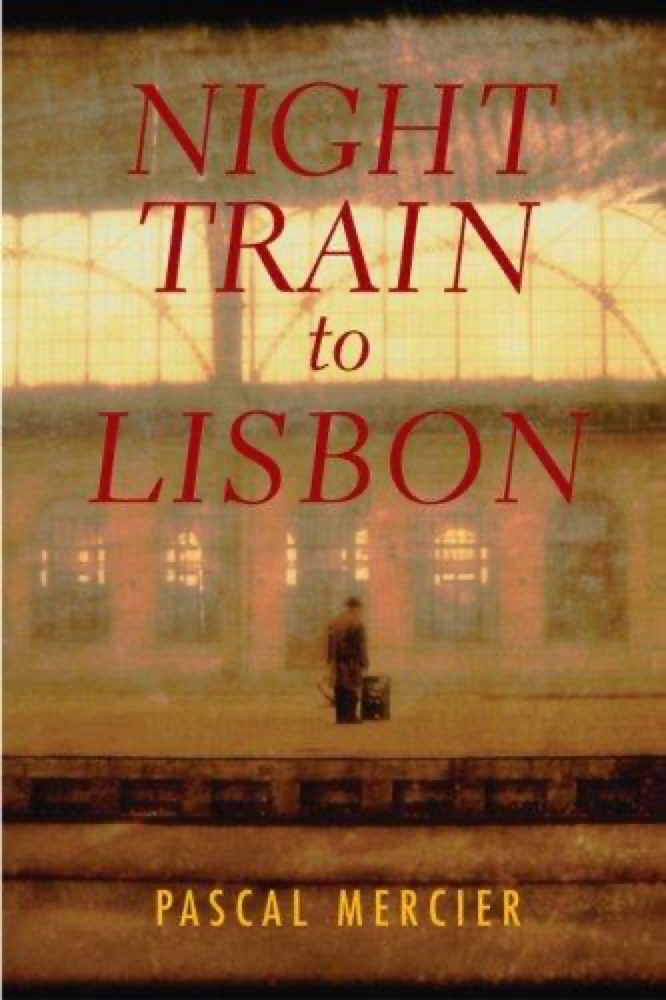 Night Train to Lisbon
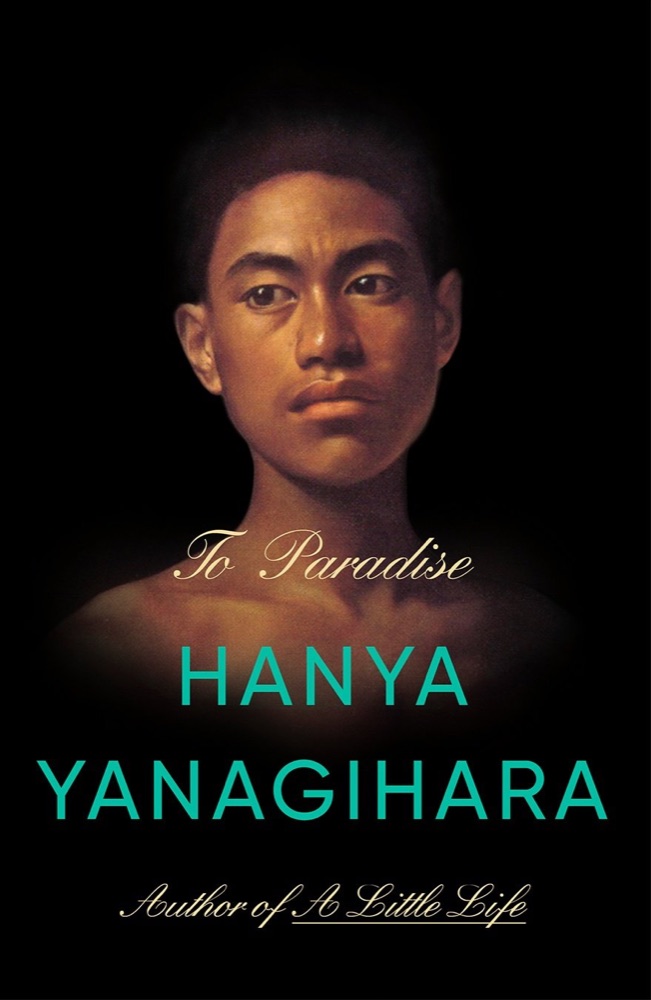 To Paradise
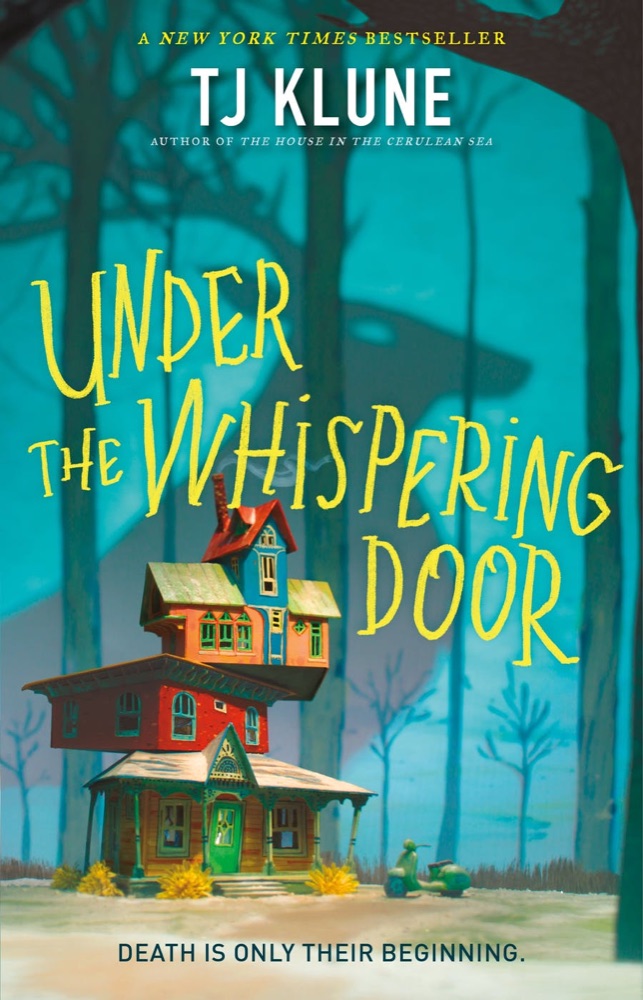 Under the Whispering Door
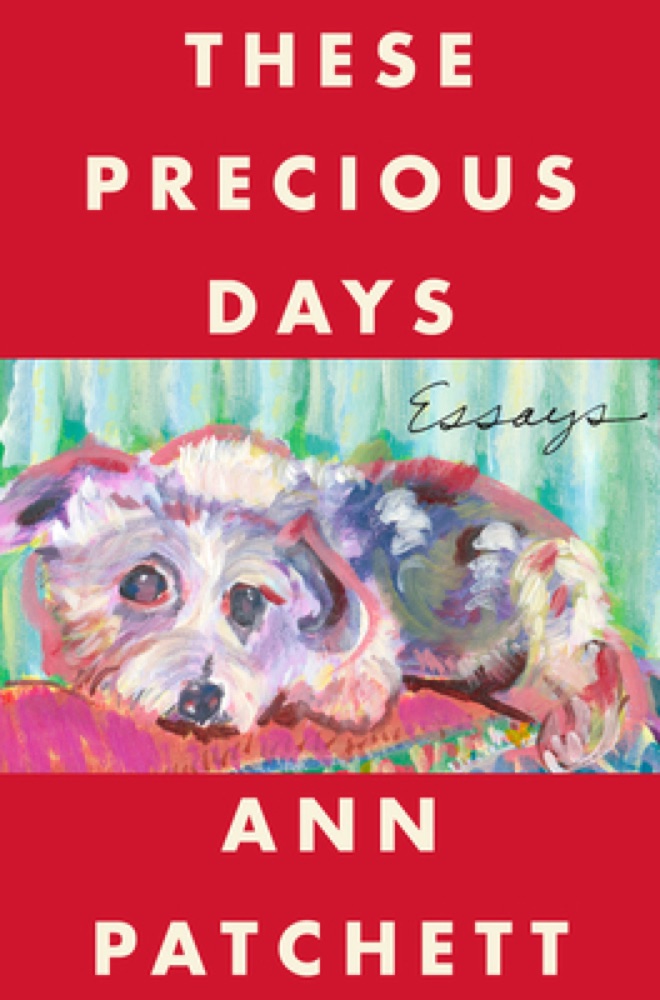 These Precious Days: Essays
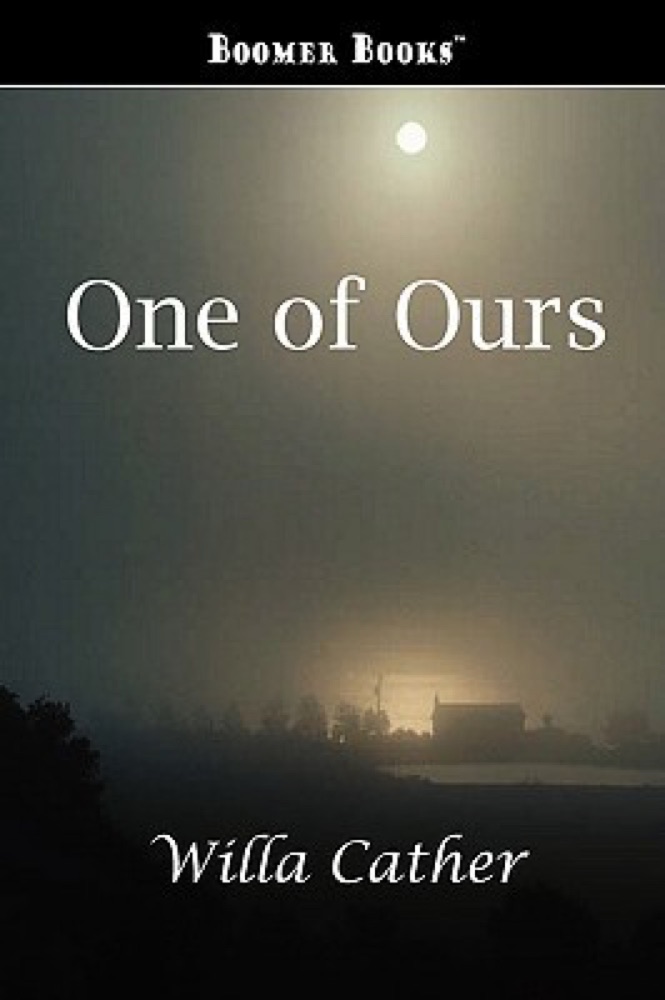 One of Ours
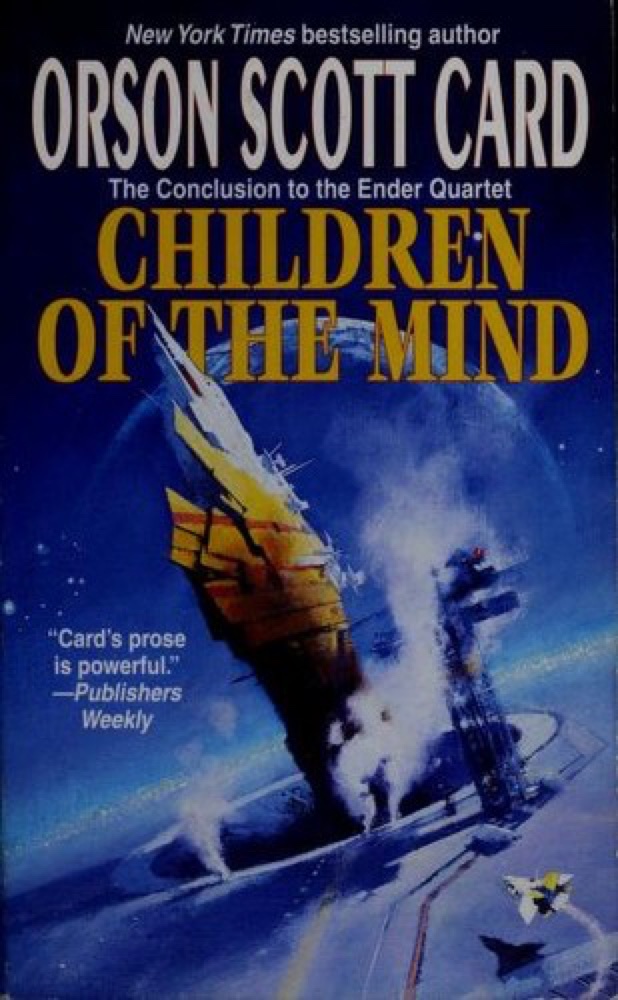 Children of the Mind
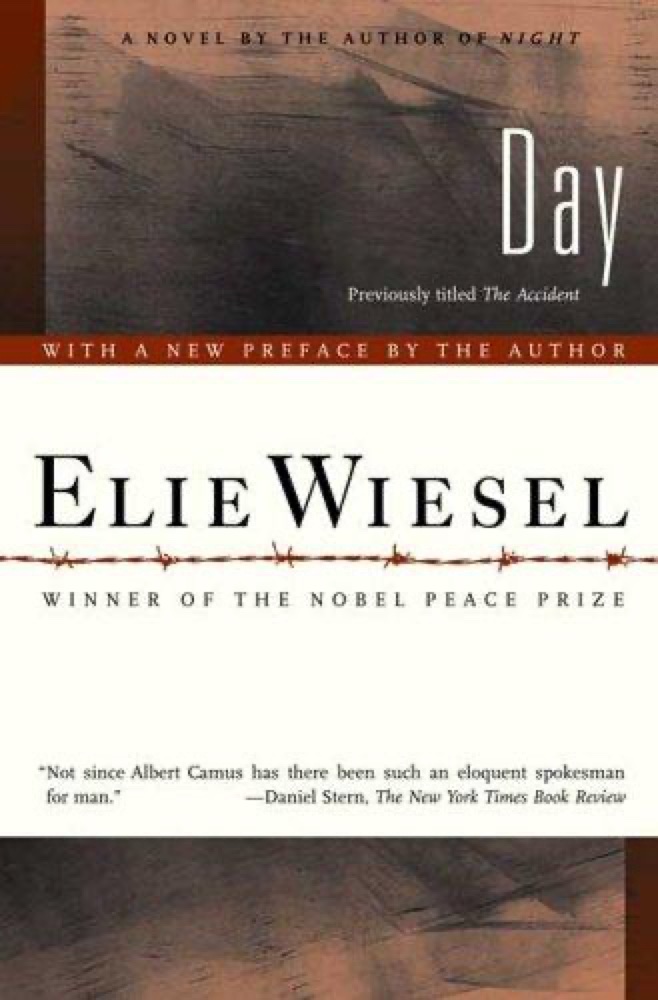 Day
Day
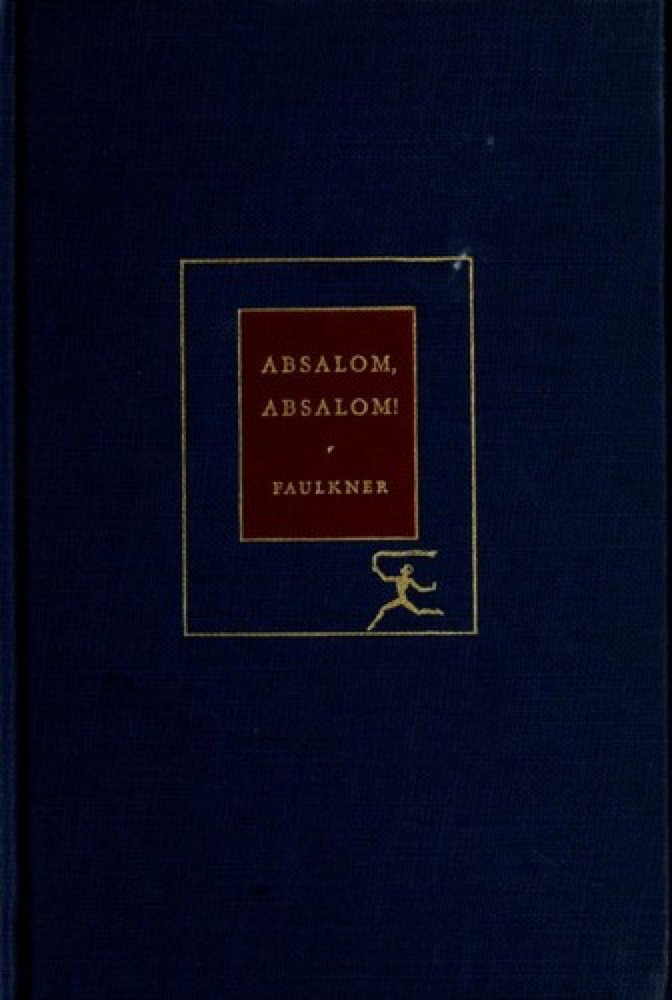 Absalom, Absalom!
 Knife: Meditations After an Attempted Murder
 The Book of Tomorrow
 The Crossing
 The Zahir
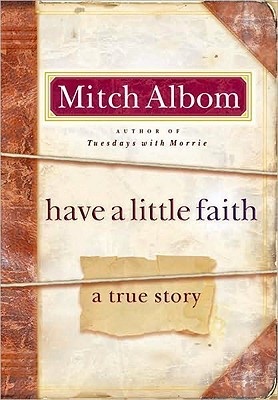 Have a Little Faith: a True Story
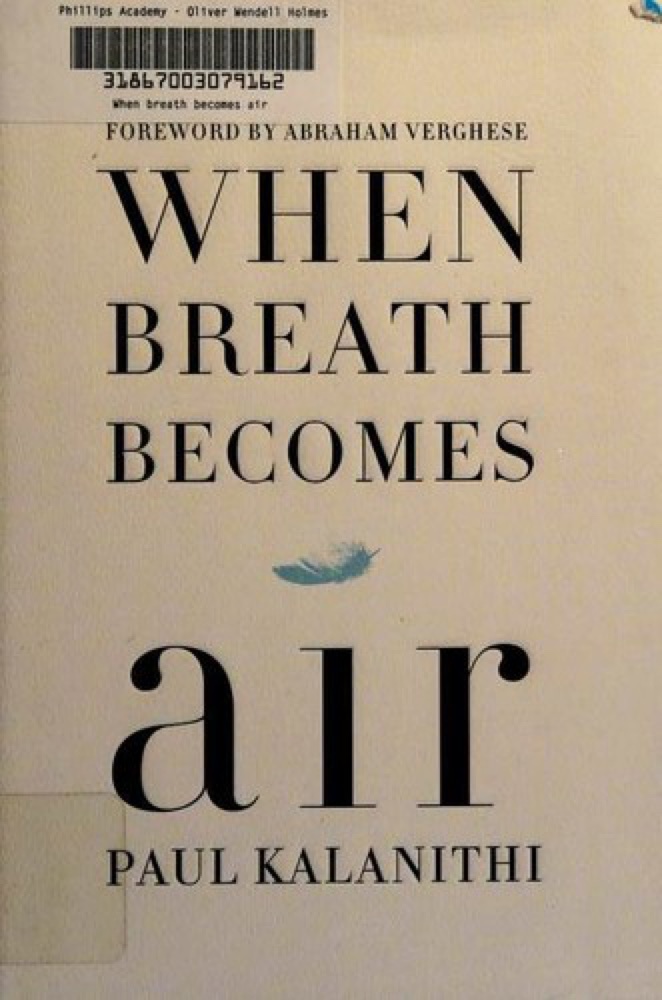 When Breath Becomes Air
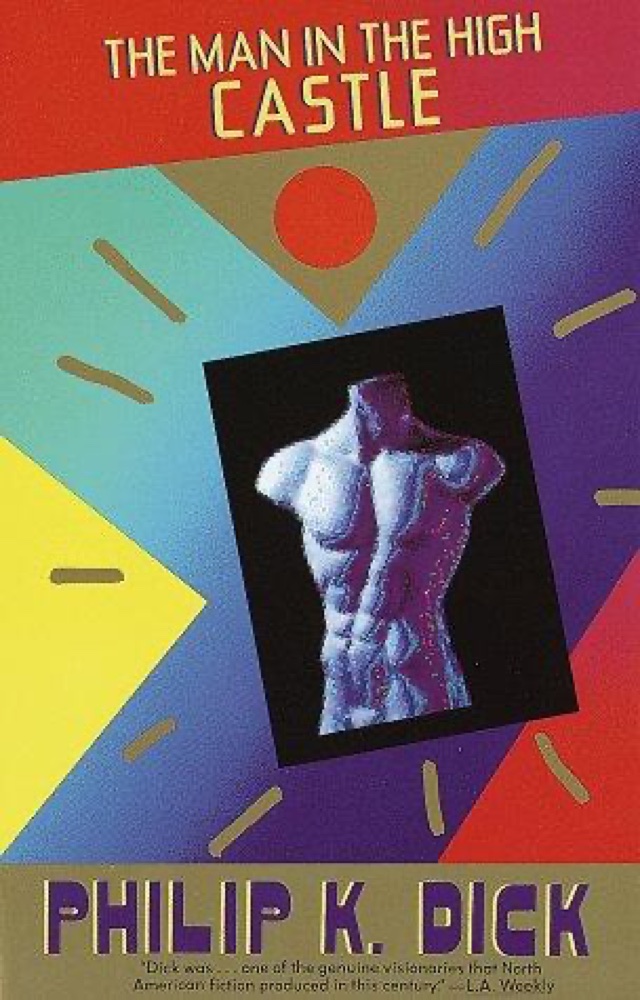 The Man in the High Castle
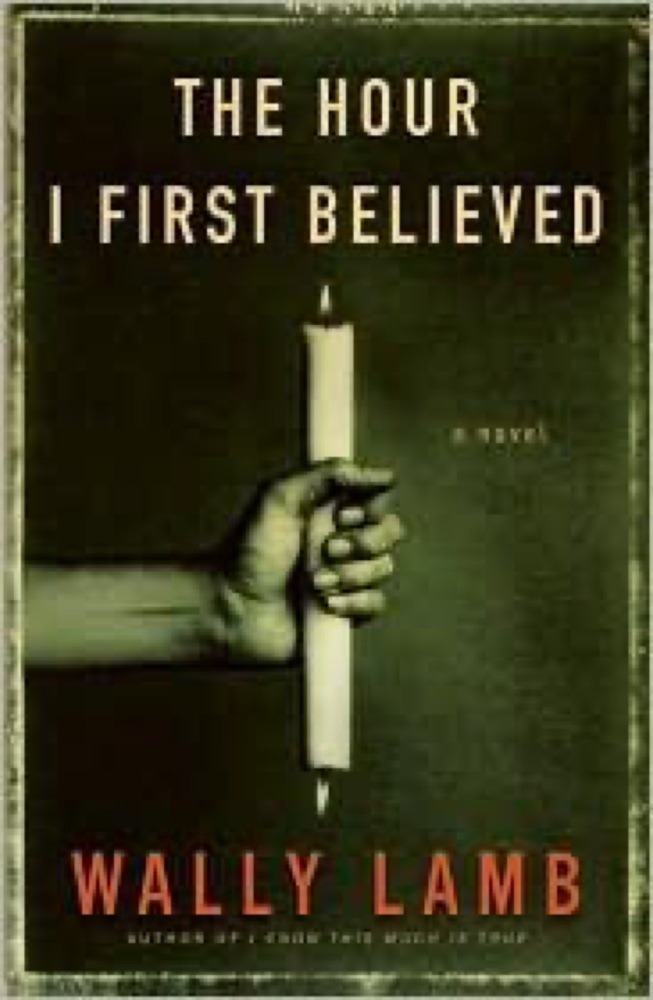 The Hour I First Believed
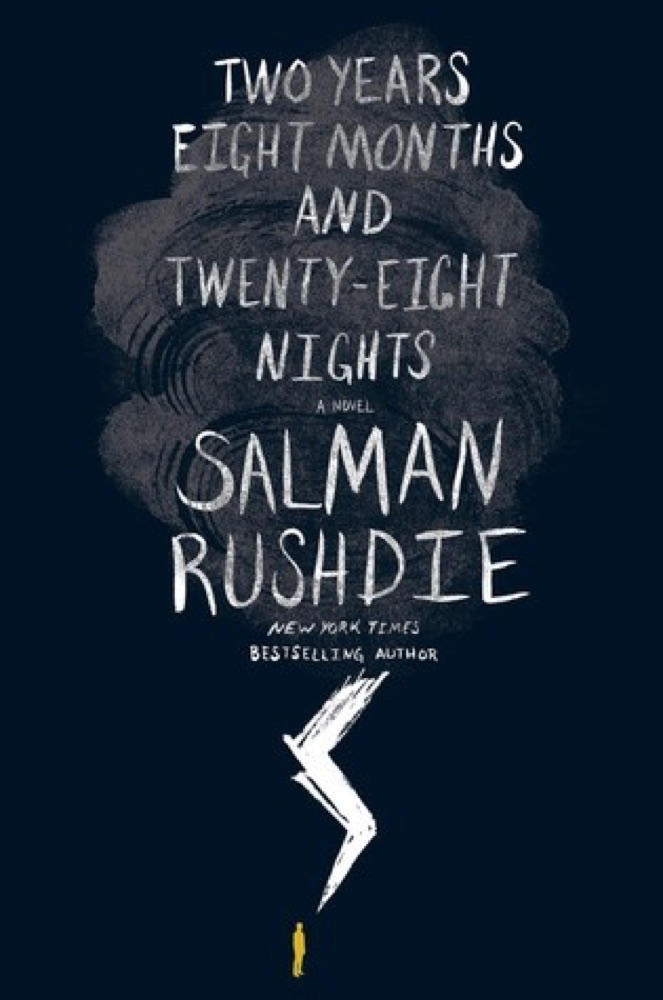 Two Years Eight Months and Twenty-Eight Nights
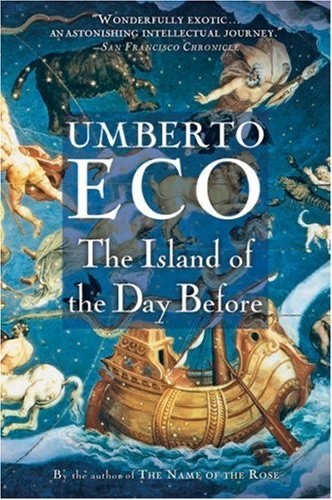 The Island of the Day Before
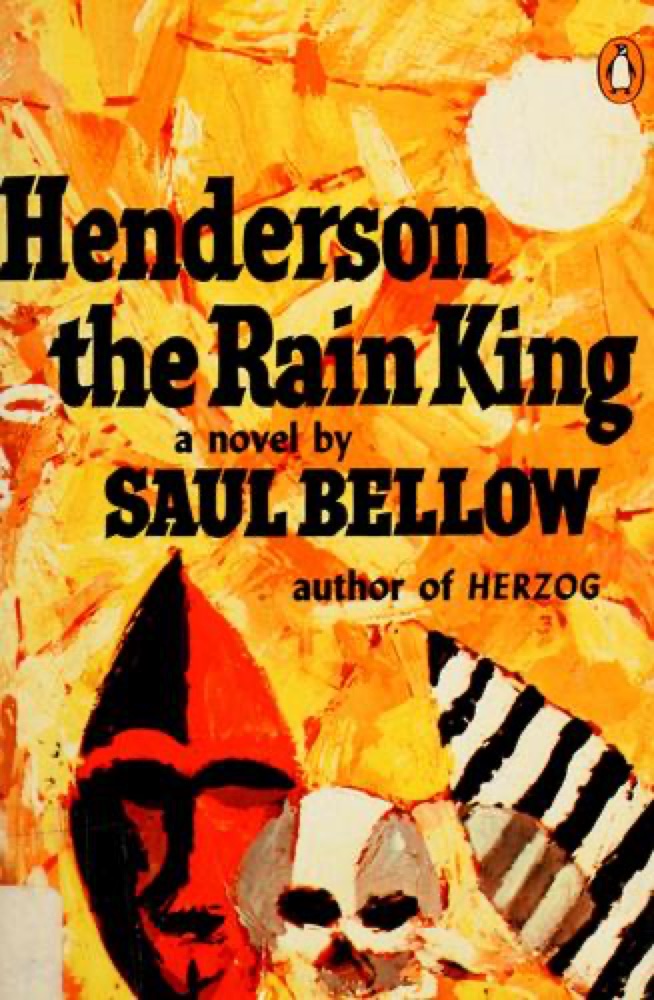 Henderson the Rain King
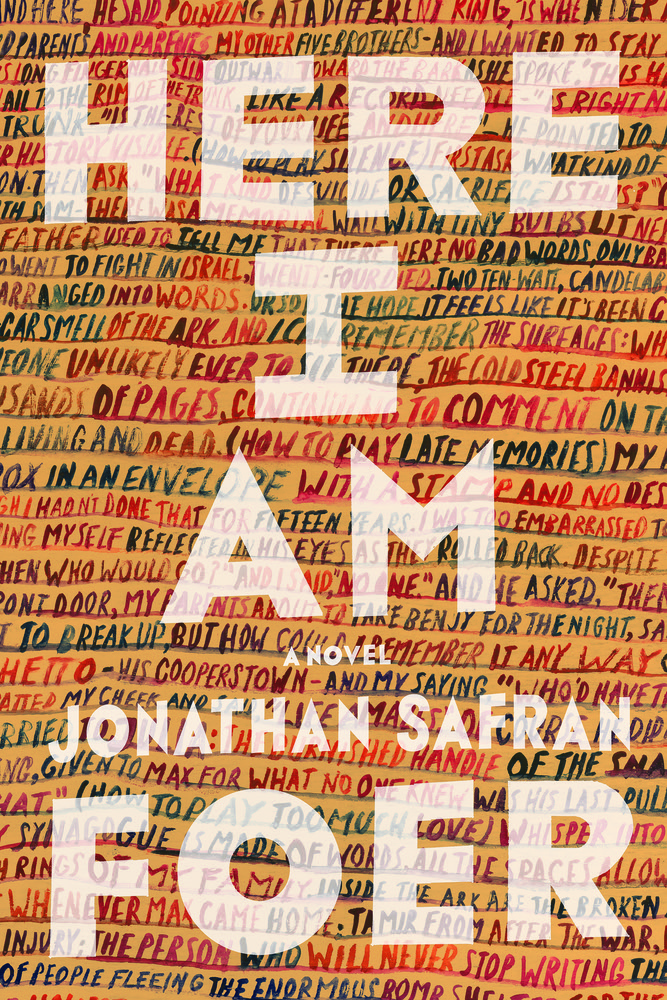 Here I Am
 Cold Mountain
 A Soldier of the Great War
 Life After Life
 The Chrysalids
 Hey Nostradamus!
 The Gift of Rain
 To Sleep in a Sea of Stars
 Light in August
 Hippie
 Christy
 Surrender: 40 Songs, One Story
 Sacred Journey of the Peaceful Warrior
 Under the Udala Trees
 Independent People
 Autumn