
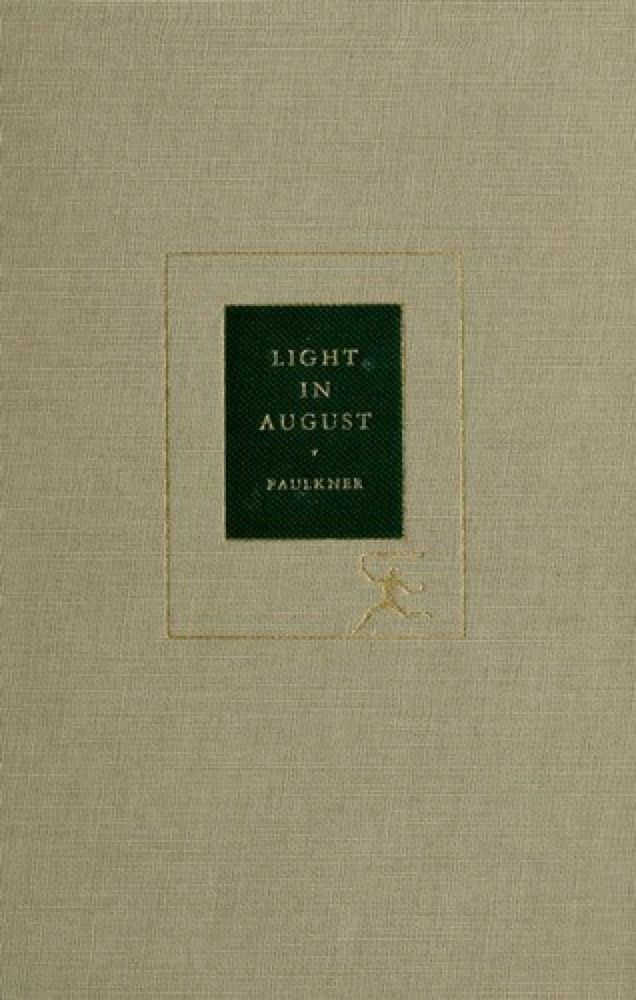
 Light in August
Quotes from the Book
Given the choice between the experience of pain and nothing, I would choose pain.
1.3k
Love doesn't die; the men and women do.
83
Between grief and nothing I will take grief.
69
They say love dies between two people. That’s wrong. It doesn’t die. It just leaves you, goes away, if you aren’t good enough, worthy enough. It doesn’t die; you’re the the one that dies. It’s like the ocean: if you’re no good, if you begin to make a bad smell in it, it just spews you up somewhere to die. You die anyway, but I had rather drown in the ocean than be urped up onto a strip of dead beach and be dried away by the sun into a little foul smear with no name to it, just this was for an epitaph
26
If Jesus returned today we would have to crucify him quick in our own defense, to justify and preserve the civilization we have worked and suffered and died shrieking and cursing in rage and impotence and terror for two thousand years to create and perfect in mans own image; if Venus returned she would be a soiled man in a subway lavatory with a palm full of French post-cards--
12
I found out some time back that it’s idleness breeds all our virtues, our most bearable qualities – contemplation, equableness, laziness, letting other people alone, good digestion mental and physical: the wisdom to concentrate on fleshly pleasures — eating and evacuating and fornication and sitting in the sun — than which there is nothing better, nothing to match, nothing else in all this world but to live for the short time you are loaned breath, to be alive and know it
8
be.—Yes he thought Between grief and nothing I will take grief.
6
… when she became not then half of memory became not and if I become not then all of remembering will cease to be.—Yes, he thought, between grief and nothing I will take grief.
5
So it is the old meat after all, no matter how old. Because if memory exists outside of the flesh it wont be memory because it wont know what it remembers so when she became not then half of memory became not and if I become not then all of remembering will cease to be. --Yes he thought Between grief and nothing I will take grief.
5
He would have to get up sometime, he knew that, just as all life consists of having to get up sooner or later and then having to lie down aganin sooner or later after a while. And he was not exactly exhausted and he was not particularly without hope and he did not especially dread getting up. It merely seemed to him that he had accidentally been caught in a situation in which time and environment, not himself, was mesmerised; he was being toyed with by a current of water going nowhere, beneath a day which would wane toward no evening; when it was done with him it would spew him back into the comparatively safe world he had been snatched violently out of and in the meantime it did not much matter just what he did or did not do.
3
Laughter is the yesterday's slight beard, the negligee among emotions.
2
Listen: it’s got to be all honeymoon, always. Either heaven, or hell: no comfortable safe peaceful purgatory between for you and me to wait in until good behavior or forbearance or shame or repentance overtakes us.
2
When he saw the River again he knew it at once. He should have; it was now ineradicably a part of his past, his life; it would be a part of what he would bequeath, if that were in store for him.
2
That there is something in me you and she have parented between you, that you are father of. Give me your blessing." "Take my curse," McCord said.
1
These doctors and nurses,” he said. “What a fellow hears about hospitals. I wonder if there’s as much laying goes on in them as you hear about.
1
never yet saw one man fail to back up another, provided what they wanted to do was just foolish enough.
1
A man can go a long way on what he thinks he’s going to get. And he may send some money yet.
1
Sweet Jesus,” McCord said. “Holy choriated cherubim. If I am ever unlucky enough to have a son, I’m going to take him to a nice clean whore-house myself on his tenth birthday.
1
You live in sin; you cant live on it.
1
... Christmas... the apotheosis of the bourgeoisie, the season when with shining fable Heaven and Nature, in accord for once, edict and postulate us all husbands and fathers under our skins, when before an altar in the shape of a gold-plated cattle-trough man may with impunity prostrate himself in an orgy of unbridled sentimental obeisance to the fairy tale which conquered the Western world, when for seven days the rich get richer and the poor get poorer in amnesty: the whitewashing of a stipulated week leaving the page blank and pristine again for the chronicling of the fresh...
1
and we stayed there eight or nine days then they blew up the levee with dynamite so we had to leave.
Po jakimś czasie człowiek przyzwyczaja się, zapomina i nawet nie czuje, że zimno, bo zapomniał, co to jest ciepło.
Dicono che l'amore tra due persone muoia. È sbagliato. Non muore. Ti lascia, se ne va, se tu non sei bravo abbastanza. Non muore; sei tu quello che muore. È come l'oceano: se non vai bene, se cominci a dar cattivo odore, ti rigurgita in qualche posto a morire. Muori in ogni caso, ma io preferisco annegare nell'oceano piuttosto che esser gettata su una striscia di spiaggia morta e seccarmi al sole e ridurmi a una chiazza schifosa senza neanche il nome sopra, solo 'Questa roba fu' come epitaffio.
Watch on YouTube
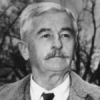
About William Faulkner
We have collected 279 quotes from 15 books by William Faulkner on BookQuoters.
More about the author →More by William Faulkner
All books by William Faulkner →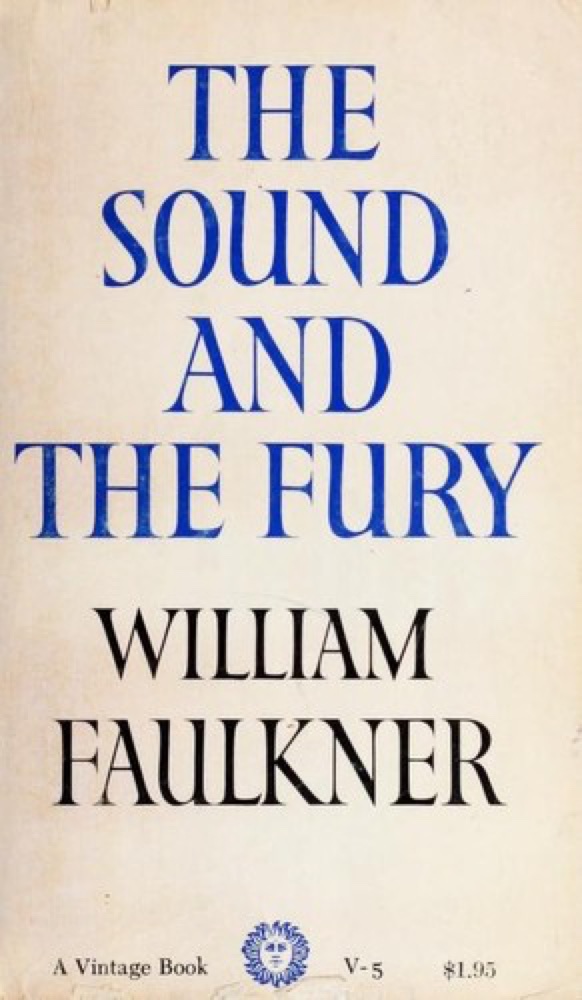
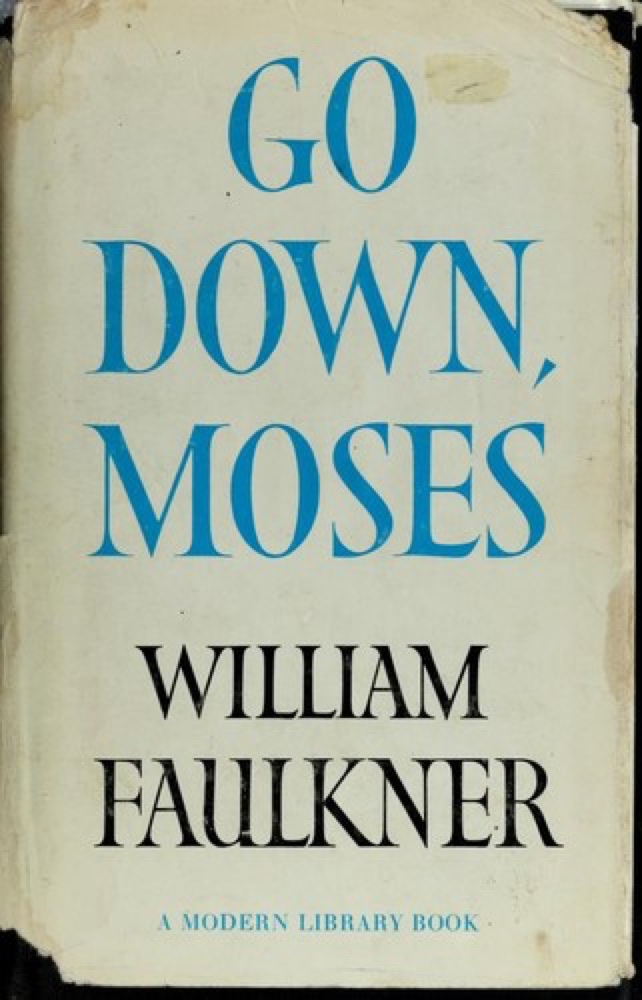
About the book
In this feverishly beautiful novel— subsequently titled If I Forget Thee, Jerusalem and now published in the authoritative Library of America text—William Faulkner interweaves two narratives, each wholly absorbing in its own right, each subtly illuminating the other. In New Orleans in 1937, a man and a woman embark on a headlong flight into the wilderness of illicit passion, fleeing her husband and the temptations of respectability. In Mississippi ten years earlier, a convict sets forth across a flooded river, risking his own chance at freedom to rescue a pregnant woman. From these separate stories Faulkner composes a symphony of deliverance and damnation, survival and self-sacrifice, a novel in which elemental danger is juxtaposed wiht fatal injuries of the spirit. The Wild Palms is grandly inventive, heart-stopping in its prose, and suffused on every page with the physical presence of
Book details
- First published
- 1939
- Author
- William Faulkner
- Genre
- Fiction
- Goodreads rating
- 3.85 (6k ratings)
Keep reading
 Cold Mountain
 Absalom, Absalom!
Light in August
Absalom, Absalom!
Light in August
 Uncle Tom's Cabin
 Angle of Repose
 Arch of Triumph
 Fool's Fate
 Notes of a Dirty Old Man
 The Memoirs of Cleopatra
 A Soldier of the Great War
 March
March
 Disgrace
 The Quick and the Dead
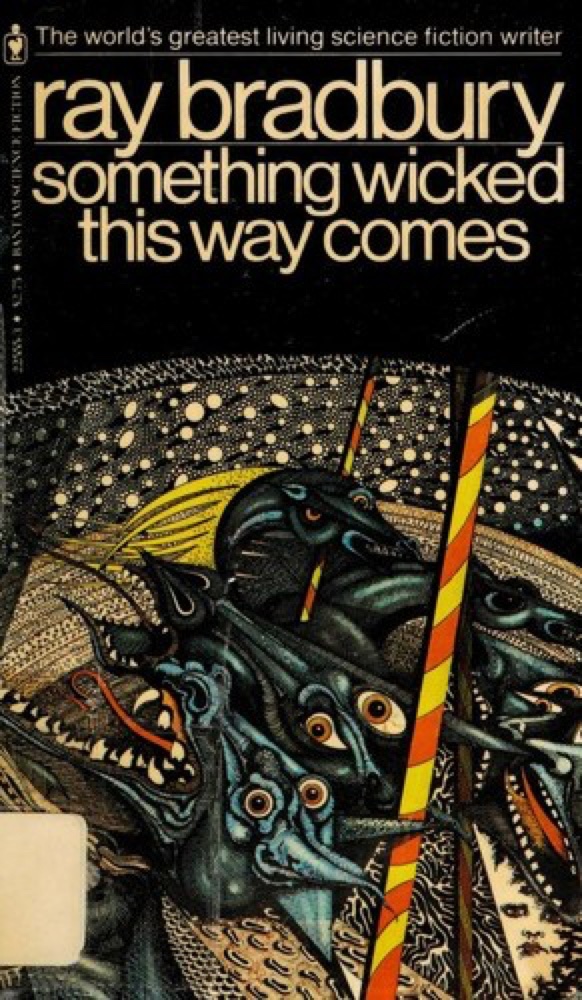 Something Wicked This Way Comes
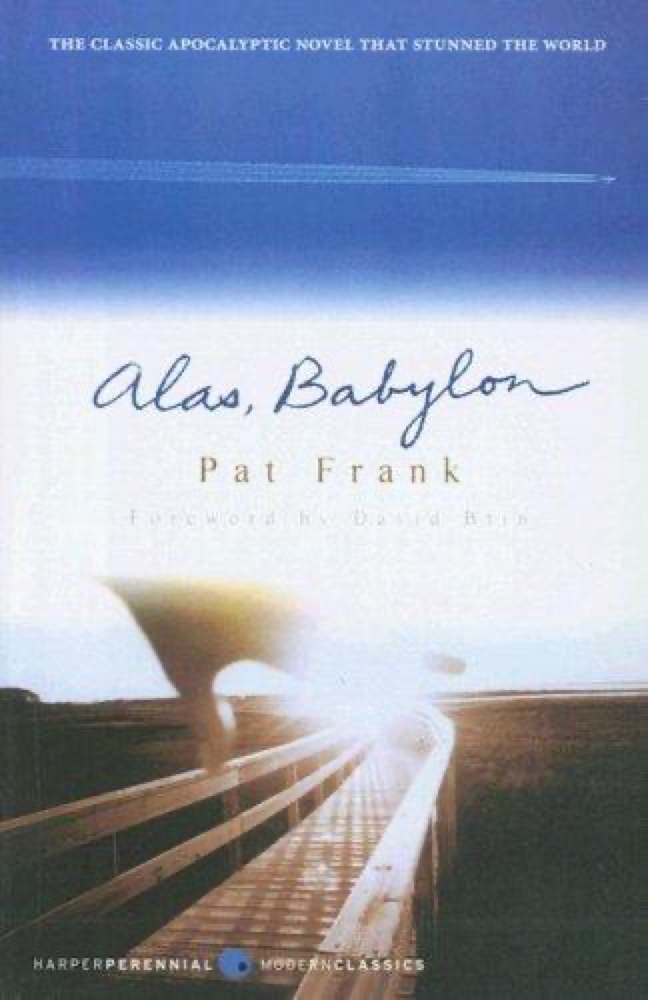 Alas, Babylon
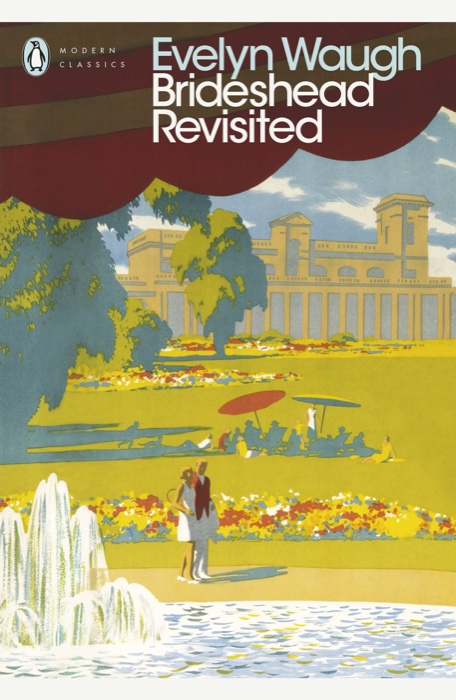 Brideshead Revisited: The Sacred and Profane Memories of Captain Charles Ryder
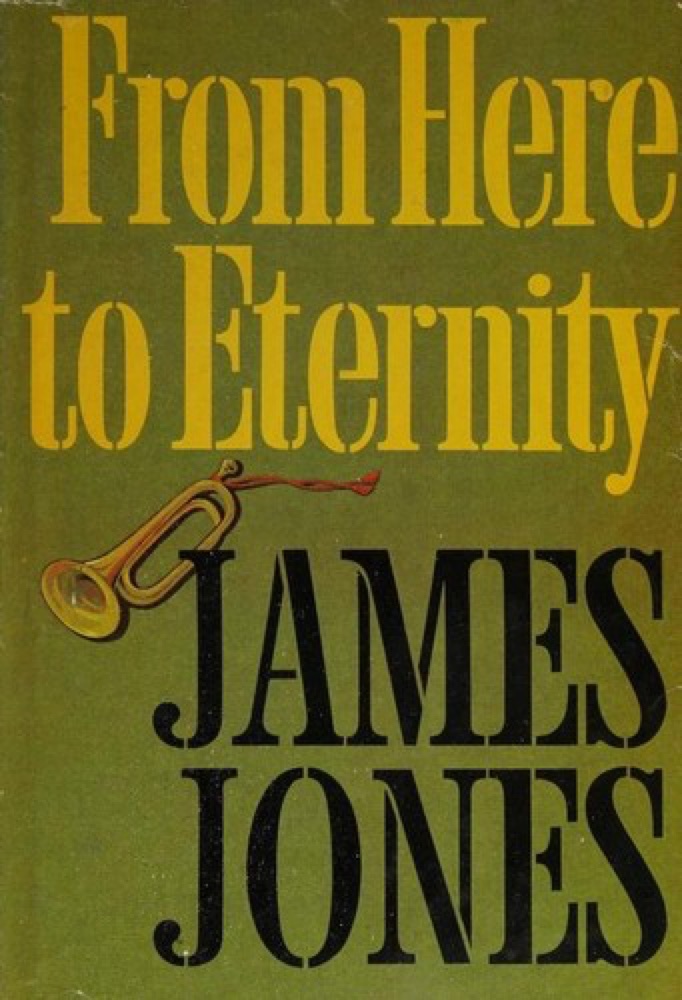 From Here to Eternity
 Spring Snow
 Oblomov
 Plainwater: Essays and Poetry
 The Fires of Heaven
 Giovanni's Room
 To Have and Have Not
 Spoon River Anthology
 Song of Solomon
 The Fall
 The Hour I First Believed
 Possession
 All the King's Men
 The Black Obelisk
 What Is the What
 Fool's Errand
 The Son
 The Kite Runner
 White Teeth
 A Sport and a Pastime
 The Signature of All Things
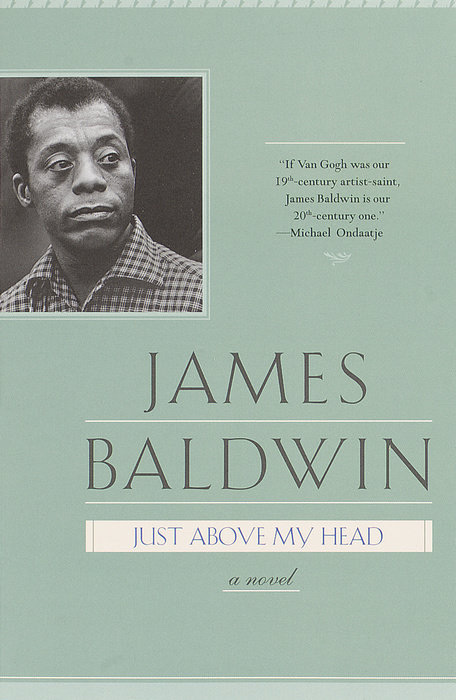 Just Above My Head
 The Naked and the Dead
 The Tunnel
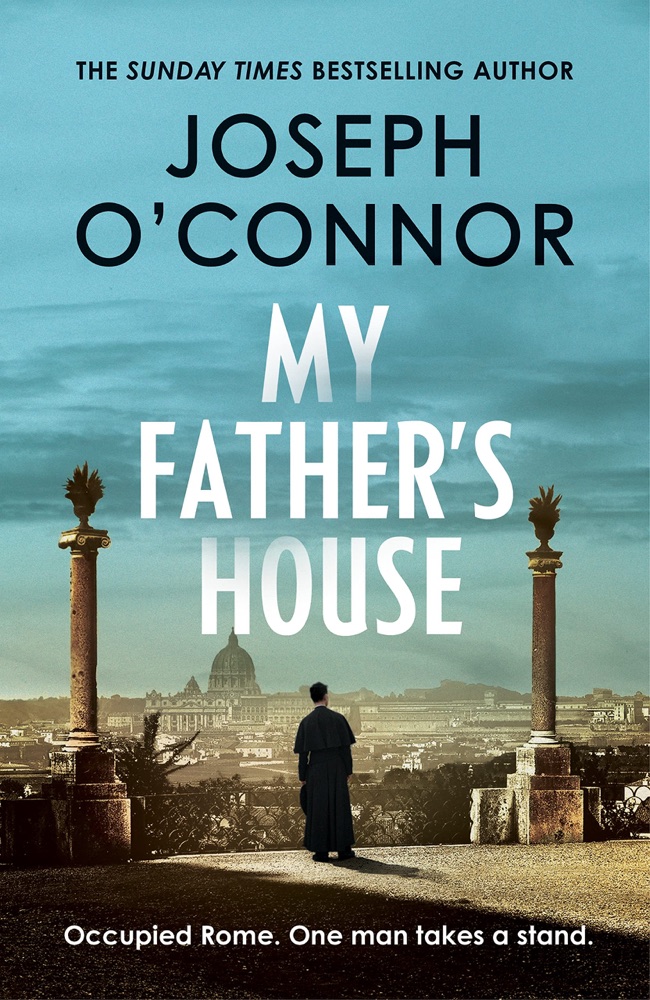 My Father's House
 A Tale of Two Cities
 Selected Stories
 The Illustrated Man
 Henderson the Rain King
 The Broken Eye
 Sometimes a Great Notion
 Lincoln in the Bardo
 His Dark Materials
 Sword & Citadel
 Killing Moon
 The Unvanquished
 The Count of Monte Cristo
 Requiem
 Our Mutual Friend
 The Road
 Howards End
 The Isle of Blood
 All the Little Live Things
 The Gargoyle