
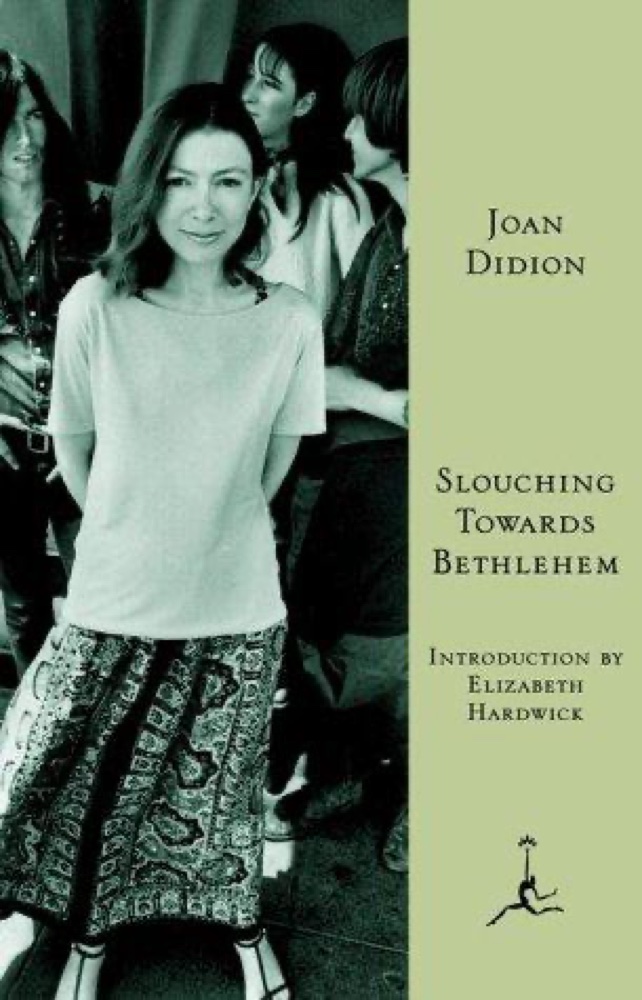
 Slouching Towards Bethlehem
Quotes from the Book
I closed the box and put it in a closet. There is no real way to deal with everything we lose.
270
The past could be jettisoned . . . but seeds got carried.
26
There is no real way to deal with everything we lose.
20
Madness, it became convenient to believe quite early on, came with the territory, on the order of earthquakes.
11
One difference between the West and the South, I came to realize in 1970, was this: in the South they remained convinced that they had bloodied their land with history. In California we did not believe that history could bloody the land, or even touch it.
9
New people could be seen, by people like my grandfather, as indifferent to everything that had made California work, but the ambiguity was this: new people were also who were making California rich.
5
Discussion of how California has 'changed,' then, tends locally to define the more ideal California as that which existed at whatever past point the speaker first saw it: Gilroy as it was in the 1960s and Gilroy as it was fifteen years ago and Gilroy as it was when my father and I ate short ribs at the Milias Hotel are three pictures with virtually no overlap, a hologram that dematerializes as I drive through it.
5
They who came to California were not the self-satisfied, happy and content people, but the adventurous, the restless, and the daring. They were different even from those who settled in other western states. They didn’t come west for homes and security, but for adventure and money. They pushed in over the mountains and founded the biggest cities in the west.
4
Not much about California, on its own preferred terms, has encouraged its children to see themselves as connected to one another.
4
Raised to believe that her life would be, as her great-grandmother's was said to have been, one ceaseless round of fixed and settled principles, aims, motives, and activity, she could sometimes think of nothing to do but walk downtown, check out the Bon Marche for clothes she could not afford, buy a cracked crab for dinner and take a taxi home.
4
Remember, never take no cutoffs and hurry along as fast as you can.
3
All that is constant about the California of my childhood is the rate at which it disappears.
1
Through most of my life I would have interpreted the growth of the prison system and the diminution of the commitment to public education as evidence of how California had "changed." Only recently have I come to see them as quite the opposite, evidence of how California had "not changed," and to understand "change" itself as one of the culture's most enduring misunderstandings about itself.
1
This process, one of trading the state to outside owners in exchange for their (it now seems) entirely temporary agreement to enrich us, in toher words the pauperization of California, had in fact begun at the time Americans first entered the state, took what they could, and, abetted by the native weekness for boosterism, set about selling the rest.
1
You couldn't pay for her hats,' her father, a ship's captain, had told her suitors by way of discouragement, and perhaps they had all been discouraged but my grandfather, an innocent from the Georgetown Divide who read books.
1
The redemptive power of the crossing was, nonetheless, the fixed idea of the California settlement, and one that raised a further question: for what exactly, and at what cost, had one been redeemed? When you jettison others so as not be “caught by winter in the Sierra Nevada mountains,” do you deserve not to be caught? When you survive at the cost of Miss Gilmore and her brother, do you survive at all?
one more piece of evidence that assigned reading makes nothing happen.
Watch on YouTube
About Joan Didion
We have collected 209 quotes from 9 books by Joan Didion on BookQuoters.
More about the author →More by Joan Didion
All books by Joan Didion →

About the book
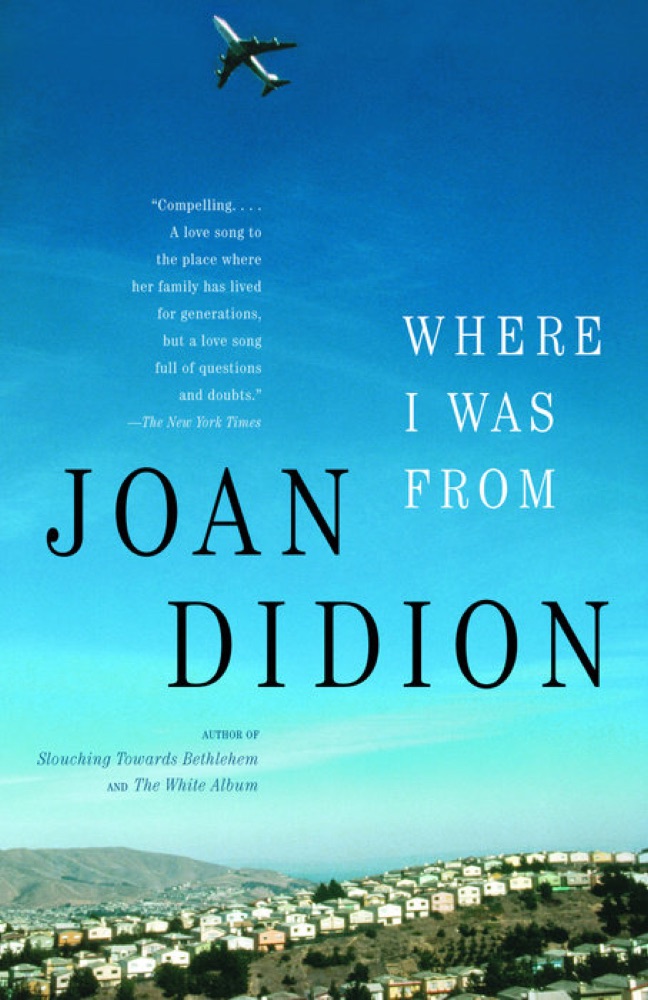
In her moving and insightful new book, Joan Didion reassesses parts of her life, her work, her history and ours. A native Californian, Didion applies her scalpel-like intelligence to the state’s ethic of ruthless self-sufficiency in order to examine that ethic’s often tenuous relationship to reality.Combining history and reportage, memoir and literary criticism, Where I Was From explores California’s romances with land and water; its unacknowledged debts to railroads, aerospace, and big government; the disjunction between its code of individualism and its fetish for prisons. Whether she is writing about her pioneer ancestors or privileged sexual predators, robber barons or writers (not excluding herself), Didion is an unparalleled observer, and her book is at once intellectually provocative and deeply personal.
Book details
- First published
- 2003
- Author
- Joan Didion
- Genre
- Nonfiction
- Goodreads rating
- 3.86 (7k ratings)
Keep reading
 South and West: From a Notebook
 State of Wonder
 Blue Highways
 The Mandibles: A Family, 2029–2047
 Canada
 Where the Bluebird Sings to the Lemonade Springs: Living and Writing in the West
 My Side of the River
 A Bend in the River
 The Sea Keeper's Daughters
 The Reivers
 Gold Fame Citrus
 First Family
 Hawaii
 The Refugees
 Dreams from My Father: A Story of Race and Inheritance
 Wayfaring Stranger
 Gold Coast
 The Cat's Table
 Orient
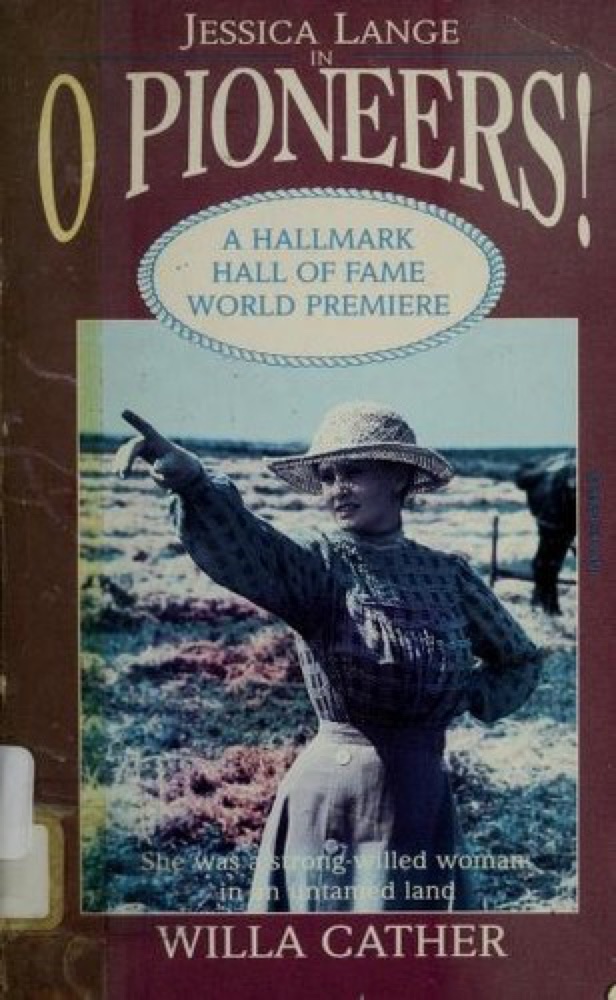 O Pioneers!
 Whiskey Tender: A Memoir
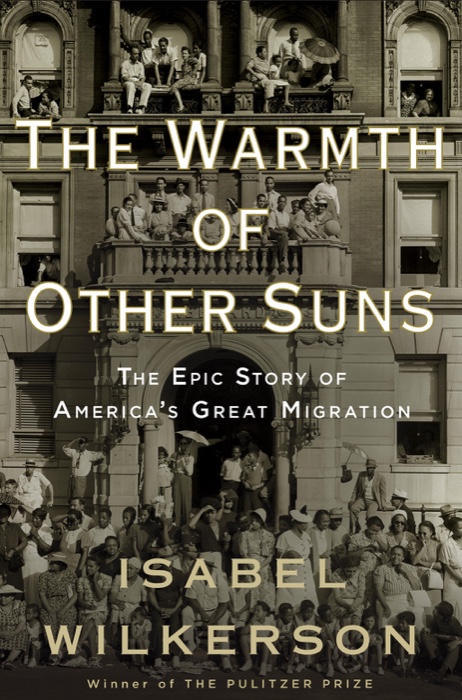 The Warmth of Other Suns: The Epic Story of America's Great Migration
 Infinite Country
 Tom's Crossing
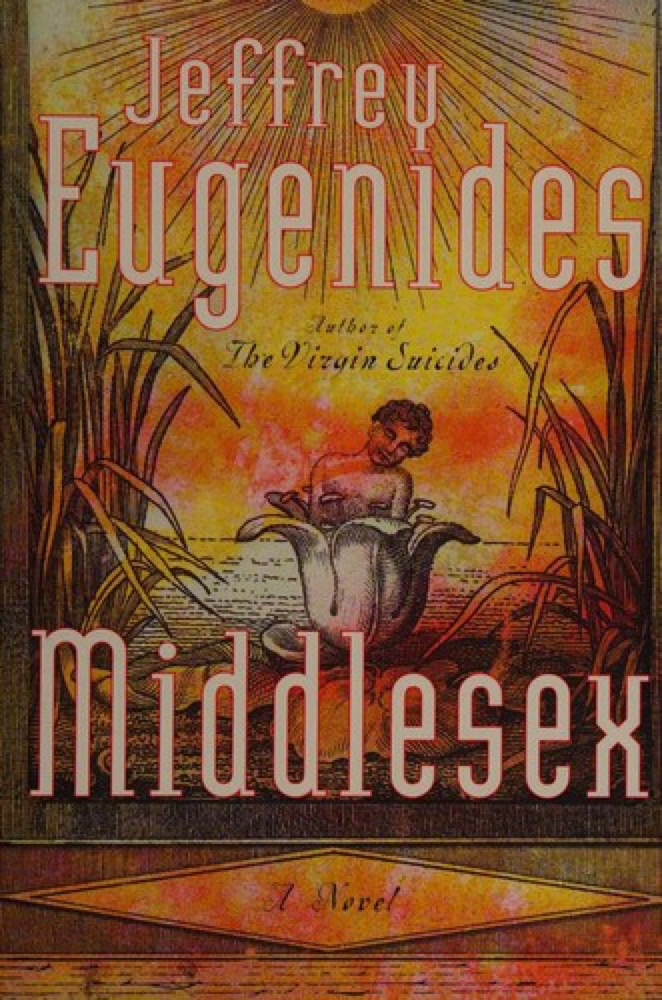 Middlesex
 The White Album
 Notes from No Man's Land
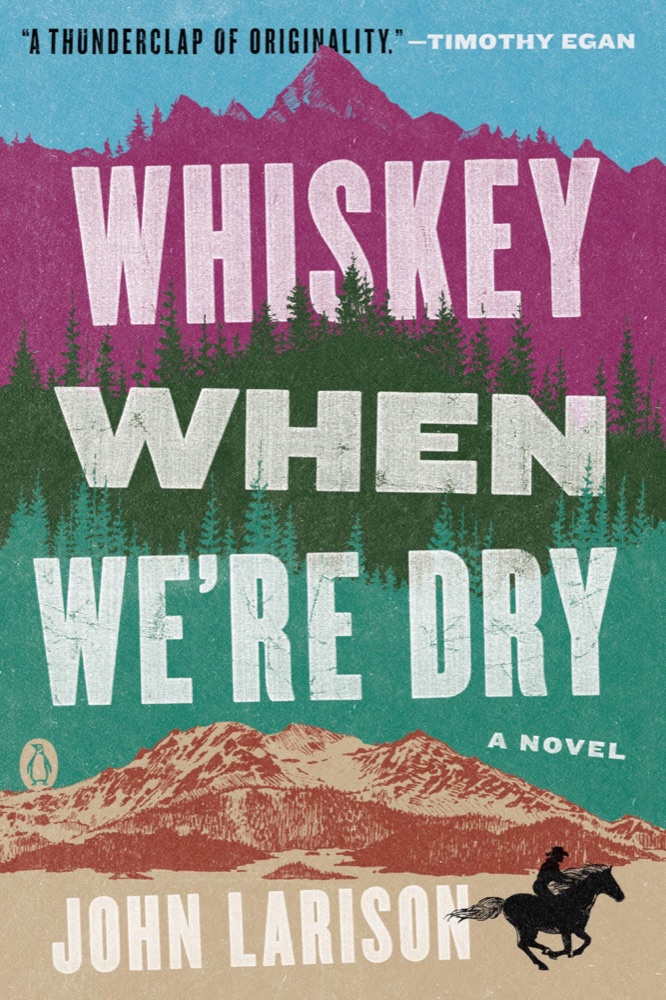 Whiskey When We're Dry
 What Strange Paradise
 Out of Oz
 The Office of Historical Corrections
 Leaving Before the Rains Come
 Prairie Fires: The American Dreams of Laura Ingalls Wilder
 Universal Harvester
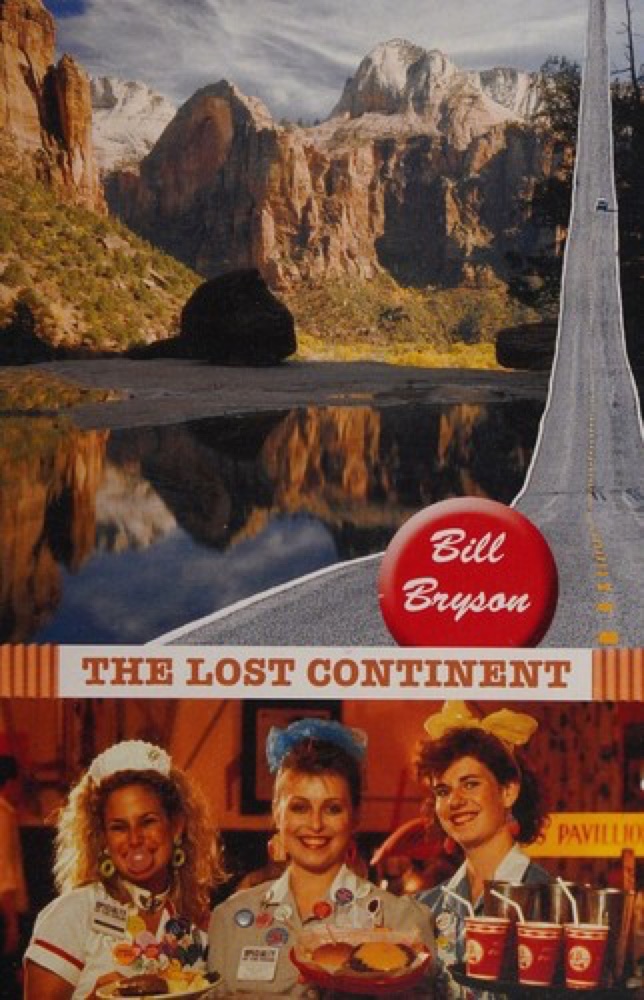 The Lost Continent: Travels in Small Town America
 The Son
 Varina
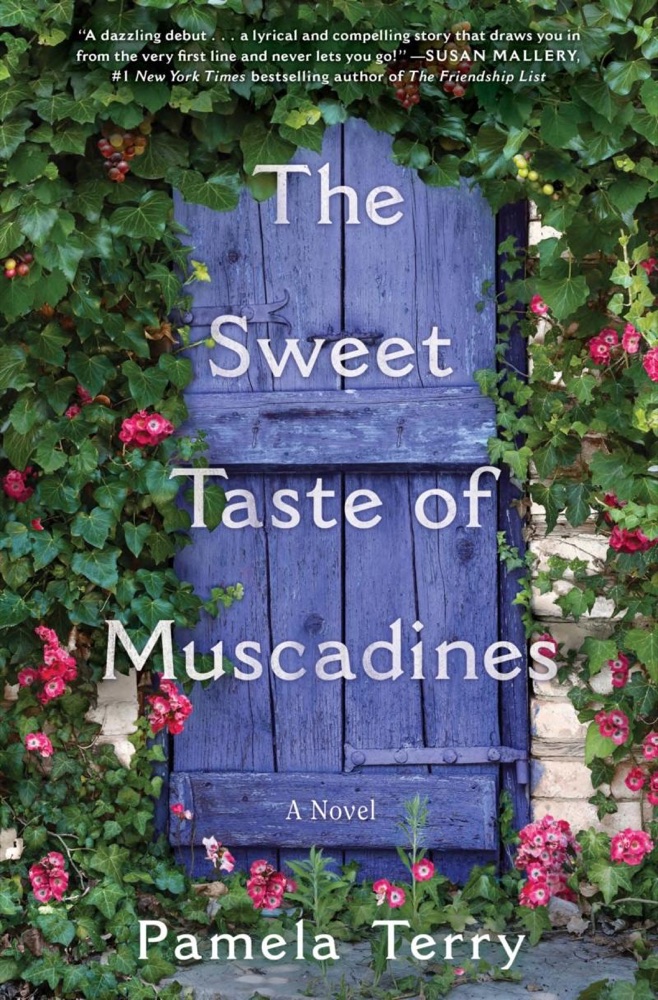 The Sweet Taste of Muscadines
 The Lay of the Land
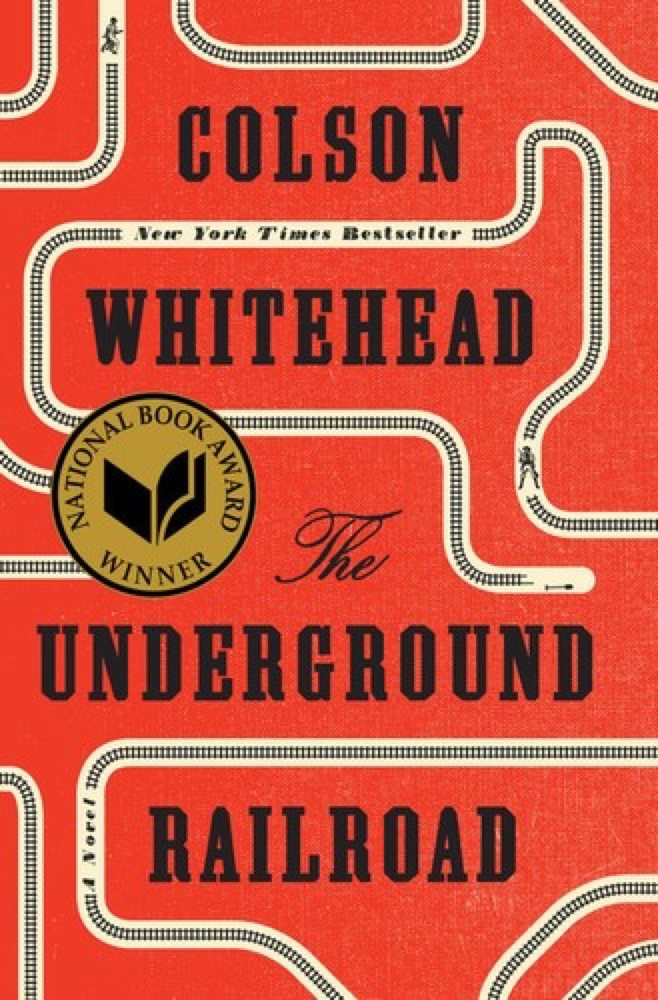 The Underground Railroad
 The Testaments
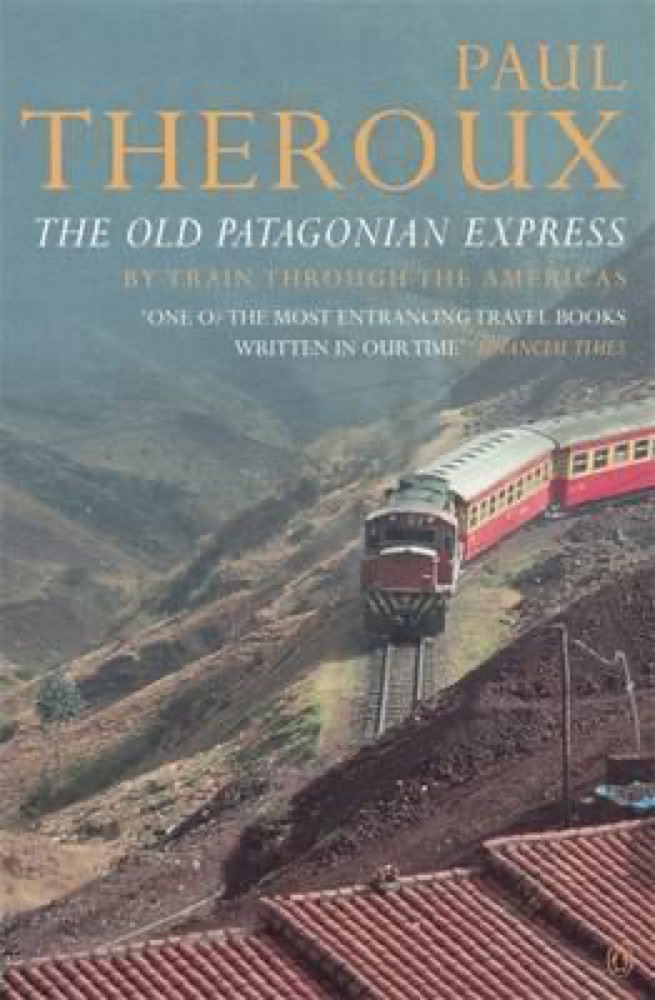 The Old Patagonian Express: By Train Through the Americas
 The Age of Miracles
 The Water Knife
 Against the Day
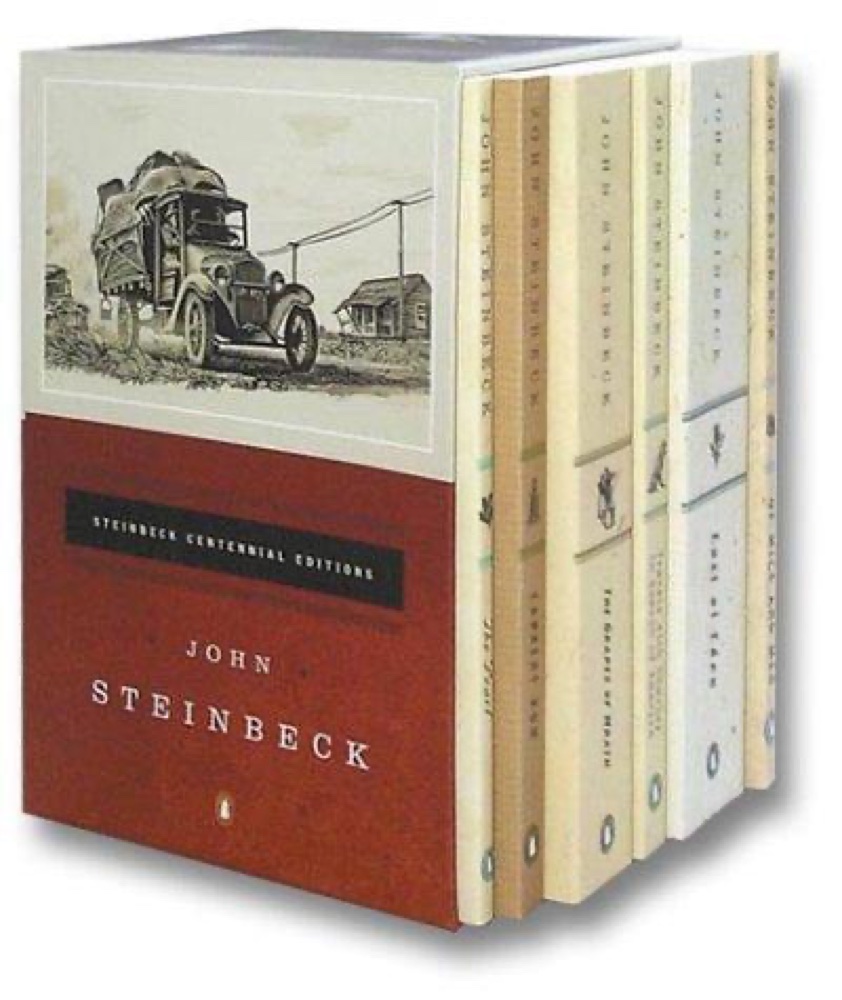 Travels with Charley: In Search of America
 Eve's Hollywood
 The Golden House
 Gun Island
 A Thousand Moons
 Revolutionary Road
 I Cheerfully Refuse
 Angle of Repose
 The Hour I First Believed
 The Grapes of Wrath
 The Fortress of Solitude
 Welcome to Braggsville
 Severance
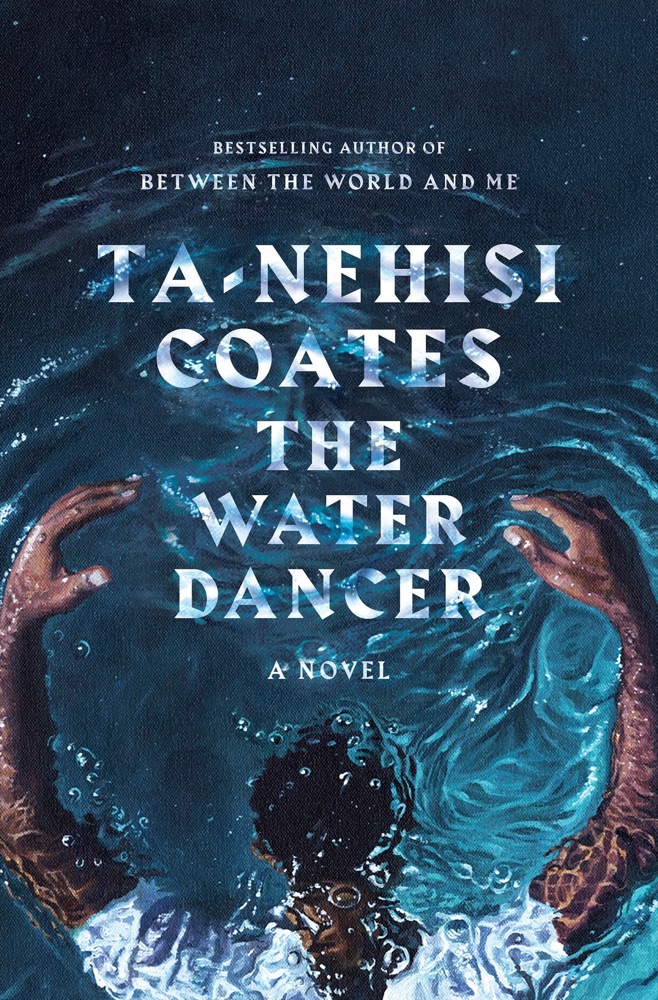 The Water Dancer