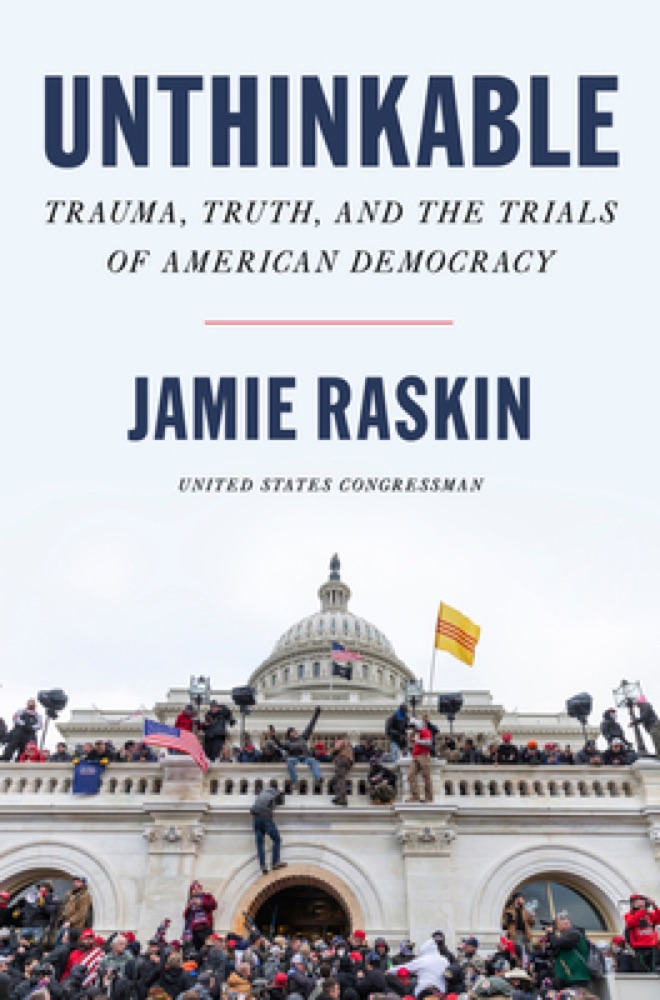
 Unthinkable: Trauma, Truth, and the Trials of American Democracy
Quotes from the Book
Donald today is much as he was at three years old: incapable of growing, learning, or evolving, unable to regulate his emotions, moderate his responses, or take in and synthesize information.
52
Though Donald’s fundamental nature hasn’t changed, since his inauguration the amount of stress he’s under has changed dramatically. It’s not the stress of the job, because he isn’t doing the job—unless watching TV and tweeting insults count. It’s the effort to keep the rest of us distracted from the fact that he knows nothing—about politics, civics, or simple human decency—that requires an enormous amount of work.
32
Donald was to my grandfather what the border wall has been for Donald: a vanity project funded at the expense of more worthy pursuits.
26
A large minority of people still confuse his arrogance for strength, his false bravado for accomplishment, and his superficial interest in them for charisma.
25
I hope this book will end the practice of referring to Donald’s “strategies” or “agendas,” as if he operates according to any organizing principles. He doesn’t. Donald’s ego has been and is a fragile and inadequate barrier between him and the real world, which, thanks to his father’s money and power, he never had to negotiate by himself. Donald has always needed to perpetuate the fiction my grandfather started that he is strong, smart, and otherwise extraordinary, because facing the truth—that he is none of those things—is too terrifying for him to contemplate.
19
Donald’s need for affirmation is so great that he doesn’t seem to notice that the largest group of his supporters are people he wouldn’t condescend to be seen with outside of a rally. His deep-seated insecurities have created in him a black hole of need that constantly requires the light of compliments that disappears as soon as he’s soaked it in. Nothing is ever enough.
18
The simple fact is that Donald is fundamentally incapable of acknowledging the suffering of others. Telling the stories of those we’ve lost would bore him. Acknowledging the victims of COVID-19 would be to associate himself with their weakness, a trait his father taught him to despise. Donald can no more advocate for the sick and dying than he could put himself between his father and Freddy. Perhaps most crucially, for Donald there is no value in empathy, no tangible upside to caring for other people. David Corn wrote, “Everything is transactional for this poor broken human being. Everything.” It is an epic tragedy of parental failure that my uncle does not understand that he or anybody else has intrinsic worth.
16
He had all the confidence of a bully who knows he’s always going to get what he wants and never has to fight for it.
16
Donald’s ego has been and is a fragile and inadequate barrier between him and the real world, which, thanks to his father’s money and power, he never had to negotiate by himself.
14
this book is published, hundreds of thousands of American lives will have been sacrificed on the altar of Donald’s hubris and willful ignorance. If he is afforded a second term, it would be the end of American democracy.
13
for Donald there is no value in empathy, no tangible upside to caring for other people.
12
The banks admonished him for betraying their agreement, but they never took any action against him, which just reinforced his belief that he could do whatever he wanted, as he almost always had.
11
That’s what sociopaths do: they co-opt others and use them toward their own ends—ruthlessly and efficiently, with no tolerance for dissent or resistance. Fred destroyed Donald, too, but not by snuffing him out as he did Freddy; instead, he short-circuited Donald’s ability to develop and experience the entire spectrum of human emotion. By limiting Donald’s access to his own feelings and rendering many of them unacceptable, Fred perverted his son’s perception of the world and damaged his ability to live in it. His capacity to be his own person, rather than an extension of his father’s ambitions, became severely limited.
9
Donald has always needed to perpetuate the fiction my grandfather started that he is strong, smart, and otherwise extraordinary, because facing the truth—that he is none of those things—is too terrifying for him to contemplate.
8
Many, but by no means all of us, have been shielded until now from the worst effects of his pathologies by a stable economy and a lack of serious crises. But the out-of-control COVID-19 pandemic, the possibility of an economic depression, deepening social divides along political lines thanks to Donald’s penchant for division, and devastating uncertainty about our country’s future have created a perfect storm of catastrophes that no one is less equipped than my uncle to manage. Doing
7
The fact is, Donald’s pathologies are so complex and his behaviors so often inexplicable that coming up with an accurate and comprehensive diagnosis would require a full battery of psychological and neuropsychological tests that he’ll never sit for. At this point, we can’t evaluate his day-to-day functioning because he is, in the West Wing, essentially institutionalized. Donald has been institutionalized for most of his adult life, so there is no way to know how he would thrive, or even survive, on his own in the real world.
7
Though nothing Donald did surprised me, the speed and volume with which he started inflicting his worst impulses on the country—from lying about the crowd size at the inauguration and whining about how poorly he was treated to rolling back environmental protections, targeting the Affordable Care Act in order to take affordable health care away from millions of people, and enacting his racist Muslim ban—overwhelmed me.
7
large minority of people still confuse his arrogance for strength, his false bravado for accomplishment, and his superficial interest in them for charisma.
7
If he is afforded a second term, it would be the end of American democracy.
7
his unique personality flaws make him extremely vulnerable to manipulation by smarter, more powerful men.
6
At 5: 00 the next morning, only a couple of hours after the opposite result had been announced, I was wandering around my house, as traumatized as many other people but in a more personal way: it felt as though 62,979,636 voters had chosen to turn this country into a macro version of my malignantly dysfunctional family.
6
Donald set his sights on the University of Pennsylvania. Unfortunately, even though Maryanne had been doing his homework for him, she couldn’t take his tests, and Donald worried that his grade point average, which put him far from the top of his class, would scuttle his efforts to get accepted. To hedge his bets he enlisted Joe Shapiro, a smart kid with a reputation for being a good test taker, to take his SATs for him.
6
Donald did have—as a savant of self-promotion, shameless liar, marketer, and builder of brands—to achieve the one thing that had always eluded him: a level of fame that matched his ego and satisfied his ambition in a way money alone never could.
6
the out-of-control COVID-19 pandemic, the possibility of an economic depression, deepening social divides along political lines thanks to Donald’s penchant for division, and devastating uncertainty about our country’s future have created a perfect storm of catastrophes that no one is less equipped than my uncle to manage.
6
Andrew Cuomo, the governor of New York and currently the de facto leader of the country’s COVID-19 response, has committed not only the sin of insufficiently kissing Donald’s ass but the ultimate sin of showing Donald up by being better and more competent, a real leader who is respected and effective and admired.
5
Abuse can be quiet and insidious just as often as, or even more often than, it is loud and violent. As far as I know, my grandfather wasn’t a physically violent man or even a particularly angry one. He didn’t have to be; he expected to get what he wanted and almost always did. It wasn’t his inability to fix his oldest son that infuriated him, it was the fact that Freddy simply wasn’t what he wanted him to be. Fred dismantled his oldest son by devaluing and degrading every aspect of his personality and his natural abilities until all that was left was self-recrimination and a desperate need to please a man who had no use for him.
5
Donald has always struggled for legitimacy—as an adequate replacement for Freddy, as a Manhattan real estate developer or casino tycoon, and now as the occupant of the Oval Office who can never escape the taint of being utterly without qualification or the sense that his “win” was illegitimate.
5
For him, it was not “the more you have, the more you can give.” It was “the more you have, the more you have.” Financial worth was the same as self-worth, monetary value was human value. The more Fred Trump had, the better he was. If he gave something to someone else, that person would be worth more and he less. He would pass that attitude on to Donald in spades.
5
Fred didn’t groom Donald to succeed him; when he was in his right mind, he wouldn’t trust Trump Management to anybody. Instead, he used Donald, despite his failures and poor judgment, as the public face of his own thwarted ambition. Fred kept propping up Donald’s false sense of accomplishment until the only asset Donald had was the ease with which he could be duped by more powerful men.
5
By perpetuating his version of the story he wanted told about his wealth and his subsequent “successes,” our family and then many others started the process of normalizing Donald. His hiring (and treatment) of undocumented workers and his refusal to pay contractors for completed work were assumed to be the cost of doing business. Treating people with disrespect and nickel-and-diming them made him look tough.
4
Watch on YouTube
About Mary L. Trump
We have collected 30 quotes from 1 book by Mary L. Trump on BookQuoters.
More about the author →About the book
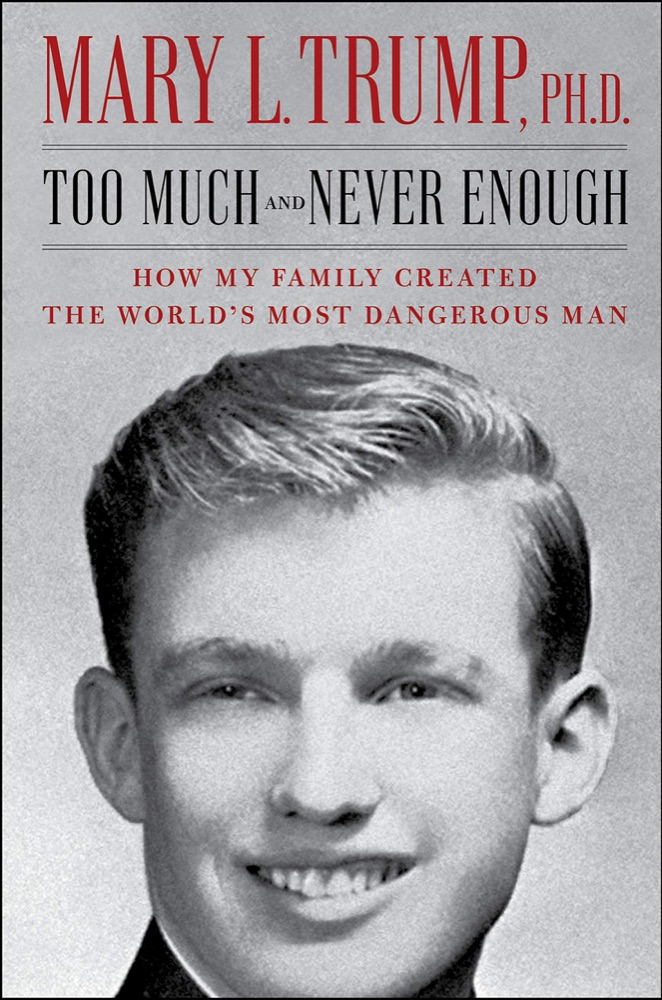
In this revelatory, authoritative portrait of Donald J. Trump and the toxic family that made him, Mary L. Trump, a trained clinical psychologist and Donald’s only niece, shines a bright light on the dark history of their family in order to explain how her uncle became the man who now threatens the world’s health, economic security, and social fabric.
Mary Trump spent much of her childhood in her grandparents’ large, imposing house in the heart of Queens, where Donald and his four siblings grew up. She describes a nightmare of traumas, destructive relationships, and a tragic combination of neglect and abuse. She explains how specific events and general family patterns created the damaged man who currently occupies the Oval Office, including the strange and harmful relationship between Fred Trump and his two oldest sons, Fred Jr. and Donald.
A first-hand witness to countless holiday
Book details
- First published
- 2020
- Author
- Mary L. Trump
- Genre
- Nonfiction
- Goodreads rating
- 3.82 (99k ratings)
The buzz
- The Washington PostReview in The Washington Postprofessional review (via Book Marks)
- The GuardianReview in The Guardianprofessional review (via Book Marks)
- Los Angeles TimesReview in Los Angeles Timesprofessional review (via Book Marks)
- The TimesReview in The Timesprofessional review (via Book Marks)
- Kirkus ReviewsReview in Kirkus Reviewsprofessional review (via Book Marks)
- The Boston GlobeReview in The Boston Globeprofessional review (via Book Marks)
Keep reading
Unthinkable: Trauma, Truth, and the Trials of American Democracy
 Insane Clown President: Dispatches from the 2016 Circus
 Everything Trump Touches Dies: A Republican Strategist Gets Real About the Worst President Ever
 The Invisible Bridge: The Fall of Nixon and the Rise of Reagan
 The Threat: How the FBI Protects America in the Age of Terror and Trump
 A Higher Loyalty: Truth, Lies, and Leadership
 Destiny of the Republic: A Tale of Madness, Medicine and the Murder of a President
 Trumpocracy: The Corruption of the American Republic
 No One Left To Lie To: The Values of the Worst Family
 Lake Success
 A Promised Land
 So Far Gone
 The Plot Against America
 The Rise of Theodore Roosevelt
 The Short and Tragic Life of Robert Peace: A Brilliant Young Man Who Left Newark for the Ivy League
 The Autobiography of Eleanor Roosevelt
 The Mandibles: A Family, 2029–2047
 Nixonland: The Rise of a President and the Fracturing of America
 Executive Orders
 Truman
 War
War
 Before the Storm: Barry Goldwater and the Unmaking of the American Consensus
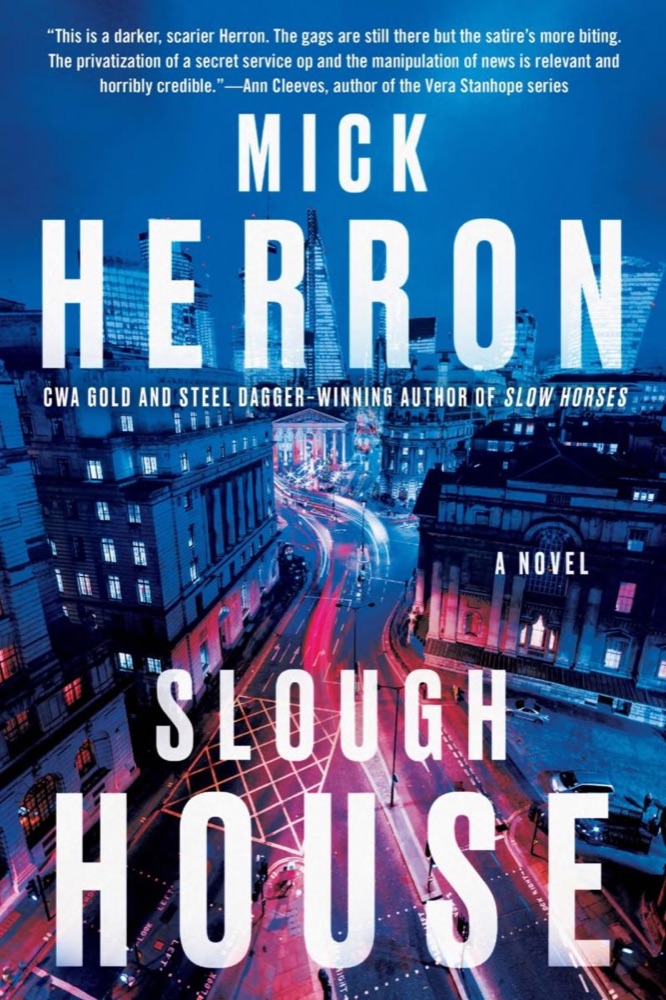 Slough House
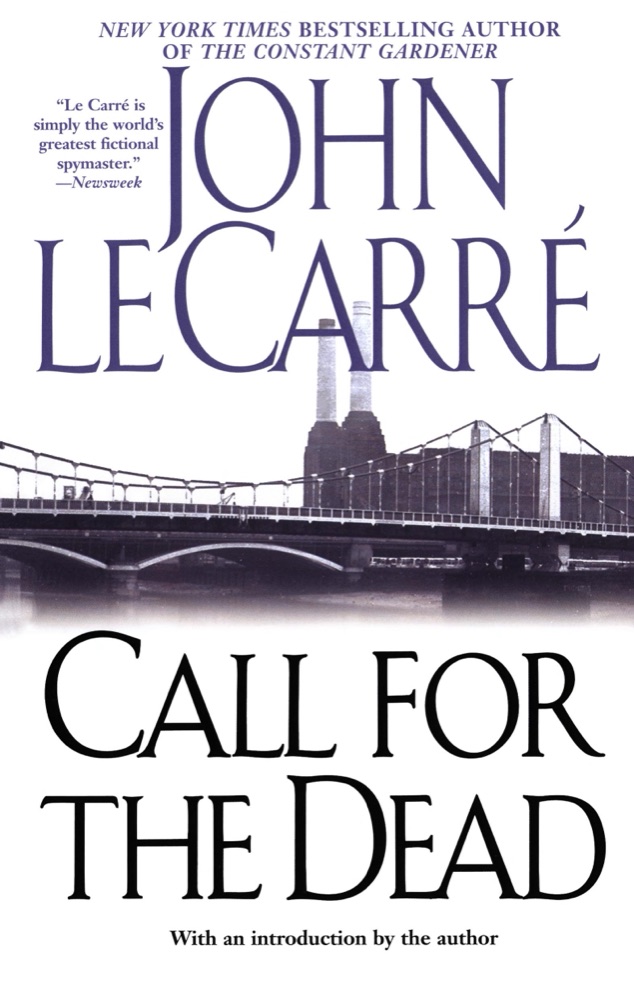 Call for the Dead
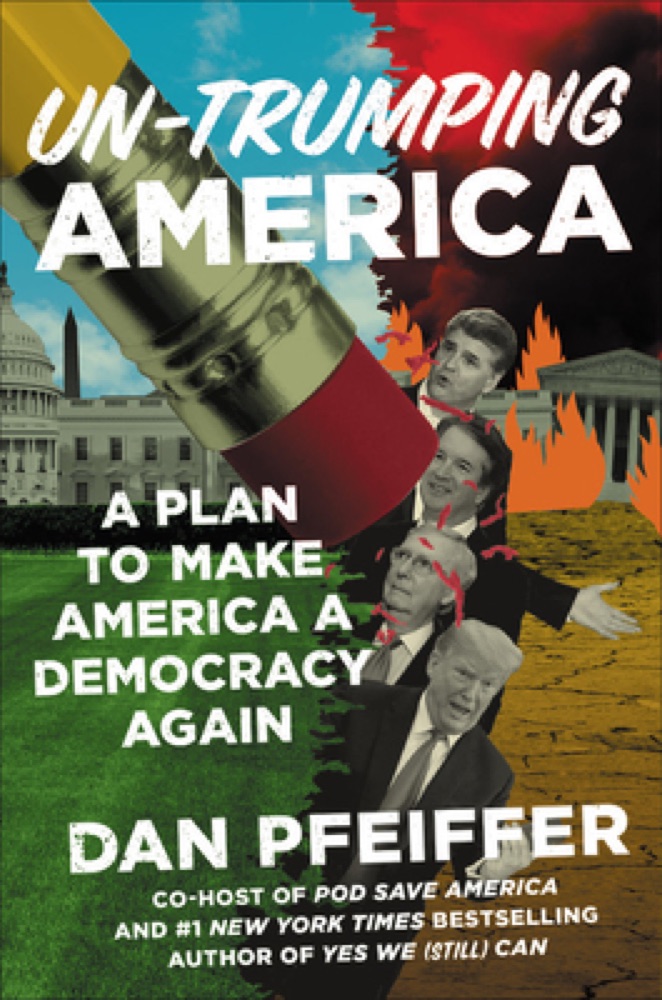 Un-Trumping America: A Plan to Make America a Democracy Again
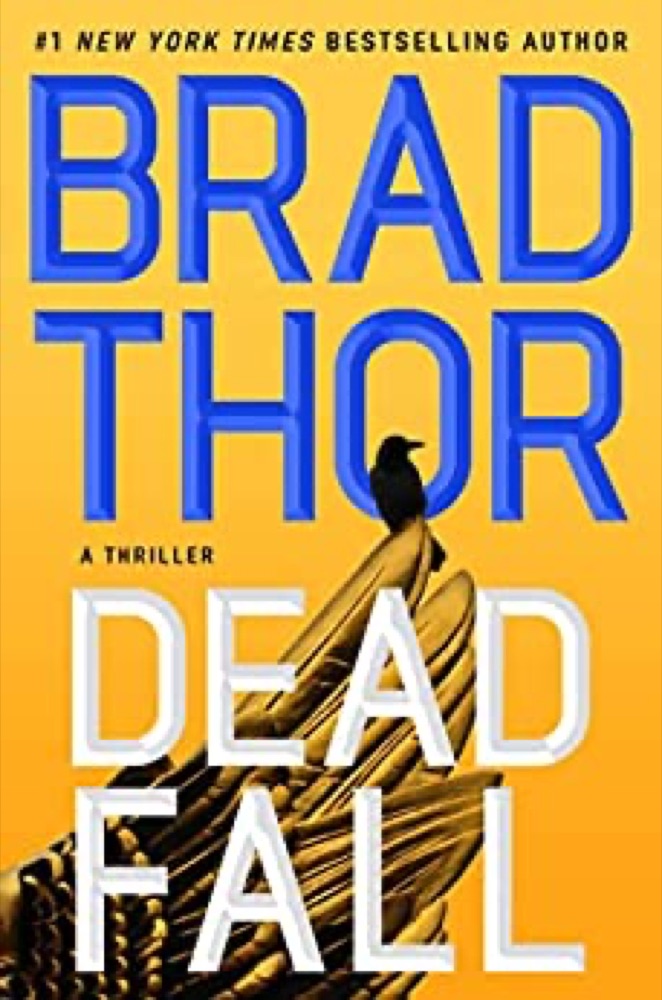 Dead Fall
 The Path to Power
 Radio Free Albemuth
 A Better World
 One Year After
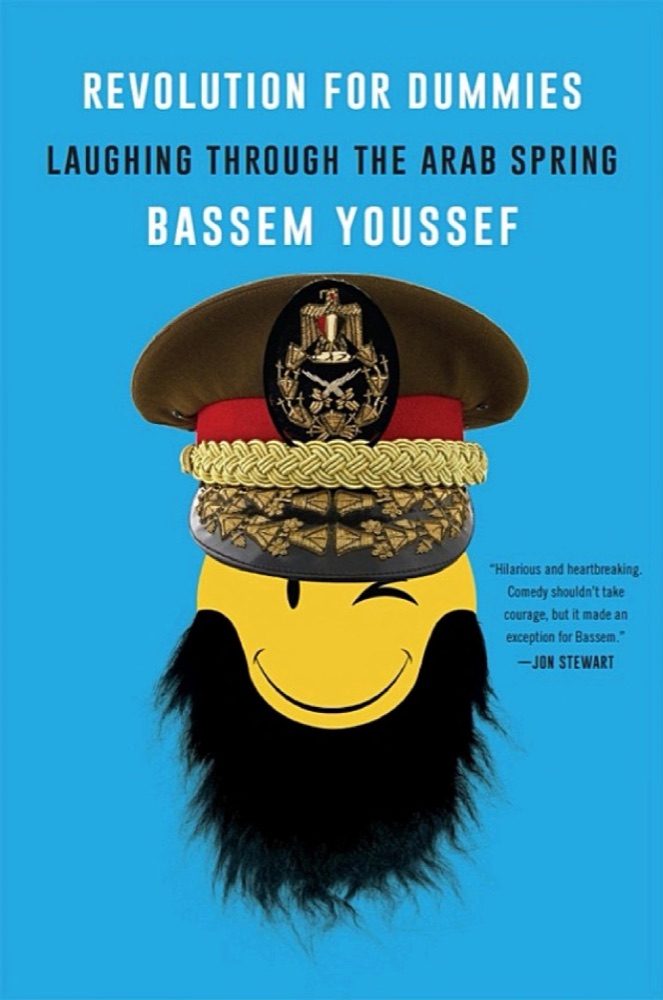 Revolution for Dummies: Laughing through the Arab Spring
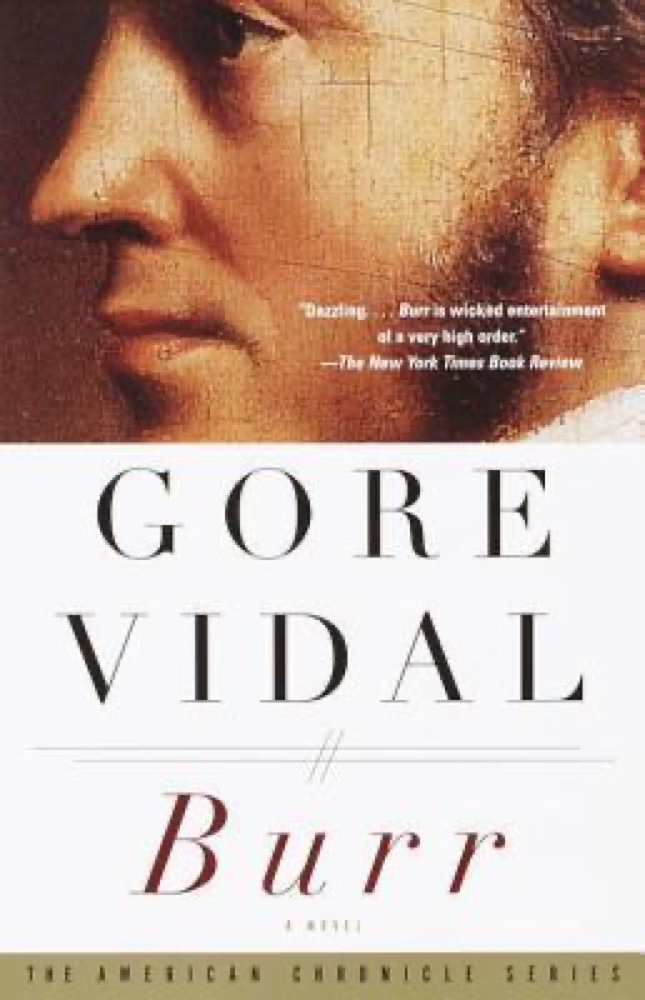 Burr
Burr
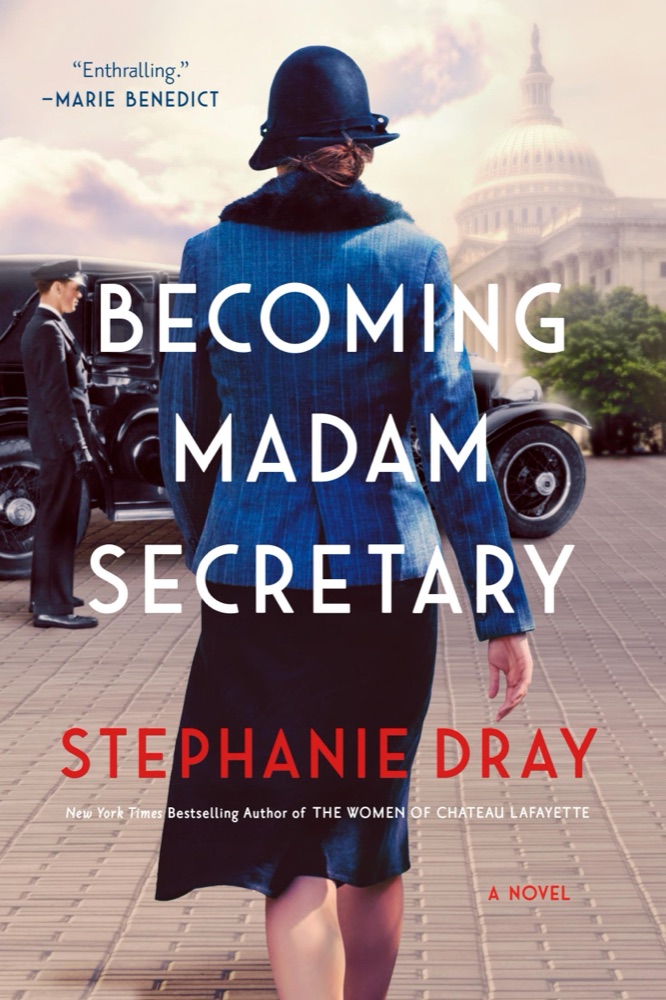 Becoming Madam Secretary
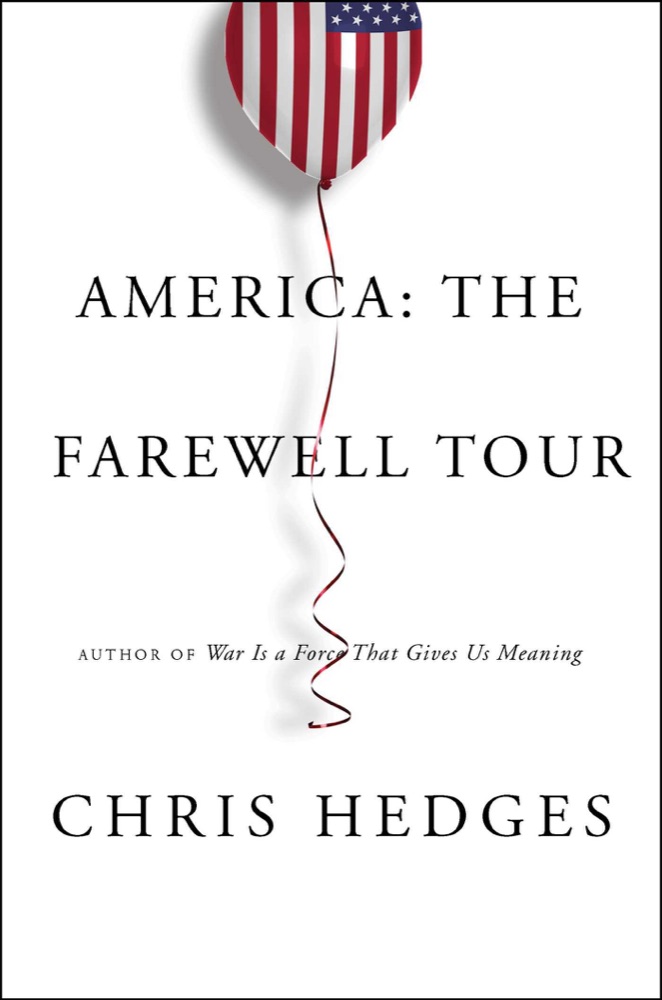 America: The Farewell Tour
 Act of Treason
 Birnam Wood
 Behold a Pale Horse
 The Teeth of the Tiger
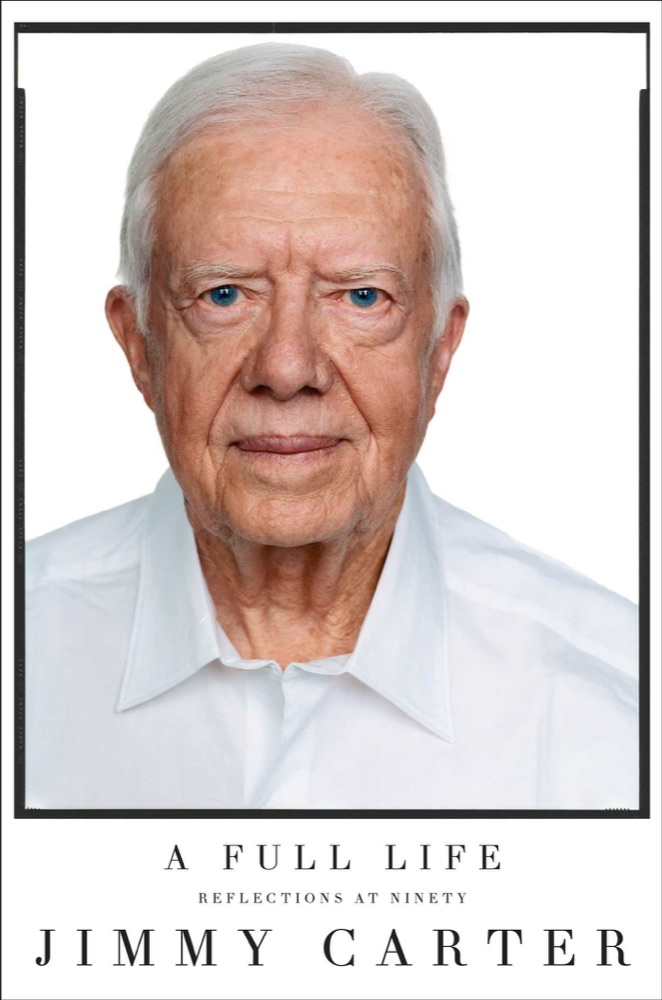 A Full Life: Reflections at Ninety
 The Golden House
 Shaman
 On Tyranny: Twenty Lessons from the Twentieth Century
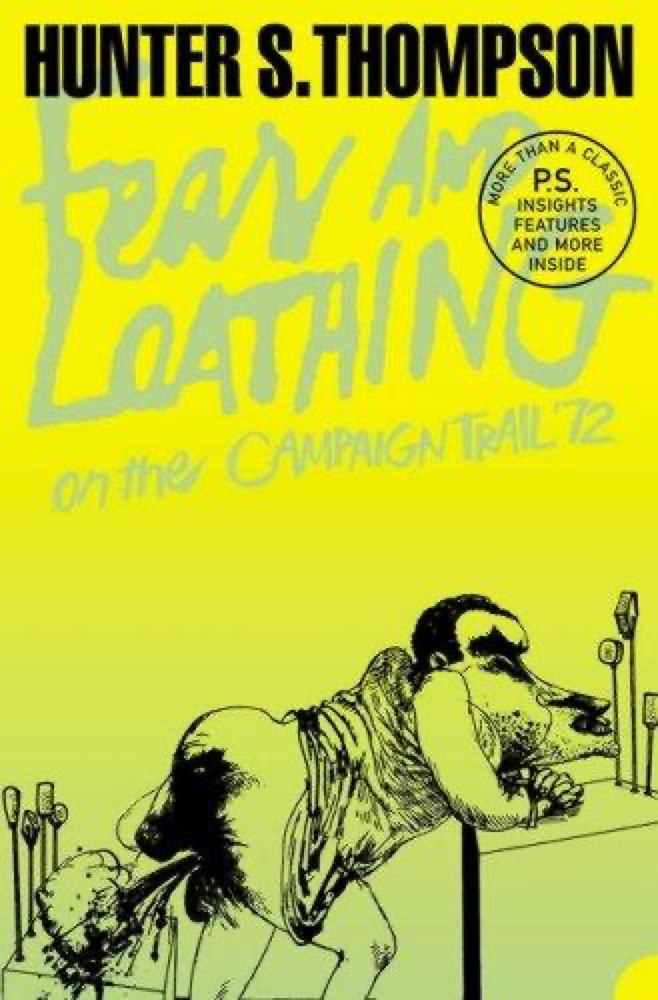 Fear and Loathing on the Campaign Trail '72
 The Impeachment of Abraham Lincoln
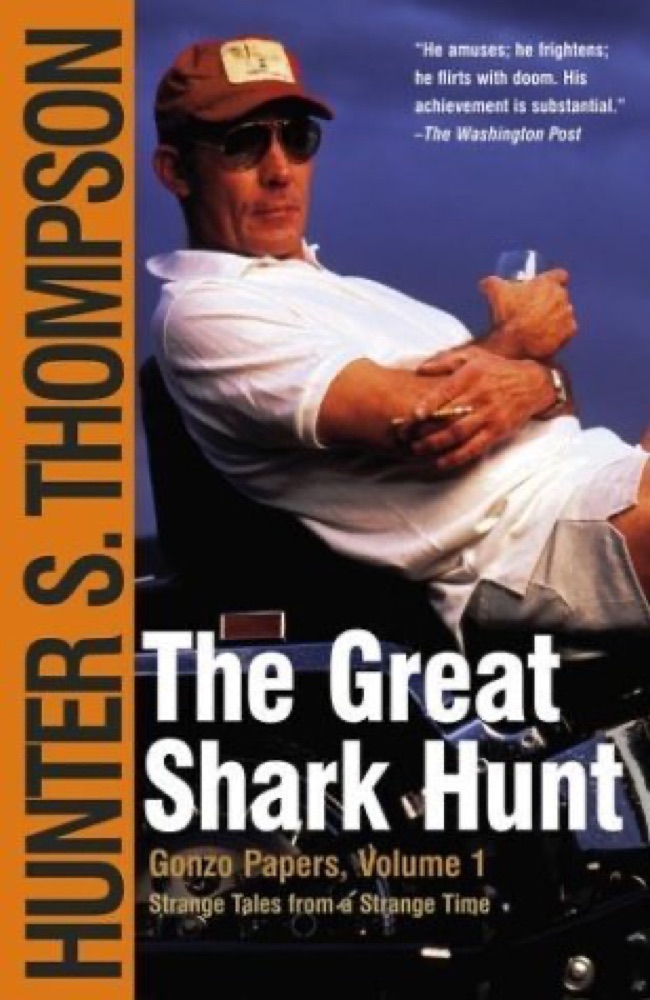 The Great Shark Hunt: Strange Tales from a Strange Time
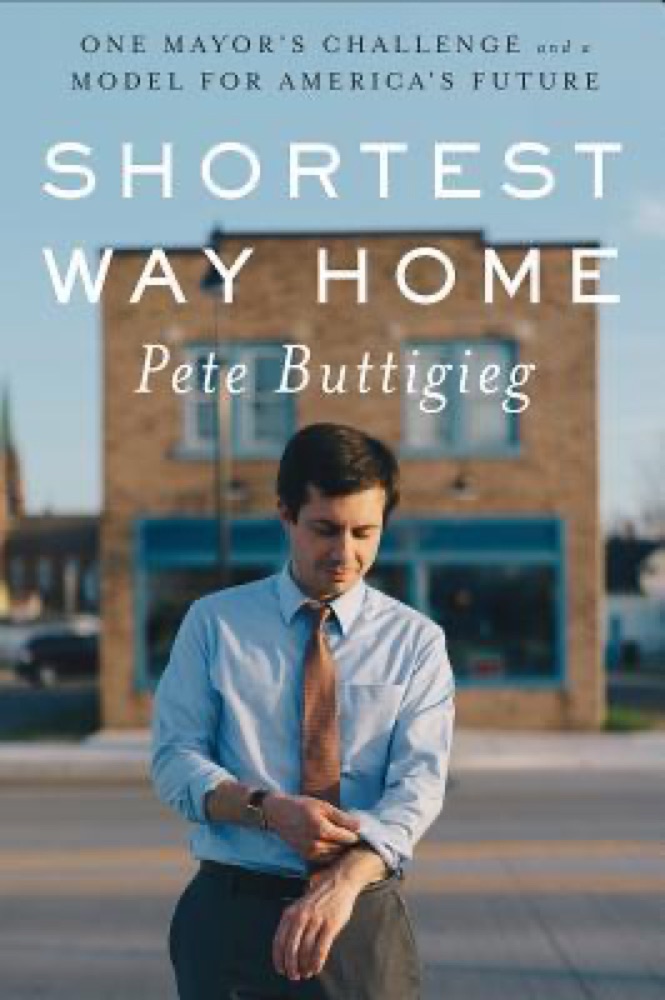 Shortest Way Home: One Mayor's Challenge and a Model for America's Future
 Bad News
 Master of the Senate
 Promises to Keep: On Life and Politics
 The Next Decade: Where We've Been . . . and Where We're Going
 Generation of Swine: Tales of Shame and Degradation in the '80's
 The Mask of Dimitrios
 The Mask of Fear
 The Nickel Boys
 It Can't Happen Here
 No Name in the Street
 Edge of Eternity
 The Proud Tower: A Portrait of the World Before the War, 1890-1914
 The Honourable Schoolboy