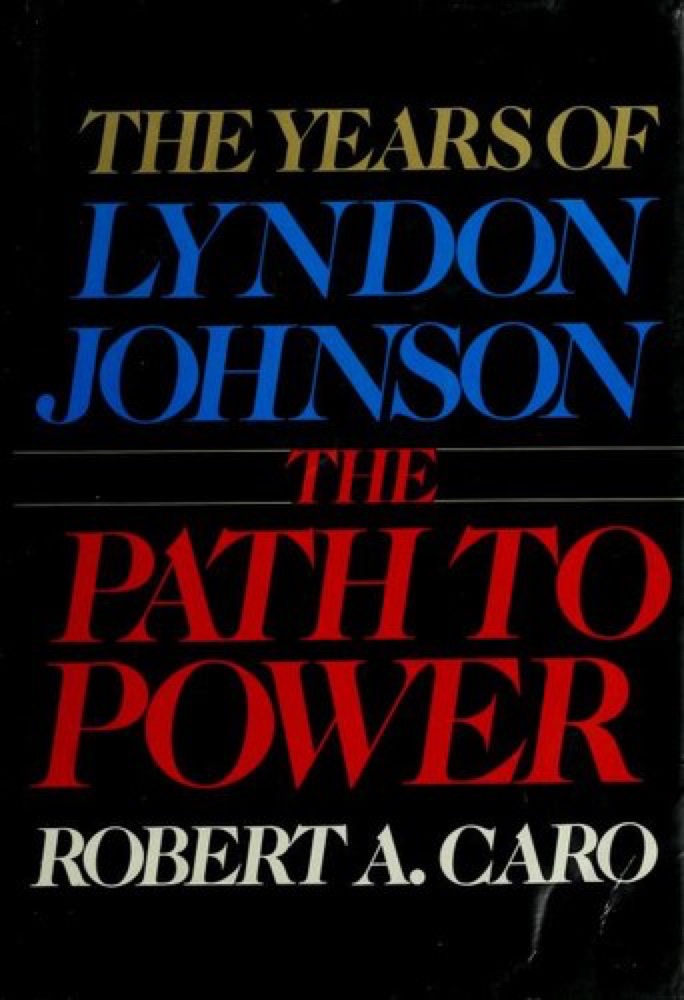
 The Path to Power
Quotes from the Book
People who sneer at a half a loaf of bread have never been hungry." George Reedy
The most important thing a man has to tell you is what he’s not telling you,” he said. “The most important thing he has to say is what he’s trying not to say.
Then Lyndon Johnson came to Jim Rowe’s office again, to plead with him, crying real tears as he sat doubled over, his face in his hands. “He wept. ‘I’m going to die. You’re an old friend. I thought you were my friend and you don’t care that I’m going to die. It’s just selfish of you, typically selfish.’ ” Finally Rowe said, “ ‘Oh, goddamn it, all right’ ”—and then “as soon as Lyndon got what he wanted,” Rowe was forcibly reminded why he had been determined not to join his staff. The moment the words were out of Rowe’s mouth, Johnson straightened up, and his tone changed instantly from one of pleading to one of cold command. “Just remember,” he said. “I make the decisions. You don’t.
And he worked himself, worked himself. He had made up his mind to be President, and he was demonic in his drive.
If you do everything, you’ll win,
Are you afraid?” an interviewer asked him after the bombing, and there was a pause, and then Martin Luther King said, very firmly, “No, I’m not. My attitude is that this is a great cause, a great issue that we’re confronted with, and that the consequences for my personal life are not particularly important. It is the triumph of a cause that I am concerned about, and I have always felt that ultimately along the way of life an individual must stand up and be counted, and be willing to face the consequences, whatever they are, and if he is filled with fear, he cannot do it.
Decades of the seniority rule had conferred influence in the Senate not on men who broke new ground but on men who were careful not to.
At Boston University, where the Reverend King had been studying for his Ph.D., the faculty, impressed by him, had urged him to become an academic, but, although attracted by that prospect, he rejected it in favor of a southern pastorship; “That’s where I’m needed,” he told his wife, Coretta. He was to discount his role in the Montgomery boycott. “I just happened to be there,” he was to say. “There comes a time when time itself is ready for a change.
Power concedes nothing without a demand. It never did and never will”;
Freedom is never given to anybody, for the oppressor has you in domination because he plans to keep you there.” And he went beyond Douglass to espouse a doctrine of passive, non-violent resistance. “Hate begets hate, violence begets violence; toughness begets a greater toughness,” King said. “Our aim must never be to defeat or humiliate the white man, but to win his friendship and understanding.… This is a nonviolent protest. We are depending on moral and spiritual forces.
and he learned that when Johnson gave an assignment, no excuses were accepted. “He used to say, ‘I want only can do people.’ That was one of his favorite expressions. ‘I only want can do people around. I don’t want anybody who tells me that they can’t do something.’
he saw that at its center were Coretta and Yoki, unharmed. And then, having made sure of that, Martin Luther King became very calm, with what Branch calls “the remote calm of a commander.” Stepping back out on the porch, he held up his hand for silence. Everything was all right, he told the crowd. “Don’t get panicky. Don’t do anything panicky. Don’t get your weapons. If you have weapons, take them home. He who lives by the sword will perish by the sword. Remember that is what Jesus said. We are not advocating violence. We want to love our enemies. I want you to love our enemies. Be good to them. This is what we must live by. We must meet hate with love.” The crowd was silent now, as King continued speaking. He himself might die, he said, but that wouldn’t matter. “If I am stopped, this movement will not stop. If I am stopped, our work will not stop. For what we are doing is right. What we are doing is just.
Luther King gave people “the feeling that they could be bigger and stronger and more courageous than they thought they could be,” Bayard Rustin said—in part because of the powerful new weapon, non-violent resistance, that had been forged on the Montgomery battlefield.
He not only had the gift of “reading” men and women, of seeing into their hearts, he also had the gift of putting himself in their place, of not just seeing what they felt but of feeling what they felt, almost as if what had happened to them had happened to him, too.
Richard Russell adored his wife. After they had been married for almost forty years, he sent her a note saying, “With a sense of love and gratitude that is overpowering, I can only say God bless you, idol of my heart.
When you come into the presence of a leader of men, you know you have come into the presence of fire; that it is best not incautiously to touch that man; that there is something that makes it dangerous to cross him. —WOODROW WILSON
Sam Rayburn on LBJ's recuperation from his heart attack: "It would kill him if he relaxed.
its size, the House was an environment in which, as one observer put it, members “could be dealt with only in bodies and droves.
Old men want to feel that the experience which has come with their years is valuable, that their advice is valuable, that they possess a sagacity that could be obtained only through experience— a sagacity that could be of use to young men if only young men would ask.
He is not the leader of great causes, but the broker of little ones.
Recalling his mother’s endless drudgery, (Senator) Richard (Russell) Jr. was to say that he was ten years old before he saw his mother asleep; previously, he had “thought that mothers never had to sleep.
Senator Harding, who declared in his inaugural address that “We seek no part in directing the destinies of the world.
He could be as memorable an orator as his father, particularly when he was speaking on that topic that had captured his imagination;
Senators came to realize that he understood not only their bills but the reasons they had introduced them;
To a staff member who, after talking with a senator, said he “thought” he knew which way the senator was going to vote, he snarled, “What the fuck good is thinking to me? Thinking isn’t good enough. Thinking is never good enough. I need to know!” Often, he didn’t know.
I begrudge making a career out of clothes, but Lyndon likes bright colors and dramatic styles that do the most for one’s figure, and I try to please him,” she was to say. “I’ve really tried to learn the art of clothes, because you don’t sell for what you’re worth unless you look well.
Once Lyndon replied that “My doctor says Scotch keeps my arteries open.” “They don’t have to be that wide open,” she said with a smile.
Her encouragement and reassurance were constant and extravagant. Once, not seeing her at a public function, he demanded, with something of his old snarl, “Where’s Lady Bird?” and she replied, “Right behind you, darling. Where I’ve always been.” At a conference at which he became agitated, she slipped him a note. “Don’t let anybody upset you. You’ll do the right thing. You’re a good man.
Johnson told the doctors that “he enjoyed nothing but whiskey, sunshine and sex.” Reedy found the moment “poignant,” he was to recall. “Without realizing what he was doing, he had outlined succinctly the tragedy of his life. The only way he could get away from himself was sensation: sun, booze, sex.
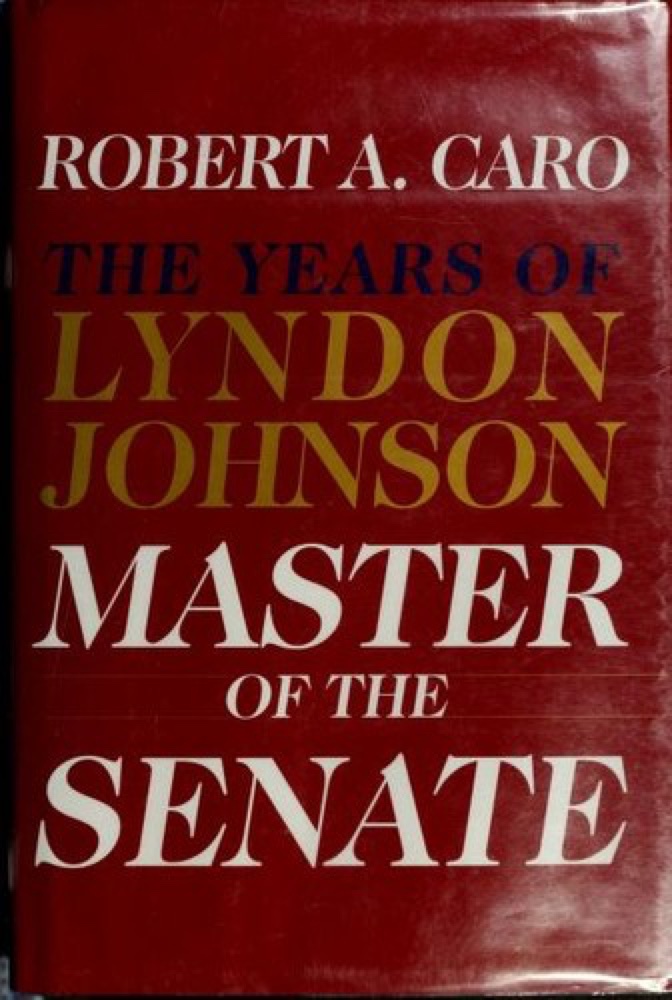
(LBJ) had what a journalist calls “a genius for analogy”— made the point unforgettably, in dialect, in the rhythmic cadences of a great storyteller. Master of the senate
Watch on YouTube
About Robert A. Caro
We have collected 126 quotes from 5 books by Robert A. Caro on BookQuoters.
More about the author →More by Robert A. Caro
Book details
- Author
- Robert A. Caro
- Genre
- History
- Goodreads rating
- 4.44 (25k ratings) →
Keep reading
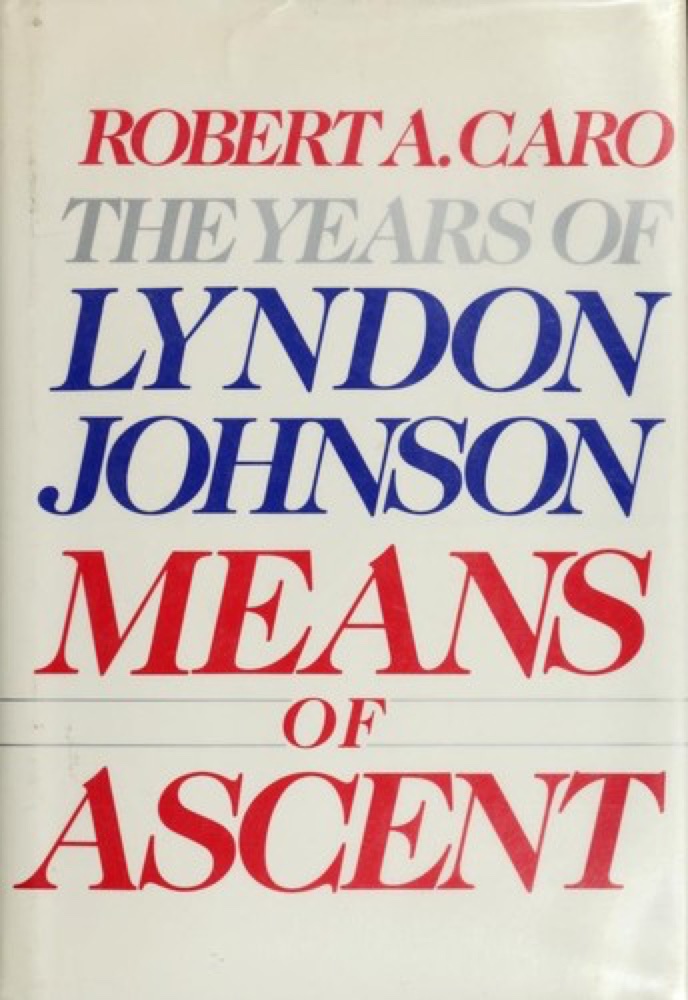
The Path to Power
 Truman
 The Rise of Theodore Roosevelt
 Destiny of the Republic: A Tale of Madness, Medicine and the Murder of a President
 Executive Orders
 New York
 Call for the Dead
 The Proud Tower: A Portrait of the World Before the War, 1890-1914
 Babbitt
 Mornings on Horseback
 Hard Times
 The Warden
 The Passage of Power
 The Virginian
 Clear and Present Danger
 The Given Day
 The Complete Stories
 Hell and Other Destinations: A 21st-Century Memoir
 The Autobiography of Eleanor Roosevelt
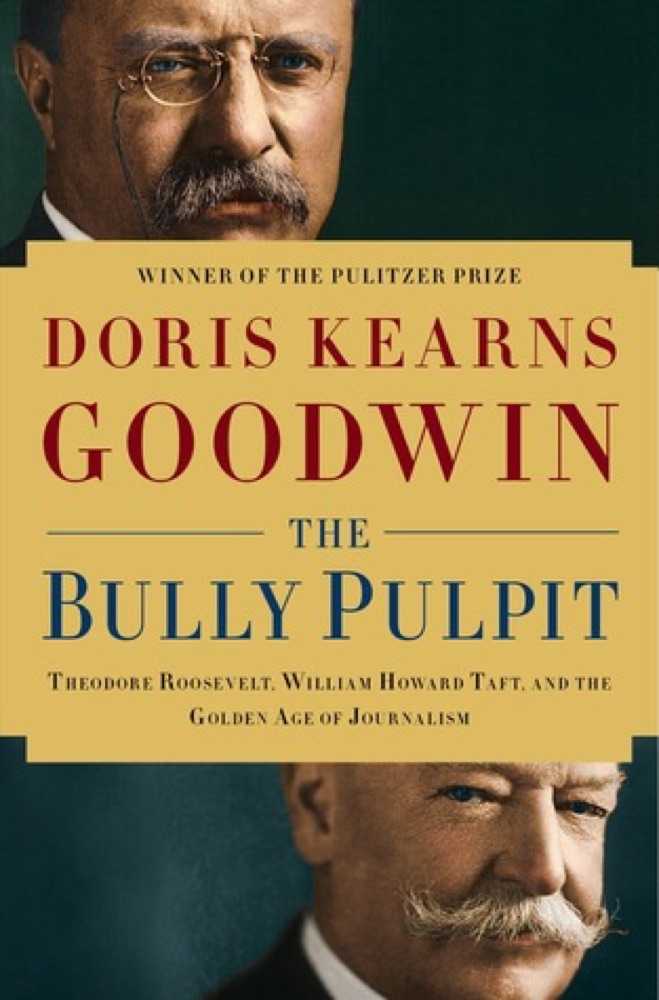 The Bully Pulpit: Theodore Roosevelt, William Howard Taft, and the Golden Age of Journalism
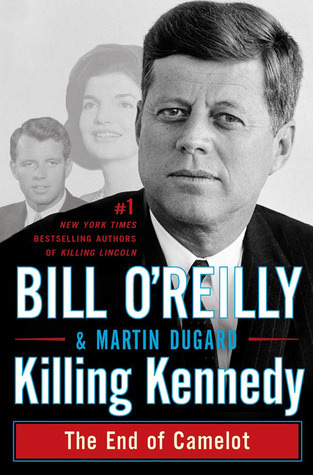 Killing Kennedy: The End of Camelot
 Winter of the World
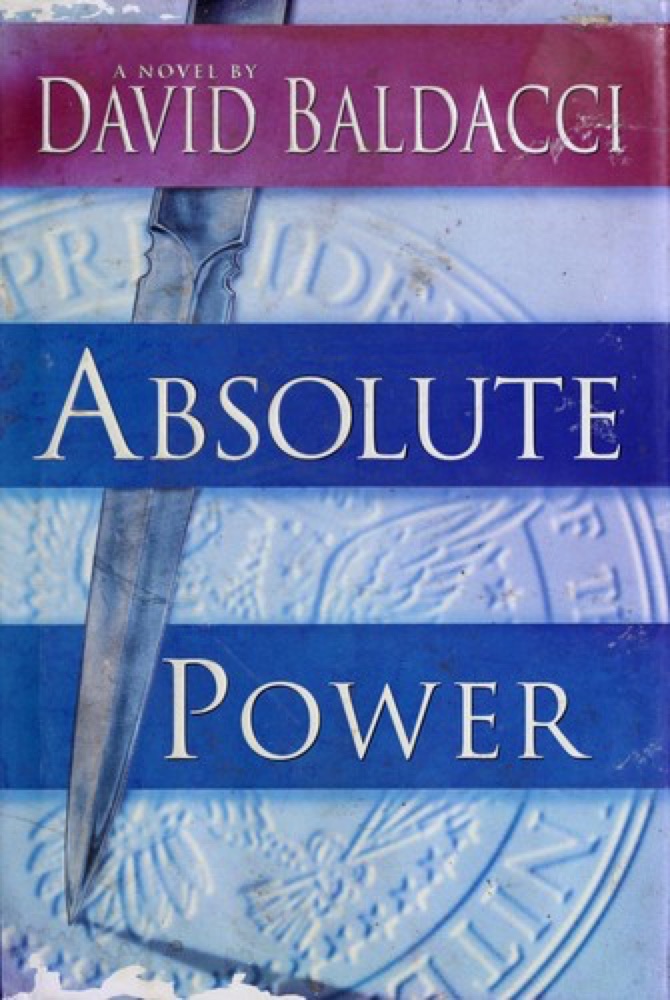 Absolute Power
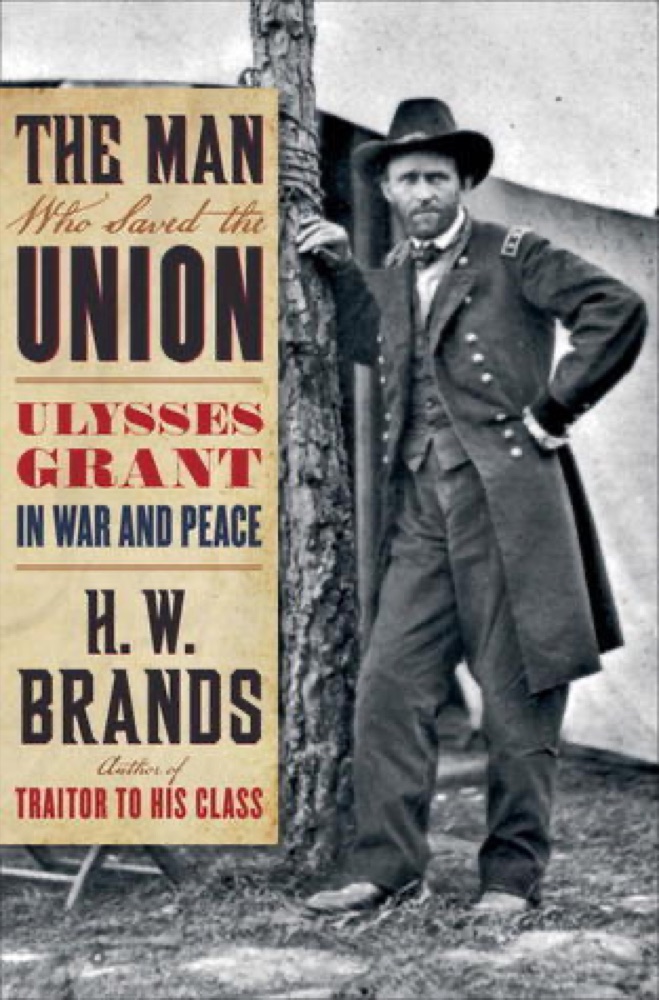 The Man Who Saved the Union: Ulysses Grant in War and Peace
 A Perilous Undertaking
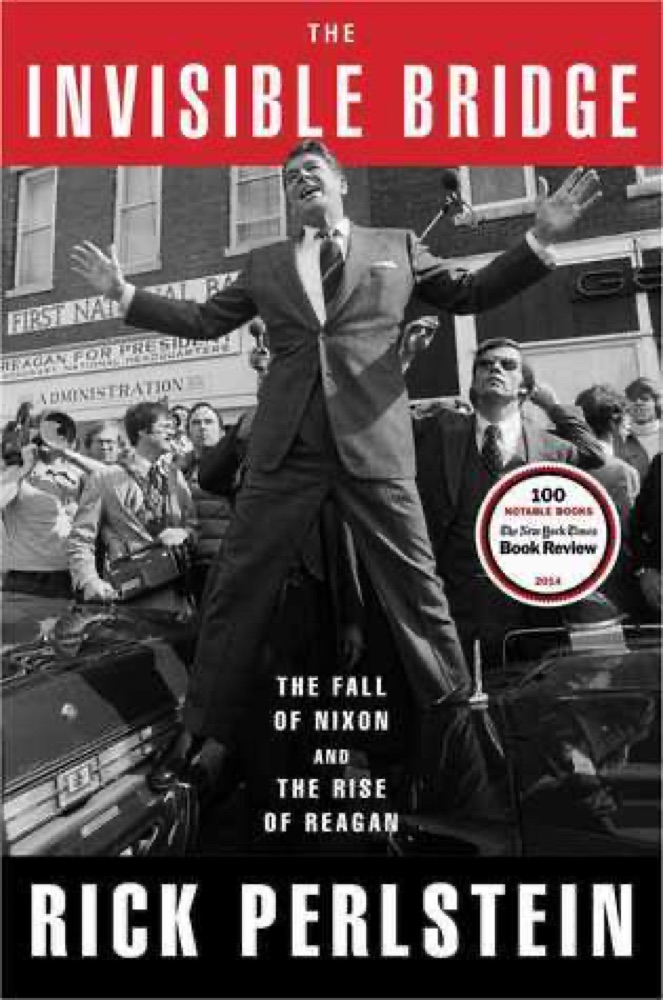 The Invisible Bridge: The Fall of Nixon and the Rise of Reagan
 Imperium: A Novel of Ancient Rome
 A Connecticut Yankee in King Arthur's Court
 A Full Life: Reflections at Ninety
 Alas, Babylon
 The Power of the Dog
 The Wolf in Winter
 From Here to Eternity
 Fall of Giants
 Mohawk
 Felix Holt: The Radical
 The Well of Ascension
 The Sweetness of Water
 Burr
Burr
 The Affair
 The Hands of the Emperor
 Team of Rivals: The Political Genius of Abraham Lincoln
 Be Careful What You Wish For
 The Known World
 Promise of Blood
 American Colossus: The Triumph of Capitalism, 1865-1900
 A Place of Greater Safety
 Shaman
 The Blue Sword
 Decision Points
 Best Kept Secret
 The Cider House Rules
 Nobody's Fool
 The Grace of Kings
 Intruder in the Dust
 The Reivers
 Devil in a Blue Dress
 My Own Words
 Hawaii