
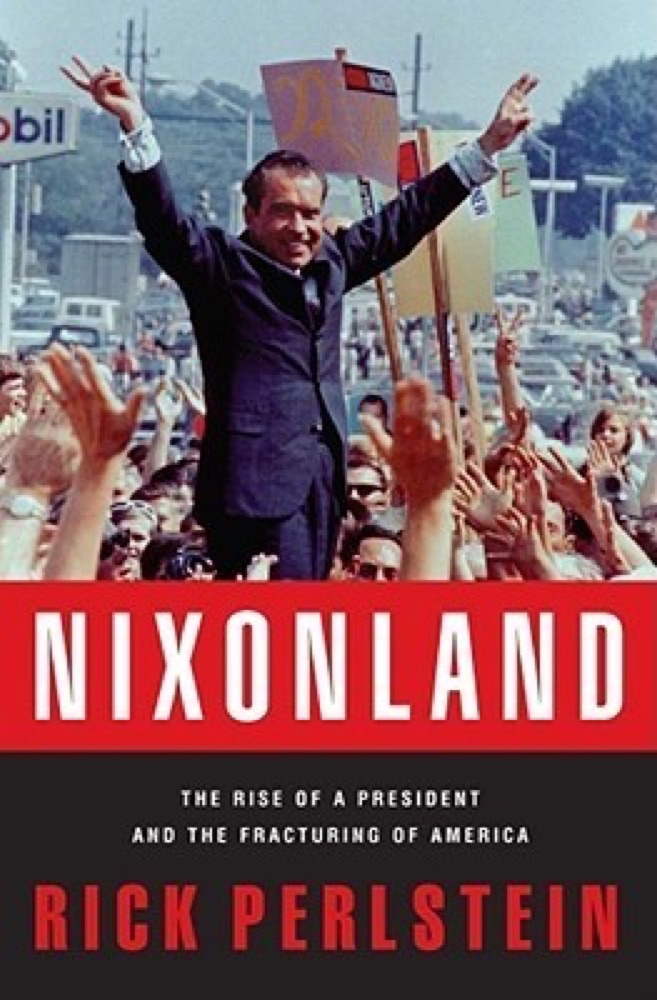
 Nixonland: The Rise of a President and the Fracturing of America
Quotes from the Book
A confused and weak man hides his weakness and uncertainty with fiery speeches.
5
Goldwater was, in other words, a candidate for voters in Boston as much as those in Birmingham—catering to white voters who were against the idea of federal civil rights legislation but at the same time desperate to receive assurances that this didn’t make them bad people.
4
Ronald Reagan was just as angry. But he made you want to stand right alongside him and shake your fist at the same things he was shaking his fist at.
3
The best measure of a politician’s electoral success was becoming not how successfully he could broker people’s desires, but how well he could tap their fears.
3
Scranton describing Sen. Robert A. Taft's conservatism as compared to Goldwater's said Taft was "a conservative in the truest sense of the word. He sought to conserve all the human values that have been carried down to us on a long stream of American history. He saw history as the foundation on which a better future might be built, not a Technicolor fantasy behind which the problems of the present might be concealed.
2
Violent crimes had increased from 120 per 100,000 in 1962 180 per 100,000 by 1964.
1
And so a strange, cosmic unity bodied forth that week in American political history, as Lyndon Johnson came off his first campaign tour: the FBI and the Warren Commission asserting that all it took was one man to tear a social fabric asunder; Mississippians bombing their way past illusions about the American way of reconciling conflict; Berkeley students saying no to “neutrality”; a third of the nation still stubbornly insisting on backing Barry Goldwater—all of them, at the same time, making the idea of an American consensus seem little more than a stubborn, fanciful mythology.
WE’VE READ ALL 1,249 PAGES! AND BROTHER, IS IT LOADED WITH FRILLS AND BOONDOGGLES!
all alone to endorse Goldwater without a fight. “Fanatics of the Birch variety have fastened their fangs on the Republican Party’s flanks,” Nelligan told reporters, “and are hanging on like grim death.
The audience in Bakersfield was battle-tested. Conservatives had suffered razor-thin defeat for control of the party’s premier volunteer group, the California Republican Assembly, at the convention in March of 1963—a convention, conservatives were convinced, that San Francisco union leader and Rockefeller stalwart William Nelligan had stolen from them. Redeeming that loss became the focus of conservative energies for the rest of the year. The efforts developed along three fronts. One, led by Newport Beach optometrist Nolan Frizzelle and S&L magnate Joe Crail, worked to take back the CRA. “It was like facing a howling mob,” a liberal said of the one hundred conservatives who set upon the Oakland chapter’s convention in December—and, after Nelligan declared the the conservatives’ victory in Oakland null and void, did it again in January. The scene was repeated across the liberal northern tier of the state. And at the 1964 convention, Frizzelle won the presidency of the CRA near dawn with 363 out of 600 votes. (There were only 569 registered delegates.) The next day, portly right-wingers held sit-ins in front of the mikes. Liberals stalked out in a rage. That left the conservatives
One did not argue with people who denied reality. Which was why the pundit Stewart Alsop wrote that conservatism was “not really a coherent, rational alternative at all—it is hardly more than an angry cry of protest against things as they are”;
As in all his little rhetorical dialogues, victory for one side was foreordained. Nixon wanted to become President to command America in the Cold War. He was obsessed with the details of foreign affairs; domestic policy, he said famously a decade later, just takes care of itself. One of the aides Nixon brought with him to Chicago, a thoughtful young political science instructor named Chuck Lichenstein, had produced a campaign book, The Challenges We Face, from Nixon’s speeches. When Nixon had thumbed through it and got to the section on agricultural price subsidies, he asked, “Have I really said all of these things?” “Yes, every word,” replied Lichenstein. “Well, that’s interesting, because I can’t tell.” “But do you accept this as your views?” the nervous deputy asked. “Oh, yes, oh, yes,” Nixon reassured him. The internal dialogue continued: I am not going to waste your time on a dispute over the details of domestic policy, for these things take care of themselves.
the task of preserving capitalism was too important to leave to the capitalists.
Manion’s people did what conservatives always did when the going got tough: they started a new group. “For America
They reported how when he took over as president of Phoenix Country Club in 1949, he said if they didn’t allow his friend Harry Rosenzweig to join he would blackball every name. Rosenzweig became the first Jew the club ever admitted. Left out of the tale was that another Jew wasn’t allowed in for a decade.
Goldwater hardly ever mentioned a statistic. He hardly ever used it EXAMPLE. He presumed you already knew what he meant. Reagan SHOWED you.
They made strategy at 33,000 feet (on) the campaign plane.
For the first time on Planet Earth (in 1964 America), a nation was made up of more college students than farmers. An unheard-of 42% of high school graduates sought higher education.
Goldwater had never even considered a non-Arizonan. Like a man on his deathbed, he wanted to be surrounded only by friends.
Teddy White lamented that TV might spell the death of serious politics: to give a thoughtful response to serious questions, politician needed a good thirty seconds to ponder, but television allowed only five seconds of silence at best. DDB (ad men) found nothing to lament and the fact. They were convinced you could learn everything you needed to KNOW about a product, which in this case happens to be a human being, in half a minute – the speed not of thought but of emotion.
Fifties advertising was a dogmatic art, to the point of pretending to be a science.
The head of Goldwater's California operation "what was so uncomfortable around people that he worked up a routine to deal with employees with whom he was forced to share an elevator: "Taken your vacation yet?" he would ask when they entered; answer took just long enough to deliver him to his fourth-floor office.
Richard Nixon's conversation was "loaded with so many stories of all the foreign dignitaries he'd called upon in his career that he sounded like a guy who had pinioned his neighbors into watching his vacation slides.
A candidate with no experience they would package as a citizen politician, a lifetime hack as an elder statesman.
One of the ladies asked about that awful Bobby Kennedy, and Goldwater responded by speaking about the attorney general with touching affection. (Mary) McGrory recalled how Jack Kennedy behaved at a similar stage in his campaign: spouting statistics, attacking carefully chosen enemies and puffing all the right friends, quoting dead Greeks, never cracking a joke lest he remind the voters how young he was.
Must, never, must avoid, must guard: the minatory commands came the eleven times (from the departing Eisenhower). In contrast, Kennedy's rhetoric on January 20 with a cascade of permissions: the word "let" rang out 14 times.
Goldwater's approach to any political problem invariably derived from the evidence of his own eyes.
Watch on YouTube
About Rick Perlstein
We have collected 82 quotes from 3 books by Rick Perlstein on BookQuoters.
More about the author →More by Rick Perlstein
Nixonland: The Rise of a President and the Fracturing of America
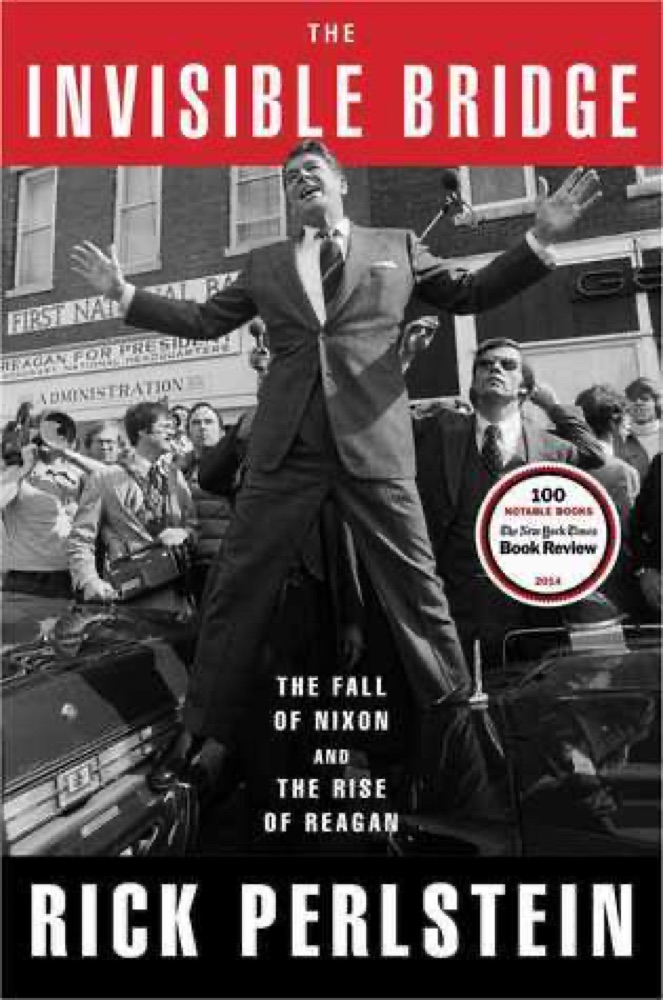 The Invisible Bridge: The Fall of Nixon and the Rise of Reagan
About the book
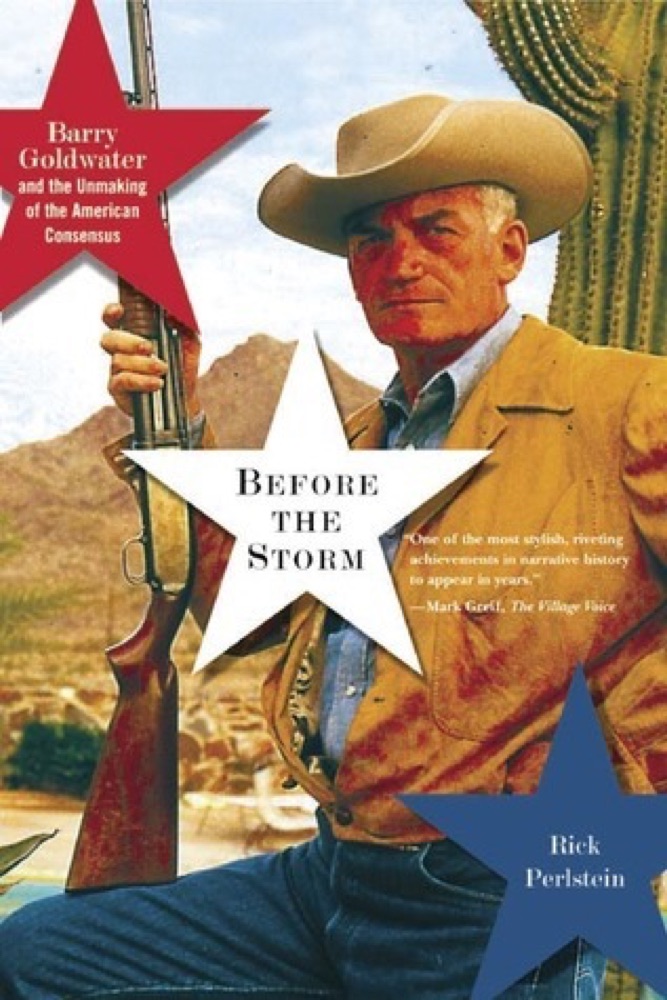
Acclaimed historian Rick Perlstein chronicles the rise of the conservative movement in the liberal 1960s. At the heart of the story is Barry Goldwater, the renegade Republican from Arizona who loathed federal government, despised liberals, and mocked “peaceful coexistence” with the USSR. Perlstein's narrative shines a light on a whole world of conservatives and their antagonists, including William F. Buckley, Nelson Rockefeller, and Bill Moyers. Vividly written, Before the Storm is an essential book about the 1960s.
Book details
- First published
- 2001
- Author
- Rick Perlstein
- Genre
- History
- Goodreads rating
- 4.24 (5k ratings)
Keep reading
Nixonland: The Rise of a President and the Fracturing of America
The Invisible Bridge: The Fall of Nixon and the Rise of Reagan
 The Best and the Brightest
 The Path to Power
 Truman
 What It Takes: The Way to the White House
 The Passage of Power
 The Rise of Theodore Roosevelt
 Game Change: Obama and the Clintons, McCain and Palin, and the Race of a Lifetime
 American Colossus: The Triumph of Capitalism, 1865-1900
 Evil Geniuses: The Unmaking of America
 Executive Orders
 A Full Life: Reflections at Ninety
 Unthinkable: Trauma, Truth, and the Trials of American Democracy
 Master of the Senate
 Burr
Burr
 The Fifties
 Bag Man: The Wild Crimes, Audacious Cover-up, and Spectacular Downfall of a Brazen Crook in the White House
 No One Left To Lie To: The Values of the Worst Family
 Becoming Madam Secretary
 Destiny of the Republic: A Tale of Madness, Medicine and the Murder of a President
 The Last Lion: Winston Spencer Churchill: Alone, 1932-40
 Strangers in Their Own Land: Anger and Mourning on the American Right
 Hidden History: An Exposé of Modern Crimes, Conspiracies, and Cover-Ups in American Politics
 Winter of the World
 The Bully Pulpit: Theodore Roosevelt, William Howard Taft, and the Golden Age of Journalism
 It Can't Happen Here
 The Untold History of The United States
 Radio Free Albemuth
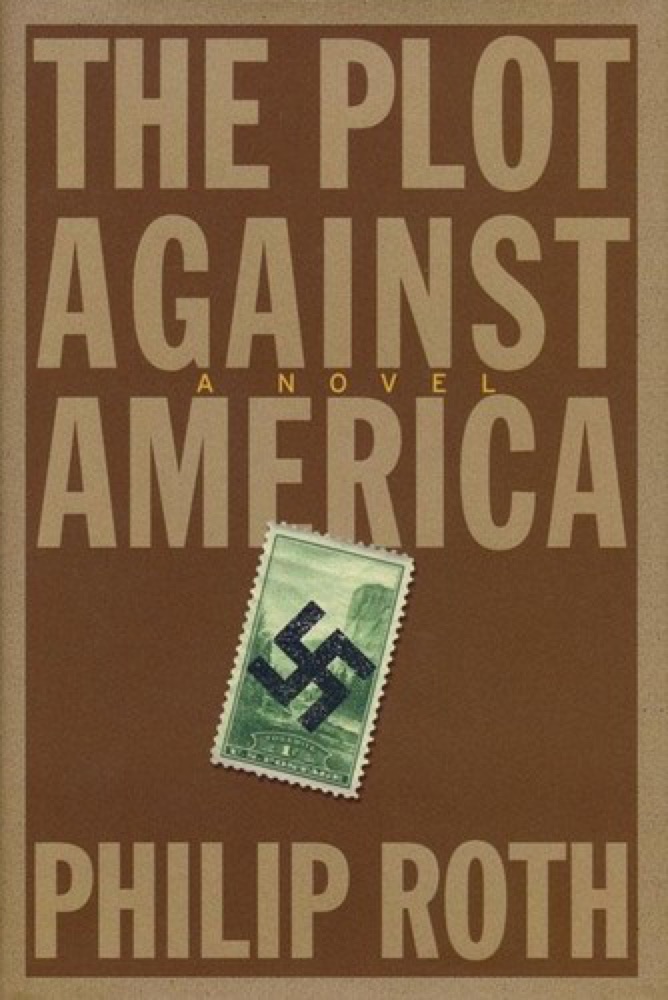 The Plot Against America
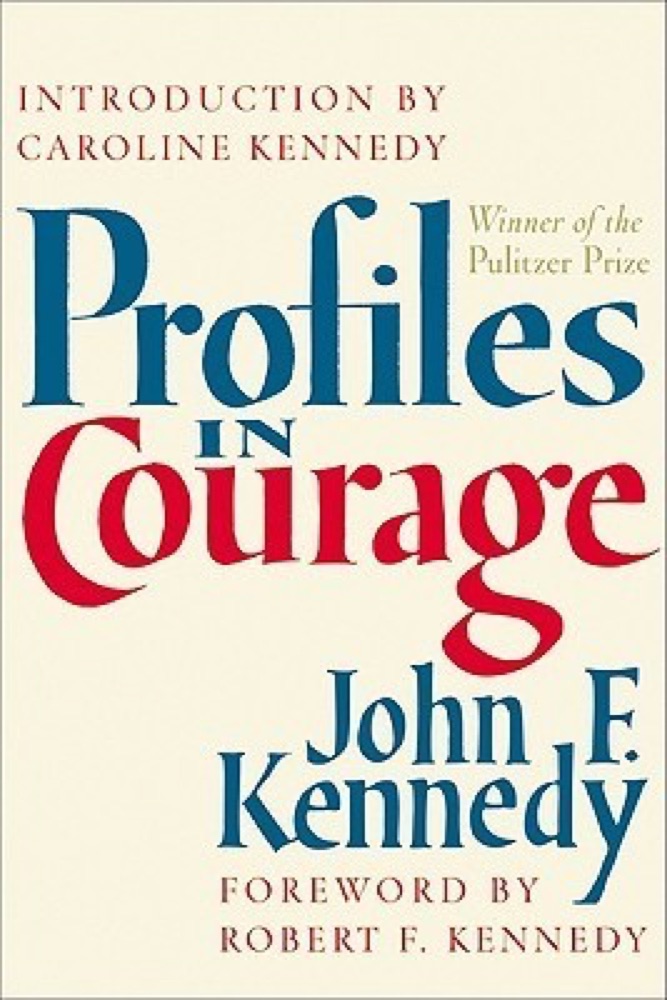 Profiles in Courage
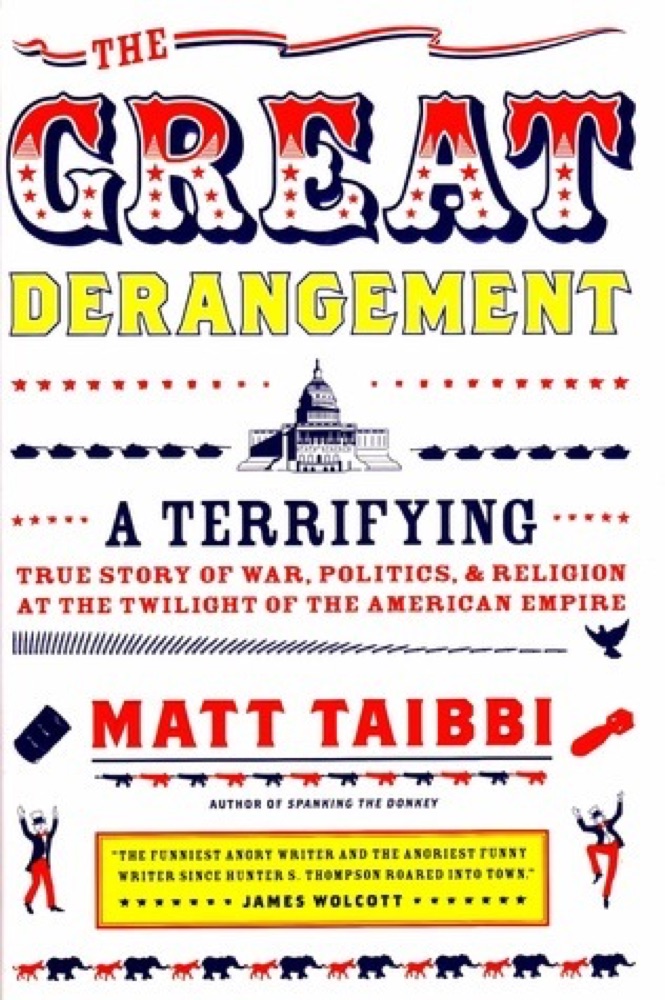 The Great Derangement: A Terrifying True Story of War, Politics, and Religion at the Twilight of the American Empire
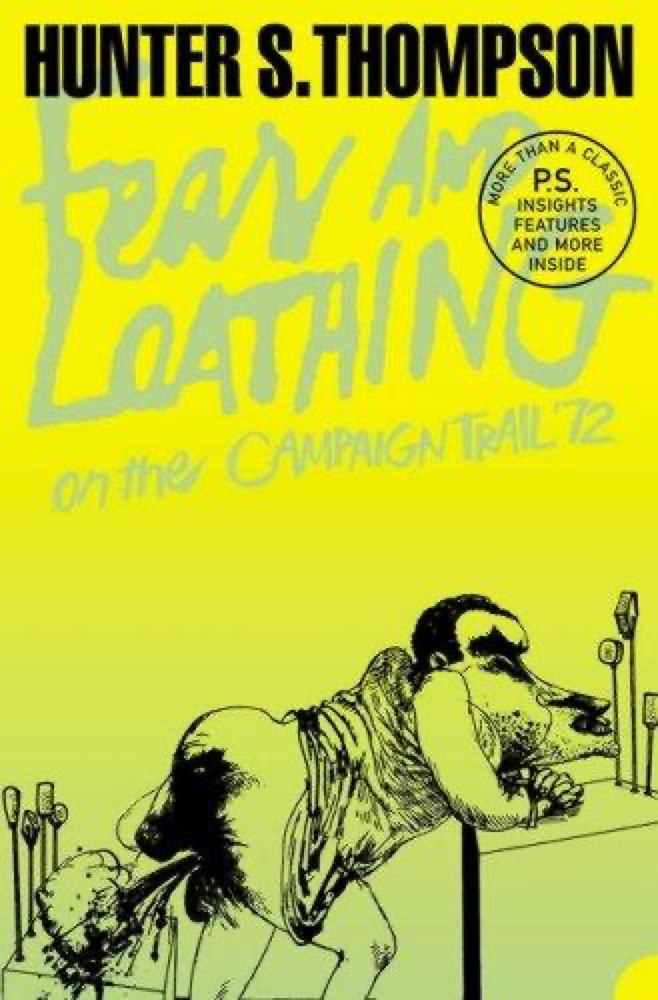 Fear and Loathing on the Campaign Trail '72
 Edge of Eternity
 The Soul of America: The Battle for Our Better Angels
 Better Than Sex: Confessions of a Political Junkie
 The Proud Tower: A Portrait of the World Before the War, 1890-1914
 One Year After
 A Fever in the Heartland: The Ku Klux Klan's Plot to Take Over America, and the Woman Who Stopped Them
 The Great Shark Hunt: Strange Tales from a Strange Time
 Founding Brothers: The Revolutionary Generation
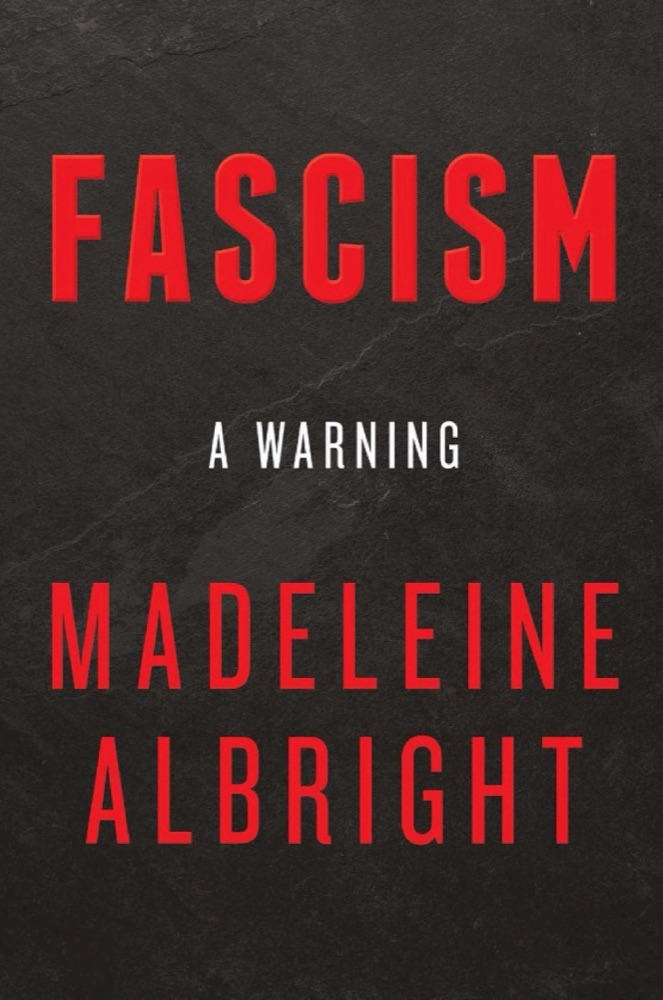 Fascism: A Warning
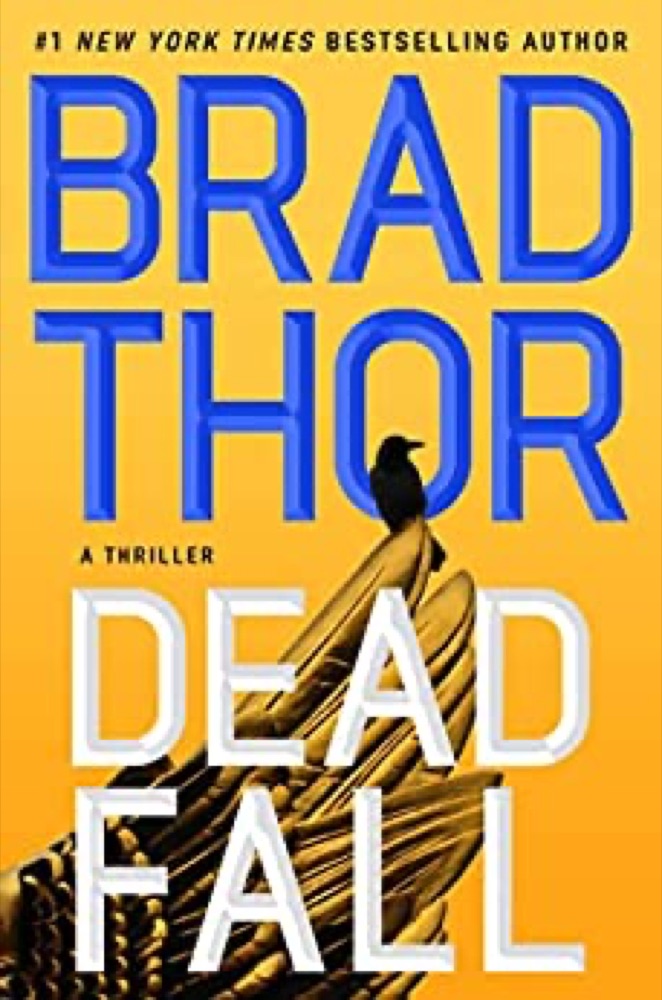 Dead Fall
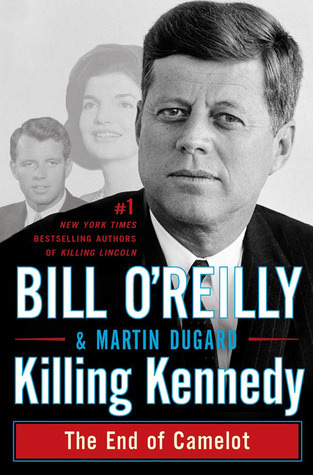 Killing Kennedy: The End of Camelot
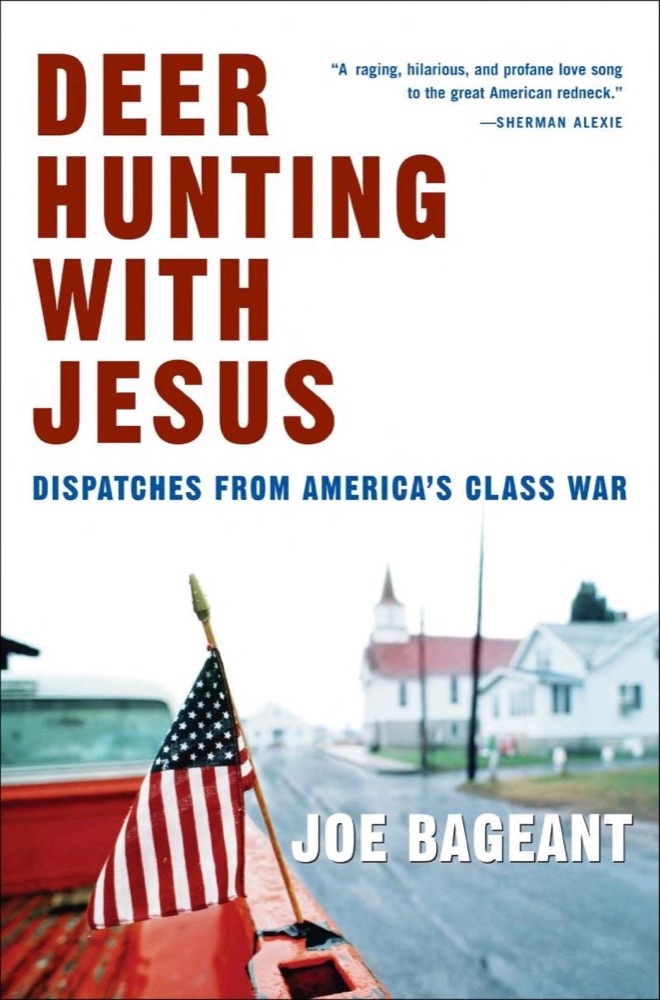 Deer Hunting with Jesus: Dispatches from America's Class War
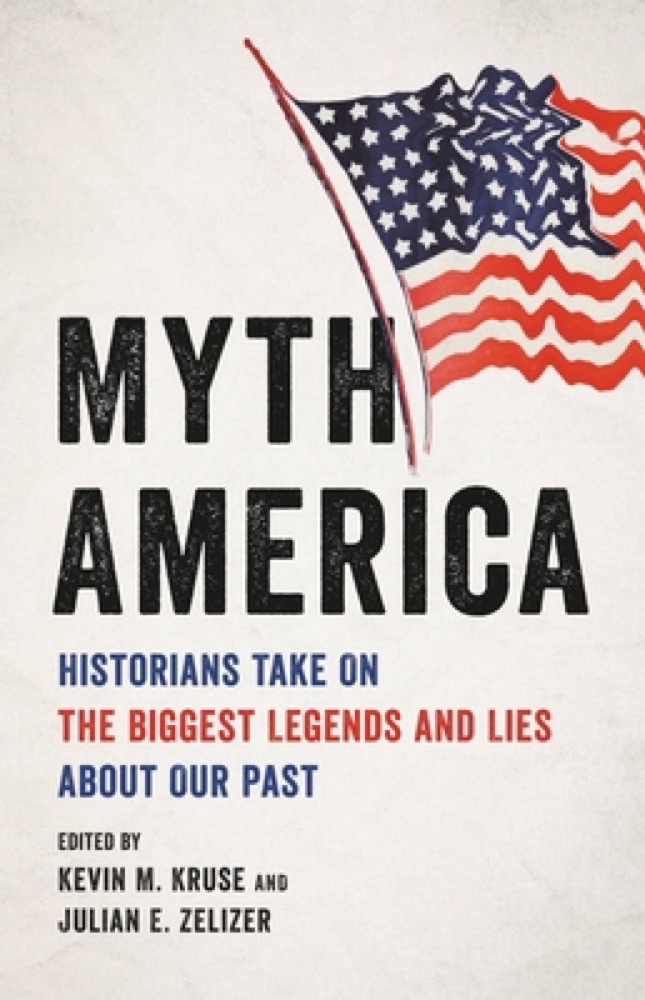 Myth America: Historians Take On the Biggest Legends and Lies About Our Past
 Fall of Giants
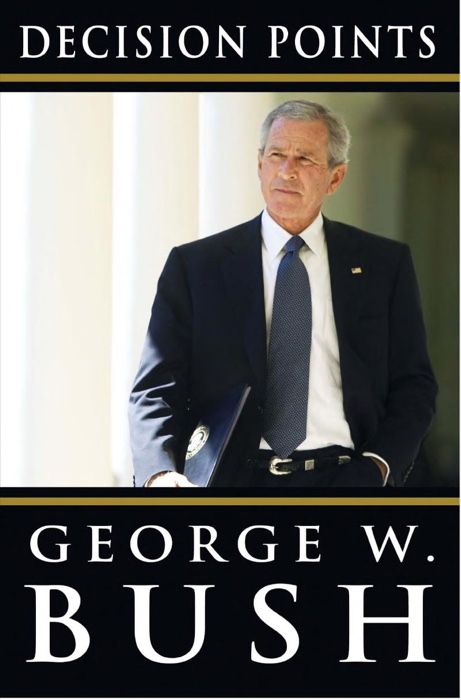 Decision Points
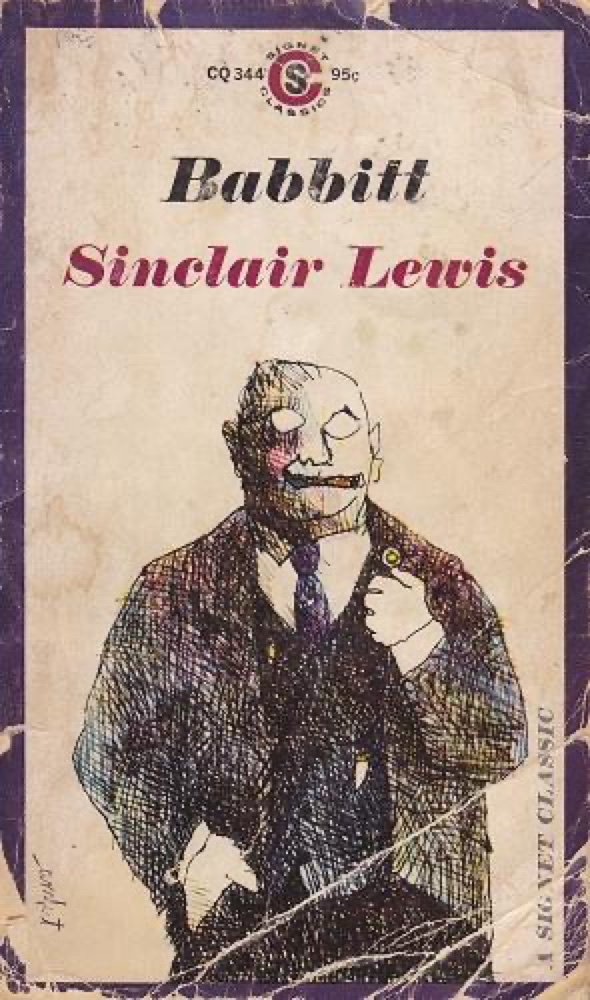 Babbitt
 Promises to Keep: On Life and Politics
 The Coldest Winter: America and the Korean War
 The Final Days
 Imperial Ambitions: Conversations on the Post-9/11 World
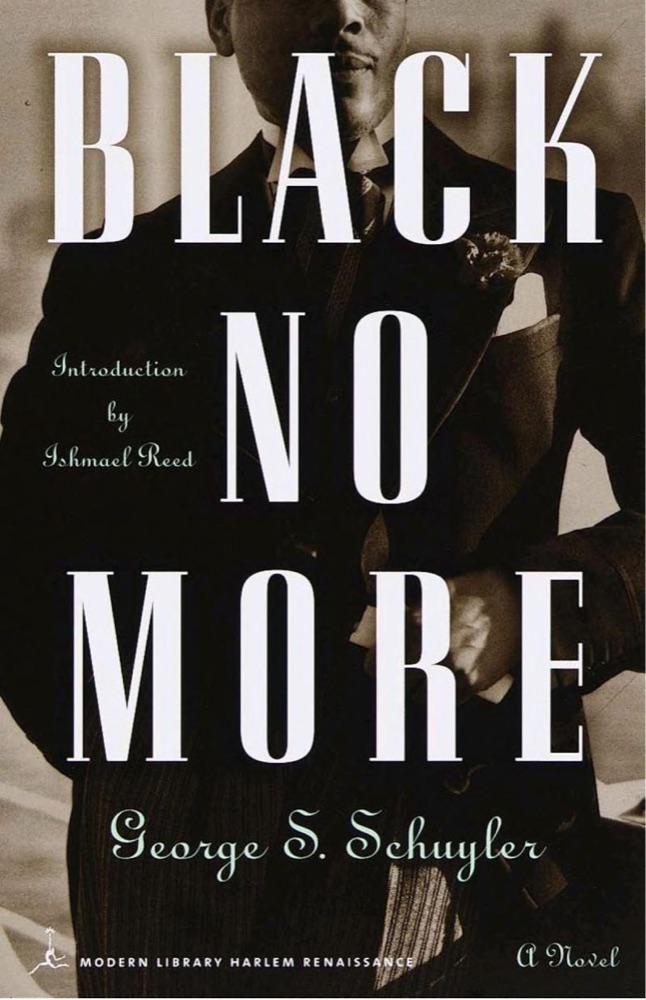 Black No More
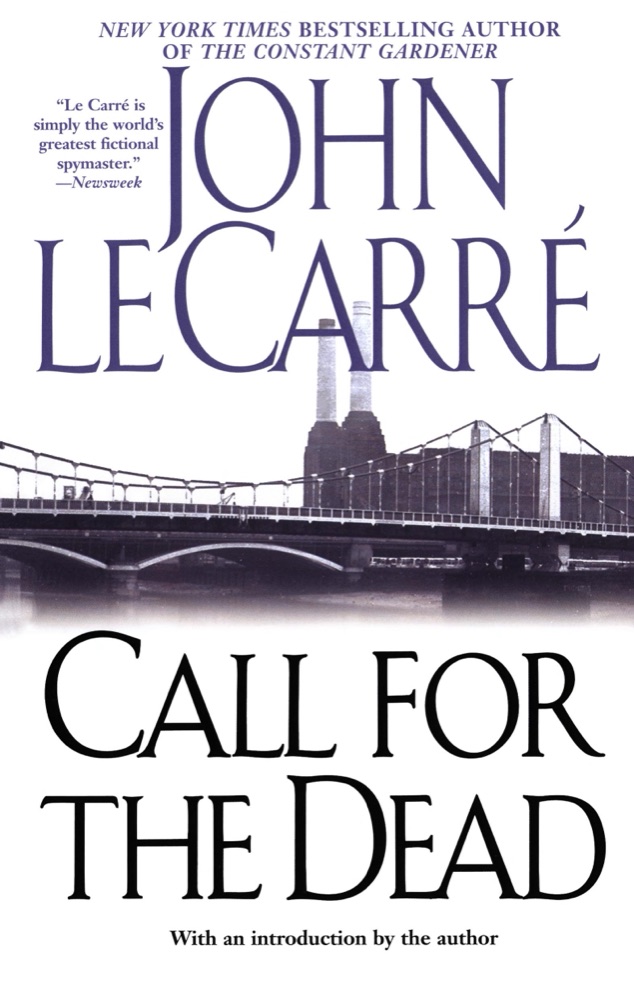 Call for the Dead
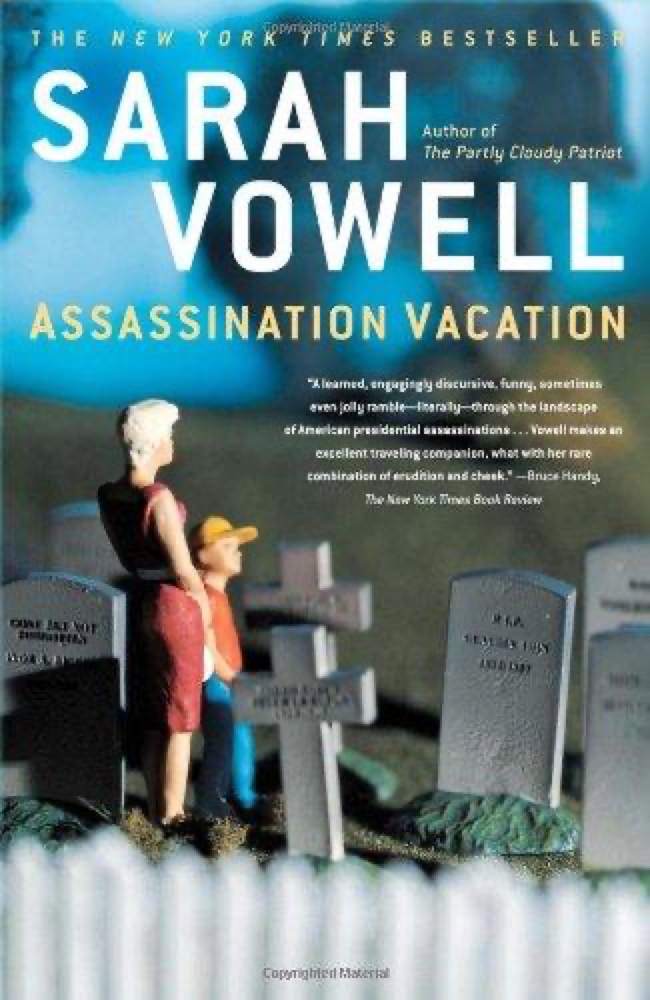 Assassination Vacation
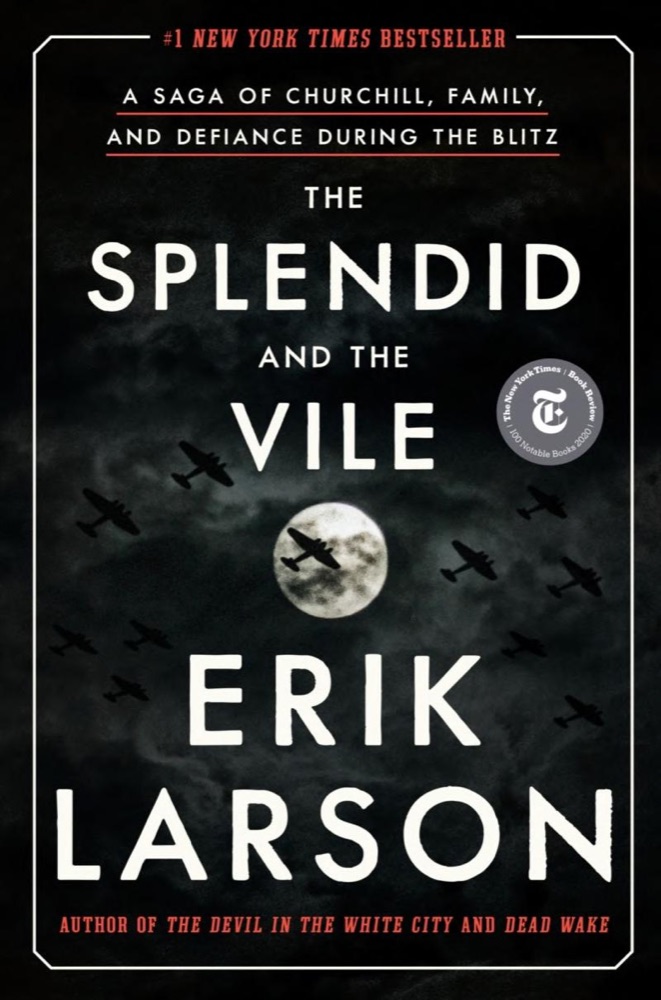 The Splendid and the Vile: A Saga of Churchill, Family, and Defiance During the Blitz
 The Bonfire of the Vanities
 American Prometheus: The Triumph and Tragedy of J. Robert Oppenheimer
 The Girl Who Saved the King of Sweden