
 Dunbar
Quotes from the Book
Surely: the adverb of a man without an argument.
33
How could he think his way out of the problem when the problem was the way he thought...
27
No, he mustn't think about it, or indeed about anything, and especially not about heroin, because heroin was the one thing that really worked, the only thing that stopped him scampering around in a hamster's wheel of unanswerable questions. Heroin was the cavalry. Heroin was the missing chair leg, made with such precision that it matched every splinter of the break. Heroin landed purring at the base of his skull, and wrapped itself darkly around his nervous system, like a black cat curling up on its favourite cushion. It was as soft and rich as the throat of a wood pigeon, or the splash of sealing wax onto a page, or a handful of gems slipping from palm to palm.
18
People think they are individuals because they use the word ''I'' so often.
6
This was it, the big moment: the corpse of his chief enemy, the ruins of his creator, the body of his dead father; the great weight of all that was unsaid and would never have been said; the pressure to say it now, when there was nobody to hear, and to speak also on his father's behalf, in an act of self-division that might fissure the world and turn his body into a jigsaw puzzle. This was it.
5
Try as one might to live on the edge, thought Patrick, getting into the other lift, there was no point in competing with people who believed what they saw on television.
5
Observe Everything. Always think for yourself. Never let other people make important decisions for you.
4
He hated happy families with their mutual encouragement, and their demonstrative affection, and the impression they gave of valuing each other more than other people.
2
And nothing gave him more faith in the existence of an afterlife than the inexorable sarcasm of fate .
2
He had to have her, he definitely had to have her. She was not merely the latest object on which his greedy desire to be saved had fixed itself; no, she was the woman who was going to save him. The woman whose fine intelligence and deep sympathy and divine body, yes, whose divine body would successfully deflect his attention from the gloomy well shaft of his feelings and the contemplation of his past.
2
Capital erosion was another way to waste his substance, to become as thin and hollow as he felt, to lighten the burden of undeserved good fortune, and commit a symbolic suicide while he still dithered about the real one. He also nursed the opposite fantasy that when he became penniless he would discover some incandescent purpose born of his need to make money.
1
Eating was only a temporary solution. But then all solutions were temporary, even death, and nothing gave him more faith in the existence of an afterlife than the inexorable sarcasm of Fate.
1
And then the old exhortations would come out: observe everything…trust nobody…despise your mother…effort is vulgar…things were better in the eighteenth century.
1
Og likevel kjente Patrick at han var trukket mot sin fars død av en sterkere tilbøyelighet til å ta etter ham, enn han var i stand til å holde ut. Døden var selvsagt alltid en fristelse; men nå virket den som en fristelse han måtte adlyde. I tillegg til kraften den hadde til å overgå en dekadent eller opponerende sinnstilstand i den endeløse og dramatiske ungdommen, i tillegg til den velkjente tiltrekningen mot rå vold og selvdestruksjon, hadde den fått et aspekt av konformitet, som å overta familieforretningen. Den dekket virkelig alle valgmuligheter.
1
Watch on YouTube
About Edward St. Aubyn
We have collected 56 quotes from 4 books by Edward St. Aubyn on BookQuoters.
More about the author →More by Edward St. Aubyn
About the book
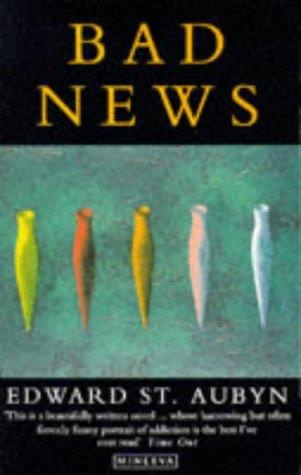
Andra boken om Patrick Melrose
I Dåliga nyheter är Patrick Melrose i tjugoårsåldern. Han far till New York för att hämta faderns aska och dödsfallet utlöser ett mentalt inbördeskrig i sonen, som redan gravt drogberoende nu gör allt för att bedöva sig ytterligare.I Edward St Aubyns självbiografiska romansvit skildras den traumatiserade Patrick Melrose från barndom till vuxenliv, från övergrepp och överdoser till överlevnad. Romanerna om Patrick Melrose utkom mellan 1992 och 2011. Dessa blasfemiska bildningsromaner från den brittiska överklassens kyligaste kretsar har sedan gjort succe' världen o¤ver. Idag räknas serien som en modern klassiker. När BBC 2015 rankade de 100 bästa brittiska romanerna genom tiderna fanns Melrose-sviten med på listan.
Book details
- First published
- 1992
- Author
- Edward St. Aubyn
- Genre
- Fiction
- Goodreads rating
- 3.77 (7k ratings)
Keep reading
 Call for the Dead
 Knots and Crosses
 The Damnation Game
 Of Human Bondage
 The Age of Reason
 V.
V.
 Everyman
 From Here to Eternity
 Martin Eden
 Hard Times
 The Liar
 The Naked and the Dead
 Authority
 The Man Without Qualities
 A Fatal Inversion
 Lucky Jim
 Catch-22
 The Ministry of Fear
 Crime and Punishment
 The Son
 Proces
 Parade's End
 A Connecticut Yankee in King Arthur's Court
 Strangers on a Train
 Empire Falls
 Vigil
Vigil
 Make Something Up: Stories You Can't Unread
 American Pastoral
 A Spot of Bother
 Auto-da-Fé
 The Snowman
 The Luminaries
 Victory
 The Given Day
 The Mysterious Mr. Quin
 The Corrections
 Dead Souls
 The Human Factor
 Tinker Tailor Soldier Spy
 About a Boy
 The Man Who Laughs
 The Great Mistake
 The Schopenhauer Cure
 After Many a Summer Dies the Swan
 The Magus
 Ragtime
 The Once and Future King
 Mr. Peanut
 The Heart of the Matter
 The First Circle
 That Hideous Strength
 The Sailor Who Fell from Grace with the Sea
 The Story of the Lost Child
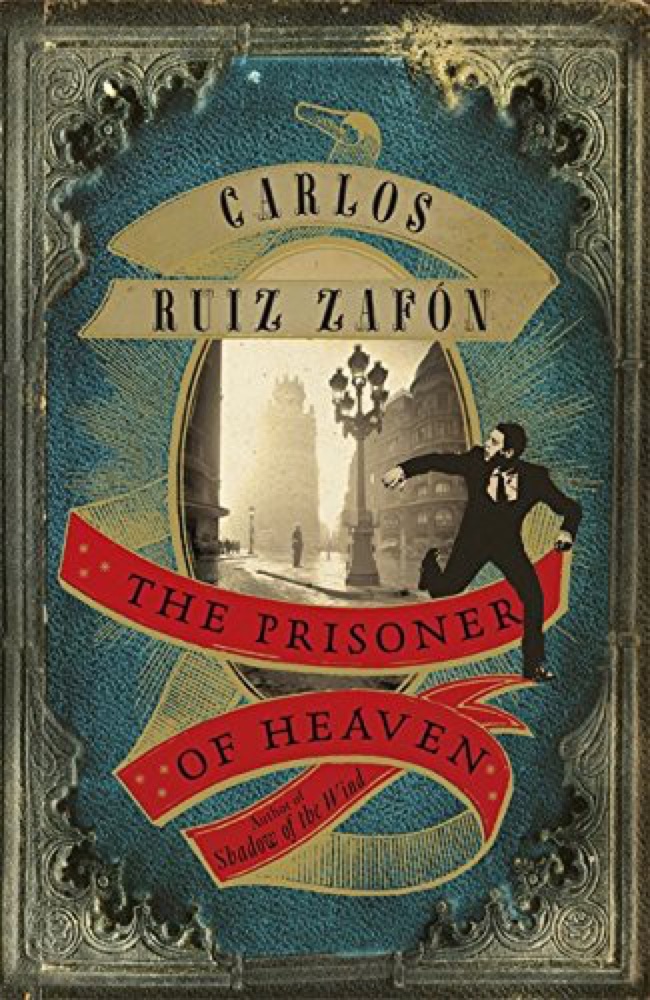 The Prisoner of Heaven
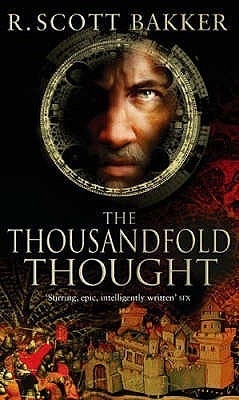 The Thousandfold Thought
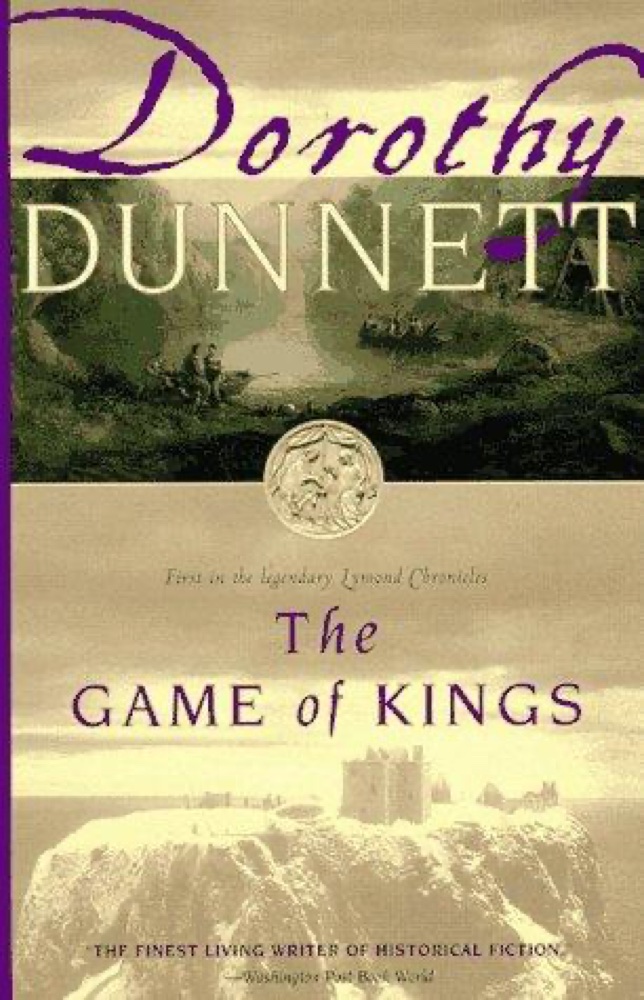 The Game of Kings
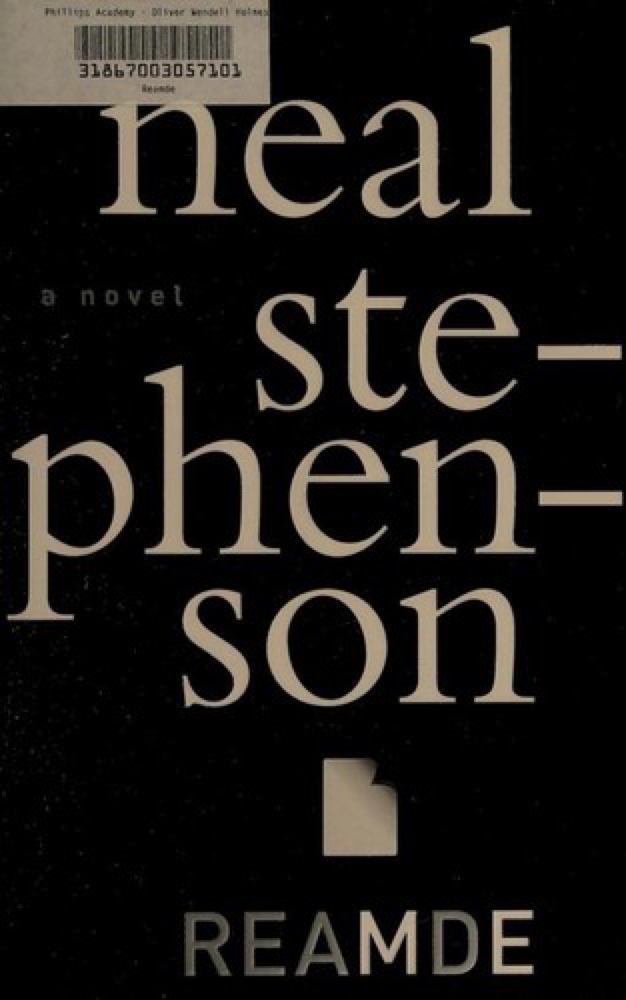 Reamde
 The Victim
 The Honourable Schoolboy
 Antic Hay