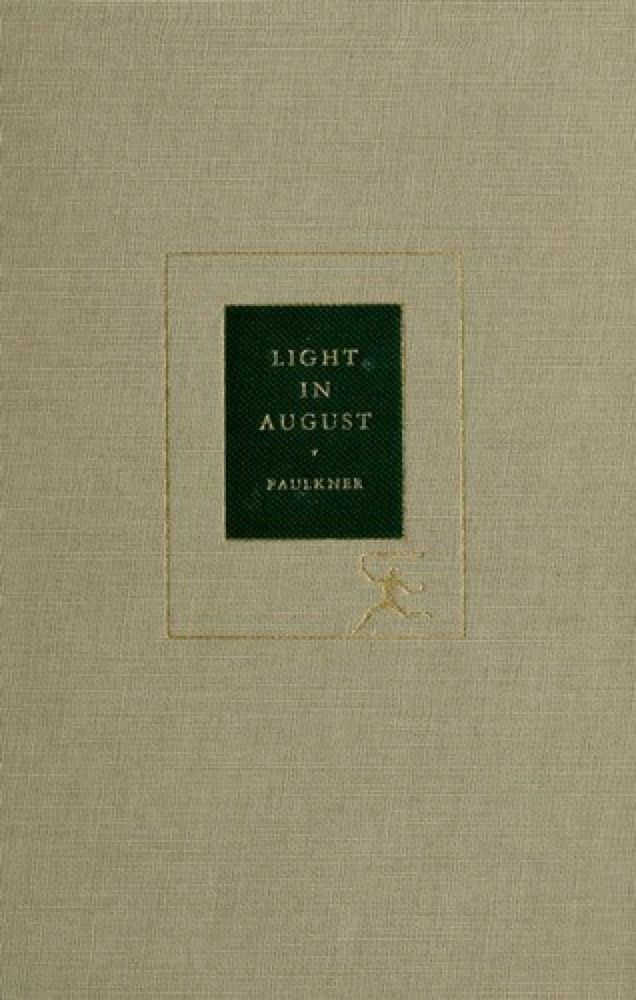
 Light in August
Quotes from the Book
I feel like a wet seed wild in the hot blind earth.
570
He had a word, too. Love, he called it. But I had been used to words for a long time. I knew that that word was like the others: just a shape to fill a lack; that when the right time came, you wouldn't need a word for that any more than for pride or fear....One day I was talking to Cora. She prayed for me because she believed I was blind to sin, wanting me to kneel and pray too, because people to whom sin is just a matter of words, to them salvation is just words too.
474
My mother is a fish.
357
It takes two people to make you, and one people to die. That's how the world is going to end.
315
In a strange room you must empty yourself for sleep. And before you are emptied for sleep, what are you. And when you are emptied for sleep, you are not. And when you are filled with sleep, you never were. I don't know what I am. I don't know if I am or not. Jewel knows he is, because he does not know that he does not know whether he is or not. He cannot empty himself for sleep because he is not what he is and he is what he is not. Beyond the unlamped wall I can hear the rain shaping the wagon that is ours, the load that is no longer theirs that felled and sawed it nor yet theirs that bought it and which is not ours either, lie on our wagon though it does, since only the wind and the rain shape it only to Jewel and me, that are not asleep. And since sleep is is-not and rain and wind are was, it is not. Yet the wagon is, because when the wagon is was, Addie Bundren will not be. And Jewel is, so Addie Bundren must be. And then I must be, or I could not empty myself for sleep in a strange room. And so if I am not emptied yet, I am is. How often have I lain beneath rain on a strange roof, thinking of home.
285
...the reason for living was to get ready to stay dead a long time.
276
People to whom sin is just a matter of words, to them salvation is just words too.
203
...I would think how words go straight up in a thin line, quick and harmless, and how terribly doing goes along the earth, clinging to it, so that after a while the two lines are too far apart for the same person to straddle from one to the other; and that sin and love and fear are just sounds that people who never sinned nor loved nor feared have for what they never had and cannot have until they forget the words.
161
That was when I learned that words are no good; that words dont ever fit even what they are trying to say at. When he was born I knew that motherhood was invented by someone who had to have a word for it because the ones that had the children didn't care whether there was a word for it or not. I knew that fear was invented by someone that had never had the fear; pride, who never had the pride.
118
The reason you will not say it is, when you say it, even to yourself, you will know it is true.
116
How do our lives ravel out into the no-wind, no-sound, the weary gestures wearily recapitulant: echoes of old compulsions with no-hand on no-string: in sunset we fall into furious attitudes, dead gestures of dolls.
102
I could just remember how my father used to say that the reason for living was to get ready to stay dead a long time.
101
Sometimes I aint so sho who's got ere a right to say when a man is crazy and when he aint. Sometimes I think it aint none of us pure crazy and aint none of us pure sane until the balance of us talks him that-a-way. It's like it aint so much what a fellow does, but it's the way the majority of folks is looking at him when he does it.
95
If you could just ravel out into time. That would be nice. It would be nice if you could just ravel out into time
73
She wouldn't say what we both knew. 'The reason you will not say it is, when you say it, even to yourself, you will know it is true: is that it? But you know it is true now. I can almost tell you the day when you knew it is true. Why won't you say it, even to yourself?' She will not say it.
54
It is as though the space between us were time: an irrevocable quality. It is as though time, no longer running straight before us in a diminishing line, now runs parallel between us like a looping string, the distance being the doubling accretion of the thread an not the interval between.
44
That’s what they mean by the womb of time: the agony and the despair of spreading bones, the hard girdle in which lie the outraged entrails of events.
41
The sun, an hour above the horizon, is poised like a bloody egg upon a crest of thunderheads; the light has turned copper: in the eye portentous, in the nose sulphurous, smelling of lightning.
40
It's like it ain't so much what a fellow does, but it's the way the majority of folks is looking at him when he does it.
37
I can remember how when I was young I believed death to be a phenomenon of the body; now I know it to be merely a function of the mind - and that of the minds of the ones who suffer the bereavement. The nihilists say it is the end; the fundamentalists, the beginning; when in reality it is no more than a single tenant or family moving out of a tenement or a town.
36
It's because I'm alone.. If I could just feel it, it would be different, because I would not be alone. But if I were not alone, everybody would know it. And he could do so much for me, and then I would not be alone. Then I could be all right alone.
36
I notice how it takes a lazy man, a man that hates moving, to get set on moving once he does get started off, the same as when he was set on staying still, like it aint the moving he hates so much as the starting and the stopping. And like he would be kind of proud of whatever come up to make the moving or the setting still look hard. He set there on the wagon hunched up, blinking, listening to us tell about how quick the bridge went and how high the water was, and I be durn if he didn't act like he was proud of it, like he had made the river rise himself.
32
That's the one trouble with this country: everything, weather, all, hangs on too long. Like our rivers, our land: opaque, slow, violent; shaping and creating the life of man in its implacable and brooding image.
32
I said You don't know what worry is. I don't know what it is. I don't know whether I am worrying or not. Whether I can or not . I don't know whether I can cry or not. I don't know whether I have tried to or not. I feel like a wet seed wild in the hot blind earth.
29
I believe in God, God. God, I believe in God.
29
When something is new and hard and bright, there ought to be something a little better for it than just being safe, since the safe things are just the things that folks have been doing so long they have worn the edges off and there's nothing to the doing of them that leaves a man to say, That was not done before and it cannot be done again.
29
One day I was talking to Cora. She prayed for me because she believed I was blind to sin, wanting me to kneel and pray too, because people to whom sin is just a matter of words, to them salvation is just words too.
29
When I was a boy I first learned how much better water tastes when it has set a while in a cedar bucket. Warmish-cool, with a faint taste like the hot July wind in Cedar trees smells.
26
Did you know?
- The novel is narrated through 59 chapters voiced by 15 different characters.
- Darl, the second Bundren son, narrates the largest share of the book, with 19 sections.
- Faulkner said he wrote the novel in about six weeks while working night shifts at a power plant.
- The title is drawn from Homer's Odyssey, echoing words spoken by Agamemnon's shade.
- The first edition was a small print run, and the earliest copies contained a misplaced initial letter on one page.
- The story unfolds in Faulkner's fictional Yoknapatawpha County, his recurring stand-in for Lafayette County, Mississippi.
About William Faulkner
William Faulkner (1897-1962) was an American novelist and short-story writer from Mississippi, celebrated for his experimental narrative techniques and his fictional Yoknapatawpha County. He received the 1949 Nobel Prize in Literature and won the Pulitzer Prize twice.
More about the author →More by William Faulkner
All books by William Faulkner →
About the book
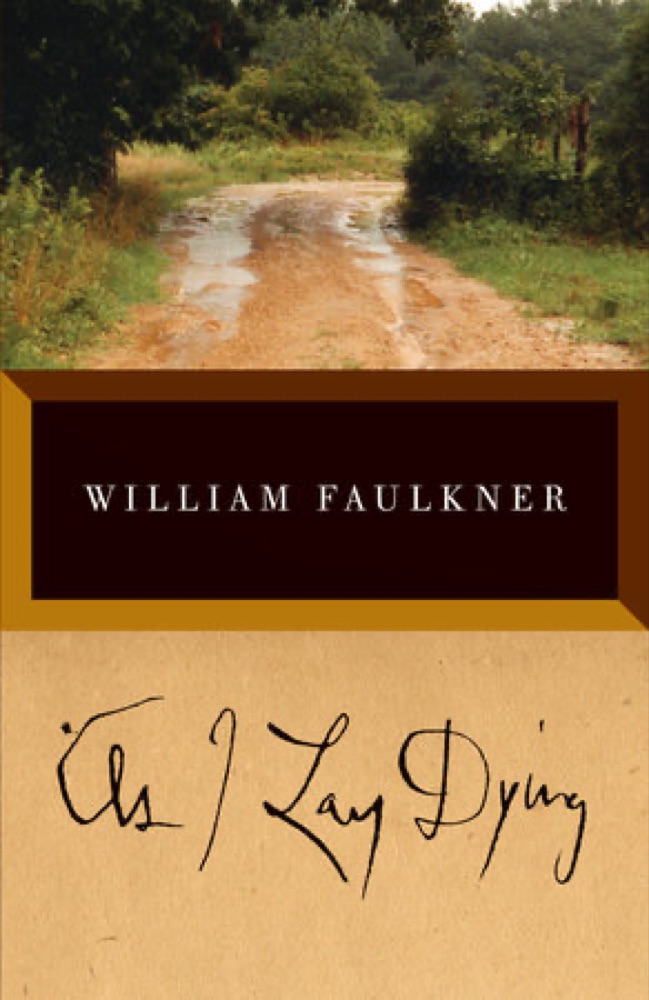
As I Lay Dying is a Southern Gothic novel that follows the impoverished Bundren family of rural Mississippi as they carry the body of their dead matriarch, Addie, on a long and arduous wagon journey to bury her among her own people in the town of Jefferson. What begins as an act of devotion to a dying wish becomes a grueling ordeal beset by flood, fire, and the family's own clashing motives. Faulkner tells the story through fragmented first-person monologues, letting the reader assemble events from many partial, often unreliable, perspectives.
The novel's central themes are death, grief, duty, and the gulf between private consciousness and shared experience. Through its shifting interior voices, the book probes how individuals understand existence, identity, and one another, and it weighs genuine love and sacrifice against selfishness, pride, and hollow obligation. Its experimental, stream-of-consciousness technique makes the act of perception itself one of the book's chief subjects.
Composed in a brief, intense burst, As I Lay Dying is regarded as a landmark of literary modernism and one of Faulkner's most accomplished works. It is consistently ranked among the finest novels of the twentieth century and is widely taught for its daring structure and psychological depth. It stands as a key part of the body of work that earned Faulkner the 1949 Nobel Prize in Literature.
Key characters
- Addie BundrenThe dying, then dead, matriarch whose burial drives the plot
- Anse BundrenThe shiftless, self-pitying father determined to reach Jefferson
- Cash BundrenThe eldest son, a methodical carpenter who builds his mother's coffin
- Darl BundrenThe introspective second son and the novel's most frequent narrator
- Jewel BundrenThe fiercely independent third child, fixated on his horse
- Dewey Dell BundrenThe only daughter, secretly pregnant and seeking help in town
- Vardaman BundrenThe bewildered youngest child grappling with his mother's death
Book details
- First published
- 1930
- Length
- 254 pages
- Reading time
- 4 hours
- Author
- William Faulkner
- Genre
- Classics
- Goodreads rating
- 3.72 (192k ratings)
- First line
- “Jewel and I come up from the field, following the path in single file.”
Critical reception
- Widely regarded as one of the finest American novels of the twentieth century and a cornerstone of literary modernism.
- Praised for its bold multi-narrator, stream-of-consciousness structure and its blend of tragedy and dark comedy.
- Counted among the key works that secured Faulkner the 1949 Nobel Prize in Literature.
Keep reading
 Absalom, Absalom!
 Plainwater: Essays and Poetry
Light in August
Plainwater: Essays and Poetry
Light in August
 My Friends
 Henderson the Rain King
 The Sound and the Fury
 Molloy
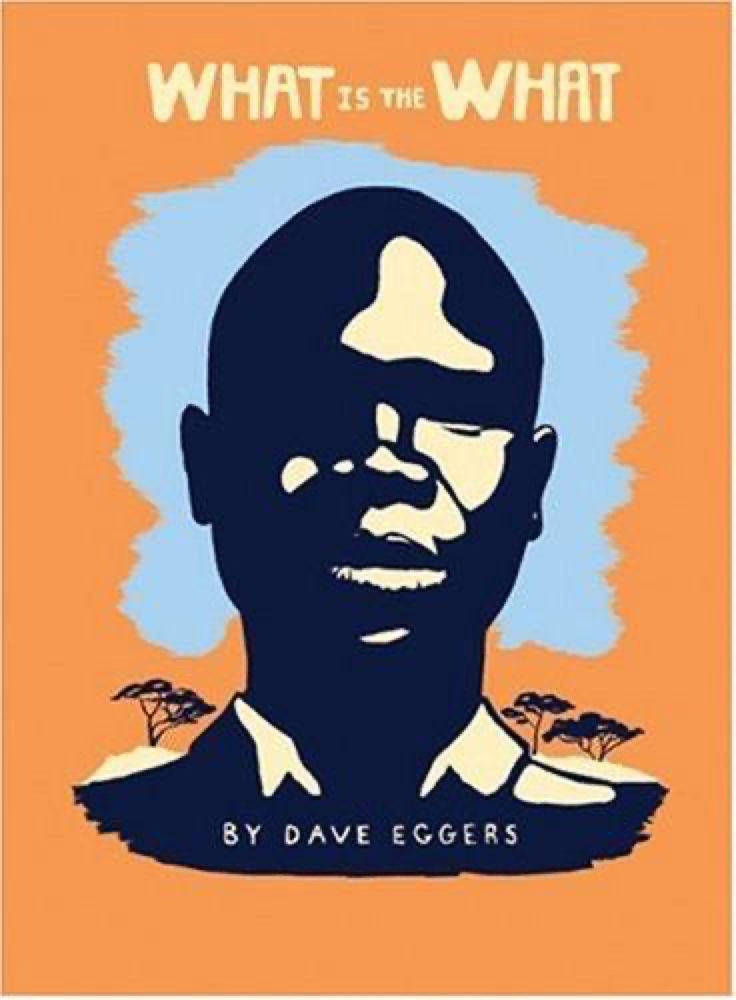 What Is the What
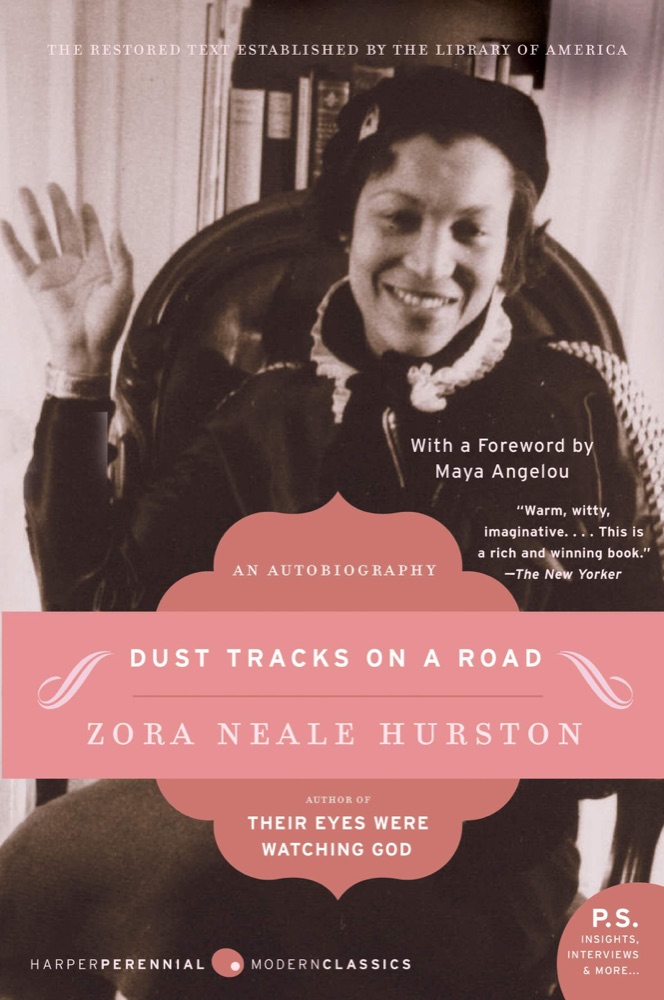 Dust Tracks on a Road
 Pew
Pew
 Lit
Lit
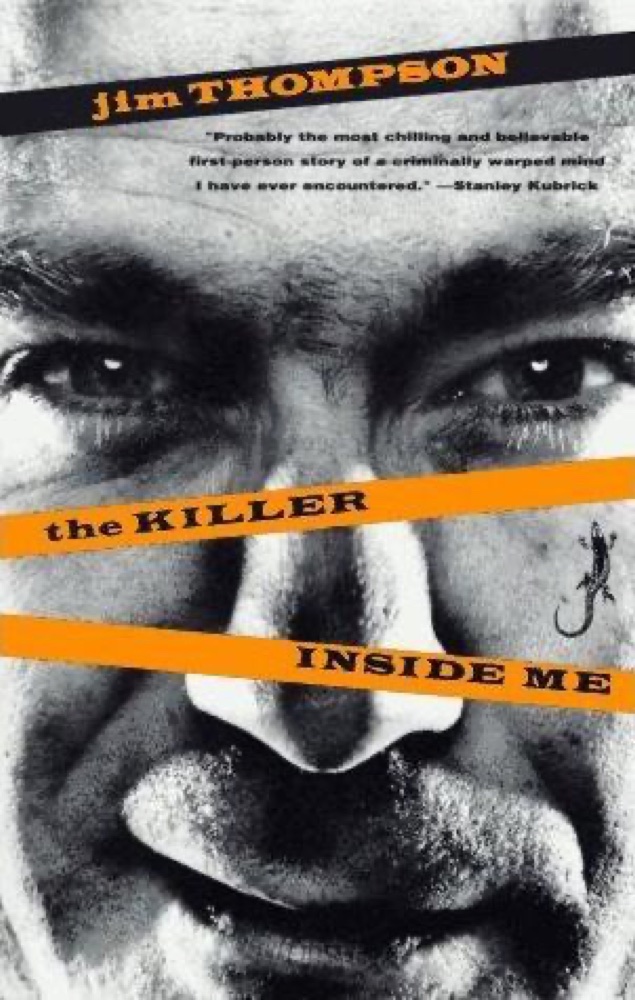 The Killer Inside Me
 Angle of Repose
 Future Home of the Living God
 A Little Devil in America: Notes in Praise of Black Performance
 The Tunnel
 Peace Like a River
 March
March
 A Grief Observed
 Something Wicked This Way Comes
 The Burning World
 Sexing the Cherry
 The Hour I First Believed
 The Poisonwood Bible
 Tropic of Capricorn
 House of Leaves
 A Sudden Light
 Middlesex
 Liberation Day
 The Handmaid's Tale
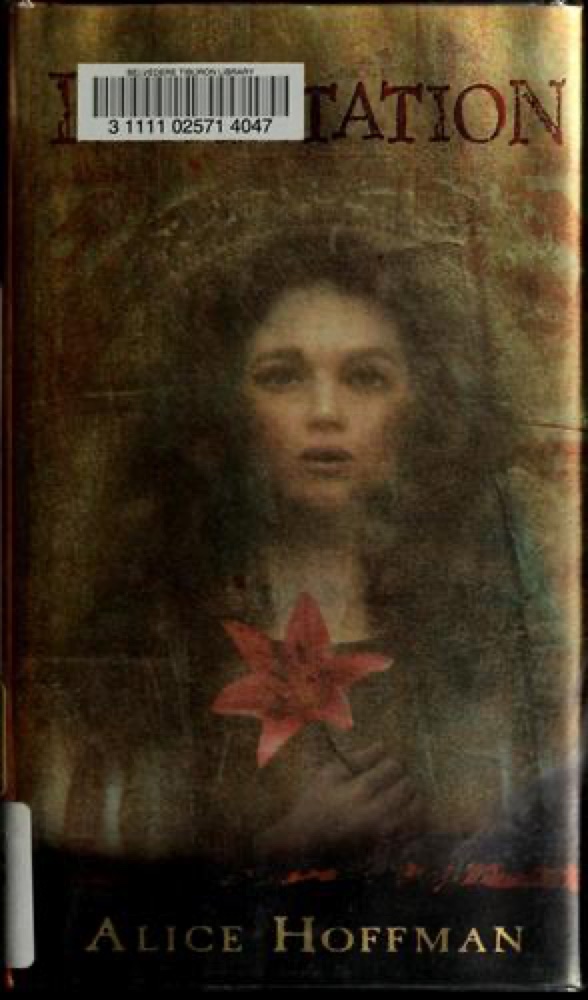 Incantation
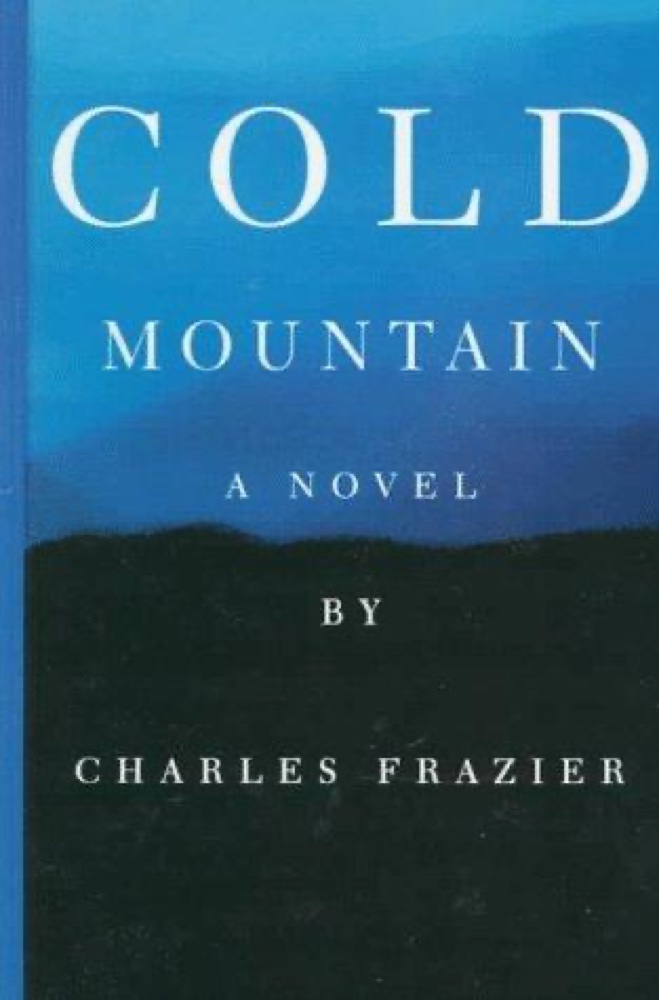 Cold Mountain
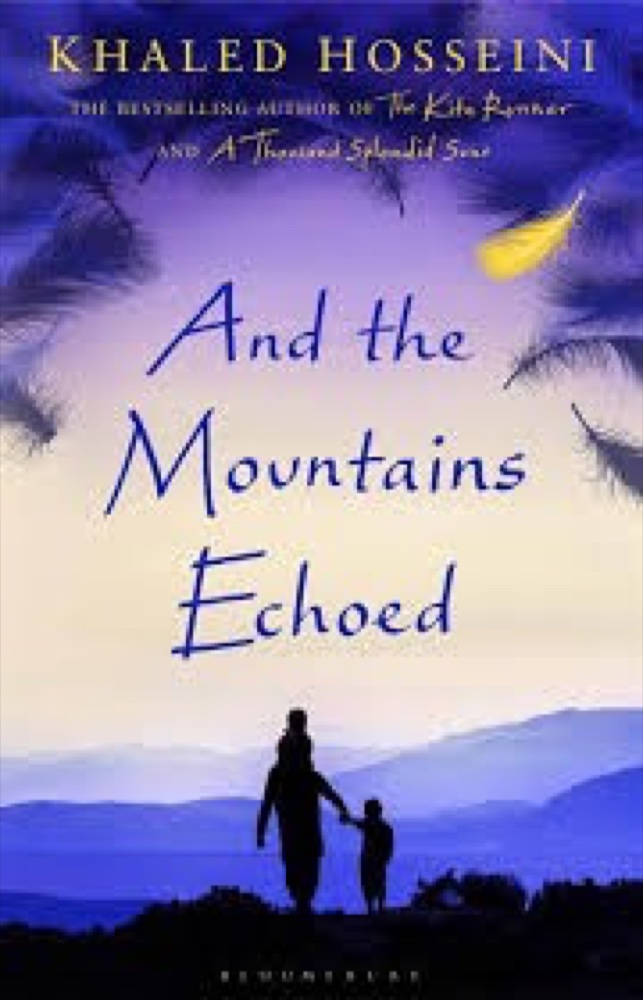 And the Mountains Echoed
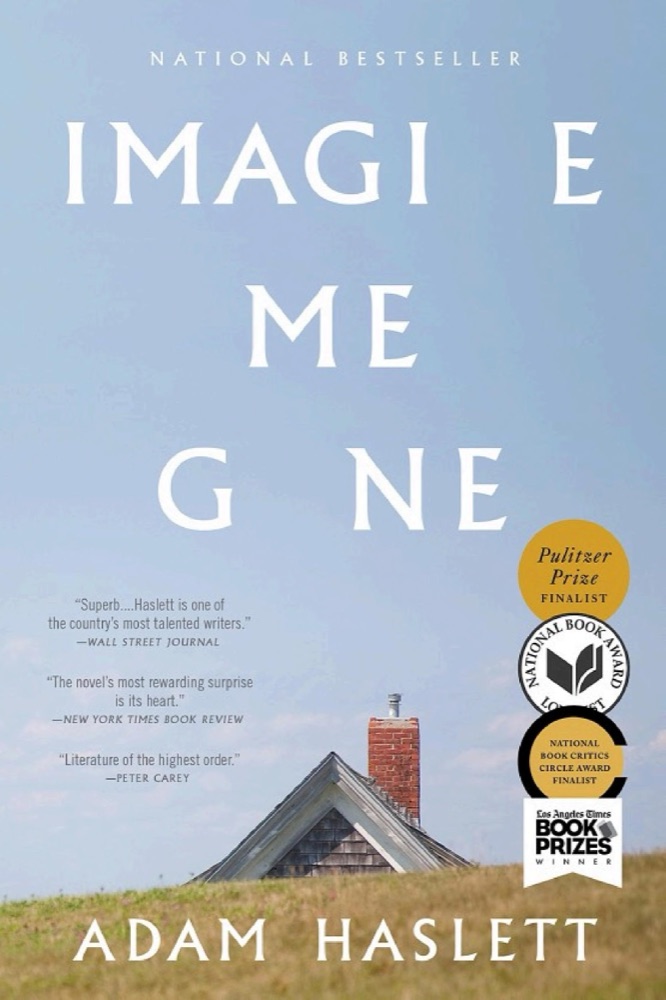 Imagine Me Gone
 The Secret History
 Lighthousekeeping
 We the Living
 Day
Day
 Daniel Deronda
 The Fall
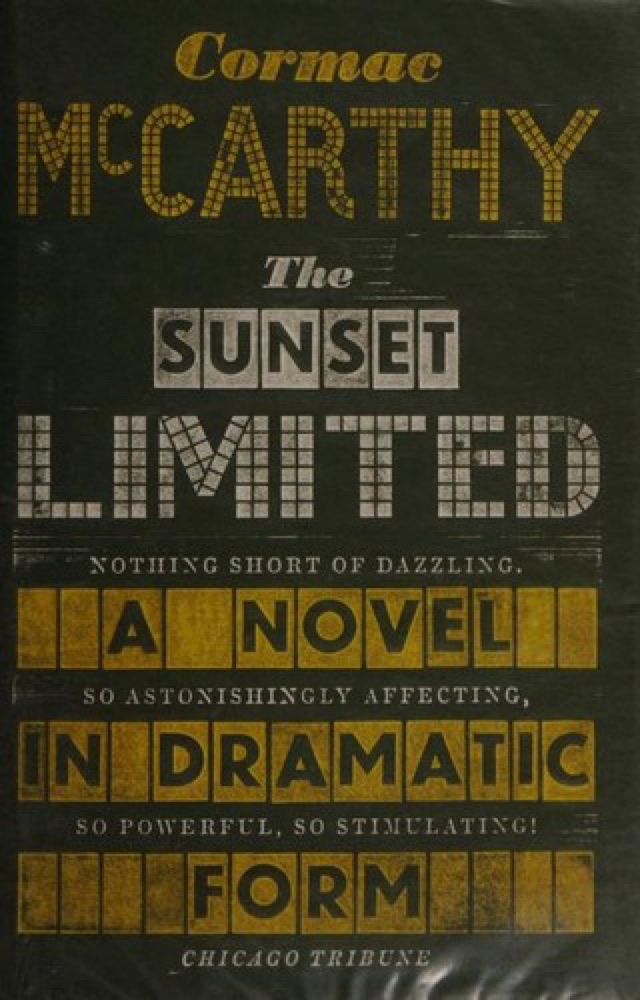 The Sunset Limited
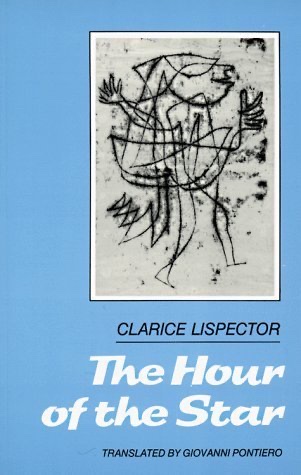 The Hour of the Star
 The Dream of Perpetual Motion
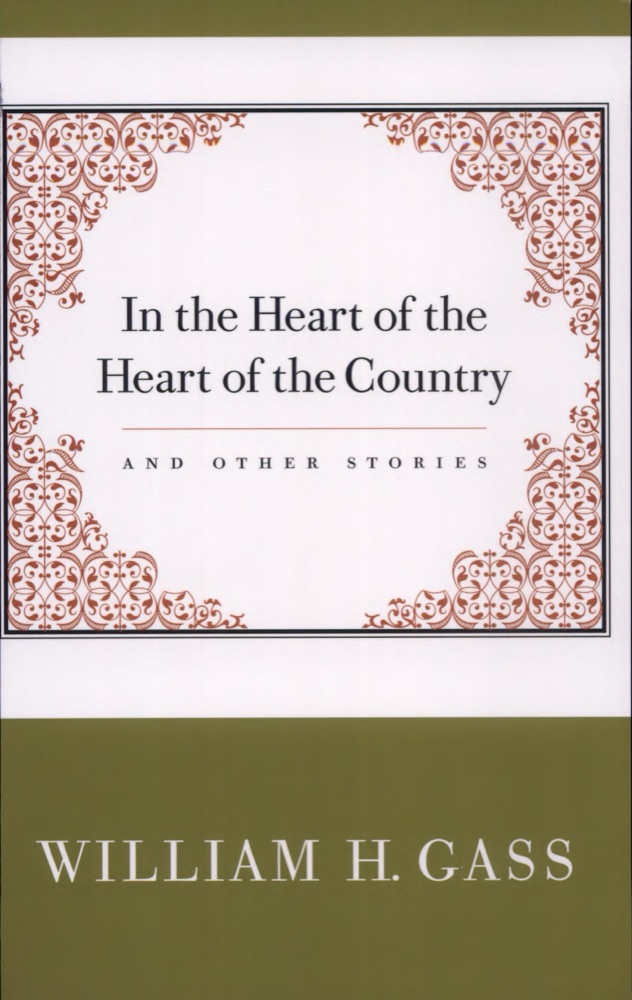 In the Heart of the Heart of the Country and Other Stories
 Where Reasons End
 Jayber Crow
 The Chronology of Water
 V.
V.
 Traveling Mercies: Some Thoughts on Faith
 The Sweet Hereafter
 Goodbye Days
 The Shock of the Fall
 Doctor Zhivago
 Lila
Lila
 The Tent
 The Black Obelisk
 The Man in the High Castle
 Nightwood
 This Is Happiness