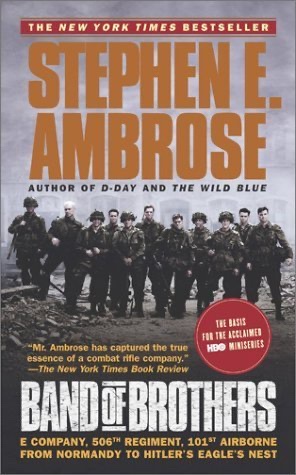
 Band of Brothers: E Company, 506th Regiment, 101st Airborne from Normandy to Hitler's Eagle's Nest
Quotes from the Book
A few carried their favorite Winchesters, using, of course, the new model, which took the Government cartridge.
1
One of the new Indian Territory recruits, after twenty-four hours' stay in camp, during which he had held himself distinctly aloof from the general interests, called on the Colonel in his tent, and remarked, "Well, Colonel, I want to shake hands and say we're with you. We didn't know how we would like you fellars at first; but you're all right, and you know your business, and you mean business, and you can count on us every time!" That same night, which was hot, mosquitoes were very annoying; and shortly after midnight both the Colonel and I came to the doors of our respective tents, which adjoined one another.
1
The two had been inseparable companions for some years, and continued so in the regiment.
1
There were other Indians of much wilder type, but their wildness was precisely like that of the cowboys with whom they were associated.
1
for I was familiar with the history of the Cherokees and Chickasaws during the eighteenth century, when they lived east of the Mississippi. Early in that century various traders, chiefly Scotchmen, settled among them, and the half-breed descendants of one named Colbert became the most noted chiefs of the Chickasaws. I summoned the applicant before me, and found that he was an excellent man, and, as I had supposed, a descendant of the old Chickasaw chiefs. He brought into the regiment, by the way, his "partner," a white man.
1
From the Indian Territory there came a number of Indians--Cherokees, Chickasaws, Choctaws, and Creeks. Only a few were of pure blood. The others shaded off until they were absolutely indistinguishable from their white comrades; with whom, it may be mentioned, they all lived on terms of complete equality.
1
Some were originally from the East, and had seen strange adventures in different kinds of life, from sailing round the Horn to mining in Alaska. Others had been born and bred in the West, and had never seen a larger town than Santa Fe or a bigger body of water than the Pecos in flood. Some of them went by their own name; some had changed their names; and yet others possessed but half a name, colored by some adjective, like Cherokee Bill, Happy Jack of Arizona, Smoky Moore, the bronco-buster, so named because cowboys often call vicious horses "smoky" horses, and Rattlesnake Pete, who had lived among the Moquis and taken part in the snake-dances.
1
He, too, appealed to me in terms which I could not withstand, and came in like Kane to do his full duty as a trooper, and like Kane to win his commission by the way he thus did his duty.
1
It was impossible to take any of the numerous companies which were proffered to us from the various States. The only organized bodies we were at liberty to accept were those from the four Territories. But owing to the fact that the number of men originally allotted to us, 780, was speedily raised to 1,000, we were given a chance to accept quite a number of eager volunteers who did not come from the Territories,
1
Wood thoroughly realized what the Ordnance Department failed to realize, namely, the inestimable advantage of smokeless powder;
1
like most natural soldiers, he was, of course, born with a keen longing for adventure; and, though an excellent doctor, what he really desired was the chance to lead men in some kind of hazard. To every possibility of such adventure he paid quick attention. For instance, he had a great desire to get me to go with him on an expedition into the Klondike in mid-winter, at the time when it was thought that a relief party would have to be sent there to help the starving miners.
1
He had served in General Miles's inconceivably harassing campaigns against the Apaches, where he had displayed such courage that he won that most coveted of distinctions--the Medal of Honor;
1
All—Easterners and Westerners, Northerners and Southerners, officers and men, cowboys and college graduates, wherever they came from, and whatever their social position—possessed in common the traits of hardihood and a thirst for adventure. They were to a man born adventurers, in the old sense of the word.
1
Is it any wonder that I loved my regiment?
1
Generally the thunder-storms came in the afternoon, but once I saw one at sunrise, driving down the high mountain valleys toward us. It was a very beautiful and almost terrible sight; for the sun rose behind the storm, and shone through the gusty rifts, lighting the mountain-crests here and there, while the plain below lay shrouded in the lingering night. The angry, level rays edged the dark clouds with crimson, and turned the downpour into sheets of golden rain; in the valleys the glimmering mists were tinted every wild hue; and the remotest heavens were lit with flaming glory.
1
Every book of tactics in the regiment was in use from morning until night, and the officers and non-commissioned officers were always studying the problems presented at the schools.
1
The men worked hard and faithfully. As a rule, in spite of the number of rough characters among them, they behaved very well. One night a few of them went on a spree, and proceeded "to paint San Antonio red." One was captured by the city authorities, and we had to leave him behind us in jail. The others we dealt with ourselves, in a way that prevented a repetition of the occurrence.
1
There were miners who knew every camp from the Yukon to Leadville, and cow-punchers in whose memories were stored the brands carried by the herds from Chihuahua to Assiniboia. There
One, a very large, hawk-eyed man, Benjamin Franklin Daniels, had been Marshal of Dodge City when that pleasing town was probably the toughest abode of civilized man to be found anywhere on the continent. In the course of the exercise of his rather lurid functions as peace-officer he had lost half of one ear--"bitten off," it was explained to me. Naturally,
and in the Indian Territory, service as a deputy-marshal meant capacity to fight stand-up battles with the gangs of outlaws.
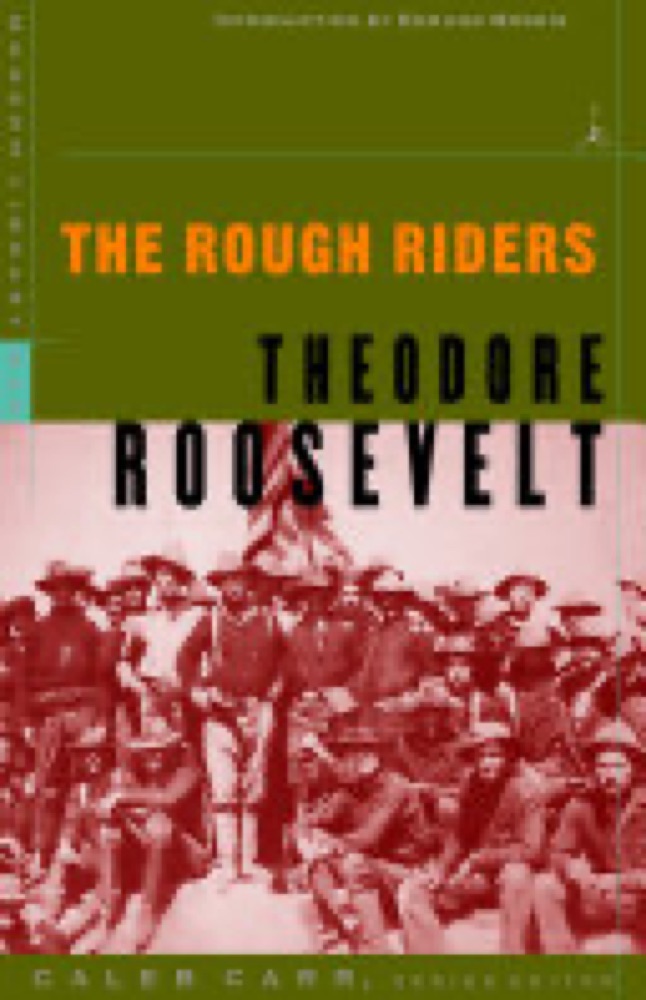
Wood and I were speedily commissioned as Colonel and Lieutenant-Colonel of the First United States Volunteer Cavalry. This was the official title of the regiment, but for some reason or other the public promptly christened us the "Rough Riders.
Watch on YouTube
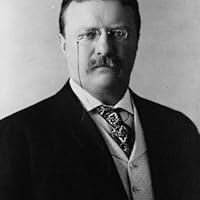
About Theodore Roosevelt
We have collected 21 quotes from 1 book by Theodore Roosevelt on BookQuoters.
More about the author →About the book
In 1898, as the Spanish-American War was escalating, Theodore Roosevelt assembled an improbable regiment of Ivy Leaguers, cowboys, Native Americans, African-Americans, and Western Territory land speculators. This group of men, which became known as the Rough Riders, trained for four weeks in the Texas desert and then set sail for Cuba. Over the course of the summer, Roosevelt's Rough Riders fought valiantly, and sometimes recklessly, in the Cuban foothills, incurring casualties at a far greater rate than the Spanish.
Roosevelt kept a detailed diary from the time he left Washington until his triumphant return from Cuba later that year. The Rough Riders was published to instant acclaim in 1899. Robust in its style and mesmerizing in its account of battle, it is exhilarating, illuminating, and utterly essential reading for every armchair historian and at-home general.
The books in the
Book details
- First published
- 1899
- Author
- Theodore Roosevelt
- Genre
- History
- Goodreads rating
- 3.78 (4k ratings)
Keep reading
Band of Brothers: E Company, 506th Regiment, 101st Airborne from Normandy to Hitler's Eagle's Nest
 Memoirs of General W.T. Sherman
 Mr. Lincoln's Army
 The Civil War, Vol. 3: Red River to Appomattox
 Bury My Heart at Wounded Knee: An Indian History of the American West
 An Army at Dawn: The War in North Africa, 1942-1943
 Centennial
 Empire of the Summer Moon: Quanah Parker and the Rise and Fall of the Comanches, the Most Powerful Indian Tribe in American History
 Undaunted Courage: The Pioneering First Mission to Explore America's Wild Frontier
 The Last of the Mohicans
 Spying on the South: An Odyssey Across the American Divide
 The Coldest Winter: America and the Korean War
 Ghost Soldiers: The Epic Account of World War II's Greatest Rescue Mission
 We Were Soldiers Once... and Young: Ia Drang - The Battle that Changed the War in Vietnam
 The Path Between the Seas: The Creation of the Panama Canal, 1870-1914
 Killers of the Flower Moon: The Osage Murders and the Birth of the FBI
 Black Hawk Down
 Code Talker
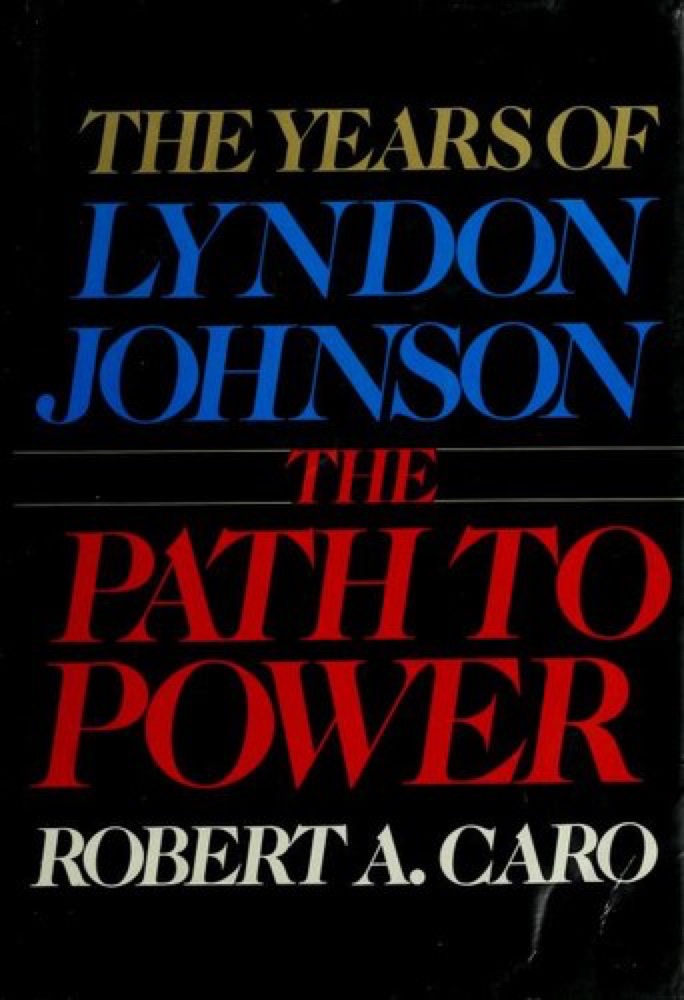 The Path to Power
 April 1865: The Month That Saved America
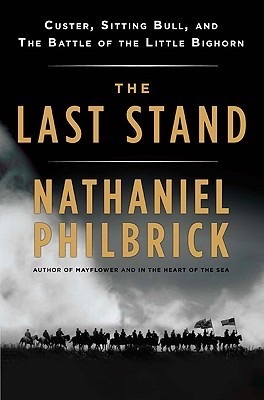 The Last Stand: Custer, Sitting Bull, and the Battle of the Little Bighorn
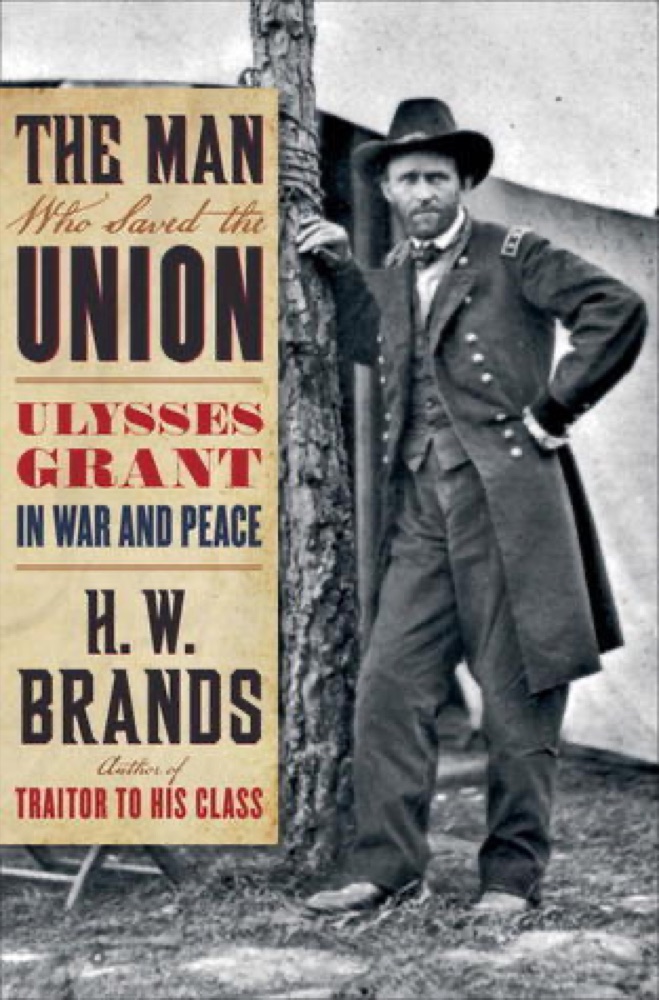 The Man Who Saved the Union: Ulysses Grant in War and Peace
 The Warmth of Other Suns: The Epic Story of America's Great Migration
 Crazy Horse and Custer
 The Greatest Generation
 With the Old Breed: At Peleliu and Okinawa
 Battle Cry of Freedom
 1776
1776
 Roughing It
 American Colossus: The Triumph of Capitalism, 1865-1900
 The Killer Angels
 South: The Story of Shackleton's Last Expedition 1914-1917
 Friday Night Lights: A Town, a Team, and a Dream
 Days Without End
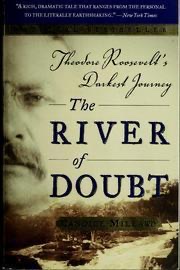 The River of Doubt: Theodore Roosevelt's Darkest Journey
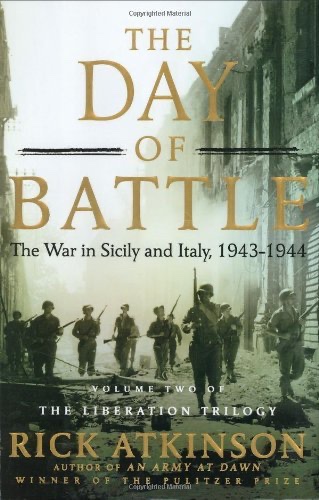 The Day of Battle: The War in Sicily and Italy, 1943-1944
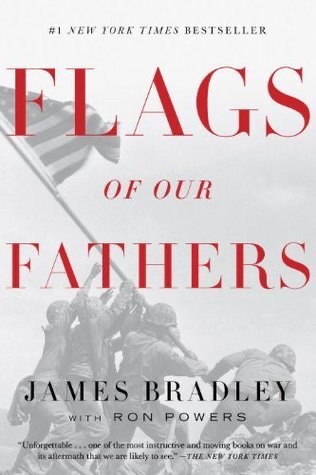 Flags of Our Fathers
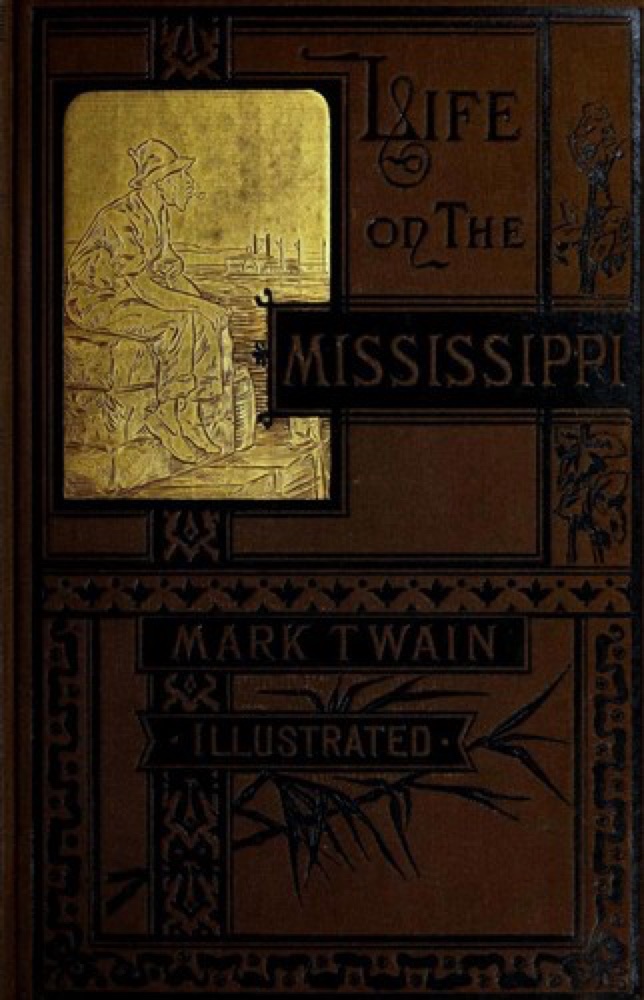 Life on the Mississippi
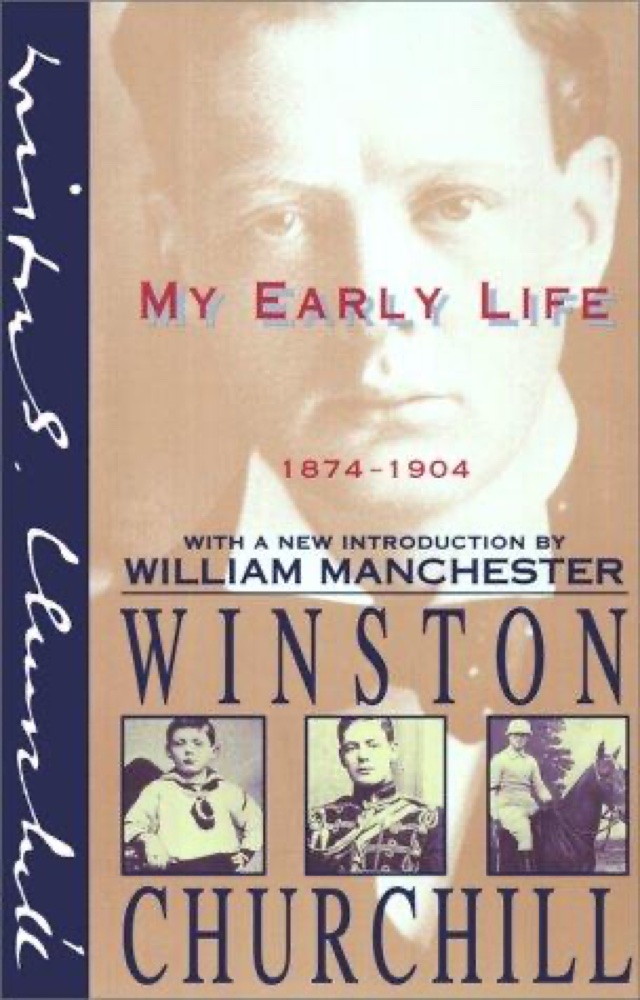 My Early Life, 1874-1904
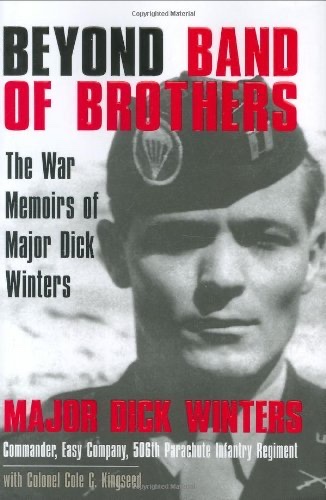 Beyond Band of Brothers: The War Memoirs of Major Dick Winters
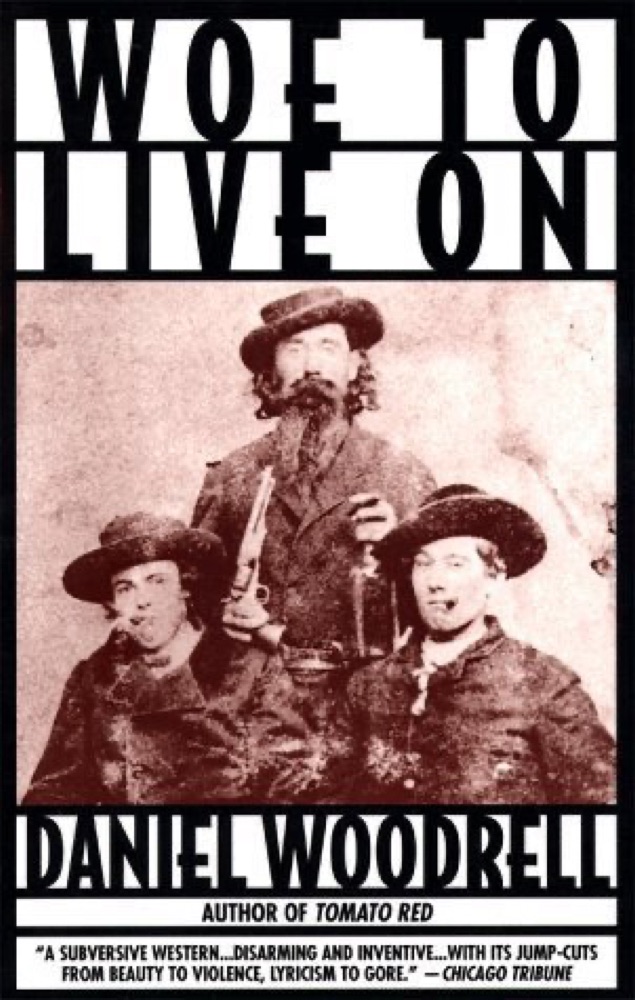 Woe to Live On
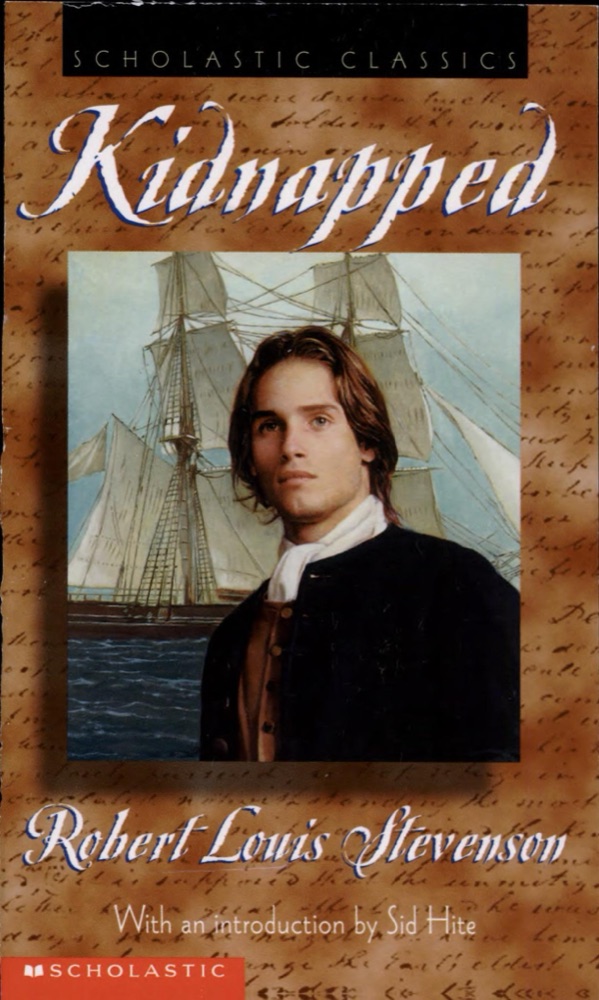 Kidnapped
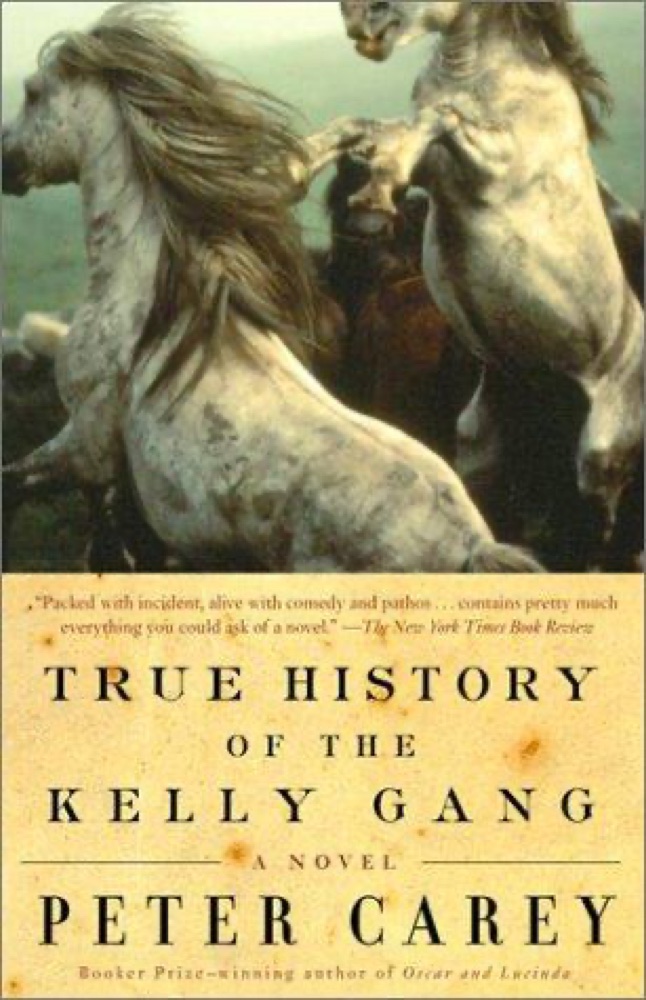 True History of the Kelly Gang
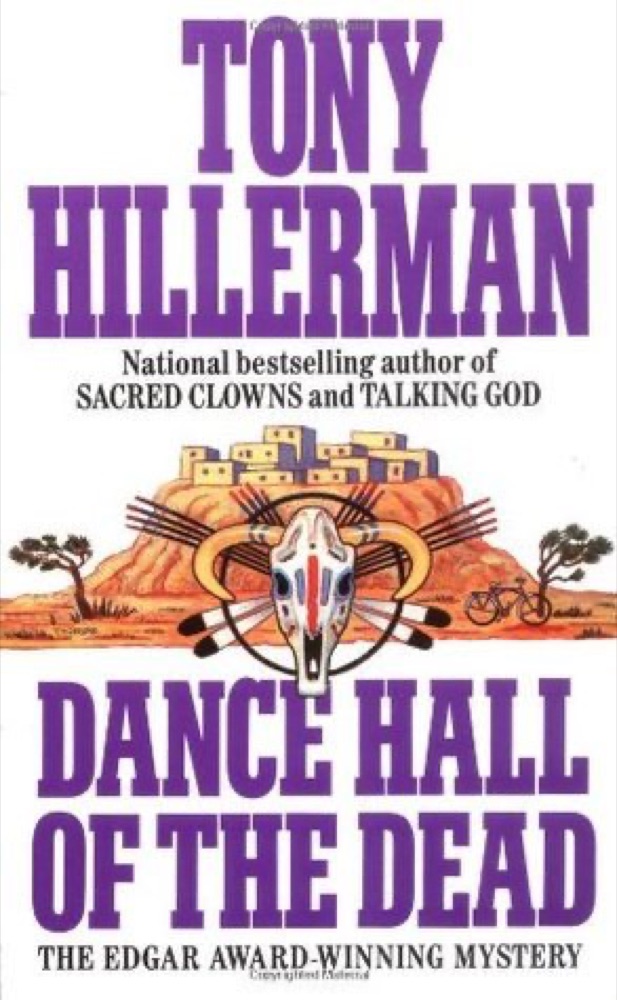 Dance Hall of the Dead
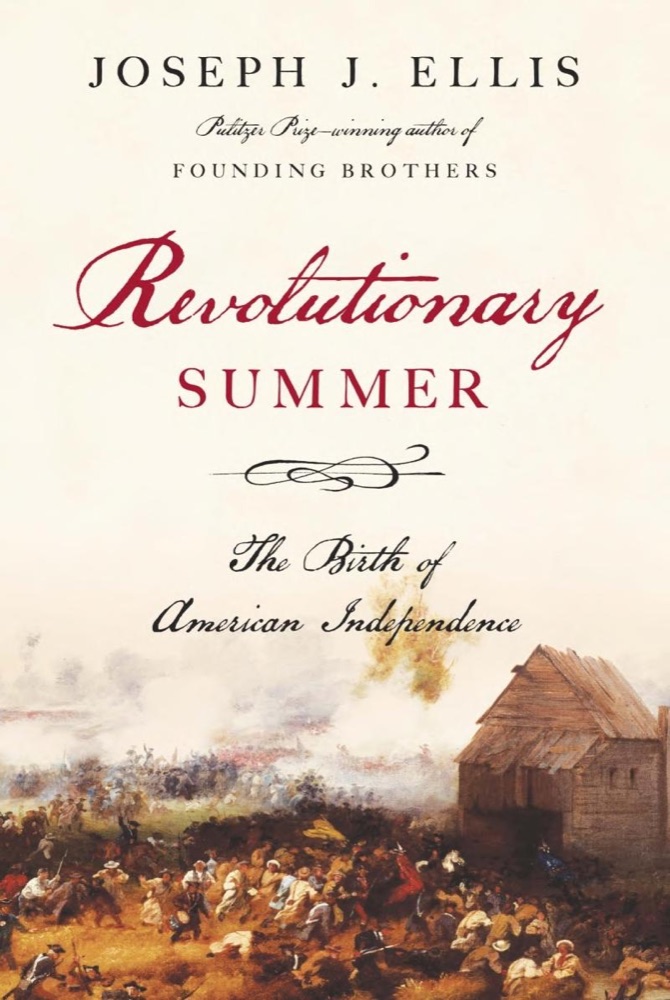 Revolutionary Summer: The Birth of American Independence
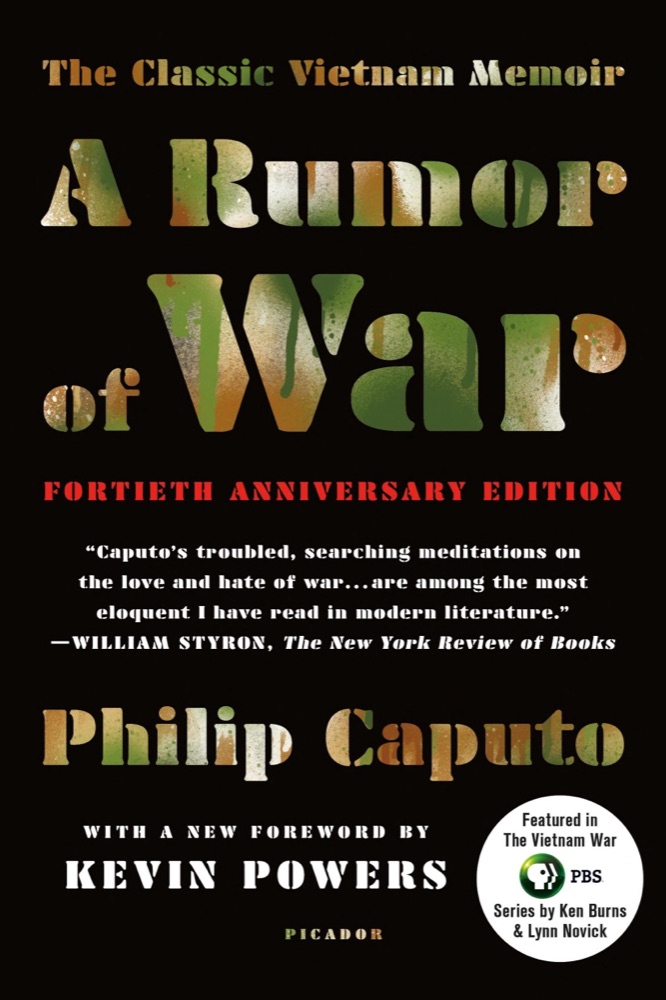 A Rumor of War: The Classic Vietnam Memoir
 Helmet for My Pillow
 Smoke and Ashes
 The Best and the Brightest
 The Red Badge of Courage
 Dispatches
 Shaman
 Sackett's Land
 Short Nights of the Shadow Catcher: The Epic Life and Immortal Photographs of Edward Curtis
 Into the Silence: The Great War, Mallory and the Conquest of Everest
 The Monuments Men: Allied Heroes, Nazi Thieves, and the Greatest Treasure Hunt in History
 The Black Company
 Flyboys: A True Story of Courage
 The Winds of War