 Mathilda
Quotes from the Book
Nothing is so painful to the human mind as a great and sudden change.
Beware; for I am fearless, and therefore powerful.
Life, although it may only be an accumulation of anguish, is dear to me, and I will defend it.
I do know that for the sympathy of one living being, I would make peace with all. I have love in me the likes of which you can scarcely imagine and rage the likes of which you would not believe. If I cannot satisfy the one, I will indulge the other.
If I cannot inspire love, I will cause fear!
There is something at work in my soul, which I do not understand.
I ought to be thy Adam, but I am rather the fallen angel...
Even broken in spirit as he is, no one can feel more deeply than he does the beauties of nature. The starry sky, the sea, and every sight afforded by these wonderful regions, seems still to have the power of elevating his soul from earth. Such a man has a double existence: he may suffer misery, and be overwhelmed by disappointments; yet, when he has retired into himself, he will be like a celestial spirit that has a halo around him, within whose circle no grief or folly ventures.
the companions of our childhood always possess a certain power over our minds which hardly any later friend can obtain.
The world to me was a secret, which I desired to discover; to her it was a vacancy, which she sought to people with imaginations of her own.
There is love in me the likes of which you've never seen. There is rage in me the likes of which should never escape. If I am not satisfied int he one, I will indulge the other.
When falsehood can look so like the truth, who can assure themselves of certain happiness?
How mutable are our feelings, and how strange is that clinging love we have of life even in the excess of misery!
The whole series of my life appeared to me as a dream; I sometimes doubted if indeed it were all true, for it never presented itself to my mind with the force of reality.
Man," I cried, "how ignorant art thou in thy pride of wisdom!
With how many things are we on the brink of becoming acquainted, if cowardice or carelessness did not restrain our inquiries.
It may...be judged indecent in me to come forward on this occasion; but when I see a fellow-creature about to perish through the cowardice of her pretended friends, I wish to be allowed to speak, that I may say what I know of her character.
Listen to me, Frankenstein. You accuse me of murder; and yet you would, with a satisfied conscience, destroy your own creature. Oh, praise the eternal justice of man!
Thus strangely are our souls constructed, and by slight ligaments are we bound to prosperity and ruin.
I was benevolent and good; misery made me a fiend. Make me happy, and I shall again be virtuous.
The fallen angel becomes a malignant devil. Yet even that enemy of God and man had friends and associates in his desolation; I am alone.
It is true, we shall be monsters, cut off from all the world; but on that account we shall be more attached to one another.
Hateful day when I received life!' I exclaimed in agony. 'Accursed creator! Why did you form a monster so hideous that even you turned from me in disgust? God, in pity, made man beautiful and alluring, after his own image; but my form is a filthy type of yours, more horrid even from the very resemlance. Satan had his companions, fellow-devils, to admire and encourage him; but I am solitary and abhorred.' - Frankenstein
The world was to me a secret which I desired to devine.
Nothing is more painful to the human mind than, after the feelings have been worked up by a quick succession of events, the dead calmness of inaction and certainty which follows and deprives the soul both of hope and fear.
I am alone and miserable. Only someone as ugly as I am could love me.
Learn from me, if not by my precepts, at least by my example, how dangerous is the acquirement of knowledge, and how much happier that man is who believes his native town to be his world, than he who aspires to become greater than his nature will allow.
if I see but one smile on your lips when we meet, occasioned by this or any other exertion of mine, I shall need no other happiness.
It was the secrets of heaven and earth that I desired to learn; and whether it was the outward substance of things or the inner spirit of nature and the mysterious soul of man that occupied me, still my inquiries were directed to the metaphysical, or in its highest sense, the physical secrets of the world.
I have love in me the likes of which you can scarcely imagine and rage the likes of which you would not believe. If I cannot satisfy the one, I will indulge the other.
... the companions of our childhood always possess a certain power over our minds which hardly any later friend can obtain.
661
I could not understand why men who knew all about good and evil could hate and kill each other.
317
I am malicious because I am miserable
186
Did you know?
- Mary Shelley conceived the story during the summer of 1816 at Lake Geneva, after Lord Byron challenged his guests to each write a ghost story.
- The novel was first published anonymously on 1 January 1818; Mary Shelley's name did not appear on it until later editions.
- A substantially revised edition appeared in 1831 with stylistic changes, a new preface describing the story's conception, and a more explicitly moral tone, and it is this version many readers know today.
- The creature is never given a name in the novel; 'Frankenstein' is the surname of his creator, Victor.
- Author Brian Aldiss argued that Frankenstein represents the first true science-fiction story.
Watch on YouTube
About Mary Wollstonecraft Shelley
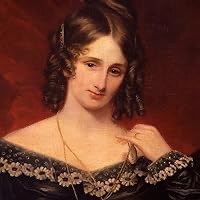
Mary Wollstonecraft Shelley (1797-1851) was an English novelist, the daughter of philosopher William Godwin and feminist writer Mary Wollstonecraft, and the wife of poet Percy Bysshe Shelley. She began writing Frankenstein at age 18 and is regarded as a pioneer of science fiction.
More about the author →More by Mary Wollstonecraft Shelley
Mathilda
 The Last Man
About the book
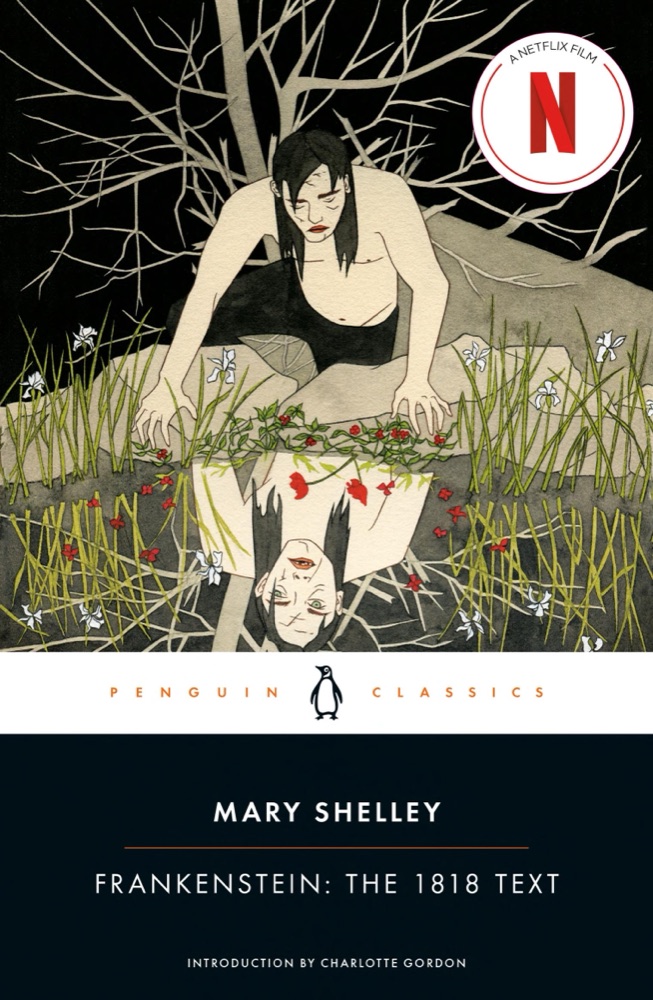
Mary Shelley's "Frankenstein; or, The Modern Prometheus" tells the story of Victor Frankenstein, an ambitious young scientist who discovers how to animate lifeless matter and assembles a sapient creature from collected body parts. Horrified by what he has made, Victor abandons the creature, who-rejected by everyone he encounters-turns from a gentle, longing being into an agent of vengeance against his maker. The narrative is framed as letters from Arctic explorer Robert Walton, who recounts Victor's confession.
At its heart the novel wrestles with the relationship between creator and creation, the dangers of unchecked ambition and scientific overreach, and the isolation that follows transgression. The creature's eloquent pleas for companionship and acceptance complicate any simple reading of him as a monster, raising questions about responsibility, prejudice, and what makes someone human.
Conceived during the summer of 1816 at Lake Geneva, where Lord Byron challenged his guests to write ghost stories, "Frankenstein" was published anonymously in 1818 when Shelley was still in her teens. It is frequently described as the first true science-fiction novel and has had an enormous cultural afterlife, inspiring countless stage and screen adaptations and entering the language as a byword for creations that turn on their makers.
Key characters
- Victor FrankensteinAmbitious young scientist who creates the creature and then abandons it
- The CreatureThe unnamed being Victor brings to life, who seeks acceptance and turns vengeful
- Robert WaltonArctic explorer whose letters frame the narrative and who hears Victor's story
- Elizabeth LavenzaVictor's adopted cousin and betrothed
- Henry ClervalVictor's devoted childhood friend
Book details
- First published
- 1818
- Length
- 280 pages
- Reading time
- 8 hours
- Genre
- Classics
- Goodreads rating
- 3.92 (2M ratings)
- First line
- “You will rejoice to hear that no disaster has accompanied the commencement of an enterprise which you have regarded with such evil forebodings.”
Critical reception
- Frequently described as the first true science-fiction novel, with critic Brian Aldiss calling it the origin of the genre.
- In 2019 BBC News included Frankenstein among the 100 most influential novels.
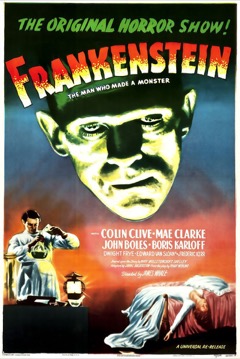
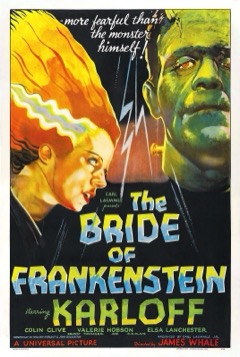
- The 1931 Universal film with Boris Karloff remains the most recognized adaptation and cemented the story's place in popular culture.
The buzz
- Smithsonian MagazineIn Mary Shelley's 'Frankenstein,' the Titular Scientist Laments His Nightmarish Creation. But the Real World Can't Get Enough of His Monster2025on the novel's origins and enduring cultural afterlife
- Mental FlossHow Real-Life Science Inspired Mary Shelley's Frankenstein2018the galvanism and real science behind the book
- JSTOR DailyMary Shelley's Obsession with the Cemetery2018how grief and graveyards shaped the novel
- JSTOR DailyThe Hoax That Inspired Mary Shelley2022the reanimation hoax echoing Frankenstein's themes
Movie & TV adaptations
If you liked this, read…
- 1DraculaAnother foundational Gothic horror classic exploring monstrosity and dread
- 2The Strange Case of Dr Jekyll and Mr HydeA tale of scientific experiment unleashing a darker self
- 3The Island of Doctor MoreauA scientist's creation of new beings raises similar ethical questions
Keep reading
 A Hero of Our Time
The Last Man
A Hero of Our Time
The Last Man
 Faust
Faust
 The Sorrows of Young Werther
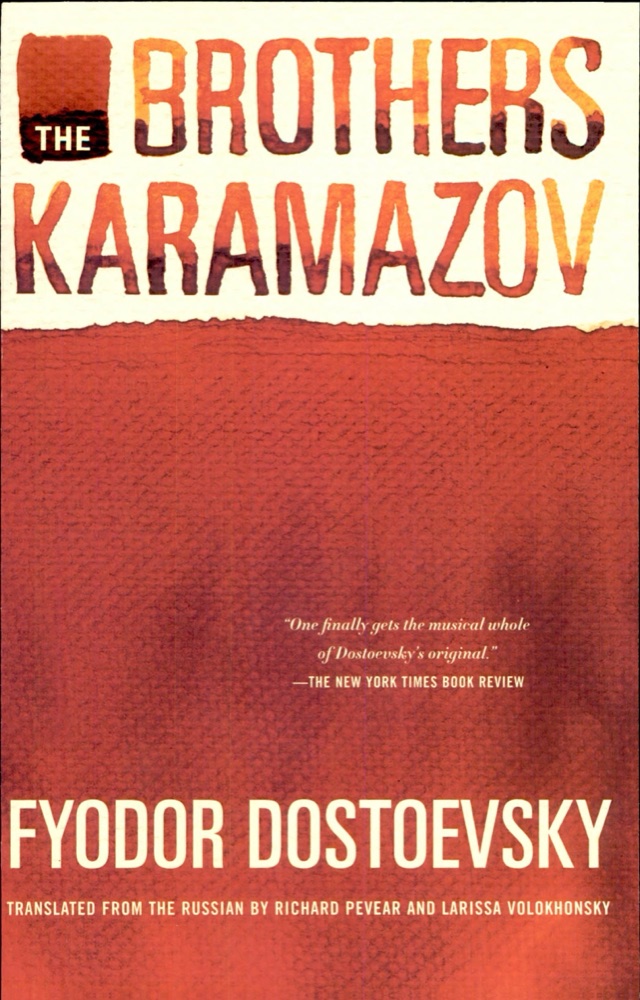 The Brothers Karamazov
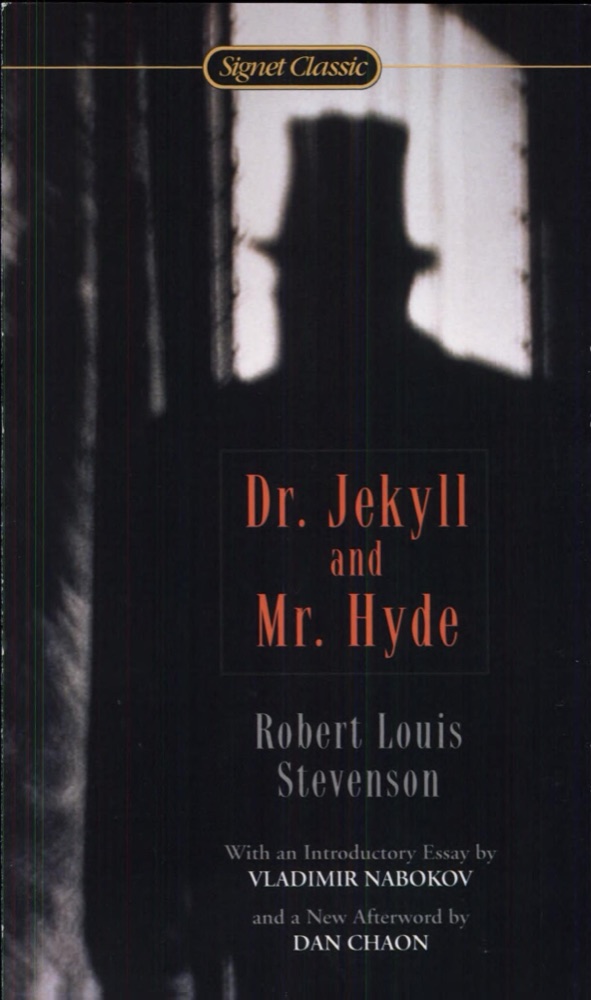 Dr. Jekyll and Mr. Hyde
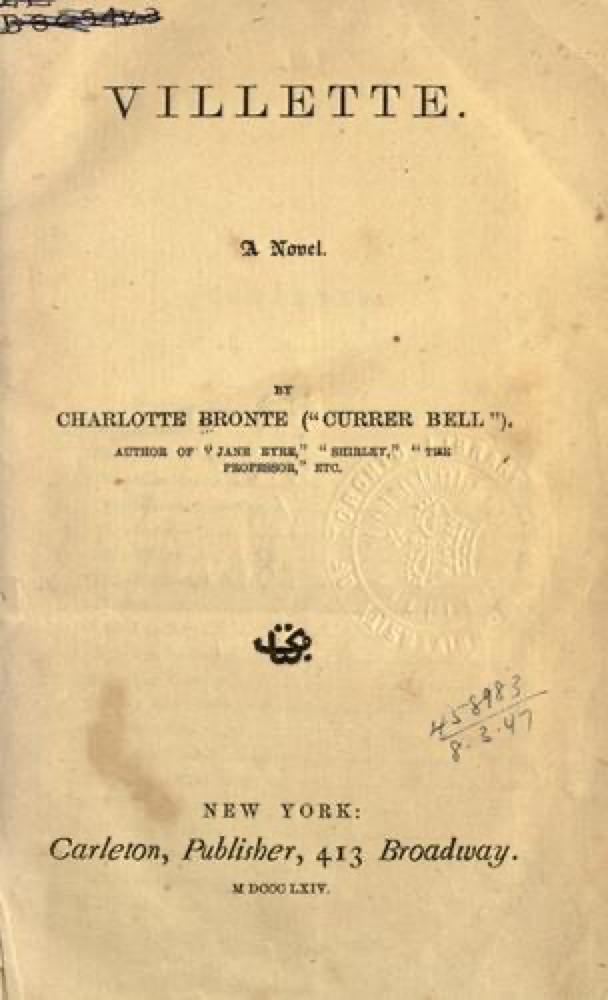 Villette
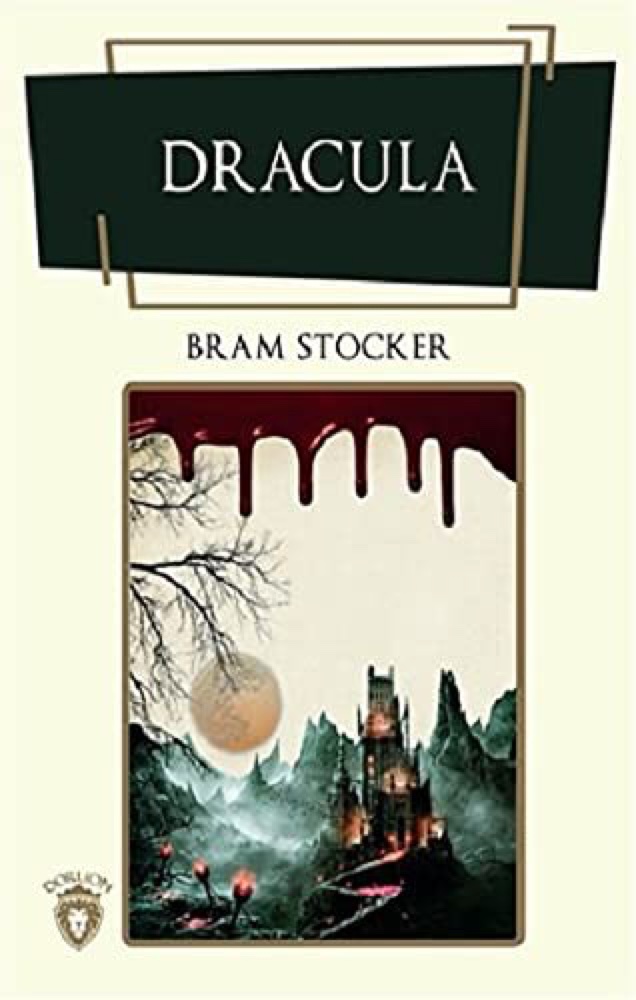 Dracula
 Kokoro
 Daniel Deronda
 The Immoralist
 East of Eden
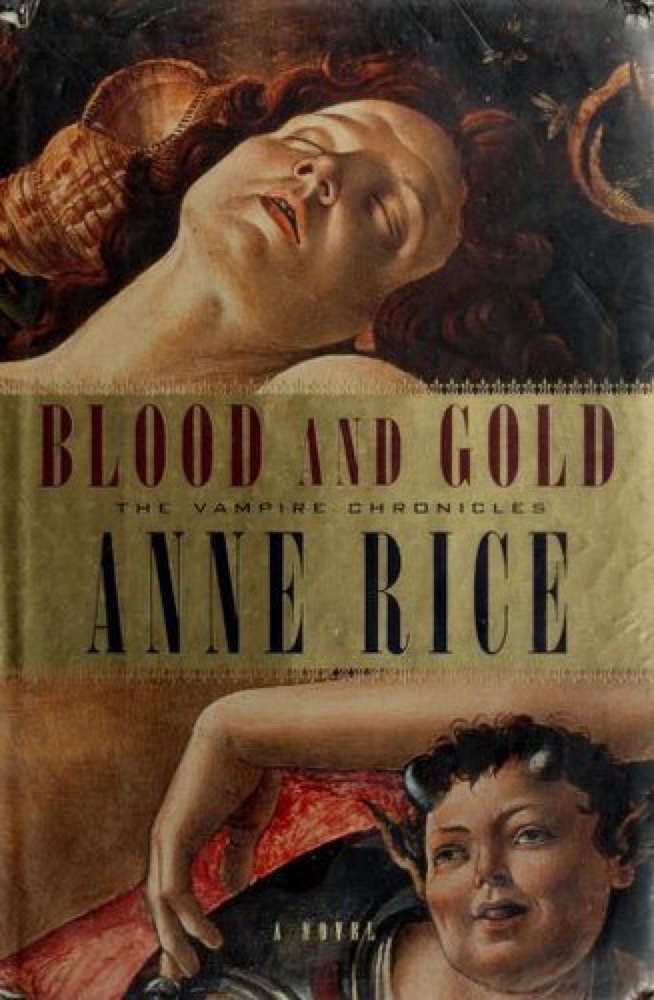 Blood And Gold
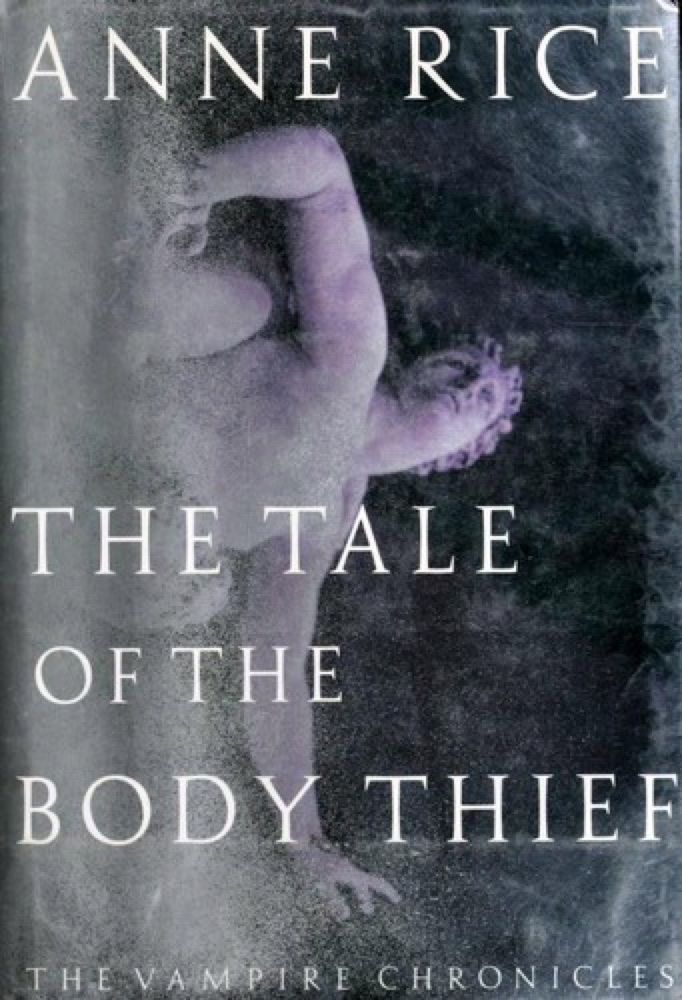 The Tale of the Body Thief
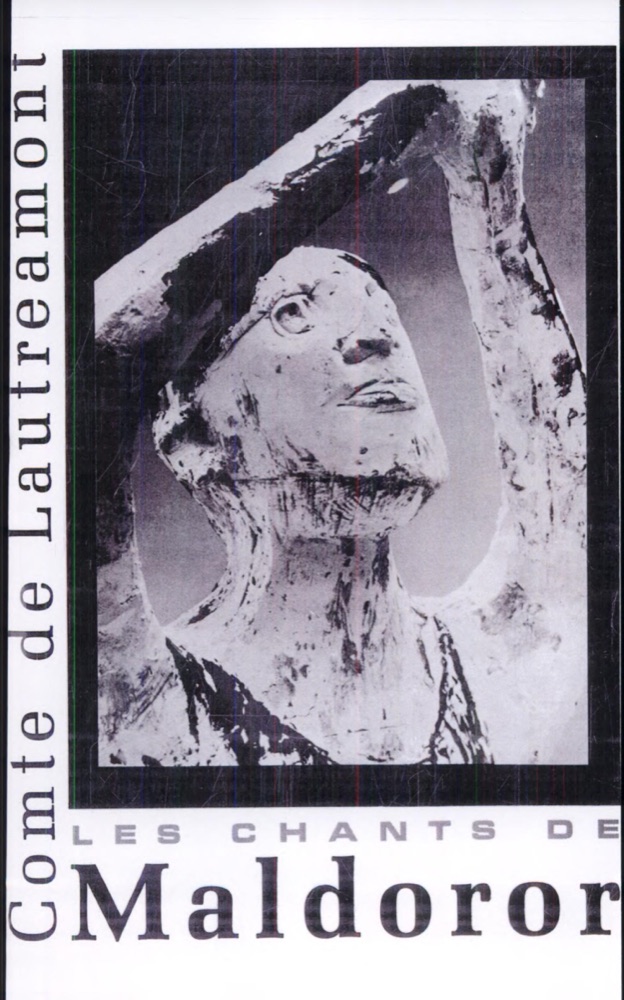 Les Chants de Maldoror
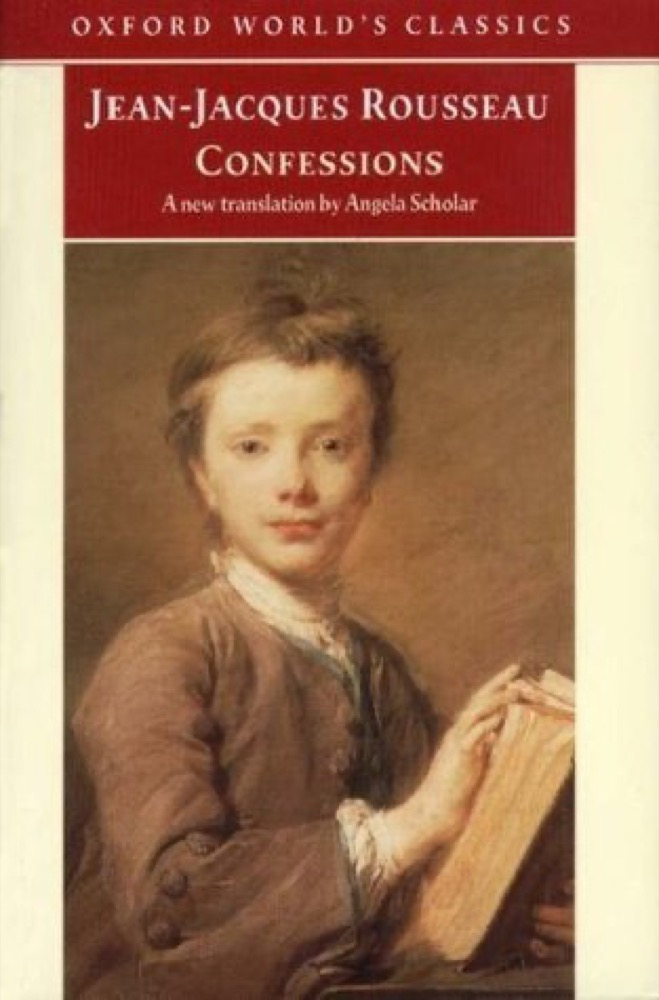 Confessions
 Memnoch the Devil
Mathilda
Memnoch the Devil
Mathilda
 Doctor Zhivago
 Great Expectations
 The Dream of a Ridiculous Man
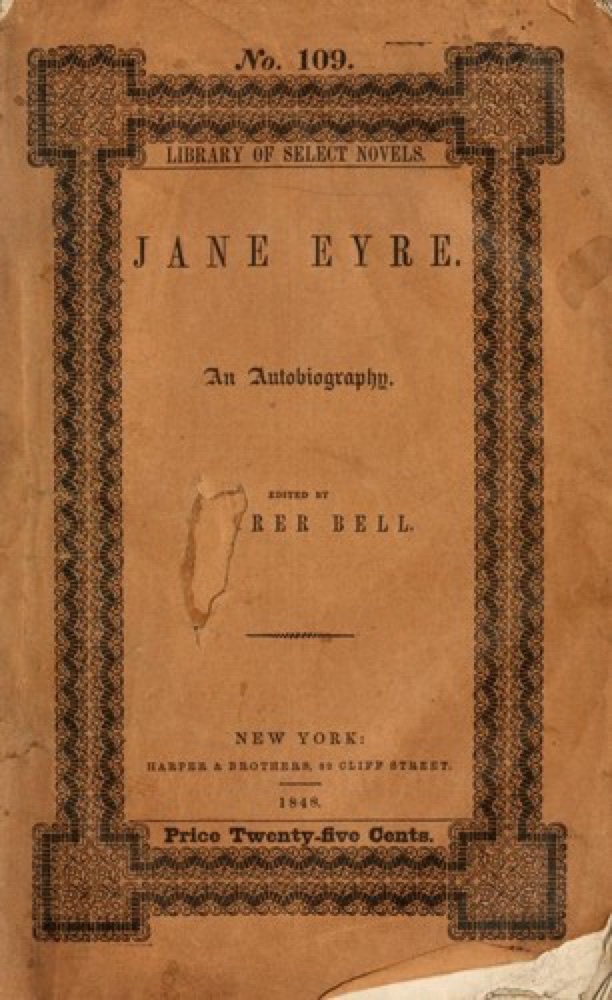 Jane Eyre
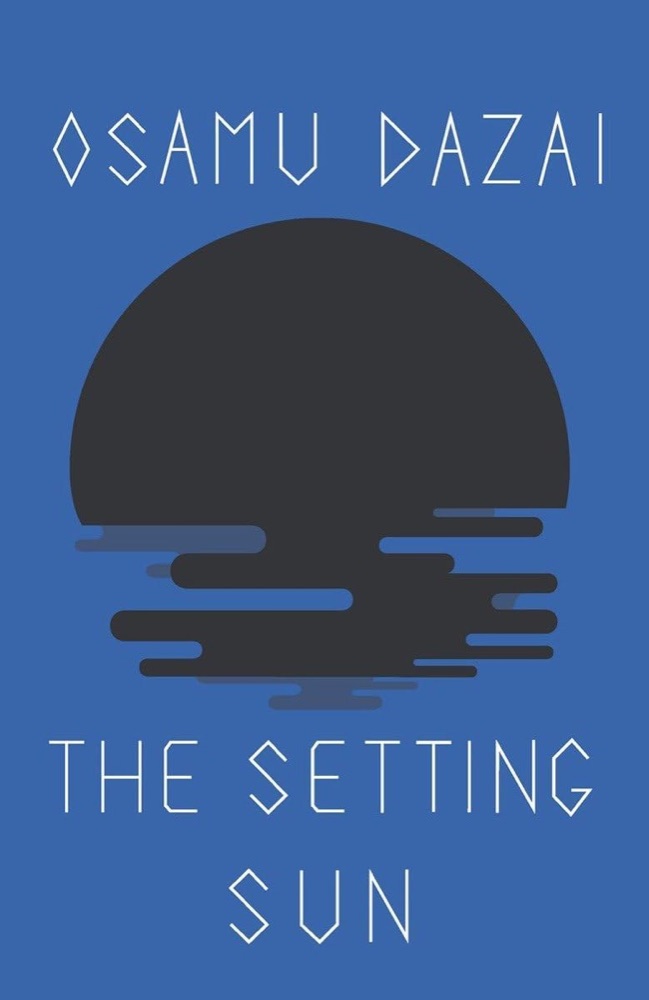 The Setting Sun
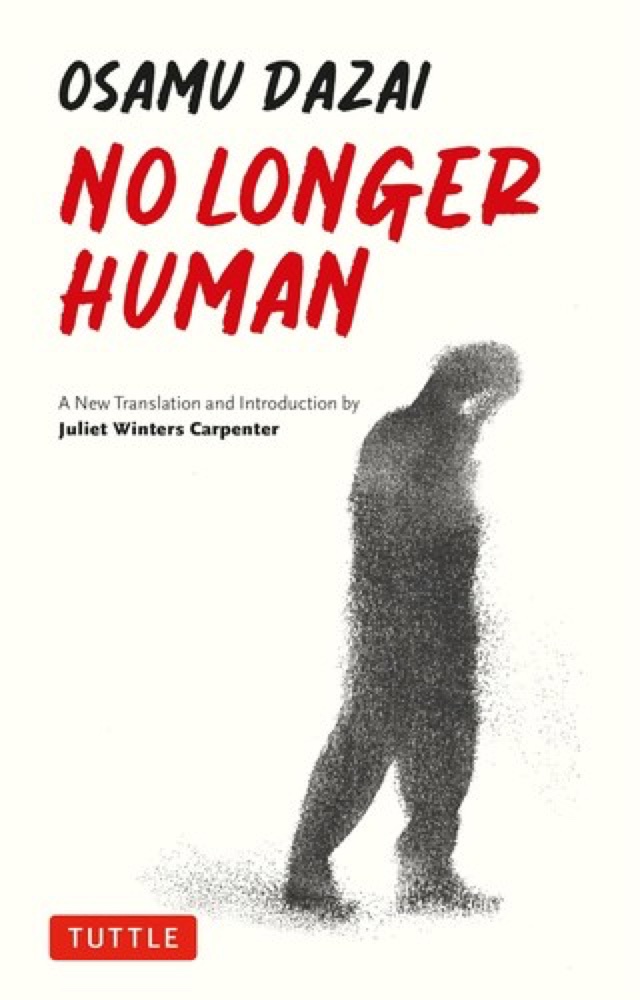 No Longer Human
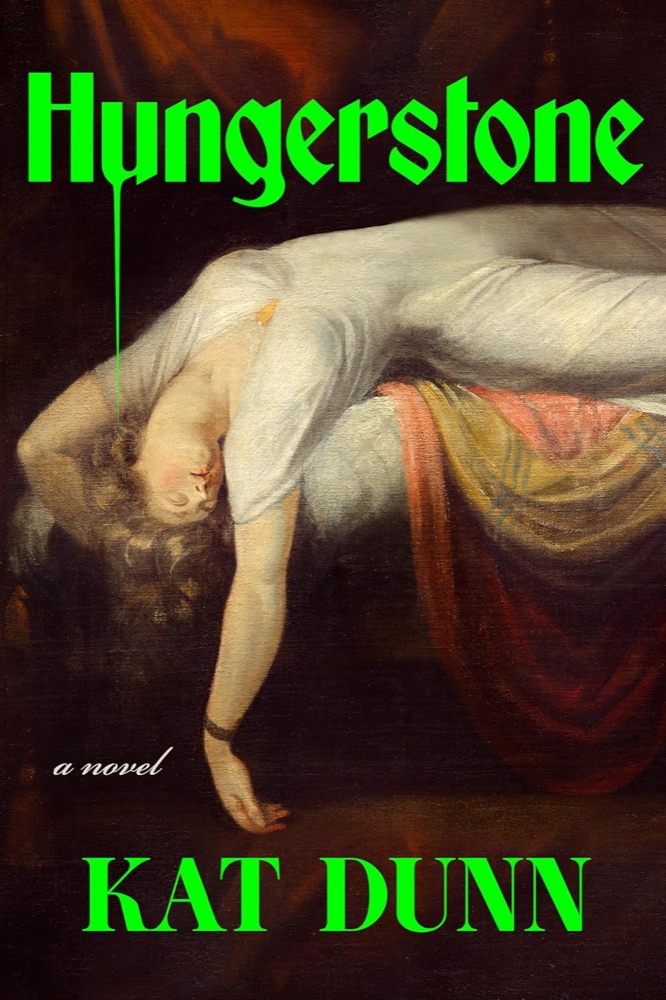 Hungerstone
 The Story of My Life
 Brideshead Revisited: The Sacred and Profane Memories of Captain Charles Ryder
 Melmoth the Wanderer
 Steppenwolf
 Agnes Grey
 Uncle Silas
 Hell
Hell
 The Story of the Lost Child
 The Thief's Journal
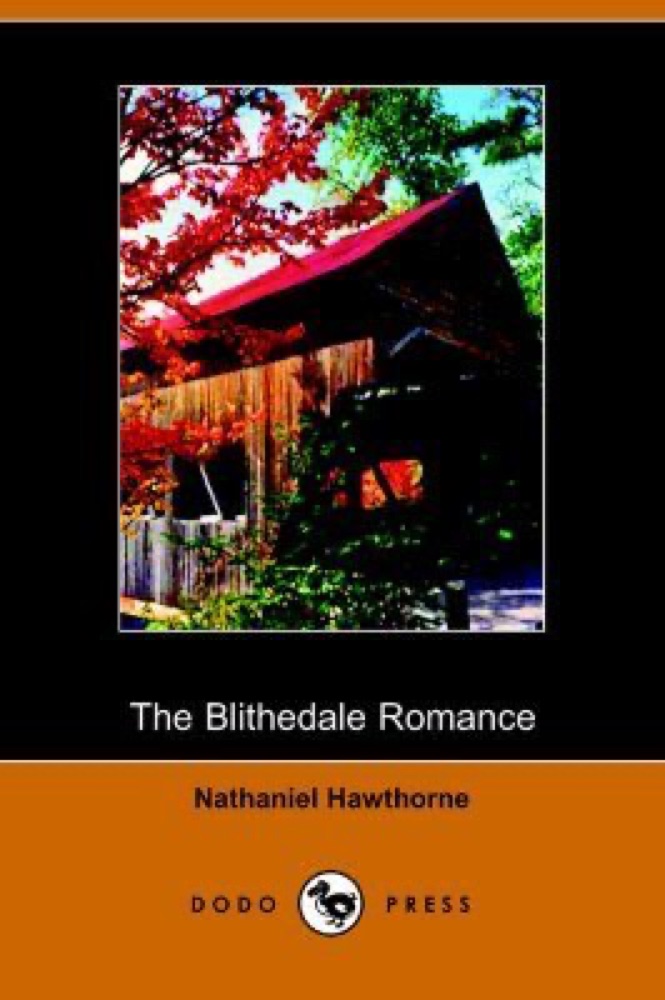 The Blithedale Romance
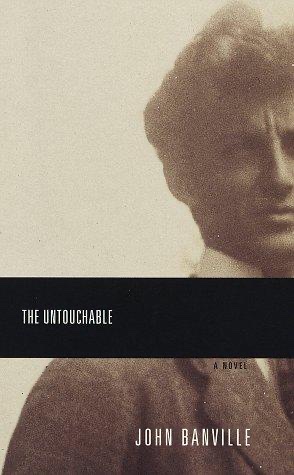 The Untouchable
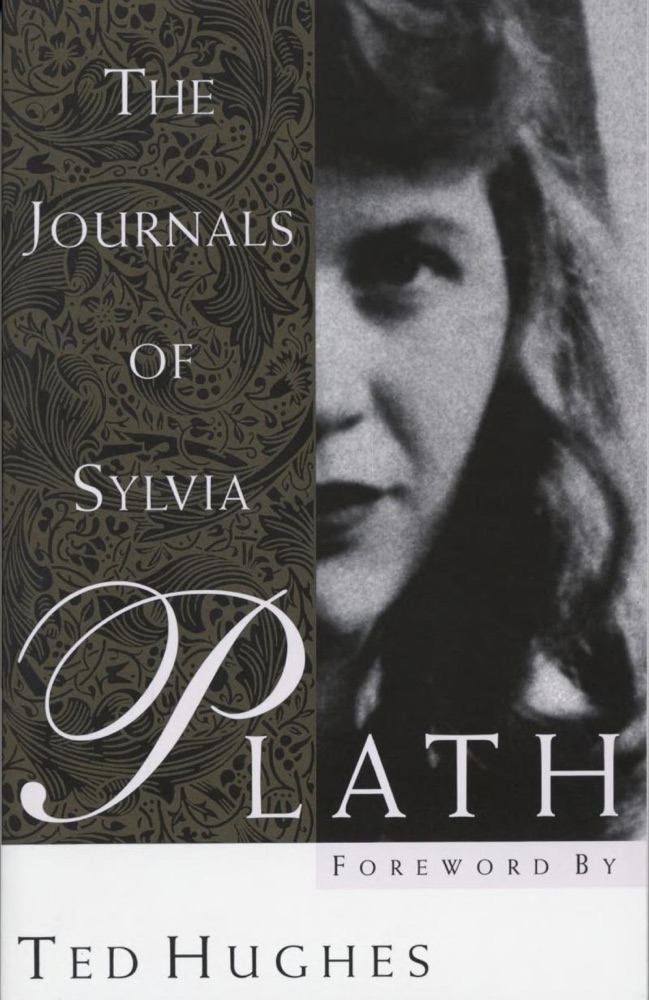 The Journals of Sylvia Plath
 Without Dogma
 The Unabridged Journals of Sylvia Plath
 The Magus
 Henderson the Rain King
 Henry and June: From "A Journal of Love"--The Unexpurgated Diary of Anaïs Nin
 The Nice and the Good
 The Gargoyle
 Relentless
 Embers
 Humboldt's Gift
 The Gadfly
 Moby-Dick
 Tropic of Capricorn
 Schoolgirl
 Notes of a Crocodile
 The Lifted Veil
 Jane Steele
 Gretel and the Dark
 The Monk
 The Divine Comedy
 The Guermantes Way
 The Claw of the Conciliator
 The Idiot