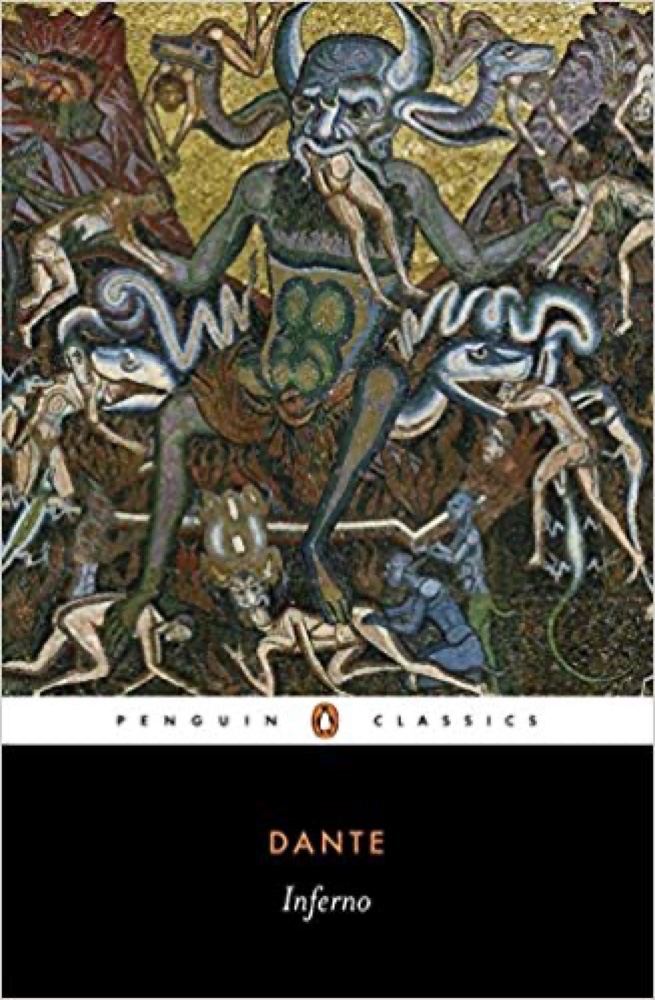
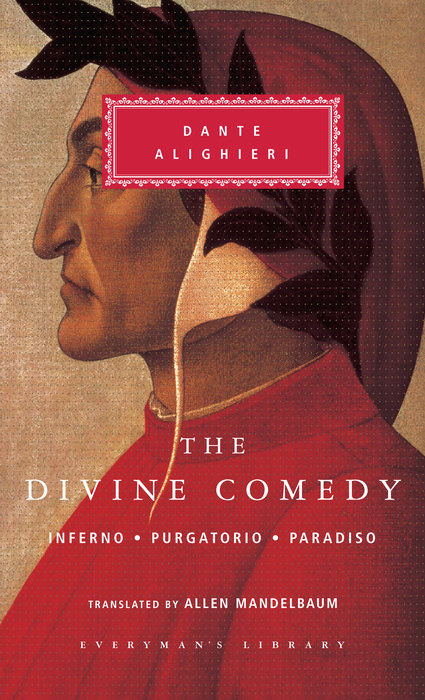
 The Divine Comedy
Quotes from the Book
Do not be afraid; our fate Cannot be taken from us; it is a gift.
In the middle of the journey of our life I found myself within a dark woods where the straight way was lost.
Amor, ch'al cor gentile ratto s'apprende prese costui de la bella persona che mi fu tolta; e 'l modo ancor m'offende. Amor, che a nullo amato amar perdona, Mi prese del costui piacer sì forte, Che, come vedi, ancor non m'abbandona..." "Love, which quickly arrests the gentle heart, Seized him with my beautiful form That was taken from me, in a manner which still grieves me. Love, which pardons no beloved from loving, took me so strongly with delight in him That, as you see, it still abandons me not...
They yearn for what they fear for.
There is no greater sorrow then to recall our times of joy in wretchedness.
Through me you go into a city of weeping; through me you go into eternal pain; through me you go amongst the lost people
From there we came outside and saw the stars
And I — my head oppressed by horror — said: "Master, what is it that I hear? Who are those people so defeated by their pain?" And he to me: "This miserable way is taken by the sorry souls of those who lived without disgrace and without praise. They now commingle with the coward angels, the company of those who were not rebels nor faithful to their God, but stood apart. The heavens, that their beauty not be lessened, have cast them out, nor will deep Hell receive them — even the wicked cannot glory in them.
Because your question searches for deep meaning, I shall explain in simple words
But the stars that marked our starting fall away. We must go deeper into greater pain, for it is not permitted that we stay.
As little flowers, which the chill of night has bent and huddled, when the white sun strikes, grow straight and open fully on their stems, so did I, too, with my exhausted force.
Hope not ever to see Heaven. I have come to lead you to the other shore; into eternal darkness; into fire and into ice.
It was the hour of morning, when the sun mounts with those stars that shone with it when God's own love first set in motion those fair things
I am the way into the city of woe, I am the way into eternal pain, I am the way to go among the lost. Justice caused my high architect to move, Divine omnipotence created me, The highest wisdom, and the primal love. Before me there were no created things But those that last forever—as do I. Abandon all hope you who enter here.
He is, most of all, l'amor che move il sole e l'altre stelle.
One ought to be afraid of nothing other then things possessed of power to do us harm, but things innoucuous need not be feared.
At grief so deep the tongue must wag in vain; the language of our sense and memory lacks the vocabulary of such pain.
To get back up to the shining world from there My guide and I went into that hidden tunnel, And Following its path, we took no care To rest, but climbed: he first, then I-so far, through a round aperture I saw appear Some of the beautiful things that Heaven bears, Where we came forth, and once more saw the stars.
Thence we came forth to rebehold the stars.
So that the Universe felt love, by which, as somebelieve, the world has many times been turned to chaos. And at that moment this ancient rock, here and elsewhere, fell broken into pieces.
Love, which absolves no one beloved from loving, seized me so strongly with his charm that, as you see, it has not left me yet. Love brought us to one death.
Here pity only lives when it is dead - Virgil
The poets leave hell and again behold the stars.
We were men once, though we've become trees
Soon you will be where your own eyes will see the source and cause and give you their own answer to the mystery.
And following its path, we took no care To rest, but climbed: he first, then I-- so far, Through a round aperture I saw appear Some of the beautiful things that Heaven bears, Where we came forth, and once more saw the stars.
Through me is the way to the city of woe. Through me is the way to sorrow eternal. Through me is the way to the lost below. Justice moved my architect supernal. I was constructed by divine power, supreme wisdom, and love primordial. Before me no created things were. Save those eternal, and eternal I abide. Abandon all hope, you who enter.
That which had pleased me once, troubled by spirit.
Did you know?
- Inferno is the first of the three canticles of Dante's Divine Comedy, followed by Purgatorio and Paradiso.
- The poem is written in terza rima, an interlocking three-line rhyme scheme (ABA BCB CDC) that Dante is credited with popularizing.
- Hell is depicted as nine concentric circles of torment located within the Earth.
- The Roman poet Virgil serves as Dante's guide through Hell, sent by Beatrice.
- Sinners are punished by contrapasso, in which the punishment corresponds symbolically to the sin.
- Inferno contains 34 cantos, while Purgatorio and Paradiso each contain 33, for 100 cantos in the whole Divine Comedy.
About Dante Alighieri
Dante Alighieri (c. 1265-1321) was an Italian poet, writer, and philosopher from Florence whose Divine Comedy is considered one of the greatest works of world literature and helped establish the Tuscan dialect as the standard for the Italian language.
More about the author →More by Dante Alighieri
All books by Dante Alighieri →
About the book
Inferno is the first part of Dante Alighieri's three-part epic poem the Divine Comedy, followed by Purgatorio and Paradiso. Written in Italian in the Tuscan dialect and composed in the interlocking three-line rhyme scheme known as terza rima, it recounts an allegorical journey in which the poet, lost in a dark wood midway through his life, is led down through the nine concentric circles of Hell by the ancient Roman poet Virgil, who has been sent to guide him by Beatrice.
As the pilgrim descends, he witnesses the souls of the damned punished according to the principle of contrapasso, a form of poetic justice in which the penalty fits and mirrors the sin committed in life. Across thirty-four cantos the circles grow progressively darker, moving through the sins of incontinence, violence, and fraud toward the frozen center where the worst betrayers are held, and Dante encounters a vast cast of historical, mythological, and contemporary figures along the way.
On its surface a vivid vision of the afterlife, the Inferno works as an allegory of the soul's recognition and rejection of sin as the first stage of its journey toward God. One of the foundational works of Western literature, it helped establish the Tuscan dialect as the basis of standard Italian and has shaped imagery of Hell in art, literature, and popular culture for seven centuries.
Key characters
- DanteThe pilgrim and narrator who journeys through Hell
- VirgilThe ancient Roman poet who guides Dante through Hell, representing human reason
- BeatriceDante's idealized beloved who sends Virgil to aid him, symbolizing divine love
- CharonThe ferryman who carries souls across the river Acheron into Hell
- LuciferSatan, frozen at the center of the ninth circle, devouring the arch-betrayers
Book details
- First published
- 1321
- Length
- 304 pages
- Reading time
- 2 hours
- Author
- Dante Alighieri
- Genre
- Classics
- Goodreads rating
- 4.03 (211k ratings) →
- First line
- “Midway upon the journey of our life I found myself within a forest dark, for the straightforward pathway had been lost.”
Series & reading order
- 1 Inferno
- 2 Purgatorio
- 3 Paradiso
If you liked this, read…
- 1The AeneidVirgil's epic, which Dante honors and draws on, also features a descent into the underworld
- 2Paradise LostJohn Milton's epic poem grappling with sin, Hell, and divine justice
- 3The OdysseyA foundational epic journey, including a visit to the land of the dead
Keep reading
 Helvetti
The Divine Comedy
Helvetti
The Divine Comedy
 Paradise Lost
 Phantastes
 Les Fleurs du Mal
 Purgatorio
 Hell
Hell
 Ulysses
 Les Misérables
 Look Homeward, Angel
 Faust
Faust
 Lord Jim
 To The Bright Edge of the World
 The Selected Poetry of Rainer Maria Rilke
 She
She
 The Aeneid
 Great Expectations
 Prince Lestat
 Wind, Sand and Stars
 A Tale of Two Cities
 The Vampire Lestat
 The Complete Stories and Poems
 The Last Man
 A Ring of Endless Light
 Year of Wonders
 Pandora
 Requiem
 The Star Rover
 Brideshead Revisited: The Sacred and Profane Memories of Captain Charles Ryder
 The Moor's Last Sigh
 The Naming
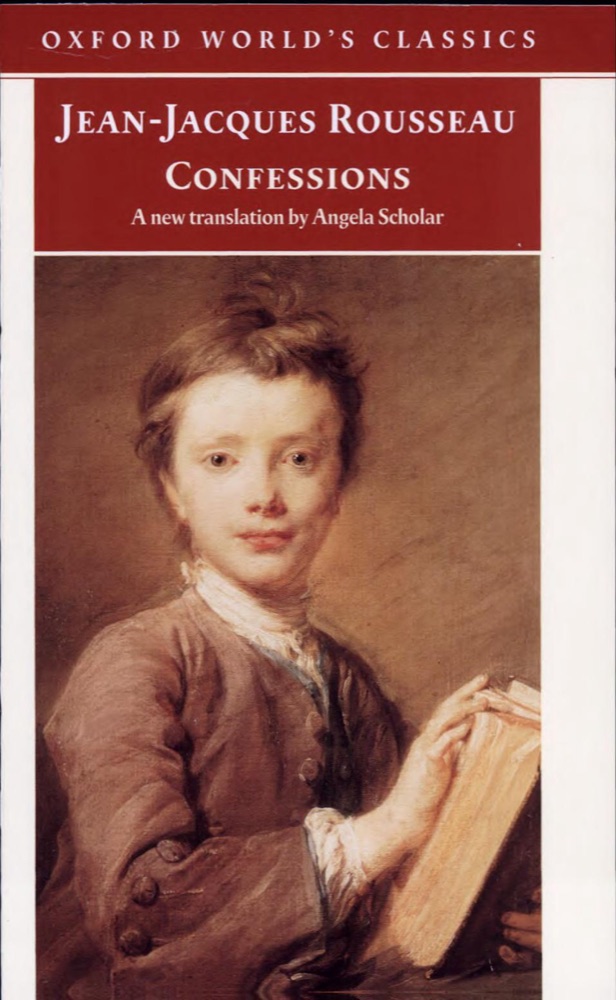 Confessions
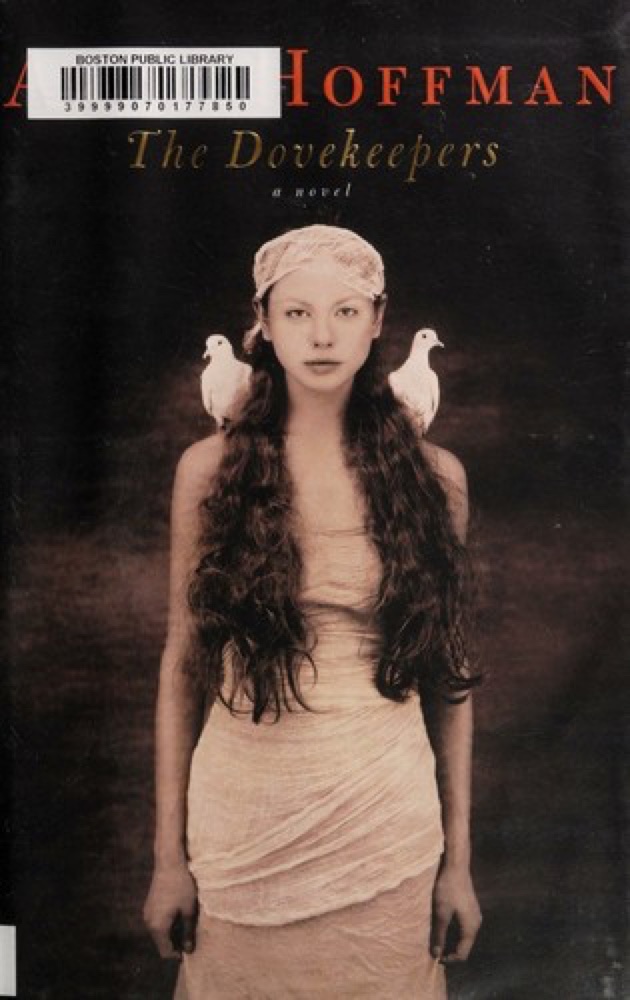 The Dovekeepers
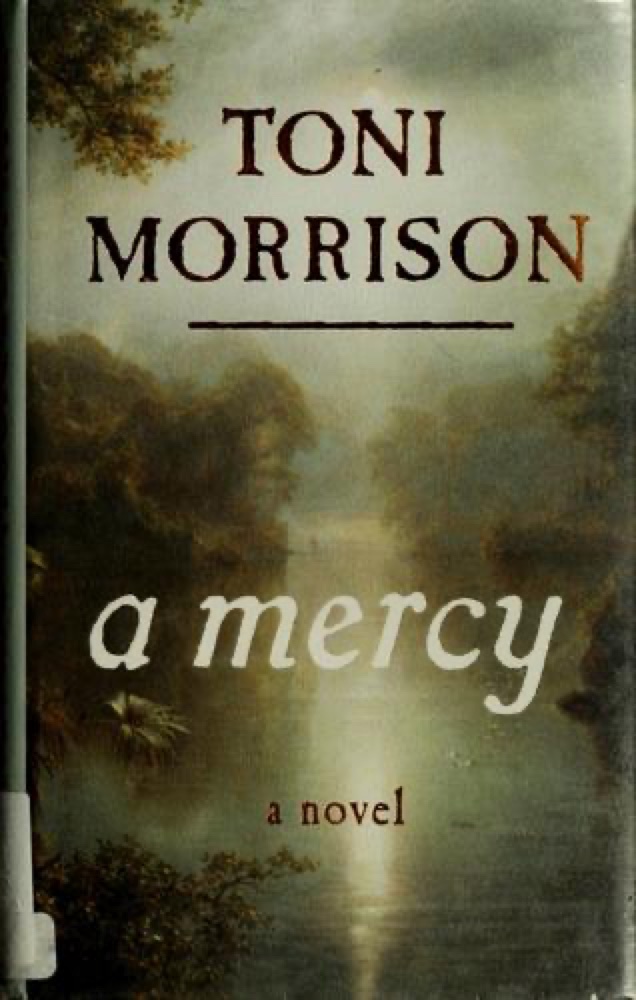 A Mercy
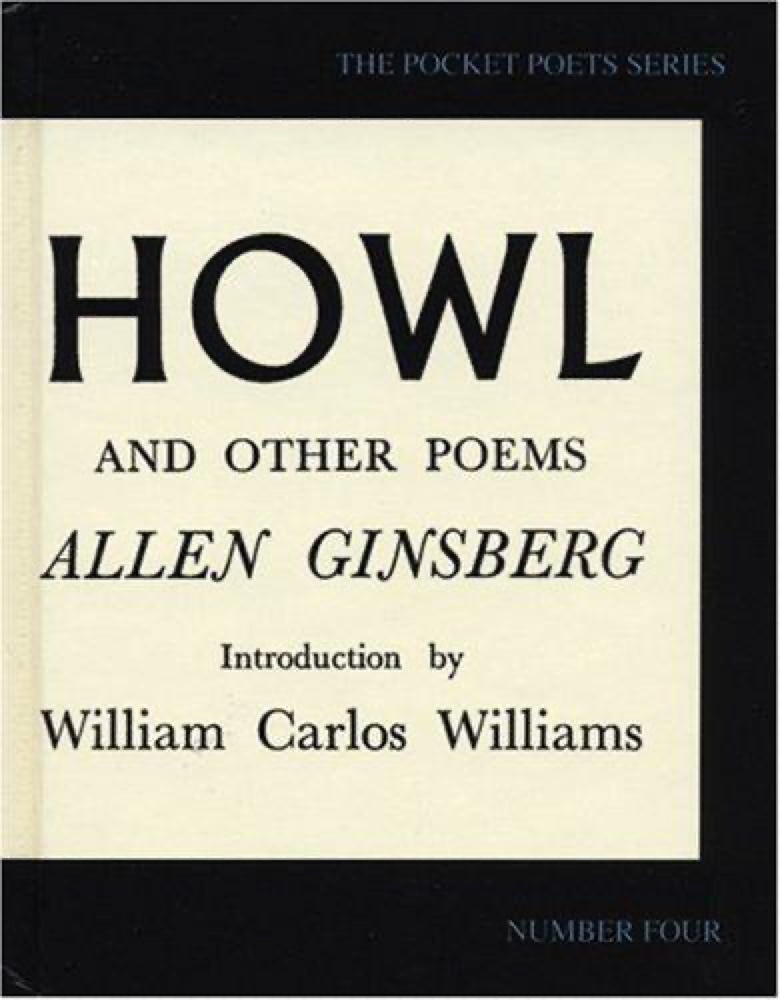 Howl and Other Poems
 Poems, 1962-2012
 Metamorphoses
 We Hunt the Flame
 March
March
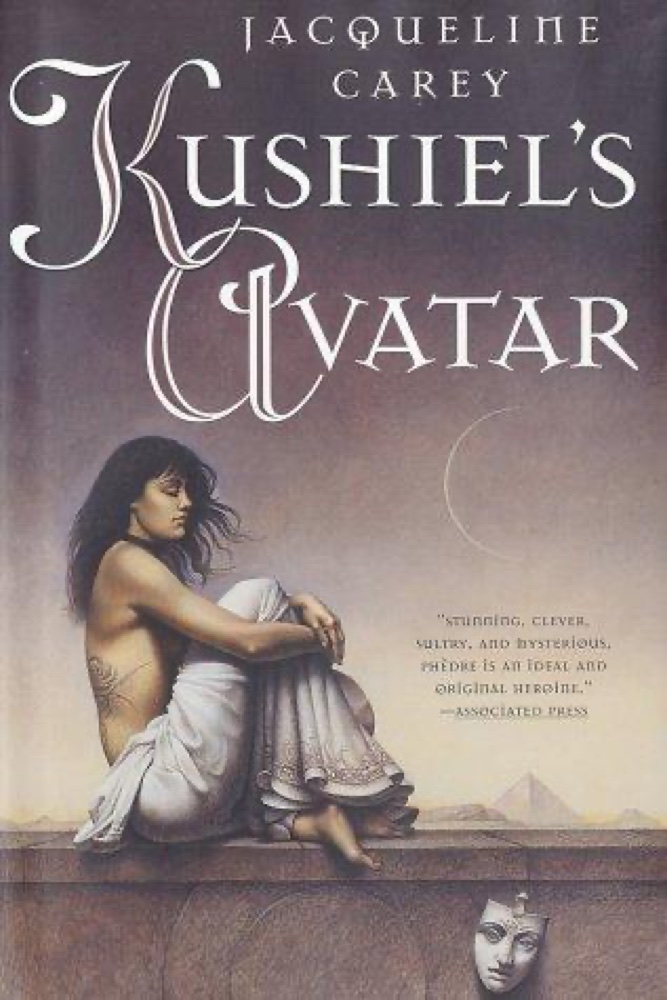 Kushiel's Avatar
 Daniel Deronda
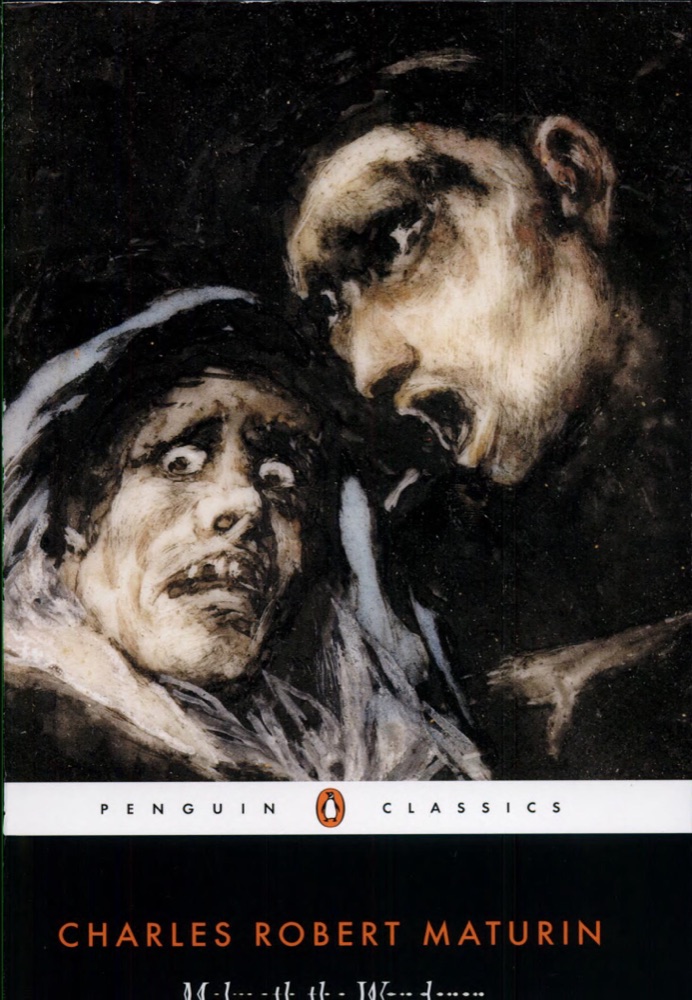 Melmoth the Wanderer
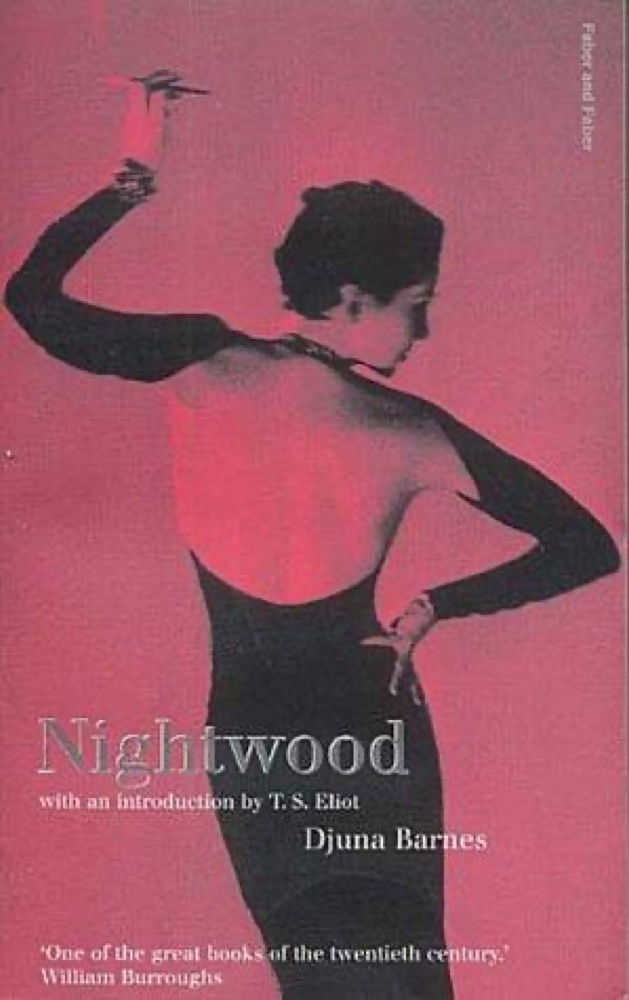 Nightwood
 What Matters Most is How Well You Walk Through the Fire
 The Bronzed Beasts
 Henderson the Rain King
 Report to Greco
 House of Chains
 The Waste Land and Other Poems
 Embers
 The Beautiful
 A Court of Wings and Ruin
 Narcissus and Goldmund
 Wide Sargasso Sea
 Weaveworld
 The Tempest
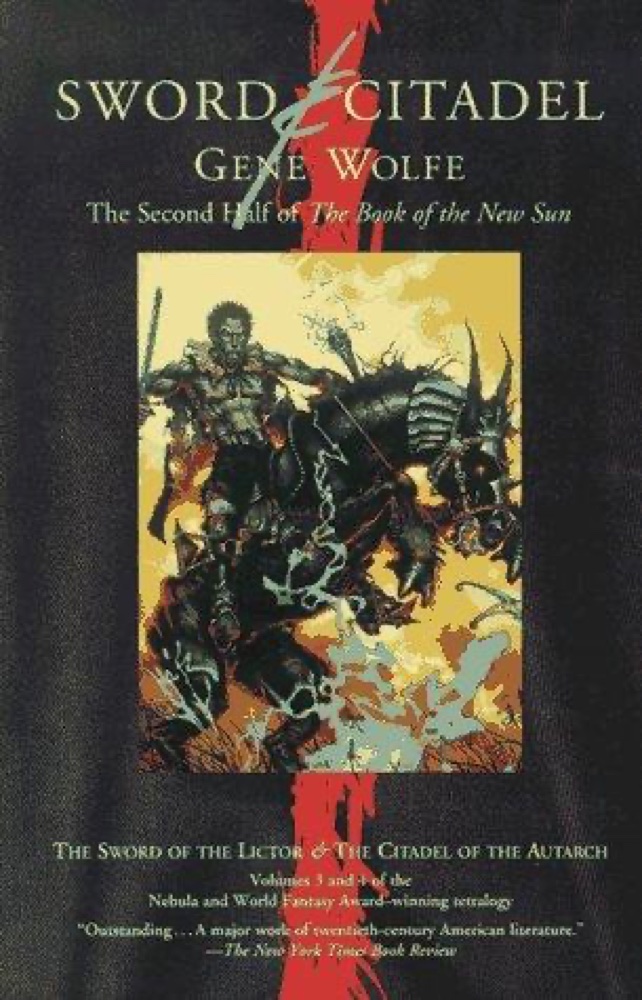 Sword & Citadel
 A Voice in the Wind
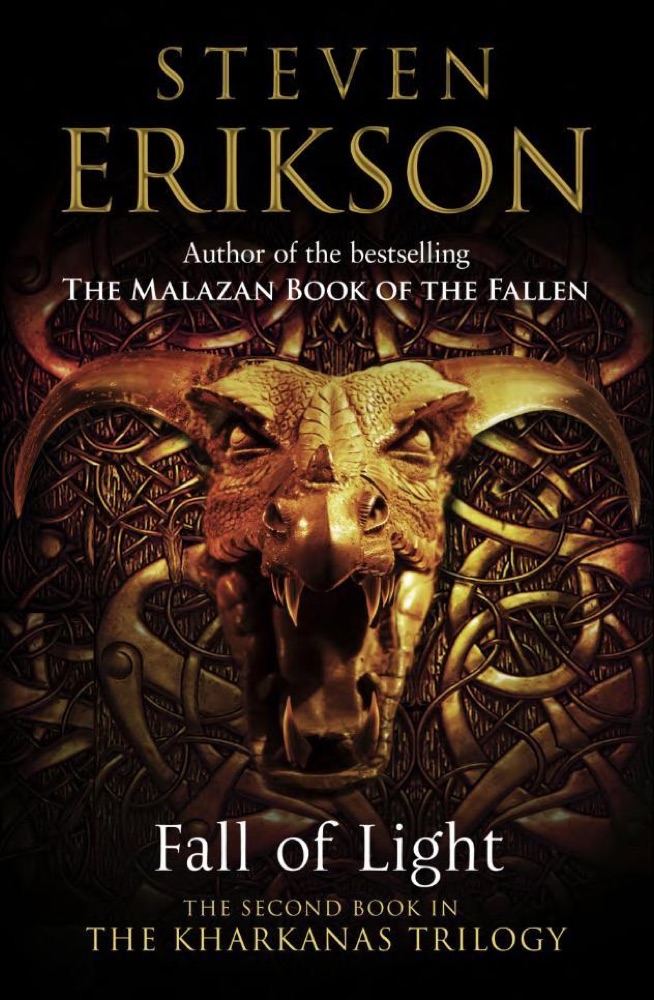 Fall of Light
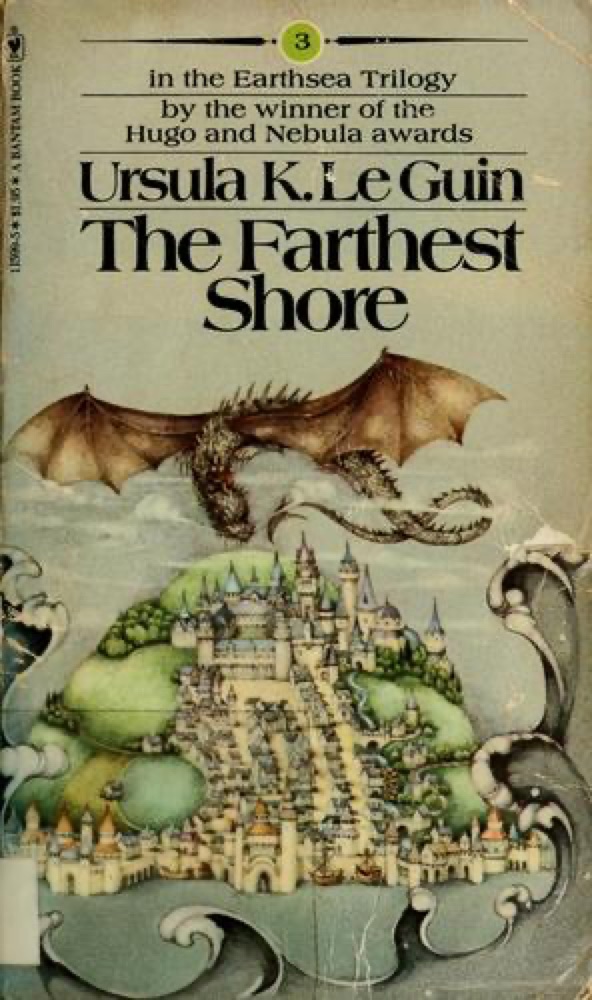 The Farthest Shore