
 Origin
Quotes from the Book
Men go to far greater lengths to avoid what they fear than to obtain what they desire.
History is always written by the winners. When two cultures clash, the loser is obliterated, and the winner writes the history books-books which glorify their own cause and disparage the conquered foe. As Napoleon once said, 'What is history, but a fable agreed upon?
These books can't possibly compete with centuries of established history, especially when that history is endorsed by the ultimate bestseller of all time." Faukman's eyes went wide. "Don't tell me Harry Potter is actually about the Holy Grail." "I was referring to the Bible." Faukman cringed. "I knew that.
Faith ― acceptance of which we imagine to be true, that which we cannot prove.
By its very nature, history is always a one-sided account.
Telling someone about what a symbol means is like telling someone how music should make them feel.
What really matters is what you believe.
Life is filled with secrets. You can't learn them all at once.
When a question has no correct answer, there is only one honest response. The gray area between yes and no. Silence.
Can you keep secrets? Can you know a thing and never say it again?
Learning the truth has become my life's love.
My lawyers will fricassee your testicles for breakfast. And if you dare board my plane without a warrant, your spleen will follow.
Today is today. But there are many tomorrows
Authors, he thought. Even the sane ones are nuts.
Those who truly understand their faiths understand the stories are metaphorical.
The Pentacle - The ancients envisioned their world in two halves - masculine and feminine. Their gods and goddesses worked to keep a balance of power. Yin and Yang. When male and female were balanced, there was harmony in the world. When they were unbalanced there was chaos.
Coincidence was a concept he did not entirely trust. As someone who had spent his life exploring the hidden interconnectivity of disparate emblems and ideologies, Langdon viewed the world as a web of profoundly intertwined histories and events. The connections may be invisible, he often preached to his symbology classes at Harvard, but they are always there, buried just beneath the surface.
Her eyes were olive green―incisive and clear.
The Last Supper is supposed to be thirteen men. Who is this woman? "Everyone misses it, our preconceived notions of this scene are so powerful that our mind blocks out the incongruity and overrides our eyes.
Robert wondered if any of Harvard's revered Egyptologists had ever knocked on the door of a pyramid and expected an answer.
PHI is one H of a lot cooler than PI!
Did you know?
- The novel is the second book in Dan Brown's Robert Langdon series, following Angels & Demons.
- Its plot draws on ideas from earlier books including Holy Blood, Holy Grail and The Templar Revelation.
- The novel is reported to have sold around 80 million copies as of 2016.
- It was adapted into a 2006 film directed by Ron Howard and starring Tom Hanks.
- The book provoked strong criticism from Christian communities over its claims about religious history.
- Janet Maslin of The New York Times praised it as an 'exhilaratingly brainy thriller.'
About Dan Brown
Dan Brown is an American author best known for his thriller novels featuring Harvard symbologist Robert Langdon, which combine art, history, cryptography, and religious conspiracy. His books have sold hundreds of millions of copies worldwide.
More about the author →
About the book
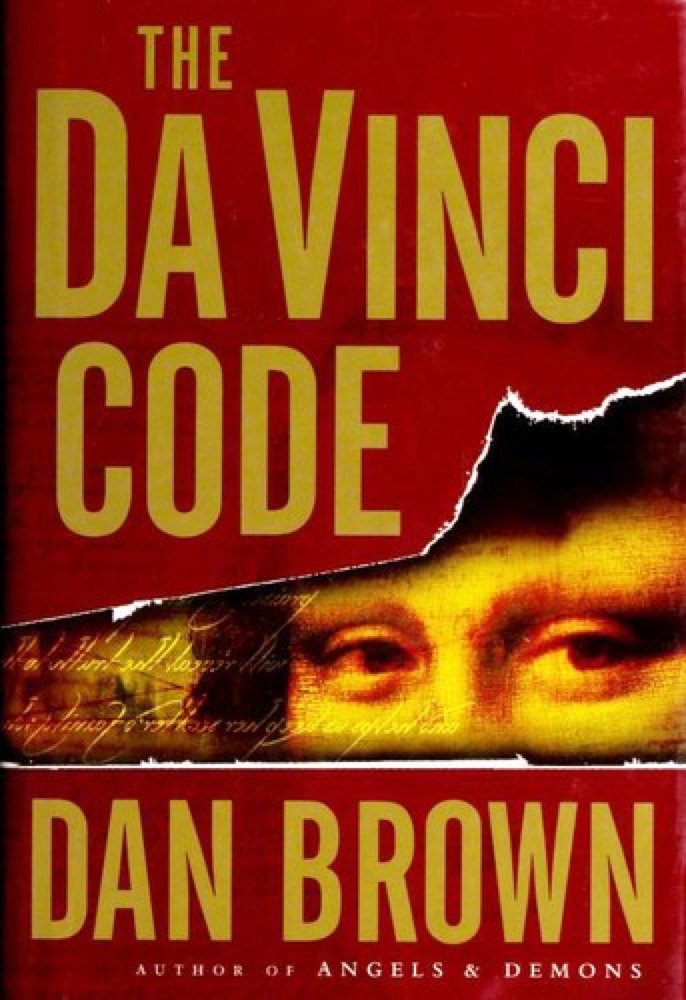
The Da Vinci Code is a mystery thriller by American author Dan Brown, published in 2003. When the curator of the Louvre is found murdered inside the museum, Harvard symbologist Robert Langdon and French cryptologist Sophie Neveu are drawn into a race across France and England to decode a trail of clues hidden in art and history. Their investigation leads them into a centuries-old secret involving the Priory of Sion, the Catholic organization Opus Dei, and a suppressed alternative account of the Holy Grail.
At its center the novel weaves together cryptography, religious history, and conspiracy, building its plot on ideas drawn from earlier books such as Holy Blood, Holy Grail and The Templar Revelation. Recurring themes include the hunt for hidden truths, the interpretation of symbols and codes, the tension between faith and historical scholarship, and the reexamination of long-accepted narratives about early Christianity. Brown frames these debates within a fast-paced puzzle structure that pushes the reader from one revelation to the next.
The Da Vinci Code became one of the best-selling novels of its era, reported to have sold around 80 million copies. Its provocative claims about religious history sparked widespread public discussion and significant criticism from Christian communities and scholars, while its historical accuracy drew negative reviews from outlets including The New Yorker and Salon. The book's popularity fueled a broader wave of interest in conspiracy-driven thrillers and led to a Ron Howard film adaptation and further Robert Langdon novels.
Key characters
- Robert LangdonHarvard professor of symbology and the protagonist
- Sophie NeveuFrench police cryptologist and Saunière's granddaughter
- Jacques SaunièreLouvre curator and grandmaster of the Priory of Sion
- Sir Leigh TeabingGrail scholar and the main antagonist
- SilasOpus Dei monk and secondary antagonist
- Bishop Manuel AringarosaHead of Opus Dei entangled in the conspiracy
- Bezu FacheFrench police captain pursuing Langdon
Book details
- First published
- 2003
- Length
- 689 pages
- Reading time
- 11 hours
- Author
- Dan Brown
- Genre
- Novels
- Goodreads rating
- 3.94 (2.6M ratings) →
- First line
- “Renowned curator Jacques Saunière staggered through the vaulted archway of the museum's Grand Gallery.”
Series & reading order
- 1 Angels & Demons
- 2 The Da Vinci Code
- 3 The Lost Symbol
- 4 Inferno
- 5 Origin
- 6 The Secret of Secrets
Movie & TV adaptations
- IMDb
If you liked this, read…
- 1Angels & DemonsThe preceding Robert Langdon thriller by the same author, mixing symbology and conspiracy
- 2Holy Blood, Holy GrailNonfiction source of the Grail bloodline ideas central to the novel
- 3The Lost SymbolLater Langdon novel with a similar code-and-secret-society premise
Keep reading
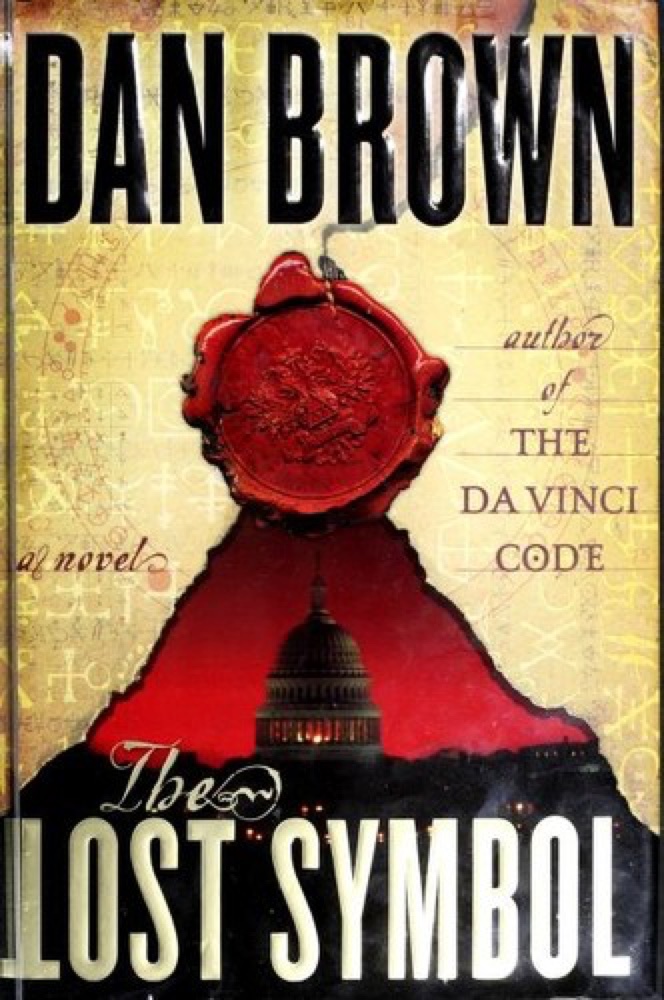 The Lost Symbol
 Libra
Libra
 The Secret History
 Julian
 The Left Hand of Darkness
 Mary Toft; or, The Rabbit Queen
 Arm of the Sphinx
 Deception Point
 Complete Works of Oscar Wilde
Origin
Complete Works of Oscar Wilde
Origin
 Trust
Trust
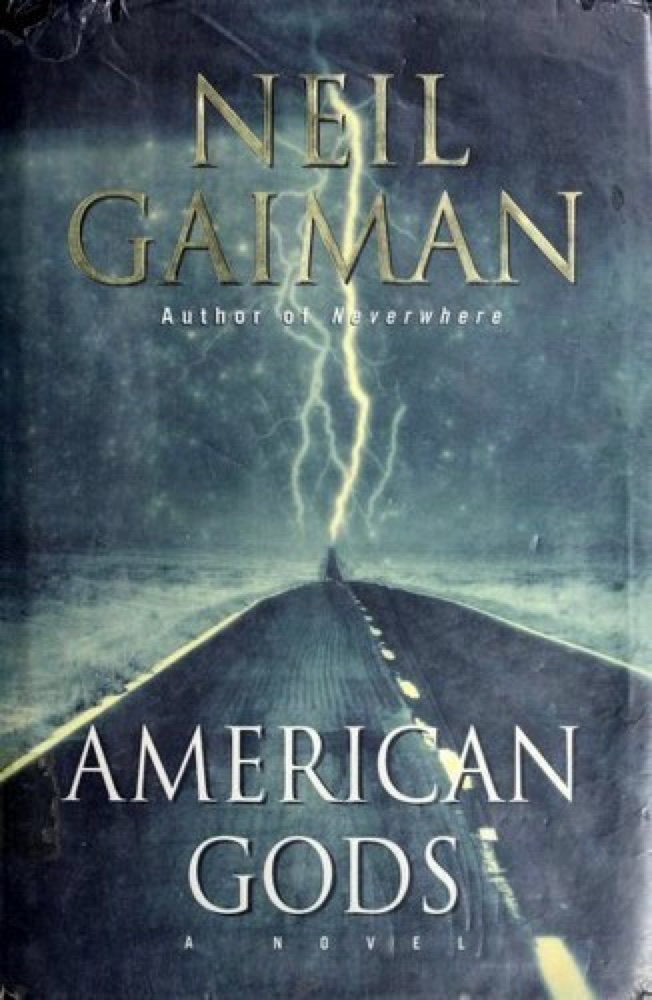 American Gods
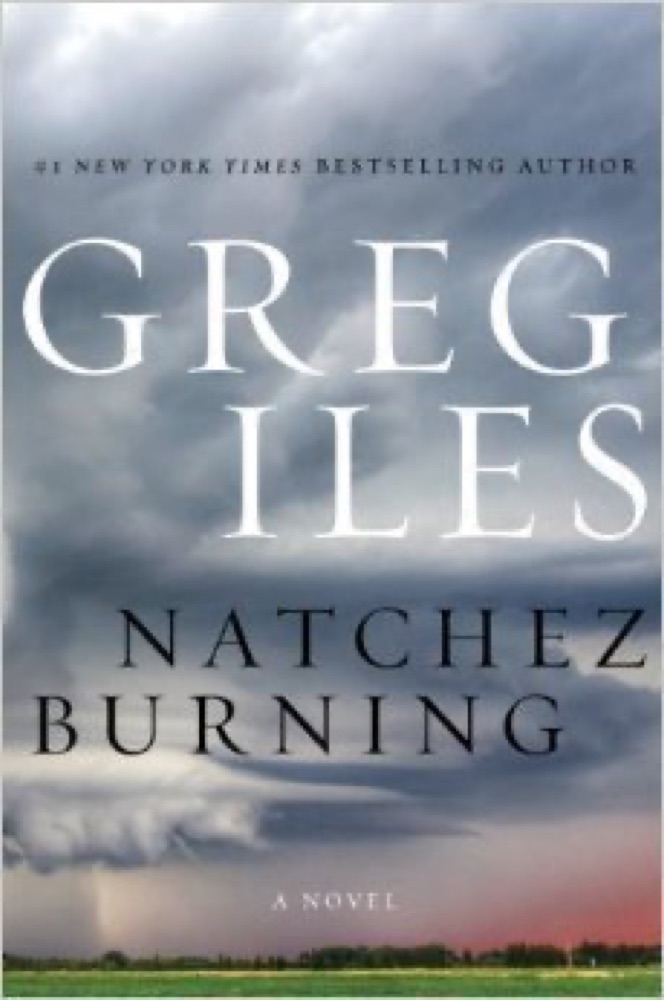 Natchez Burning
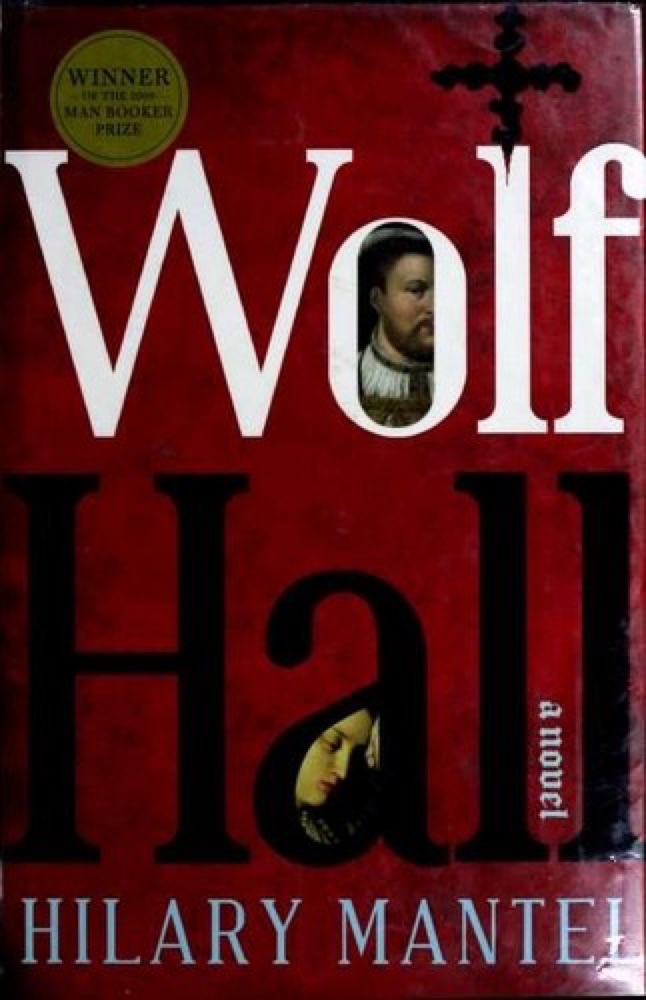 Wolf Hall
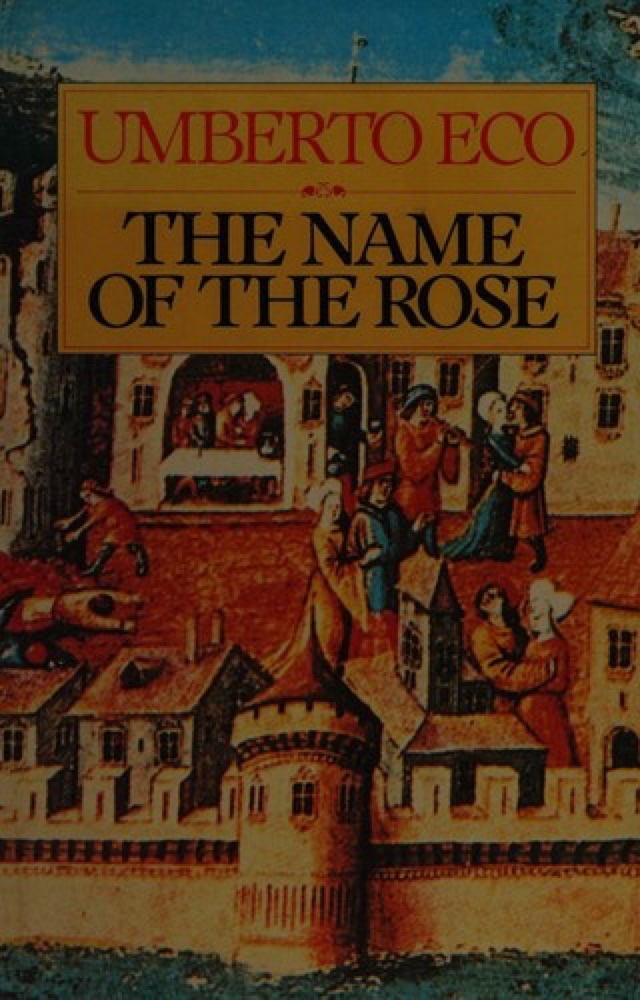 The Name of the Rose
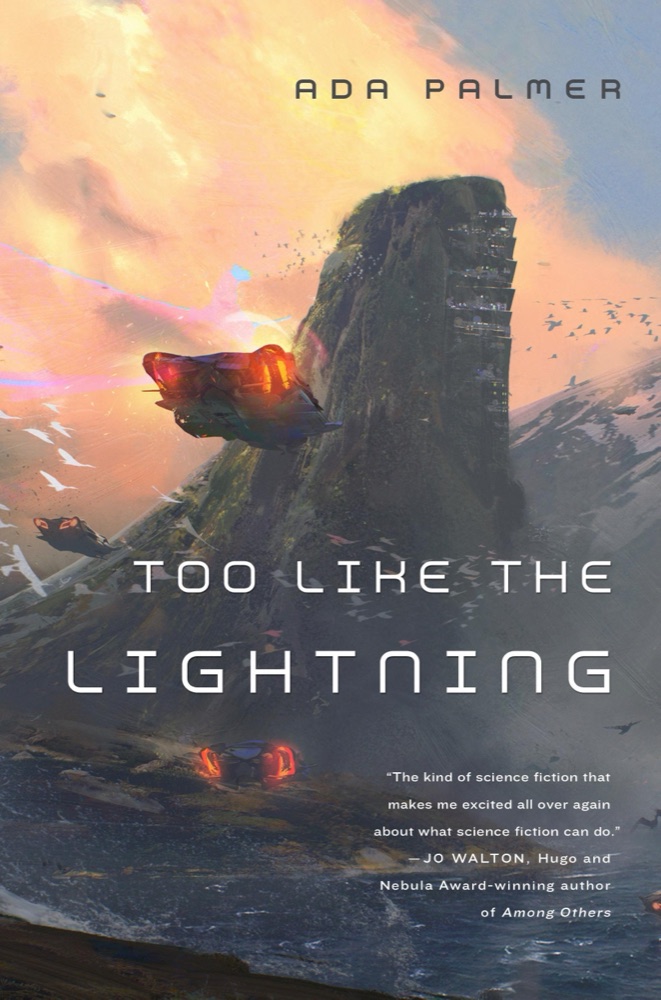 Too Like the Lightning
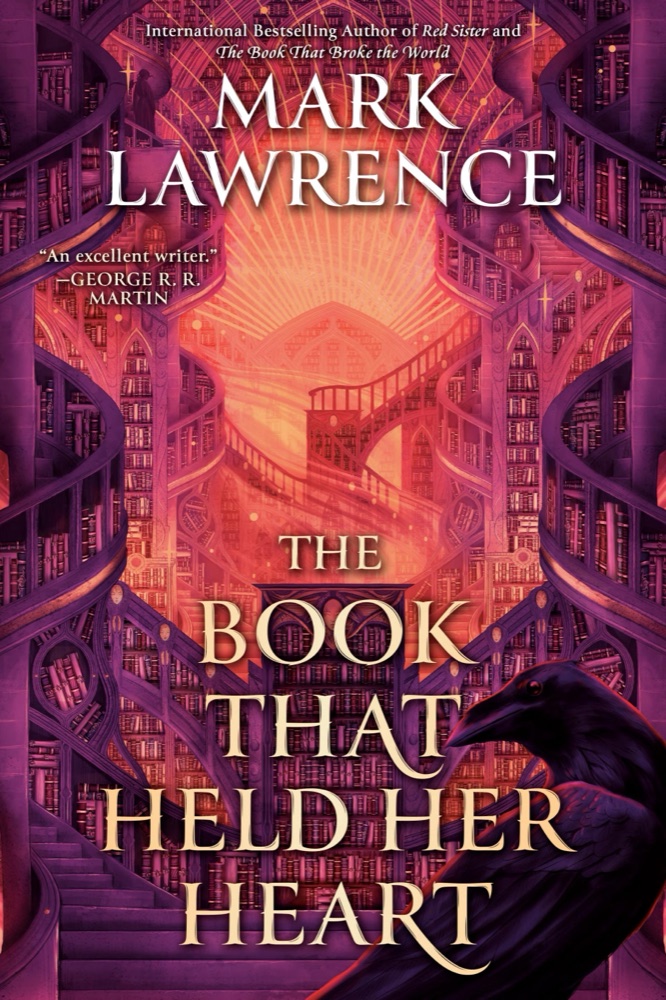 The Book That Held Her Heart
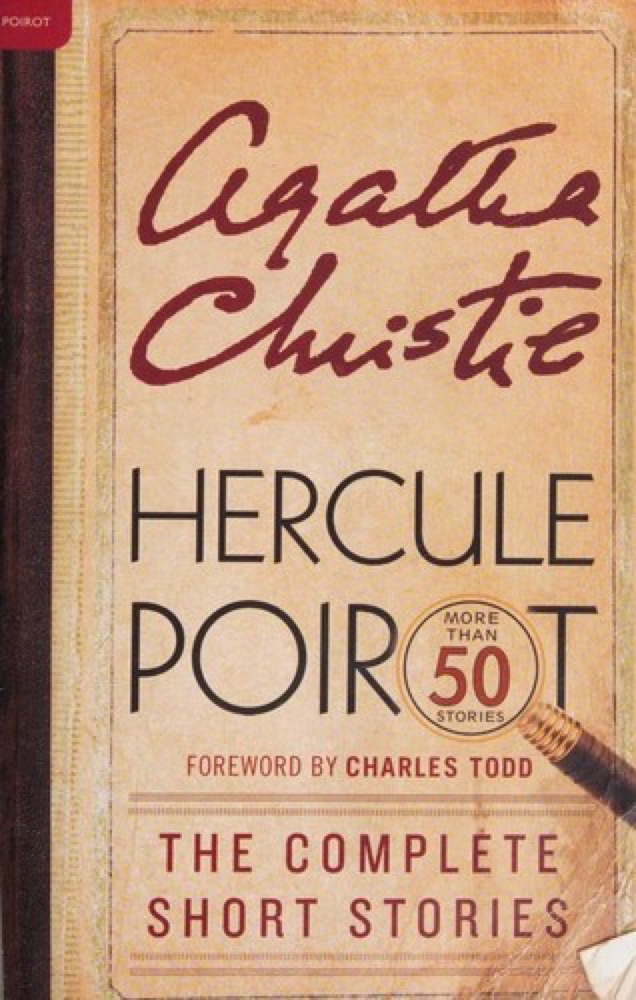 Hercule Poirot: The Complete Short Stories
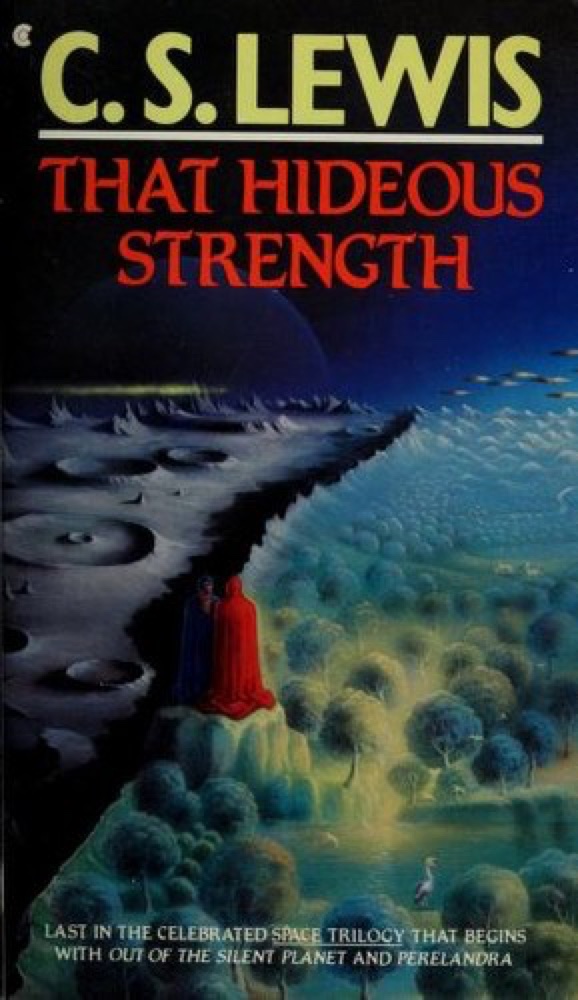 That Hideous Strength
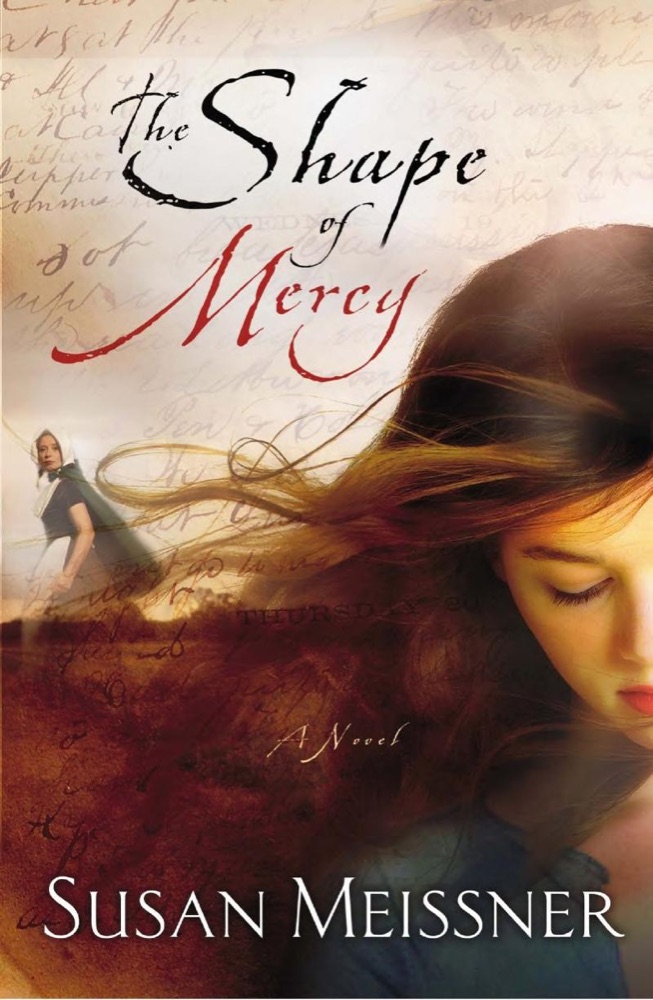 The Shape of Mercy
 Golden State
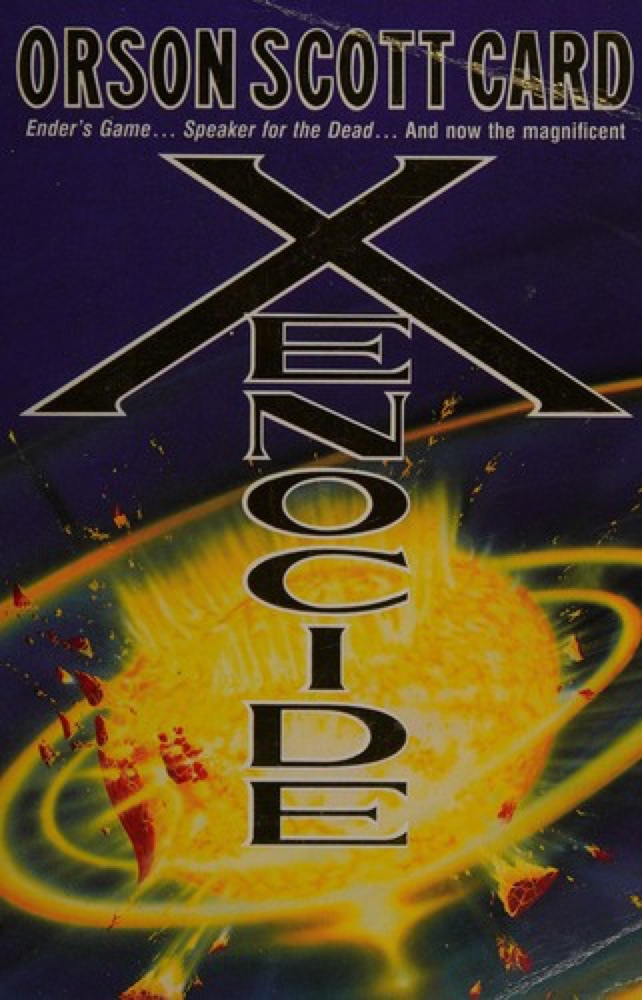 Xenocide
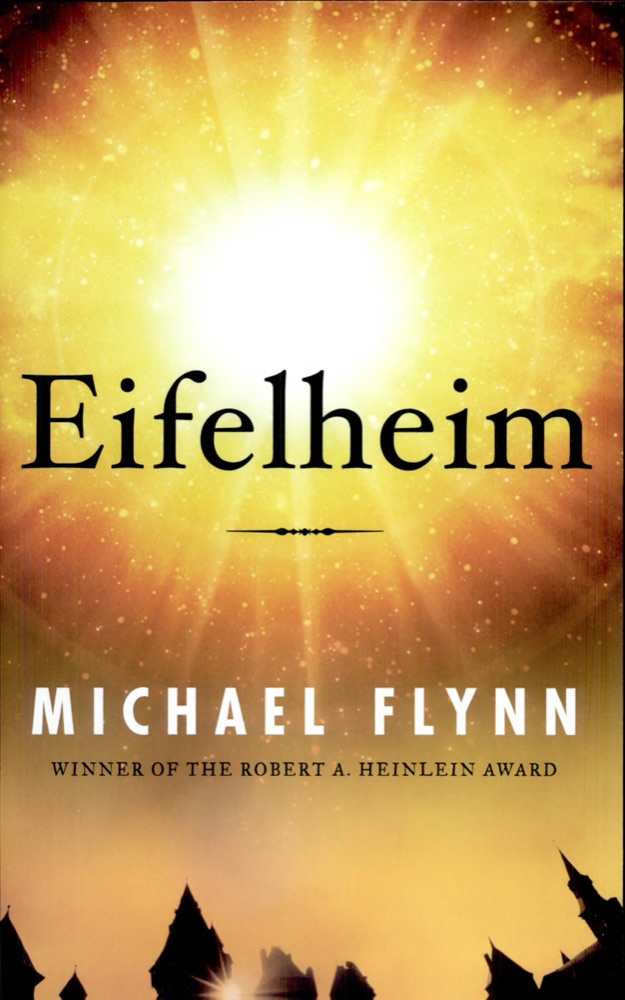 Eifelheim
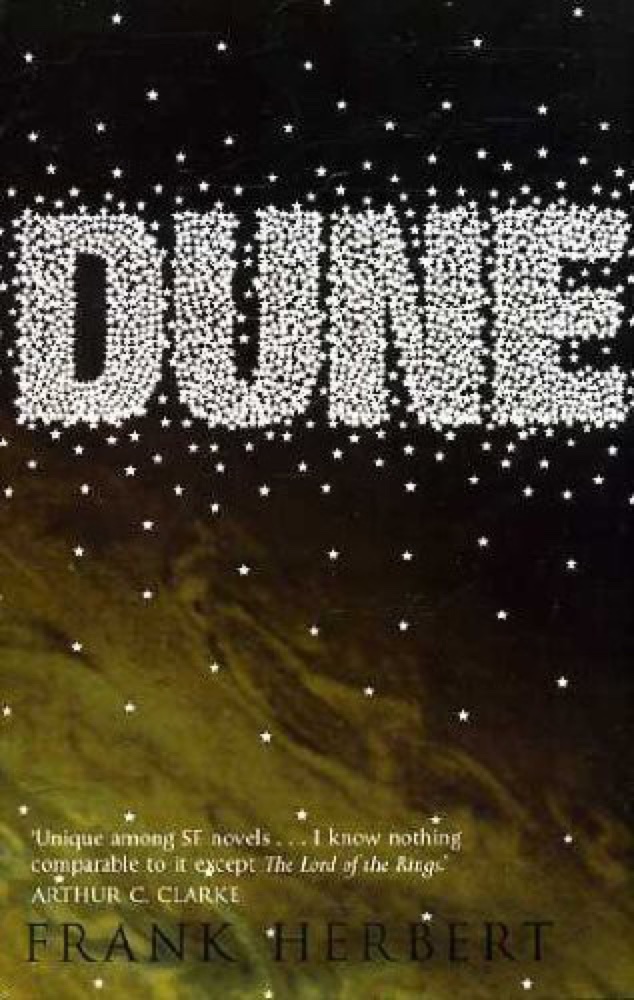 Dune
Dune
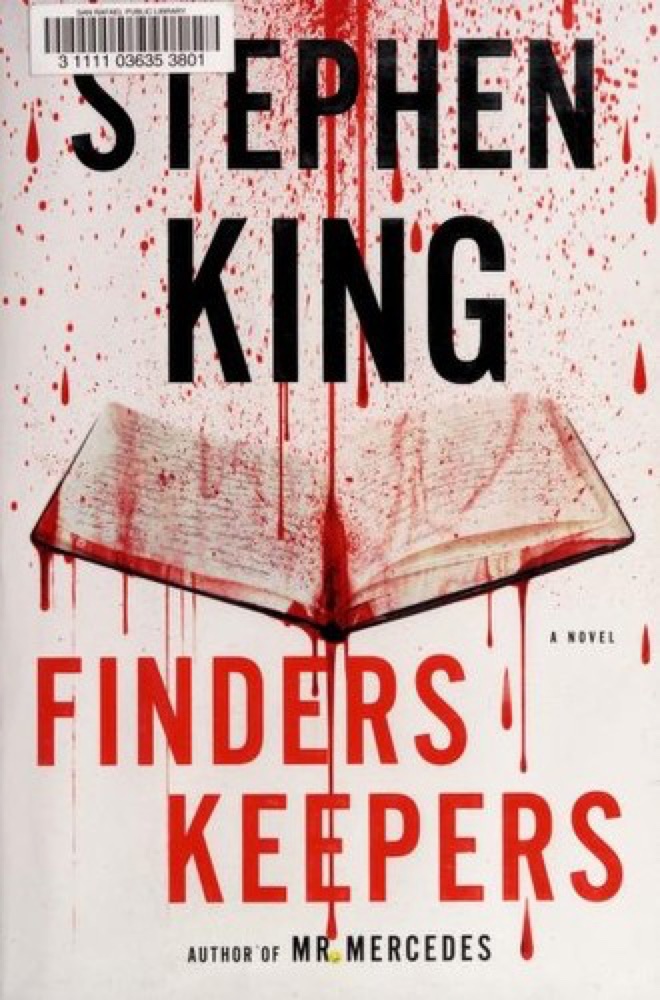 Finders Keepers
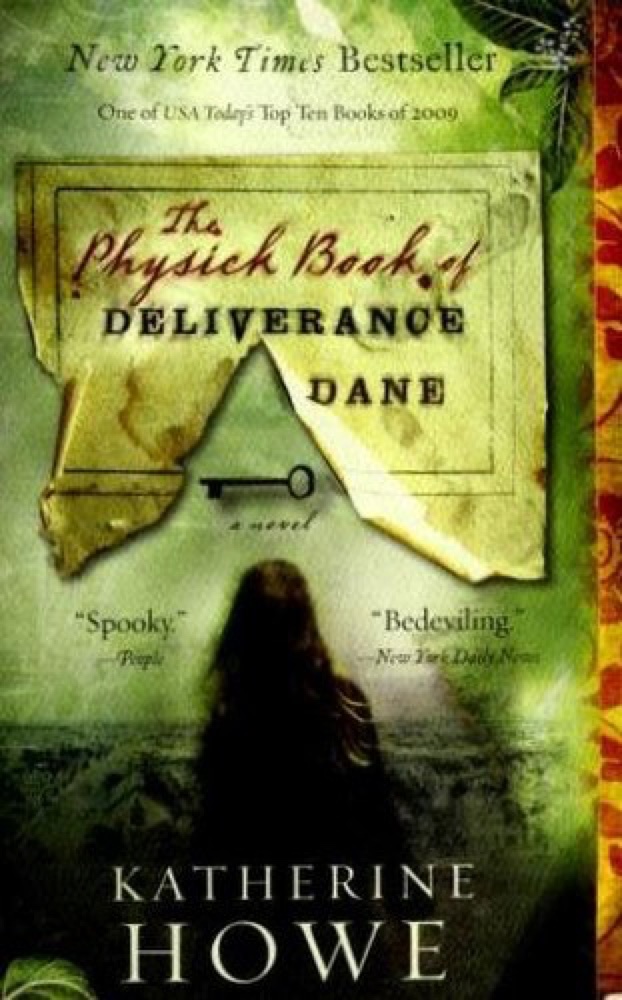 The Physick Book of Deliverance Dane
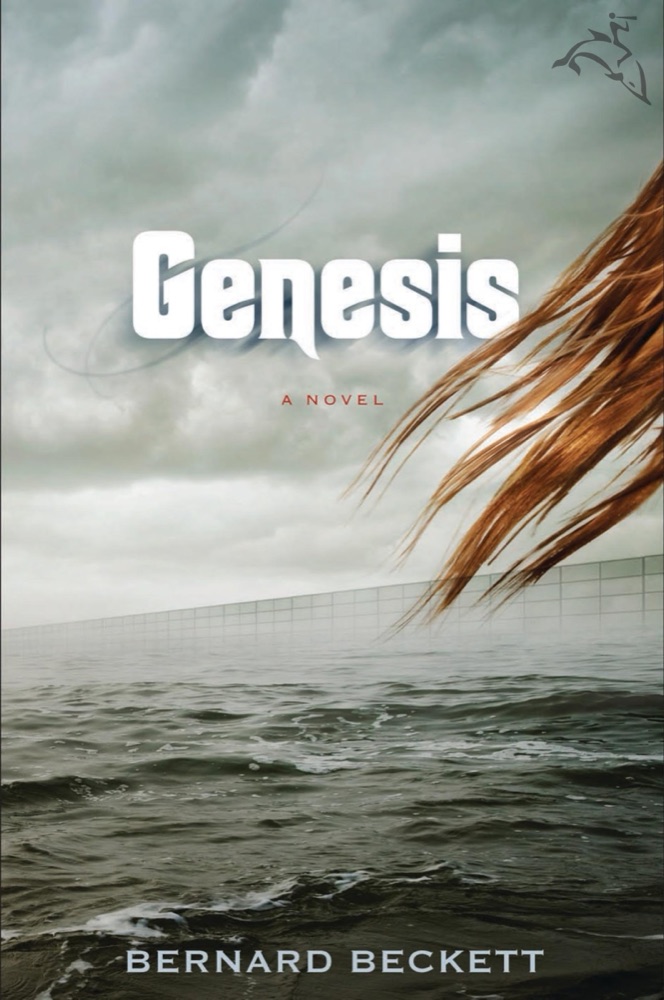 Genesis
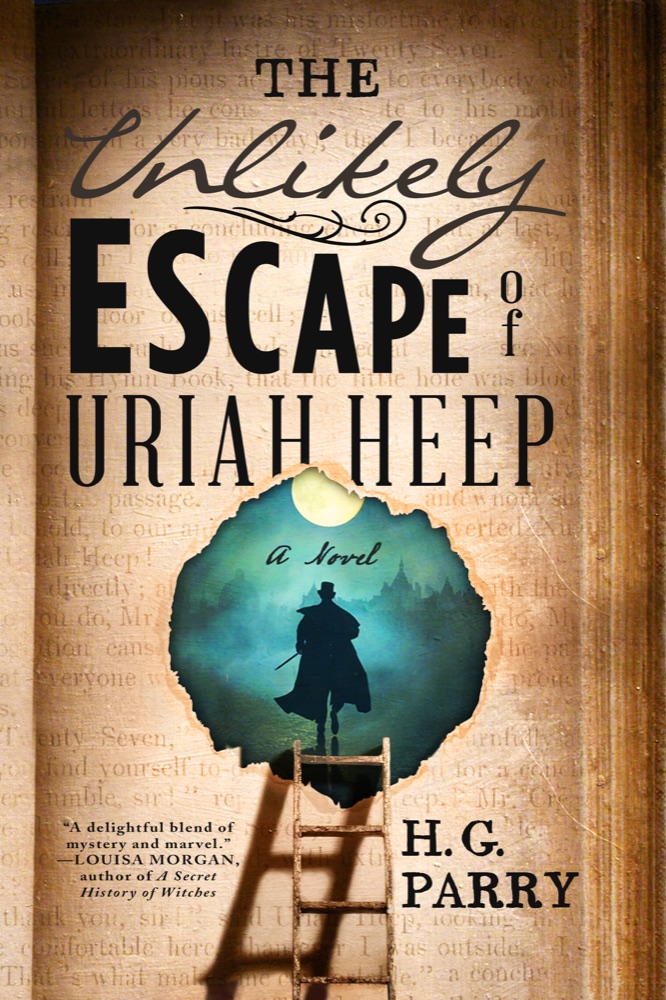 The Unlikely Escape of Uriah Heep
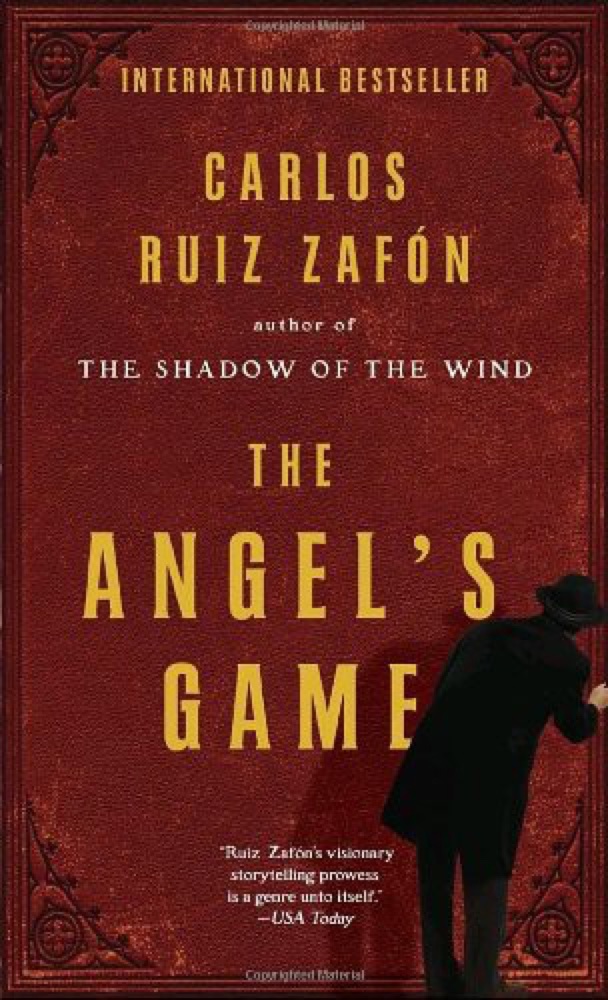 The Angel's Game
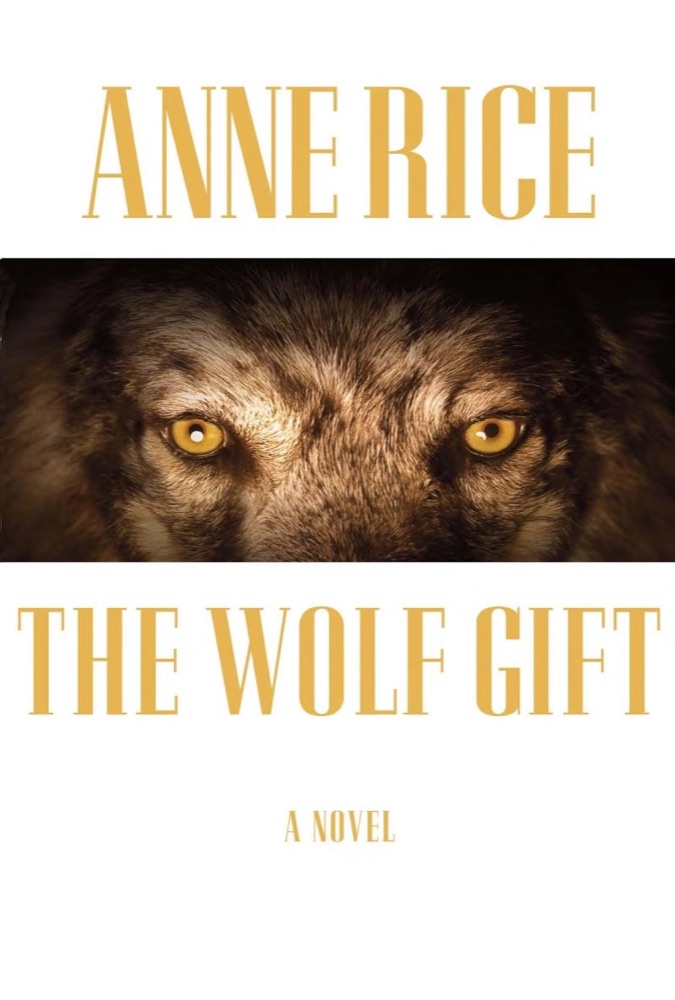 The Wolf Gift
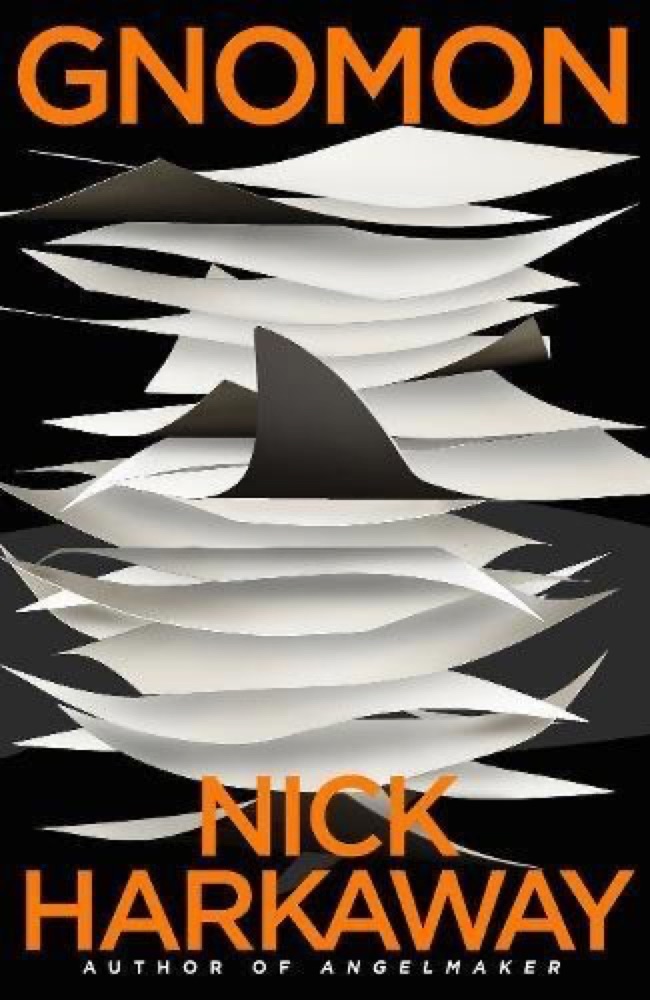 Gnomon
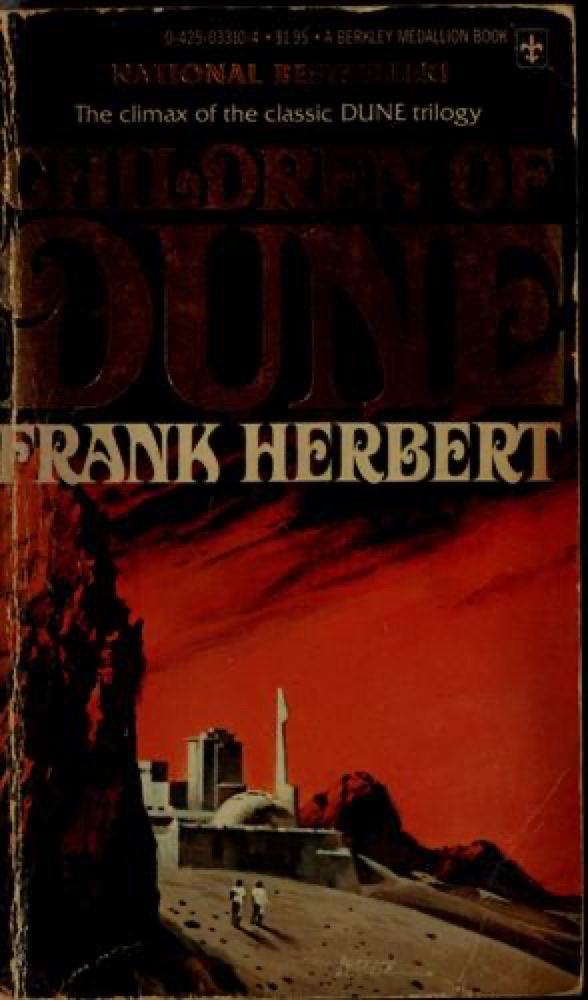 Children of Dune
 An Instance of the Fingerpost
 How to Read Literature Like a Professor
 Cat's Cradle
 The Wise Man's Fear
 The Golden Compass
 The Screwtape Letters
 Children of God
 The Fall
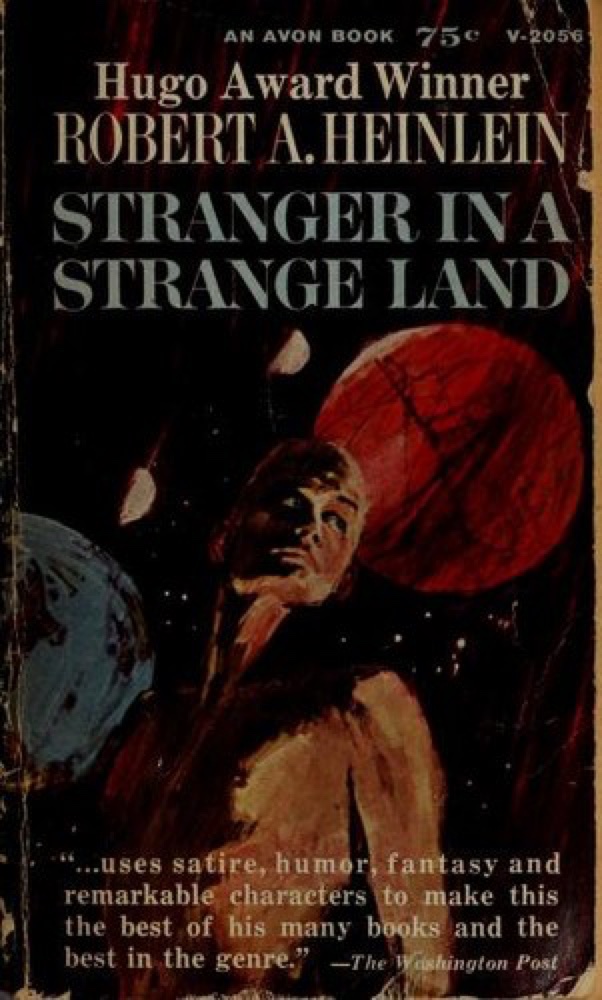 Stranger in a Strange Land
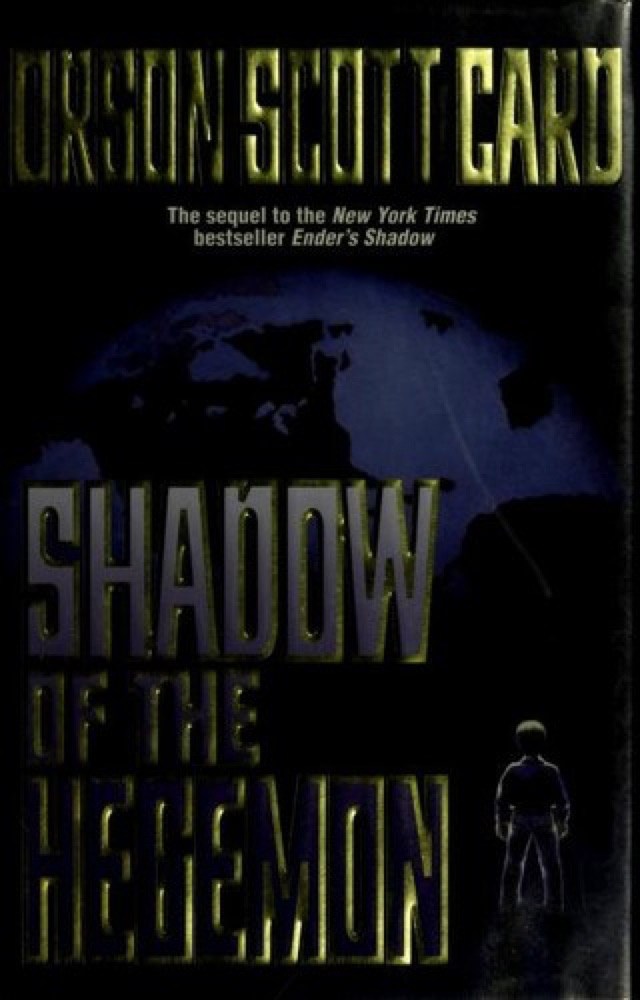 Shadow of the Hegemon
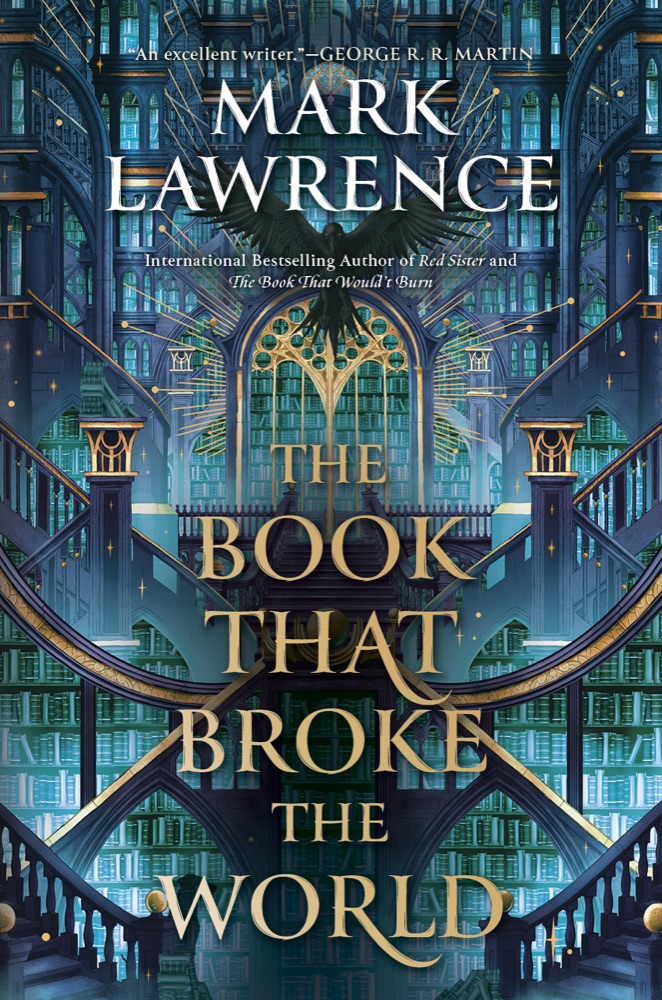 The Book That Broke the World
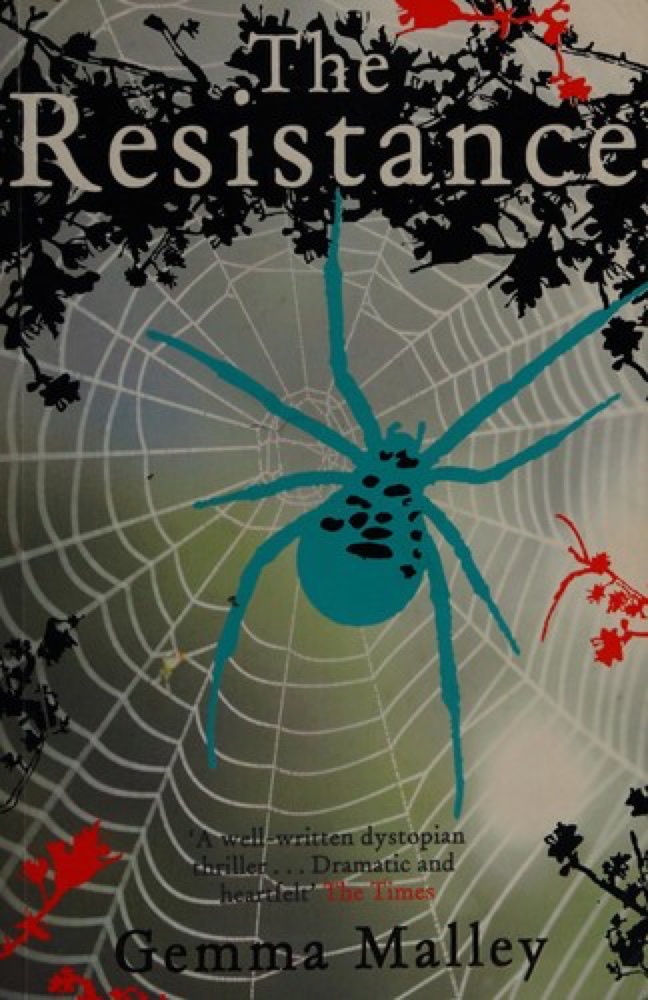 The Resistance
 Lexicon
 Daniel Deronda
 The Magic Mountain
 Chapterhouse: Dune
 The Bourne Identity
 House Corrino
 Foucault's Pendulum
 In the Light of What We Know
 The Fall of Babel
 Skinny Legs and All
 The Jewel in the Crown
 Anathem
 Hyperion
 Shōgun
 The Rebel Angels
 The Meaning of It All: Thoughts of a Citizen-Scientist