
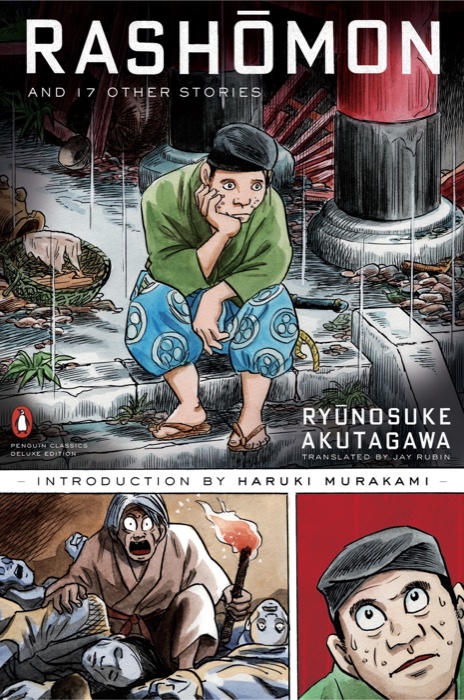
 Rashōmon and Seventeen Other Stories
Quotes from the Book
He wanted to live life so intensely that he could die at any moment without regrets.
97
What is the life of a human being—a drop of dew, a flash of lightning? This is so sad, so sad.
76
It's not so much that I want to die as that I'm tired of living.
68
Life is not worth a single line of Baudelaire.
49
As he thought about his life, he felt both tears and mockery welling up inside him. All that lay before him was madness or suicide. He walked down the darkening street alone, determined now to wait for the destiny that would come to annihilate him.
35
I may wear the skin of an urbane sophisticate, but in this manuscript I invite you to strip it off and laugh at my stupidity.
28
A shimmering of heat— Outside the grave Alone I dwell.
23
But he knew well enough what was wrong with him: he was ashamed of himself and afraid of them – afraid of the society he so despised.
21
Why did this one have to be born – to come into the world like all the others, this world so full of suffering? Why did this one have to bear the destiny of having a father like me? This was the first son his wife bore him.
19
It’s scary what greed can do to people, don’t you think?
18
Do I still love this woman? he asked himself. He was in the habit of observing himself so closely that the answer came as a surprise to him: I do.
17
At twenty-nine, life no longer held any brightness for him, but Voltaire supplied him with man-made wings.
13
He felt something like a sneer for his own spiritual bankruptcy (he was aware of all of his faults and weak points, every single one of them), but he went on reading one book after another.
12
He envied medieval men’s ability to find strength in God. But for him, believing in God – in God’s love – was an impossibility, though even Cocteau had done it!
10
He often wondered, in that suburban second story, if people who loved each other had to cause each other pain.
10
One chilly autumn evening, he was reminded of the painter by a stalk of corn: the way it stood there armed in its rough coat of leaves, exposing its delicate roots atop the mounded earth like so many nerves, it was also a portrait of his own most vulnerable self. The discovery only served to increase his melancholy.
9
Just as he reached the point of utter exhaustion, he happened to read Raymond Radiguet’s dying words, ‘God’s soldiers are coming to get me,’ and sensed once again the laughter of the gods.
6
Why do you attack the present social system? Because I see the evils that capitalism has engendered. Evils? I thought you recognized no difference between good and evil. How do you make a living, then? He engaged thus in dialogue with an angel – an angel in an impeccable top hat.
5
Oh come on, killing a man is not as big a thing as people like you seem to think. If you’re going to take somebody’s woman, a man has to die. When I kill a man, I do it with my sword, but people like you don’t use swords. You gentlemen kill with your power, with your money, and sometimes just with your words: you tell people you’re doing them a favor. True, no blood flows, the man is still alive, but you’ve killed him all the same. I don’t know whose sin is greater – yours or mine.
5
He barely made it through each day in the gloom, leaning as it were upon a chipped and narrow sword.
4
True, the Van Gogh was just a book of reproductions, but even in the photographs of those paintings, he sensed the vivid presence of nature.
4
Once he had finished writing ‘The Life of a Stupid Man’, he happened to see a stuffed swan in a secondhand shop. It stood with its head held high, but its wings were yellowed and moth-eaten. As he thought about his life, he felt both tears and mockery welling up inside him. All that lay before him was madness or suicide. He walked down the darkening street alone, determined now to wait for the destiny that would come to annihilate him.
3
He tended to think that Goethe’s title ‘Poetry and Truth’ could serve for anyone’s autobiography, but he knew that not everyone is moved by literature. His own works were unlikely to appeal to people who were not like him and had not lived a life like his – this was another feeling that worked upon him.
3
Beneath these skies, he married his wife anew. This brought them joy, but there was suffering as well. With them, their three sons watched the lightning over the open sea. His wife, holding one of the boys in her arms, seemed to be fighting back tears. ‘See the boat over there?’ he asked her. ‘Yes …’ ‘That boat with the mast cracked in two…
3
Magic Flute – Mozart.’ All at once it became clear to him: Mozart too had broken the Ten Commandments and suffered. Probably not the way he had, but … He bowed his head and returned to his table in silence.
3
He saw his contract, written on a single sheet of yellow paper, as a great source of strength. Later, however, he came to realize that the contract saddled him with all the obligations and the company with none.
3
The day after he married her, he delivered a scolding to his wife: ‘No sooner do you arrive here than you start wasting our money.’ But the scolding was less from him than from his aunt, who had ordered him to deliver it. His wife apologized to him, of course, and to the aunt as well – with the potted jonquils she had bought for him in the room.
3
You fellows still have a strong will to live, I suppose?’ ‘Yes, of course, but you, too…’ ‘Not anymore,’ he said. He was telling the truth. At some point he had lost interest in life. ‘I do have the will to create, though.’ ‘But surely the will to create is a form of the will to live…?
2
He had barely read two pages when he caught himself with a sour smile. So – the lies that Strindberg wrote to his lover, the Countess, were hardly different from his own.
2
Watch on YouTube
About Ryūnosuke Akutagawa
We have collected 49 quotes from 3 books by Ryūnosuke Akutagawa on BookQuoters.
More about the author →More by Ryūnosuke Akutagawa
Rashōmon and Seventeen Other Stories
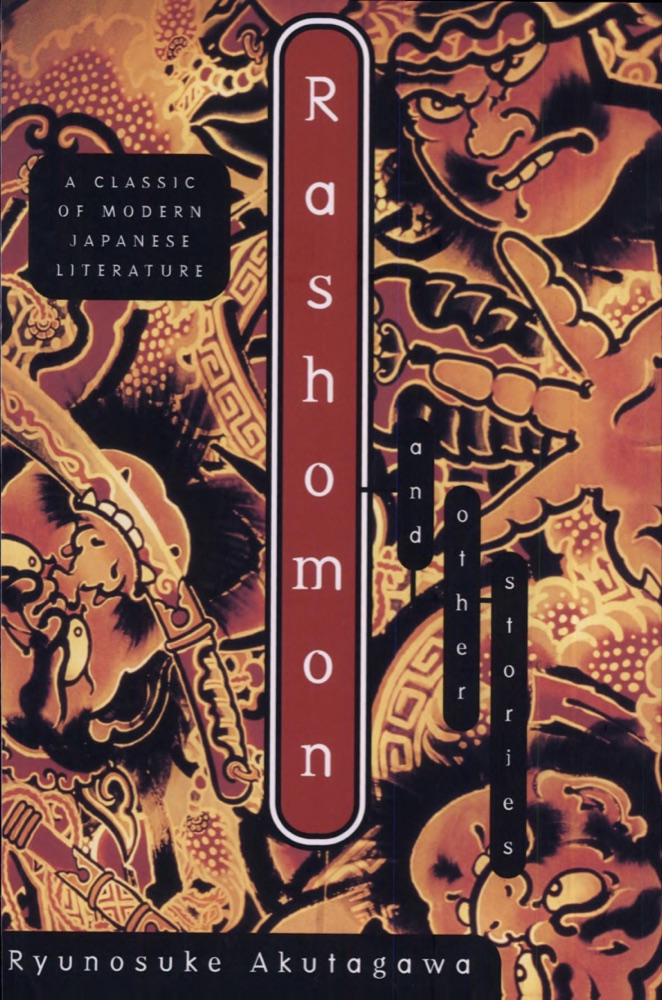 Rashomon and Other Stories
About the book
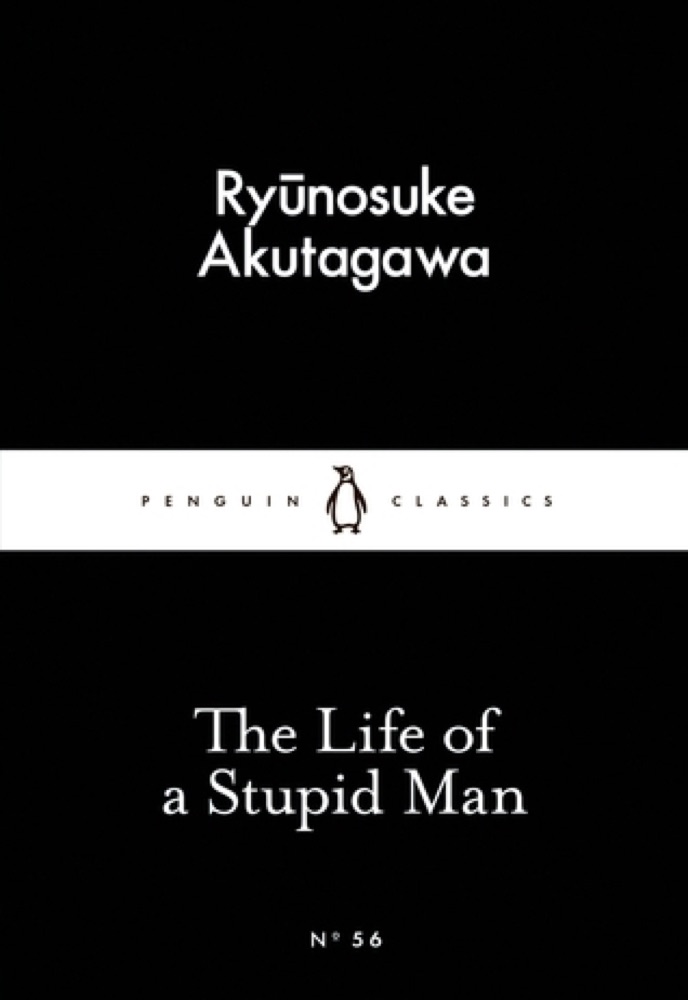
"The Life of a Stupid Man" by Ryunosuke Akutagawa is a semi-autobiographical short story composed of fragmented vignettes. It reflects the author's inner turmoil, depression, and growing sense of alienation toward life.
Through 51 brief sections, the narrative offers glimpses into the protagonist's memories, emotions, and thoughts, blending reality with fiction. It explores themes such as loneliness, regret, fear of death, and the struggle for meaning. The fragmented structure mirrors the disjointed state of the protagonist’s mind, making the story an introspective and poignant meditation on the fragility of life.
This work, written shortly before Akutagawa’s suicide, is often seen as a testament to his personal despair.
Akutagawa's Rashomon and Seventeen Other Stories is also available in Penguin Classics.
Book details
- First published
- 1927
- Author
- Ryūnosuke Akutagawa
- Genre
- Classics
- Goodreads rating
- 3.66 (12k ratings)
Keep reading
Rashōmon and Seventeen Other Stories
 An Orchestra of Minorities
 Martin Eden
 Dubliners
 Miss Lonelyhearts
 Of Human Bondage
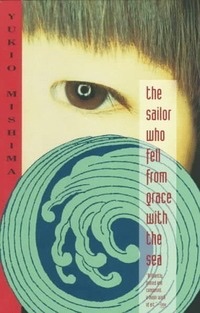 The Sailor Who Fell from Grace with the Sea
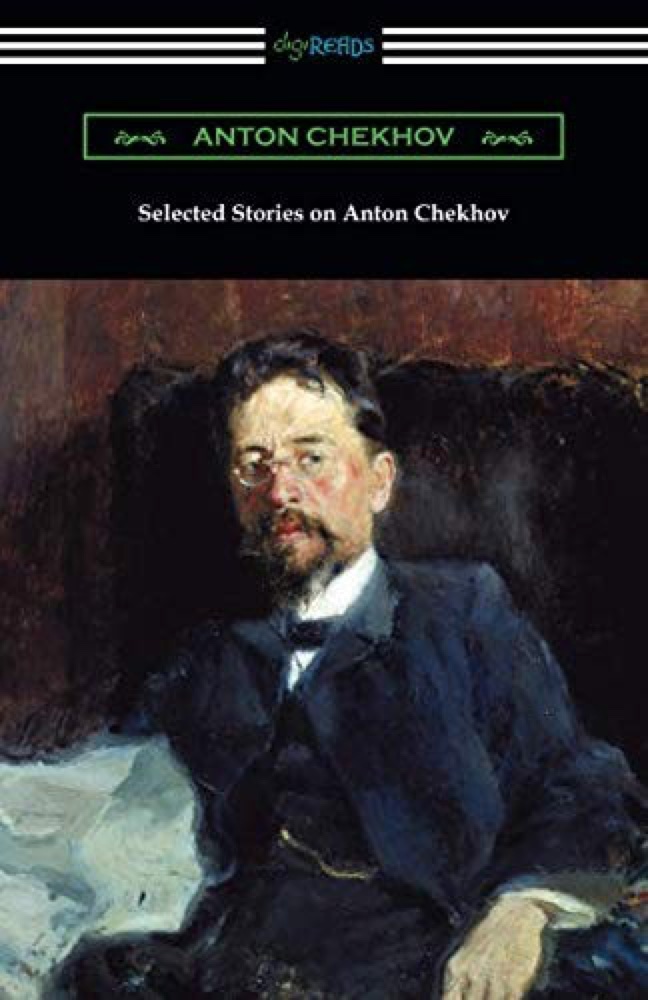 Selected Stories of Anton Chekhov
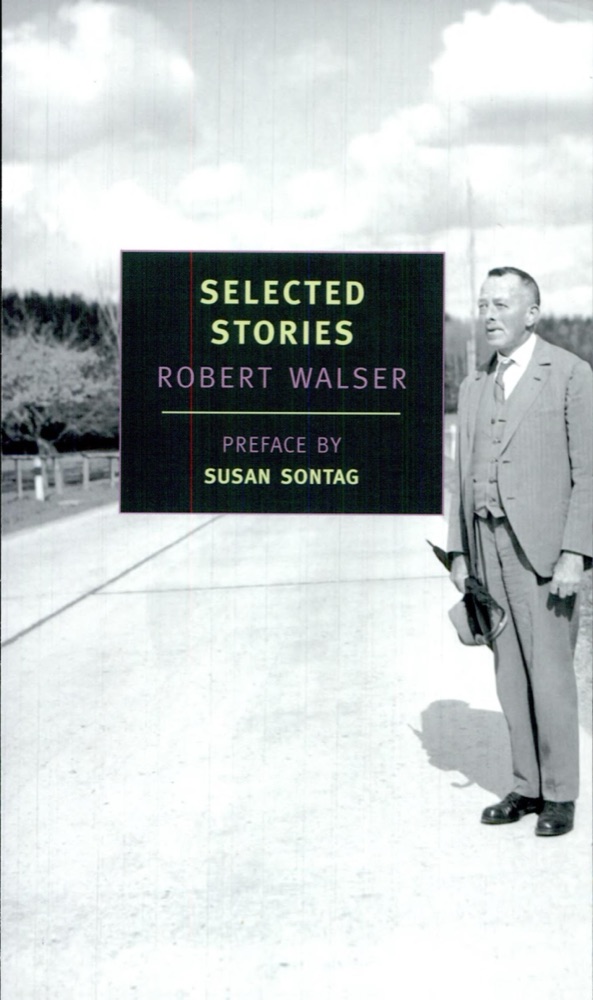 Selected Stories
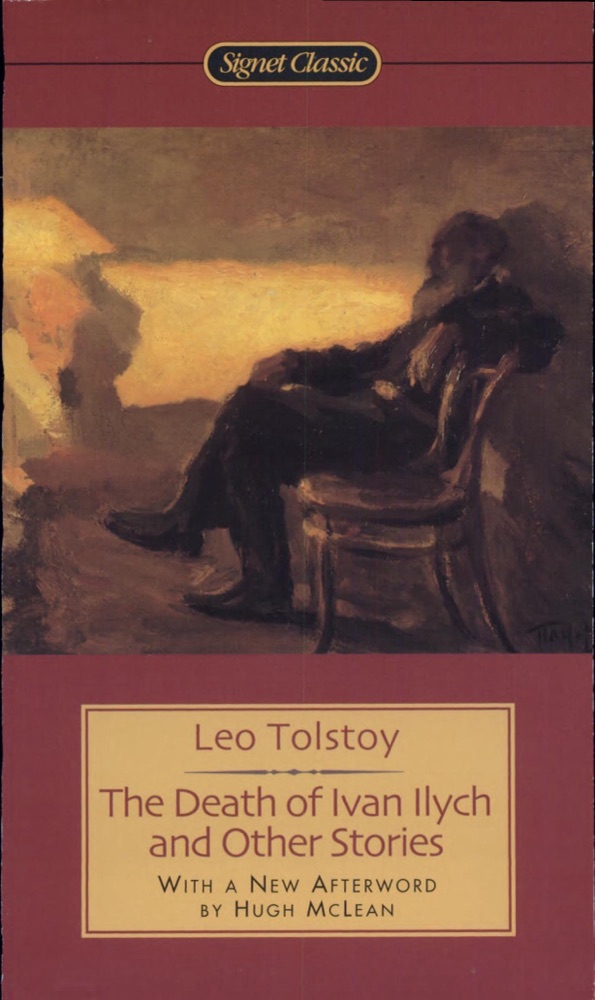 The Death of Ivan Ilych and Other Stories
 The Damnation Game
 The Ministry of Fear
 A Burnt-Out Case
 The First Man
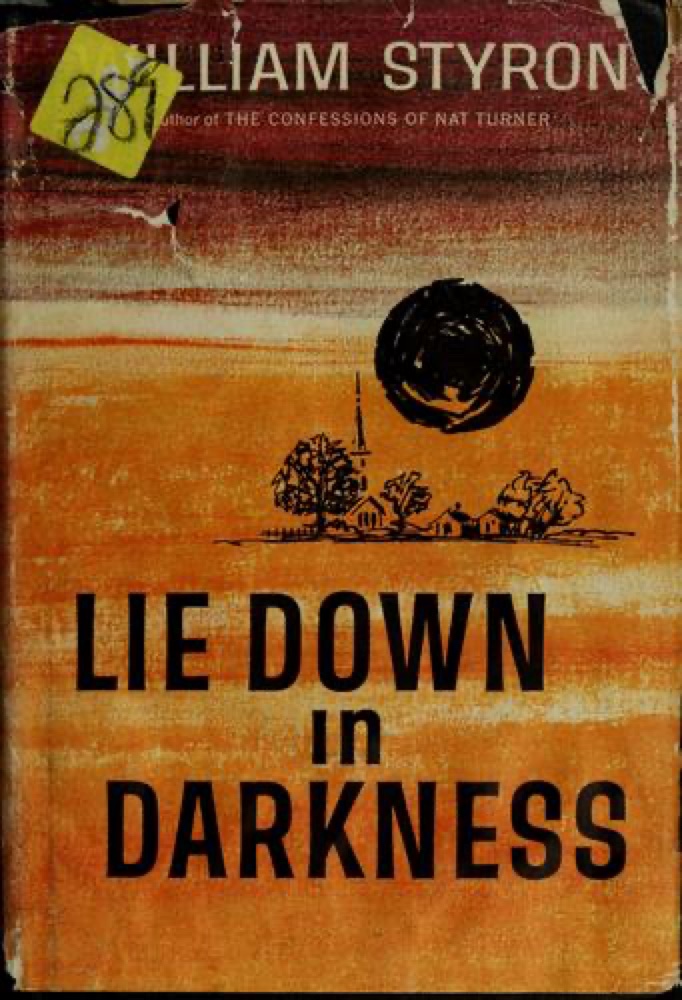 Lie Down in Darkness
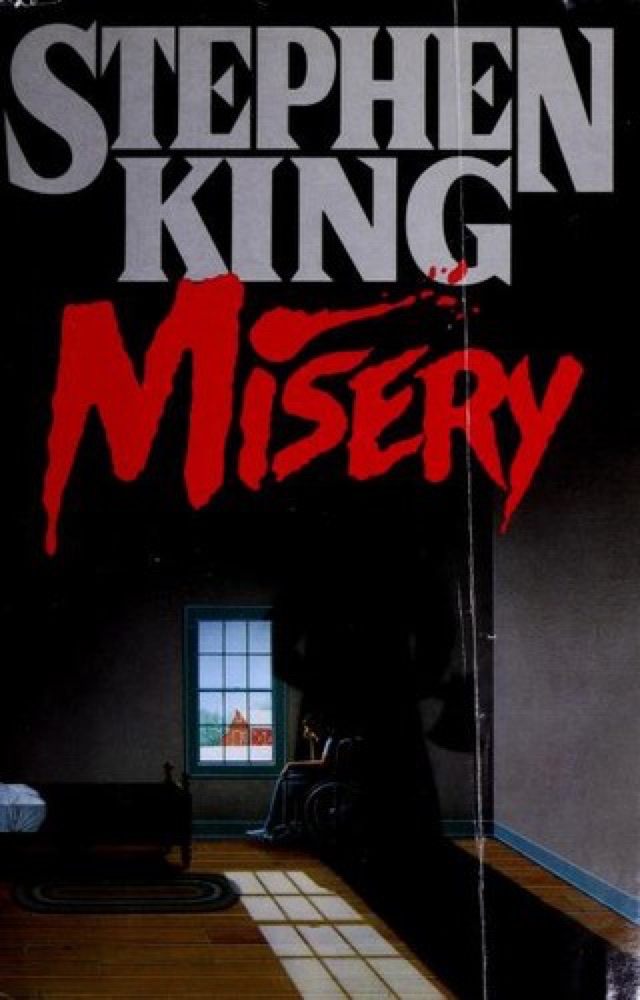 Misery
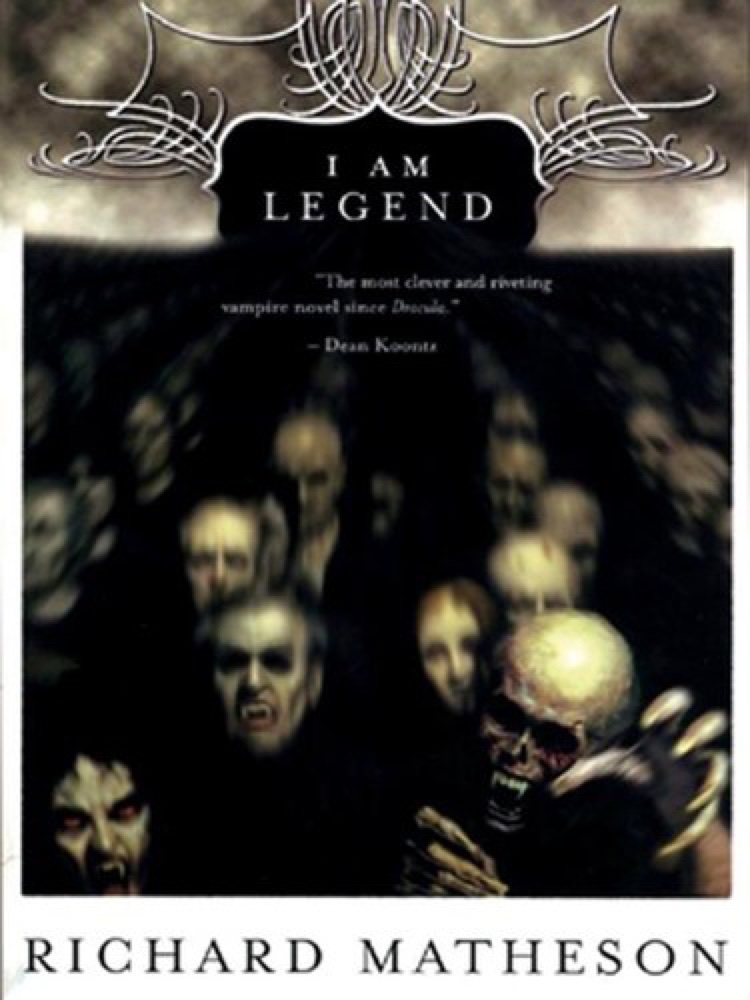 I Am Legend and Other Stories
 The Story of the Lost Child
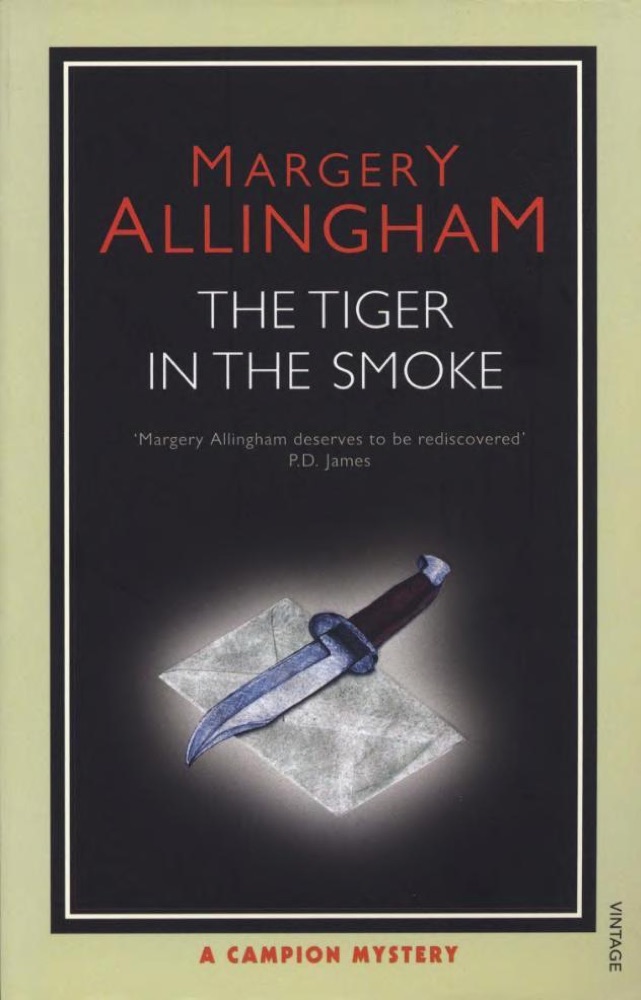 The Tiger in the Smoke
 Dead Souls
 The Narrow Road to the Deep North
 Knots and Crosses
 The Beast in the Jungle
 The Man Without Qualities
 Another Country
 Seven Who Were Hanged
 Fathers and Sons
 Life for Sale
 Heart of Darkness
 Light in August
 The Real Life of Sebastian Knight
 The Loser
 Stoner
 The Corrections
 Lord Foul's Bane
 Orlando
 The Heart of the Matter
 The Burning Soul
 Crime and Punishment
 The Naked and the Dead
 The Complete Short Novels
 Giovanni's Room
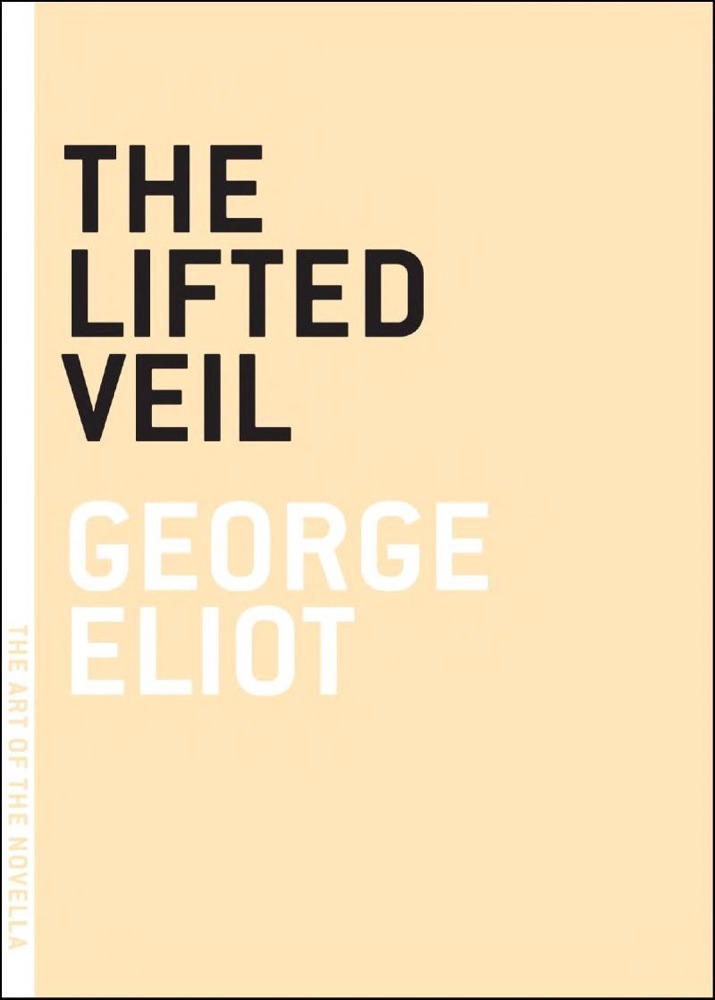 The Lifted Veil
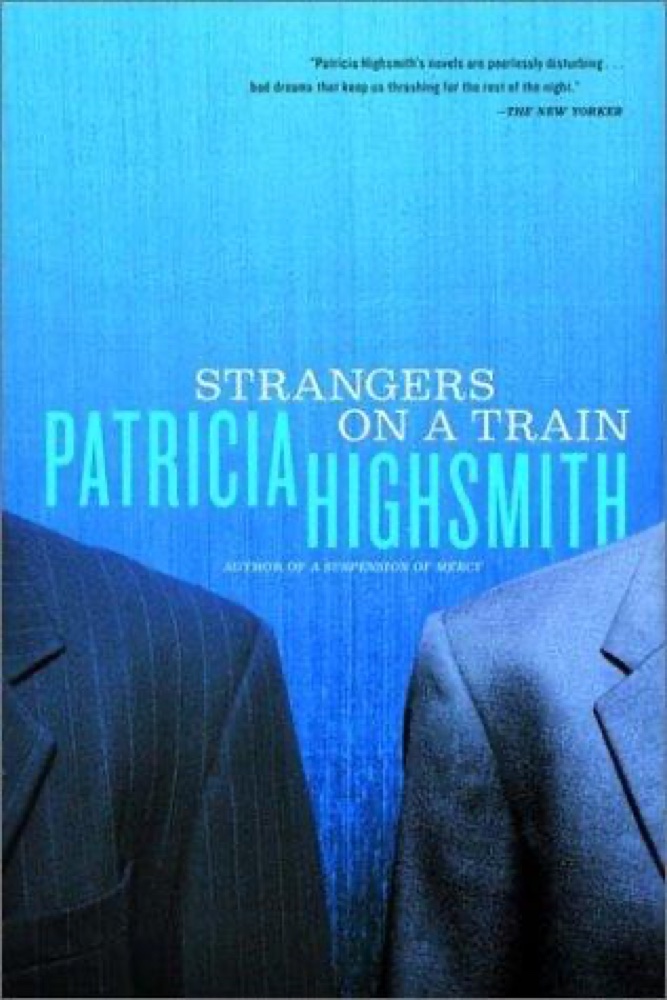 Strangers on a Train
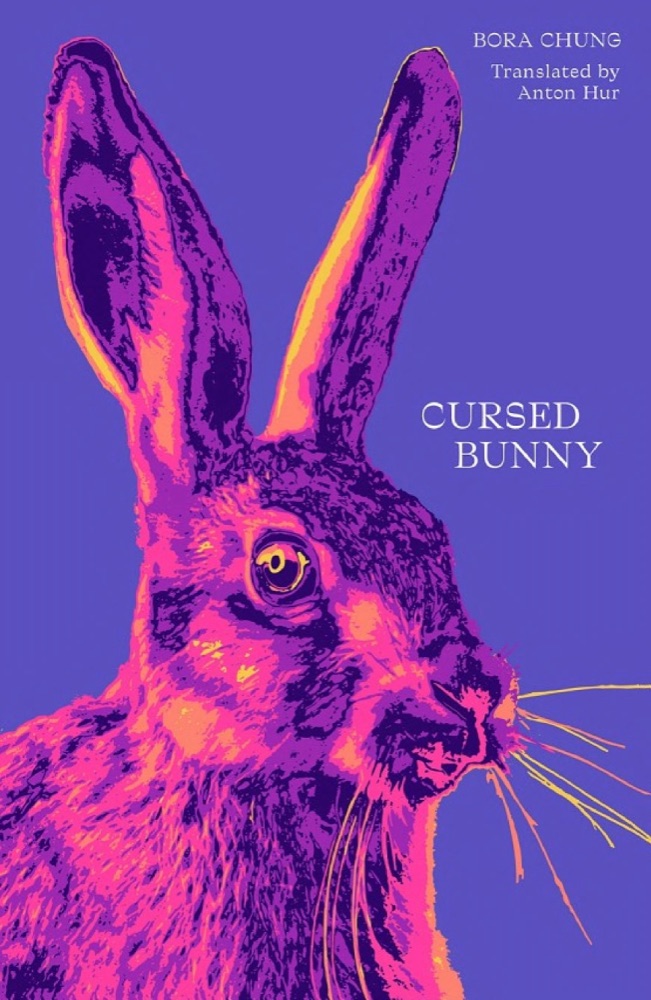 Cursed Bunny
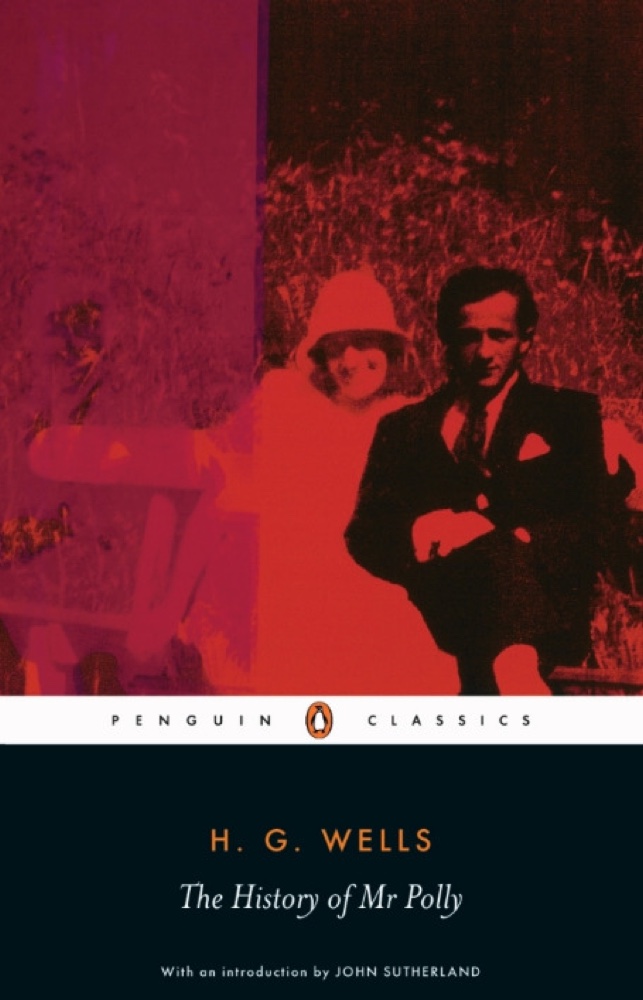 The History of Mr. Polly
 Men Without Women
 This Is Happiness
 The Collected Tales of Nikolai Gogol
 The Master
 The Professor's House
 A Hero of Our Time
 The Age of Reason
 The Second Coming
 The Tunnel
 London Fields
 The Island of Dr. Moreau
 His Dark Materials
 V.
V.
 Call for the Dead