

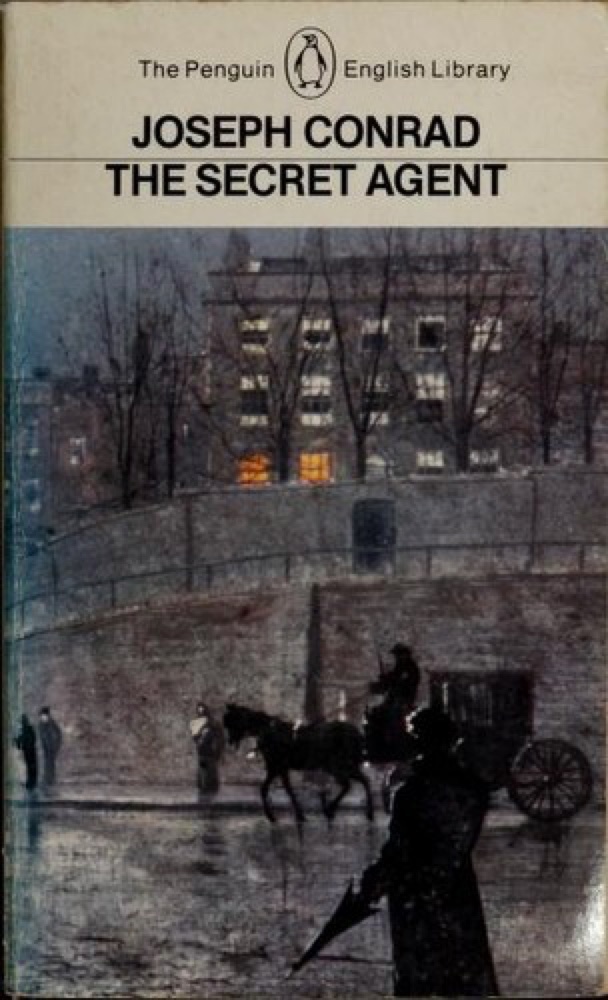
 The Secret Agent
Quotes from the Book
It was written I should be loyal to the nightmare of my choice.
I don't like work--no man does--but I like what is in the work--the chance to find yourself. Your own reality--for yourself not for others--what no other man can ever know. They can only see the mere show, and never can tell what it really means.
Your strength is just an accident arising from the weakness of others.
No, it is impossible; it is impossible to convey the life-sensation of any given epoch of one’s existence--that which makes its truth, its meaning--its subtle and penetrating essence. It is impossible. We live, as we dream--alone.
Droll thing life is -- that mysterious arrangement of merciless logic for a futile purpose. The most you can hope from it is some knowledge of yourself -- that comes too late -- a crop of inextinguishable regrets.
He struggled with himself, too. I saw it -- I heard it. I saw the inconceivable mystery of a soul that knew no restraint, no faith, and no fear, yet struggling blindly with itself.
The mind of man is capable of anything.
But his soul was mad. Being alone in the wilderness, it had looked within itself and, by heavens I tell you, it had gone mad.
We live in the flicker -- may it last as long as the old earth keeps rolling! But darkness was here yesterday.
It seems to me I am trying to tell you a dream--making a vain attempt, because no relation of a dream can convey the dream-sensation, that commingling of absurdity, surprise, and bewilderment in a tremor of struggling revolt, that notion of being captured by the incredible which is of the very essence of dreams...No, it is impossible; it is impossible to convey the life-sensation of any given epoch of one's existence--that which makes its truth, its meaning--its subtle and penetrating essence. It is impossible. We live, as we dream-alone...
You know I hate, detest, and can't bear a lie, not because I am straighter than the rest of us, but simply because it appals me. There is a taint of death, a flavour of mortality in lies - which is exactly what I hate and detest in the world - what I want to forget.
We penetrated deeper and deeper into the heart of darkness
We live as we dream - alone. While the dream disappears, the life continues painfully.
Even extreme grief may ultimately vent itself in violence--but more generally takes the form of apathy
It echoed loudly within him because he was hollow at the core.
They trespassed upon my thoughts. They were intruders whose knowledge of life was to me an irritating pretense, because I felt so sure they could not possibly know the things I knew. Their bearing, which was simply the bearing of commonplace individuals going about their business in the assurance of perfect safety, was offensive to me like the outrageous flauntings of folly in the face of a danger it is unable to comprehend. I had no particular desire to enlighten them, but I had some difficulty in restraining myself from laughing in their faces, so full of stupid importance.
I have wrestled with death. It is the most unexciting contest you can imagine. It takes place in an impalpable greyness, with nothing underfoot, with nothing around, without spectators, without clamour, without glory, without the great desire of victory, without the great fear of defeat, in a sickly atmostphere of tepid scepticism, without much belief in your own right, and still less in that of your adversary.
Like a running blaze on a plain, like a flash of lightning in the clouds. We live in the flicker.
Do you see the story? Do you see anything? It seems to me I am trying to tell you a dream--making a vain attempt, because no relation of a dream can convey the dream-sensation, that commingling of absurdity, surprise, and bewilderment in a tremor of struggling revolt, that notion of being captured by the incredible which is the very essence of dreams...
the mind of man is capable of anything--because everything is in it, all the past as well as the future
His very existence was improbable, inexplicable, and altogether bewildering. He was an insoluble problem. It was inconceivable how he had existed, how he had succeeded in getting so far, how he had managed to remain -- why he did not instantly disappear.
I couldn't have felt more of lonely desolation somehow, had I been robbed of a belief or had missed my destiny in life...
He hated all this, and somehow he couldn't get away.
Going up that river was like travelling back to the earliest beginnings of the world, when vegetation rioted on the earth and the big trees were kings. An empty stream, a great silence, an impenetrable forest. The air was warm, thick, heavy, sluggish. There was no joy in the brilliance of sunshine. The long stretches of the waterway ran on, deserted, into the gloom of overshadowed distances. On silvery sandbanks hippos and alligators sunned themselves side by side. The broadening waters flowed through a mob of wooded islands; you lost your way on that river as you would in a desert, and butted all day long against shoals, trying to find the channel, till you thought yourself bewitched and cut off forever from everything you had known once -somewhere- far away in another existence perhaps. There were moments when one's past came back to one, as it will sometimes when you have not a moment to spare to yourself; but it came in the shape of an unrestful and noisy dream, remembered with wonder amongst the overwhelming realities of this strange world of plants, and water, and silence. And this stillness of life did not in the least resemble a peace. It was the stillness of an implacable force brooding over an inscrutable intention. It looked at you with a vengeful aspect.
We couldn't understand because we were too far... and could not remember because we were traveling in the night of first ages, those ages that had gone, leaving hardly a sign... and no memories.
Anything approaching the change that came over his features I have never seen before, and hope never to see again. Oh, I wasn't touched. I was fascinated. It was as though a veil had been rent. I saw on that ivory face the expression of sombre pride, of ruthless power, of craven terror--of an intense and hopeless despair. Did he live his life again in every detail of desire, temptation, and surrender during that supreme moment of complete knowledge? He cried in a whisper at some image, at some vision--he cried out twice, a cry that was no more than a breath: The horror! The horror!
Watching a coast as it slips by the ship is like thinking about an enigma. There it is before you, smiling, frowning, inviting, grand, mean, insipid, or savage, and always mute with an air of whispering, "Come and find out".
They were conquerors, and for that you want only brute force--nothing to boast of, when you have it, since your strength is just an accident arising from the weakness of others.
Did you know?
- It was first published as a three-part serial in Blackwood's Magazine in February, March, and April 1899.
- It was collected in book form in 1902 in the volume Youth: A Narrative, and Two Other Stories, published by William Blackwood.
- The story is narrated by Charles Marlow, a character Conrad also used in other works including Lord Jim.
- Kurtz's dying line, "The horror! The horror!", is among the most quoted phrases in English literature.
- The Modern Library ranked it 67th on its 1998 list of the best English-language novels of the 20th century.
- Francis Ford Coppola's 1979 film Apocalypse Now was inspired by the novella, relocating its story to the Vietnam War.
About Joseph Conrad
Joseph Conrad (born Jozef Teodor Konrad Korzeniowski, 1857-1924) was a Polish-British novelist who came from Polish nobility and did not become fluent in English until his twenties. He spent years as a sailor in the British merchant marine before turning to writing, drawing on his maritime experience in works such as Heart of Darkness, Lord Jim, and Nostromo.
More about the author →More by Joseph Conrad
All books by Joseph Conrad →
About the book
Heart of Darkness is a novella by the Polish-British writer Joseph Conrad, first published as a three-part serial in Blackwood's Magazine in 1899 and collected in book form in 1902. Framed as a story told aboard a boat anchored on the Thames, it follows Charles Marlow, a sailor who takes a job as a steamboat captain for a Belgian ivory-trading company and journeys up a great river into the African interior. His mission becomes an obsessive search for Kurtz, a brilliant and celebrated company agent stationed deep in the wilderness who has amassed vast quantities of ivory and been worshipped by the local people, but who has descended into savagery and moral ruin.
At its core the book is an unsparing meditation on European imperialism, greed, and the fragility of the boundary between so-called civilization and savagery. Conrad uses the physical journey upriver as a descent into moral darkness, questioning the exploitation and brutality carried out in the name of trade and progress. Kurtz's dying words, "The horror! The horror!", crystallize the novella's bleak vision of what human beings become when stripped of external restraint and left to their own appetites for power.
One of the most analyzed works in English literature, Heart of Darkness has shaped modern fiction and remains a fixture of university curricula. Its critique of colonialism has also made it a lasting subject of debate, most famously in Chinua Achebe's essay accusing Conrad of racism in his depiction of Africa and Africans. The story's influence extends well beyond the page, most notably inspiring Francis Ford Coppola's 1979 film Apocalypse Now, which transposed its plot to the Vietnam War.
Key characters
- Charles MarlowSailor and narrator who captains a steamboat upriver in search of Kurtz
- KurtzCelebrated ivory-trading agent who has gone mad and been worshipped in the interior
- The ManagerHead of the Central Station, jealous and hostile toward Kurtz
- The Russian traderDevoted young harlequin-clad follower who has cared for the ailing Kurtz
- Kurtz's IntendedKurtz's fiancee in Europe, whom Marlow visits after his death
Book details
- First published
- 1899
- Author
- Joseph Conrad
- Genre
- Classics
- Goodreads rating
- 3.43 (570k ratings) →
- First line
- “The Nellie, a cruising yawl, swung to her anchor without a flutter of the sails, and was at rest.”
Movie & TV adaptations
- IMDb
- IMDb
If you liked this, read…
- 1Lord JimConrad's novel narrated by Marlow, exploring guilt and moral testing at the edge of empire
- 2Things Fall ApartChinua Achebe's counter-narrative of colonialism told from an African perspective
- 3The Poisonwood BibleAnother searching fiction about Western intrusion and moral ruin in the Congo
Keep reading
 Annihilation
 Absalom, Absalom!
 The Magus
 The Secret History
 Hell
Hell
 Tropic of Capricorn
 Steppenwolf
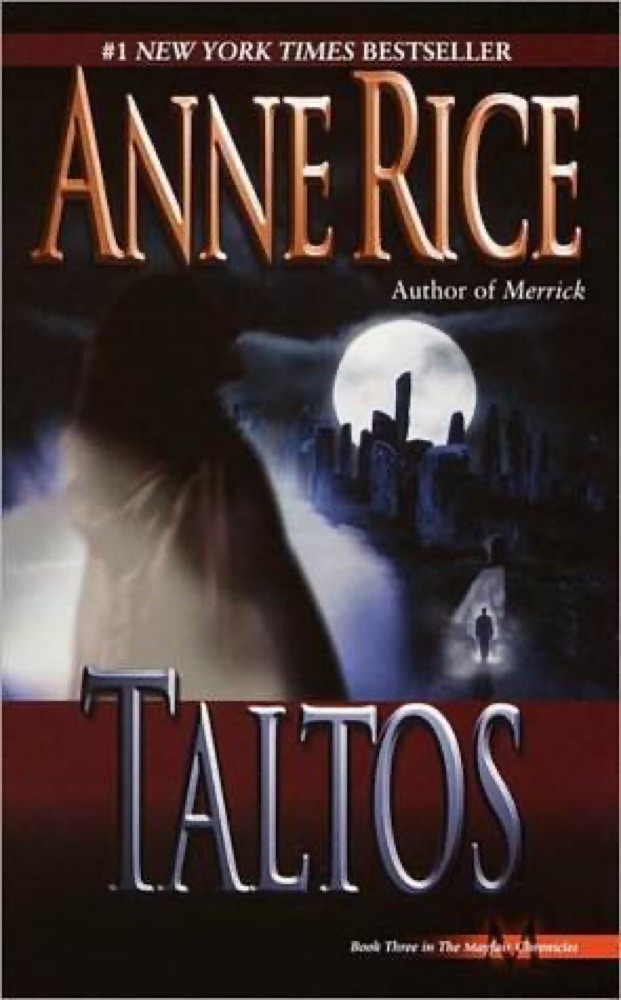 Taltos
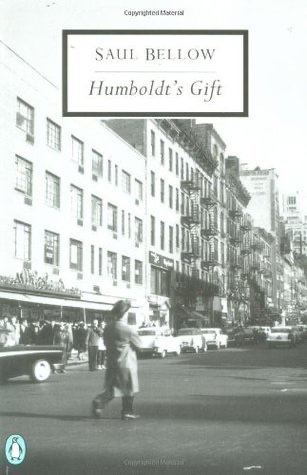 Humboldt's Gift
 Leviathan
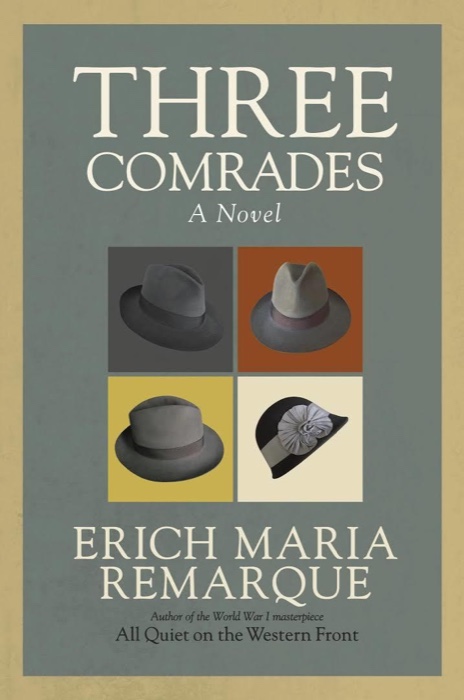 Three Comrades
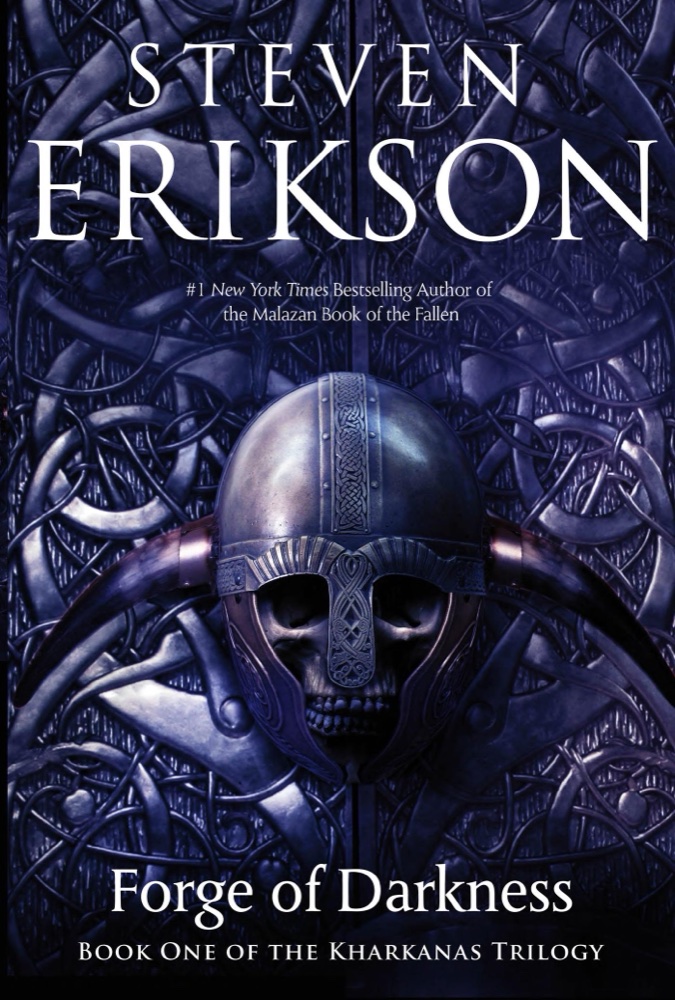 Forge of Darkness
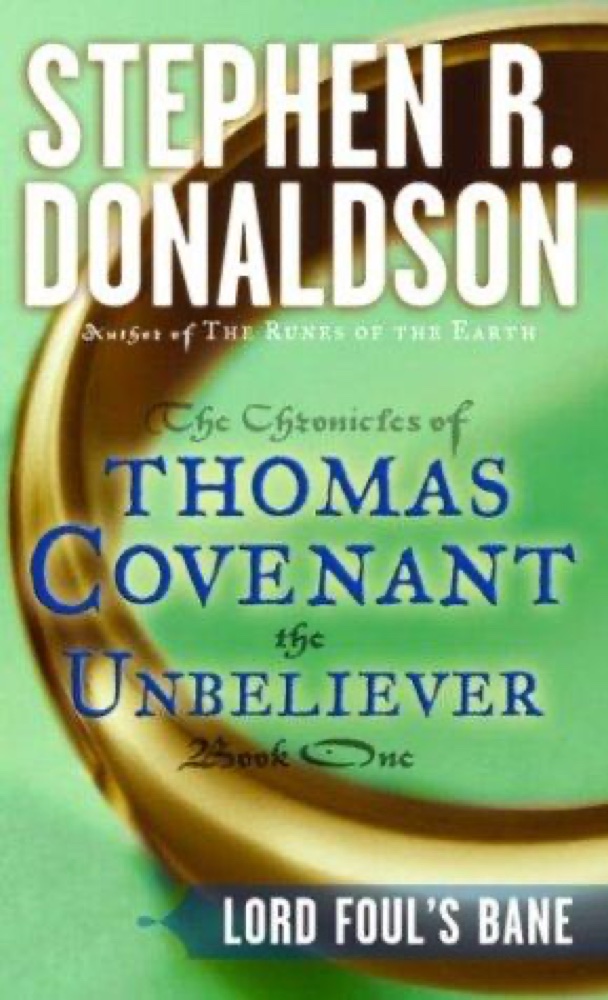 Lord Foul's Bane
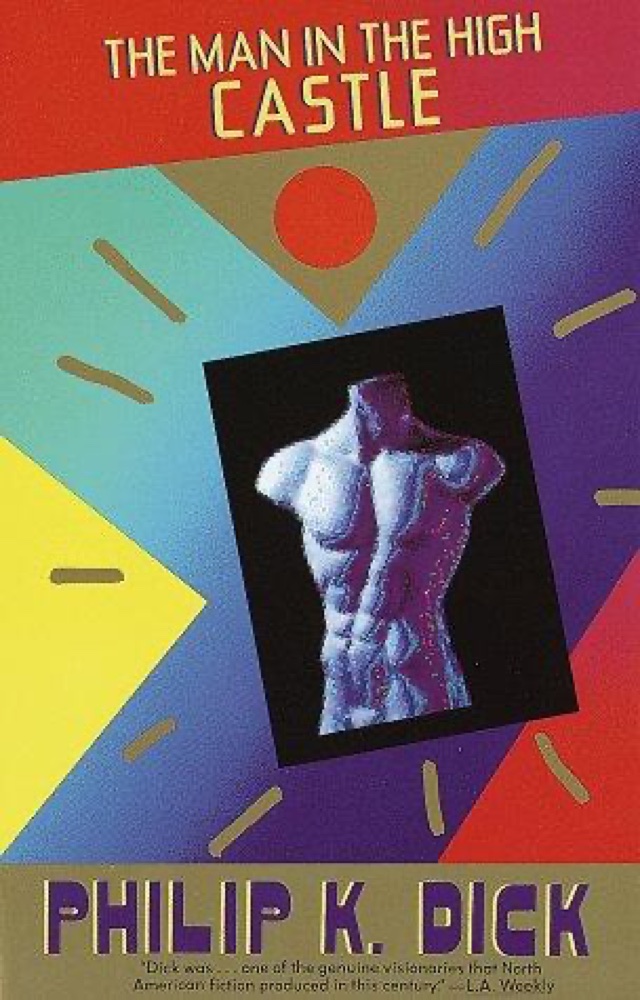 The Man in the High Castle
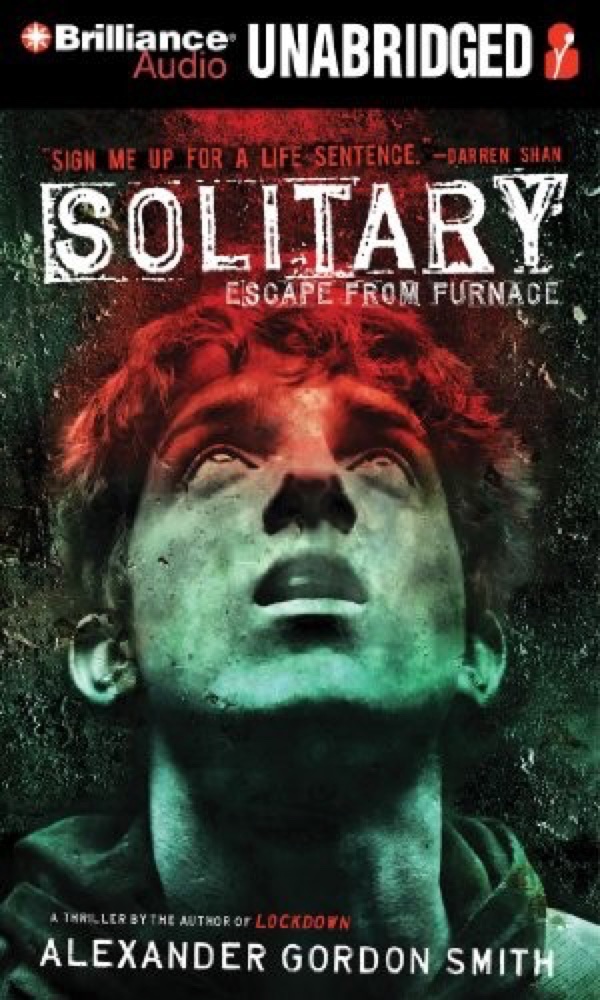 Solitary
 Embers
 The Narrow Road to the Deep North
 The Damnation Game
 The Heart Is a Lonely Hunter
 Lord Jim
 The Infinite Sea
 The Empusium
 The Black Obelisk
 Victory
 The Tunnel
 V.
V.
 Dhalgren
 The Pale King
 Teatro Grottesco
 After the Quake
 The Untouchable
 Dreams and Shadows
 The Stories of Vladimir Nabokov
 Challenger Deep
 Acceptance
 Roadwork
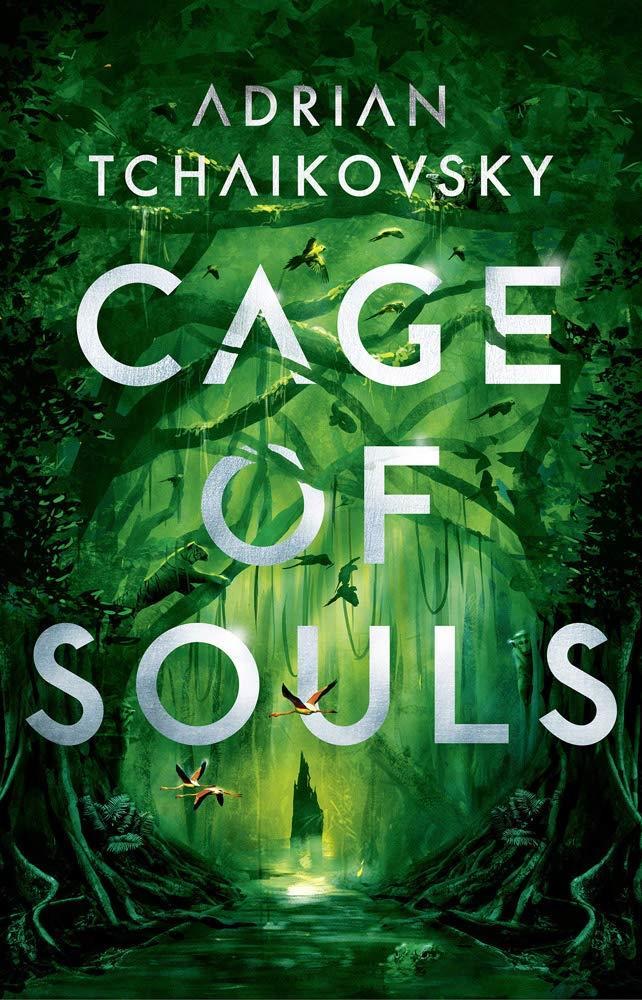 Cage of Souls
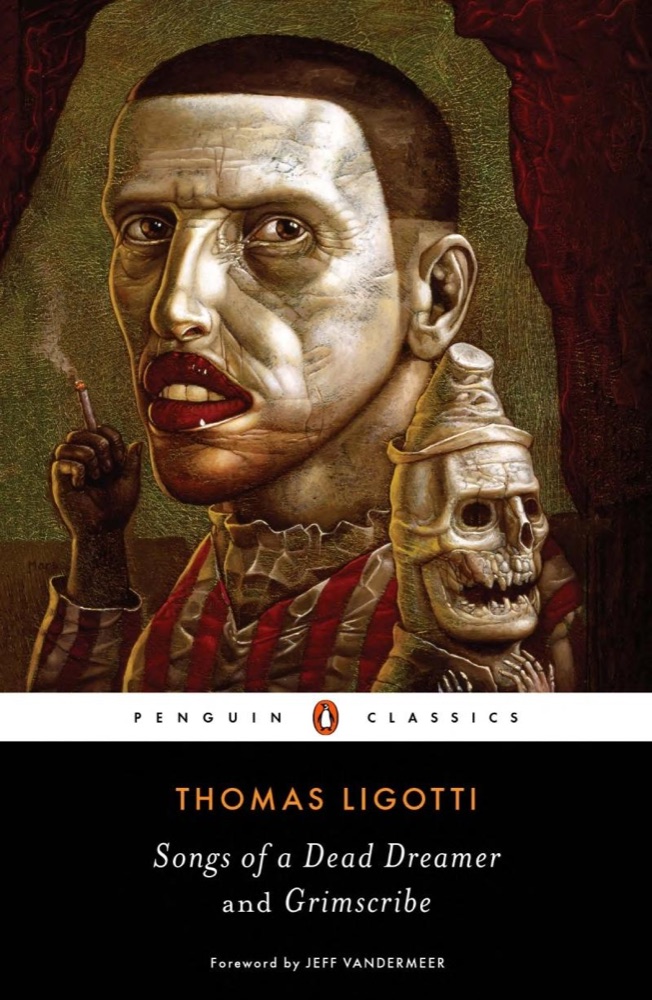 Songs of a Dead Dreamer and Grimscribe
 The Sound and the Fury
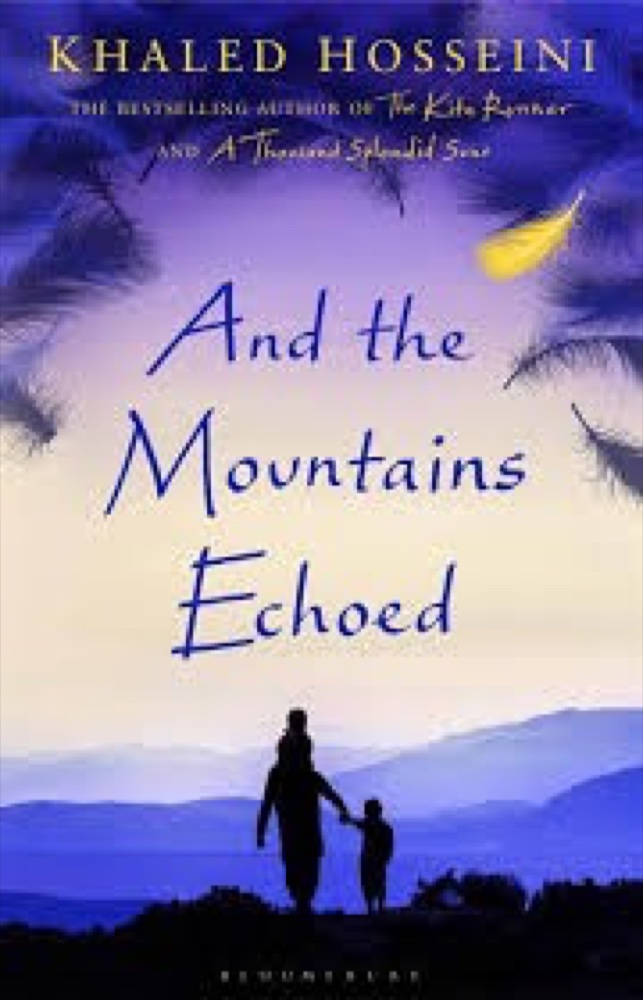 And the Mountains Echoed
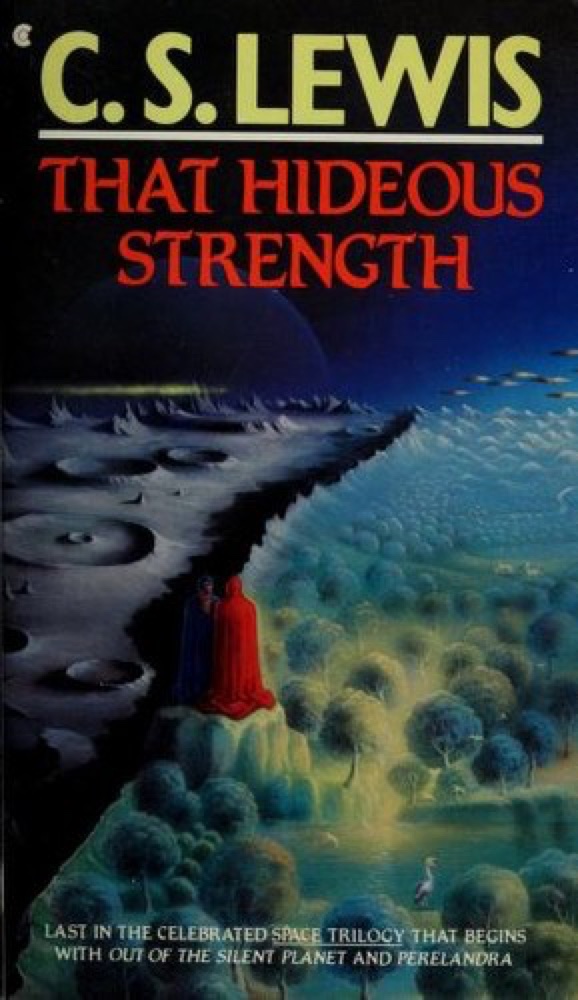 That Hideous Strength
 The Complete Stories
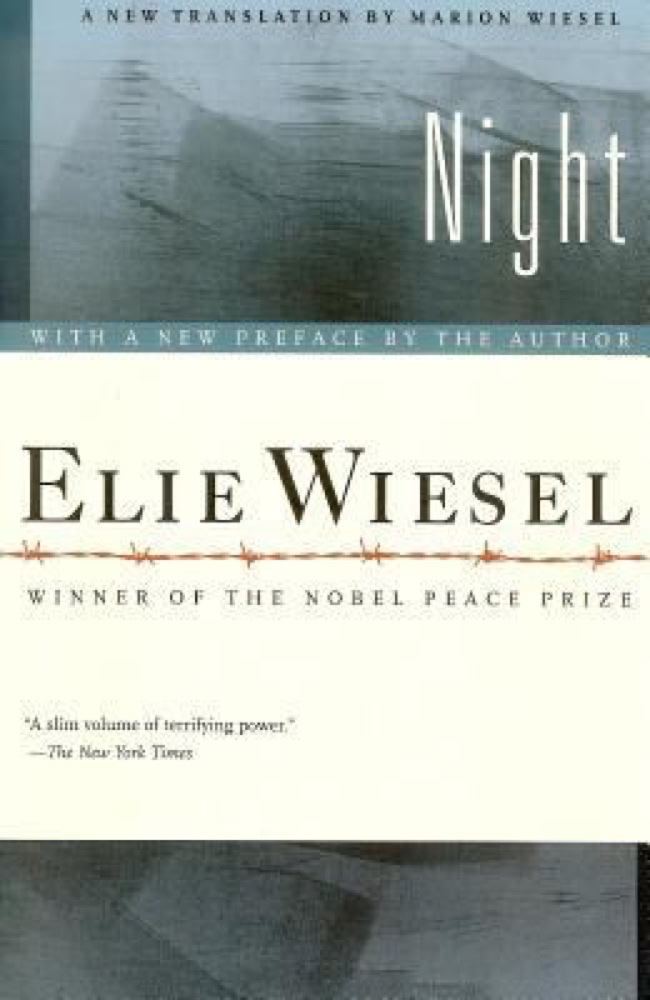 Night
Night
 Crime and Punishment
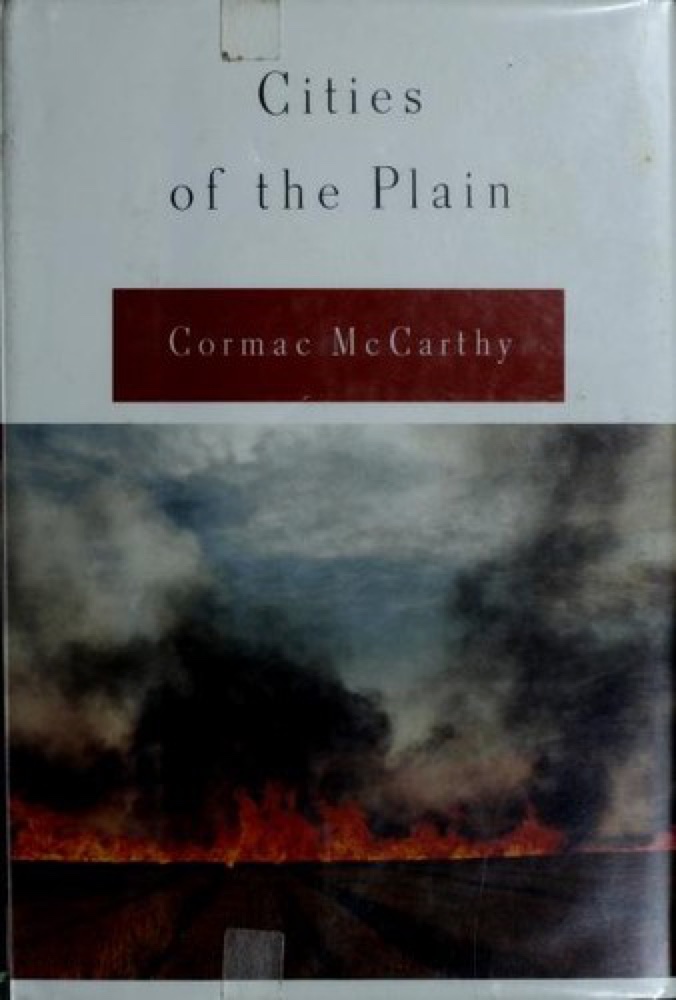 Cities of the Plain
 The Story of the Lost Child
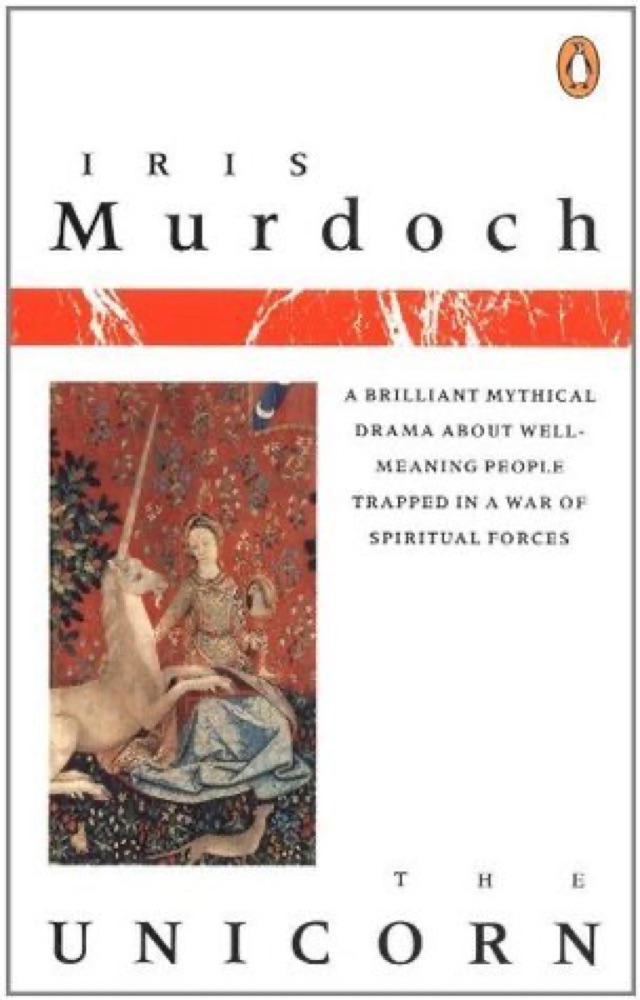 The Unicorn
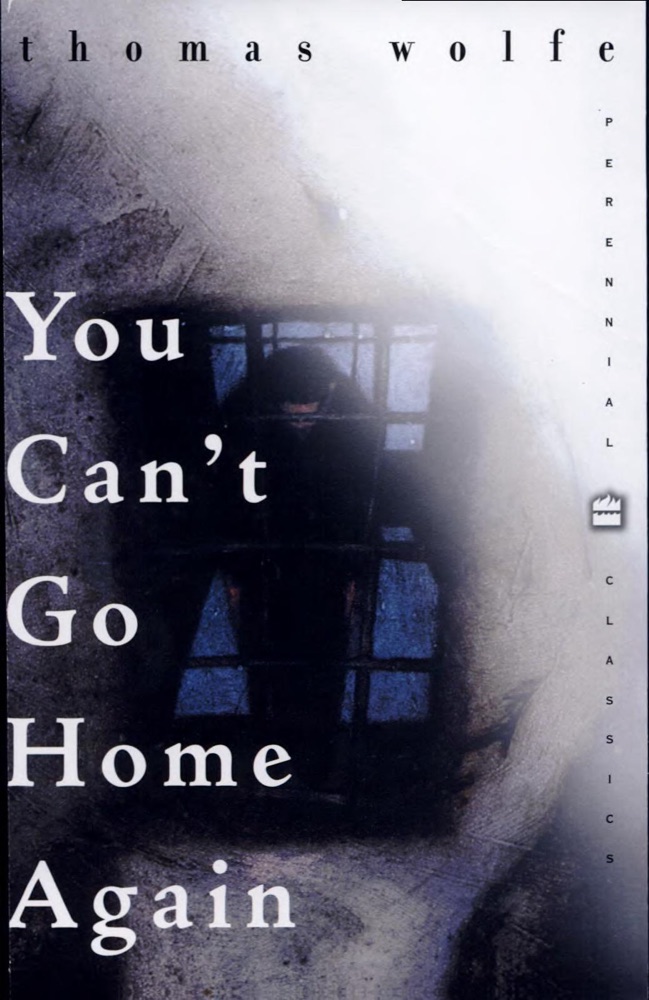 You Can't Go Home Again
 Pandemonium
 Killing Commendatore
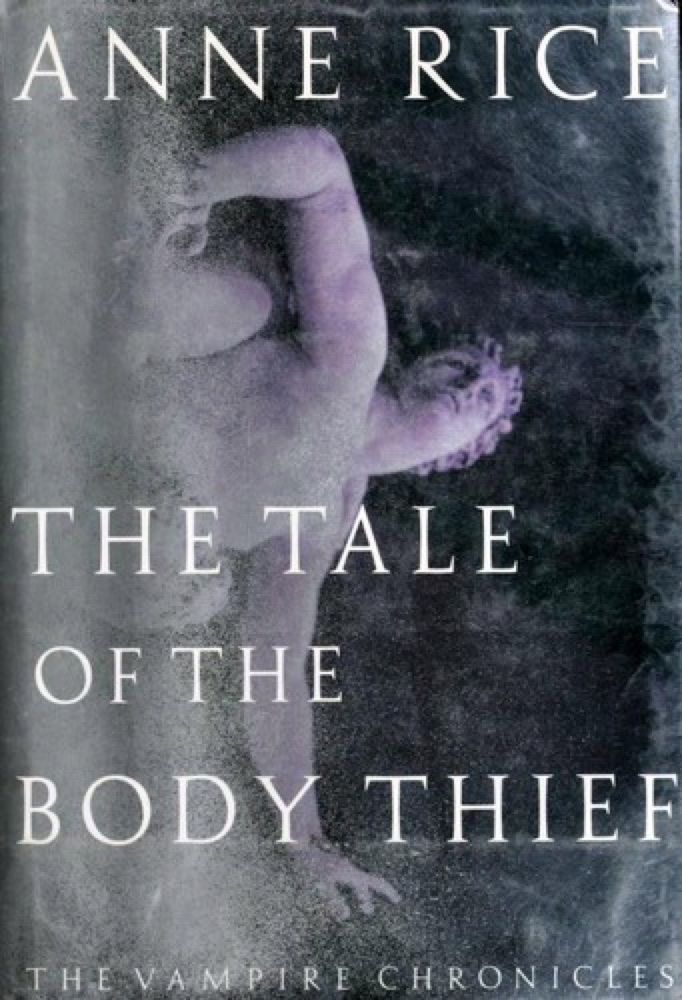 The Tale of the Body Thief
 The Sailor Who Fell from Grace with the Sea
 Interview with the Vampire
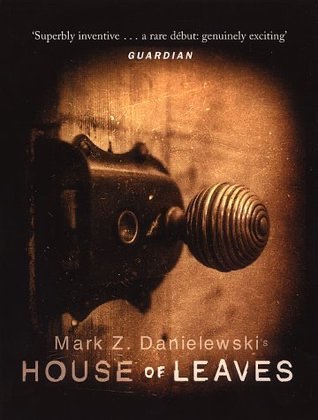 House of Leaves
 Fathers and Sons
 Velocity
 The Wind-Up Bird Chronicle
 Memoirs of a Geisha
 The Blind Assassin
 The Complete Short Stories