
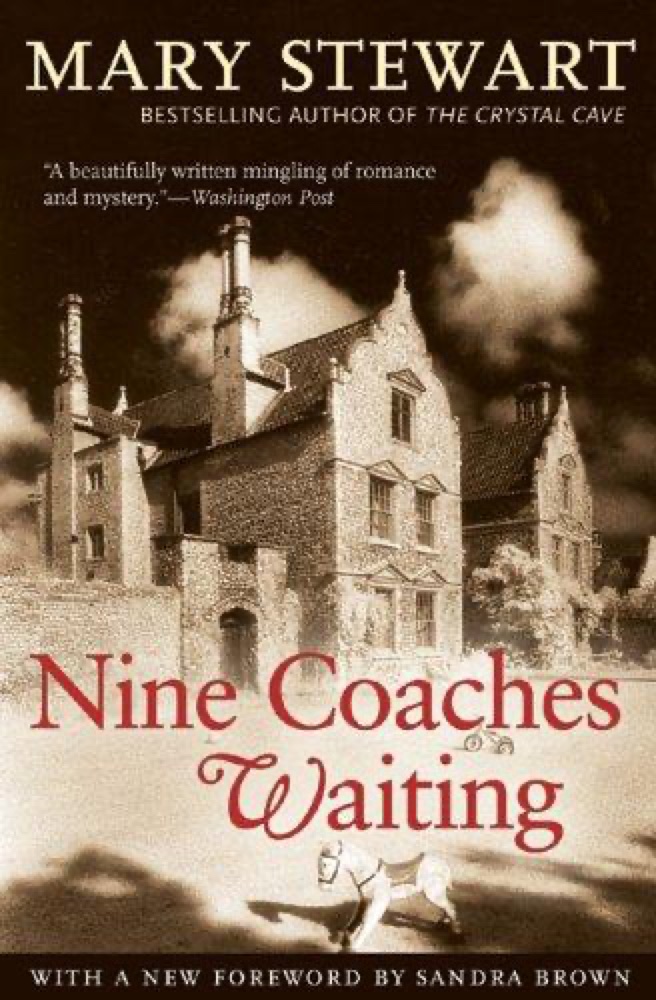
 Nine Coaches Waiting
Quotes from the Book
Every life has death and every light has shadow. Be content to stand in the light and let the shadow fall where it will.
It is not true that women cannot keep secrets. Where they love, they can be trusted to death and beyond, against all sense and reason. It is their weakness, and their great strength.
To remember love after long sleep; to turn again to poetry after a year in the market place, or to youth after resignation to drowsy and stiffening age; to remember what once you thought life could hold, after telling over with muddied and calculating fingers what it has offered; this is music, made after long silence. The soul flexes its wings, and, clumsy as any fledgling, tries the air again
Every man carries the seed of his own death, and you will not be more than a man. You will have everything; you cannot have more…
I am nothing, yes; I am air and darkness, a word, a promise. I watch in the crystal and I wait in the hollow hills. But out there in the light I have a young king and a bright sword to do my work for me, and build what will stand when my name is only a word for forgotten songs and outworn wisdom, and when your name, Morgause, is only a hissing in the dark.
A child thinks life is fair. A man stands by the consequences of his deeds.
Only a child expects life to be just; it's a man's part to stand by the consequences of his deeds.
In the morning it was fine, with one of those glittering sharp days that December sometimes throws down like bright gold among the lead of winter's coinage.
Something was moving; there was a kind of breathing brightness in the air, the wind of God brushing by, invisible in sunlight.
the smell of resin filled the air. A thrush was singing somewhere. Late harebells were thick among the grass, and small blue butterflies moved over the white flowers of the blackberry. There was a hive of wild bees under the roof of the chapel; their humming filled the air, the sound of summer’s end. Through
I lay wakeful, watching the empty dark, listening to the little wind which had sprung up throwing handfuls of rain against the walls of the tent,
Then quiet, but clear as a shout, the King called, ‘Here!’ and flung his own sword, hilt first, into the air. Arthur’s hand shot out and caught it by the hilt. I saw it catch the light. The white horse reared again. The standard was up, and streaming in the wind, scarlet on gold. There was a great shout, spreading out from the centre of the field where the white stallion, treading blood, leapt forward under the Dragon banner. Shouting, the men surged with him. I saw the standardbearer hesitate fractionally, looking back at the King, but the King waved him forward, then lay back, smiling, in his chair. And
I was back on the scented hillside with the moon coming out above the ruins of the temple where nothing remains now of the Goddess but her night-owls brooding. So
and behind the stone the faint drifting of the stars that is not movement, but the heavens breathing. Still
There, below the cliffs, is a bay of sand where the rocks stand up like the fangs of wolves, and no boat or swimmer can live when the tide is breaking round them. To right and left of the bay the sea has driven arches through the cliff. The rocks are purple and rose-coloured and pale as turquoise in the sun, and on a summer’s evening when the tide is low and the sun is sinking, men see on the horizon land that comes and goes with the light. It is the Summer Isle, which (they say) floats and sinks at the will of heaven, the Island of Glass through which the clouds and stars can be seen, but which for those who dwell there is full of trees and grass and springs of sweet water . . .’ The
a dream half-waking, broken and uneasy, of the small gods of small places; gods of hills and woods and streams and crossways; the gods who still haunt their broken shrines, waiting in the dusk beyond the lights of the busy Christian churches, and the dogged rituals of the greater gods of Rome.
The Romans gave them Roman names, and let them be; but the Christians refuse to believe in them, and their priests berate the poorer folk for clinging to the old ways—and no doubt for wasting offerings which would do better at some hermit’s cell than at some ancient holy place in the forest. But still the simple folk creep out to leave their offerings, and when these vanish by morning, who is to say that a god has not taken them? This,
I saw it begin; even so, after battle, Ambrosious' very presence had give the wounded strength and the dying comfort. Whatever it was he had had about him, Arthur had the same; I was to see it often in the future; it seemed that he shed brightness and strength round him where he went, and still had it ever renewed in himself. As he grew older, I knew it would be renewed more hardly and at a cost, but now he was very young, with the flower of manhood still to come. After this, I thought, who could maintain that youth itself made him unfit for kingship? Not Lot, stiffened in his ambition, grimly scheming for a dead king's throne. It was Arthur's very youth which had whistled up today the best that men had in them, as a huntsman calls up the following back, or an enchanter whistles up the wind.
I doubt if any son every knew more about his father and his father's father than I, with all you have told me; but telling is not the same. There was alot of knowing to make up.
this might be a beauty to send men mad. Her body was slight with a child’s slenderness, but her breasts were full and pointed and her throat round as a lily stem. Her hair was rosy gold, streaming long and unbound over the golden-green robe. The large eyes that I remembered were gold-green too, liquid and clear as a stream running over mosses, and the small mouth lifted into a smile over kitten’s teeth
I had been so used to God's voice in the fire and stars that I had forgotten to listen for it in the counsels of men.
The sour smell was not the smell of fungus. It was unlit incense, and cold ashes, and unsaid prayers. I
Watch on YouTube
About Mary Stewart
We have collected 93 quotes from 8 books by Mary Stewart on BookQuoters.
More about the author →More by Mary Stewart
All books by Mary Stewart →
Book details
- Author
- Mary Stewart
- Genre
- Fiction
- Goodreads rating
- 4.25 (23k ratings) →
Keep reading
 House Made of Dawn
 Birdsong
 Independent People
 The Collected Poems
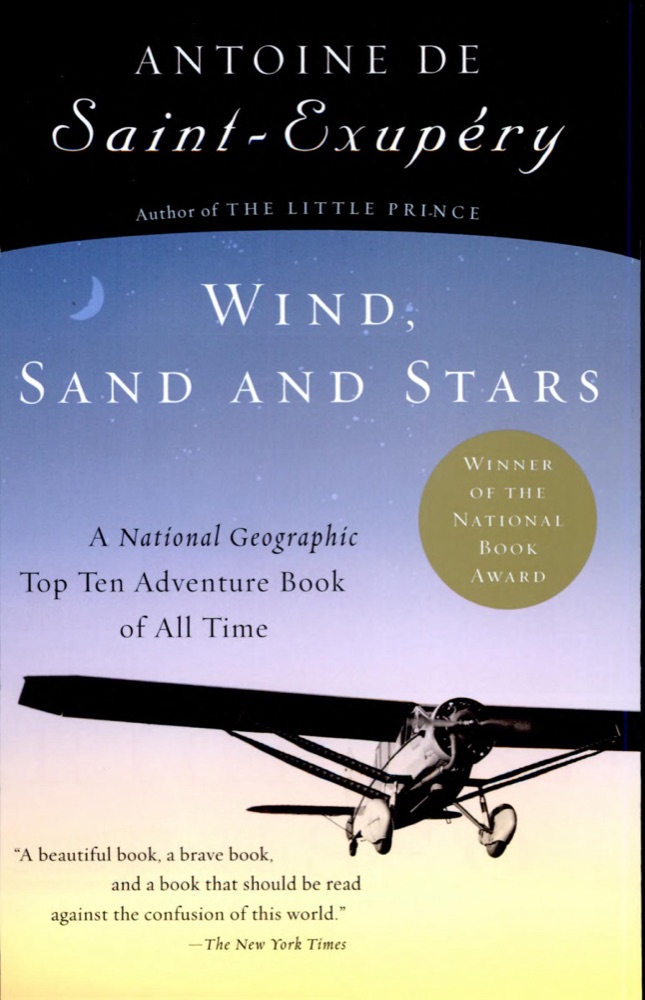 Wind, Sand and Stars
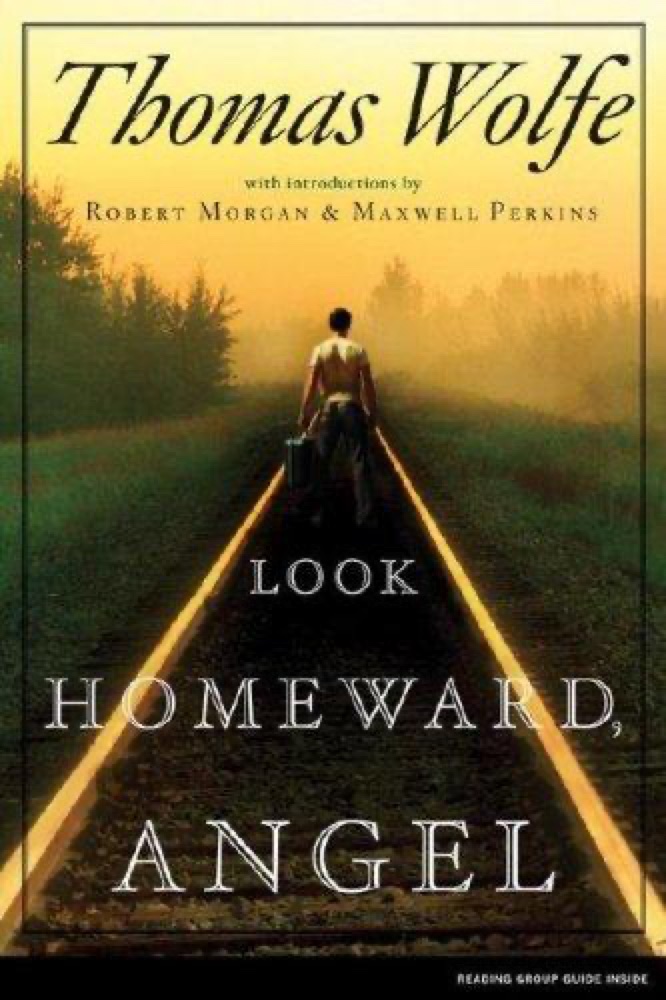 Look Homeward, Angel
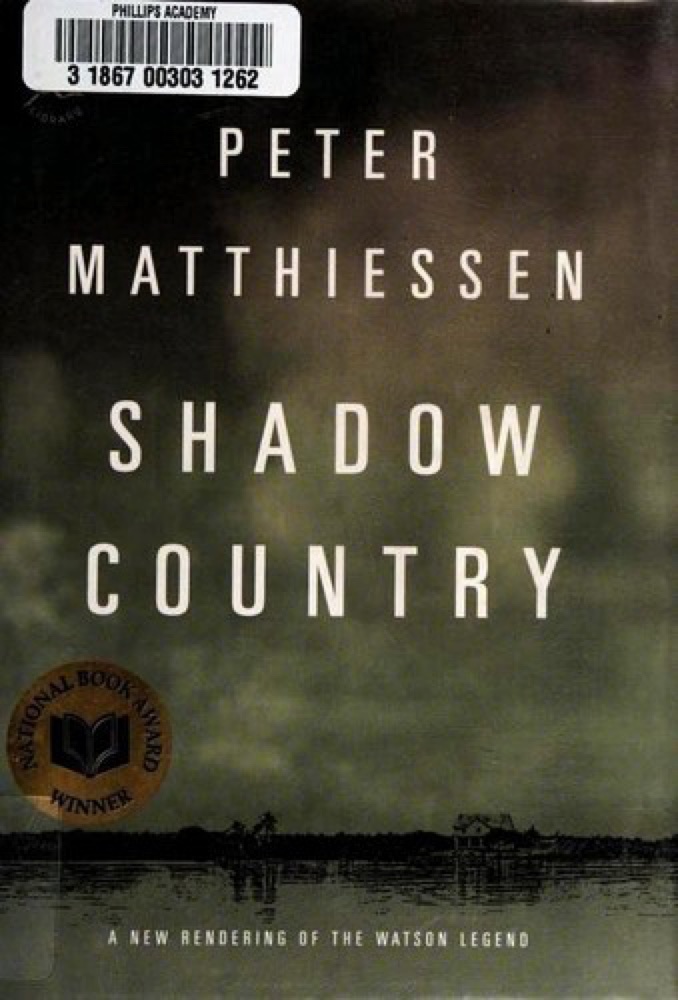 Shadow Country
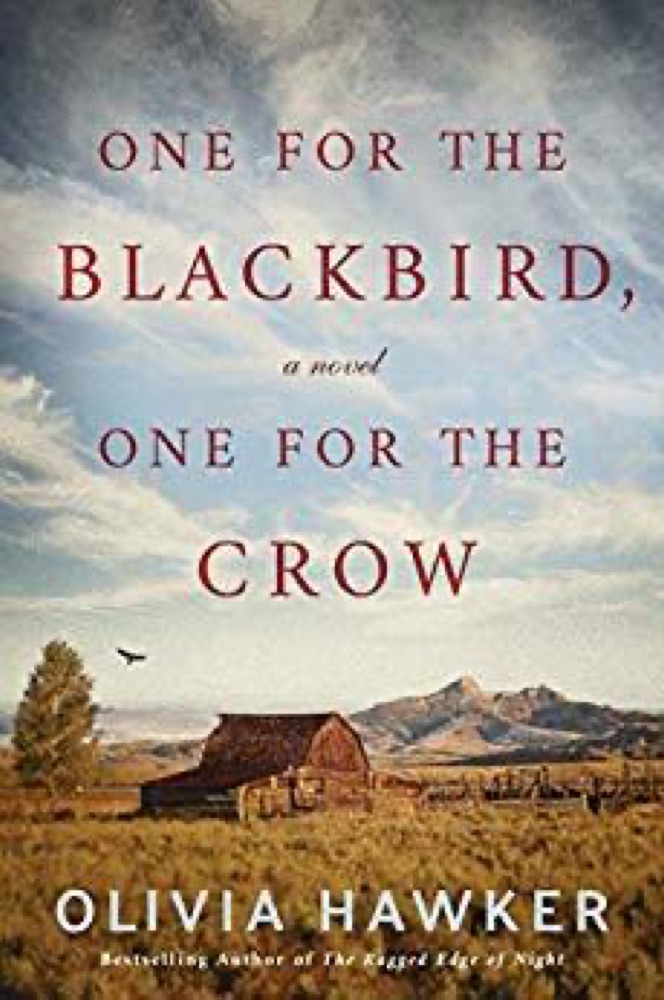 One for the Blackbird, One for the Crow
 Phantastes
 Tortilla Flat
 Light in August
 Caleb's Crossing
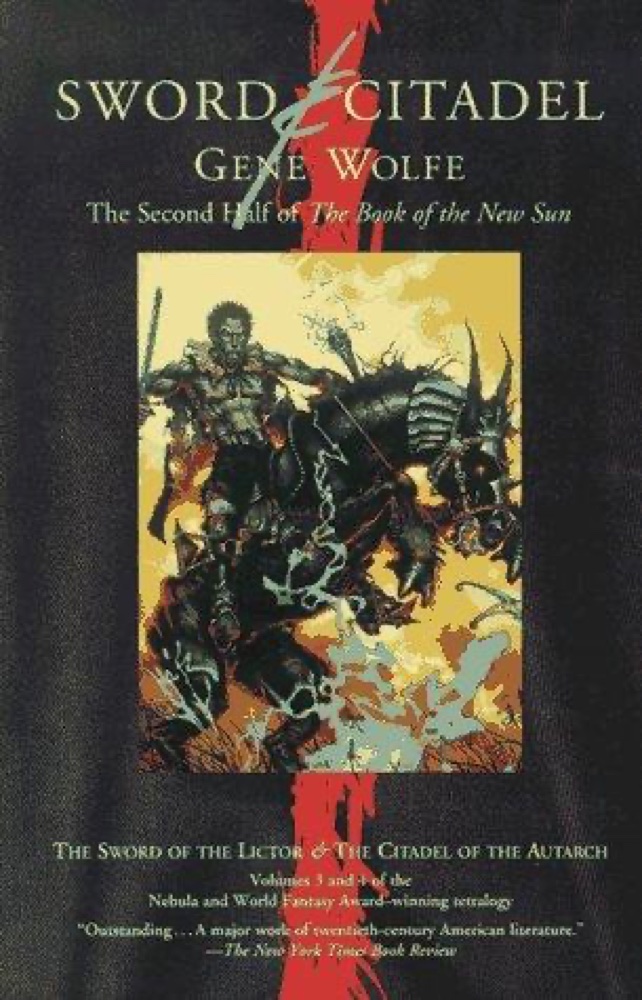 Sword & Citadel
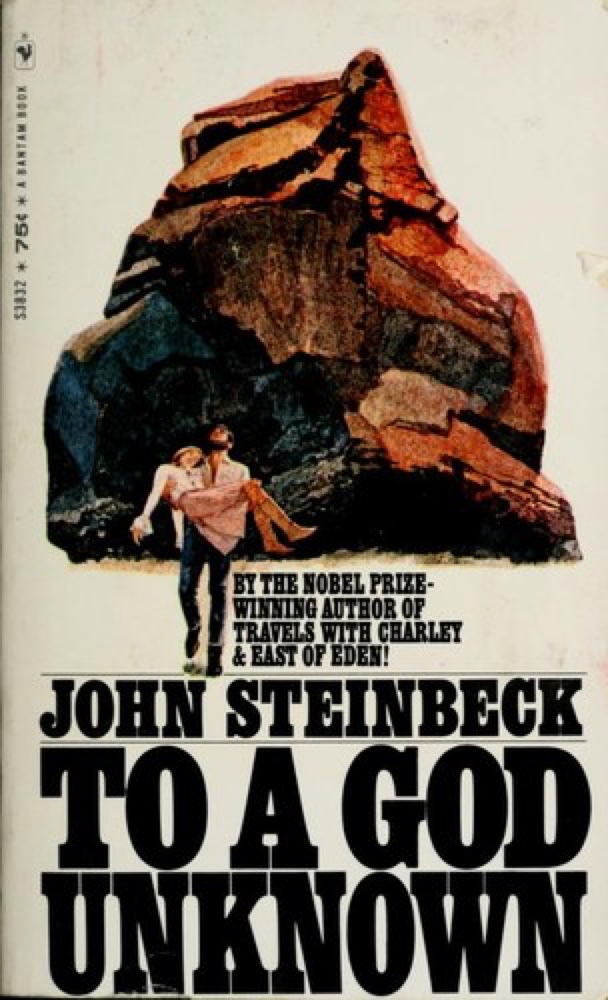 To a God Unknown
 West with the Night
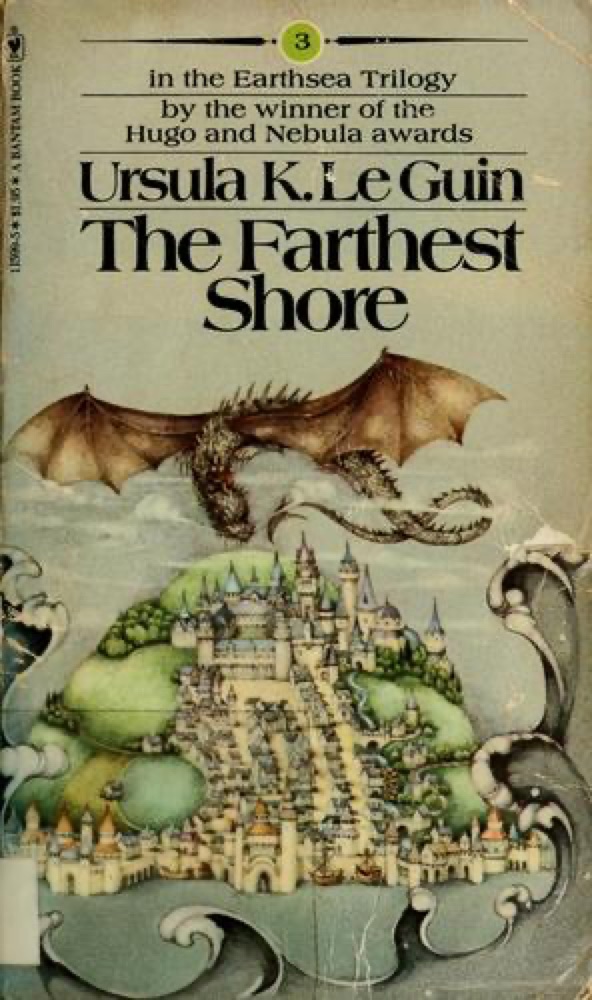 The Farthest Shore
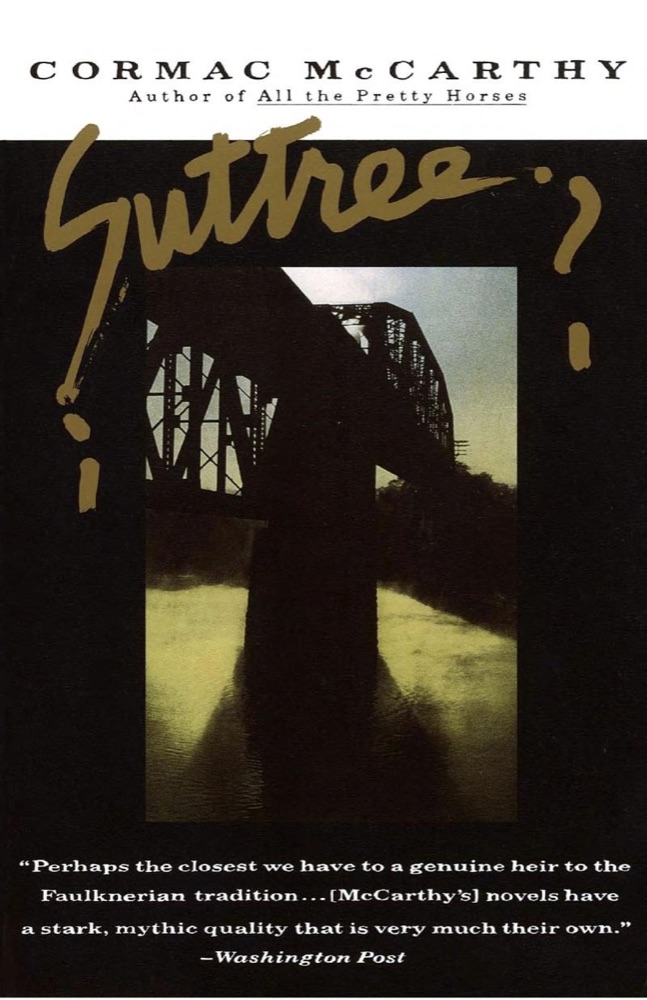 Suttree
 The Poetry of Robert Frost
 Pale Fire
 Poems, 1962-2012
 Tinkers
 Titus Groan
 King Solomon's Mines
 The Complete Stories and Poems
 The Infinities
 Gardens of the Moon
 The Collected Poems of W.B. Yeats
 The Grass Harp, Including A Tree of Night and Other Stories
 A Day of Fallen Night
 Nightwood
 The Blind Man's Garden
 The Tale of Genji
 The Dark Is Rising
 Child of God
 Taliesin
 The Dean's Watch
 Weaveworld
 The Dovekeepers
 The Collected Poems of Emily Dickinson
 Allan Quatermain
 The Celtic Twilight: Faerie and Folklore
 Death Comes for the Archbishop
 The Naming
 Swann's Way
 Lorna Doone
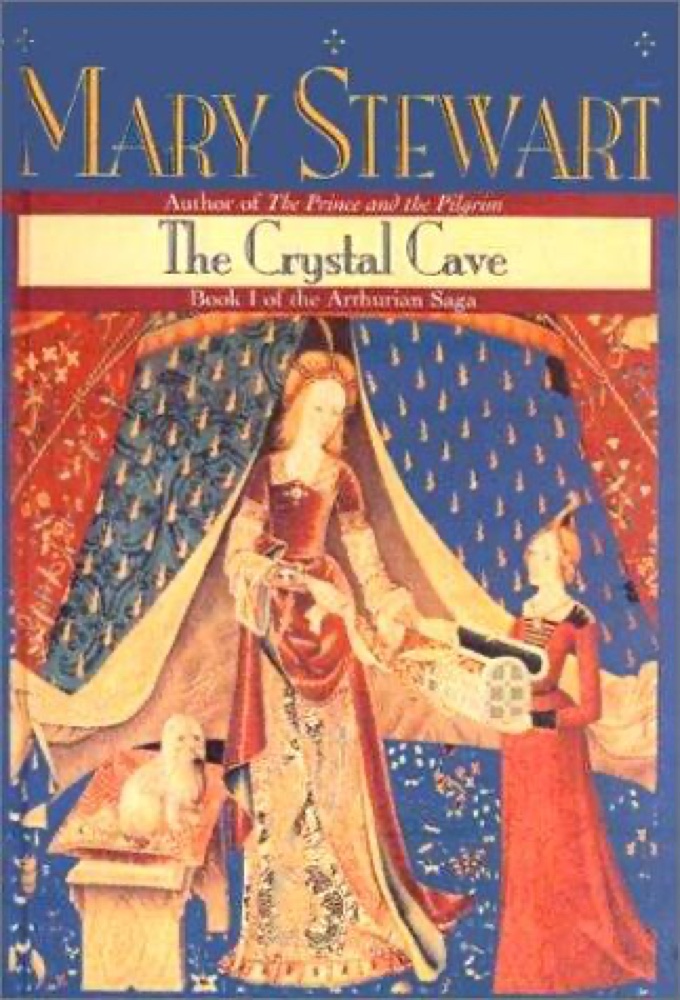 The Crystal Cave
 Stone of Farewell
 Shadow & Claw
 Lord Jim
 Winesburg, Ohio
 The Moor's Last Sigh
 All the Pretty Horses
 Shadows on the Rock
 The King Must Die
 Gods of Jade and Shadow
 The Old Curiosity Shop
 The Return of the King
 The Fires of Heaven
 Wolf Winter
 At the Back of the North Wind