 The Two Towers
Quotes from the Book
It is said by the Eldar that in water there lives yet the echo of the Music of the Ainur more than in any substance that is in this Earth; and many of the Children of Ilúvatar hearken still unsated to the voices of the Sea, and yet know not for what they listen.
Many are the strange chances of the world,' said Mithrandir, 'and help oft shall come from the hands of the weak when the Wise falter.
All have their worth and each contributes to the worth of the others.
Among the tales of sorrow and of ruin that came down to us from the darkness of those days there are yet some in which amid weeping there is joy and under the shadow of death light that endures. And of these histories most fair still in the ears of the Elves is the tale of Beren and Lúthien
And thou, Melkor, shalt see that no theme may be played that hath not its uttermost source in me, nor can any alter the music in my despite. For he that attempteth this shall prove but mine instrument in the devising of things more wonderful, which he himself hath not imagined.
For if joyful is the fountain that rises in the sun, its springs are in the wells of sorrow unfathomable at the foundations of the Earth.
Farewell sweet earth and northern sky, for ever blest, since here did lie and here with lissom limbs did run beneath the Moon, beneath the Sun, Lúthien Tinúviel more fair than Mortal tongue can tell. Though all to ruin fell the world and were dissolved and backward hurled; unmade into the old abyss, yet were its making good, for this― the dusk, the dawn, the earth, the sea― that Lúthien for a time should be.
Their 'magic' is Art, delivered from many of its human limitations.
But he that sows lies in the end shall not lack of a harvest, and soon he may rest from toil indeed, while others reap and sow in his stead.
A sister they had, Galadriel, most beautiful of all the house of Finwë; her hair was lit with gold as though it had caught in a mesh the radiance of Laurelin.
wandering in the summer in the woods of Neldoreth [Beren] came upon Lúthien, daughter of Thingol and Melian, at a time of evening under moonrise, as she danced upon the unfading grass in the glades beside Esgalduin. Then all memory of his pain departed from him, and he fell into an enchantment; for Lúthien was the most beautiful of all the Children of Ilúvatar. Blue was her raiment as the unclouded heaven, but her eyes were grey as the starlit evening; her mantle was sewn with golden flowers, but her hair was dark as the shadows of twilight. As the light upon the leaves of trees, as the voice of clear waters, as the stars above the mists of the world, such was her glory and her loveliness; and in her face was a shining light. But she vanished from his sigh; and he became dumb, as one that is bound under a spell, and he strayed long in the woods, wild and wary as a beast, seeking for her. In his heart he called her Tinúviel, that signifies Nightingale, daughter of twilight, in the Grey-elven tongue, for he knew no other name for her. And he saw her afar as leaves in the winds of autumn, and in winter as a star upon a hill, but a chain was upon his limbs.
But of bliss and glad life there is little to be said, before it ends; as works fair and wonderful, while they still endure for eyes to see, are ever their own record, and only when they are in peril or broken for ever do they pass into song.
Take now this Ring,' he said; 'for thy labours and thy cares will be heavy, but in all it will support thee and defend thee from weariness. For this is the Ring of Fire, and herewith, maybe, thou shalt rekindle hearts to the valour of old in a world that grows chill.
Love not too well the work of thy hands and the devices of thy heart; and remember that the true hope of the Noldor lieth in the West, and cometh from the Sea.
And amid all the splendours of the World, its vast halls and spaces, and its wheeling fires, Ilúvatar chose a place for their habitation in the Deeps of Time and in the midst of the innumerable stars.
You renounce your friendship even in the hour of our need ' he said. 'Yet you were glad indeed to receive our aid when you came at last to these shores fainthearted loiterers and well-nigh emptyhanded. In huts on the beaches would you be dwelling still had not the Noldor carved out your haven and toiled upon your walls.
But Sauron was not of mortal flesh, and though he was robbed now of that shape in which had wrought so great an evil, so that he could never again appear fair to the eyes of Men, yet his spirit arose out of the deep and passed as a shadow and a black wind over the sea, and came back to Middle-earth and to Mordor that was his home. There he took up again his great Ring in Barad-dur, and dwelt there, dark and silent, until he wrought himself a new guise, an image of malice and hatred made visible; and the Eye of Sauron the Terrible few could endure.
Shall we mourn here deedless forever a shadow-folk mist-haunting dropping vain tears in the thankless sea
There was Eru, the One, who in Arda is called Ilúvatar; and he made first the Ainur, the Holy Ones, that were the offspring of his thought, and they were with him before aught else was made. And he spoke to them, propounding to them themes of music; and they sang before him, and he was glad. But for a long while they sang only each alone, or but few together, while the rest hearkened; for each comprehended only that part of the mind of Ilúvatar from which he came, and in the understanding of their brethren they grew but slowly. Yet ever as they listened they came to deeper understanding, and increased in unison and harmony.
For so sworn good or evil an oath may not be broken and it shall pursue oathkeeper and oathbreaker to the world's end.
The doom of the Elves is to be immortal, to love the beauty of the world, to bring it to full flower with their gifts of delicacy and perfection, to last while it lasts, never leaving it even when ‘slain’, but returning – and yet, when the Followers come, to teach them, and make way for them, to ‘fade’ as the Followers grow and absorb the life from which both proceed. The Doom (or the Gift) of Men is mortality, freedom from the circles of the world.
to him that is pitiless the deeds of pity are ever strange and beyond comprehension.
And thus it came to pass that the Silmarils found their long homes: one in the airs of heaven, and one in the fires of the heart of the world, and one in the deep waters.
And its object is Art not power, sub-creation not domination and tyrannous re-forming of Creation.
In this Music [the singing of the angels in harmony] the World was begun; for Iluvatar made visible the song of the Ainur,and they beheld it as a light in the darkness.
These folk are hewers of trees and hunters of beasts; therefore we are their unfriends, and if they will not depart we shall afflict them in all ways that we can.
Then the voices of the Ainur, like unto harps and lutes, and pipes and trumpets, and viols and organs, and like unto countless choirs singing with words, began to fashipn the theme of Iluvatar to a great music; and a sound arose of endless interchanging melodies woven in harmony that passed beyond hearing into the depths and into the heights, and the places of the dwelling of Iluvatar were filled to overflowing, and the music and the echo of the music went out into the Void, and it was not void.
But her beauty was more than their beauty, and her sorrow deeper than their sorrows; and she knelt before Mandos and sang to him.
Galadriel his sister went not with him to Nargothrond, for in Doriath dwelt Celeborn, kinsman of Thingol, and there was great love between them. Therefore she remained in the Hidden Kingdom, and abode with Melian, and of her learned great lore and wisdom concerning Middle-earth.
Did you know?
- The book was edited and partly completed by Tolkien's son Christopher, who worked from decades of his father's manuscripts.
- It was published posthumously in 1977, four years after J.R.R. Tolkien's death.
- The Quenta Silmarillion forms the bulk of the book and chronicles the First Age of Middle-earth.
- The story of Eärendil, whose ship becomes the Morning Star, connects to material Tolkien had begun writing decades earlier.
- Christopher Tolkien reconstructed some passages, such as the chapter Of the Ruin of Doriath, largely from older and incomplete drafts.
- The work won the Locus Award for Best Fantasy Novel in 1978.
About J.R.R. Tolkien
J.R.R. Tolkien (1892-1973) was an English writer, poet, and Oxford professor of Anglo-Saxon and English language, best known as the author of The Hobbit and The Lord of the Rings. He spent much of his life developing the mythology and languages of Middle-earth, work that his son Christopher edited and published after his death.
More about the author →More by J.R.R. Tolkien
All books by J.R.R. Tolkien →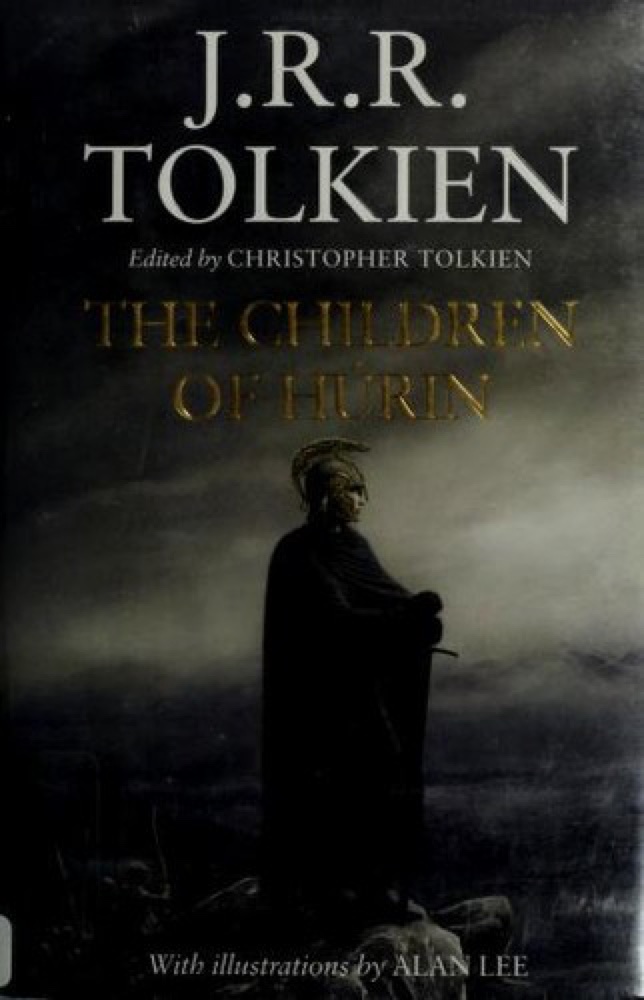
About the book
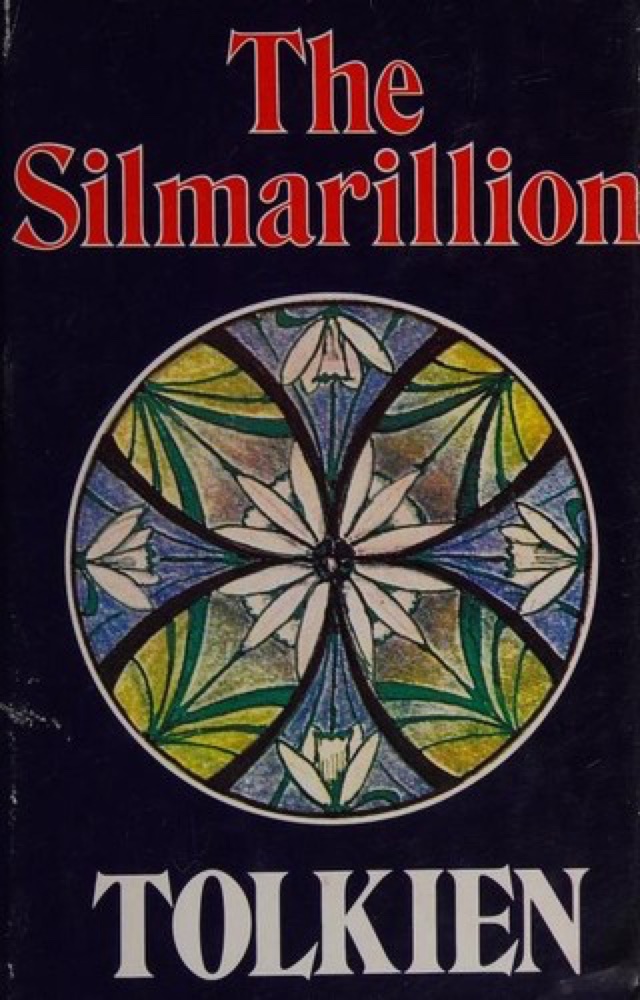
The Silmarillion is a collection of interconnected myths and tales by J.R.R. Tolkien, edited and completed after his death by his son Christopher Tolkien and published in 1977. It gathers the deep mythological history behind The Hobbit and The Lord of the Rings, ranging from the creation of the universe to the end of the Third Age. The work is organized into five parts: the Ainulindalë, which tells of creation through music; the Valaquenta, describing the divine powers; the Quenta Silmarillion, the long history of the First Age that forms the bulk of the book; the Akallabêth, on the fall of the island kingdom of Númenor; and Of the Rings of Power and the Third Age, which links the mythology to Tolkien's later novels.
The central narrative follows the Silmarils, three radiant jewels crafted by the Elven smith Fëanor to hold the light of the Two Trees. When the dark power Morgoth steals the jewels and flees to Middle-earth, Fëanor and his kin swear a terrible oath of vengeance, driving the Noldor Elves into exile and centuries of war in the region of Beleriand. Interwoven with these great conflicts are more intimate tales, including the doomed love of the mortal Beren and the Elf-maiden Lúthien and the tragic story of Túrin Turambar. The book's abiding themes include pride and its consequences, the loss and fragmentation of light, the making of art as a form of subcreation, and the sorrow woven through the deeds of both Elves and Men.
Assembled by Christopher Tolkien from decades of his father's shifting and often unfinished manuscripts, The Silmarillion required extensive selection and arrangement to form a coherent narrative, work he later described with some ambivalence. On publication it became a commercial success and topped bestseller lists, though its dense, archaic, chronicle-like style drew mixed critical response. It won the Locus Award for Best Fantasy Novel in 1978 and has since come to be regarded as the foundational mythology of Tolkien's world, essential background for readers of his other Middle-earth writings.
Key characters
- Ilúvatar (Eru)The supreme creator of the universe
- Melkor / MorgothThe first dark lord who rebels and steals the Silmarils
- FëanorNoldor Elf who crafts the Silmarils and swears an oath of vengeance
- BerenMortal man whose love for Lúthien drives a central quest
- LúthienElf-maiden who aids Beren in recovering a Silmaril
- Túrin TurambarMan cursed by Morgoth whose life ends in tragedy
- EärendilHalf-elven mariner whose ship becomes the Morning Star
Book details
- First published
- 1977
- Length
- 365 pages
- Reading time
- 8 hours
- Author
- J.R.R. Tolkien
- Genre
- Classics
- Goodreads rating
- 4.04 (345k ratings) →
- First line
- “There was Eru, the One, who in Arda is called Ilúvatar; and he made first the Ainur, the Holy Ones, that were the offspring of his thought, and they were with him before aught else was made.”
If you liked this, read…
- 1The Lord of the RingsTolkien's epic set in the same world, whose deep history The Silmarillion supplies
- 2The Children of HúrinA fuller standalone telling of the tragic Túrin tale drawn from the same legendarium
- 3Unfinished Tales of Númenor and Middle-earthMore of Tolkien's mythology edited by Christopher Tolkien for devoted readers
Keep reading
 The Lord of the Rings
 Morgoth's Ring
 The Lord of the Rings: The Two Towers
 The Return of the King
 Beowulf
 The King of Elfland's Daughter
 The Celtic Twilight: Faerie and Folklore
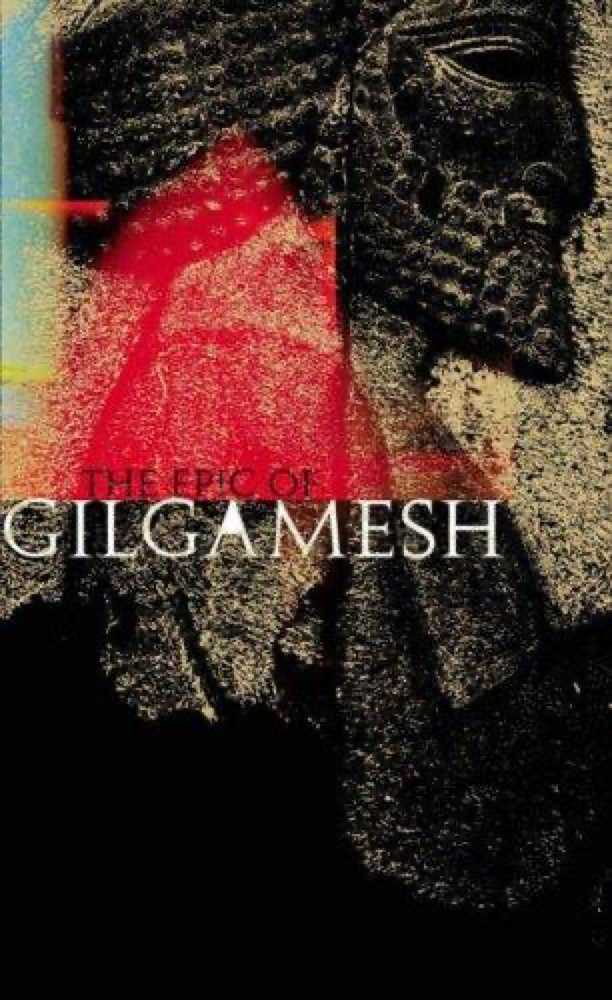 The Epic of Gilgamesh
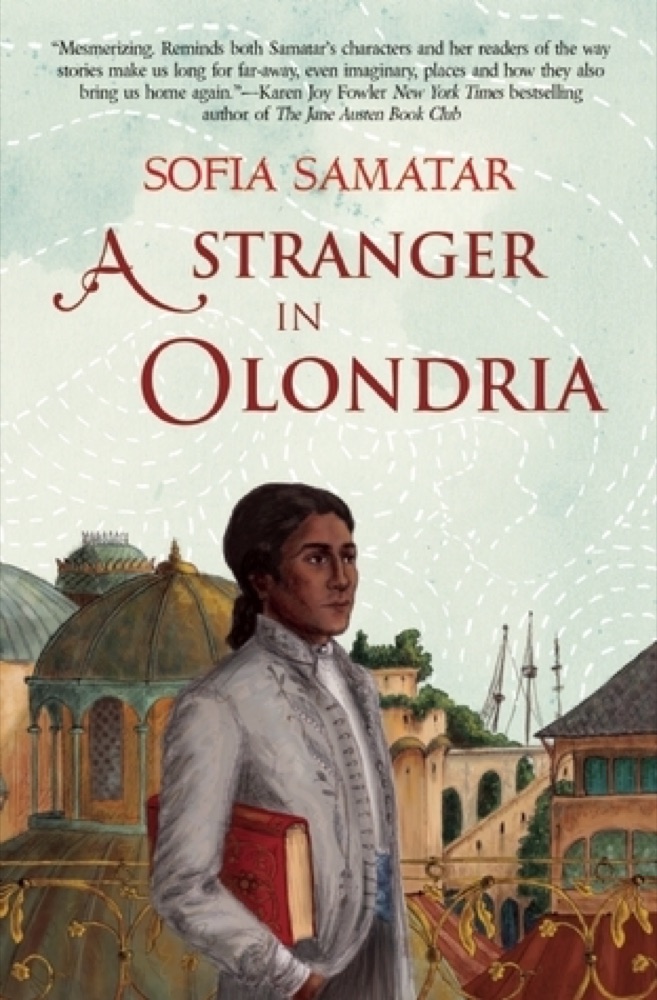 A Stranger in Olondria
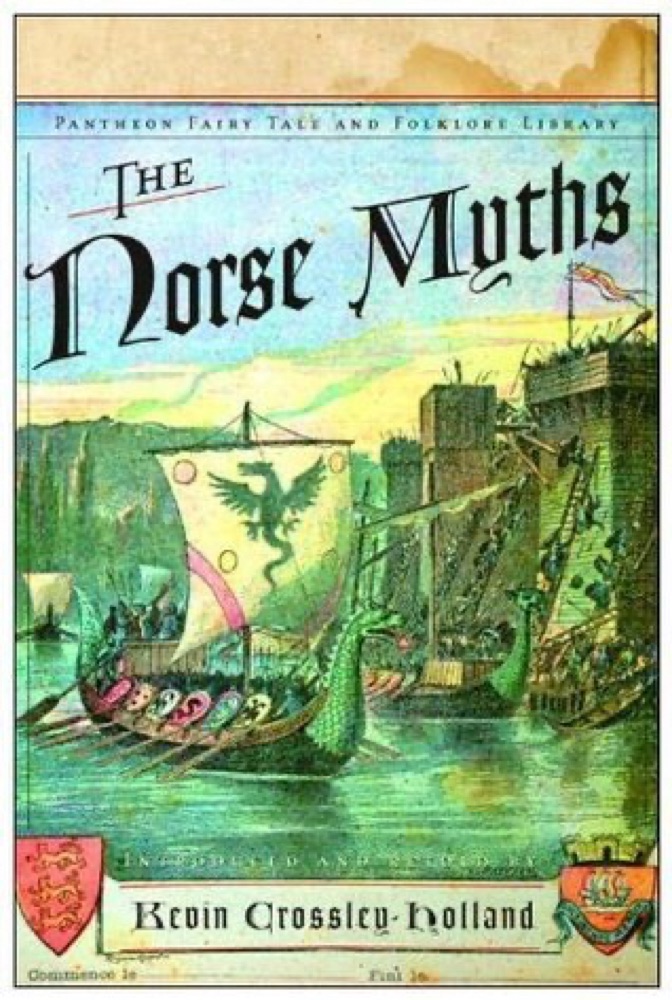 The Norse Myths
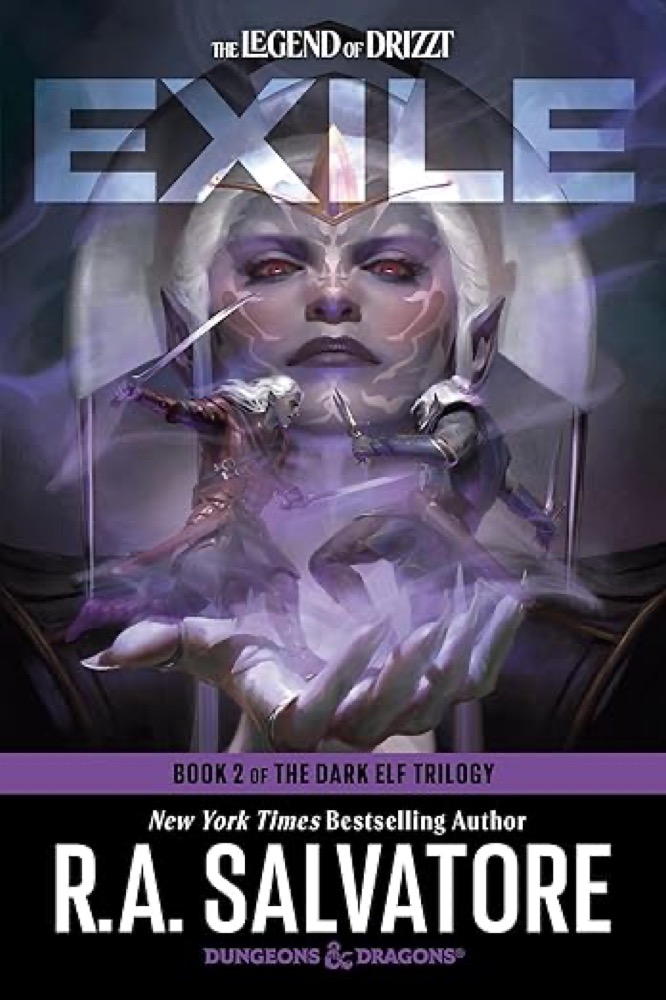 Exile
Exile
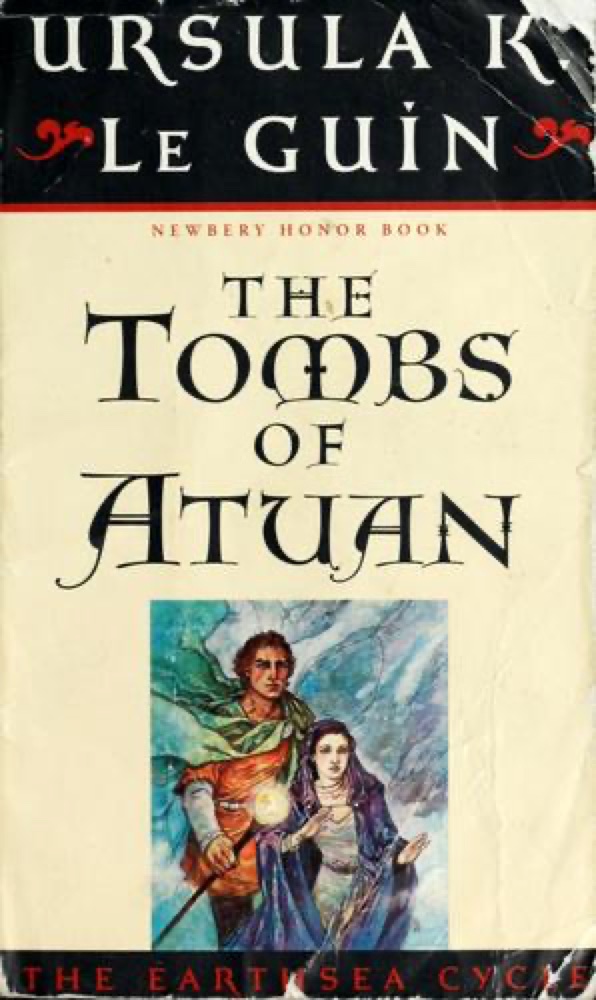 The Tombs of Atuan
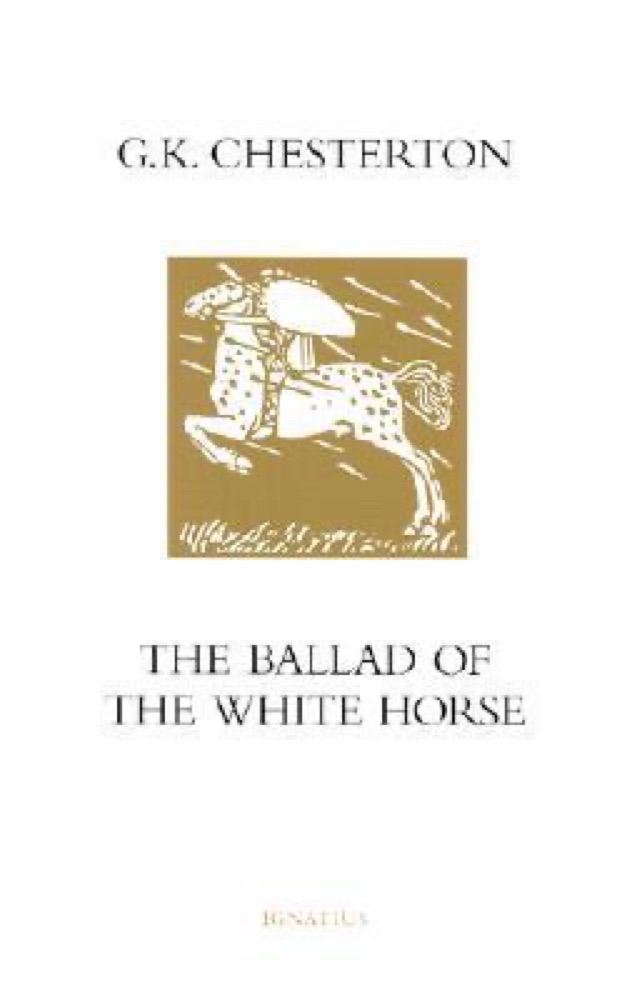 The Ballad of the White Horse
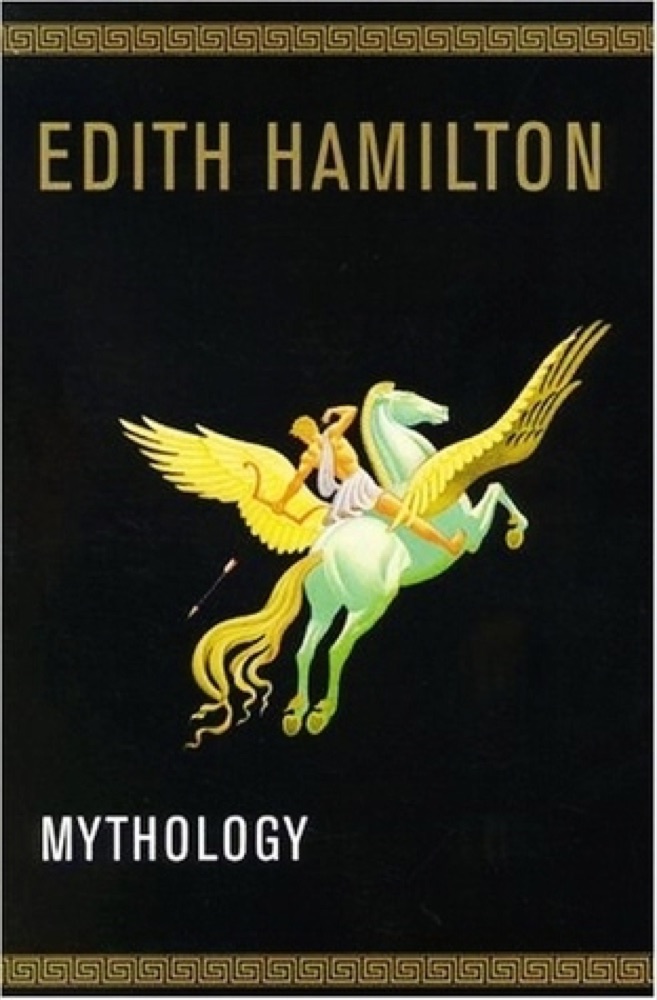 Mythology
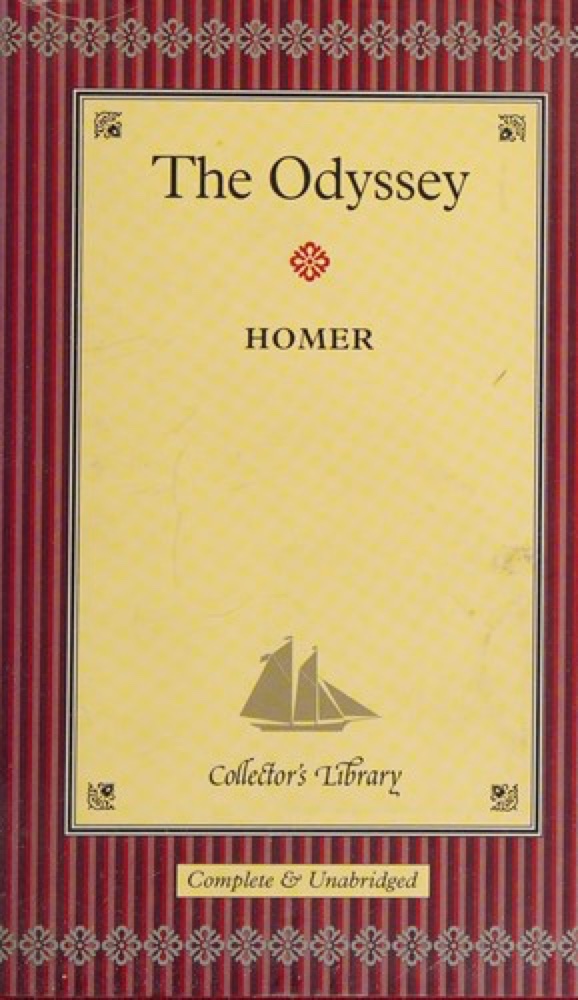 The Odyssey
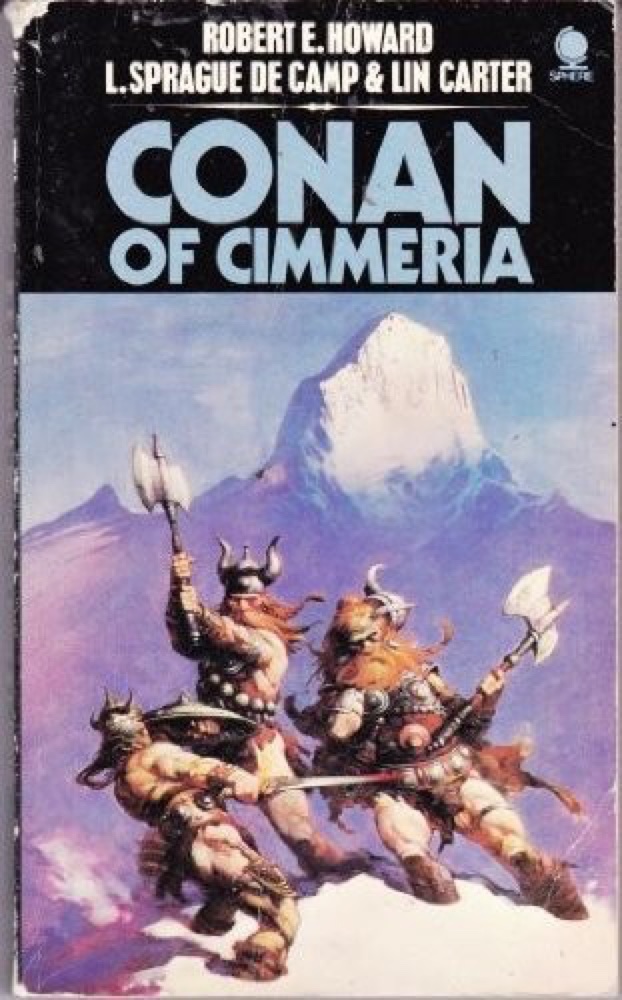 Conan of Cimmeria
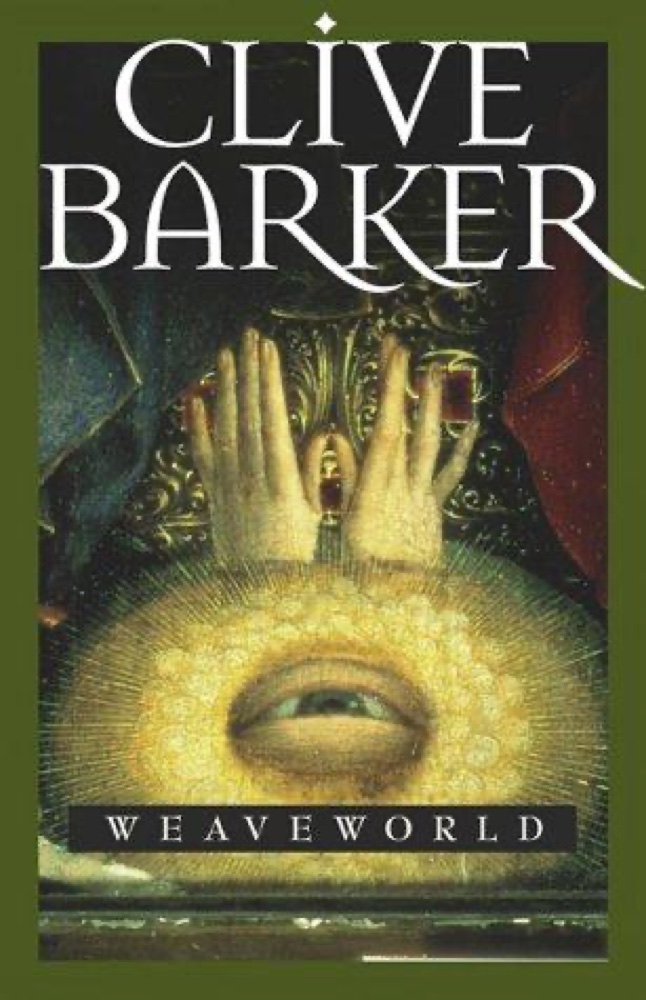 Weaveworld
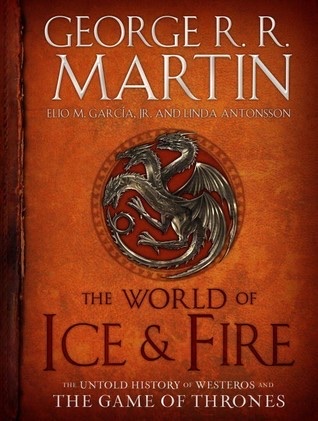 The World of Ice and Fire: The Untold History of Westeros and the Game of Thrones
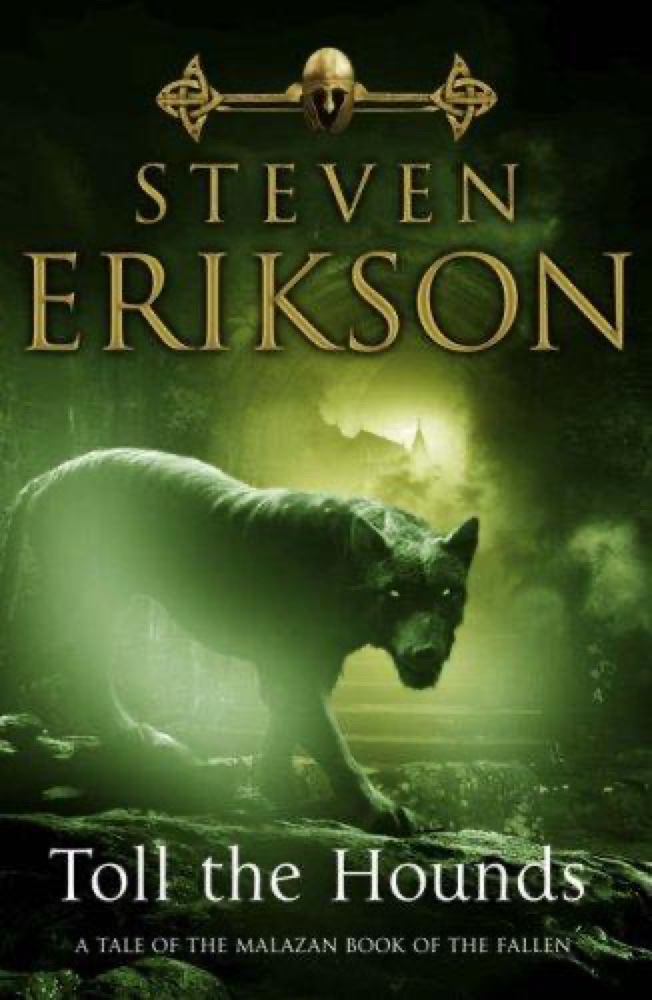 Toll the Hounds
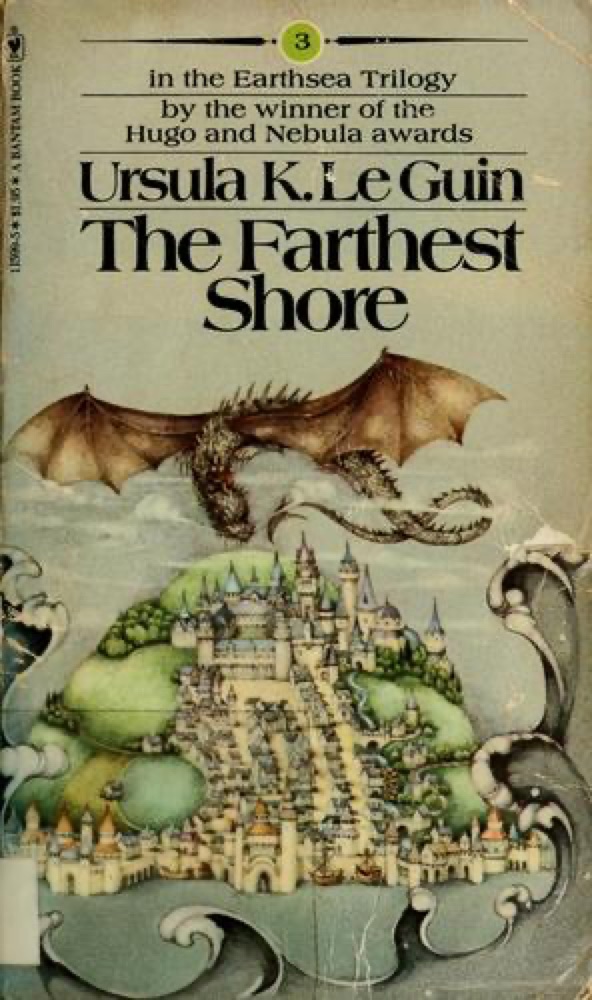 The Farthest Shore
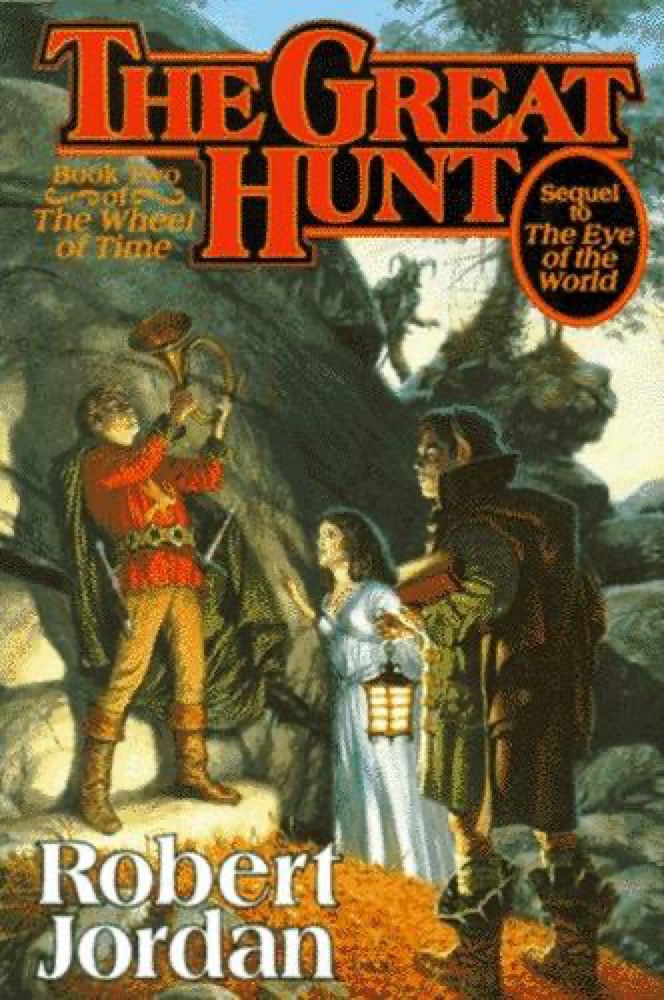 The Great Hunt
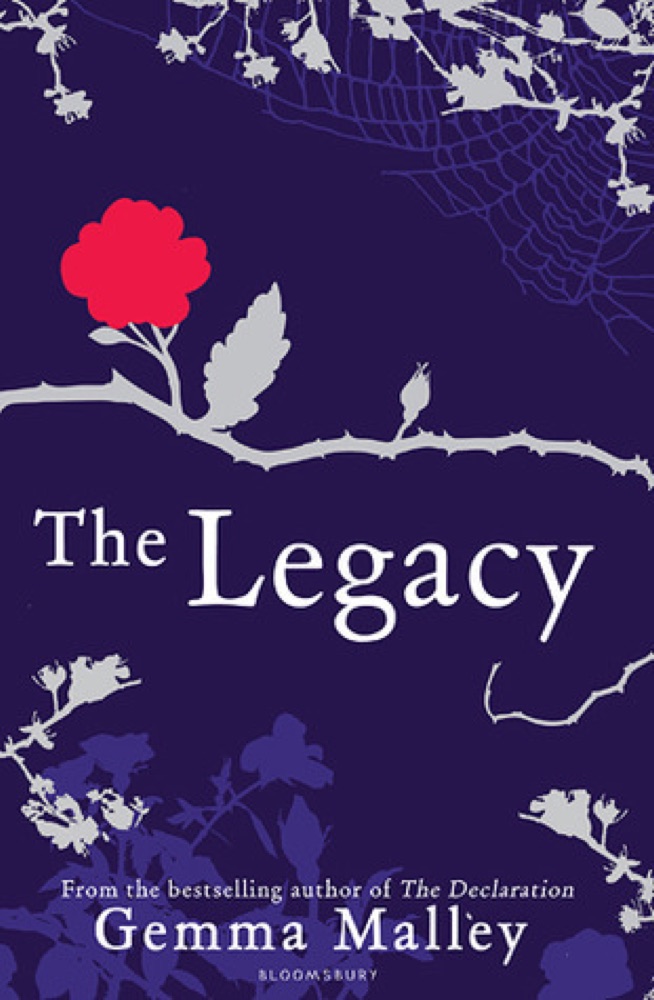 The Legacy
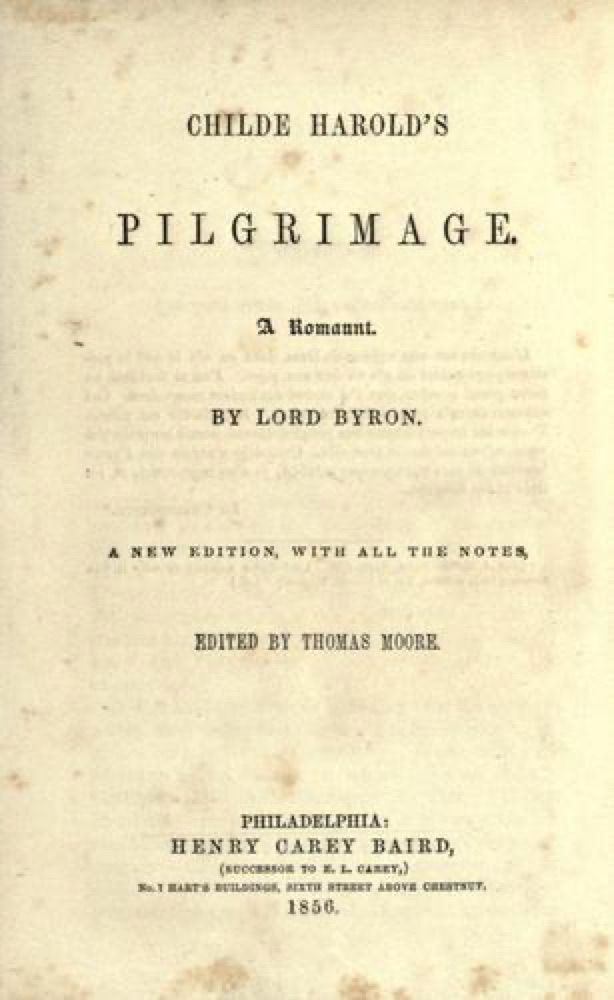 Childe Harold's Pilgrimage
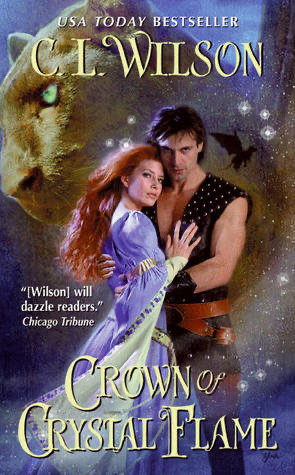 Crown of Crystal Flame
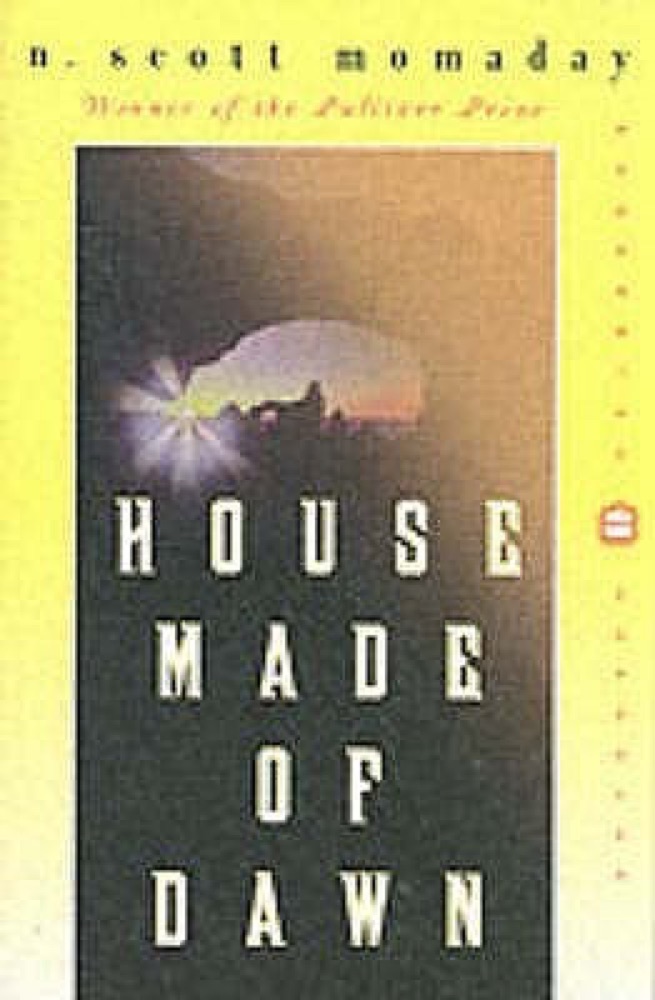 House Made of Dawn
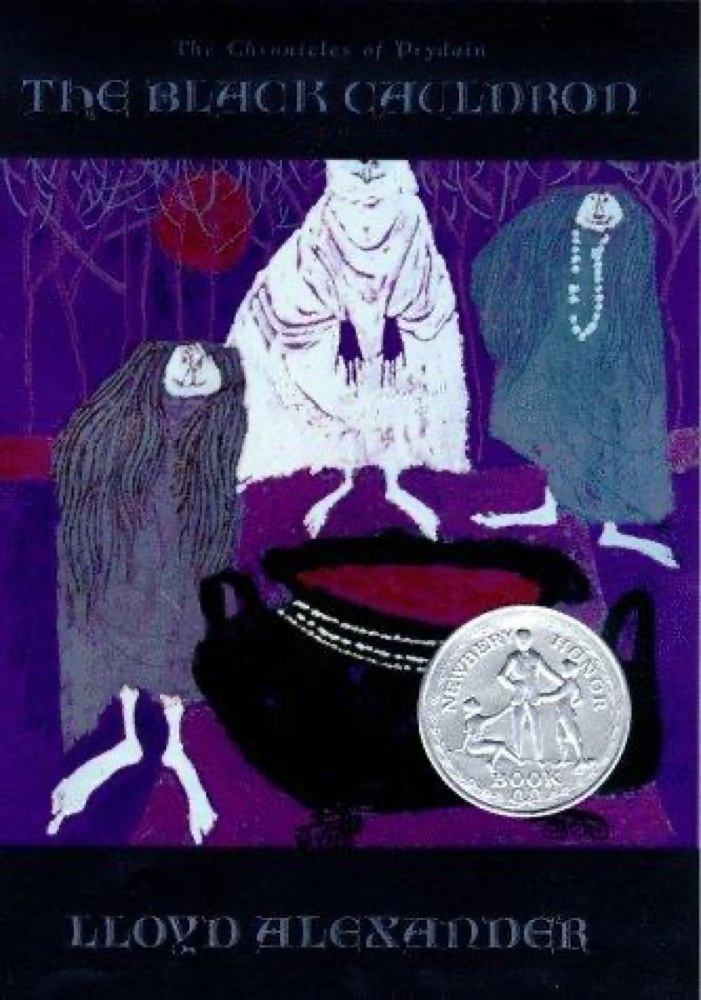 The Black Cauldron
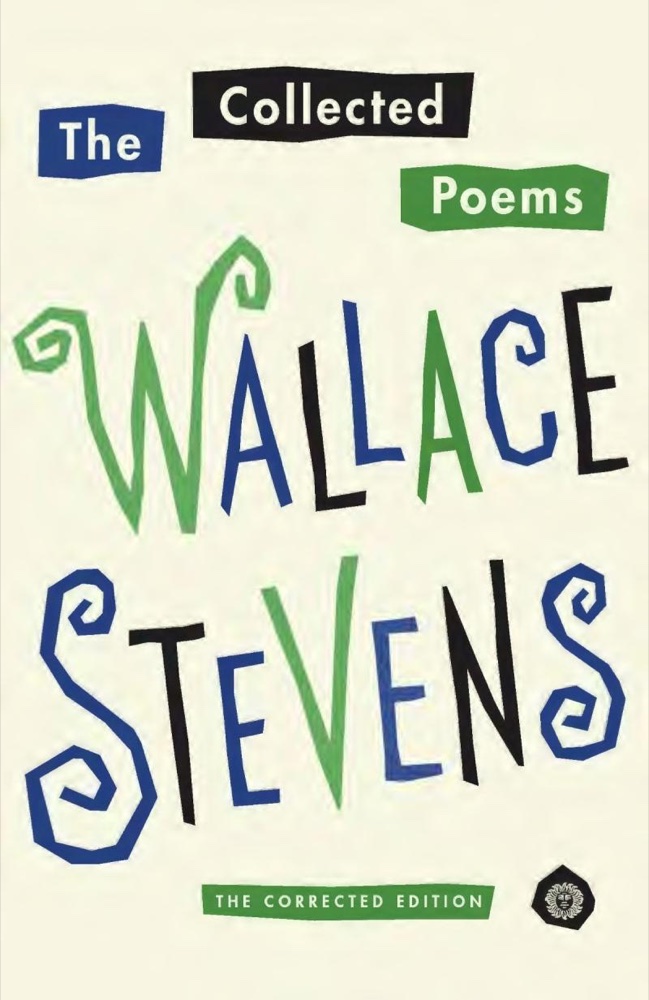 The Collected Poems
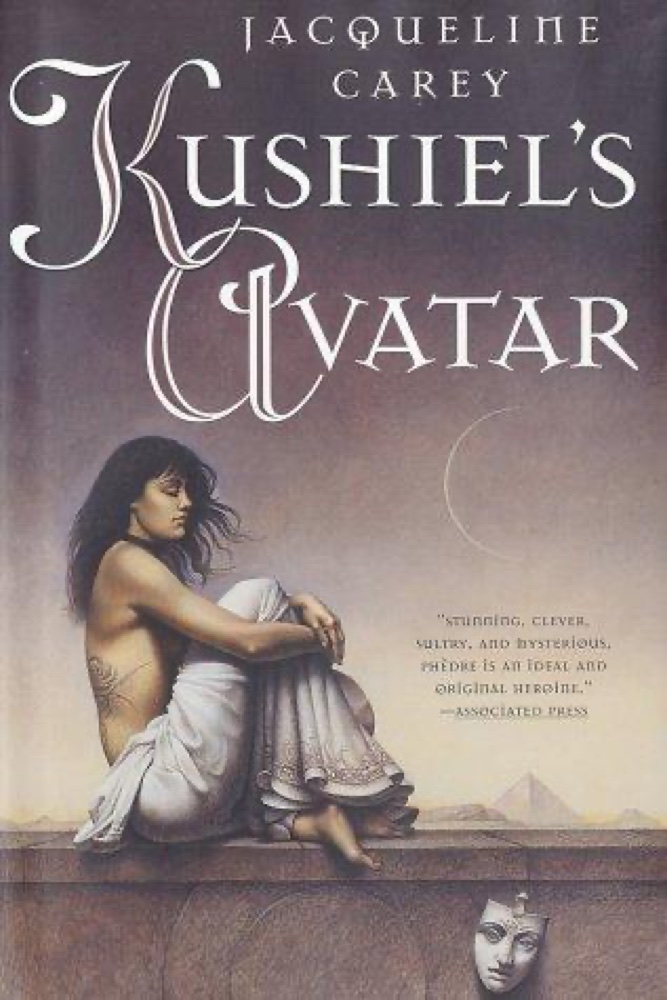 Kushiel's Avatar
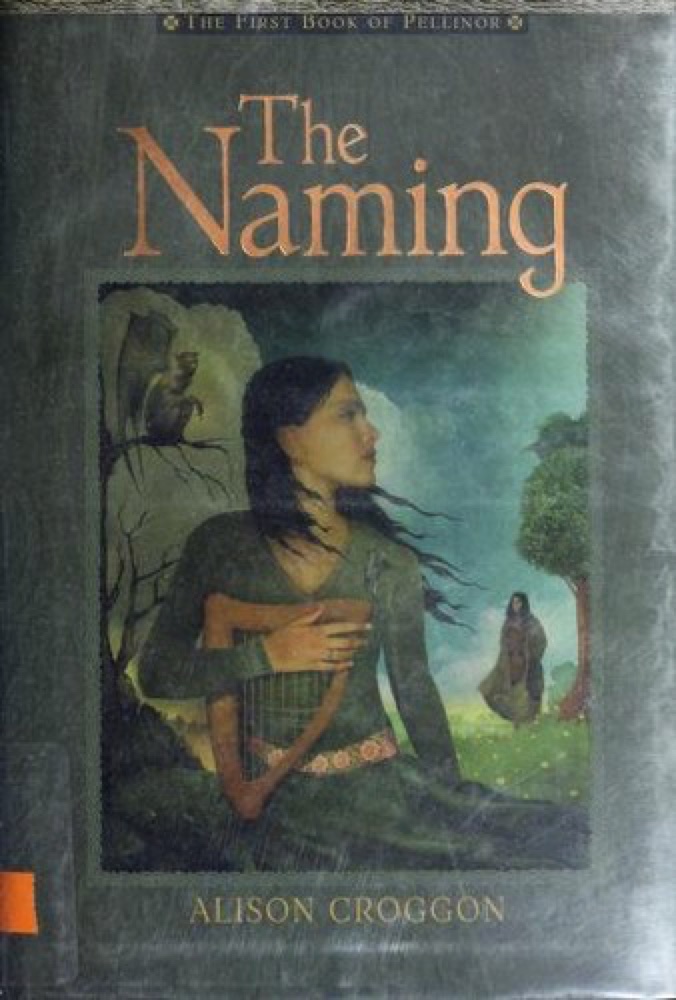 The Naming
 Ben-Hur: A Tale of the Christ
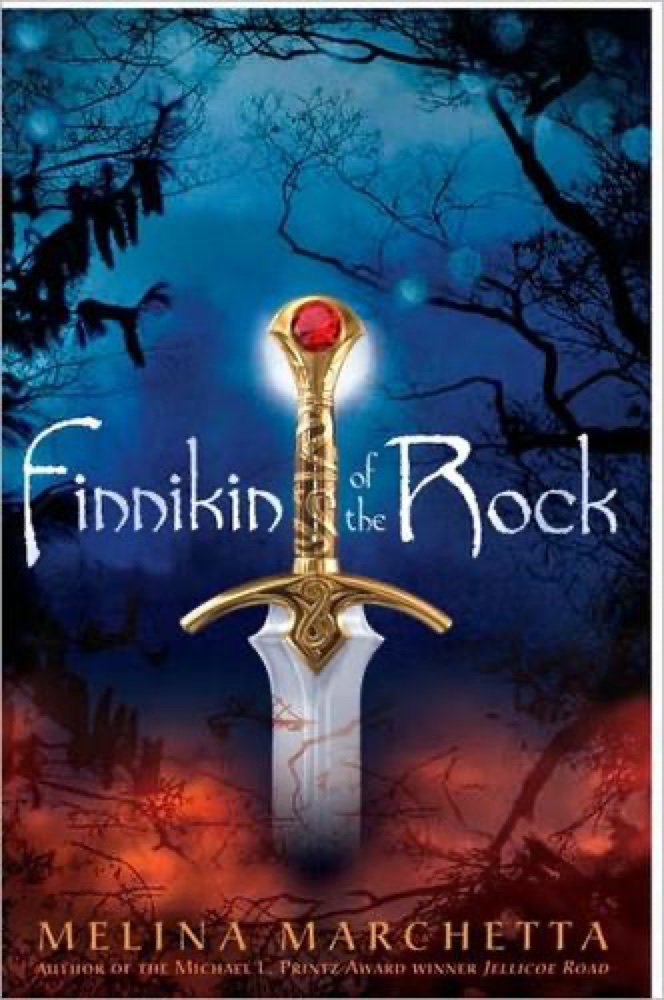 Finnikin of the Rock
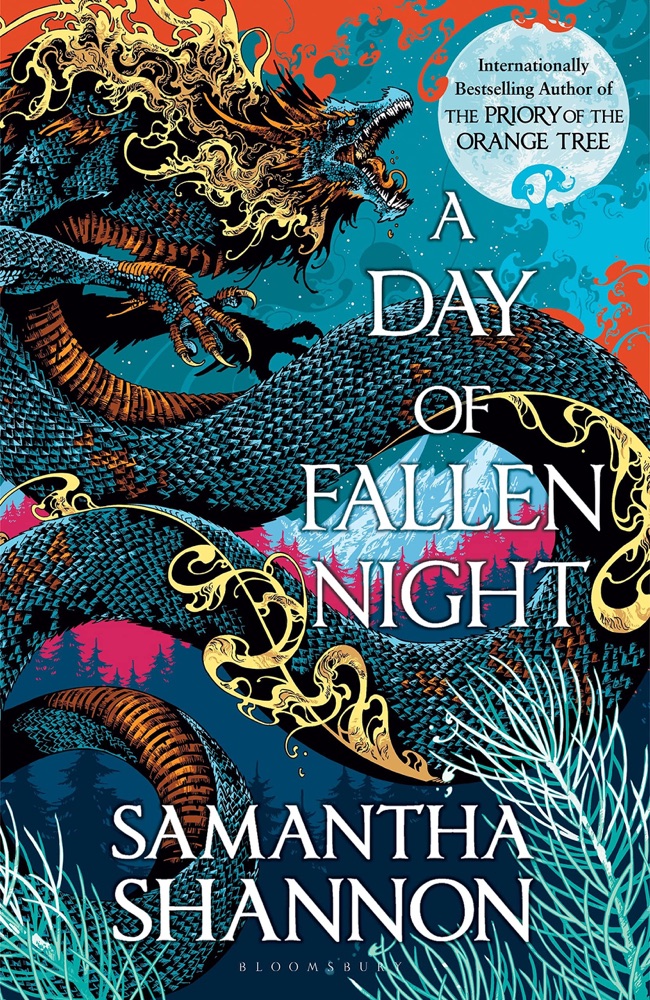 A Day of Fallen Night
 A Wizard of Earthsea
 She
She
 Prometheus Unbound
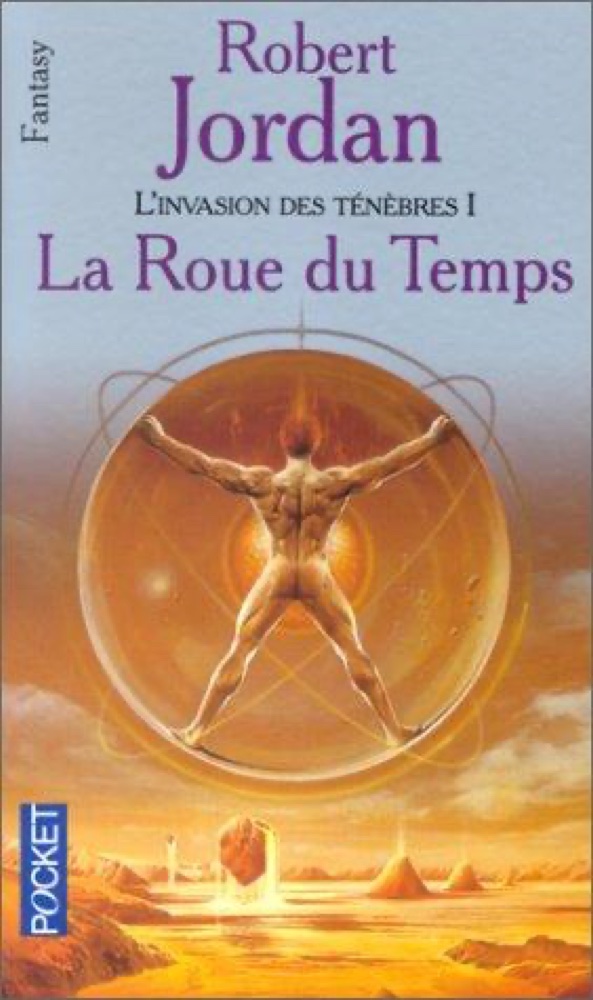 The Eye of the World
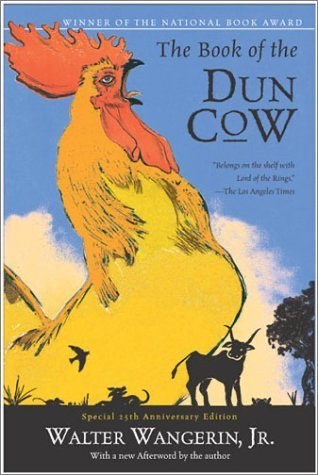 The Book of the Dun Cow
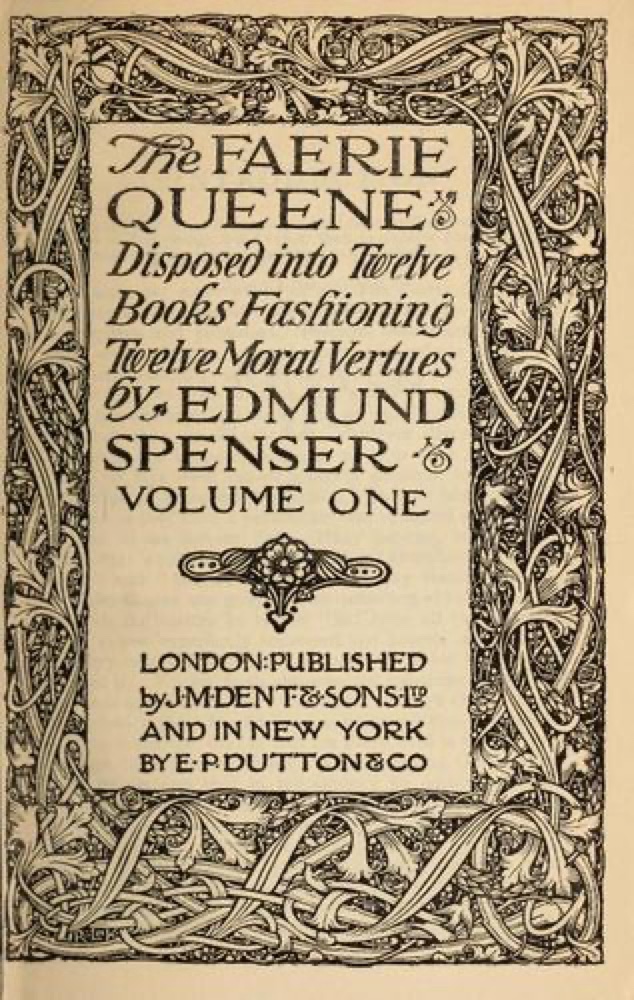 The Faerie Queene
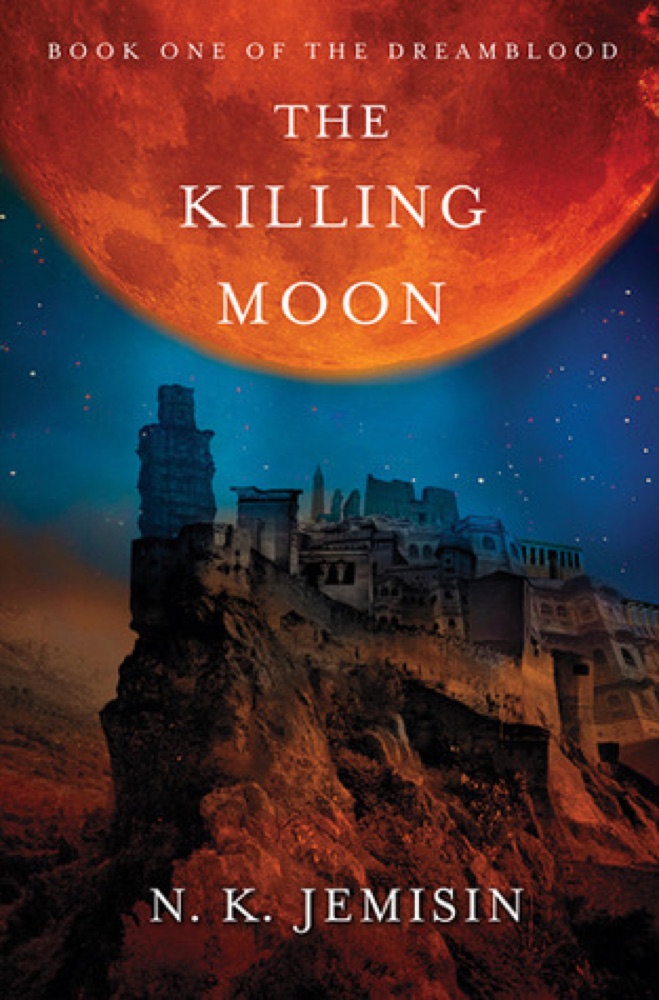 The Killing Moon
 The High King
 J.R.R. Tolkien: A Biography
 Passage to Dawn
 Elric of Melniboné
 The Complete Works
 The Complete Stories and Poems
 The Arabian Nights
 The Paradise War
 The Poetic Edda
 Towers of Midnight
 Gardens of the Moon
 Tigana
 Ruin
Ruin
 The Mists of Avalon
 A Dance with Dragons
 The Tempest
 Forge of Darkness
 The Hollow Hills
 Windwitch
 The Iliad
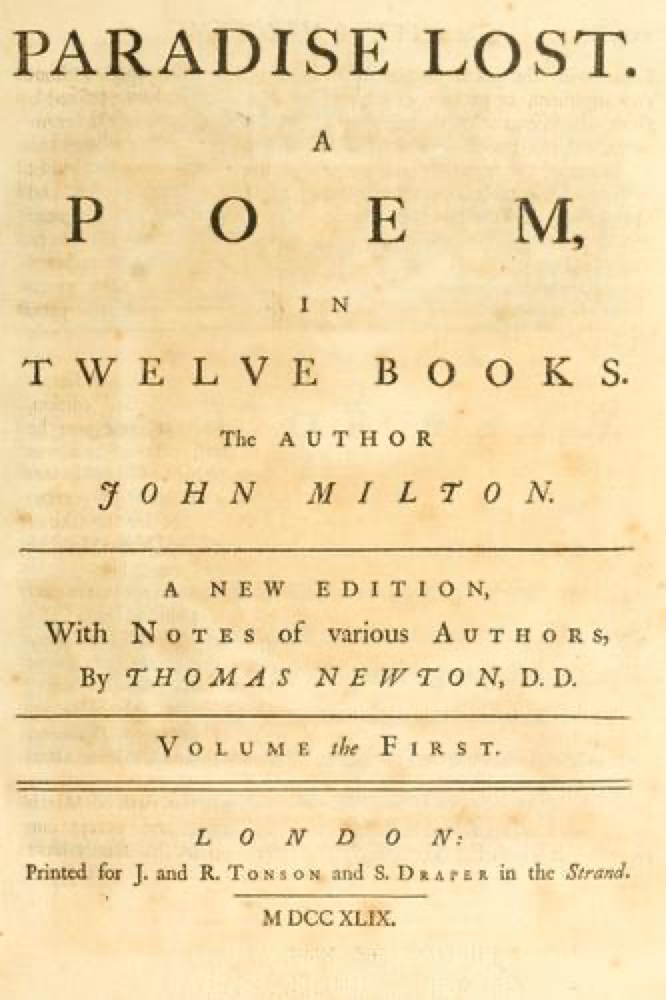 Paradise Lost