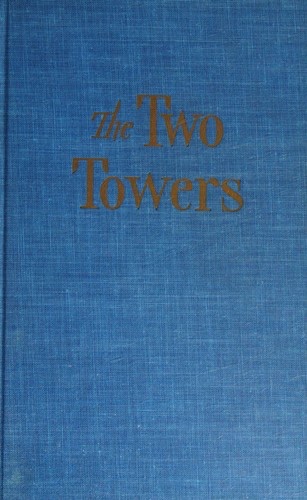
 The Two Towers
Quotes from the Book
I will not say: do not weep; for not all tears are an evil.
I am glad you are here with me. Here at the end of all things, Sam.
What do you fear, lady?" [Aragorn] asked. "A cage," [Éowyn] said. "To stay behind bars, until use and old age accept them, and all chance of doing great deeds is gone beyond recall or desire.
For like a shaft, clear and cold, the thought pierced him that in the end the Shadow was only a small and passing thing: there was light and high beauty for ever beyond its reach.
But I have been too deeply hurt, Sam. I tried to save the Shire, and it has been saved, but not for me. It must often be so, Sam, when things are in danger: some one has to give them up, lose them, so that others may keep them.
In this hour, I do not believe that any darkness will endure.
Oft hope is born when all is forlorn.
The world is full enough of hurts and mischances without wars to multiply them.
It is not our part to master all the tides of the world, but to do what is in us for the succour of those years wherein we are set, uprooting the evil in the fields that we know, so that those who live after may have clean earth to till. What weather they shall have is not ours to rule.
Well, here at last, dear friends, on the shores of the Sea comes the end of our fellowship in Middle-earth. Go in peace! I will not say: do not weep; for not all tears are an evil.
It is useless to meet revenge with revenge; it will heal nothing.
And then her heart changed, or at least she understood it; and the winter passed, and the sun shone upon her.
Ónen i-estel edain, ú-chebin estel anim. (I gave Hope to the Dúnedain, I have kept none for myself.) (Gilraen's linnod)
But no living man am I! You look upon a woman. Éowyn I am, Éomund's daughter. You stand between me and my lord and kin. Begone, if you be not deathless! For living or dark undead, I will smite you, if you touch him.
Out of doubt, out of dark to the day's rising I came singing into the sun, sword unsheathing. To hope's end I rode and to heart's breaking: Now for wrath, now for ruin and a red nightfall!
And the ship went out into the High Sea and passed into the West, until at last on a night of rain Frodo smelled a sweet fragrance on the air and heard the sound of singing that came over the water. And then it seemed to him that as in his dream in the house of Bombadil, the grey rain-curtain turned all to silver glass and was rolled back, and he beheld white shores and beyond them a far green country under a swift sunrise.
All your words are but to say: you are a woman, and your part is in the house. But when the men have died in battle and honour, you have leave to be burned in the house, for the men will need it no more. But I am of the House of Erol and not a serving-woman. I can ride and wield blade, and I do not fear either pain or death.
His grief he will not forget; but it will not darken his heart, it will teach him wisdom.
There, peeping among the cloud-wrack above a dark tor high up in the mountains, Sam saw a white star twinkle for a while. The beauty of it smote his heart, as he looked up out of the forsaken land, and hope returned to him. For like a shaft, clear and cold, the thought pierced him that in the end the Shadow was only a small and passing thing: there was light and high beauty for ever beyond its reach.
Your time may come. Do not be too sad, Sam. You cannot be always torn in two. You will have to be one and whole, for many years. You have so much to enjoy and to be, and to do.
I wished to be loved by another,' [Éowyn] answered. 'But I desire no man's pity.
The way is shut. It was made by those who are Dead, and the Dead keep it, until the time comes. The way is shut.
The whole thing is quite hopeless, so it's no good worrying about tomorrow. It probably won't come.
Come, Mr. Frodo!' he cried. 'I can't carry it for you, but I can carry you.
Gandalf! I thought you were dead! But then I thought I was dead myself. Is everything sad going to come untrue? What's happened to the world?" A great Shadow has departed," said Gandalf, and then he laughed and the sound was like music, or like water in a parched land; and as he listened the thought came to Sam that he had not heard laughter, the pure sound of merriment, for days upon days without count.
Arise, arise, Riders of Théoden! Fell deeds awake, fire and slaughter! spear shall be shaken, shield be splintered, a sword-day, a red day, ere the sun rises! Ride now, ride now! Ride to Gondor!
For I am the daughter of Elrond. I shall not go with him when he departs to the Havens: for mine is the choice of Luthien, and as she so have I chosen, both the sweet and the bitter.
In rode the Lord of the Nazgûl. A great black shape against the fires beyond he loomed up, grown to a vast menace of despair. In rode the Lord of the Nazgûl, under the archway that no enemy ever yet had passed, and all fled before his face. All save one. There waiting, silent and still in the space before the Gate, sat Gandalf upon Shadowfax: Shadowfax who alone among the free horses of the earth endured the terror, unmoving, steadfast as a graven image in Rath Dínen. "You cannot enter here," said Gandalf, and the huge shadow halted. "Go back to the abyss prepared for you! Go back! Fall into the nothingness that awaits you and your Master. Go!" The Black Rider flung back his hood, and behold! he had a kingly crown; and yet upon no head visible was it set. The red fires shone between it and the mantled shoulders vast and dark. From a mouth unseen there came a deadly laughter. "Old fool!" he said. "Old fool! This is my hour. Do you not know Death when you see it? Die now and curse in vain!" And with that he lifted high his sword and flames ran down the blade. And in that very moment, away behind in some courtyard of the city, a cock crowed. Shrill and clear he crowed, recking nothing of war nor of wizardry, welcoming only the morning that in the sky far above the shadows of death was coming with the dawn. And as if in answer there came from far away another note. Horns, horns, horns, in dark Mindolluin's sides they dimly echoed. Great horns of the north wildly blowing. Rohan had come at last.
But who knows what she spoke to the darkness, alone, in the bitter watches of the night, when all her life seemed shrinking, and the walls of her bower closing in about her, a hutch to trammel some wild thing in?
Did you know?
- It is the third and final volume of "The Lord of the Rings," following "The Fellowship of the Ring" and "The Two Towers."
- It was first published on 20 October 1955 by George Allen & Unwin.
- The volume includes extensive appendices covering the histories, calendars, languages, and genealogies of Middle-earth.
- The appendix "The Tale of Aragorn and Arwen" recounts the love story of Aragorn and Arwen.
- The narrative climaxes with the Battle of the Pelennor Fields and the destruction of the One Ring at Mount Doom.
- Peter Jackson's 2003 film adaptation was a major critical and commercial success.
About J.R.R. Tolkien
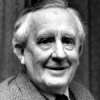
J.R.R. Tolkien (1892-1973) was an English writer, poet, and philologist who served as a professor of Anglo-Saxon and English at the University of Oxford. He is best known for the fantasy works "The Hobbit" and "The Lord of the Rings."
More about the author →More by J.R.R. Tolkien
All books by J.R.R. Tolkien →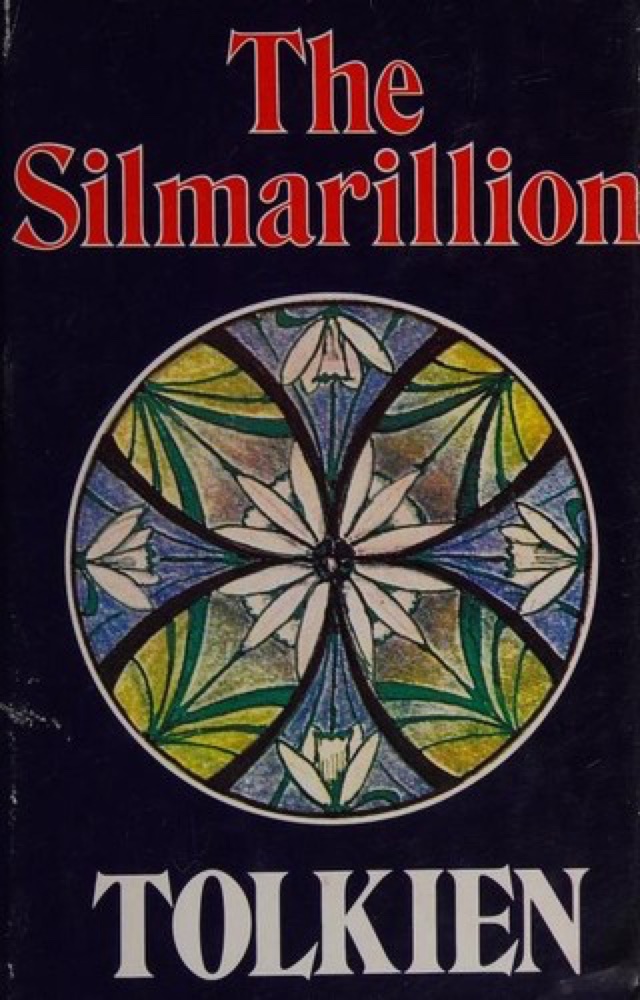
About the book
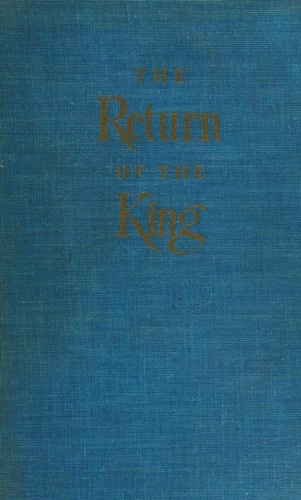
"The Return of the King" is the third and final volume of J.R.R. Tolkien's "The Lord of the Rings," first published in 1955. It carries the story to its climax on two fronts: Aragorn and the kingdoms of Gondor and Rohan stand against Sauron's invasion, culminating in the great Battle of the Pelennor Fields, while Frodo Baggins and Samwise Gamgee press on through the wastes of Mordor to destroy the One Ring at Mount Doom.
With the Ring unmade and Sauron's power broken, Aragorn is crowned king and weds Arwen, and the surviving members of the fellowship return home. There the hobbits find the Shire itself troubled and must set it right before the tale can truly close. Alongside the narrative, the volume includes extensive appendices chronicling the histories, languages, and lineages of Middle-earth.
Themes of sacrifice, mercy, mortality, and the cost of victory run throughout, and the appended "Tale of Aragorn and Arwen" dwells on love and death. As the conclusion of one of the most influential works of modern fantasy, the book helped define the epic-fantasy genre and remains a touchstone for readers and writers alike; it was adapted into Peter Jackson's acclaimed 2003 film.
Key characters
- Frodo BagginsHobbit and Ring-bearer journeying to destroy the One Ring
- Samwise GamgeeFrodo's loyal companion and gardener
- AragornHeir of Isildur who claims the throne of Gondor
- GandalfWizard leading the free peoples against Sauron
- Peregrin Took (Pippin)Hobbit who enters the service of Gondor
- EowynNoblewoman of Rohan who fights in the Battle of the Pelennor Fields
- GollumCorrupted creature obsessed with the Ring
Book details
- First published
- 1955
- Length
- 416 pages
- Reading time
- 25 hours
- Author
- J.R.R. Tolkien
- Genre
- Classics
- Goodreads rating
- 4.59 (1.1M ratings) →
- First line
- “Pippin looked out from the shelter of Gandalf's cloak.”
Series & reading order
- 1 The Fellowship of the Ring
- 2 The Two Towers
- 3 The Return of the King
Movie & TV adaptations
- IMDb
If you liked this, read…
- 1The Two TowersThe preceding volume of the same epic
- 2The SilmarillionTolkien's deeper mythology of Middle-earth
Keep reading
 The Lord of the Rings
The Two Towers
The Lord of the Rings
The Two Towers
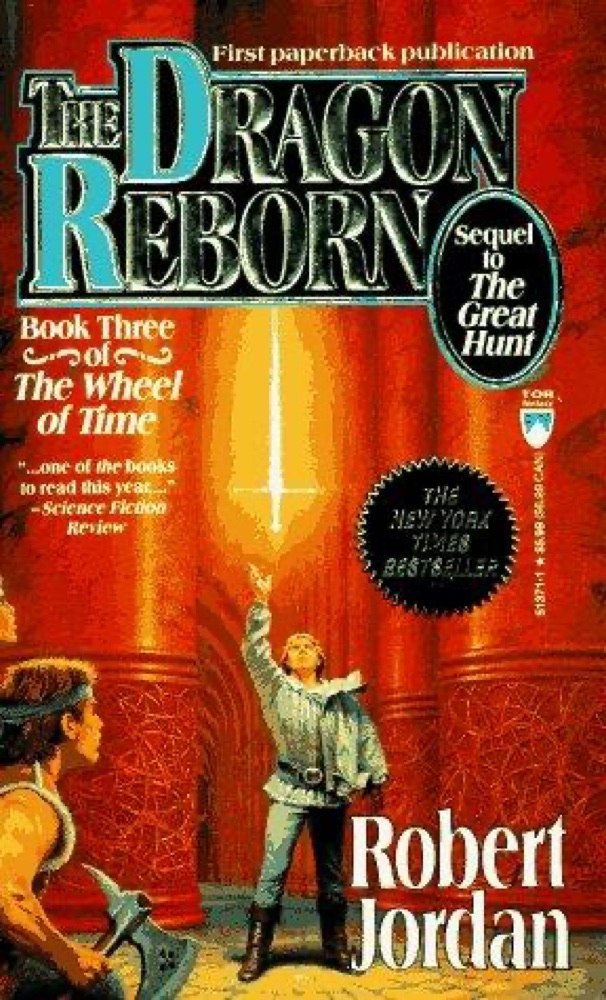 The Dragon Reborn
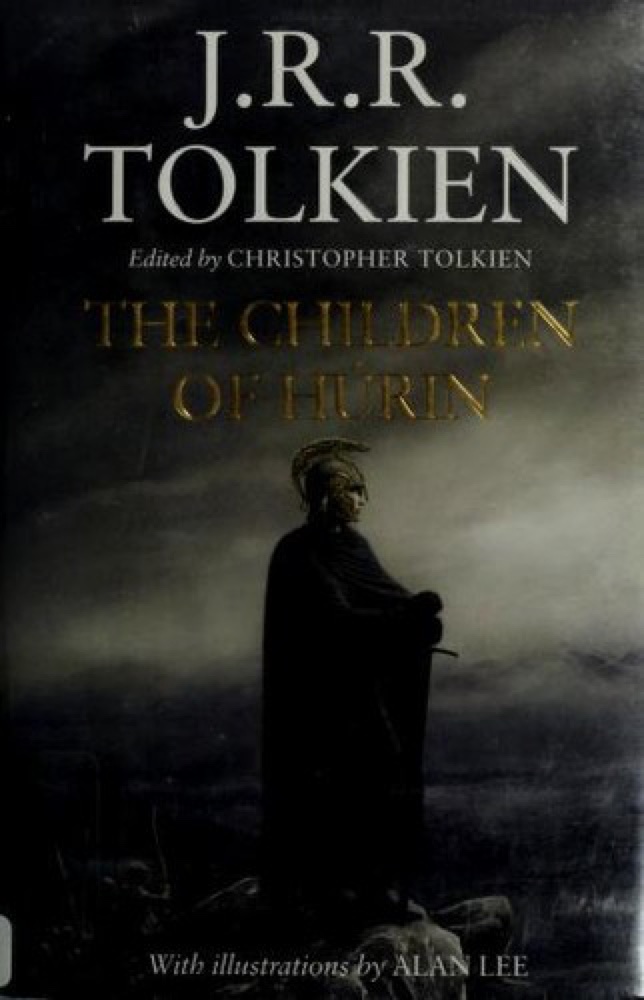 The Children of Húrin
 The Shadow Rising
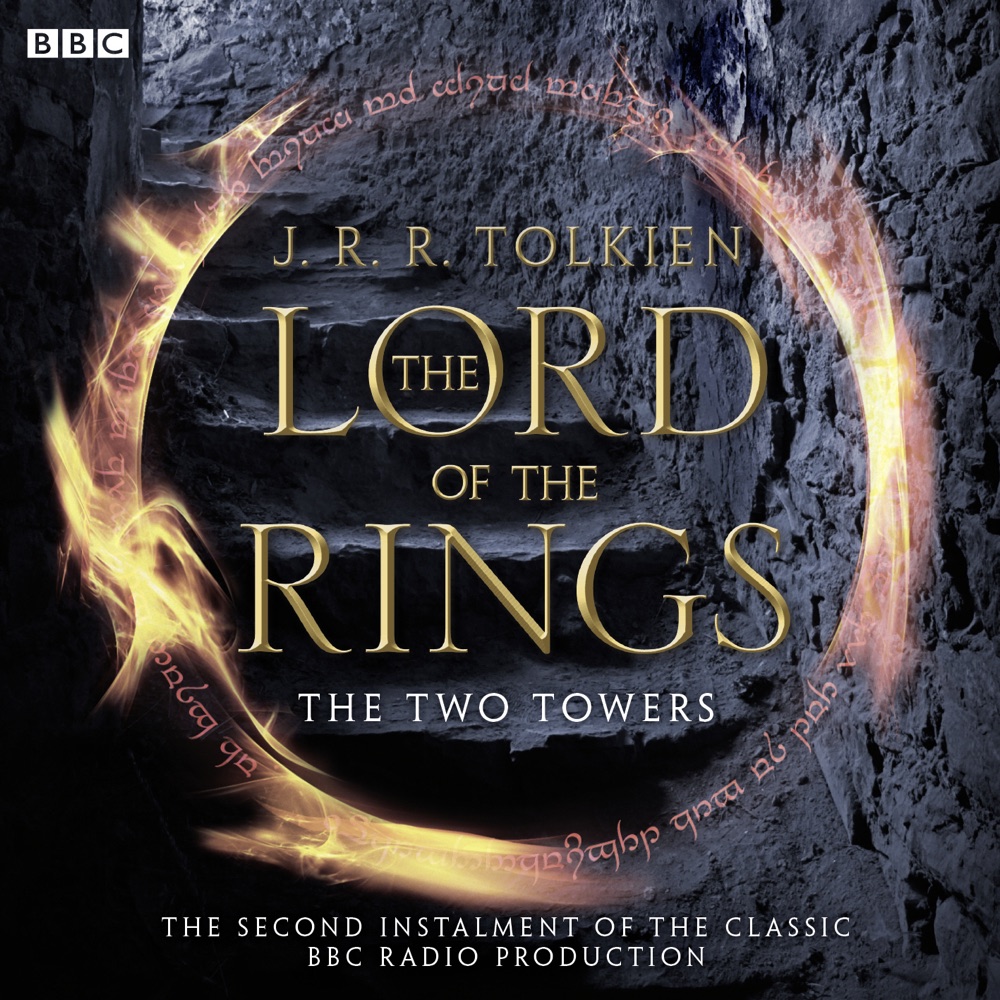 The Lord of the Rings: The Two Towers
 The Great Hunt
 The Last Battle
 A Game of Thrones
 Crown of Crystal Flame
 North! or Be Eaten
 A Dance with Dragons
 A Conjuring of Light
 Fall of Kings
 Beowulf
 Elantris
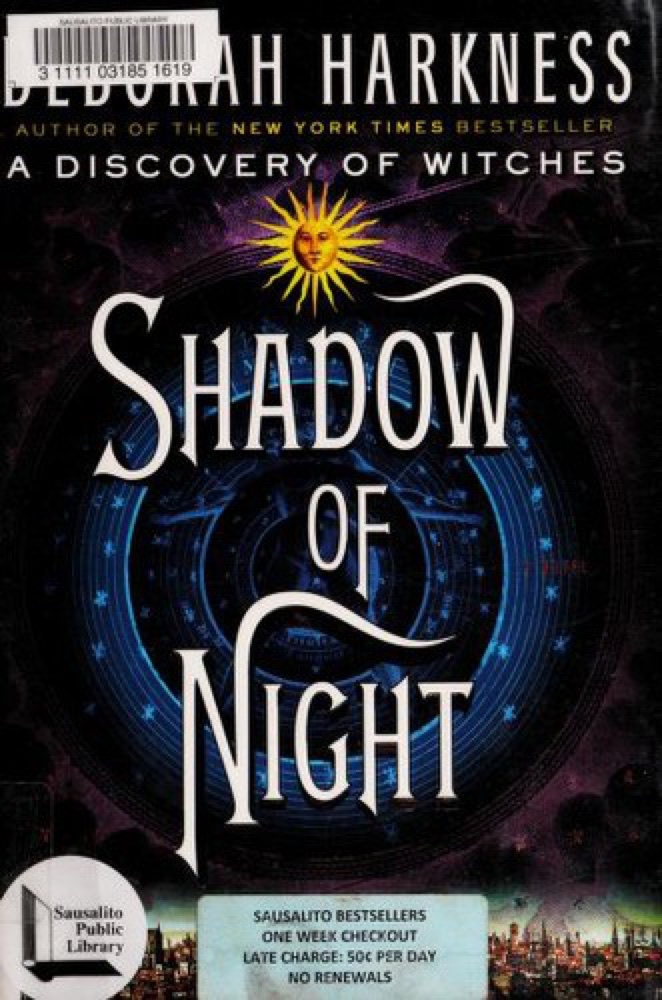 Shadow of Night
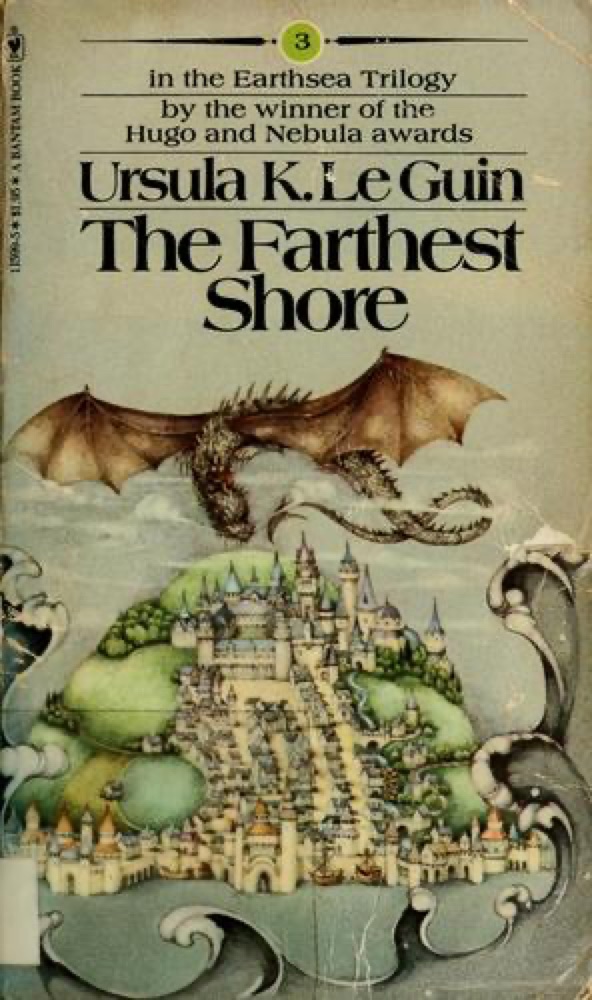 The Farthest Shore
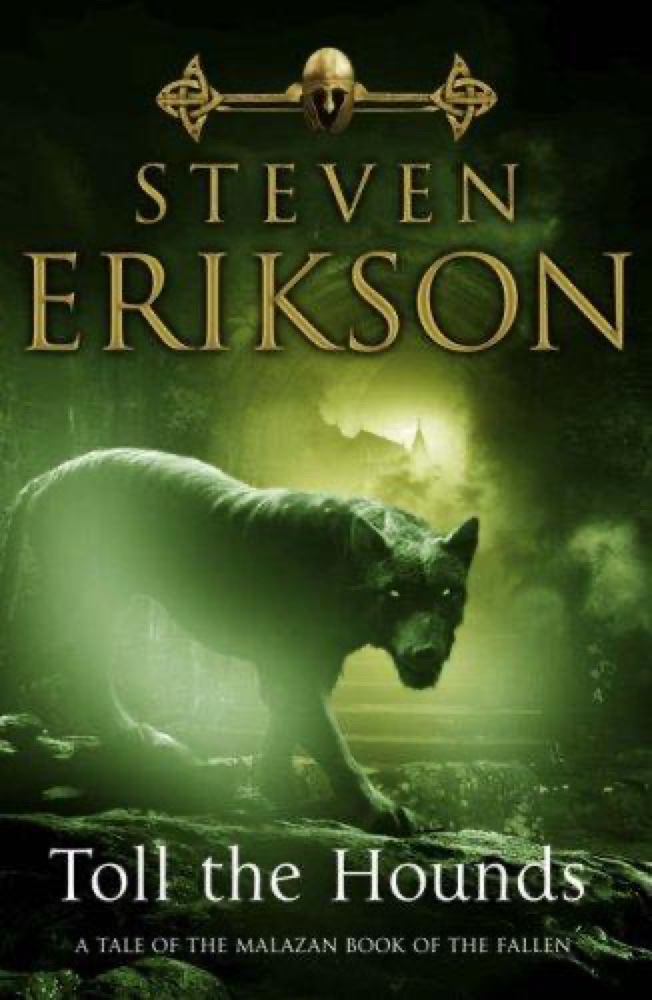 Toll the Hounds
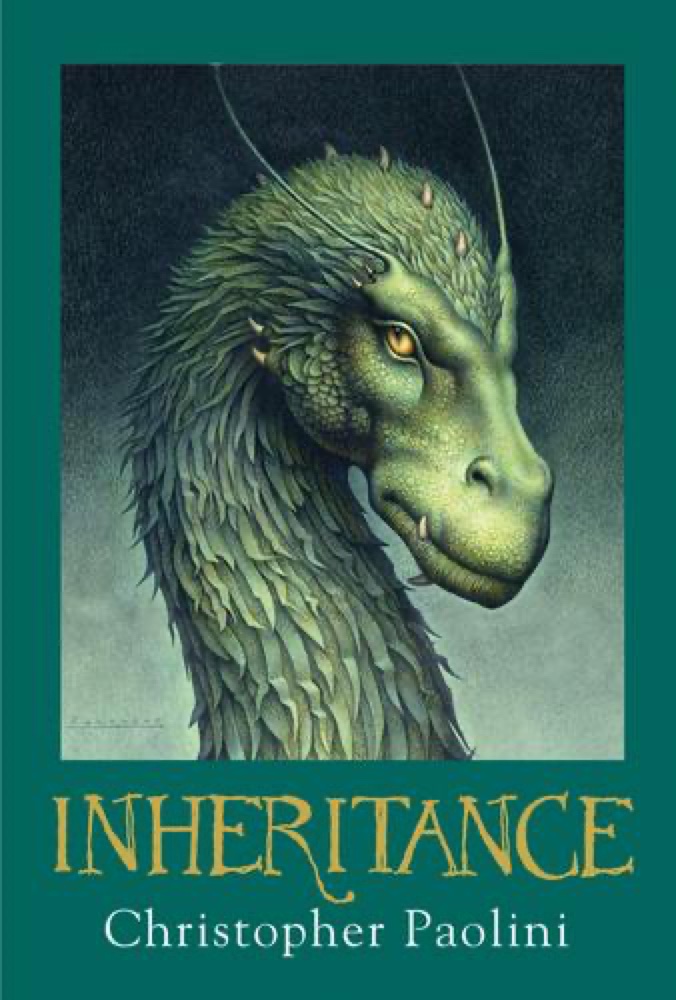 Inheritance
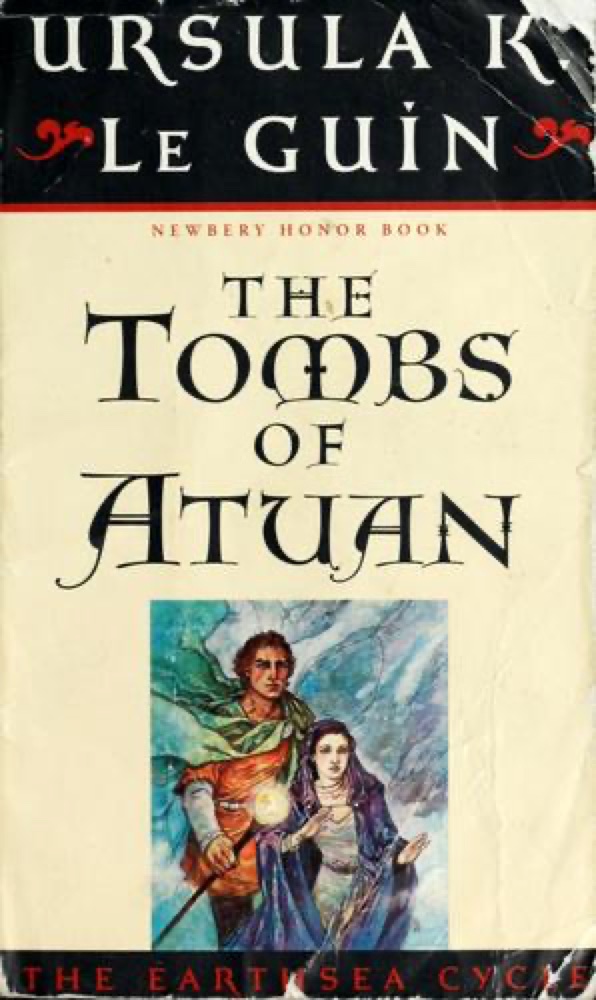 The Tombs of Atuan
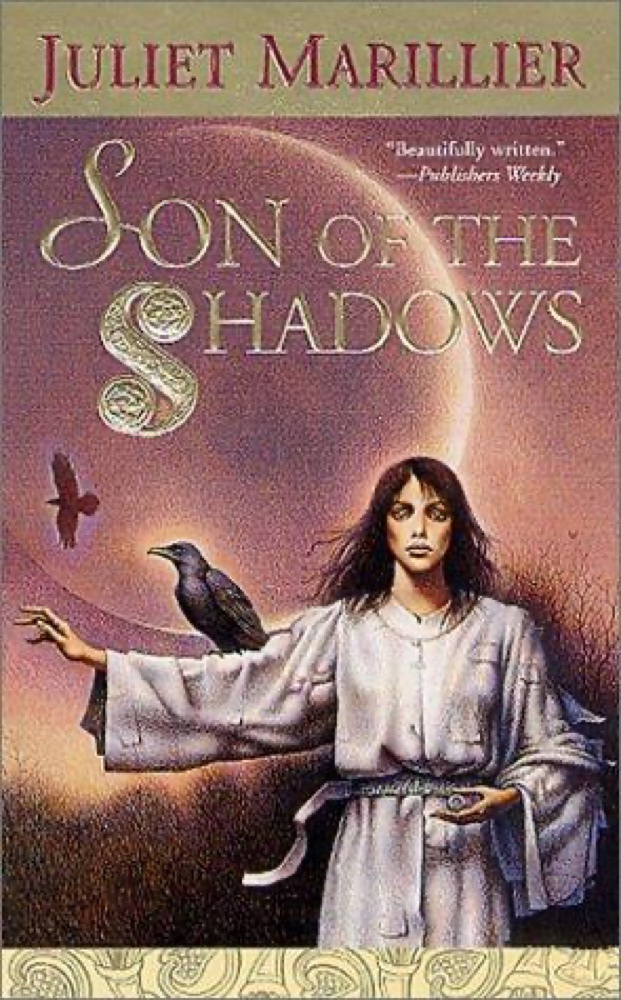 Son of the Shadows
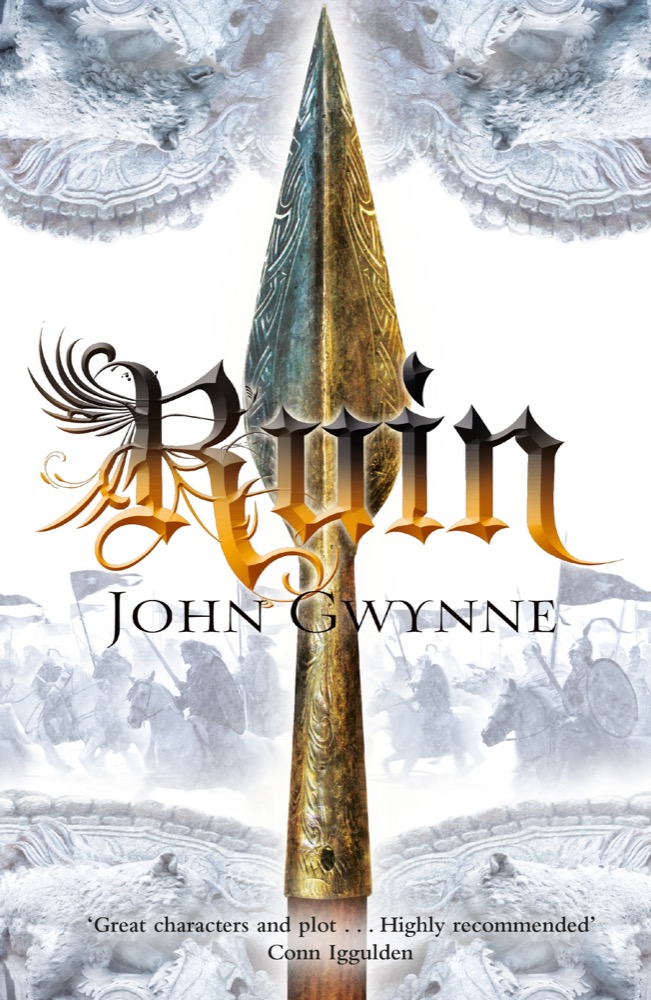 Ruin
Ruin
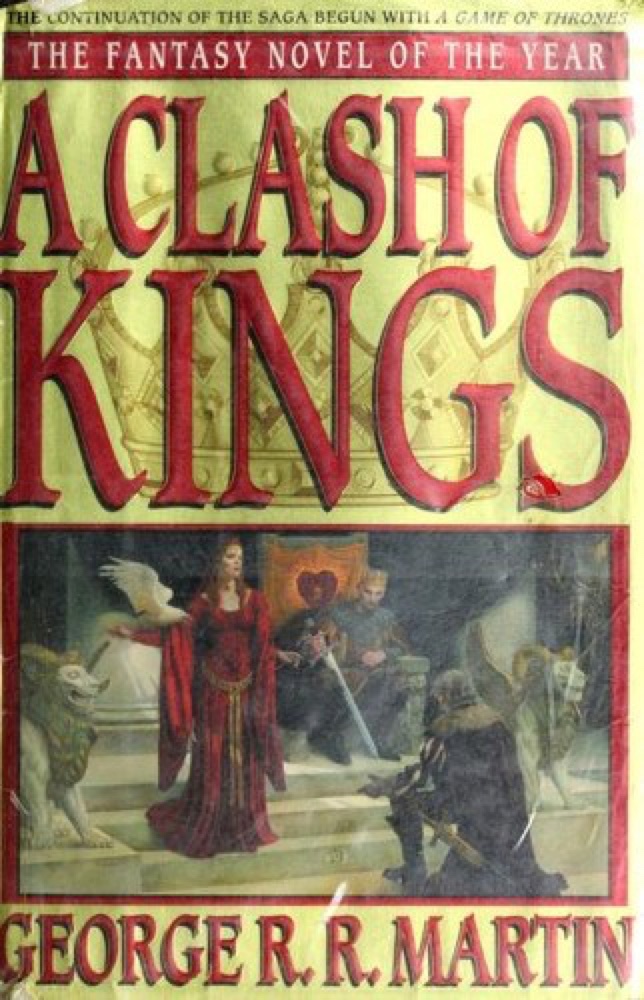 A Clash of Kings
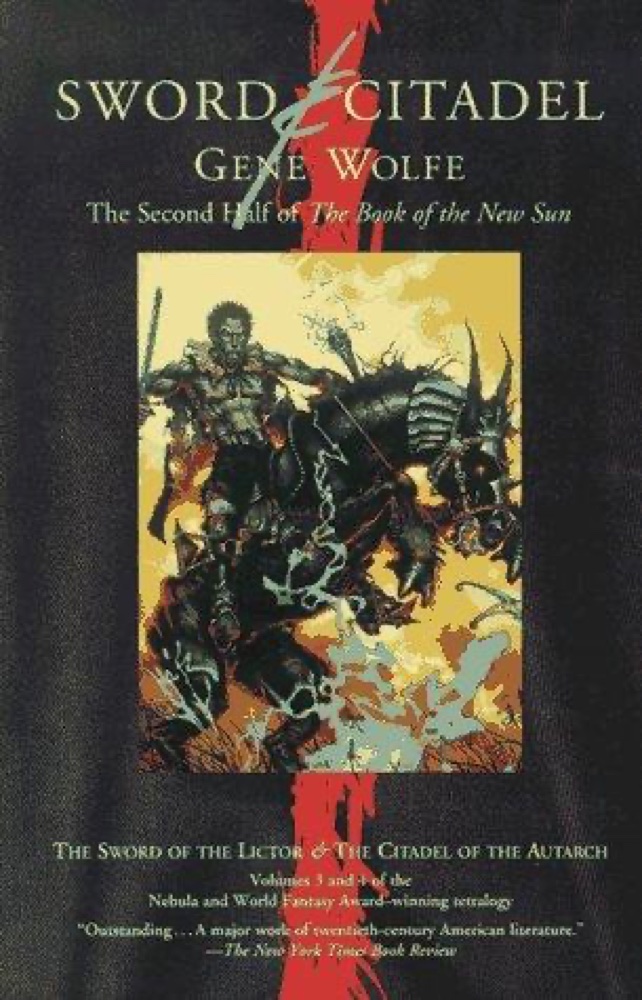 Sword & Citadel
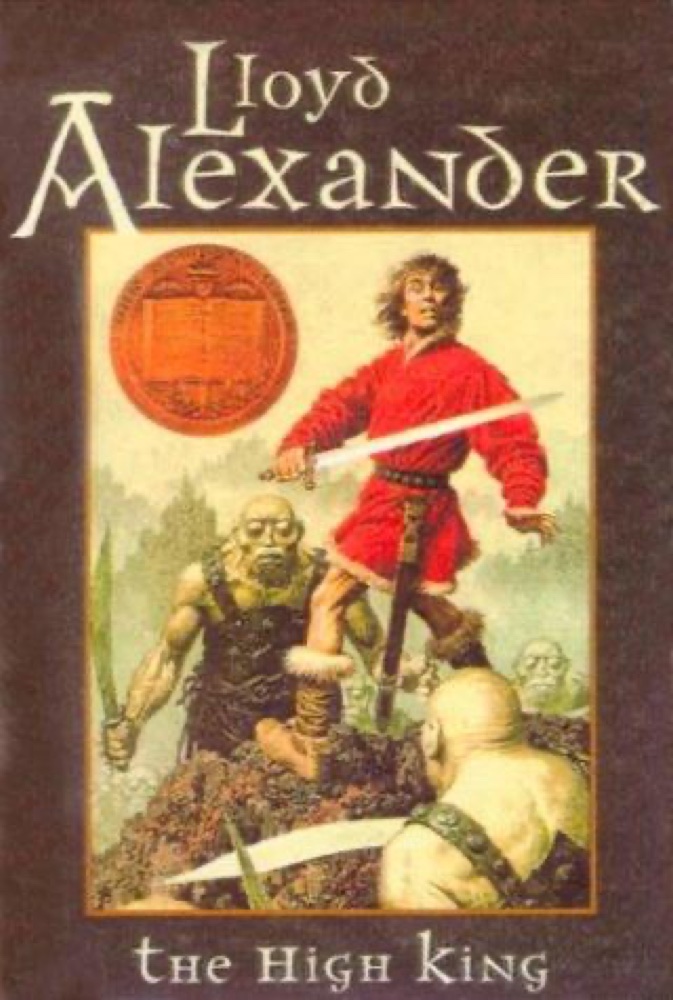 The High King
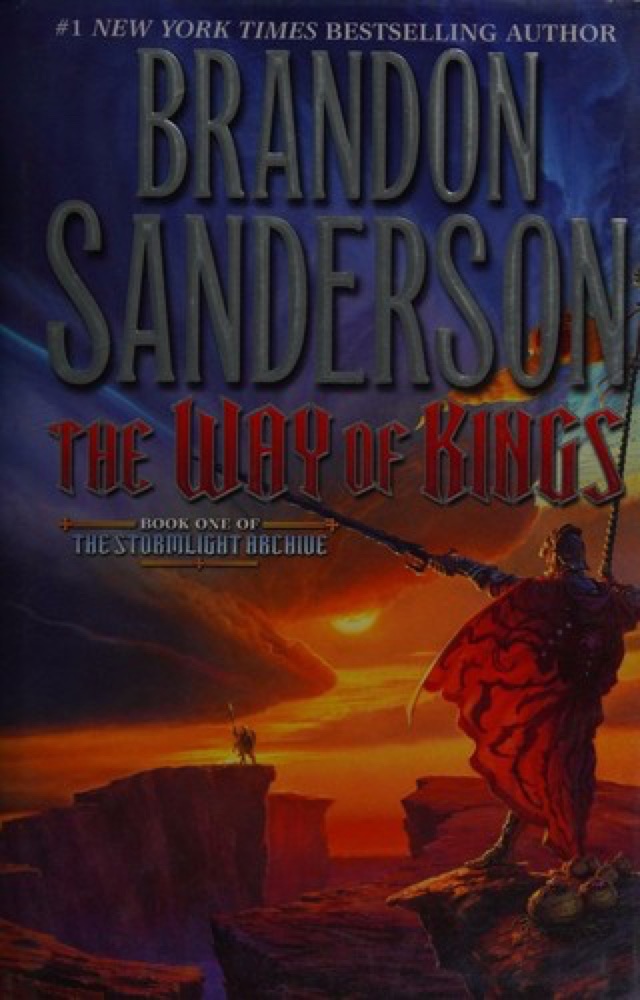 The Way of Kings
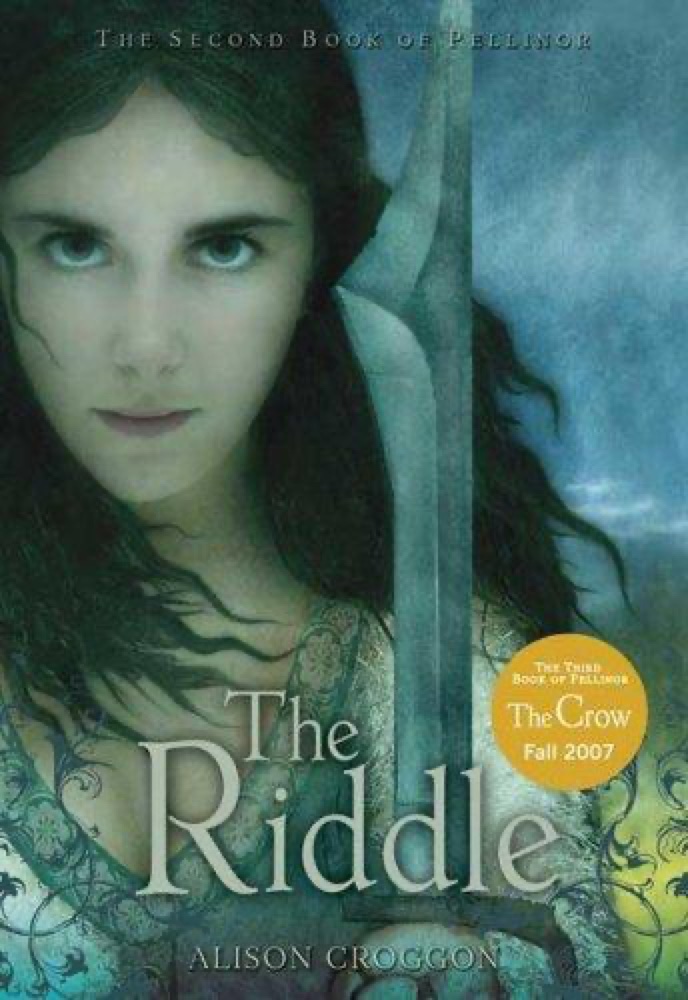 The Riddle
 Taliesin
 Sword of Destiny
 House of Chains
 The Crippled God
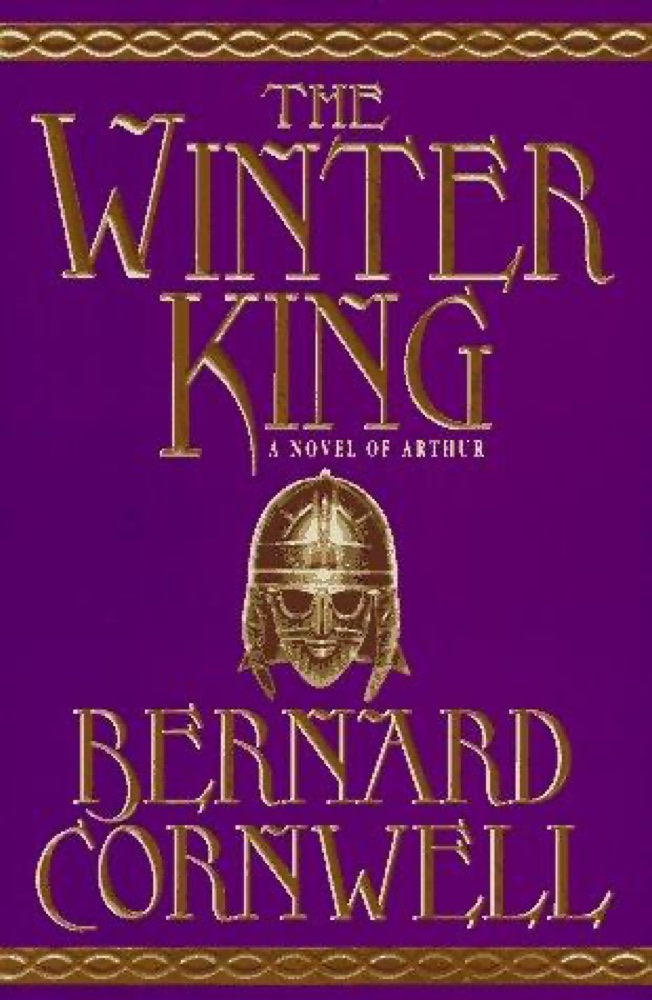 The Winter King
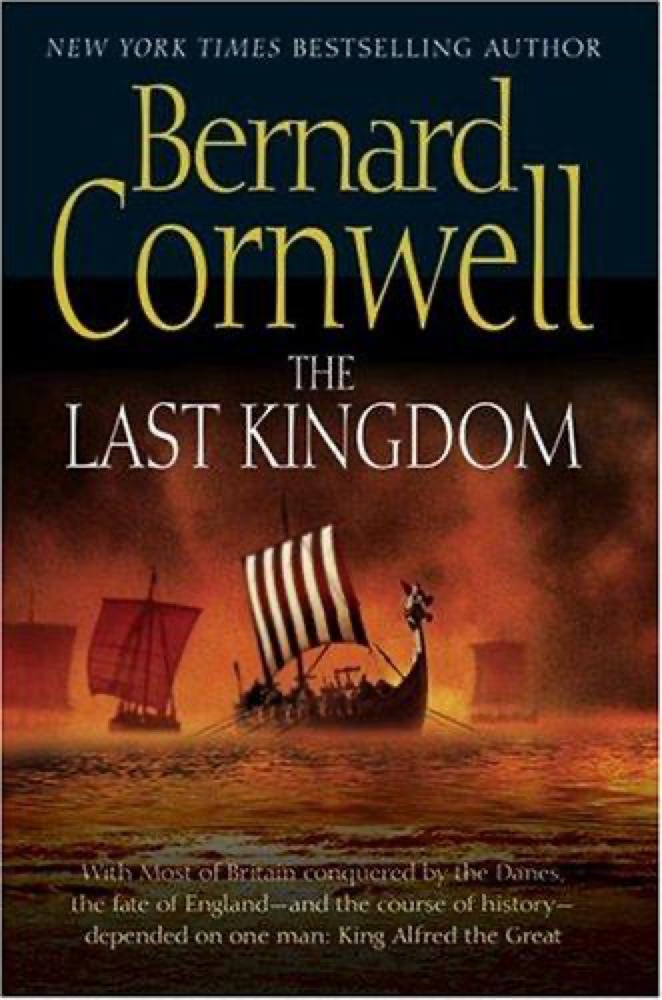 The Last Kingdom
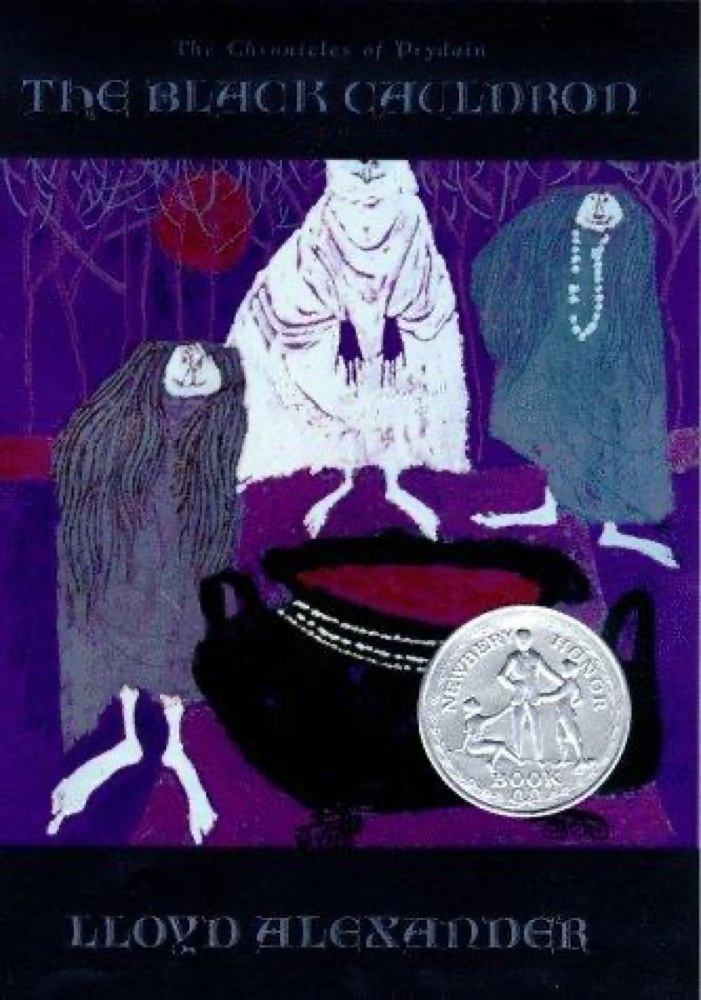 The Black Cauldron
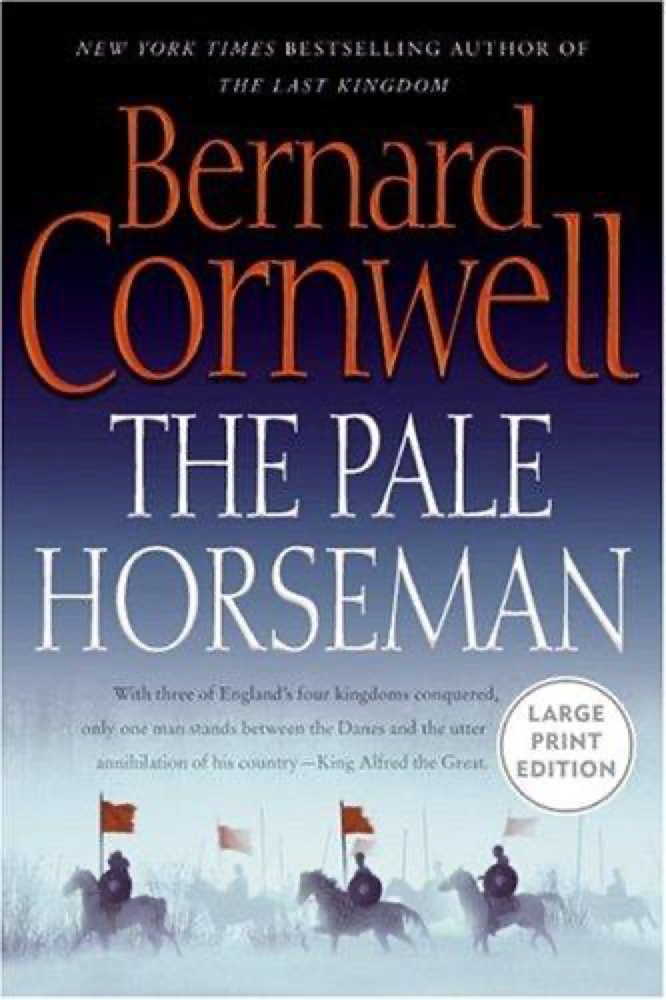 The Pale Horseman
 Dragons of Winter Night
 A Wizard of Earthsea
 Abarat
 Homeland
 The King Must Die
 Assassin's Quest
 The Broken Kingdoms
 The Silver Chair
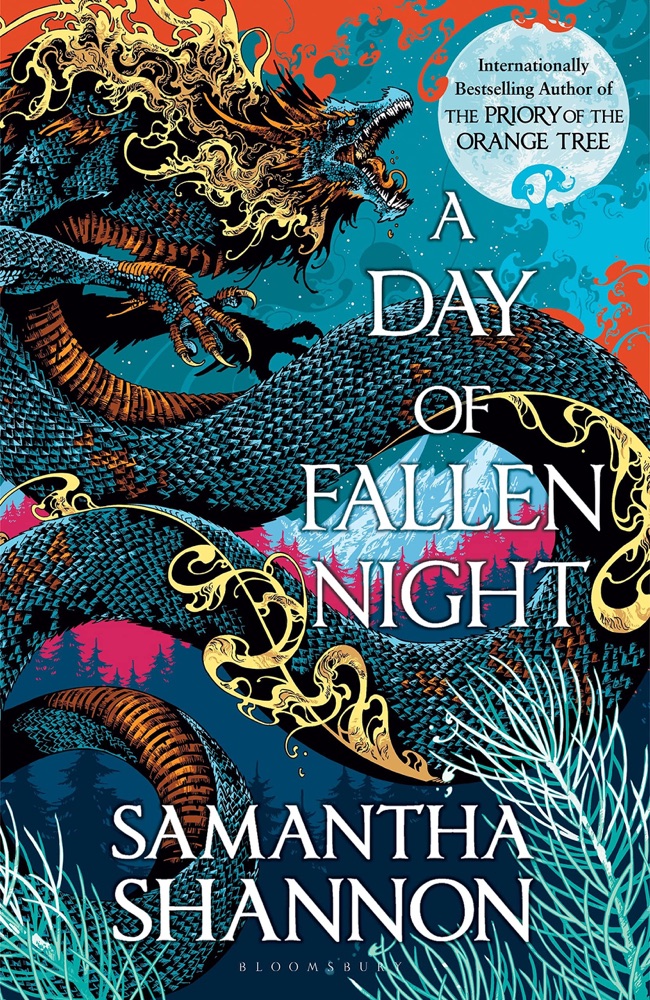 A Day of Fallen Night
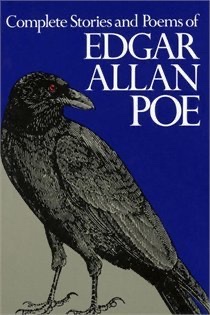 The Complete Stories and Poems
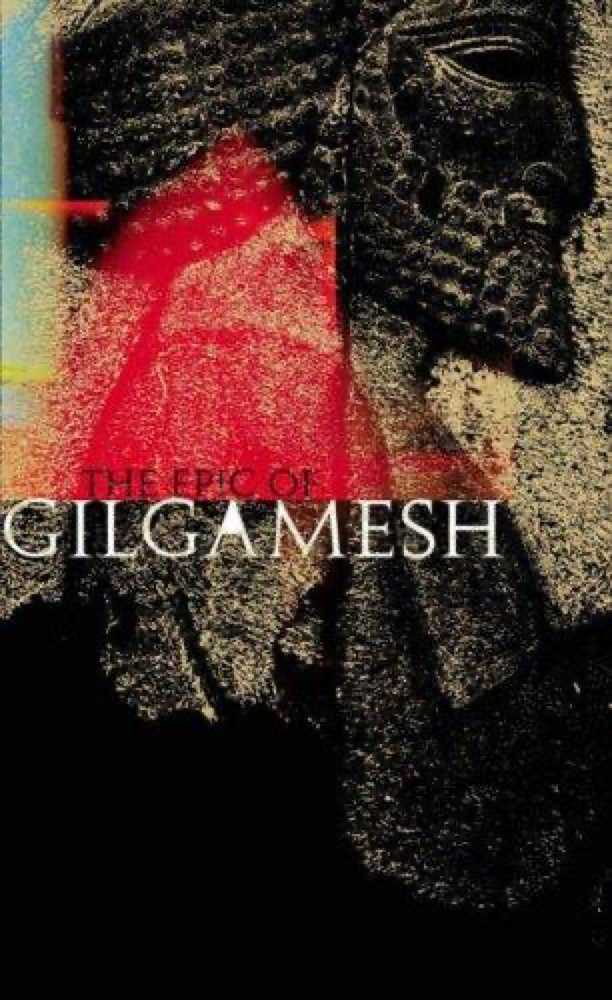 The Epic of Gilgamesh
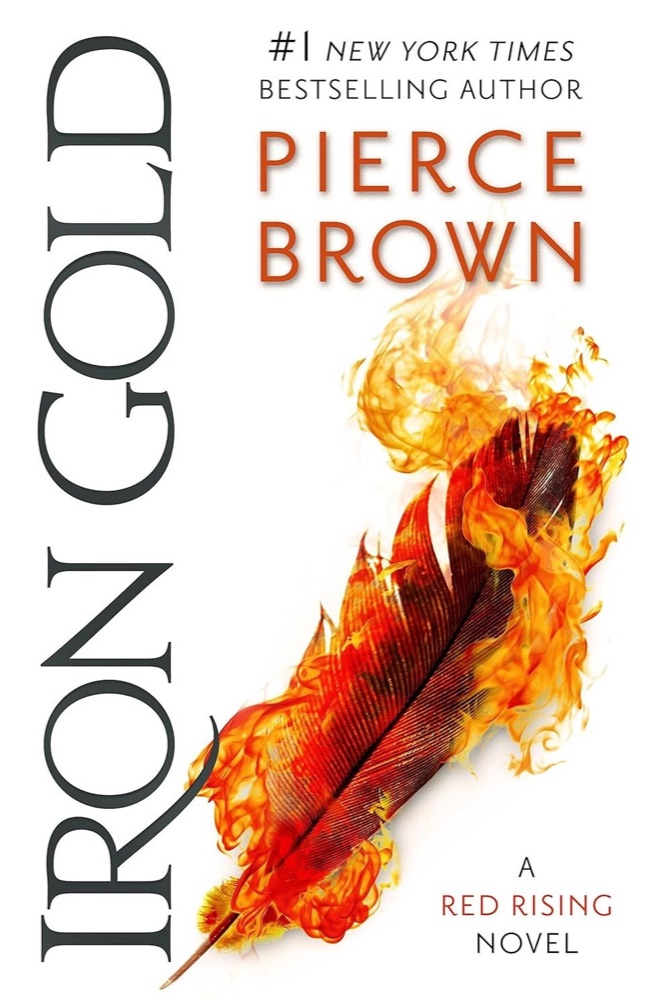 Iron Gold
 Assassin's Fate
 Faithbreaker
 Lord of Light
 Paladin of Souls
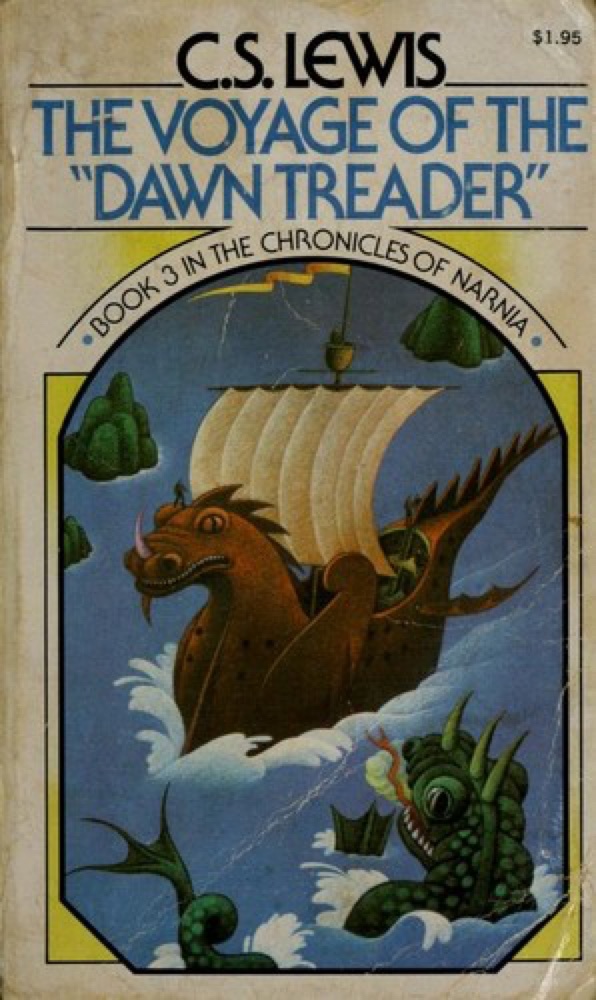 The Voyage of the Dawn Treader
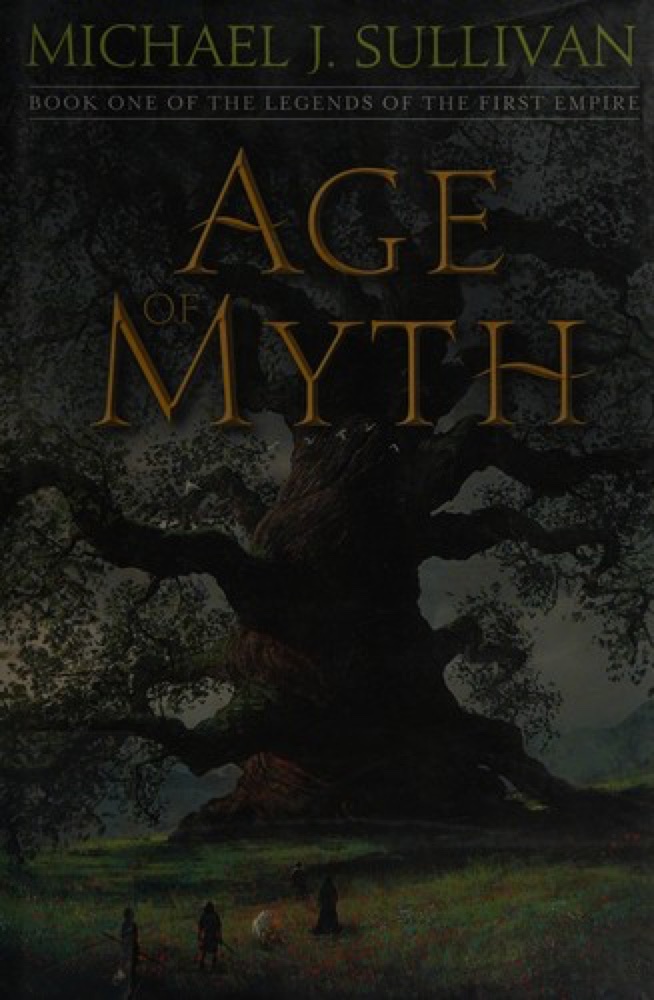 Age of Myth
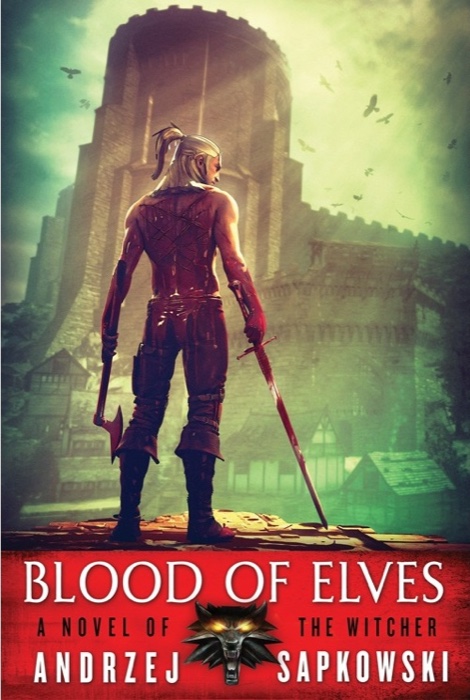 Blood of Elves
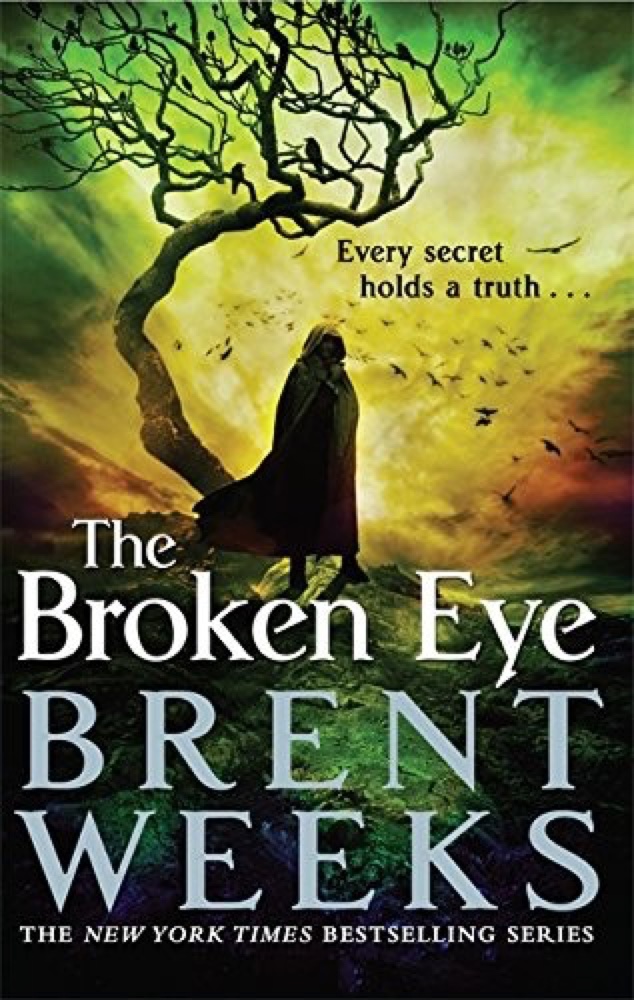 The Broken Eye
 Wintersong
 Wide Sargasso Sea
 At the Back of the North Wind
 The Book of Deacon