
 The Almost Moon
Quotes from the Book
Sometimes the dreams that come true are the dreams you never even knew you had.
Murderers are not monsters, they're men. And that's the most frightening thing about them.
Inside the snow globe on my father's desk, there was a penguin wearing a red-and-white-striped scarf. When I was little my father would pull me into his lap and reach for the snow globe. He would turn it over, letting all the snow collect on the top, then quickly invert it. The two of us watched the snow fall gently around the penguin. The penguin was alone in there, I thought, and I worried for him. When I told my father this, he said, "Don't worry, Susie; he has a nice life. He's trapped in a perfect world.
Each time I told my story, I lost a bit, the smallest drop of pain. It was that day that I knew I wanted to tell the story of my family. Because horror on Earth is real and it is every day. It is like a flower or like the sun; it cannot be contained.
Our only kiss was like an accident- a beautiful gasoline rainbow.
How to Commit the Perfect Murder" was an old game in heaven. I always chose the icicle: the weapon melts away.
Because horror on Earth is real and it is every day. It is like a flower or like the sun; it cannot be contained.
Between a man and a woman there was always one person who was stronger than the other one. That doesn’t mean the weaker one doesn’t love the stronger.
Sometimes you cry, Susie, even when someone you love has been gone a long time.
This is just a temporary hell, not a permanent one
Heaven is comfort, but it's still not living.
Loss could be used as a measure of beauty in a woman.
You look invincible,' my mother said one night. I loved these times, when we seemed to feel the same thing. I turned to her, wrapped in my thin gown, and said: I am.
You don't notice the dead leaving when they really choose to leave you. You're not meant to. At most you feel them as a whisper or the wave of a whisper undulating down. I would compare it to a woman in the back of a lecture hall or theater whom no one notices until she slips out.Then only those near the door themselves, like Grandma Lynn, notice; to the rest it is like an unexplained breeze in a closed room. Grandma Lynn died several years later, but I have yet to see her here. I imagine her tying it on in her heaven, drinking mint juleps with Tennessee Williams and Dean Martin. She'll be here in her own sweet time, I'm sure. If I'm to be honest with you, I still sneak away to watch my family sometimes. I can't help it, and sometimes they still think of me. They can't help it.... It was a suprise to everyone when Lindsey found out she was pregnant...My father dreamed that one day he might teach another child to love ships in bottles. He knew there would be both sadness and joy in it; that it would always hold an echo of me. I would like to tell you that it is beautiful here, that I am, and you will one day be, forever safe. But this heaven is not about safety just as, in its graciousness, it isn't about gritty reality. We have fun. We do things that leave humans stumped and grateful, like Buckley's garden coming up one year, all of its crazy jumble of plants blooming all at once. I did that for my mother who, having stayed, found herself facing the yard again. Marvel was what she did at all the flowers and herbs and budding weeds. Marveling was what she mostly did after she came back- at the twists life took. And my parents gave my leftover possessions to the Goodwill, along with Grandma Lynn's things. They kept sharing when they felt me. Being together, thinking and talking about the dead, became a perfectly normal part of their life. And I listened to my brother, Buckley, as he beat the drums. Ray became Dr. Singh... And he had more and more moments that he chose not to disbelieve. Even if surrounding him were the serious surgeons and scientists who ruled over a world of black and white, he maintained this possibility: that the ushering strangers that sometimes appeared to the dying were not the results of strokes, that he had called Ruth by my name, and that he had, indeed, made love to me. If he ever doubted, he called Ruth. Ruth, who graduated from a closet to a closet-sized studio on the Lower East Side. Ruth, who was still trying to find a way to write down whom she saw and what she had experienced. Ruth, who wanted everyone to believe what she knew: that the dead truly talk to us, that in the air between the living, spirits bob and weave and laugh with us. They are the oxygen we breathe. Now I am in the place I call this wide wide Heaven because it includes all my simplest desires but also the most humble and grand. The word my grandfather uses is comfort. So there are cakes and pillows and colors galore, but underneath this more obvious patchwork quilt are places like a quiet room where you can go and hold someone's hand and not have to say anything. Give no story. Make no claim. Where you can live at the edge of your skin for as long as you wish. This wide wide Heaven is about flathead nails and the soft down of new leaves, wide roller coaster rides and escaped marbles that fall then hang then take you somewhere you could never have imagined in your small-heaven dreams.
I had rescued the moment by using my camera and in that way had found how to stop time and hold it. No one could take that image away from me because I owned it.
Your first kiss is destiny knocking.
When the dead are done with the living, the living can go on to other things," Franny said. "What about the dead?" I asked. "Where do we go?
Life is a perpetual yesterday for us.
What did dead mean, Ray wondered. It meant lost, it meant frozen, it meant gone.
I fell in love with you again; While you were away - Jack Salmon
And my sister, my Lindsey, left me in her memories, where I was meant to be.
His love for my mother wasn't about looking back and loving something that would never change. It was about loving my mother for everything -- for her brokenness and her fleeing, for her being there right then in that moment before the sun rose and the hospital staff came in. It was about touching that hair with the side of his fingertip, and knowing yet plumbing fearlessly the depths of her ocean eyes.
Now I am in the place I call this wide wide Heaven because it includes all my simplest desires but also the most humble and grand. The word my grandfather uses is comfort. So there are cakes and pillows and colors galore, but underneath this more obvious patchwork quilt are places like a quiet room where you can go and hold someone's hand and not have to say anything. Give no story. Make no claim. Where you can live at the edge of your skin for as long as you wish.
Buckley followed the three of them into the kitchen and asked, as he had at least once a day, “Where’s Susie?” They were silent. Samuel looked at Lindsey. “Buckley,” my father called from the adjoining room, “come play Monopoly with me.” My brother had never been invited to play Monopoly. Everyone said he was too young, but this was the magic of Christmas. He rushed into the family room, and my father picked him up and sat him on his lap. “See this shoe?” my father said. Buckley nodded his head. “I want you to listen to everything I say about it, okay?” “Susie?” my brother asked, somehow connecting the two. “Yes, I’m going to tell you where Susie is.” I began to cry up in heaven. What else was there for me to do? “This shoe was the piece Susie played Monopoly with,” he said. “I play with the car or sometimes the wheelbarrow. Lindsey plays with the iron, and when you mother plays, she likes the cannon.” “Is that a dog?” “Yes, that’s a Scottie.” “Mine!” “Okay,” my father said. He was patient. He had found a way to explain it. He held his son in his lap, and as he spoke, he felt Buckley’s small body on his knee-the very human, very warm, very alive weight of it. It comforted him. “The Scottie will be your piece from now on. Which piece is Susie’s again?” “The shoe?” Buckley asked. “Right, and I’m the car, your sister’s the iron, and your mother is the cannon.” My brother concentrated very hard. “Now let’s put all the pieces on the board, okay? You go ahead and do it for me.” Buckley grabbed a fist of pieces and then another, until all the pieces lay between the Chance and Community Chest cards. “Let’s say the other pieces are our friends?” “Like Nate?” “Right, we’ll make your friend Nate the hat. And the board is the world. Now if I were to tell you that when I rolled the dice, one of the pieces would be taken away, what would that mean?” “They can’t play anymore?” “Right.” “Why?” Buckley asked. He looked up at my father; my father flinched. “Why?” my brother asked again. My father did not want to say “because life is unfair” or “because that’s how it is”. He wanted something neat, something that could explain death to a four-year-old He placed his hand on the small of Buckley’s back. “Susie is dead,” he said now, unable to make it fit in the rules of any game. “Do you know what that means?” Buckley reached over with his hand and covered the shoe. He looked up to see if his answer was right. My father nodded. "You won’t see Susie anymore, honey. None of us will.” My father cried. Buckley looked up into the eyes of our father and did not really understand. Buckley kept the shoe on his dresser, until one day it wasn't there anymore and no amount of looking for it could turn up.
The stains could be seen only in the sunlight, so Ruth was never really aware of them until later, when she would stop at an outdoor cafe for a cup of coffee, and look down at her skirt and see the dark traces of spilled vodka or whiskey. The alcohol had the effect of making the black cloth blacker. This amused her; she had noted in her journal: 'booze affects material as it does people'.
Hey, Ocean Eyes,” my father said. “Where’d you go on us?
The dead are never exactly seen by the living, but many people seem acutely aware of something changed around them. They speak of a chill in the air. The mates of the deceased wake from dreams and see a figure standing at the end of thier bed, or in a doorway, or boarding, phantomlike, a city bus.
Did you know?
- The novel is narrated entirely by its murdered fourteen-year-old protagonist from her own version of heaven.
- It won the Bram Stoker Award for Best First Novel.
- It was Alice Sebold's debut novel, following her 1999 memoir Lucky.
- The story is set beginning in 1973 in suburban Pennsylvania.
- A 2009 film adaptation was directed by Peter Jackson and starred Saoirse Ronan as Susie Salmon.
- The book became a major word-of-mouth bestseller and topped The New York Times Best Seller list.
About Alice Sebold
Alice Sebold (born September 6, 1963) is an American author best known for her novel The Lovely Bones (2002) and her memoir Lucky (1999). She also wrote the novel The Almost Moon.
More about the author →More by Alice Sebold
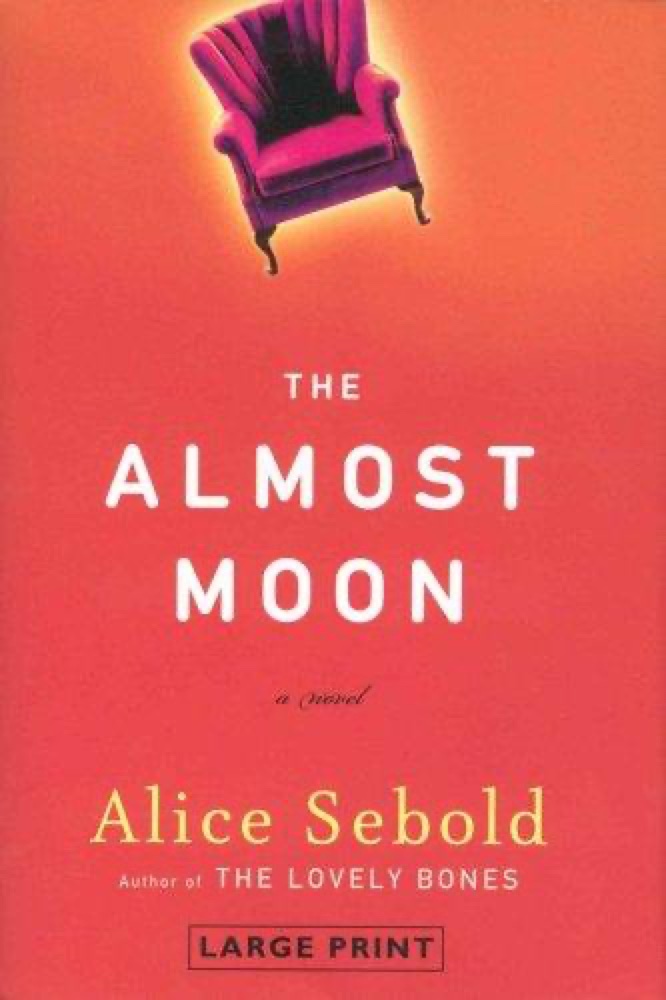
The Almost Moon
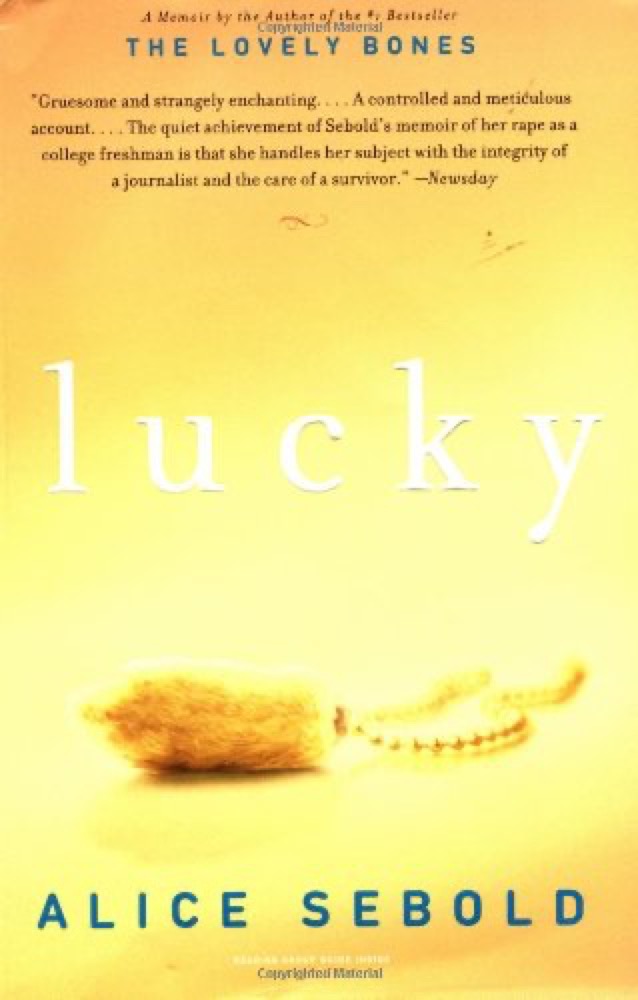 Lucky
Lucky
About the book
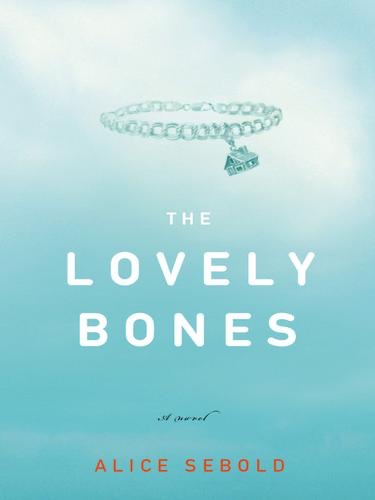
The Lovely Bones is Alice Sebold's debut novel, published in 2002. It is narrated by Susie Salmon, a fourteen-year-old girl who is lured into an underground hideout, raped, and murdered by her neighbor George Harvey on December 6, 1973. From her own personal version of heaven, Susie watches over the family and friends she left behind on earth as they struggle with grief and as the investigation into her death unfolds.
Told from beyond the grave, the novel explores grief, family, loss, and the long aftermath of violence. As the Salmon family fractures under the weight of Susie's death, the book follows her father's guilt-driven suspicion of Harvey, her sister Lindsey's role in gathering evidence, and her mother's withdrawal, while Susie herself must learn to let go and allow those she loves to move forward with their lives.
A word-of-mouth phenomenon, The Lovely Bones became a major bestseller and a defining book of the early 2000s, winning the Bram Stoker Award for First Novel and the American Booksellers Association Book of the Year Award for Adult Fiction. Its blend of crime, family drama, and a hopeful vision of the afterlife resonated widely, and it was later adapted into a 2009 film directed by Peter Jackson.
Key characters
- Susie SalmonFourteen-year-old murder victim who narrates from heaven
- Jack SalmonSusie's father, consumed by grief and suspicion of Harvey
- Abigail SalmonSusie's mother, who withdraws from the family
- Lindsey SalmonSusie's younger sister, who helps gather evidence
- Buckley SalmonSusie's young brother
- George HarveyThe neighbor who murders Susie
- Ray SinghSusie's classmate and first love
Book details
- First published
- 2002
- Length
- 328 pages
- Reading time
- 6 hours
- Author
- Alice Sebold
- Genre
- Fiction
- Goodreads rating
- 3.86 (2.5M ratings) →
- First line
- “My name was Salmon, like the fish; first name, Susie. I was fourteen when I was murdered on December 6, 1973.”
Movie & TV adaptations
- IMDb
If you liked this, read…
- 1LuckyAlice Sebold's own memoir exploring trauma and its aftermath
- 2The Almost MoonSebold's later novel dealing with family and violence
Keep reading
 What I Loved
 Lisey's Story
 The Inexplicable Logic of My Life
 Beautiful Redemption
 The Color Master: Stories
 Petals on the Wind
 Poems, 1962-2012
 Loving Frank
 Beautiful Chaos
 When the World Tips Over
 Linger
 The Siren
 A Conjuring of Light
 A Million Junes
 Cathy's Key
 Requiem
 On Mystic Lake
 Belong to Me
 The Collected Stories
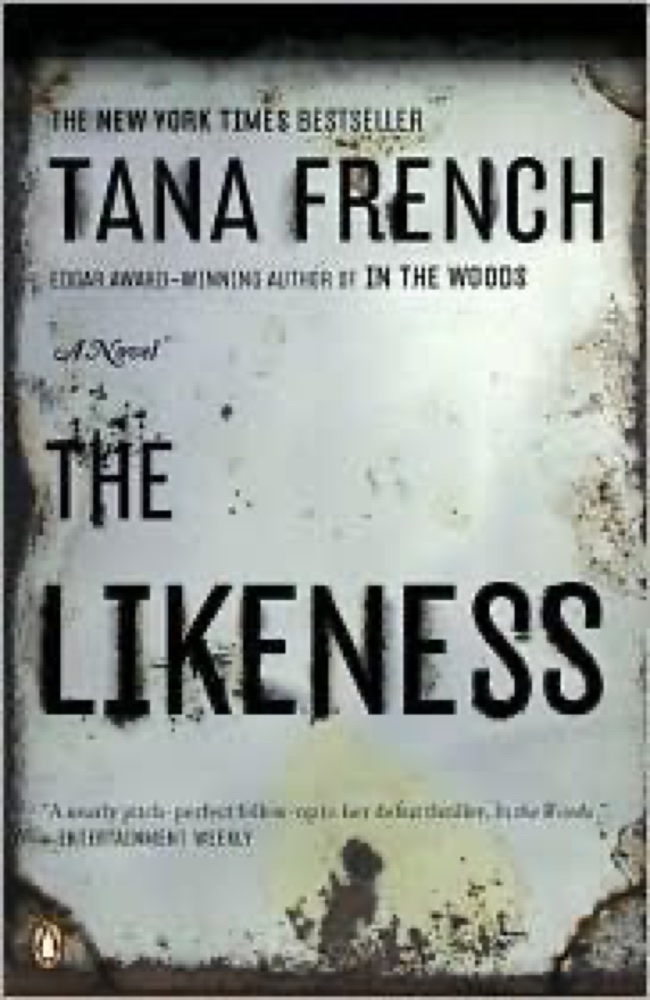 The Likeness
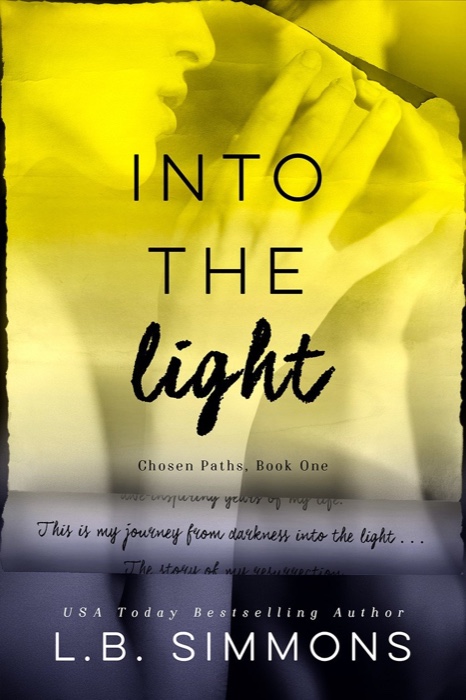 The Resurrection of Aubrey Miller
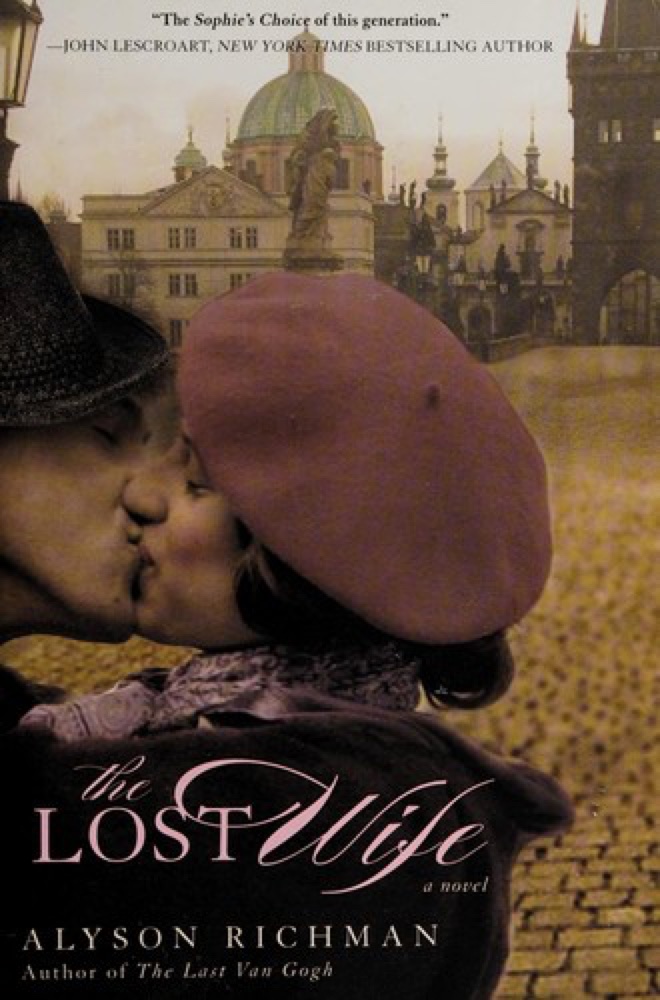 The Lost Wife
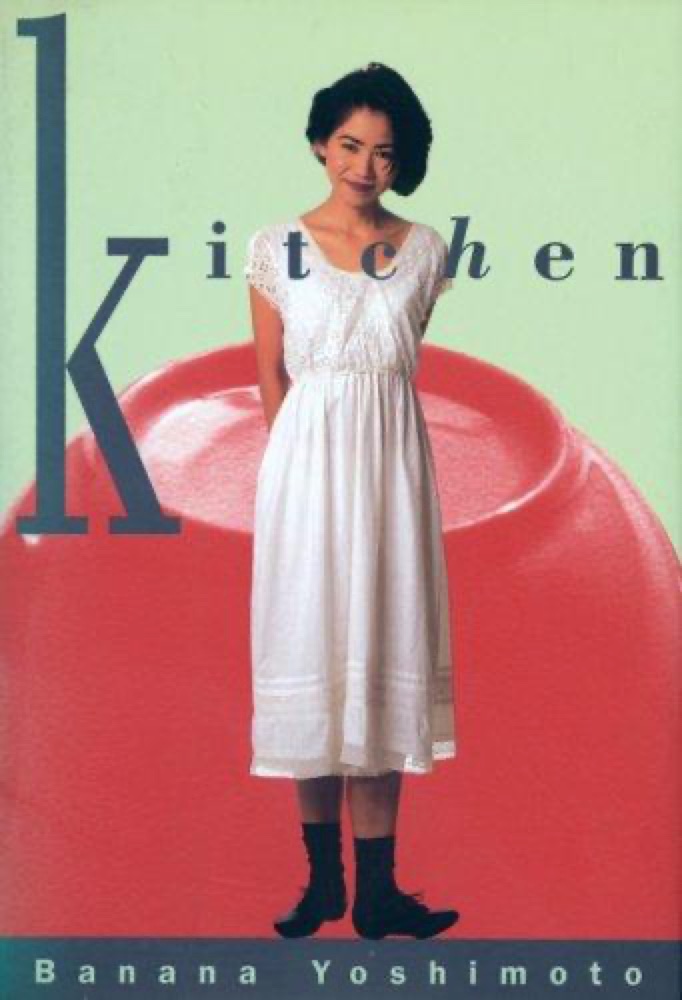 Kitchen
 Time Is a Mother
 Before Ever After
 Lovely War
 Stay Awake
 P.S. I Love You
 Rebecca
 The Little Giant of Aberdeen County
 Flowers in the Attic
 Skeleton Crew
 Goodbye Days
 Year of Wonders
 The Smell of Other People's Houses
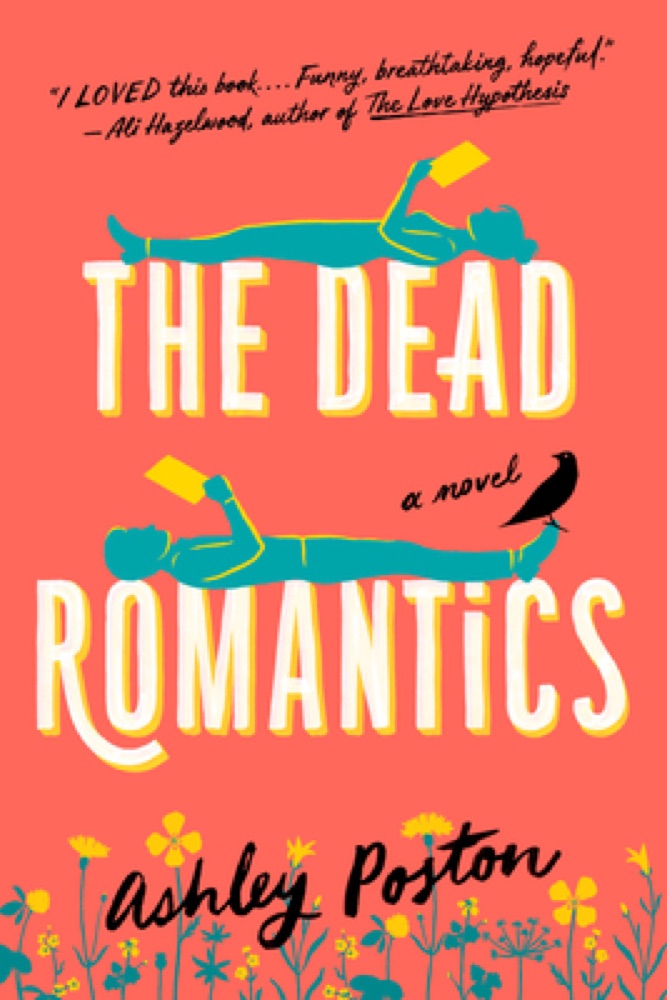 The Dead Romantics
 Chasing Brooklyn
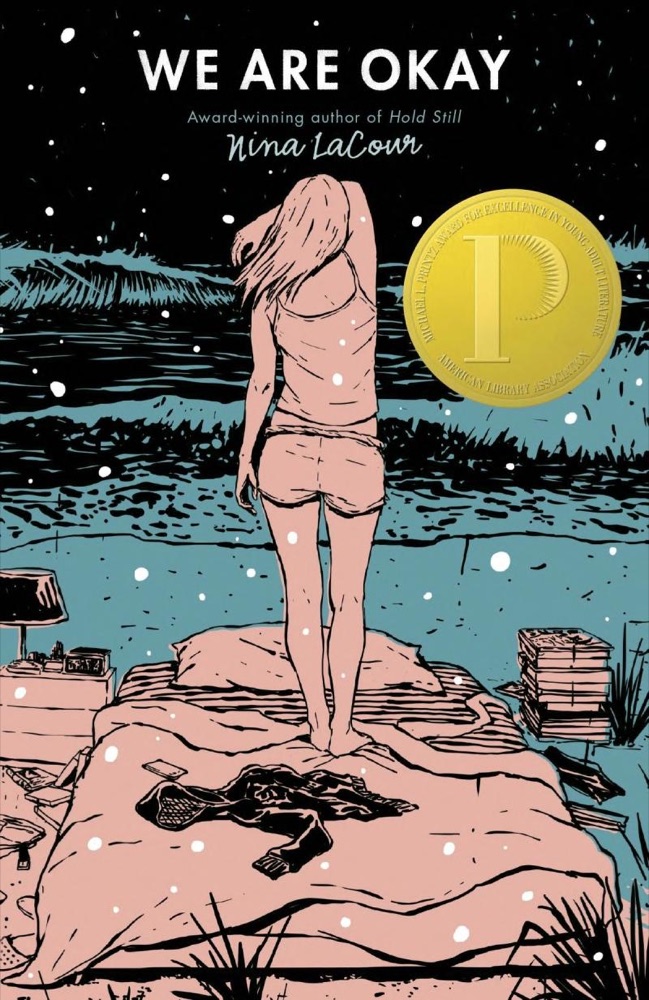 We Are Okay
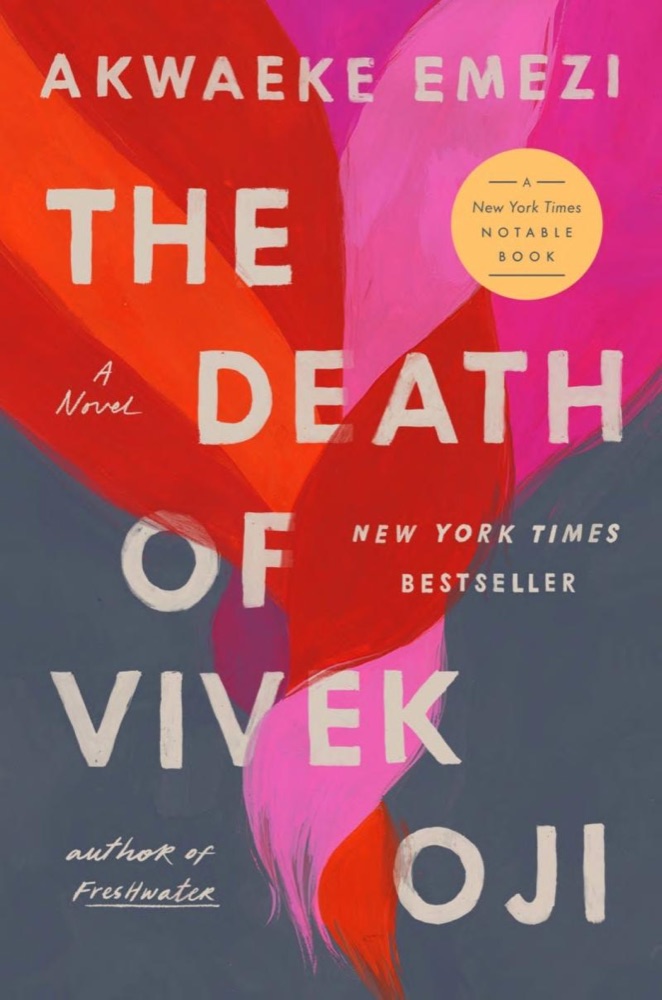 The Death of Vivek Oji
 A Thousand Broken Pieces
 Middlesex
 Providence
 Crossed
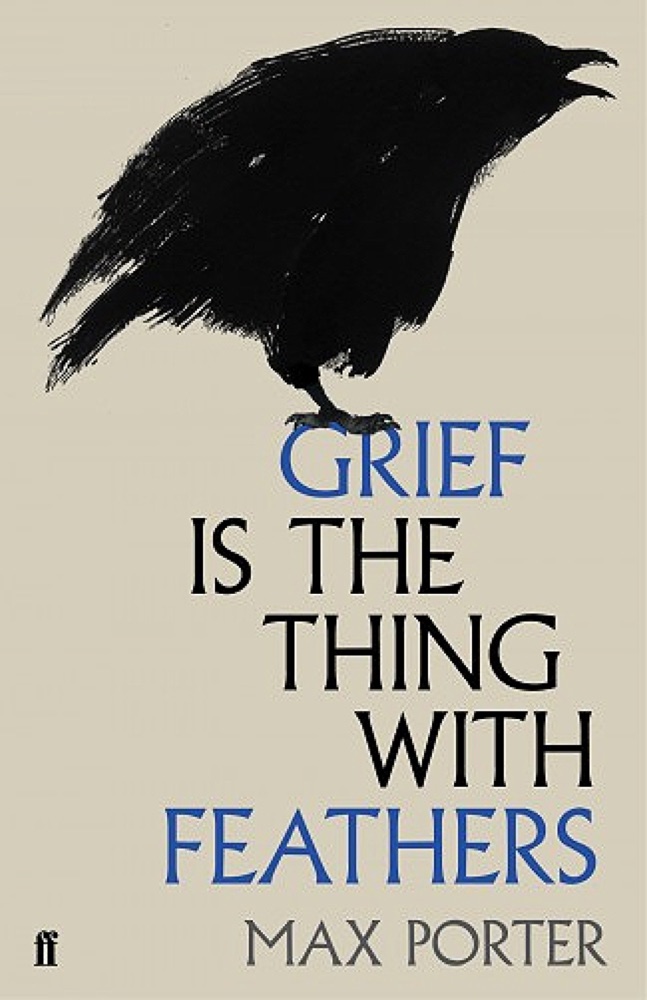 Grief Is the Thing with Feathers
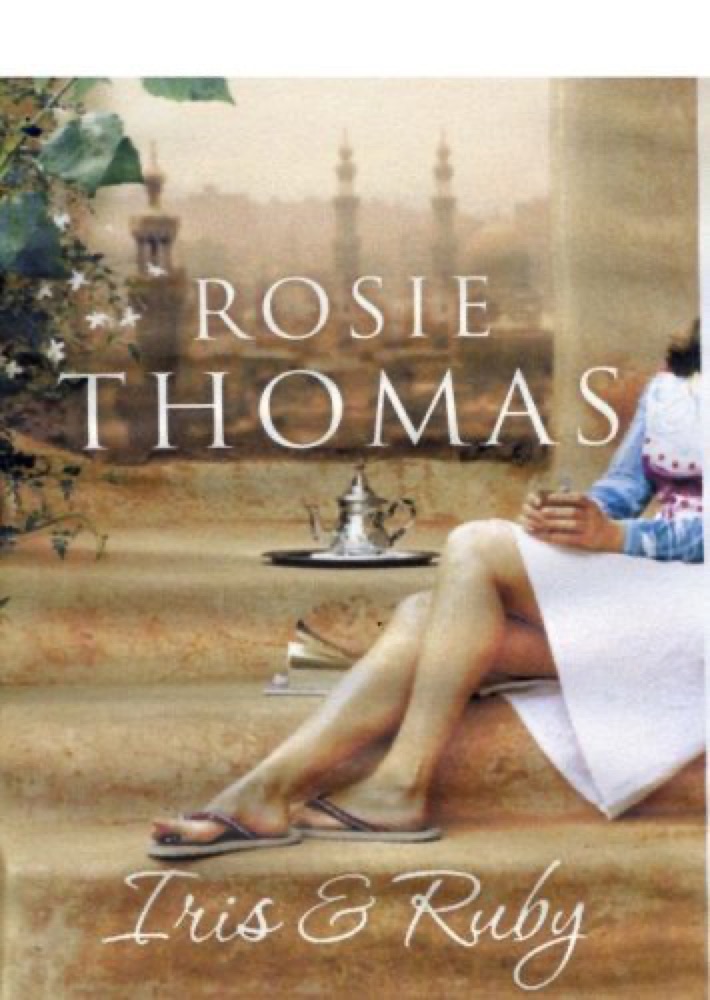 Iris & Ruby
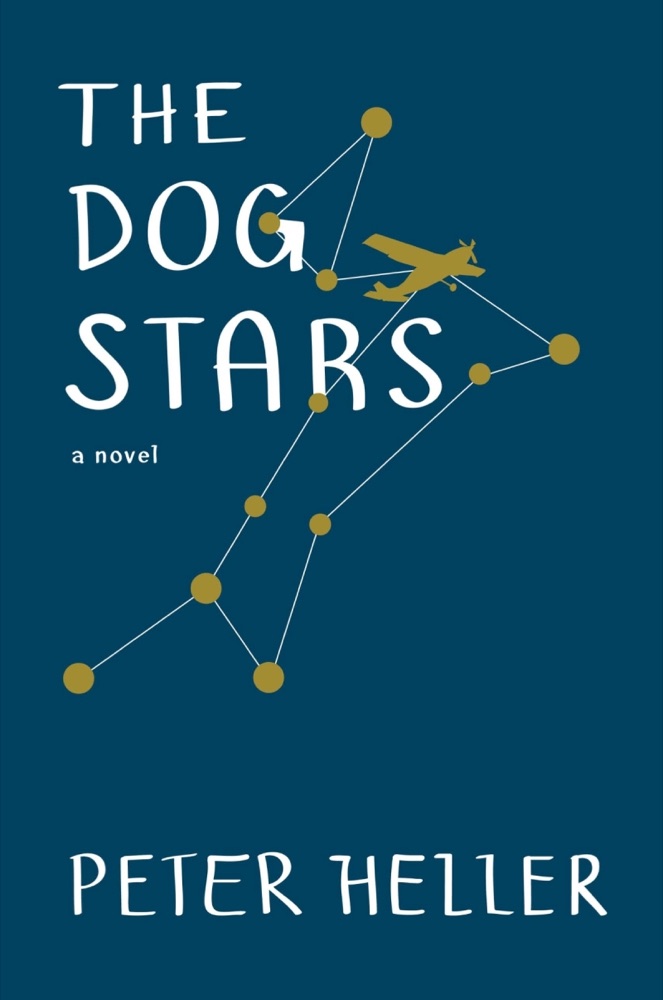 The Dog Stars
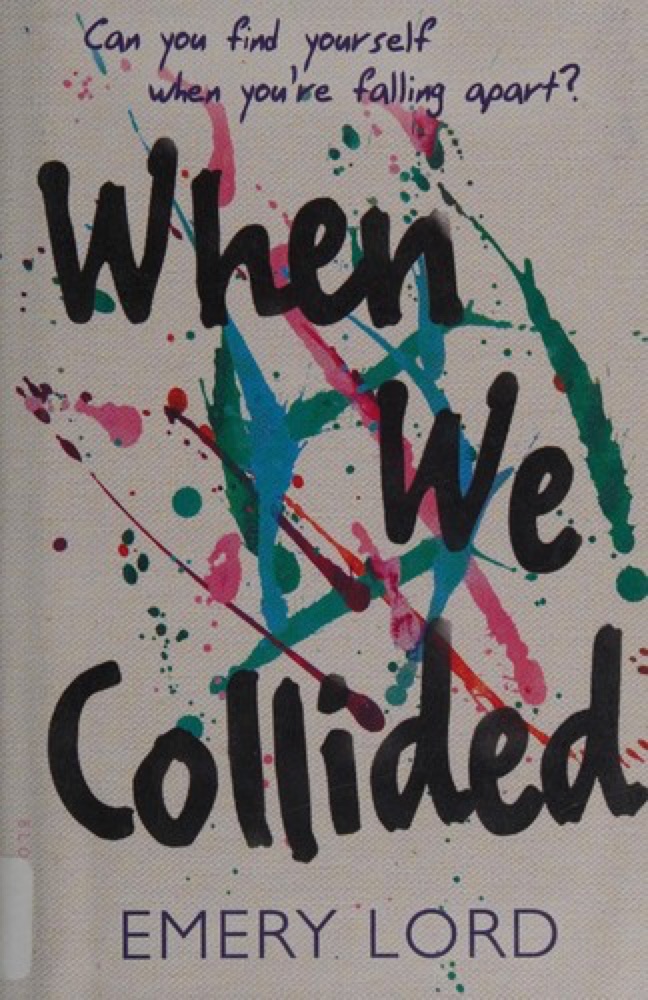 When We Collided
 The Dead-Tossed Waves
 In the Wild Light
 Fugitive Pieces
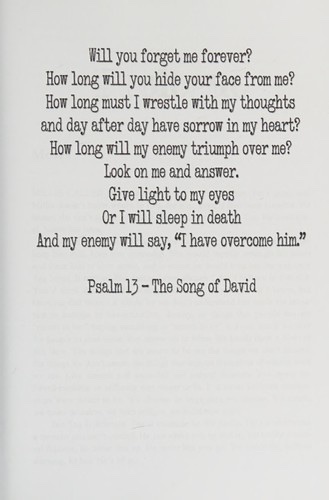 The Song of David
 No One Belongs Here More Than You
 Jazz
Jazz
 The Emperor of Gladness
 Beloved
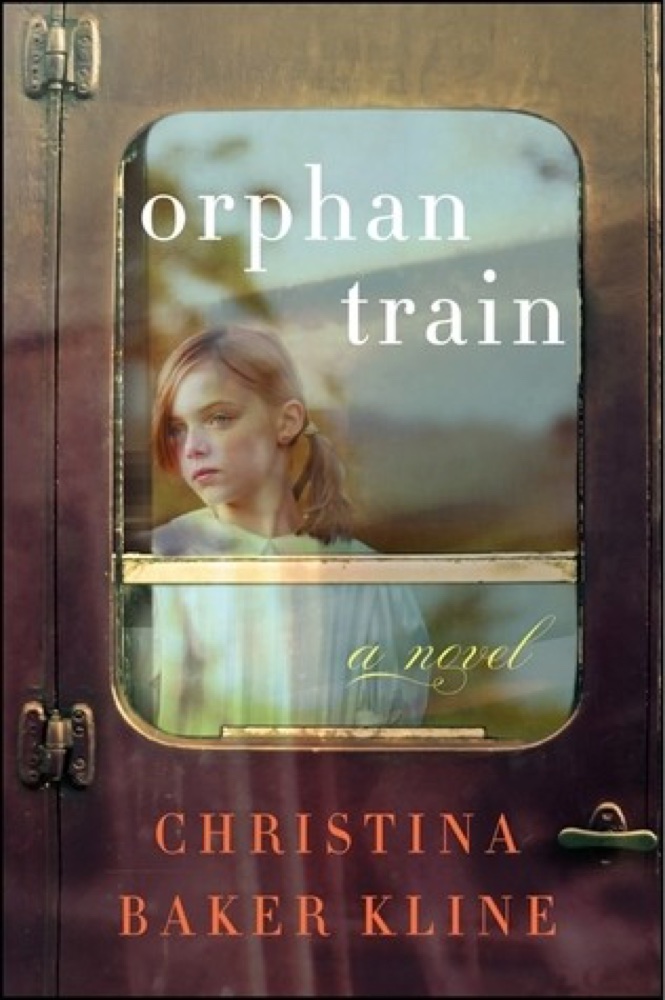 Orphan Train
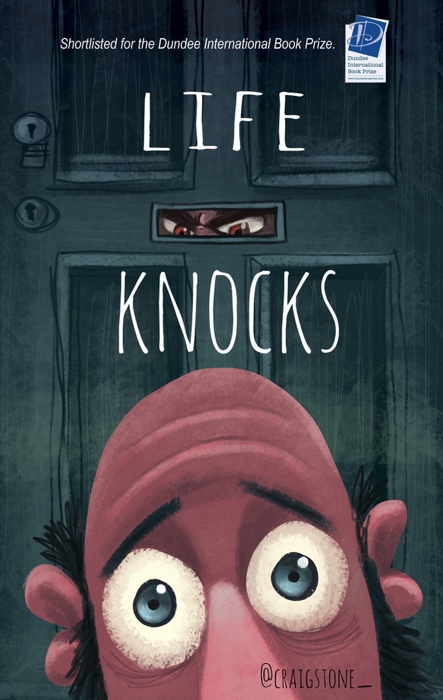 Life Knocks
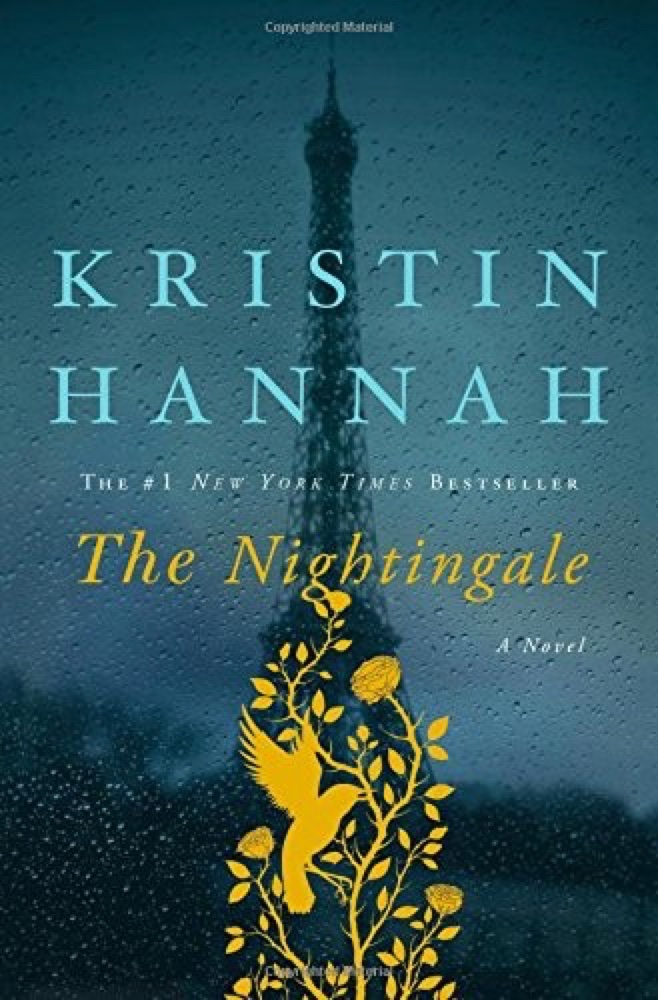 The Nightingale
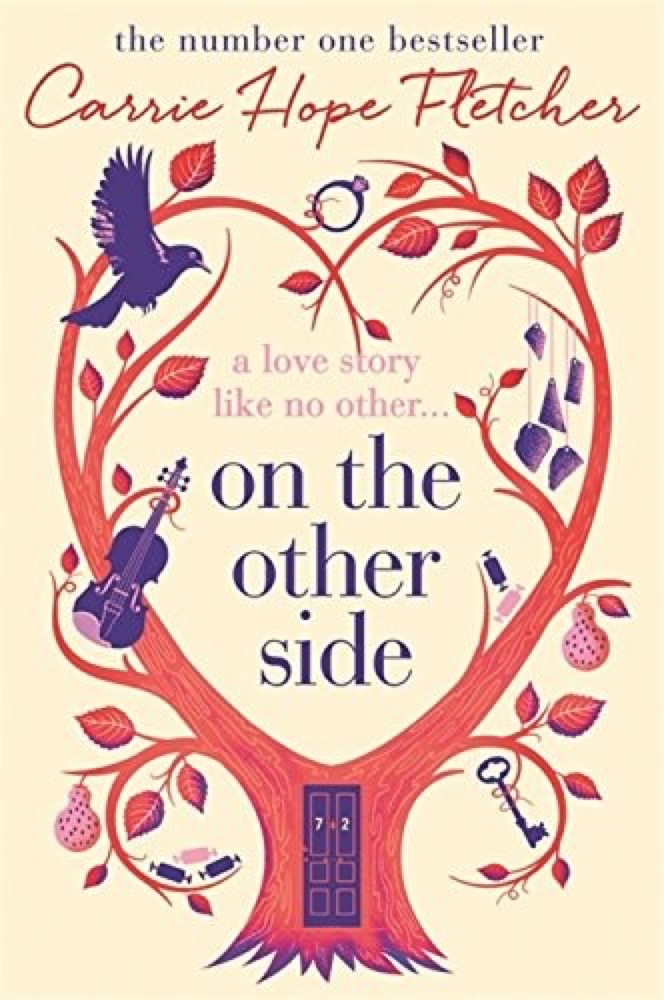 On the Other Side