
 Great Expectations
Quotes from the Book
There are books of which the backs and covers are by far the best parts.
3.5k
It is because I think so much of warm and sensitive hearts, that I would spare them from being wounded.
501
My heart is set, as firmly as ever heart of man was set on woman. I have no thought, no view, no hope, in life beyond her; and if you oppose me in this great stake, you take my peace and happiness in your hands, and cast them to the wind.
188
The sun,--the bright sun, that brings back, not light alone, but new life, and hope, and freshness to man--burst upon the crowded city in clear and radiant glory. Through costly-coloured glass and paper-mended window, through cathedral dome and rotten crevice, it shed its equal ray.
167
Some people are nobody's enemies but their own, yer know.
150
The suspense: the fearful, acute suspense: of standing idly by while the life of one we dearly love, is trembling in the balance; the racking thoughts that crowd upon the mind, and make the heart beat violently, and the breath come thick, by the force of the images they conjure up before it; the desperate anxiety to be doing something to relieve the pain, or lessen the danger, which we have no power to alleviate; the sinking of soul and spirit, which the sad remembrance of our helplessness produces; what tortures can equal these; what reflections of endeavours can, in the full tide and fever of the time, allay them!
145
Such is the influence which the condition of our own thoughts, exercises, even over the appearance of external objects. Men who look on nature, and their fellow-men, and cry that all is dark and gloomy, are in the right; but the sombre colours are reflections from their own jaundiced eyes and hearts. The real hues are delicate, and need a clearer vision.
113
I know that she deserves the best and purest love the heart of man can offer," said Mrs. Maylie; "I know that the devotion and affection of her nature require no ordinary return, but one that shall be deep and lasting.
96
Women can always put things in fewest words. Except when it's blowing up; and then they lengthens it out.
86
It was all Mrs. Bumble. She would do it," urged Mr. Bumble; first looking round, to ascertain that his partner had left the room. That is no excuse," returned Mr. Brownlow. "You were present on the occasion of the destruction of these trinkets, and, indeed, are the more guilty of the two, in the eye of the law; for the law supposes that your wife acts under your direction." If the law supposes that," said Mr. Bumble, squeezing his hat emphatically in both hands, "the law is a ass — a idiot. If that's the eye of the law, the law is a bachelor; and the worst I wish the law is, that his eye may be opened by experience — by experience.
67
There is a kind of sleep that steals upon us sometimes, which, while it holds the body prisoner, does not free the mind from a sense of things about it, and enable it to ramble at its pleasure. So far as an overpowering heaviness, a prostration of strength, and an utter inability to control our thoughts or power of motion, can be called sleep, this is it; and yet we have a consciousness of all that is going on about us; and if we dream at such a time, words which are really spoken, or sounds which really exist at the moment, accommodate themselves with surprising readiness to our visions, until reality and imagination become so strangely blended that it is afterwards almost a matter of impossibilty to separate the two. Nor is this, the most striking phenomenon, incidental to such a state. It is an undoubted fact, that although our senses of touch and sight be for the time dead, yet our sleeping thoughts, and the visionary scenes that pass before us, will be influenced, and materially influenced, by the mere silent presence of some external object: which may not have been near us when we closed our eyes: and of whose vicinity we have had no waking consciousness.
56
Let the tears which fell, and the broken words which were exchanged in the long close embrace between the orphans, be sacred. A father, sister, and mother, were gained, and lost, in that one moment. Joy and grief were mingled in the cup; but there were no bitter tears: for even grief arose so softened, and clothed in such sweet and tender recollections, that it became a solemn pleasure, and lost all character of pain.
50
For the rest of his life, Oliver Twist remembers a single word of blessing spoken to him by another child because this word stood out so strikingly from the consistent discouragement around him.
49
But, tears were not the things to find their way to Mr. Bumble's soul; his heart was waterproof.
49
The persons on whom I have bestowed my dearest love lie deep in their graves; but, although the happiness and delight of my life lie buried there too, I have not made a coffin of my heart, and sealed it up for ever on my best affections. Deep affliction has only made them stronger; it ought, I think, for it should refine our nature.
47
The doctor seemed especially troubled by the fact of the robbery having been unexpected, and attempted in the night-time; as if it were the established custom of gentlemen in the housebreaking way to transact business at noon, and to make an appointment, by the twopenny post, a day or two previous.
38
It opens the lungs, washes the countenance, exercises the eyes, and softens down the temper, said Mr. Bumble. So cry away.
37
Your tale is of the longest," observed Monks, moving restlessly in his chair. It is a true tale of grief and trial, and sorrow, young man," returned Mr. Brownlow, "and such tales usually are; if it were one of unmixed joy and happiness, it would be very brief.
37
People like us don't go out at night cause people like them see us for what we are
36
Don't be afraid! We won't make an author of you, while there's an honest trade to be learnt, or brick-making to turn to.
34
Bleak, dark, and piercing cold, it was a night for the well-housed and fed to draw round the bright fire, and thank God they were at home; and for the homeless starving wretch to lay him down and die. Many hunger-worn outcasts close their eyes in our bare streets at such times, who, let their crimes have been what they may, can hardly open them in a more bitter world.
33
We need be careful how we deal with those about us, when every death carries to some small circle of survivors, thoughts of so much omitted, and so little done- of so many things forgotten, and so many more which might have been repaired! There is no remorse so deep as that which is unavailing; if we would be spared its tortures, let us remember this, in time.
31
My dear child,' said the old gentleman, moved by the warmth of Oliver's sudden appeal, 'you need not be afraid of my deserting you, unless you give me cause.' I never, never will, sir,' interposed Oliver. I hope not,' rejoined the old gentleman; 'I do not think you ever will. I have been deceived before, in the objects whom I have endeavoured to benefit; but I feel strongly disposed to trust you, nevertheless, and more strongly interested in your behalf than I can well account for, even to myself. The persons on whom I have bestowed my dearest love lie deep in their graves; but, although the happiness and delight of my life lie buried there too, I have not made a coffin of my heart, and sealed it up for ever on my best affections. Deep affliction has only made them stronger; it ought, I think, for it should refine our nature.
31
There is a drowsy state, between sleeping and waking, when you dream more in five minutes with your eyes half open, and yourself half conscious of everything that is passing around you, than you would in five nights with your eyes fast closed, and your senses wrapt in perfect unconsciousness. At such time, a mortal knows just enough of what his mind is doing, to form some glimmering conception of its mighty powers, its bounding from earth and spurning time and space, when freed from the restraint of its corporeal associate.
28
Spring flew swiftly by, and summer came; and if the village had been beautiful at first, it was now in the full glow and luxuriance of its richness. The great trees, which had looked shrunken and bare in the earlier months, had now burst into strong life and health; and stretching forth their green arms over the thirsty ground, converted open and naked spots into choice nooks, where was a deep and pleasant shade from which to look upon the wide prospect, steeped in sunshine, which lay stretched out beyond. The earth had donned her mantle of brightest green; and shed her richest perfumes abroad. It was the prime and vigour of the year; all things were glad and flourishing.
26
The boy was lying, fast asleep, on a rude bed upon the floor; so pale with anxiety, and sadness, and the closeness of his prison, that he looked like death; not death as it shews in shroud and coffin, but in the guise it wears when life has just departed; when a young and gentle spirit has, but an instant, fled to Heaven: and the gross air of the world has not had time to breathe upon the changing dust it hallowed.
23
Alas ! How few of Nature's faces are left alone to gladden us with their beauty ! The cares, and sorrows, and the hungerings, of the world, change them as they change hearts; and it is only when those passions sleep, and have lost their hold for ever, that the troubled clouds pass off, and leave Heaven's surface clear. It is a common thing for the countenances of the dead, even in that fixed and rigid state, to subside into the long-forgotten expression of sleeping infancy, and settle into the very look of early life; so calm, so peaceful, do they grow again, that those who knew them in their happy childhood, kneel by the coffin's side in awe, and see the Angel even upon earth.
22
As she stooped over him, her tears fell upon his forehead. The boy stirred, and smiled in his sleep, as though these marks of pity and compassion had awakened some pleasant dream of a love and affection he had never known; as a strain of gentle music, or the rippling of water in a silent place, or the odour of a flower, or even the mention of a familiar word, will sometimes call up sudden dim remembrances of scenes that never were, in this life; which vanish like a breath; and which some brief memory of a happier existence, long gone by, would seem to have awakened, for no voluntary exertion of the mind can ever recall them.
21
Did you know?
- The novel was first serialized in the magazine Bentley's Miscellany between 1837 and 1839.
- Its full title is Oliver Twist; or, The Parish Boy's Progress.
- It was one of the first novels in English to feature a child as its central character.
- Oliver's plea, 'Please, sir, I want some more,' has become one of literature's most quoted lines.
- The novel dramatizes Dickens's criticism of the Poor Law Amendment Act of 1834 and the workhouse system.
- David Lean directed an acclaimed 1948 film adaptation, and the 1968 musical film Oliver! won the Academy Award for Best Picture.
About Charles Dickens
Charles Dickens (1812–1870) was an English writer widely regarded as the greatest novelist of the Victorian era, known for richly drawn characters and social criticism in works such as Oliver Twist, A Christmas Carol, and Great Expectations. Many of his novels first appeared in serialized installments.
More about the author →More by Charles Dickens
All books by Charles Dickens →

About the book
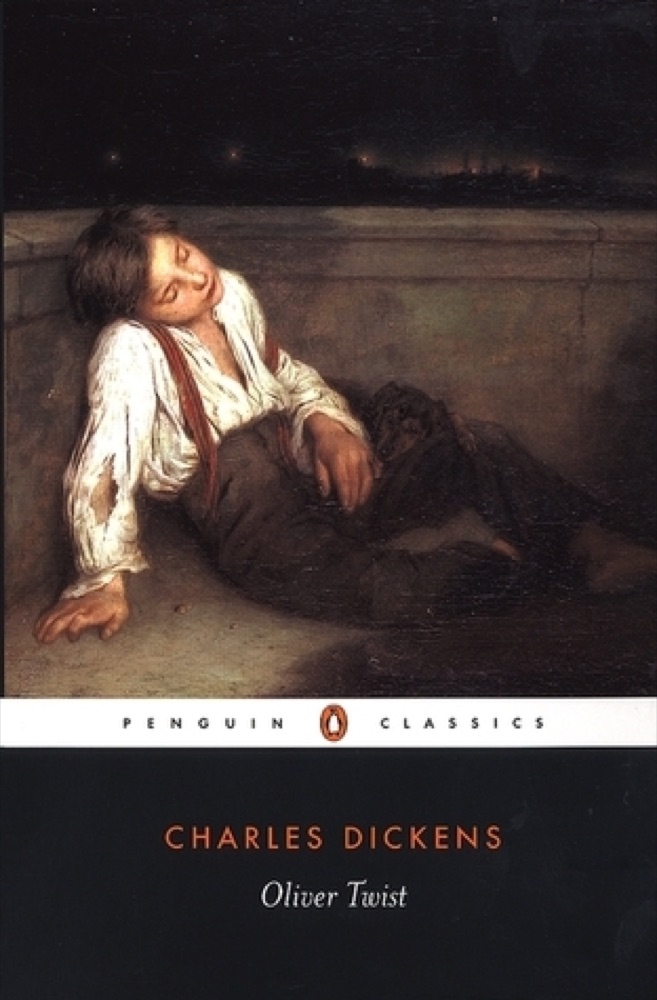
Oliver Twist; or, The Parish Boy's Progress follows an orphan born in a parish workhouse who, after famously daring to ask for more gruel, is apprenticed out and eventually flees to London. There he falls in with a gang of young thieves led by the elderly Fagin and the brutal burglar Bill Sikes, while the kindly Mr. Brownlow and the Maylie household offer him a path toward safety. The novel traces Oliver's struggle to stay innocent amid criminal exploitation, building toward the revelation of his true parentage.
Dickens uses the story to attack the cruelty of the workhouse system created by the Poor Law of 1834 and to expose the poverty, crime, and child exploitation of London's underworld. Recurring themes include institutional callousness, the corrupting force of want, moral redemption, and the tension between innate purity and a corrupting environment, dramatized in figures such as the conflicted Nancy.
Serialized in Bentley's Miscellany from 1837 to 1839, Oliver Twist was Dickens's second novel and one of the first English novels to center on a child protagonist. Praised for its vivid social realism while also criticized by some for romanticizing or exaggerating criminal life, it has remained continuously in print and inspired numerous stage and screen adaptations, including the celebrated musical Oliver!
Key characters
- Oliver TwistOrphaned protagonist born in a workhouse
- FaginElderly criminal who trains a gang of child pickpockets
- The Artful DodgerSkilled young pickpocket who recruits Oliver into Fagin's gang
- Bill SikesViolent professional burglar
- NancyGang member with divided, ultimately compassionate loyalties
- Mr. BrownlowKindly gentleman who takes Oliver in as a benefactor
- Rose MaylieGentle benefactor connected to Oliver's family
Book details
- First published
- 1838
- Length
- 953 pages
- Reading time
- 10 hours
- Author
- Charles Dickens
- Genre
- Classics
- Goodreads rating
- 3.88 (434k ratings)
- First line
- “Among other public buildings in a certain town, which for many reasons it will be prudent to refrain from mentioning, and to which I will assign no fictitious name, there is one anciently common to most towns, great or small: to wit, a workhouse; and in this workhouse was born, on a day and date which I need not trouble myself to repeat, inasmuch as it can be of no possible consequence to the reader, in this stage of the business at all events, the item of mortality whose name is prefixed to the head of this chapter.”
Critical reception
- Contemporary reviewers praised the novel's realistic depiction of social conditions and poverty.
- Some critics objected that its portrayal of criminal life was exaggerated or that it romanticized crime.
- The book has remained continuously in print and is considered a classic of Victorian literature.
Movie & TV adaptations
- IMDb
- IMDb
- IMDb
Keep reading
 The Old Curiosity Shop
 Little Dorrit
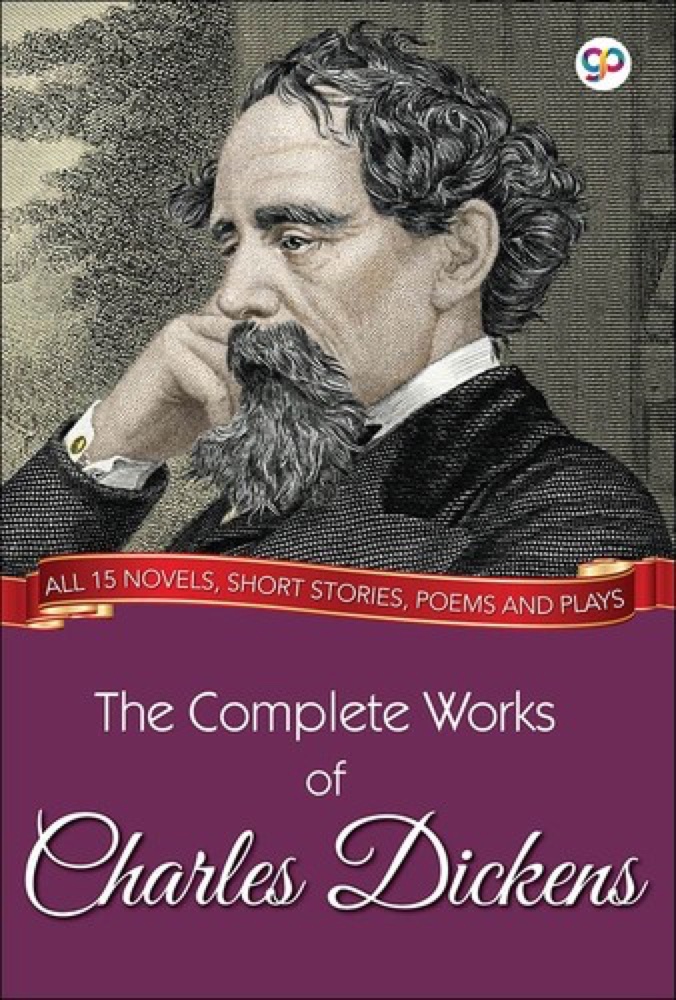 The Complete Works of Charles Dickens
 The Dean's Watch
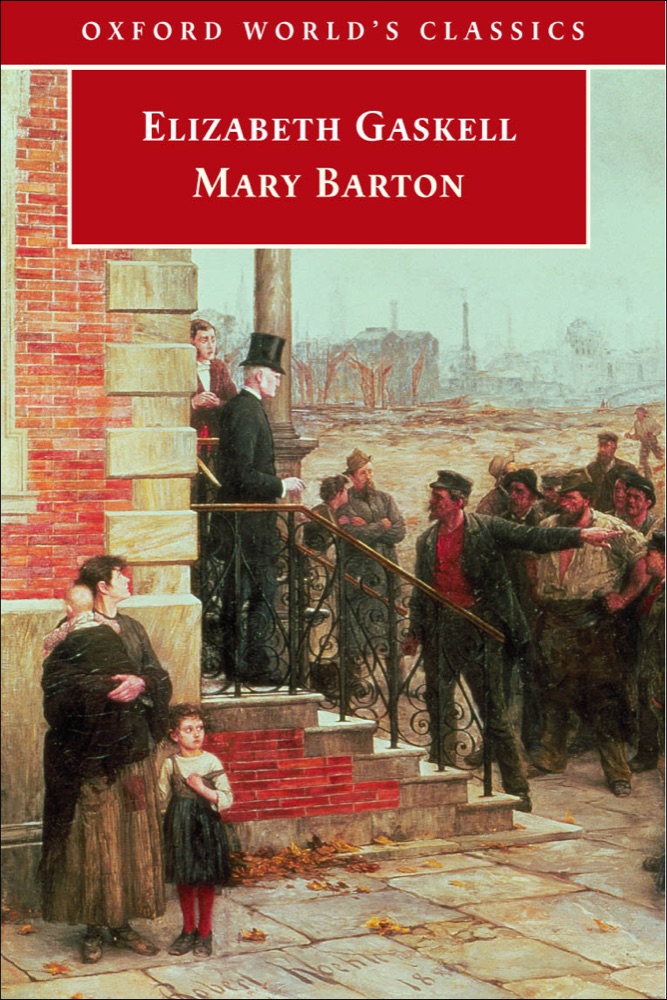 Mary Barton
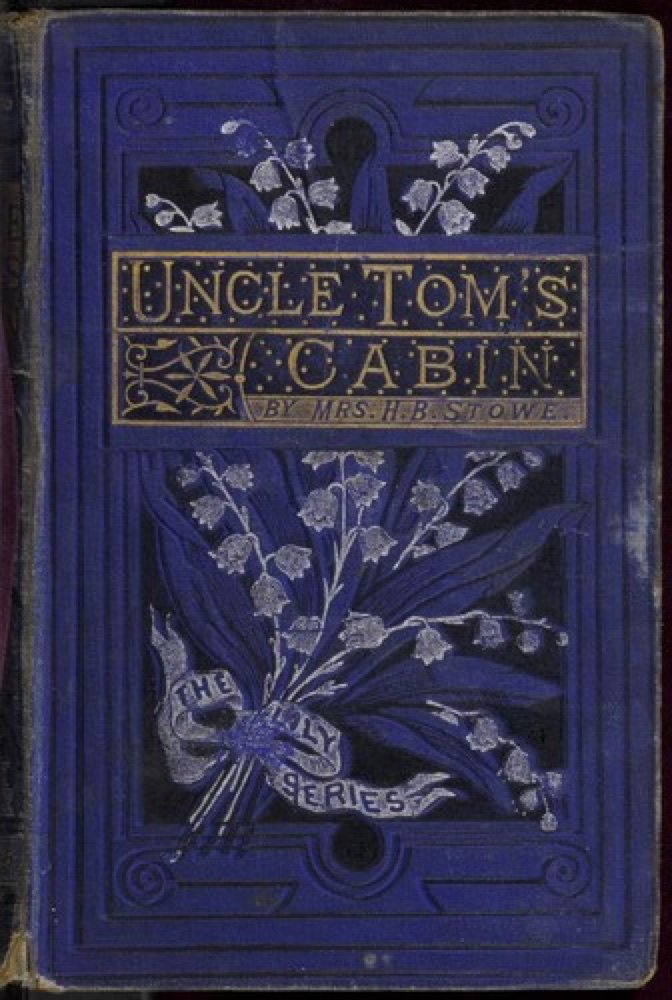 Uncle Tom's Cabin
 The Tiger in the Smoke
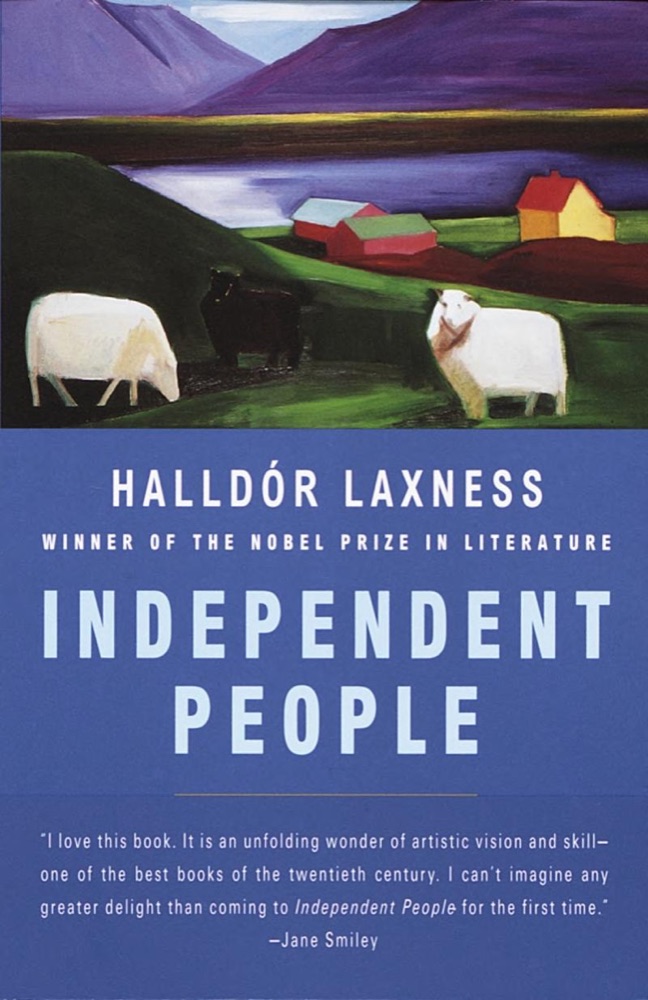 Independent People
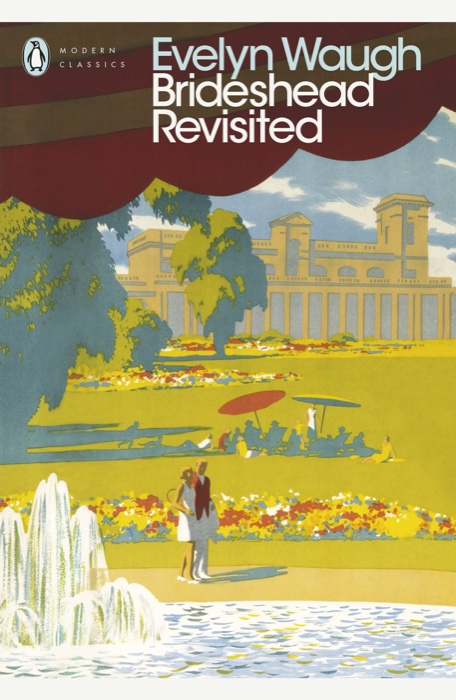 Brideshead Revisited: The Sacred and Profane Memories of Captain Charles Ryder
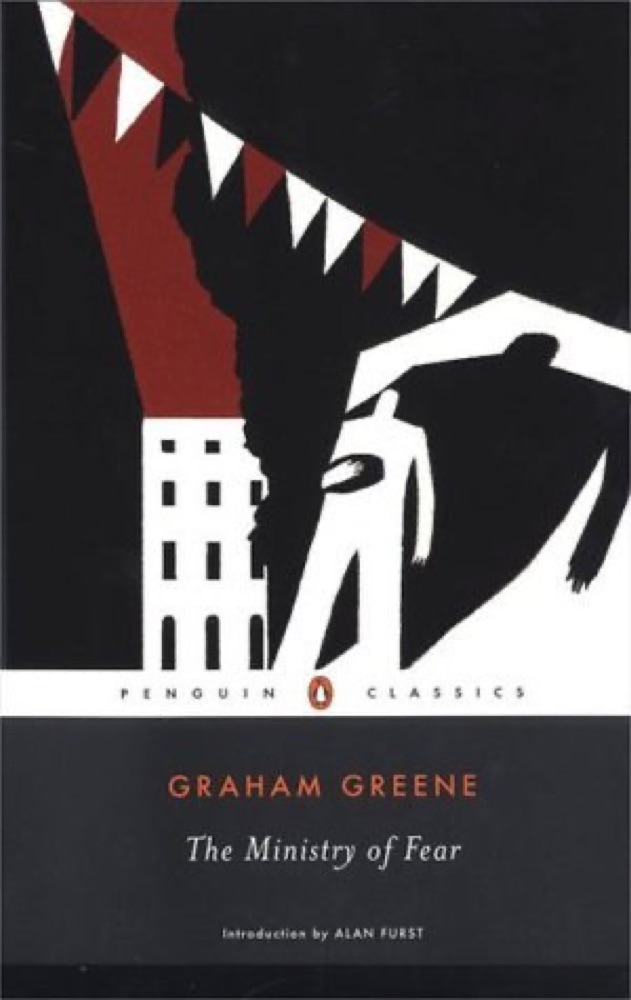 The Ministry of Fear
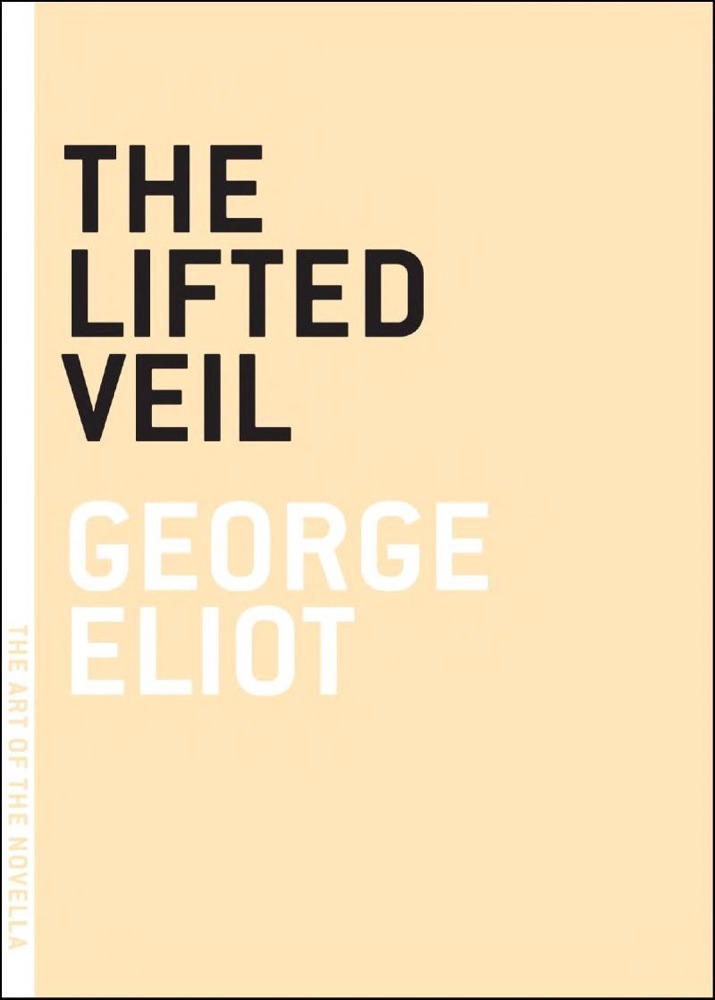 The Lifted Veil
 The Golden Tresses of the Dead
 The Longest Journey
 Allan Quatermain
 Lincoln in the Bardo
 One of Ours
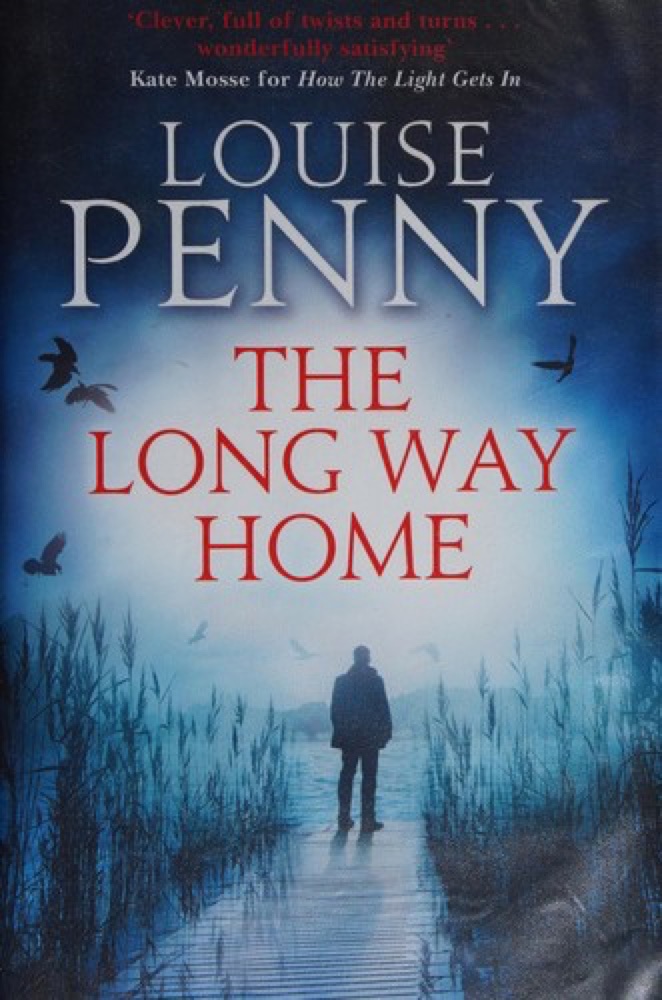 The Long Way Home
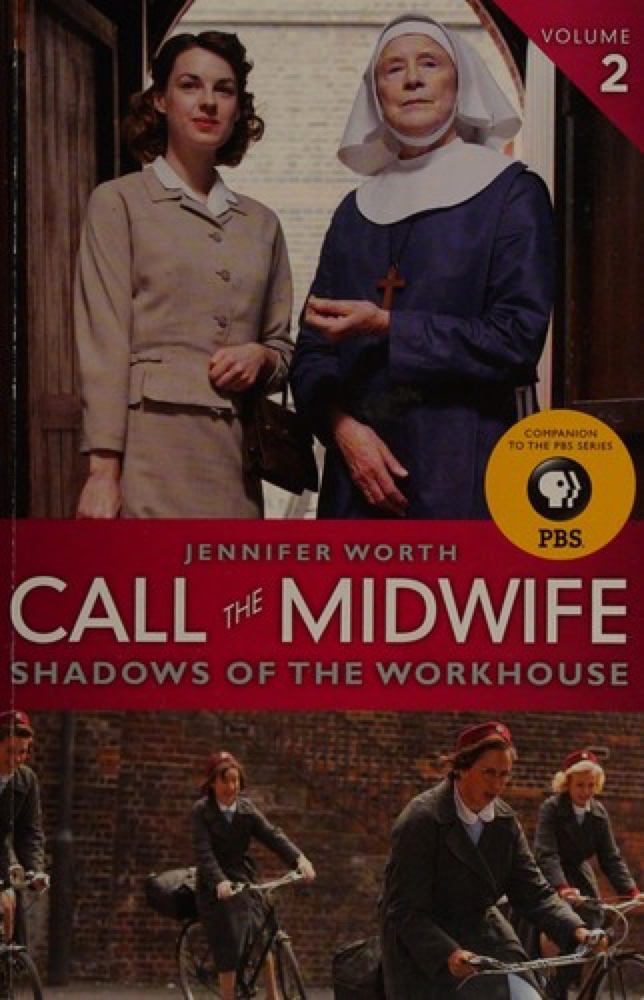 Shadows of the Workhouse
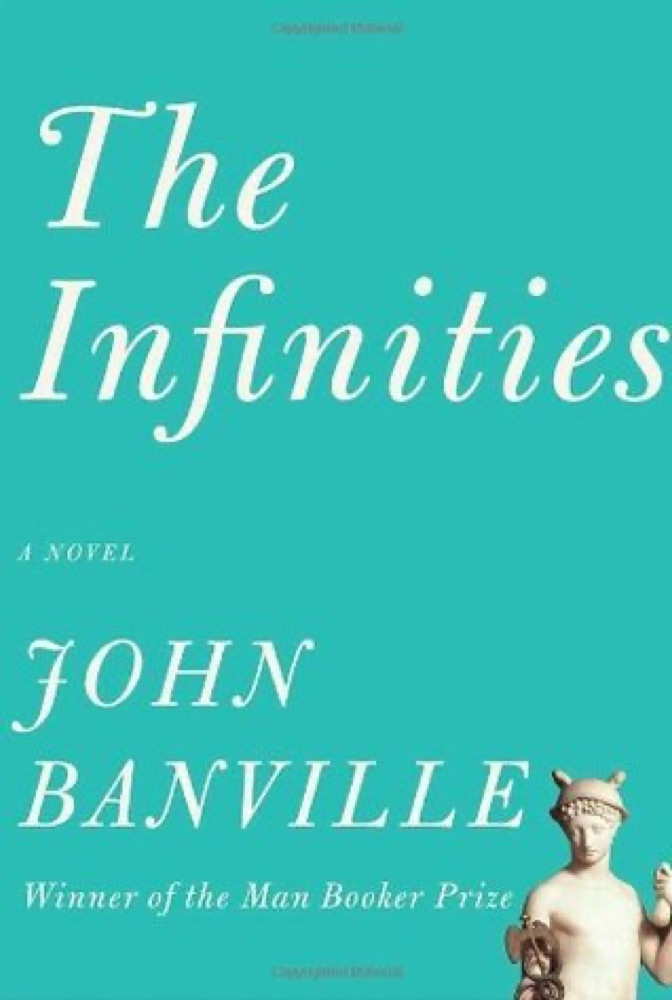 The Infinities
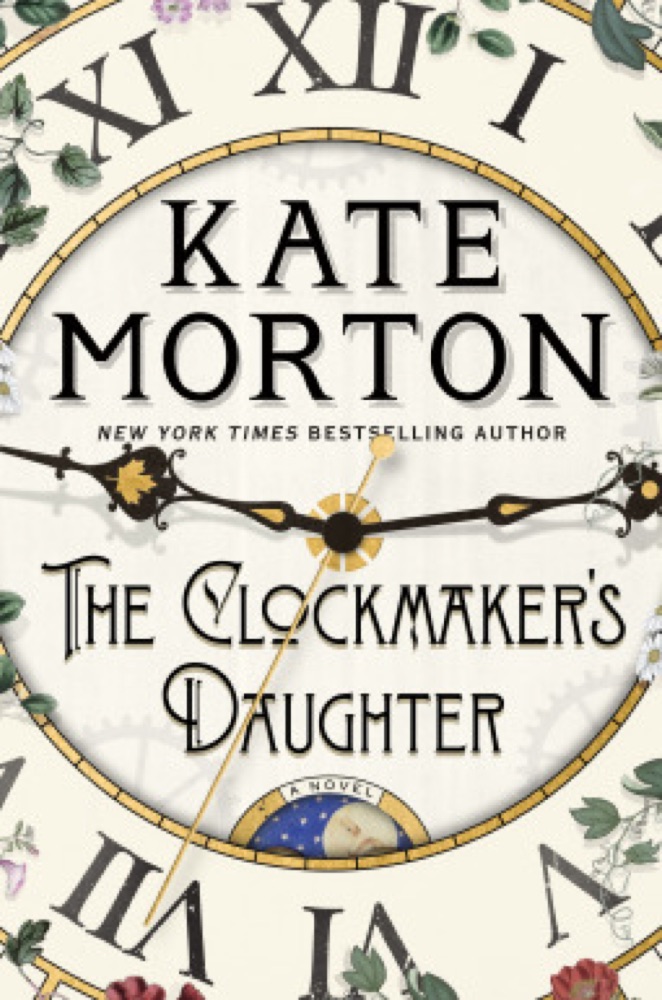 The Clockmaker's Daughter
 The Well of Loneliness
 Agnes Grey
 Lorna Doone
 The Scarlet Letter
 Armadale
 Christmas Holiday
 The Tunnel
 The Brutal Telling
 Selected Stories
 Desperate Remedies
 Death Watch
 Green Dolphin Street
 Phantastes
 Swann's Way
 The Mill on the Floss
 Lord Jim
 The Song of the Lark
 Thrice the Brinded Cat Hath Mew'd
 Fall of Light
 Selected Stories of Anton Chekhov
 The Curse of the Wendigo
 March
March
 Oblomov
 Père Goriot
 In Search of Lost Time
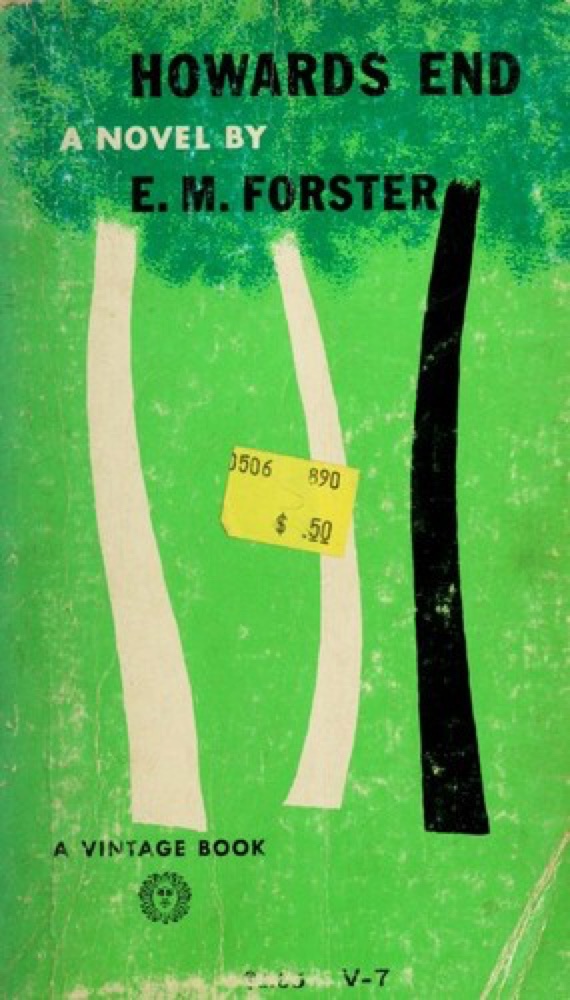 Howards End
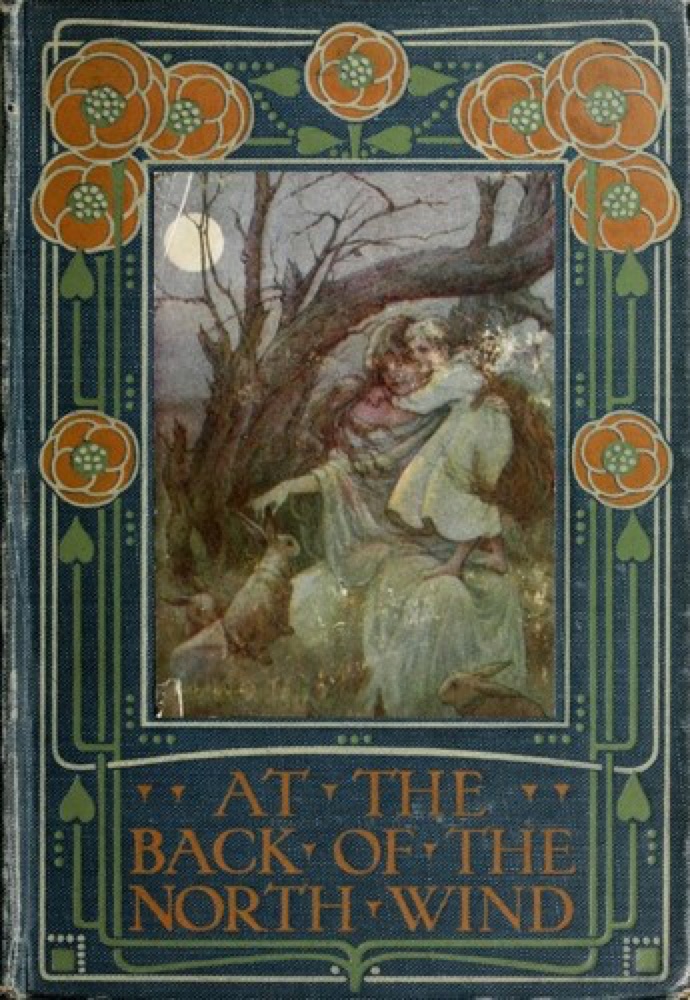 At the Back of the North Wind
 Rain and Other South Sea Stories
 Shirley
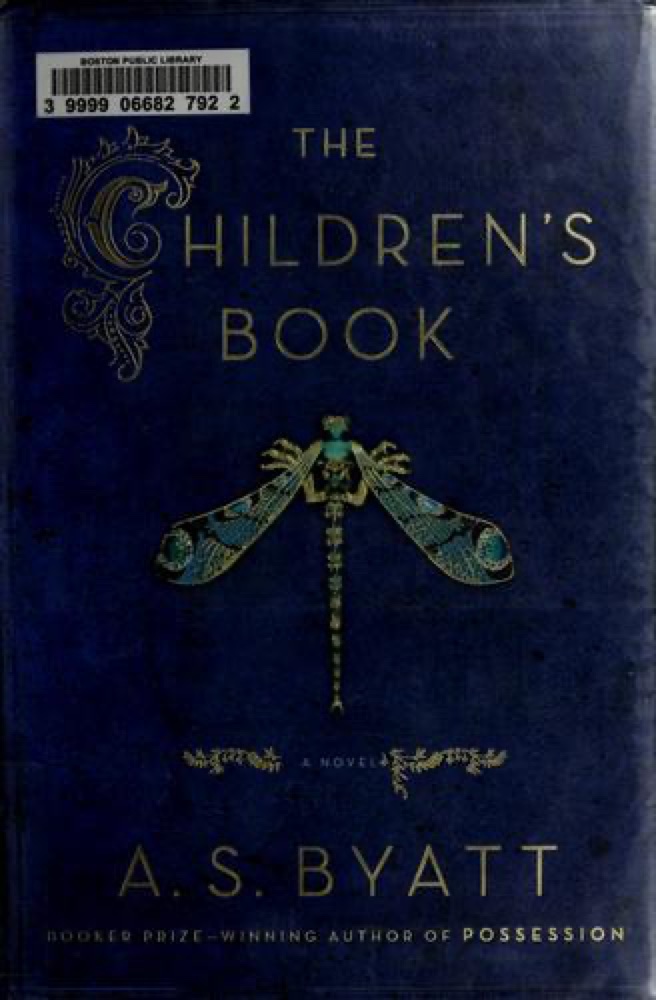 The Children's Book
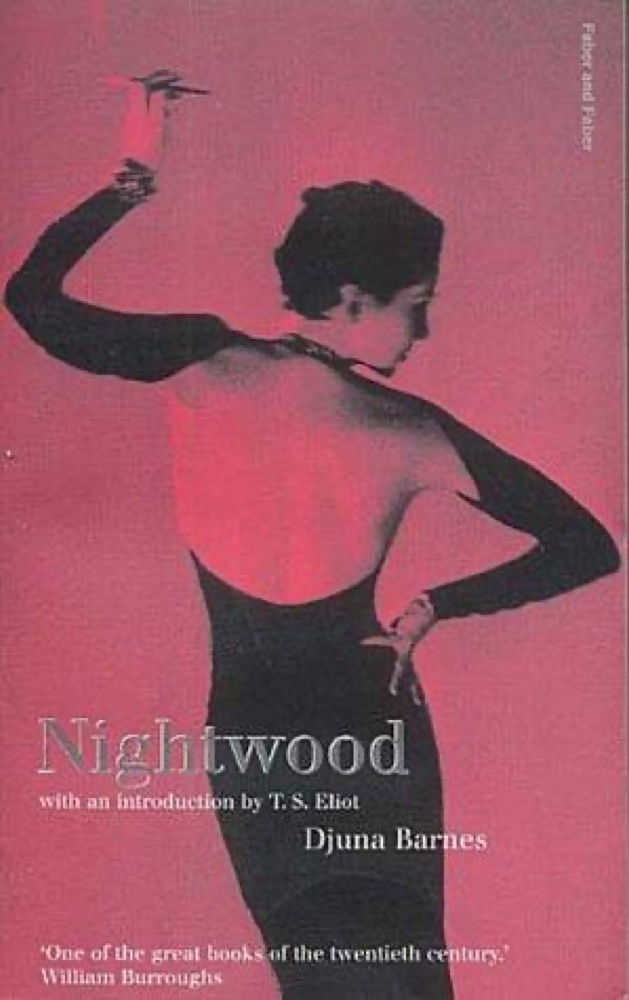 Nightwood
 Spring Snow
 Something Wicked This Way Comes
 The Good Soldier
 Arch of Triumph
 The Heart of the Matter
 Miss Lonelyhearts
 Light in August
 The Death of the Heart
 Wizard and Glass