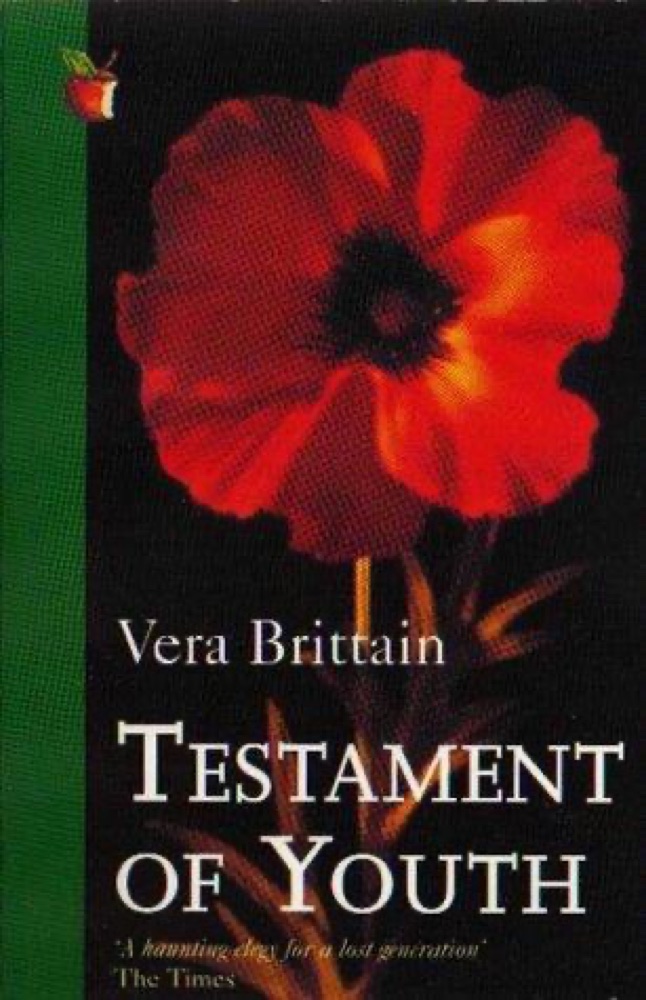
 Testament of Youth
Quotes from the Book
...because I rant not, neither rave of what I feel, can you be so shallow as to dream that I feel nothing?
207
May be we are not such fools as we look. But though we be, we are well content, so long as we may be two fools together.
23
It seemed to me that if the lawyers failed to do their duty, they ought to pay people for waiting upon them, instead of making them pay for it.
15
I cannot go through all my thoughts, so as to make them clear to you, nor have I ever dwelt on things, to shape a story of them. I know not where the beginning was, nor where the middle ought to be, nor even how at the present time I feel, or think, or ought to think. If I look for help to those around me, who should tell me right and wrong (being older and much wiser), I meet sometimes with laughter, and at other times with anger... ...I think; and nothing ever comes of it. Nothing, I mean, which I can grasp, and have with any surety; nothing but faint images, and wonderment, and wandering... ...Often too I wonder at the odds of fortune, which made me (helpless as I am, and fond of peace, and reading), the heiress of this mad domain... ...You must be tired of this story, and the time I take to think, and the weariness of my telling; but my life from day to day shows so little variance. Among the riders there is none whose safe return I watch for- I mean none more than any other- and indeed there seems no risk...
9
But whatever lives or dies, business must be attended to; and the principal business of good Christians is, beyond all controversy, to fight with one another.
9
Now let us bandy words no more... nothing is easier than sharp words, except to wish them unspoken.
8
The love of all things was upon me, and a softness to them all, and a sense of having something even such as they had.
3
But during those two months of fog . . . the saddest and the heaviest thing was to stand beside the sea. To be upon the beach yourself, and see the long waves coming in; to know that they are long waves, but only see a piece of them. And to hear them lifting roundly, swelling over smooth green rocks, plashing down in the hollow corners, but bearing on all the same as ever, soft and sleek and sorrowful, till their little noise is over.
3
for boys of twelve are not yet prone to note the shapes of women;
3
Be-or, be-or, be-or, all day long, with you Englishmen!' 'Nay,' I replied, 'not all day long, if madam will excuse me. Only a pint at breakfast-time, and a pint and a half at eleven o'clock, and a quart or so at dinner. And then no more till the afternoon; and half a gallon at supper-time. No one can object to that.
3
On the right-hand side was a mighty oven, where Betty threatened to bake us; and on the left, long sides of bacon, made of favoured pigs, and growing very brown and comely. Annie knew the names of all, and ran up through the wood-smoke, every now and then, when a gentle memory moved her, and asked them how they were getting on, and when they would like to be eaten. Then she came back with foolish tears, at thinking of that necessity; and I, being soft in a different way, would make up my mind against bacon. But, Lord bless you! it was no good. Whenever it came to breakfast-time, after three hours upon the moors, I regularly forgot the pigs, but paid good heed to the rashers.
3
But a sigh is not (like a yawn) infectious; and we are all more prone to be sent to sleep than to sorrow by one another.
2
But now, at Dulverton, we dined upon the rarest and choicest victuals that ever I did taste. Even now, at my time of life, to think of it gives me appetite, as once and awhile to think of my first love makes me love all goodness. Hot mutton pasty was a thing I had often heard of from very wealthy boys and men, who made a dessert of dinner; and to hear them talk of it made my lips smack, and my ribs come inwards.
1
The motives of mankind are plainer than the motions they produce.
1
There is nothing in this world to fear, nothing to revere or trust, nothing even to hope for; least of all, is there aught to love.
1
There was power all around, that power and that goodness, which make us come, as it were, outside our bodily selves, to share them. Over and beside us breathes the joy of hope and promise; under foot are troubles past; in the distance bowering newness tempts us ever forward. We quicken with largesse of life, and spring with vivid mystery.
1
For nine women out of ten must have some kind of romance or other, to make their lives endurable; and when their love has lost this attractive element, this soft dew-fog (if such it be), the love itself is apt to languish; unless its bloom be well replaced by the budding hopes of children.
1
I for my part was most thankful that I had not killed. For to have the life of a fellow-man laid upon one's conscience—deserved he his death, or deserved it not—is to my sense of right and wrong the heaviest of all burdens; and the one that wears most deeply inwards, with the dwelling of the mind on this view and on that of it.
1
soon we found Peggy and Smiler in company, well embarked on the homeward road, and victualling where the grass was good. Right glad they were to see us again—not for the pleasure of carrying, but because a horse (like a woman) lacks, and is better without, self-reliance.
us be naigh the Doone-track now, two maile from Dunkery Beacon hill, the haighest place of Hexmoor. So happen they be abroad to-naight, us must crawl on our belly-places, boy.' I knew at once what he meant—those bloody Doones of Bagworthy, the awe of all Devon and Somerset, outlaws, traitors, murderers.
Having no knowledge of these great men, nor of the matter how far it was true, I had not very much to say about either them or it; but this silence was not shared (although the ignorance may have been) by the hundreds of people around me.
I for my part was nothing loath, and preferred to see London by daylight. And after all, it was not worth seeing, but a very hideous and dirty place, not at all like Exmoor.
Although a man may be as simple as the flowers of the field; knowing when, but scarcely why, he closes to the bitter wind; and feeling why, but scarcely when, he opens to the genial sun; yet without his questing much into the capsule of himself—to do which is a misery—he may have a general notion how he happens to be getting on.
The lanes and fields between Charing Cross and the village of Kensington, are, or were at that time, more than reasonably infested with footpads and with highwaymen. However, my stature and holly club kept these fellows from doing more than casting sheep's eyes at me. For it was still broad daylight, and the view of the distant villages, Chelsea, Battersea, Tyburn, and others, as well as a few large houses,
Now this may seem very strange to us who live in a better and purer age—or say at least that we do so—and yet who are we to condemn our fathers for teaching us better manners, and at their own expense?
Hope of course is nothing more than desire with a telescope, magnifying distant matters, overlooking near ones; opening one eye on the objects, closing the other to all objections. And if hope be the future tense of desire, the future of fear is religion—at least with too many of us.
Too late we know the good from bad; the knowledge is no pleasure then; being memory's medicine rather than the wine of hope
I delay so long, because I fear; because my whole life hangs in balance on a single word; because what I have near me now may never be more near me after, though more than all the world, or than a thousand worlds, to me.
All the beauty of the spring went for happy men to think of all the increase of the year was for other eyes to mark. Not a sign of any sunrise for me from my fount of life; not a breath to stir the dead leaves fallen on my heart’s Spring.
Watch on YouTube
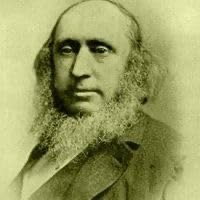
About R.D. Blackmore
We have collected 29 quotes from 1 book by R.D. Blackmore on BookQuoters.
More about the author →About the book
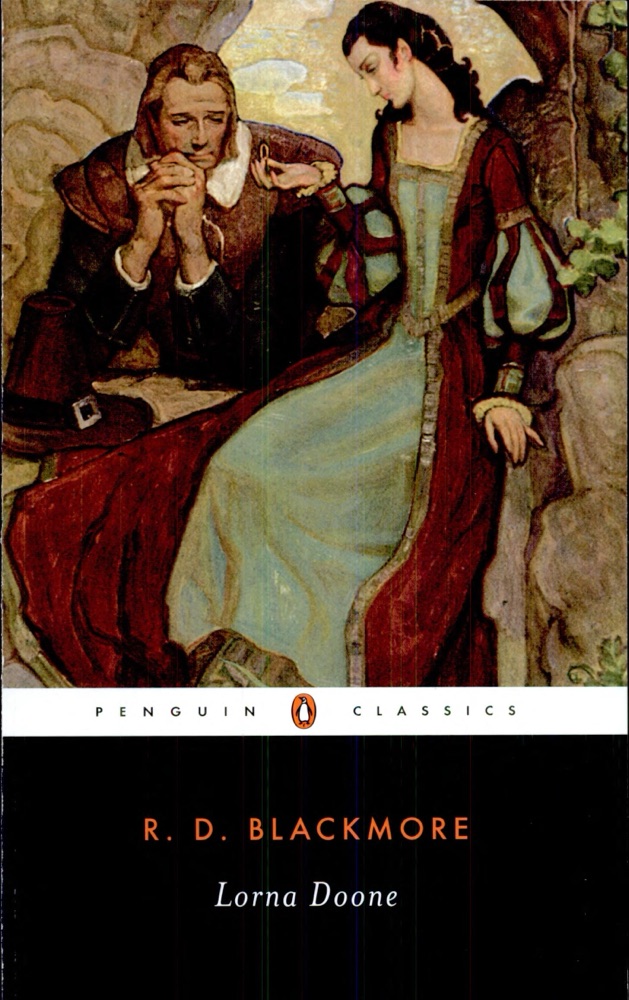
First published in 1869, Lorna Doone is the story of John Ridd, a farmer who finds love amid the religious and social turmoil of seventeenth-century England. He is just a boy when his father is slain by the Doones, a lawless clan inhabiting wild Exmoor on the border of Somerset and Devon. Seized by curiosity and a sense of adventure, he makes his way to the valley of the Doones, where he is discovered by the beautiful Lorna. In time their childish fantasies blossom into mature love—a bond that will inspire John to rescue his beloved from the ravages of a stormy winter, rekindling a conflict with his archrival, Carver Doone, that climaxes in heartrending violence.
Beloved for its portrait of star-crossed lovers and its surpassing descriptions of the English countryside, Lorna Doone is R. D. Blackmore’s enduring masterpiece.
Book details
- First published
- 1869
- Author
- R.D. Blackmore
- Genre
- Classics
- Goodreads rating
- 3.73 (17k ratings)
Keep reading
Testament of Youth
 Independent People
 Brideshead Revisited: The Sacred and Profane Memories of Captain Charles Ryder
 The Good Soldier
 Bleak House
 The Mill on the Floss
 A Passage to India
 March
March
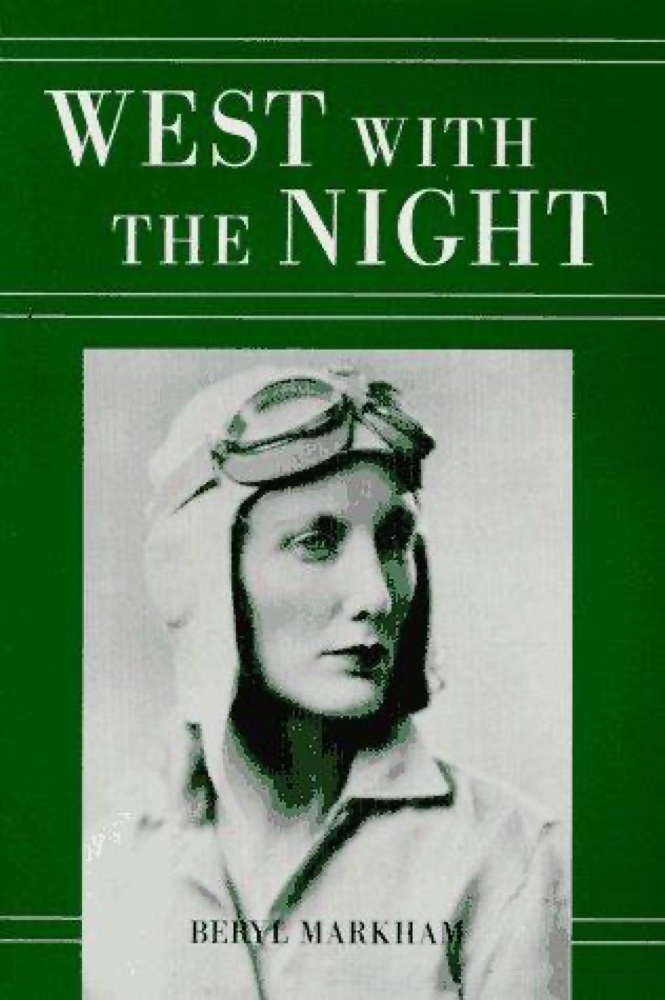 West with the Night
 Howards End
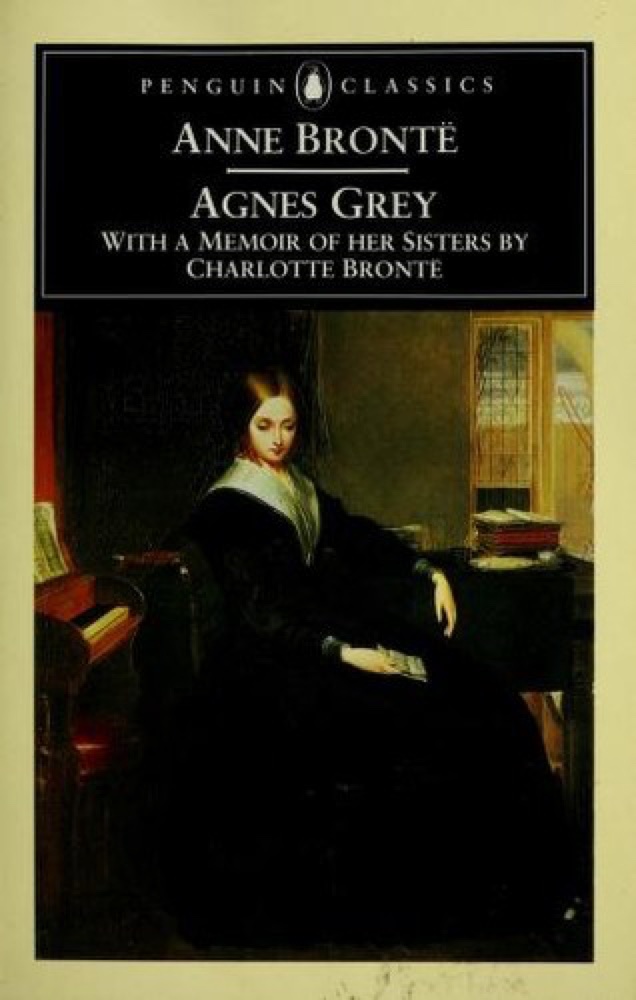 Agnes Grey
 Allan Quatermain
 One of Ours
 The Well of Loneliness
 Where Angels Fear to Tread
 Adam Bede
 The Offing
 Oliver Twist
 Daniel Deronda
 That Hideous Strength
 O Pioneers!
 The Old Curiosity Shop
 The Pox Party
 The Tale of Genji
 The Moor's Last Sigh
 Black Lamb and Grey Falcon
 Walden and other writings
 The Forsyte Saga
 Selected Stories
 The Moonstone
 The Blythes Are Quoted
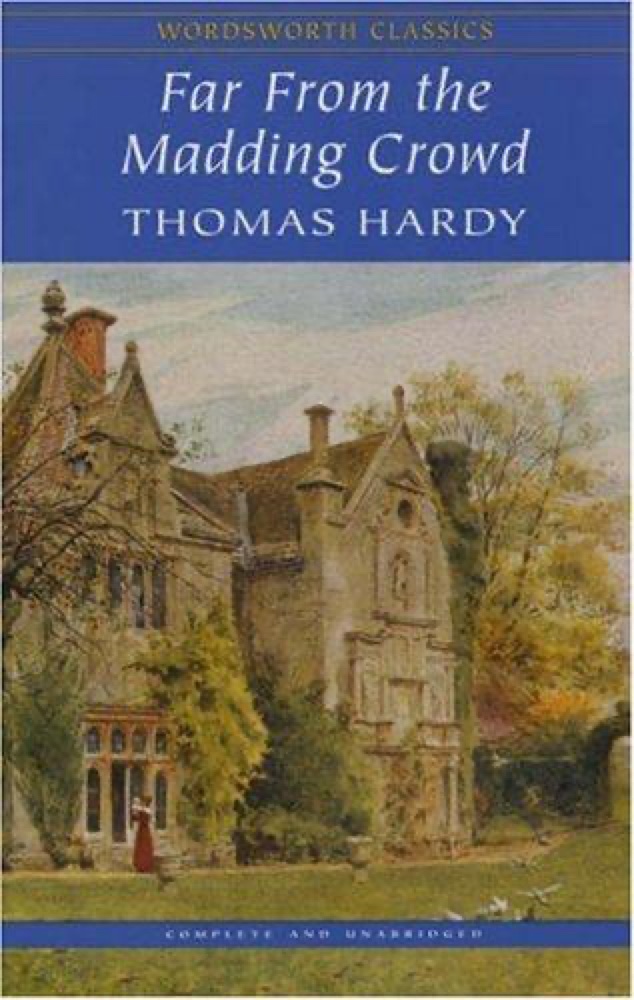 Far from the Madding Crowd
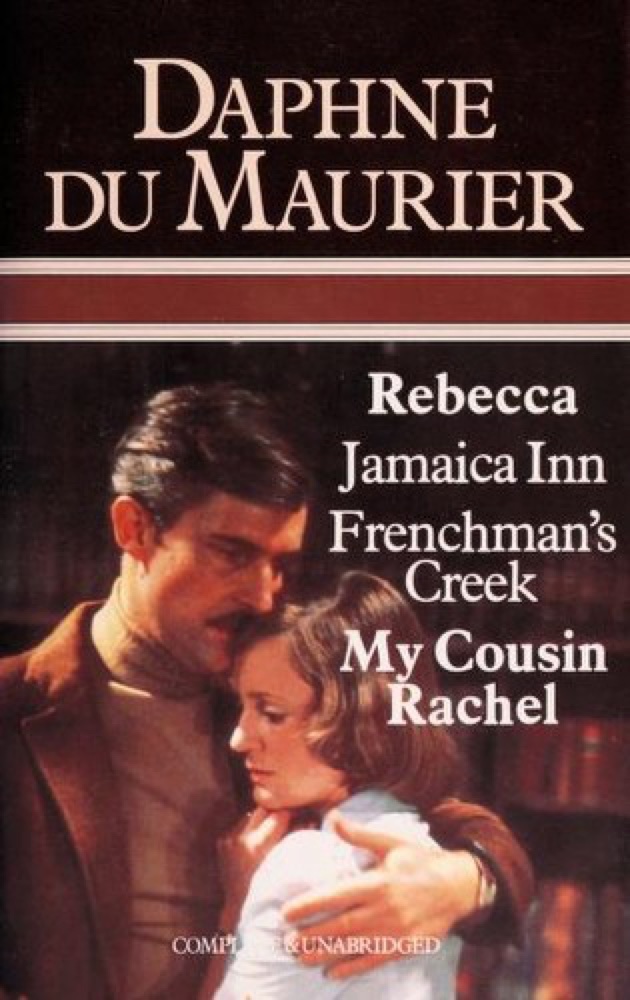 Rebecca
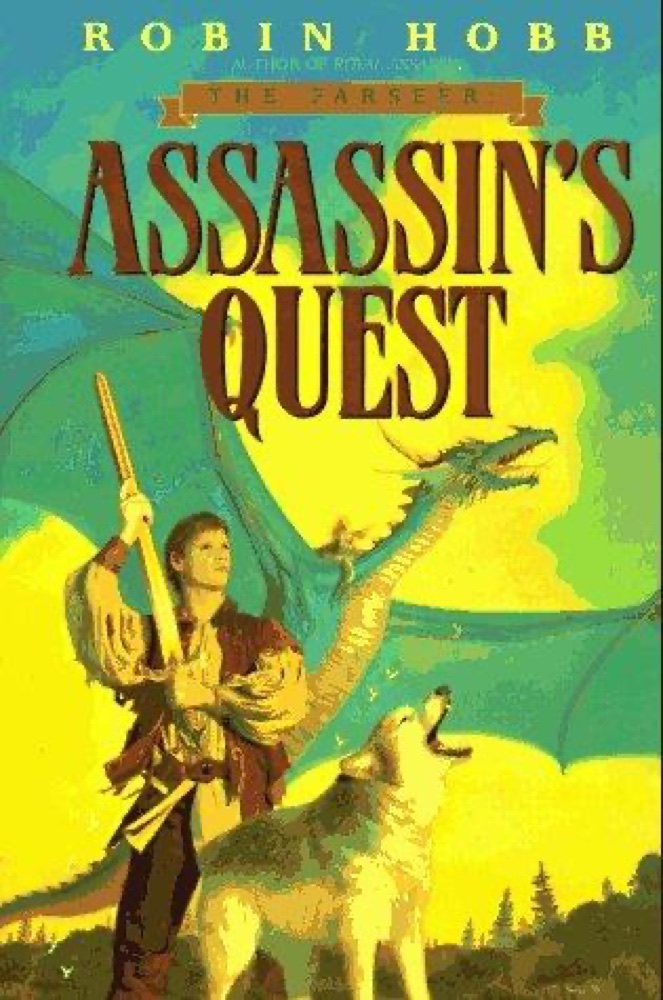 Assassin's Quest
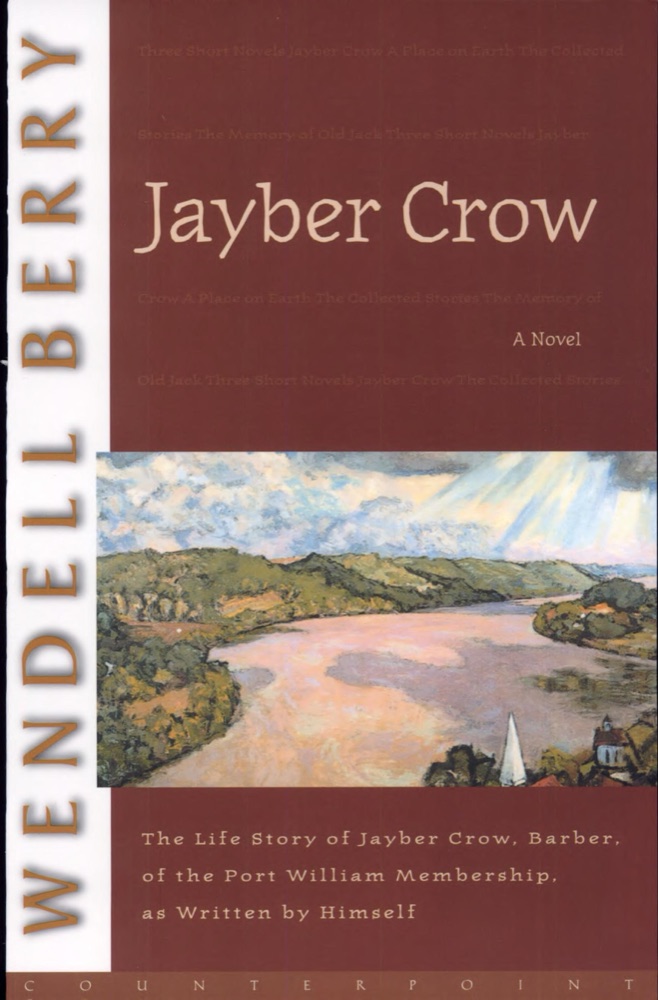 Jayber Crow
 View with a Grain of Sand: Selected Poems
 My Cousin Rachel
 Desperate Remedies
 Don Juan
 In the Heart of the Heart of the Country and Other Stories
 Selected Poems
 Winesburg, Ohio
 Lord Jim
 Swann's Way
 Light in August
 Uncle Tom's Cabin
 The Wars
 Caleb's Crossing
 Uncle Silas
 Antic Hay
 One Man's Meat
 Tinkers
 Lincoln in the Bardo
 Shirley
 The French Lieutenant's Woman
 The Black Moon
 A Death in the Family
 Mary Barton
 New Grub Street
 Cold Mountain