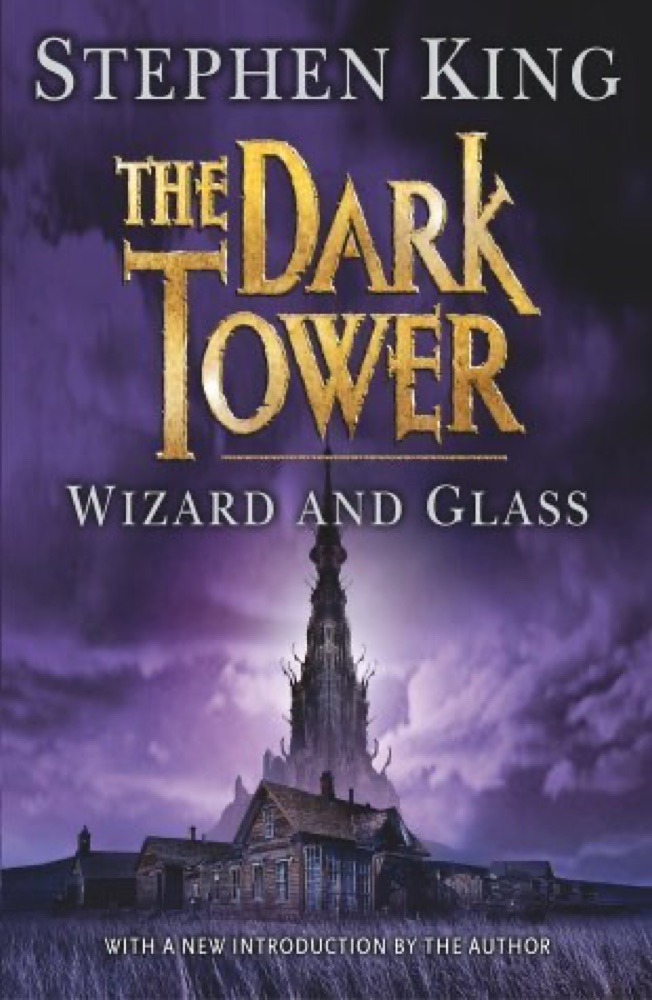

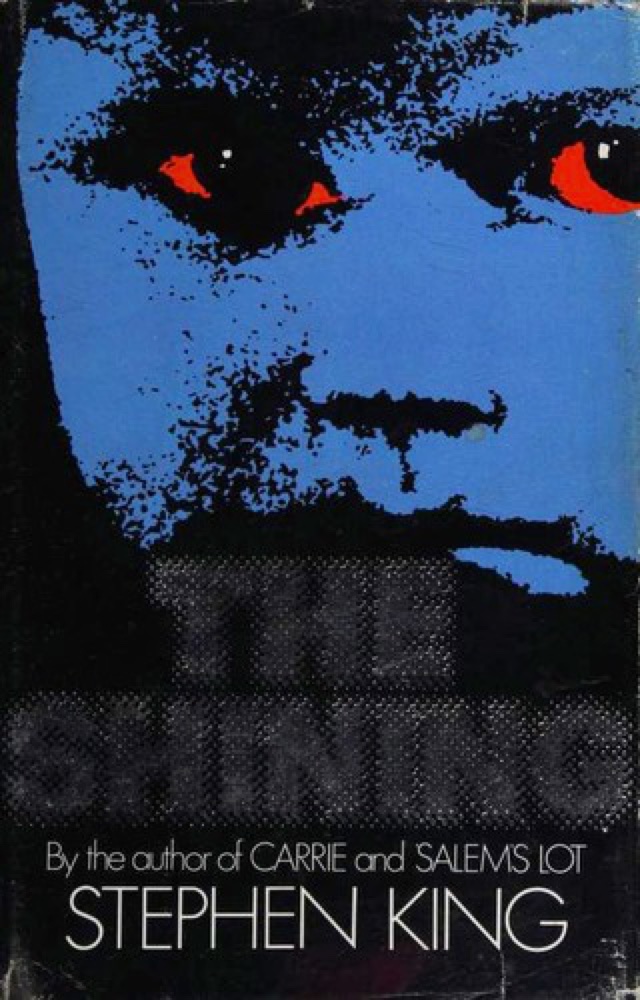
 The Shining
Quotes from the Book
True love, like any other strong and addicting drug, is boring — once the tale of encounter and discovery is told, kisses quickly grow stale and caresses tiresome… except, of course, to those who share the kisses, who give and take the caresses while every sound and color of the world seems to deepen and brighten around them. As with any other strong drug, true first love is really only interesting to those who have become its prisoners. And, as is true of any other strong and addicting drug, true first love is dangerous.
294
If it's ka it'll come like a wind, and your plans will stand before it no more than a barn before a cyclone
186
And now, all these years later, it seemed to him that the most horrible fact of human existence was that broken hearts mended.
146
At the end of her life she was aware of heat but not pain. She had time to consider his eyes, eyes of that blue which is the color of the sky at first light of the morning. She had time to think of him on the Drop, riding Rusher flat out with his black hair flying back from his temples and his neckerchief rippling; to see him laughing with an ease and freedom he would never find again in the long life which stretched out for him beyond hers, and it was his laughter she took with her as she went out, fleeing the light and heat in to the silkly, consoling dark, calling to him over and over as she went, calling bird and bear and hare and fish.
77
It's alright to feel fear, but sometimes a very bad idea to show it.
61
Fools are the only folk on the earth who can absolutely count on getting what they deserve.
51
Now the two of them rode silently toward town, both lost in their own thoughts. Their way took them past the Delgado house. Roland looked up and saw Susan sitting in her window, a bright vision in the gray light of that fall morning. His heart leaped up and although he didn't know it then, it was how he would remember her most clearly forever after- lovely Susan, the girl in the window. So do we pass the ghosts that haunt us later in our lives; they sit undramatically by the roadside like poor beggars, and we see them only from the corners of our eyes, if we see them at all. The idea that they have been waiting there for us rarely if ever crosses our minds. Yet they do wait, and when we have passed, they gather up their bundles of memory and fall in behind, treading in our footsteps and catching up, little by little.
46
Men! She could not understand why so many women feared them. Hadn't the gods made them with the most vulnerable part of their guts hanging right out of their bodies, like a misplaced bit of bowel? Kick them there and they curled up like snails. Caress them there and their brains melted.
42
Like the scorpion said to the maiden as she lay dying, ‘You knowed I was poison when you picked me up.’
35
So do we pass the ghosts that haunt us later in our lives; they sit undramatically by the roadside like poor beggars, and we see them only from the corners of our eyes, if we see them at all. The idea that they have been waiting there for us rarely if ever crosses our minds. Yet they do wait, and when we have passed, they gather up their bundles of memory and fall in behind, treading in our footsteps and catching up, little by little.
34
Good days and long nights to ya, sai.
34
I was raised to be polite, but not to suffer bullshit.
33
See the BEAR of fearsome size! All the WORLD'S within his eyes. TIME grows thin, the past is a riddle; The TOWER awaits you in the middle.
32
You've called your carelessness love and made a virtue of irresponsibility.
27
Panic is highly contagious, especially in situations when nothing is known and everything is in flux.
26
The road, and the mysteries that lie along it, calls out to none as it calls to the young.
23
Tell him he's wrong. Tell him that even if he's right about waiting, he's right for the wrong reasons, and that makes him all the way wrong.
22
There's three things ye can do in any situation, girl," her father had told her once. "Ye can decide to do a thing, ye can decide not to do a thing... or ye can decide not to decide." That last, her da had never quite come out and said (he hadn't needed to) was the choice of weaklings and fools.
21
It's the world's smallest violin, playing 'My Heart Pumps Purple Piss for You'.
19
But storytelling always changes time. At least it does in my world.
17
He wanted her, suddenly and completely, with a desperate depth of feeling that felt like sickness. Everything he was and everything he had come for, it seemed, was secondary to her.
17
The soul of a man such as you can never leave the west.
17
The devil you knew was always preferable to the devil you didn’t.
16
If it's ka, it'll come like a wind, and your plans will stand before it no more than a barn before a cyclone.
14
It starts here. From its field of roses, the Dark Tower cries out in its beast’s voice. Time is a face on the water.
14
Who can remember the pangs and sweetness of those early years? We remember our first real love no more clearly than the illusions that caused us to rave during a high fever.
12
Disappointment was never a thing you looked for, but it had a wonderful way of clearing the mind.
11
At Hartford or New Haven or one of those other places where no one in their right fucking mind would want to live.
11
Truth was sometimes not the same as reality—this was one of the certainties that lived in the hollow, cavey place at the center of his divided nature.
9
Did you know?
- The novel was first published in 1997 by Donald M. Grant, Publisher, Inc., the small press that issued limited editions of several Dark Tower volumes.
- It arrived after a roughly six-year gap following the previous book, The Waste Lands.
- Most of the book is a single extended flashback to Roland's teenage years in the barony of Mejis.
- The recurring antagonist Randall Flagg, who appears across many of King's books, also figures in the story under the name Marten Broadcloak.
- The novel placed fourth in the 1997 Locus Poll for best fantasy novel.
About Stephen King
Stephen King is an American author born in 1947, widely regarded as one of the most popular and prolific writers of horror, suspense, and fantasy. He has published more than 60 novels, including the multi-volume Dark Tower series that he has called the centerpiece of his work.
More about the author →


About the book
Wizard and Glass is the fourth novel in Stephen King's Dark Tower series, picking up immediately after the gunslinger Roland Deschain and his companions escape the murderous, riddle-obsessed monorail Blaine and find themselves in a version of Topeka, Kansas emptied by a plague. Stranded between worlds, Roland finally tells his friends the story of his youth, and the bulk of the book is that long flashback: sent away from Gilead as a teenager, Roland and two friends travel to the sleepy seaside barony of Mejis, where they uncover a conspiracy tied to the rebel John Farson and where Roland falls in love with a young woman named Susan Delgado.
The novel braids together several of King's enduring preoccupations: fate and the pull of ka, the heavy cost of duty, first love, and the way ambition and obsession can devour everything a person holds dear. The framing tale of the modern, plague-haunted Kansas connects the Dark Tower mythology to King's wider fictional universe, while the Mejis flashback functions almost as a standalone Western romance and tragedy, deepening Roland's character by showing the wound at the center of his single-minded quest.
Published in 1997 after a six-year gap following the previous installment, Wizard and Glass was warmly received by King's readers and by the fantasy community, and it is frequently cited by fans as one of the strongest entries in the series for its emotional depth and self-contained story. It placed fourth in the 1997 Locus Poll for best fantasy novel and helped sustain momentum for the saga, which King would not complete until the early 2000s.
Key characters
- Roland DeschainThe last gunslinger, whose youth in Mejis forms the heart of the book
- Susan DelgadoA young woman of Hambry who becomes Roland's first love
- Eddie DeanA member of Roland's ka-tet, a former addict drawn from 1980s New York
- Susannah DeanAnother of Roland's companions, drawn from 1960s America
- Jake ChambersA boy who travels with the ka-tet
- Cuthbert AllgoodRoland's loyal boyhood friend and fellow young gunslinger
- Eldred JonasAn aging gunslinger-turned-mercenary serving the conspiracy in Mejis
Book details
- First published
- 1997
- Length
- 787 pages
- Series
- The Dark Tower #4
- Reading time
- 12 hours
- Author
- Stephen King
- Genre
- Fantasy
- Goodreads rating
- 4.27 (225k ratings)
Critical reception
- The novel placed fourth in the 1997 Locus Poll for best fantasy novel.
- It is frequently singled out by readers as one of the most emotionally resonant entries in the Dark Tower series for its central love story and tragedy.
Series & reading order
- 1 The Gunslinger
- 2 The Drawing of the Three
- 3 The Waste Lands
- 4 Wizard and Glass
- 5 Wolves of the Calla
- 6 Song of Susannah
- 7 The Dark Tower
Keep reading
 The Drawing of the Three
 The Blue Castle
 Wolves of the Calla
 Little Heaven
 Something Wicked This Way Comes
 Fairy Tale
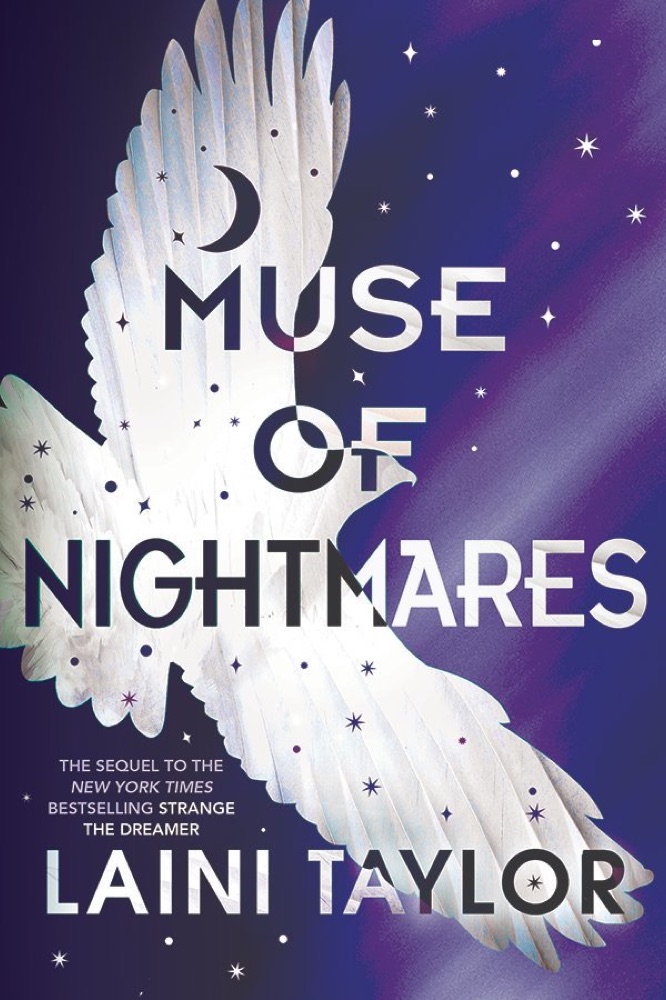 Muse of Nightmares
 A Conjuring of Light
 Light in August
 Thrice the Brinded Cat Hath Mew'd
 The Whisper Man
 I Cheerfully Refuse
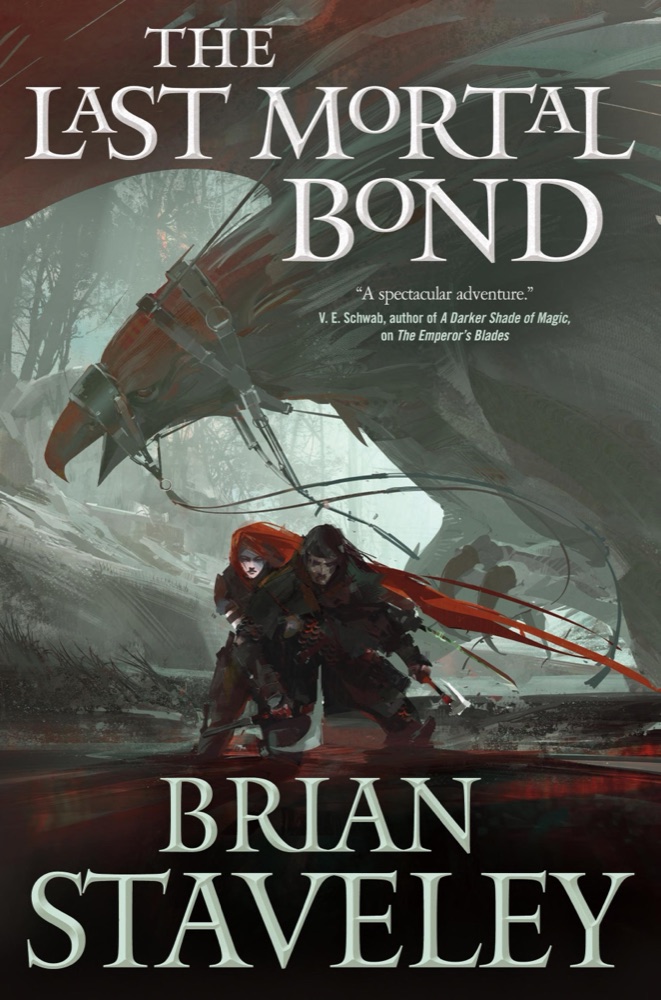 The Last Mortal Bond
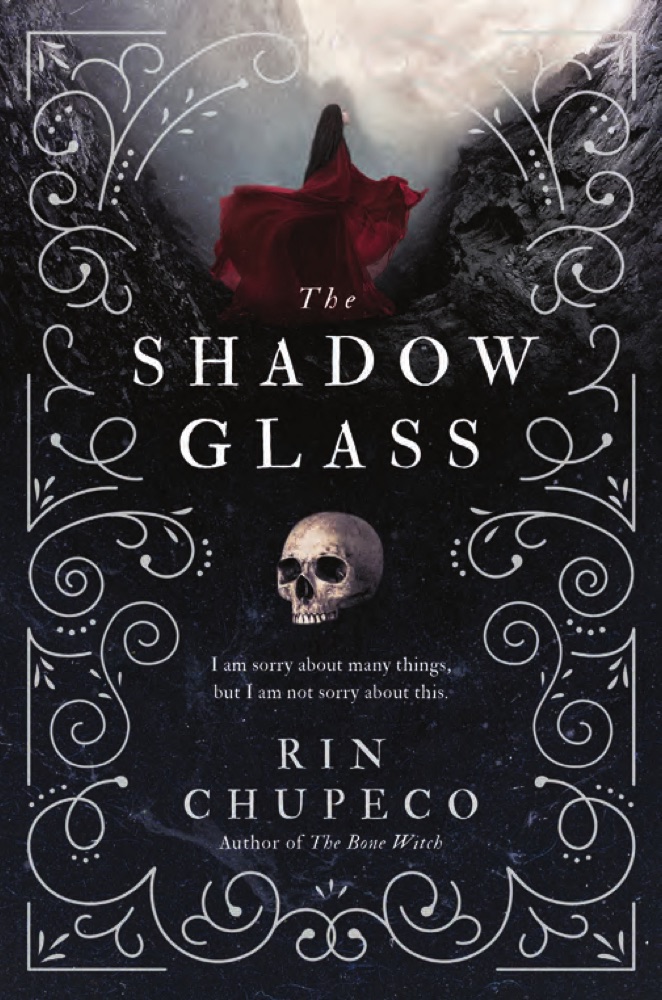 The Shadowglass
 Senlin Ascends
 The Long Way Home
 Black Leopard, Red Wolf
 The Beautiful
 The God of Small Things
 All the King's Men
 The Hour I First Believed
 The Damnation Game
 Mystic River
 Whiskey When We're Dry
 The Speaker
 Black Sun
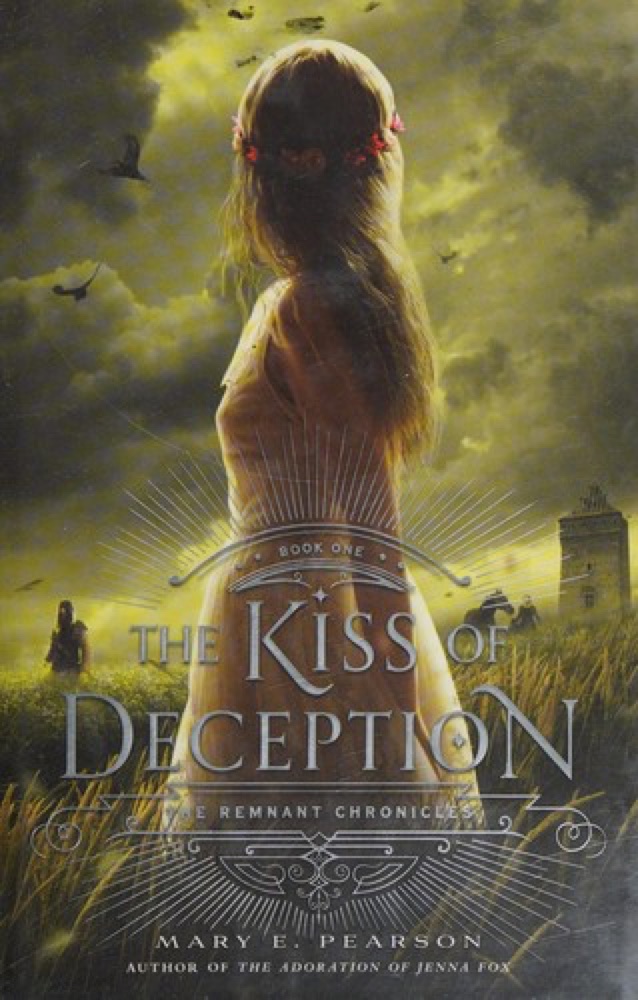 The Kiss of Deception
 Ordinary Monsters
 Uncle Tom's Cabin
 Dreams of Gods & Monsters
 In Cold Blood
 The Passage
 Battleborn
 A Tempest of Tea
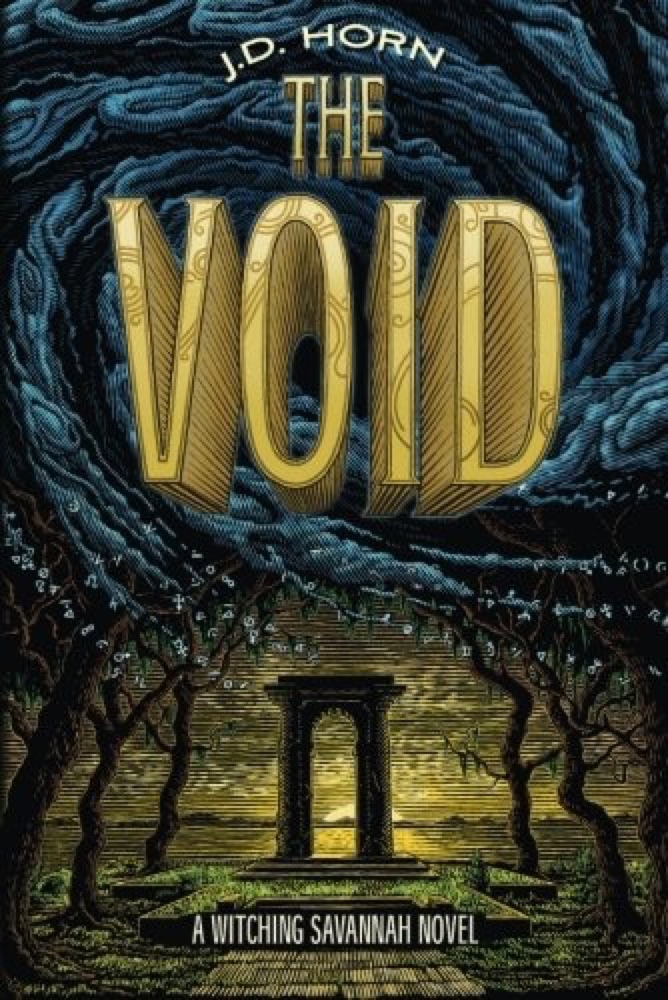 The Void
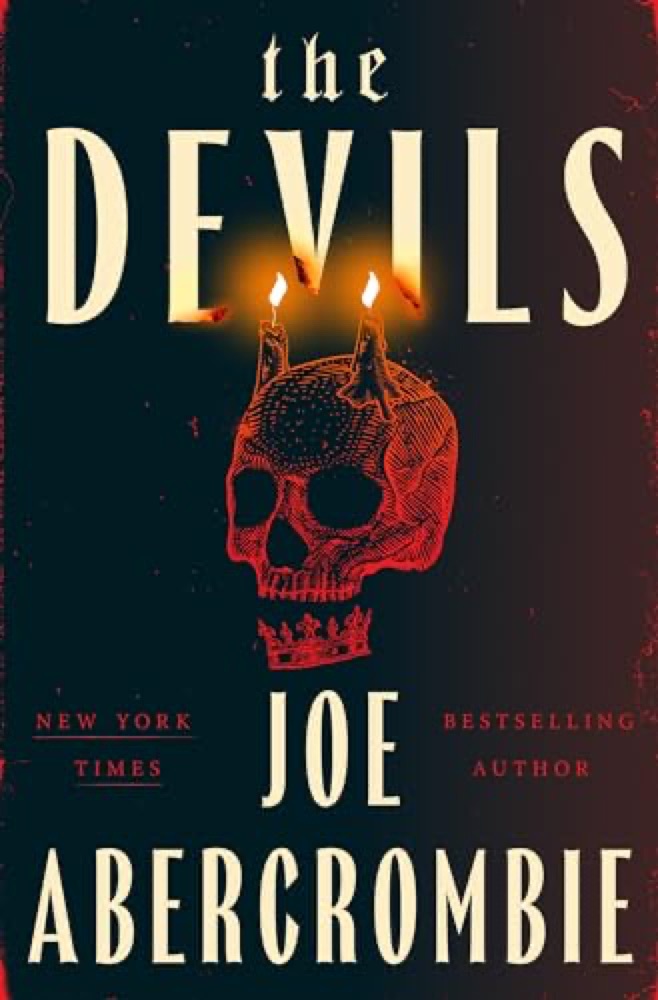 The Devils
 The Kite Runner
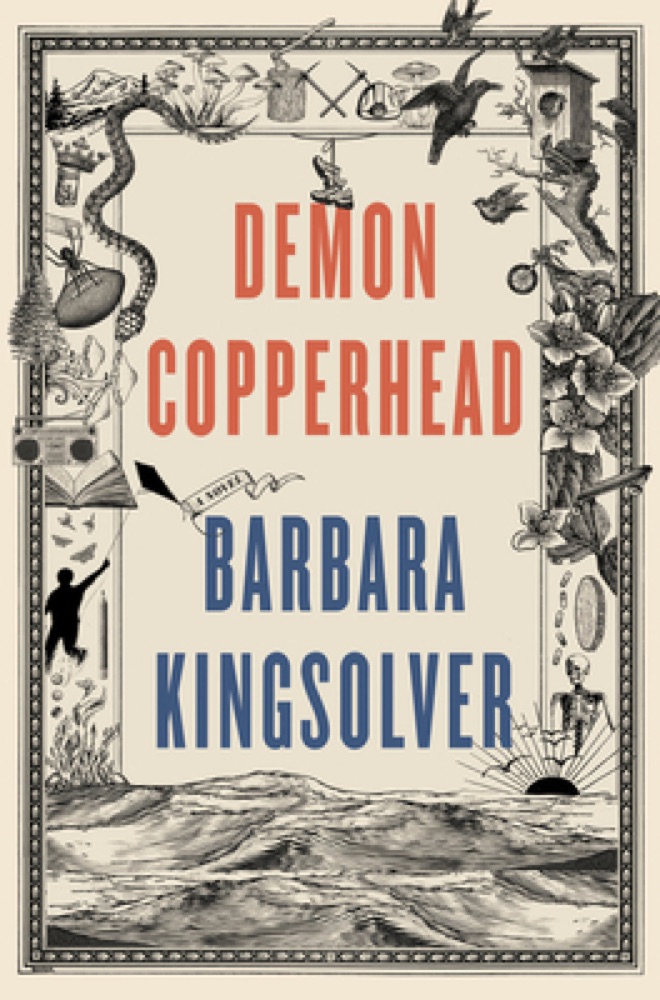 Demon Copperhead
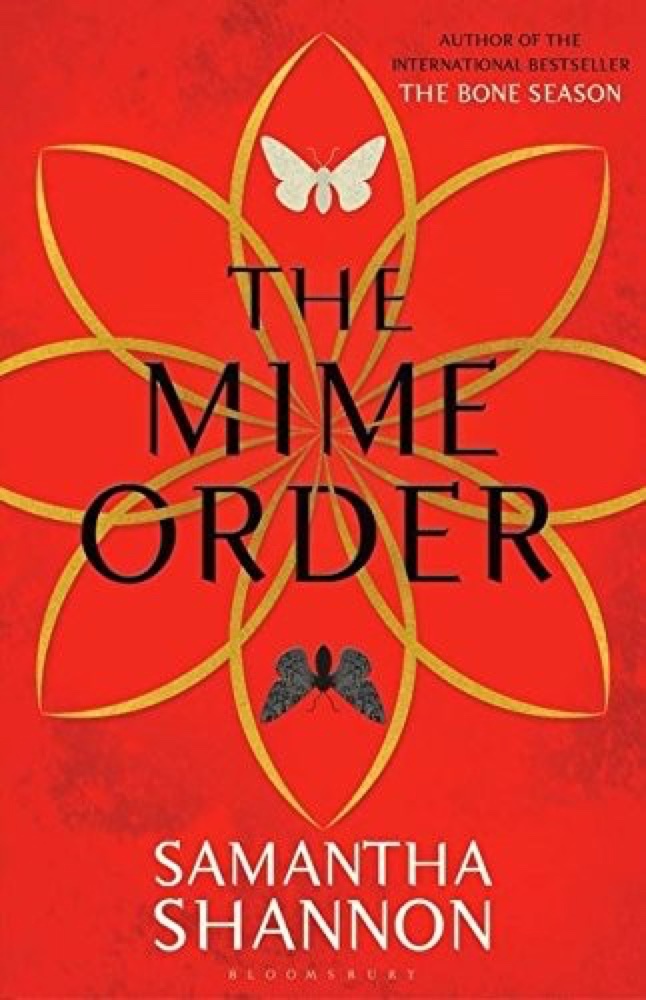 The Mime Order
 Liesl & Po
 The Grass Harp, Including A Tree of Night and Other Stories
 The Broken Eye
 Make Something Up: Stories You Can't Unread
 Roadwork
 Perfect Ruin
 And the Mountains Echoed
 Fool's Fate
 The Curse of the Wendigo
 The Year of the Flood
 The Quick and the Dead
 The Illustrated Man
 North! or Be Eaten
 Fool's Quest
 Royal Assassin
 Bridge to Terabithia
 Varina
 NOS4A2
 The Left Hand of God
 The Ministry of Utmost Happiness
 A Theory of Dreaming