 Pure Colour
Quotes from the Book
What, what am I to do with all of this life?
54
She was afraid to suggest to him that to most people, nothing "happens." That most people merely live from day to day until they die. That, after he had been dead a year, doubtless fewer than five people would think of him oftener than once a year. That there might even come a year when no one on earth would think of him at all.
30
But dandelions were what she chiefly saw. Yellow jewels for everyday studding the patched green dress of her back yard. She liked their demure prettiness second to their everydayness; for in that latter quality she thought she saw a picture of herself, and it was comforting to find that what was common could also be a flower.
13
To create - a role, a poem, picture, music, a rapture in stone: great. But not for her. What she wanted was to donate to the world a good Maud Martha. That was the offering, the bit of art, that could not come from any other. She would polish and hone that.
8
What she wanted was to donate to the world a good Maud Martha. That was the offering, the bit of art, that could not come from any other. She would polish and hone that.
7
Tragedy. She considered that word. On the whole, she felt, life was more comedy than tragedy. Nearly everything that happened had its comic element, not too well buried, either. Sooner or later one could find something to laugh at in almost every situation. That was what, in the last analysis, could keep folks from going mad. The truth was, if you got a good Tragedy out of a lifetime, one good, ripping tragedy, thorough, unridiculous, bottom-scraping, not the issue of human stupidity, you were doing, she thought, very well, you were doing very well.
5
But the sun was shining, and some of the people in the world had been left alive, and it was doubtful whether the ridiculousness of man would ever completely succeed in destroying the world—or, in fact, the basic equanimity of the least and commonest flower: for would its kind not come up again in the spring? come up, if necessary, among, between, or out of—beastly inconvenient—the smashed corpses lying in strict composure, in that hush infallible and sincere? And was not this something to be thankful for? And in the meantime, while people did live they would be grand, would be glorious and brave, would have nimble hearts that would beat and beat. They would even get up nonsense, through wars, through divorce, through evictions and jiltings and taxes. And, in the meantime, she was going to have another baby. The weather was bidding her bon voyage.
4
She would have liked a lotus, or China asters or the Japanese Iris, or meadow lilies--yes, she would have liked meadow lilies, because the very word meadow made her breathe more deeply, and either fling her arms or want to fling her arms, depending on who was by, rapturously up to whatever was watching in the sky. But dandelions were what she chiefly saw. Yellow jewels for everyday, studding the patched green dress of her back yard. She liked their demure prettiness second to their everydayness; for in that latter quality she thought she saw a picture of herself, and it was comforting to know that was was common could also be a flower.
2
These people knew what whiskeys were good, what wine was the thing with this food, that food, what places to go, how to dance, how to smoke, how much stress to put on love, how to dress, when to curse, and did not indulge, for the most part, in homosexuality, but could discuss it without eagerness, distate, curiosity, without anything but ennui.
Watch on YouTube
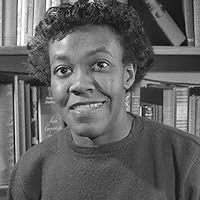
About Gwendolyn Brooks
We have collected 9 quotes from 1 book by Gwendolyn Brooks on BookQuoters.
More about the author →About the book
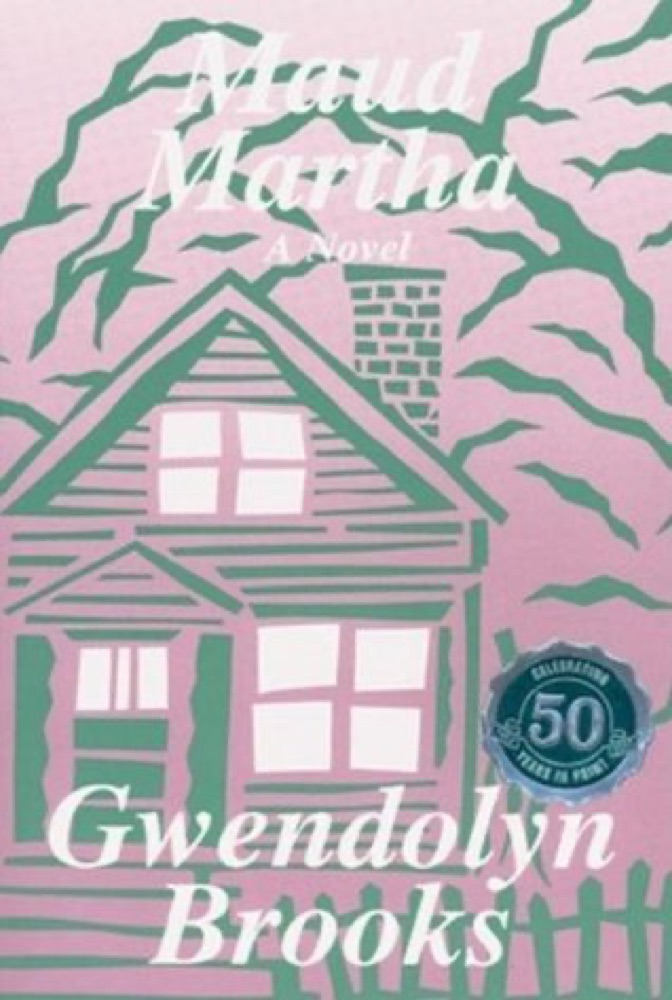
When Maud Martha Brown is seven years old, what she likes even better than "candy buttons, and books, ..and the west sky" are dandelions: "Yellow jewels for everyday studding the patched green dress of her back yard." Maud Martha's nine-year-old sister, Helen, is heart-catchingly beautiful; Maud Martha comforts herself with knowing that what is common - like the demurely pretty dandelion with "only ordinary allurements" - is also a flower. Through pithy and poetic chapter-moments - "spring landscape: detail," "death of grandmother," "first beau," "low yellow," "everybody will be surprised" - Maud Martha grows up, gets married, and gives birth to a daughter. Maud Martha, a gentle woman with "scraps of baffled hate in her, hate with no eyes, no smile..." who knows "while people did live they would be grand, would be glorious and brave, would have nimble hearts that would beat and beat," is
Book details
- First published
- 1953
- Author
- Gwendolyn Brooks
- Genre
- Fiction
- Goodreads rating
- 4.10 (4k ratings)
Keep reading
Pure Colour
 Green Dolphin Street
 A Lantern in Her Hand
 The Years
 NW
NW
 The Song of the Lark
 Mrs. Miniver
 Lolly Willowes
 The Garden Party and Other Stories
 Main Street
 All Passion Spent
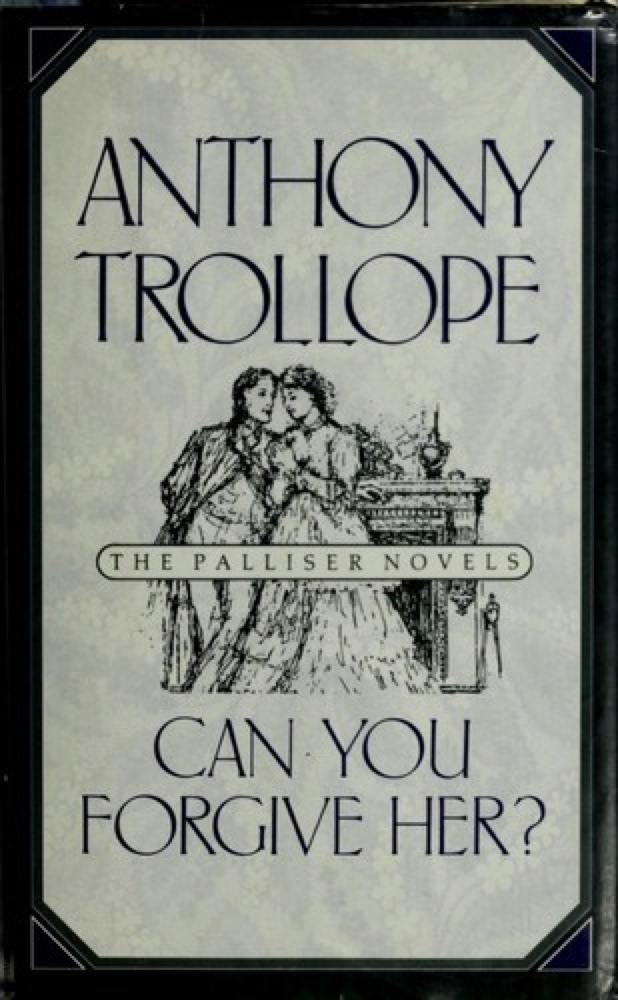 Can You Forgive Her?
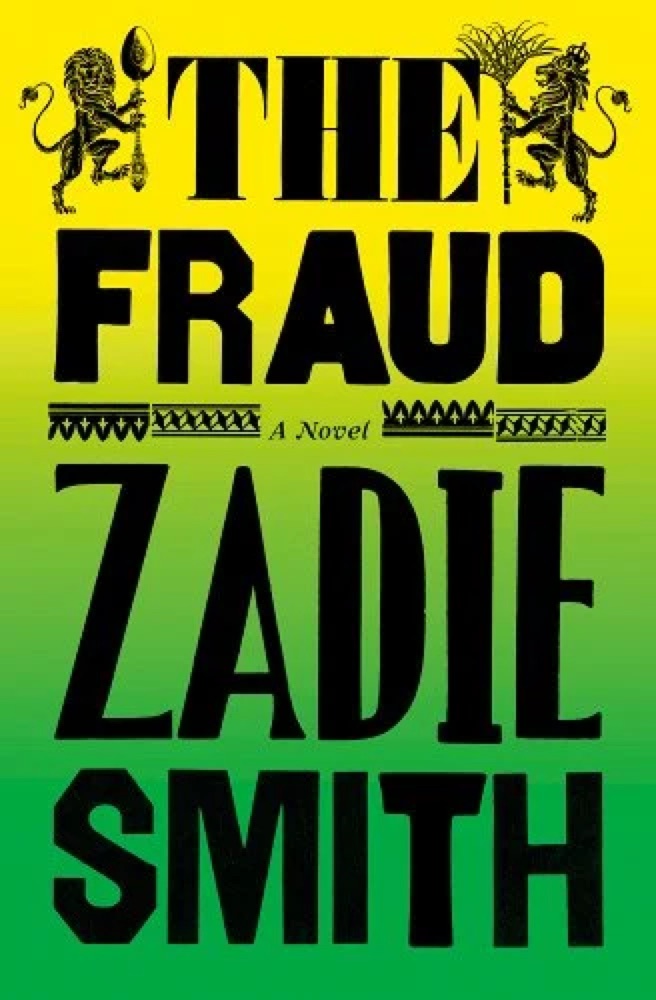 The Fraud
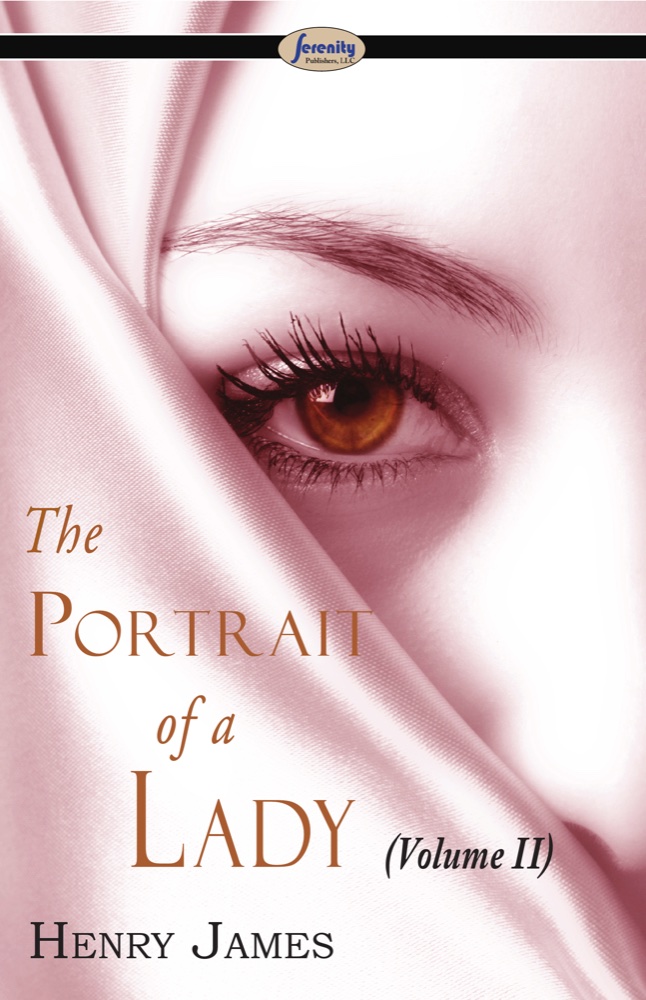 The Portrait of a Lady
 Tess of the D'Urbervilles
 Ahab's Wife, or The Star-Gazer
 Night and Day
 The Little Friend
 The Summer Book
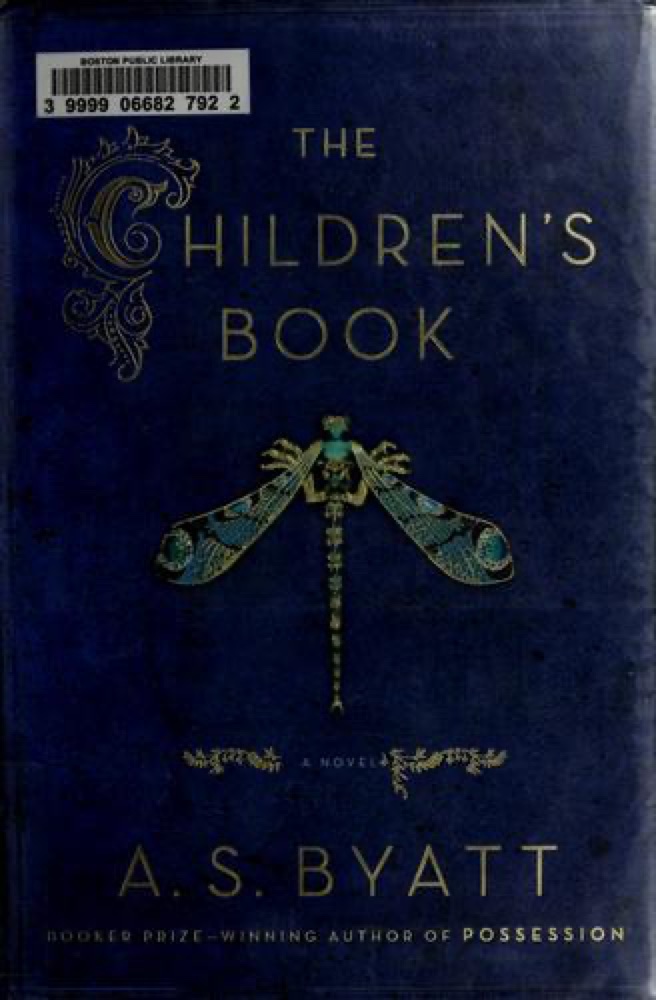 The Children's Book
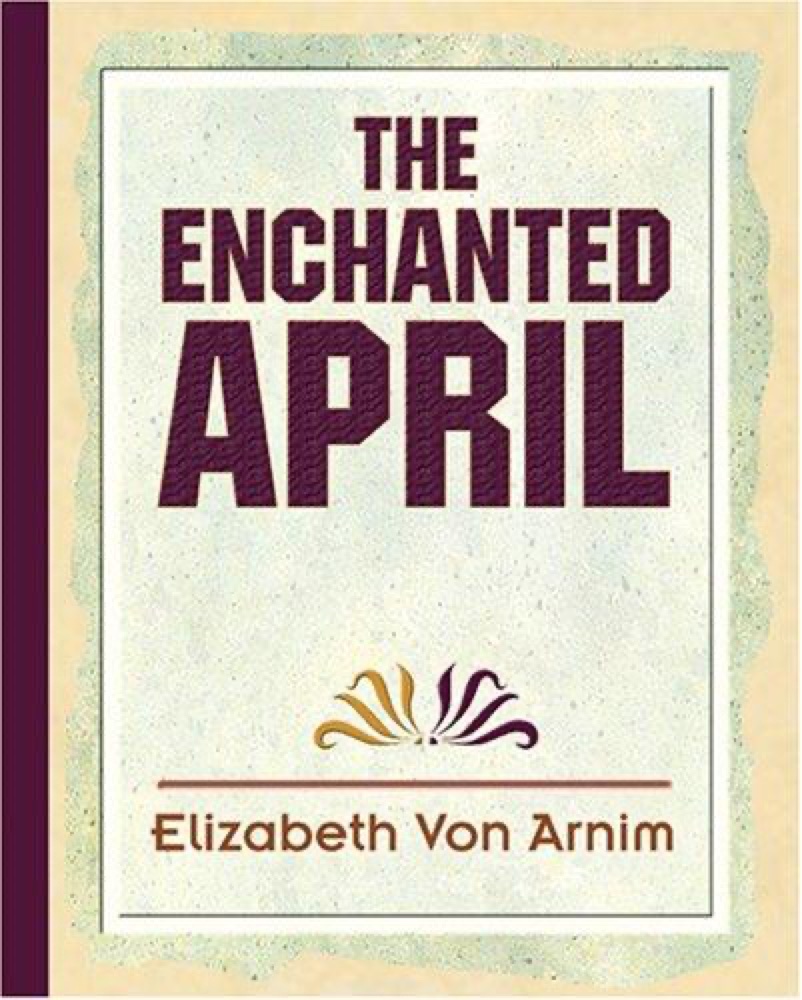 The Enchanted April
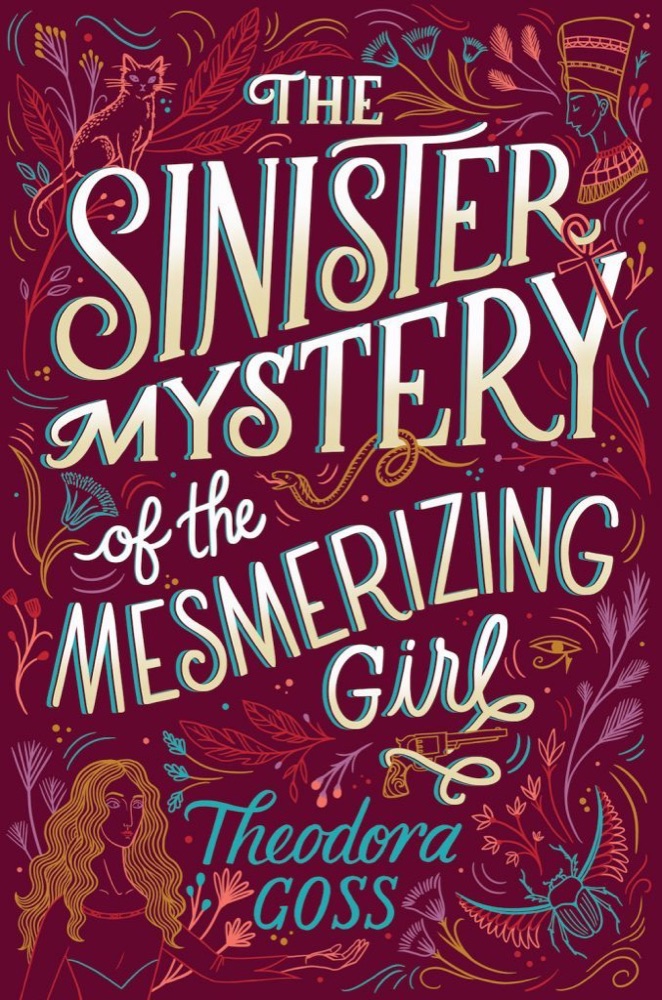 The Sinister Mystery of the Mesmerizing Girl
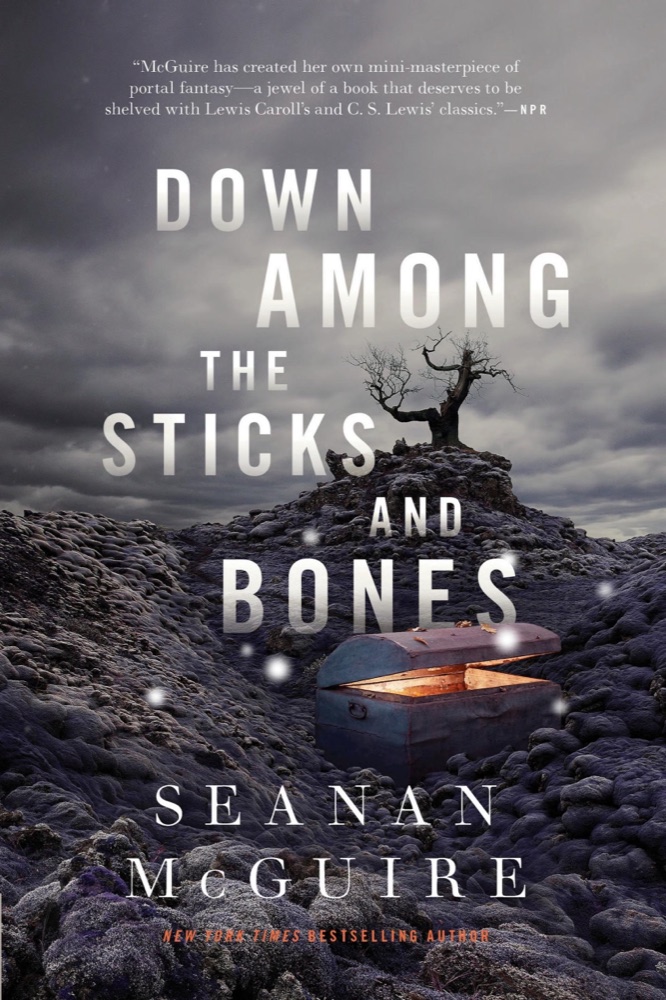 Down Among the Sticks and Bones
 A Slow Fire Burning
 Somebody Else's Daughter
 Howards End
 Bury Our Bones in the Midnight Soil
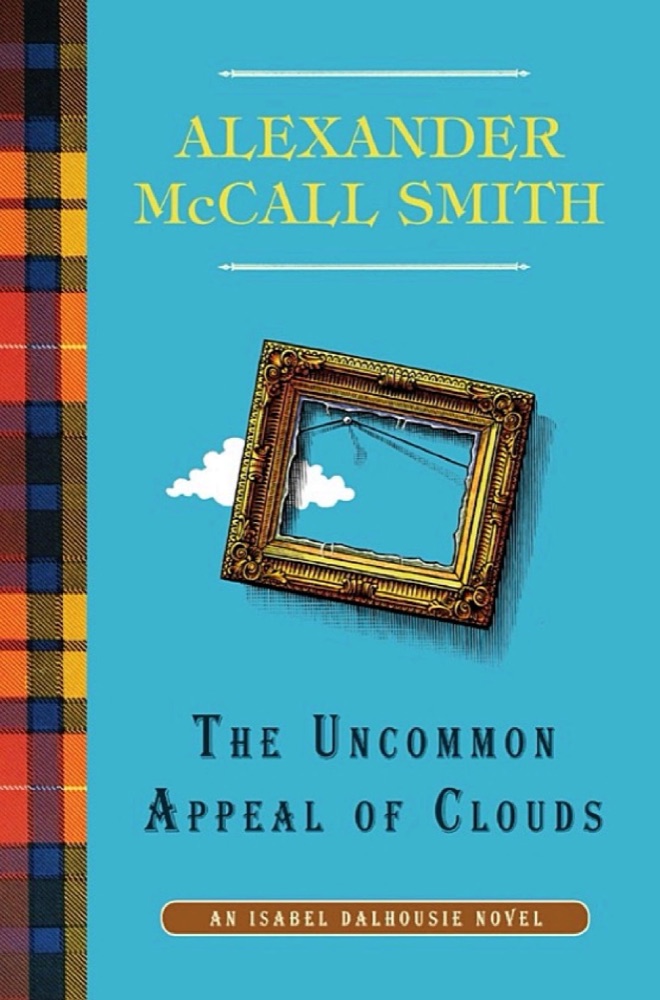 The Uncommon Appeal of Clouds
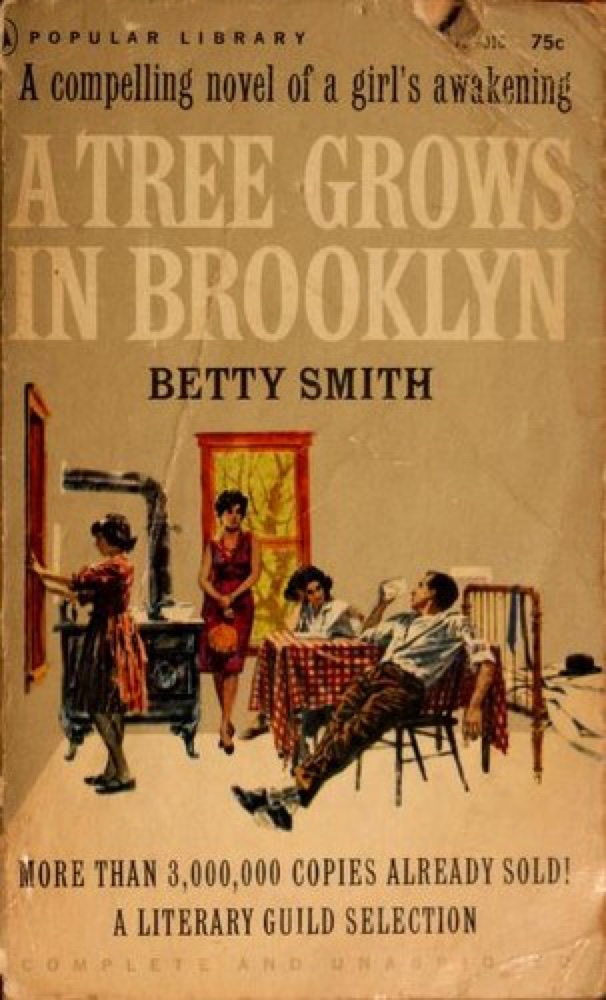 A Tree Grows in Brooklyn
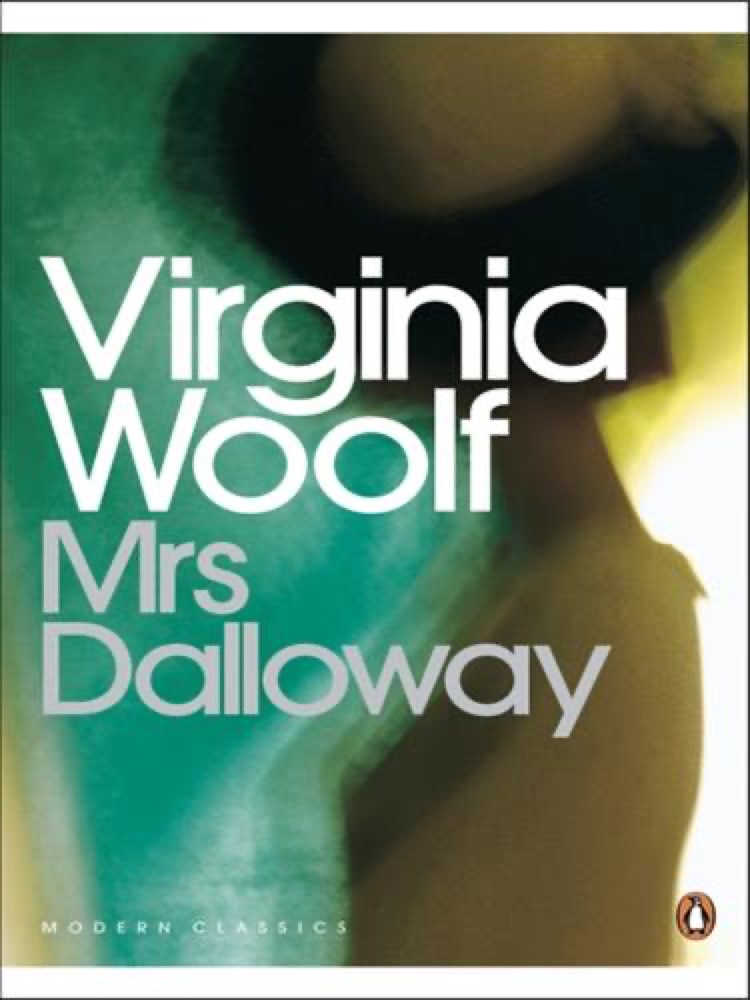 Mrs. Dalloway
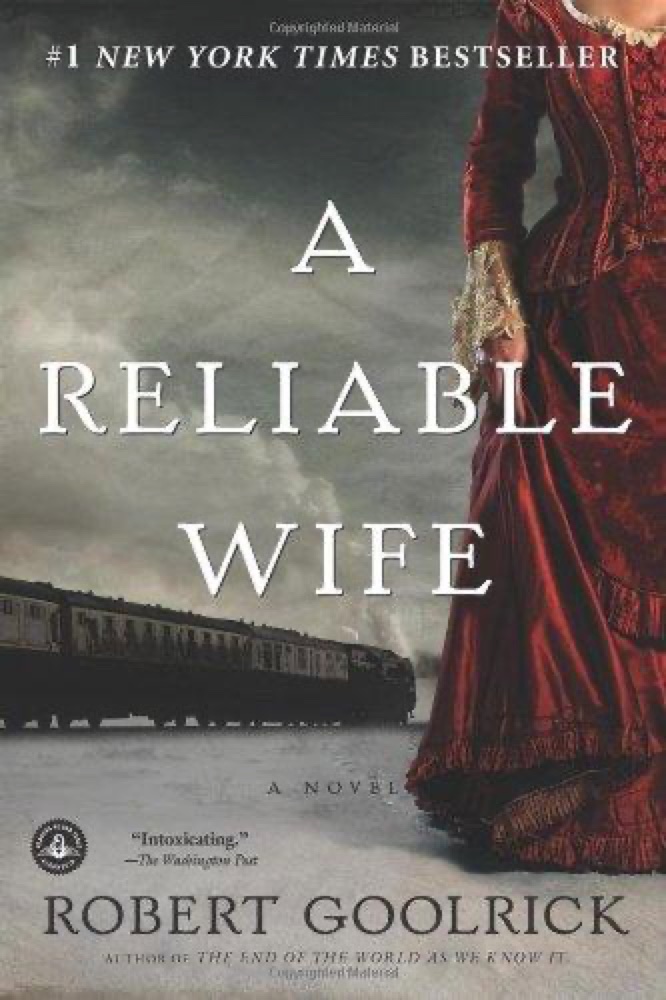 A Reliable Wife
 The Geometry of Holding Hands
 Too Much Happiness: Stories
 Still Life with Bread Crumbs
 Birds of America
 Love
Love
 Mislaid
 The Life of Charlotte Brontë
 South Riding
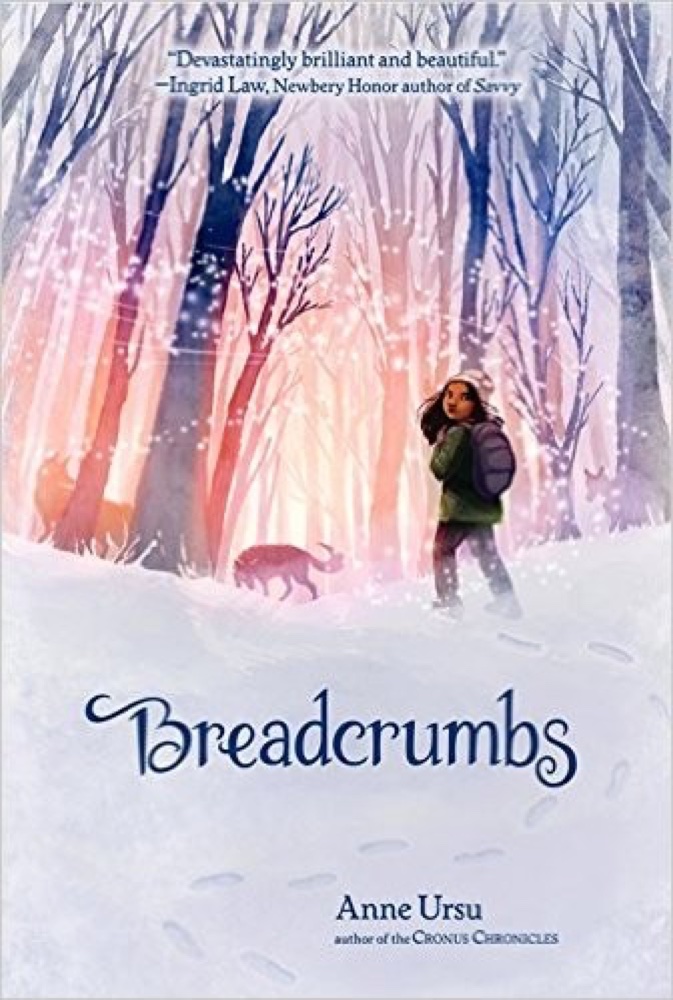 Breadcrumbs
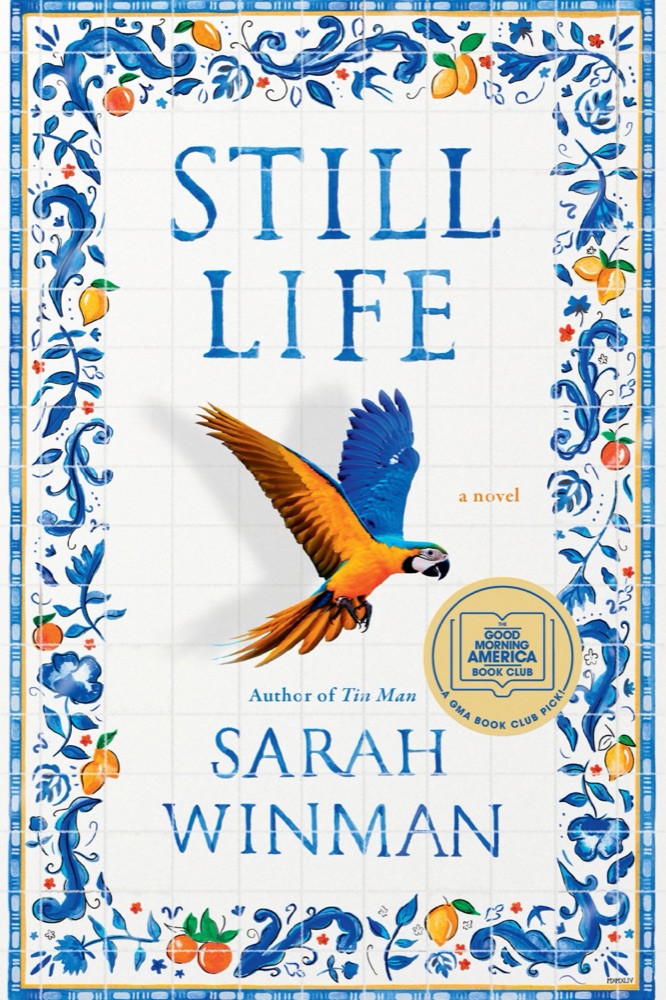 Still Life
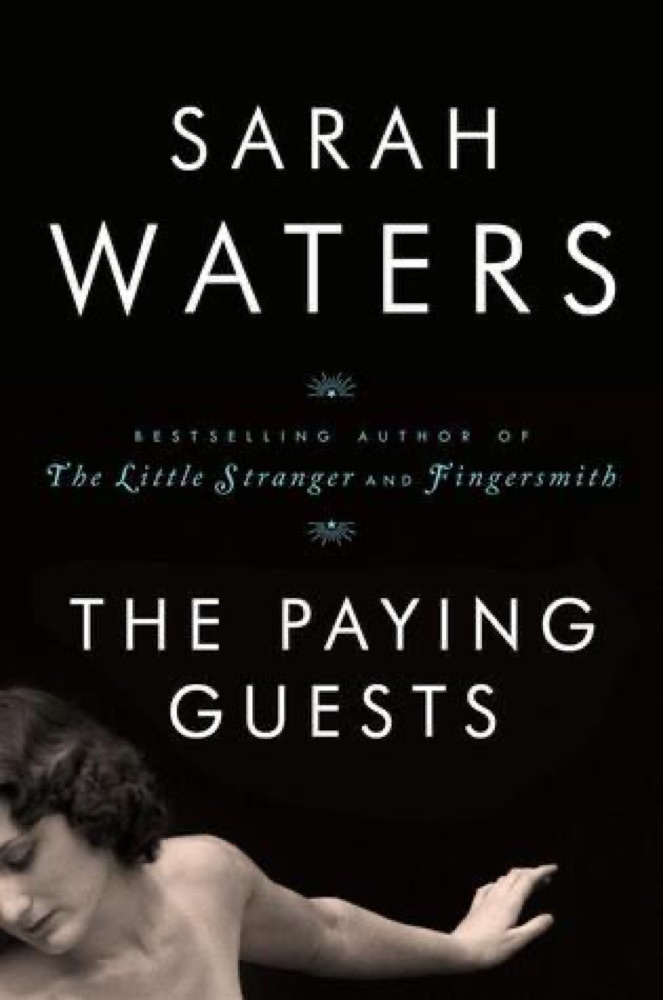 The Paying Guests
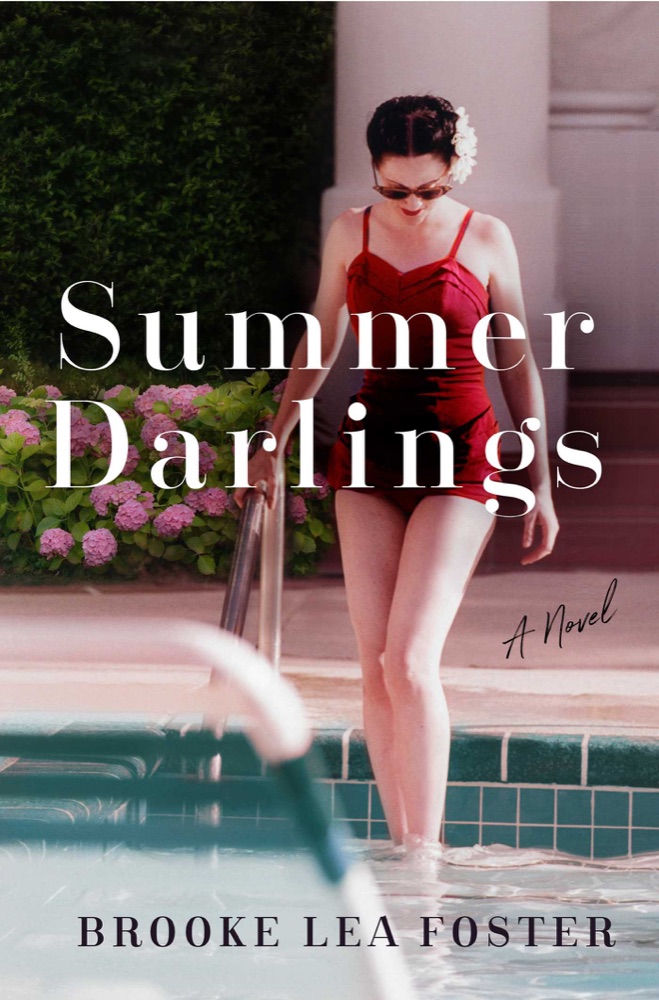 Summer Darlings
 The Shell Seekers
 The Post-Birthday World
 Shirley
 Tar Baby
 The Children Act
 The Age of Witches
 Palimpsest
 Stone Mattress: Nine Tales
 The Story of Beautiful Girl
 Now Is the Time to Open Your Heart
 The God of the Woods
 The Custom of the Country
 Little Fires Everywhere
 Gingerbread
 Elizabeth and Her German Garden
 Margaret the First
 Longbourn