
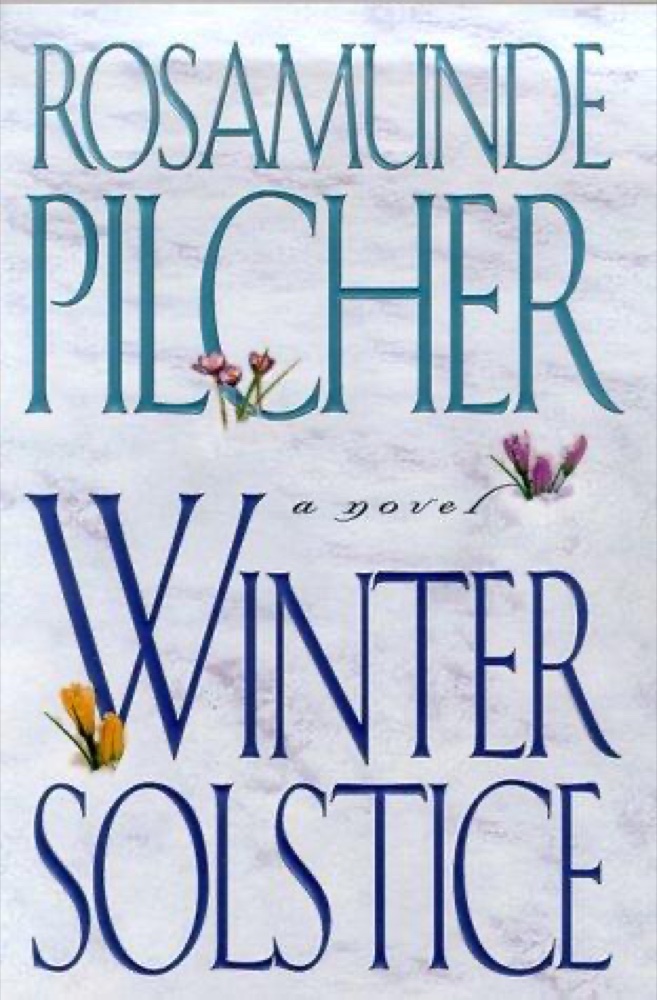
 Winter Solstice
Quotes from the Book
She believed, of course ... because without something to believe in, life would be intolerable.
It was good, and nothing good is truly lost. It stays part of a person, becomes part of their character. So part of you goes everywhere with me. And part of me is yours, forever
She remembered him smiling, and realized that time, that great old healer, had finally accomplished its work, and now, across the years, the face of love no longer stirred up agonies of grief and bitterness. Rather, one was left feeling simply grateful. For how unimaginably empty the past would be without him to remember.
Happiness is making the most of what you have, and riches is making the most of what you've got.
It was good and nothing good is ever lost.
Grief was like a terrible burden, but at least you could lay it down by the side of the road and walk away from it. Antonia had come only a few paces, but already she could turn and look back and not weep. It wasn't anything to do with forgetting. It was just accepting. Nothing was ever so bad once you had accepted it.
She put out her hand and touched his forearm, as she would have touched some piece of porcelain or sculpture, just for the sheer animal pleasure of feeling its shape and curve beneath her fingertips.
The greatest gift a parent can leave a child is that parent's own independence.
What a happy woman I am, living in a garden, with books, babies, birds and flowers, and plenty of leisure to enjoy them. Sometimes I feel as if I were blest above all my fellows in being able to find happiness so easily." (Quoted from Elizabeth and Her German Garden by Elizabeth von Arnim)
She had never lived alone before, and at first found it strange, but gradually had learned to accept it as a blessing and to indulge herself in all sorts of reprehensible ways, like getting up when she felt like it, scratching herself if she itched, sitting up until two in the morning to listen to a concert.
She may not have believed in God, but I’m pretty certain God believed in her.
Love she had found, had a strange way of multiplying. Doubling, trebling itself, so that, as each child arrived, there was always more than enough to go around.
As long as Mumma was alive, she knew that some small part of herself had remained a child, cherished and adored. Perhaps you never completely grew up until your mother died.
Time had lost its importance. That was one of the good things about getting old: you weren't perpetually in a hurry. All her life, Penelope had looked after other people, but now she had no one to think about but herself. There was time to stop and look, and, looking, to remember. Visions widened, like views seen from the slopes of a painfully climbed mountain, and having come so far, it seemed ridiculous not to pause and enjoy them.
She had loved them all, her children. Loved each one the best, but for different reasons.
Grief was like a terrible burden, but at least you could lay it down by the side of the road and walk away from it. Antonia had come only a few paces, but already she could turn and look back and not weep. It wasn’t anything to do with forgetting. It was just accepting. Nothing was ever so bad once you had accepted it.
She looked up and saw, high in the sky beyond the racing black clouds, a ragged scrap of blue sky. Enough to make a cat a pair of trousers.
The greatest gift a parent can leave a child is that parent’s own independence.
Mrs. Plackett did not believe in letting emotion show. Keep yourself to yourself had always been her motto.
[Describing an unsatisfactory apartment for which an up-and-comer had to settle:] The flat crouched around him, watching like a depressed relation, waiting for him to take some action.
Living, now, had become not simple existence that one took for granted, but a bonus, a gift, with every day that lay ahead an experience to be savoured. Time did not last forever. I shall not waste a single moment, she promised herself. She had never felt so strong, so optimistic. As though she was young once more, starting out, and something marvellous was just about to happen.
Man’s inhumanity to man, unleashed, was an obscenity, and that obscenity was each person’s own private responsibility.
On the contrary, she was aware only of a sort of timelessness, as though it was all part of a plan, a predestined design, conceived the day she was born. What was happening to her had been meant to happen, what was going to go on happening. Without any recognizable beginning, it did not seem possible that it could ever have an end.
And all at once it was as it had been before, on that gusty August day during the war, and she was twenty-three years old again, with holes in her sneakers, and Papa sitting beside her. And Richard walked in; into the gallery and into their lives. And Papa told him, "They will come...to paint the warmth of the sun and the colour of the wind." And that was how it had all begun.
And in this life, nothing good is truly lost. It stays part of a person, becomes part of their character.
Which was strange, like watching a tangle of loose threads unravel and plait themselves into a single braided cord, stretching ahead into the future.
the memory of other laughter, and the unexpected ecstasies and physical joys that happen, perhaps, only once in any person’s lifetime. It was good. And nothing good is ever
Watch on YouTube
About Rosamunde Pilcher
We have collected 79 quotes from 5 books by Rosamunde Pilcher on BookQuoters.
More about the author →More by Rosamunde Pilcher
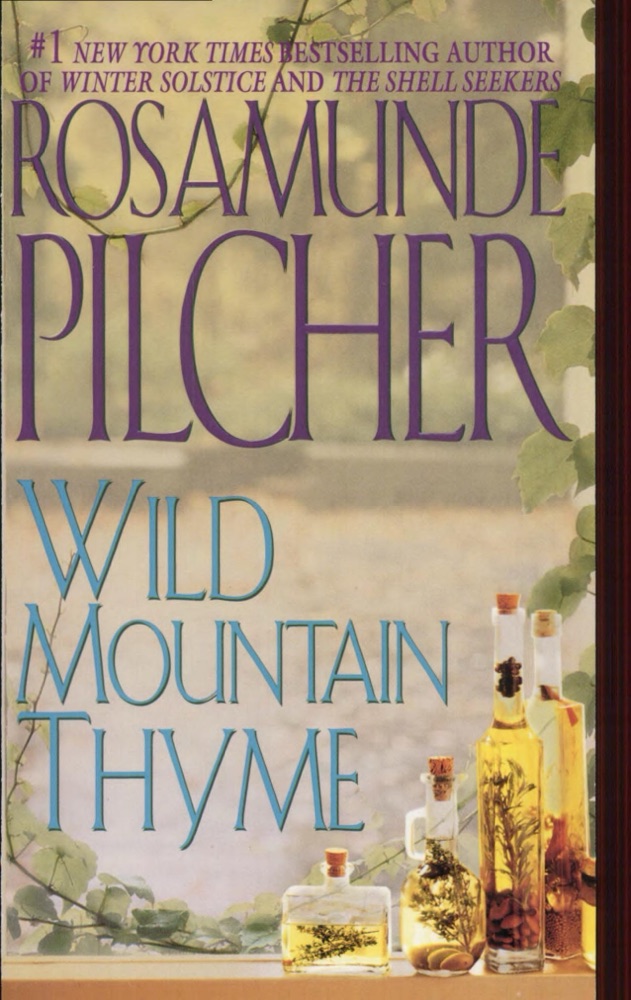
Book details
- Author
- Rosamunde Pilcher
- Genre
- Fiction
- Goodreads rating
- 4.21 (125k ratings) →
Keep reading
 A Reliable Wife
 Forever in Blue: The Fourth Summer of the Sisterhood
 A Tree Grows in Brooklyn
 The Enchanted April
 Summer Island
 The Memory Keeper's Daughter
 Longbourn
 The Wings of the Dove
 The Clockmaker's Daughter
 Atonement
 Sisterhood Everlasting
 Somebody Else's Daughter
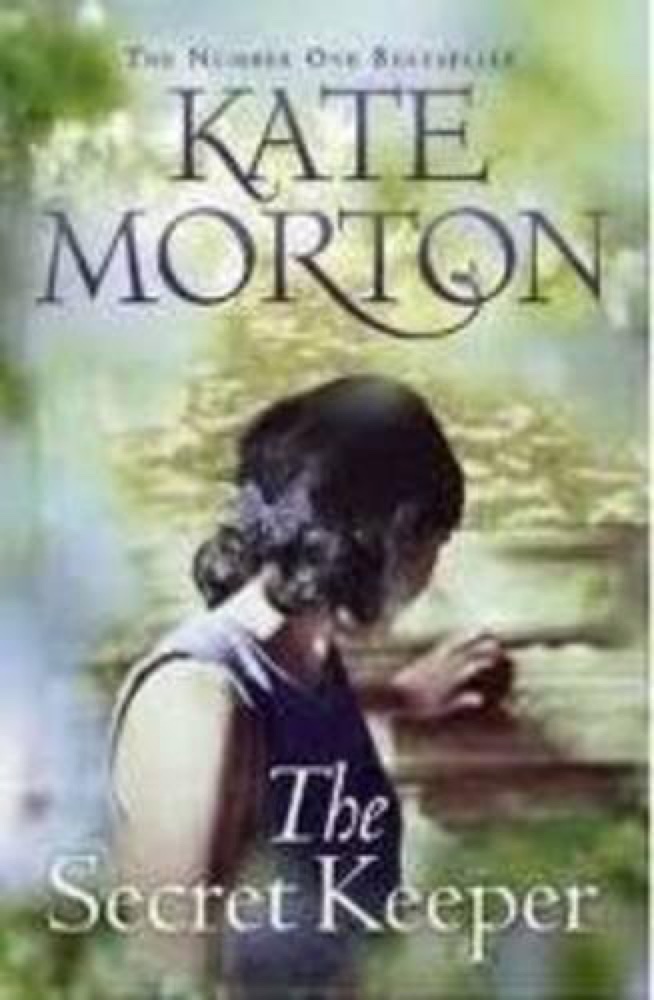 The Secret Keeper
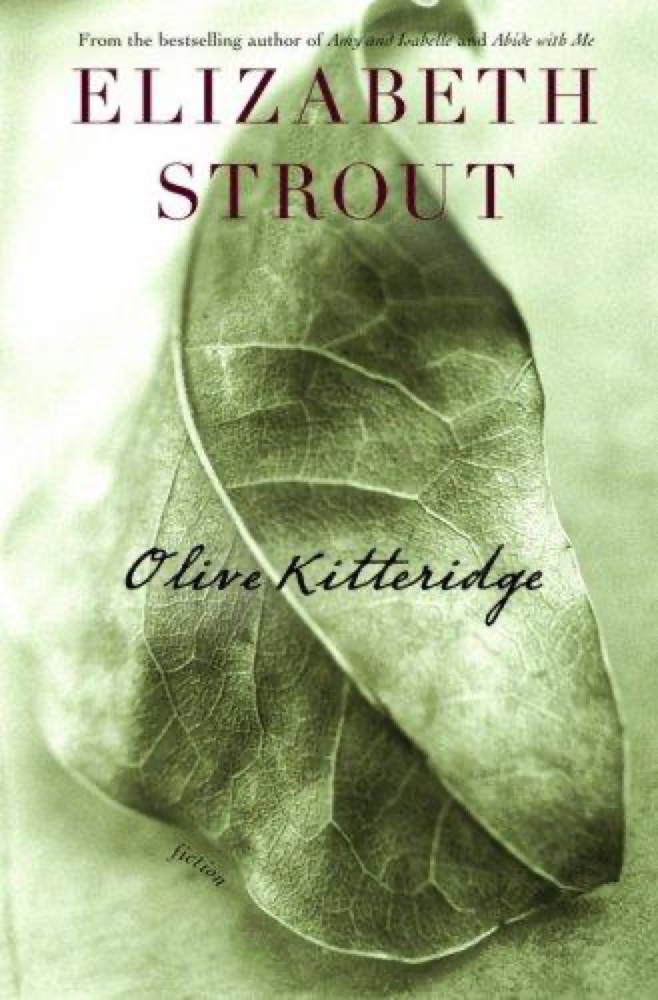 Olive Kitteridge
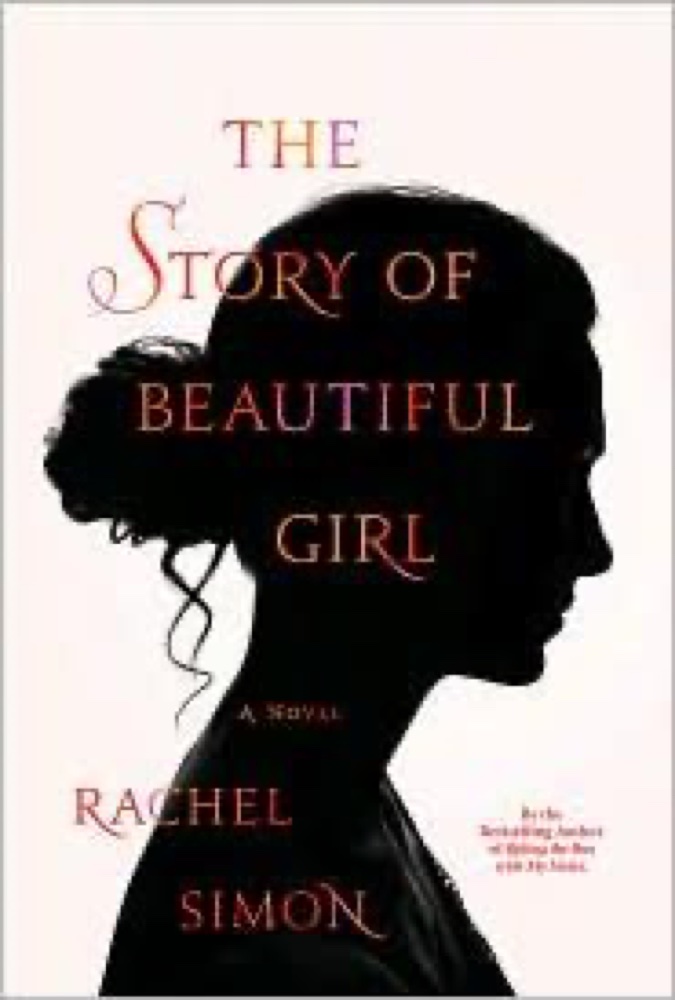 The Story of Beautiful Girl
 10 Minutes 38 Seconds in This Strange World
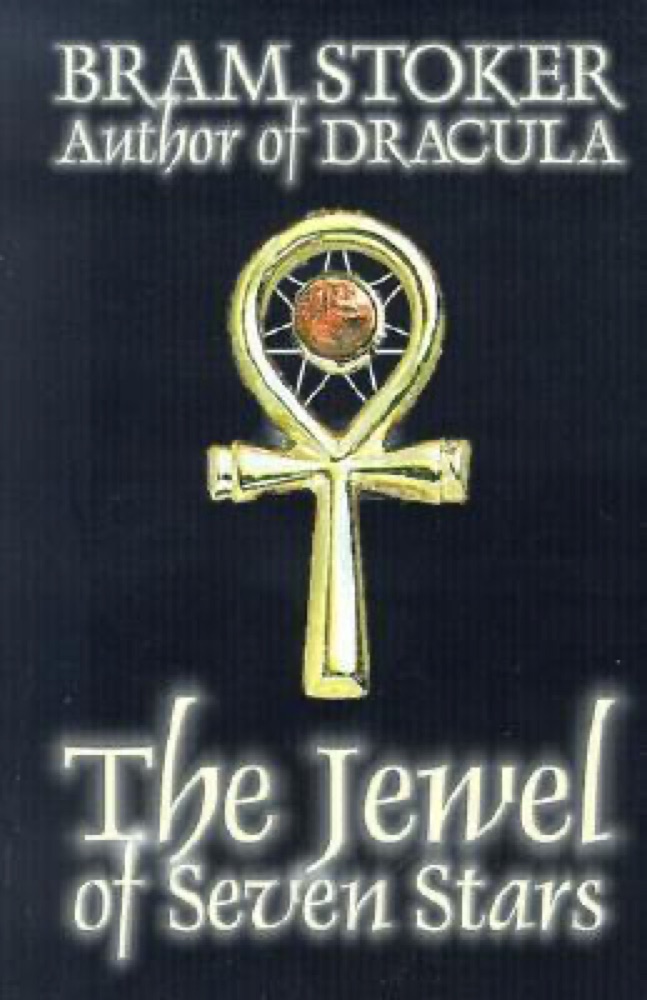 The Jewel of Seven Stars
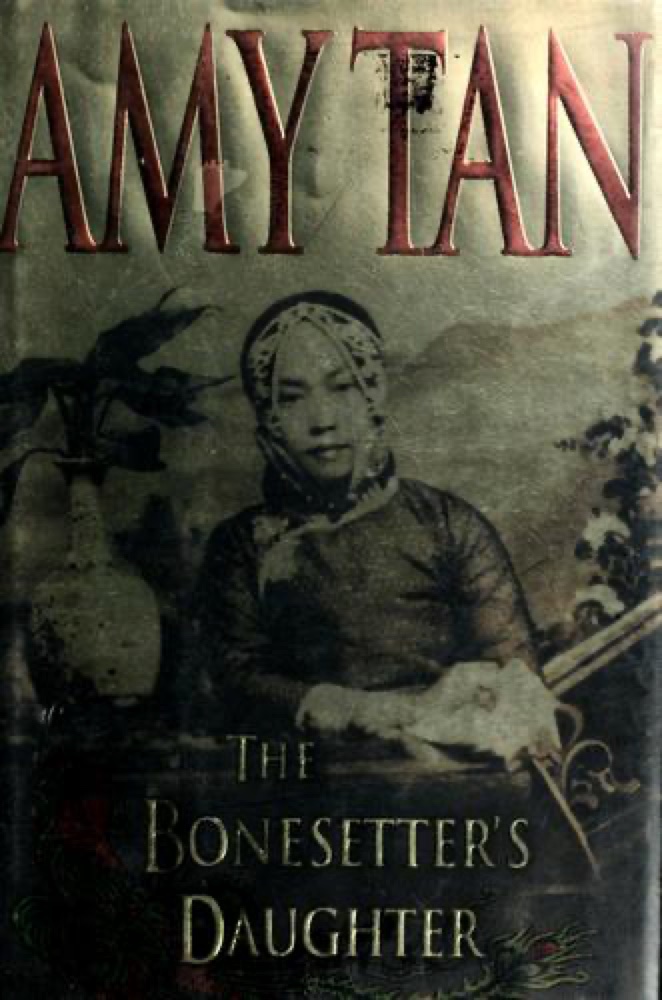 The Bonesetter's Daughter
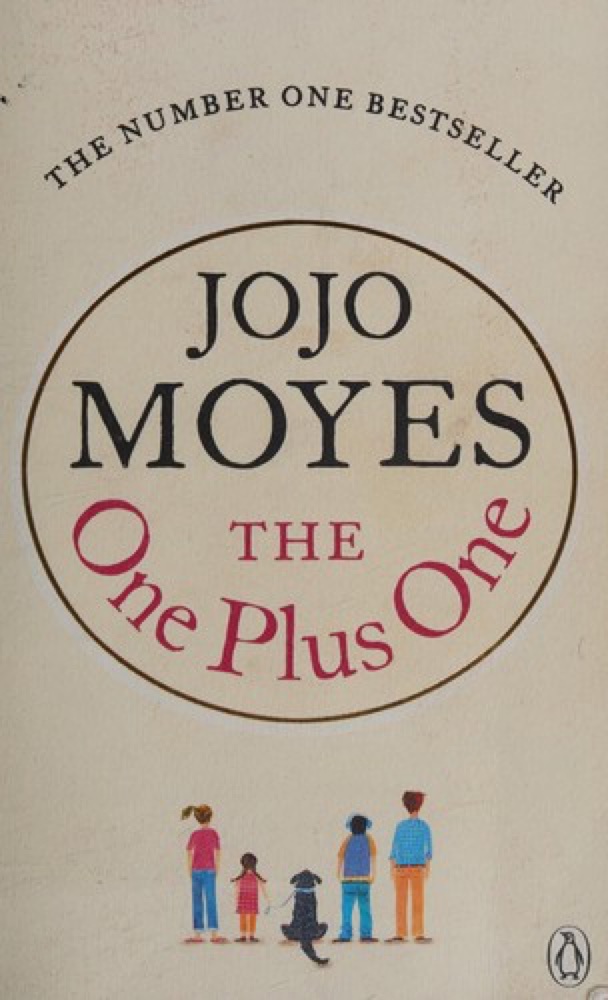 One Plus One
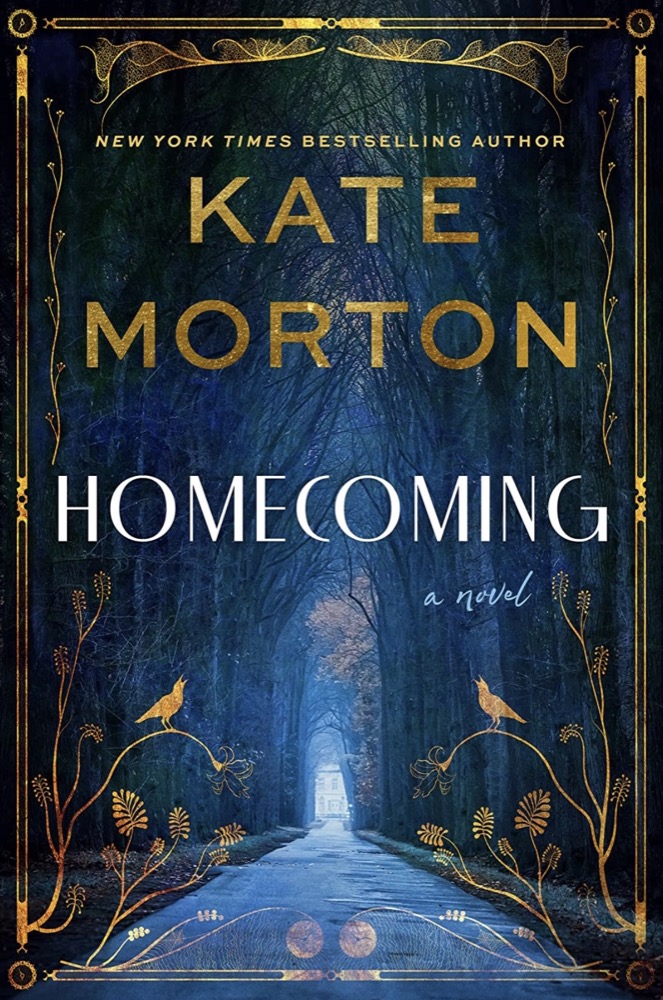 Homecoming
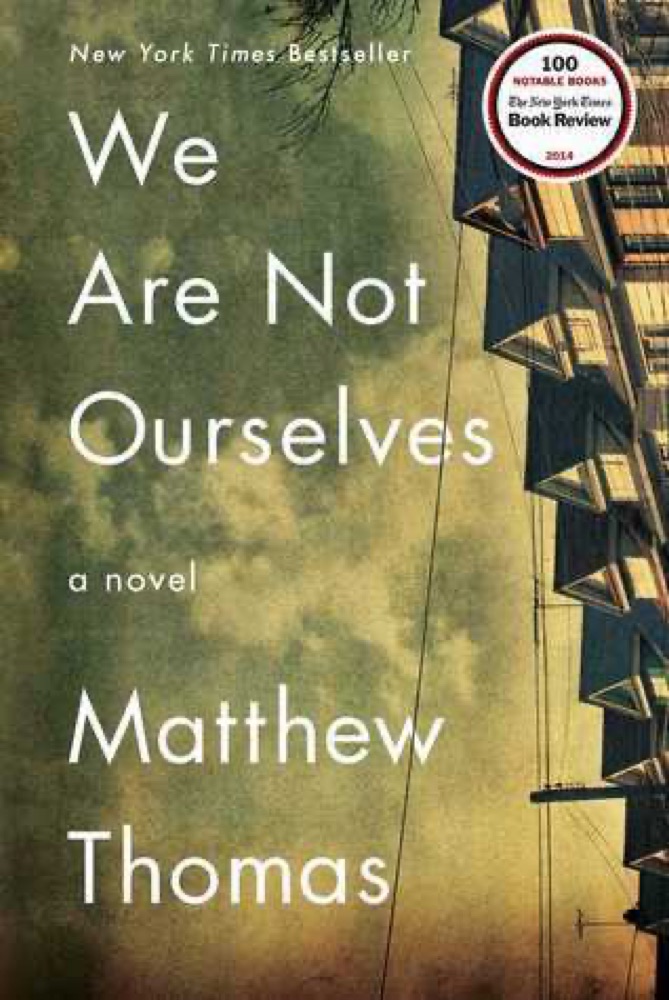 We Are Not Ourselves
 Prodigal Summer
 The Robber Bride
 Little, Big
 Loving Frank
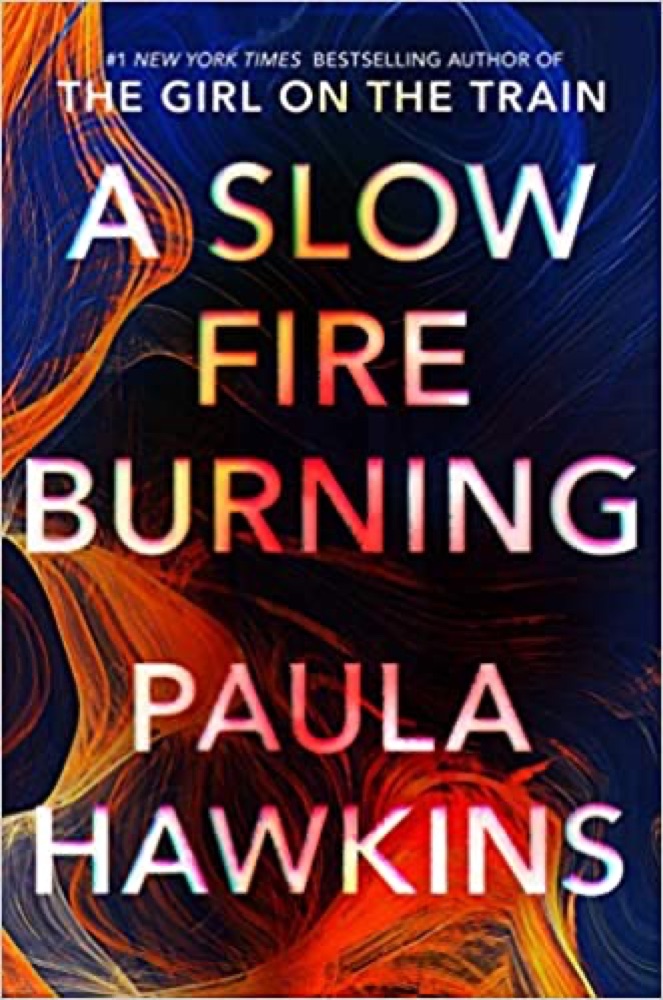 A Slow Fire Burning
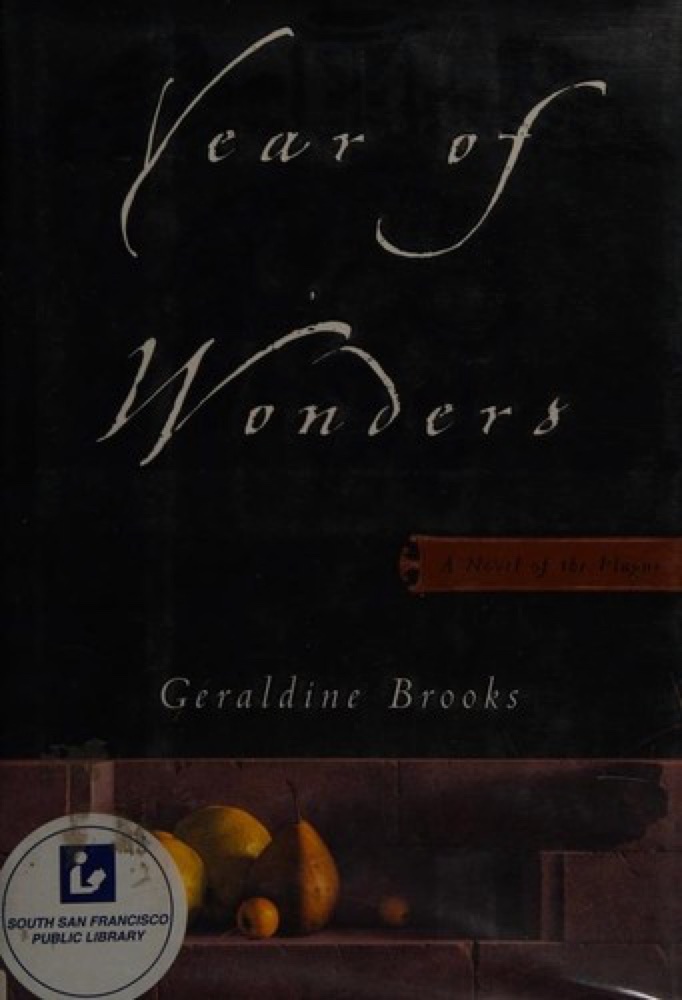 Year of Wonders
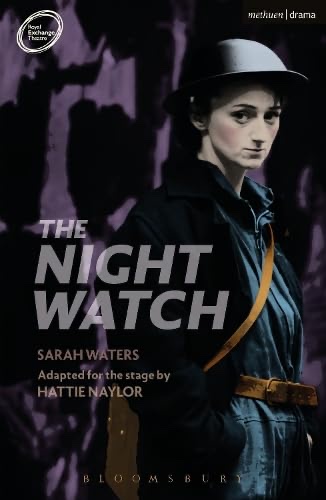 The Night Watch
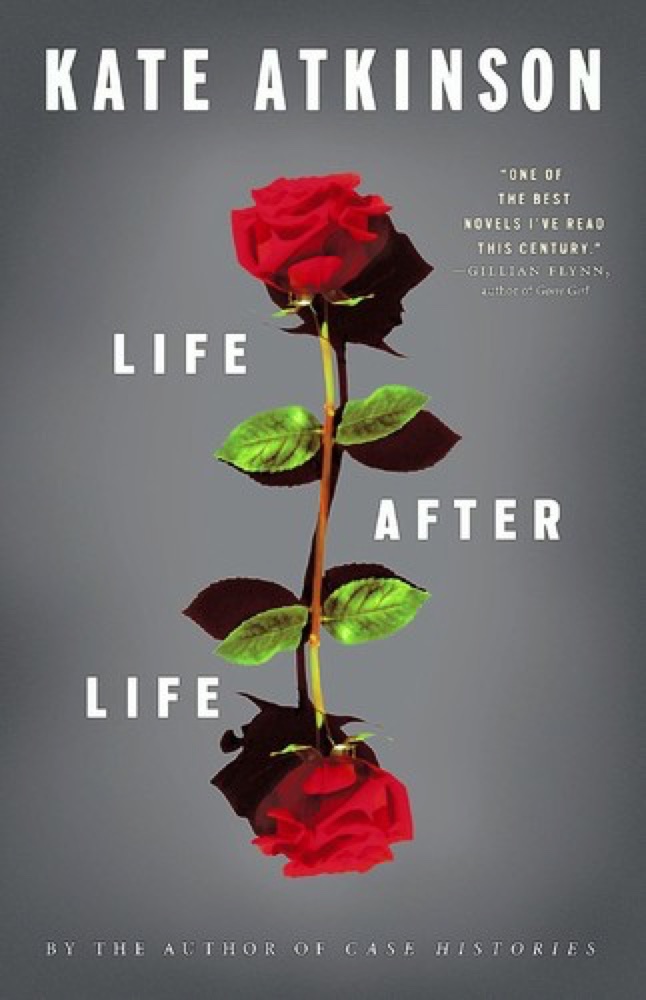 Life After Life
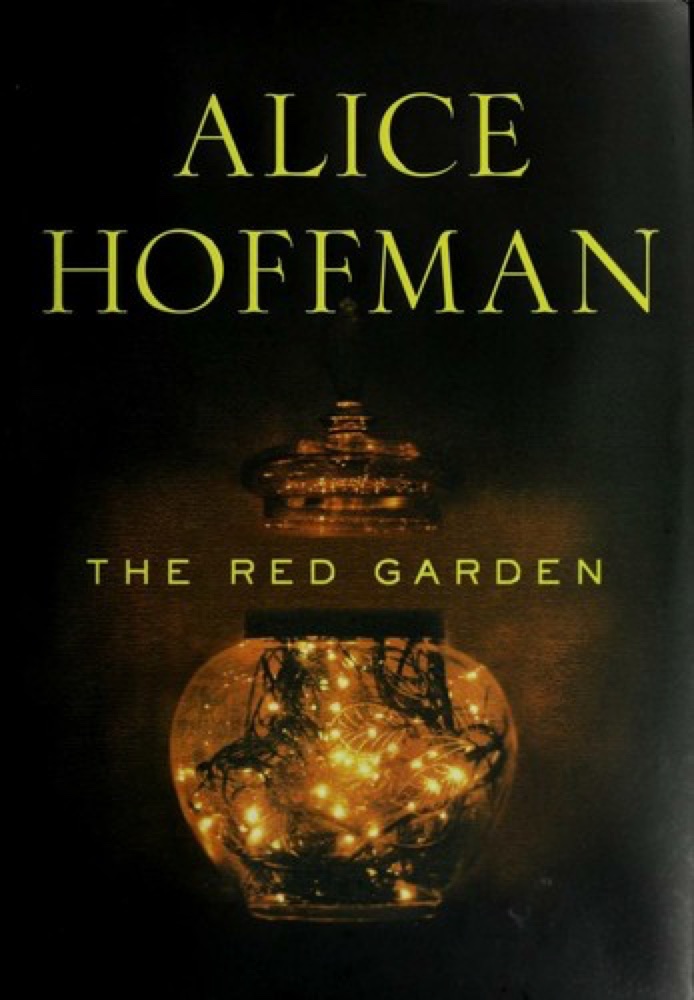 The Red Garden
 The Peach Keeper
 Instructions for a Heatwave
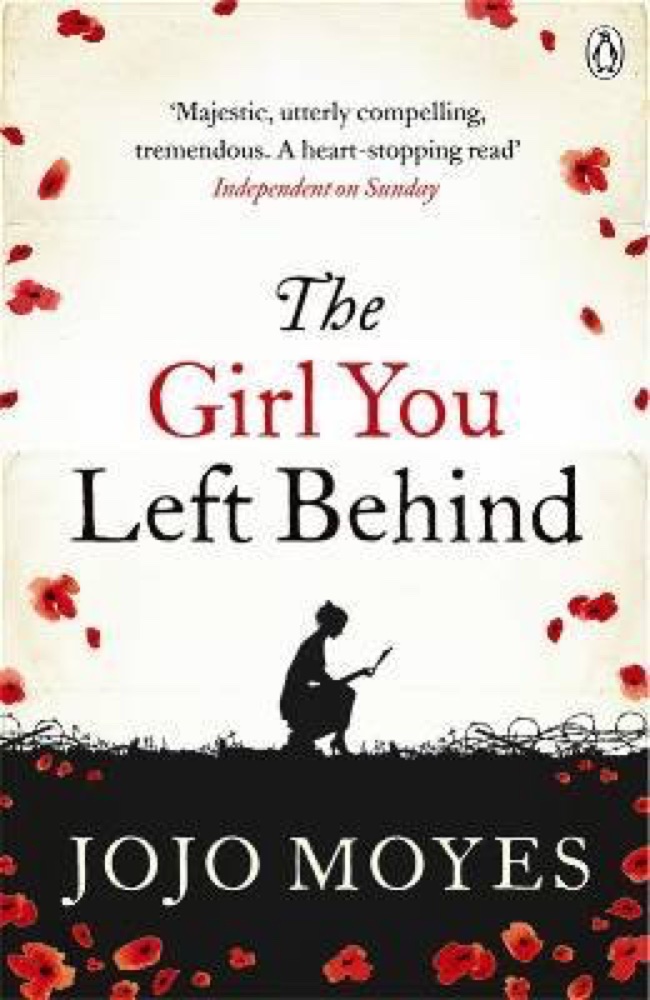 The Girl You Left Behind
 Birds of America
 Just Breathe
 Runaway
 To the Lighthouse
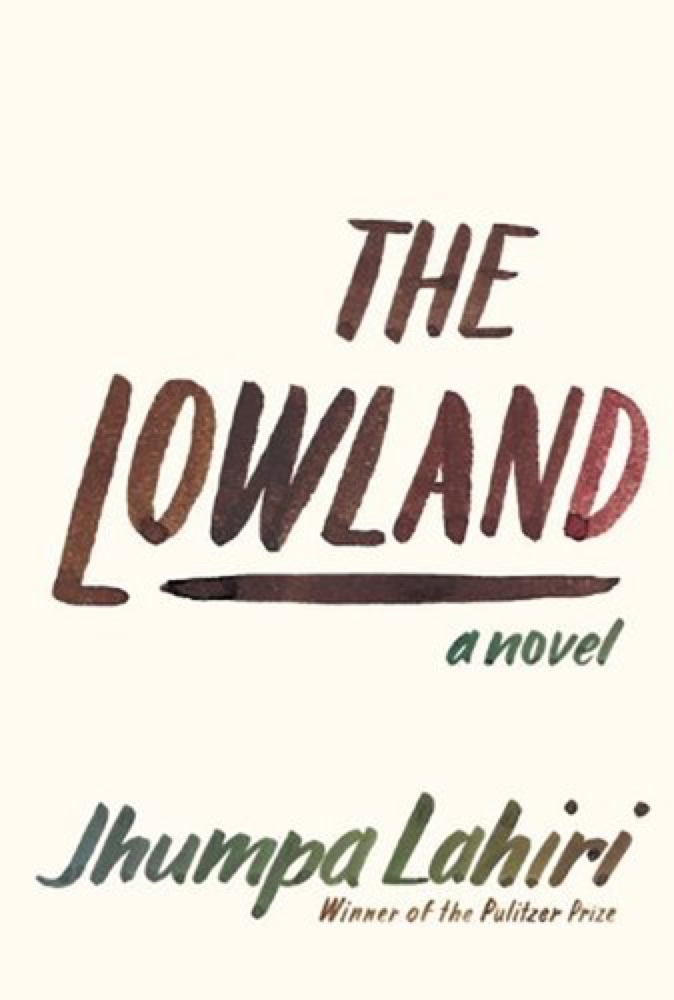 The Lowland
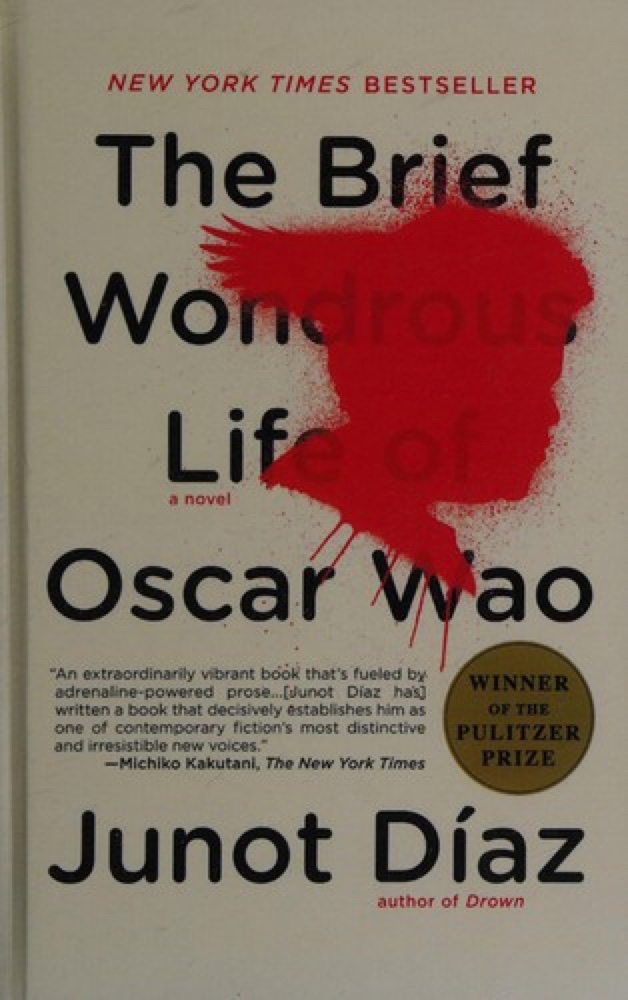 The Brief Wondrous Life of Oscar Wao
 The Portrait of a Lady
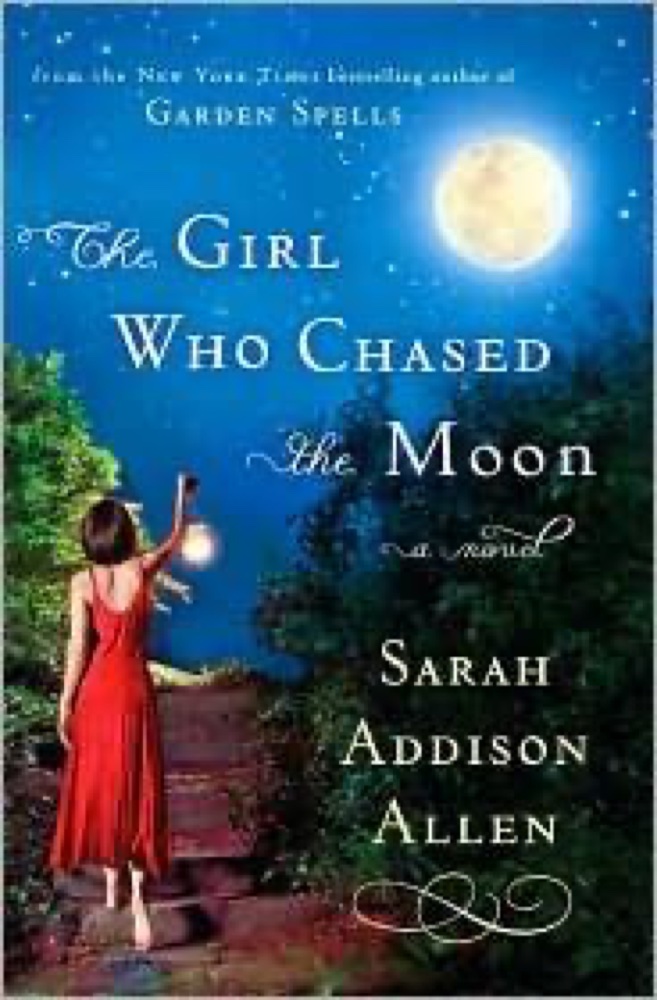 The Girl Who Chased the Moon
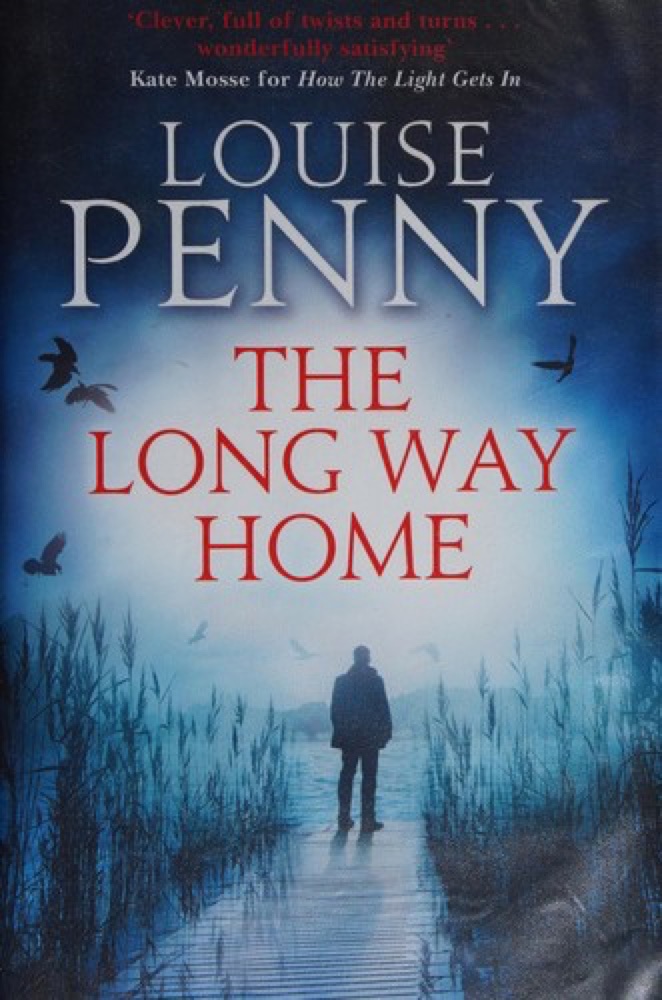 The Long Way Home
 The House of Mirth
 The Children Act
 Garden Spells
 The Orchardist
 The Brutal Telling
 The Awakening
 The Guardian
 Frenchman's Creek
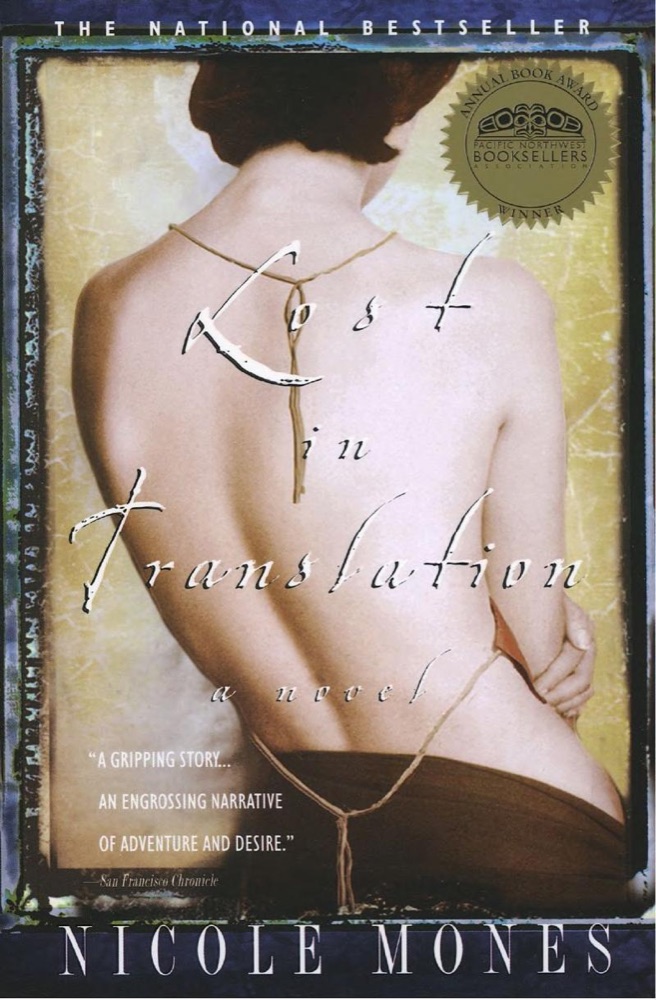 Lost in Translation
 The Mill on the Floss
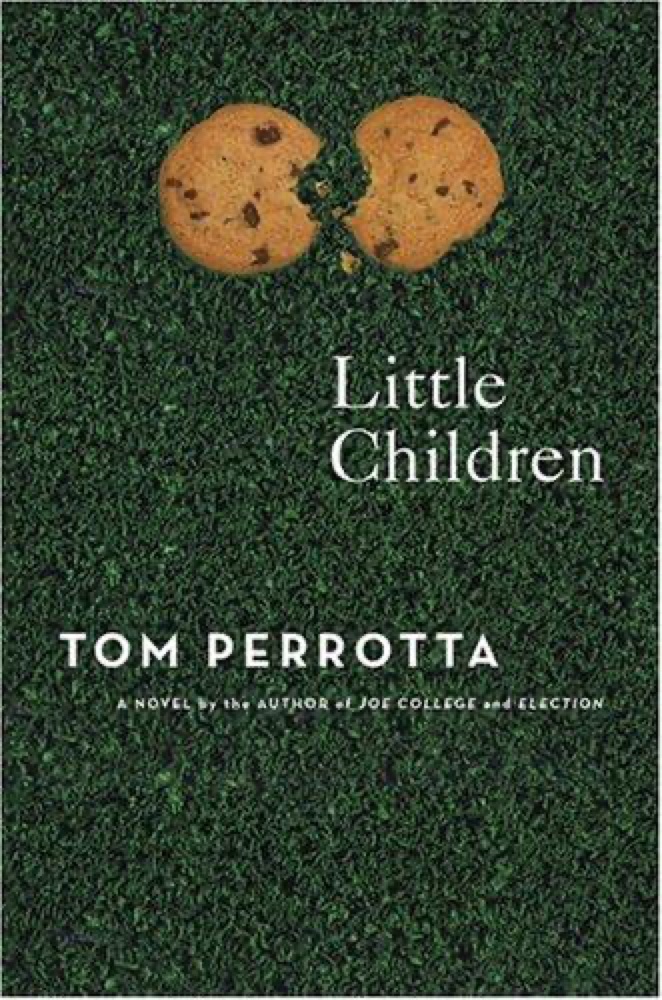 Little Children
 Small Pleasures
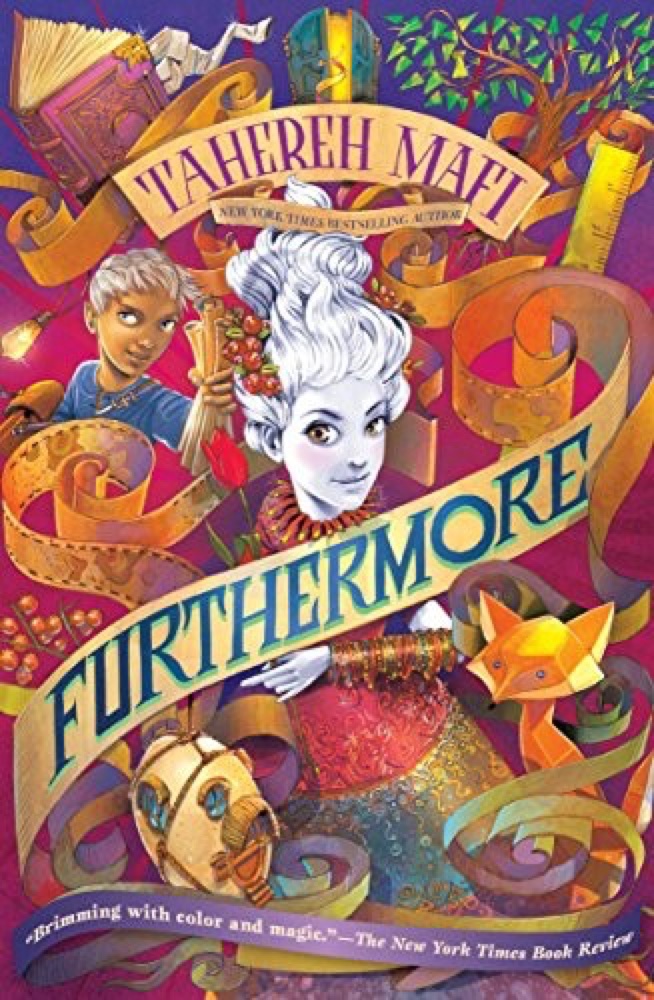 Furthermore
 Son
Son
 Then She Was Gone
 Little Fires Everywhere
 The Song of the Lark
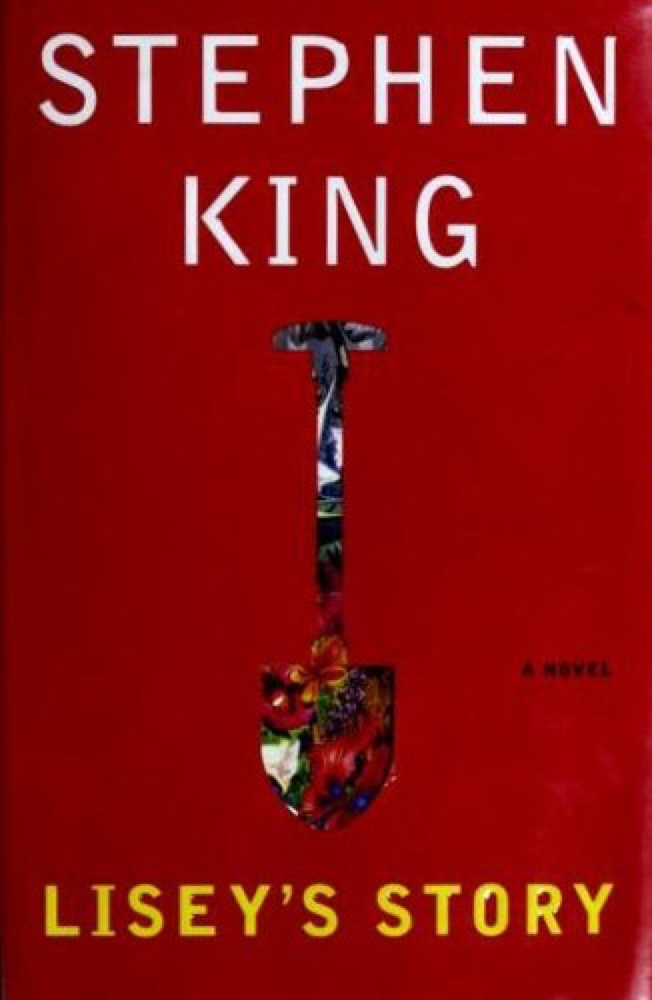 Lisey's Story