
 Absolutely on Music: Conversations with Seiji Ozawa
Quotes from the Book
Jazz at this time is still mostly a group effort.
6
NEW ORLEANS JAZZ: RECOMMENDED LISTENING Louis Armstrong, “Heebie Jeebies,” February 26, 1926 Louis Armstrong, “Potato Head Blues,” May 10, 1927 Louis Armstrong, “Struttin’ with Some Barbecue,” December 9, 1927 Louis Armstrong, “West End Blues,” June 28, 1928 Sidney Bechet, “I’ve Found a New Baby,” September 15, 1932 Sidney Bechet, “Wild Cat Blues,” June 30, 1923 Johnny Dodds, “Perdido Street Blues,” July 13, 1926 Freddie Keppard, “Stock Yards Strut,” September, 1926 Jelly Roll Morton, “Black Bottom Stomp,” September 15, 1926 Jelly Roll Morton, “Sidewalk Blues,” September 21, 1926 King Oliver, “Dipper Mouth Blues,” April 6, 1923 King Oliver, “Froggie Moore,” April 6, 1923
4
Western musicians had to choose between creating sounds and playing notes—and they opted for the latter. But African musicians never got enlightened (or is corrupted the better word?) by Pythagorean thinking.
2
In every sphere of social interaction, that hermeneutic leap—that ability to put yourself in the mind frame of the other—is a virtue and a blessing.
2
By the way, this tells you why Auto-Tuned vocals on many contemporary records sound so shallow and lifeless. It’s almost as if everything we learned from African American music during the twentieth century was thrown out the window by technologies in the twenty-first century. The goal should not be to sing every note dead center in the middle of the pitch---we escaped from that musical prison a hundred years ago. Why go back? In an odd sort of way, much of contemporary pop music resembles opera, with all the subtle shadings of bent notes and microtonal alterations abandoned in the quest for mathematically pure tones.
2
Maybe we need an injection of Africanized soundscapes—let’s even call it a new jazz revolution!—all over again.
1
Growl it, smear it, flat it, sharp it, do anything you want to it.
1
In this regard, I like to quote a favorite aphorism from Oxford art historian Edgar Wind: “Mediocrity which claims to be intense has a peculiarly repulsive effect.
1
AVANT-GARDE / FREE JAZZ: RECOMMENDED LISTENING Art Ensemble of Chicago,”A Jackson in Your House,” June 23, 1969 Albert Ayler, “The Wizard,” July 10, 1964 Ornette Coleman, “Free Jazz,” December 21, 1960 Ornette Coleman, “Lonely Woman,” May 22, 1959 John Coltrane, “Ascension (Edition II),” June 28, 1965 John Coltrane, “Selflessness,” October 14, 1965 Eric Dolphy, “Out to Lunch,” February 25, 1964 Cecil Taylor, “Abyss,” July 2, 1974 Cecil Taylor, “Conquistador,” October 6, 1966
1
BOP / SOUL JAZZ: RECOMMENDED LISTENING Cannonball Adderley, “Mercy, Mercy, Mercy,” October 20, 1966 Art Blakey, “Moanin’,” October 30, 1958 Clifford Brown and Max Roach, “Sandu,” February 25, 1955 Art Farmer and Benny Golson, “Killer Joe,” February 6–10, 1960 Herbie Hancock, “Cantaloupe Island,” June 17, 1964 Lee Morgan, “The Sidewinder,” December 21, 1963 Wayne Shorter, “Witch Hunt,” December 24, 1964 Horace Silver, “Señor Blues,” November 10, 1956 Jimmy Smith, “Midnight Special,”April 25, 1960
1
COOL JAZZ: RECOMMENDED LISTENING Chet Baker, “But Not for Me,” February 15, 1954 Dave Brubeck and Paul Desmond, “You Go to My Head,” October 1952 Miles Davis and Gil Evans, “Blues for Pablo,” May 23, 1957 Miles Davis, “Fran Dance,” May 26, 1958 Miles Davis, “So What,” March 2, 1959 Stan Getz, “Moonlight in Vermont,” March 11, 1952 Modern Jazz Quartet, “Django,” December 23, 1954 Gerry Mulligan and Chet Baker, “Line for Lyons,” September 2, 1952
1
BIG BANDS AND THE SWING ERA: RECOMMENDED LISTENING Tommy Dorsey, “Opus One,” November 14, 1944 Duke Ellington, “Cotton Tail,” May 4, 1940 Duke Ellington, “Harlem Air Shaft,” July 22, 1940 Duke Ellington, “Take the ‘A’ Train,” February 15, 1941 Benny Goodman, “Sing, Sing, Sing,” January 16, 1938 Benny Goodman Trio, “After You’ve Gone,” July 13, 1935 Coleman Hawkins, “Body and Soul,” October 11, 1939 Fletcher Henderson, “New King Porter Stomp,” December 9, 1932 Glenn Miller, “In the Mood,” August 1, 1939 Artie Shaw, “Begin the Beguine,” July 24, 1938
1
KANSAS CITY JAZZ: RECOMMENDED LISTENING Count Basie, “Jumpin’ at the Woodside,” August 22, 1938 Count Basie and Lester Young, “Oh, Lady Be Good,” October 9, 1936 Count Basie, “One O’Clock Jump,” July 7, 1937 Billie Holiday (with Lester Young), “I Can’t Get Started,” September 15, 1938 Kansas City Seven (with Lester Young), “Lester Leaps In,” September 5, 1939 Kansas City Six (with Lester Young), “I Want a Little Girl,” September 27, 1938 Andy Kirk (with Mary Lou Williams), “Walkin’ and Swingin’,” March 2, 1936 Jay McShann, “Confessin’ the Blues,” April 30, 1941 Bennie Moten, “Moten Swing,” December 13, 1932 Mary Lou Williams, “Clean Pickin’,
1
HARLEM STRIDE: RECOMMENDED LISTENING Duke Ellington, “Black Beauty,” October 1, 1928 James P. Johnson, “Carolina Shout,” October 18, 1921 Luckey Roberts, “Ripples of the Nile,” May 21, 1946 Willie “The Lion” Smith, “Sneakaway,” January 10, 1939 Art Tatum, “I Know That You Know,” April 2, 1949 Art Tatum, “Sweet Georgia Brown,” September 16, 1941 Art Tatum, “Tea for Two,” March 21, 1933 Fats Waller, “Alligator Crawl,” November 16, 1934 Fats Waller, “Dinah,” June 6, 1935 Fats Waller, “Viper’s Drag,” November 16, 1934
1
CHICAGO JAZZ RECOMMENDED LISTENING Bix Beiderbecke and Frank Trumbauer, “I’m Coming Virginia,” May 13, 1927 Bix Beiderbecke and Frank Trumbauer, “Singin’ the Blues,” February 4, 1927 Bing Crosby and Bix Beiderbecke, “Mississippi Mud,” January 20, 1928 Chicago Rhythm Kings, “I’ve Found a New Baby,” April 4, 1928 Eddie Condon and Frank Teschemacher, “Indiana,” July 28, 1928 Eddie Lang and Joe Venuti, “Stringin’ the Blues,” November 8, 1926 McKenzie and Condon Chicagoans, “Nobody’s Sweetheart,” December 16, 1927 Pee Wee Russell and Jack Teagarden, “Basin Street Blues,” June 11, 1929
1
Don’t do that again” may well be the most potent jazz mantra, a guidepost for the musician who seeks the highest peaks of artistic transcendence.
1
Listening, not jargon, is the path into the heart of music. And if we listen at a deep enough level, we enter into the magic of the song—no degrees or formal credentials required.
1
Art and disease proliferate via contagion, and similar conditions favor both.
1
The work of art always requires us to adapt to it—and in this manner can be distinguished from escapism or shallow entertainment, which instead aims to adapt to the audience, to give the public exactly what it wants. We can tell that we are encountering a real work of art by the degree to which it resists subjectivity.
1
When stealing from other players, an older musician wisely advised me, choose a different instrument from your own, and people won’t notice the theft.
1
Before taking an analytical approach, you should immerse yourself in the sheer visceral intensity of these performances, which capture the ethos of
1
inquiries. You will feel it in the music and cherish it as the most magical part of the jazz idiom. If you don’t, you can always leave the jazz club and check out a rock or pop covers band. That’s perfect entertainment for people who want to live in the realm of perfect replication. Jazz, in
Watch on YouTube
About Ted Gioia
We have collected 22 quotes from 1 book by Ted Gioia on BookQuoters.
More about the author →About the book
A "radiantly accomplished" music scholar presents an accessible introduction to the art of listening to jazz ( Wall Street Journal )
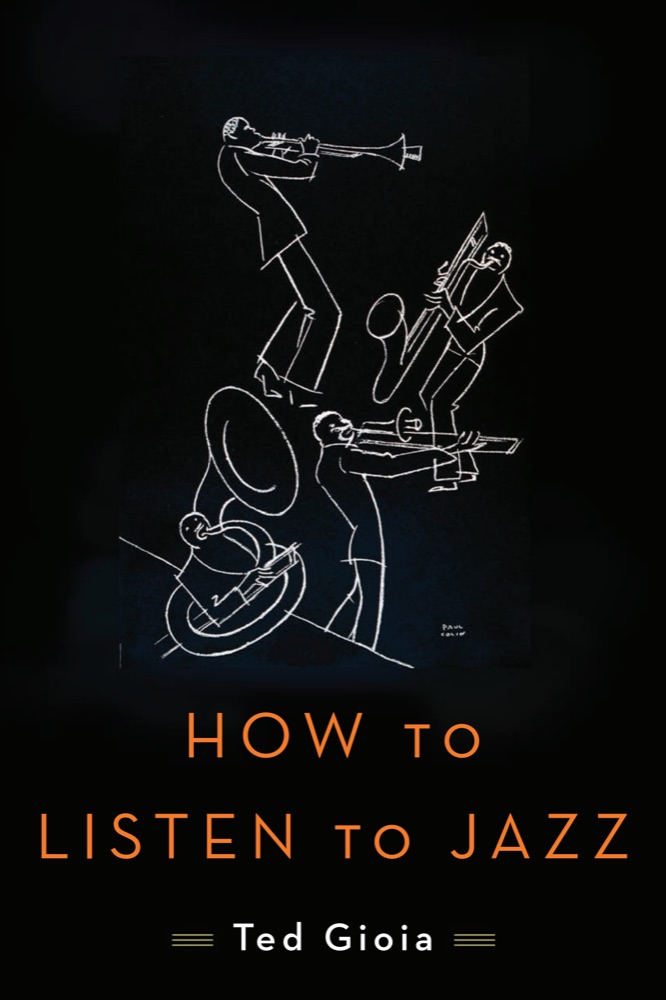
In How to Listen to Jazz , award-winning music scholar Ted Gioia presents a lively introduction to one of America's premier art forms. He tells us what to listen for in a performance and includes a guide to today's leading jazz musicians. From Louis Armstrong's innovative sounds to the jazz-rock fusion of Miles Davis, Gioia covers the music's history and reveals the building blocks of improvisation. A true love letter to jazz by a foremost expert, How to Listen to Jazz is a must-read for anyone who's ever wanted to understand and better appreciate America's greatest contribution to music.
"Mr. Gioia could not have done a better job. Through him, jazz might even find new devotees." -- Economist
Book details
- First published
- 2016
- Author
- Ted Gioia
- Genre
- Nonfiction
- Goodreads rating
- 4.07 (3k ratings)
Keep reading
Absolutely on Music: Conversations with Seiji Ozawa
 Miles: The Autobiography
 Orfeo
Orfeo
 How Music Works
 The Violin Conspiracy
 The Music Lesson: A Spiritual Search for Growth Through Music
 Every Good Boy Does Fine: A Love Story, in Music Lessons
 Musicophilia: Tales of Music and the Brain
 Songbook
 Body and Soul
 Silence: Lectures and Writings
 The Magic Strings of Frankie Presto
 Mo' Meta Blues: The World According to Questlove
 This Is What It Sounds Like: What the Music You Love Says About You
 The Secret Piano: From Mao's Labor Camps to Bach's Goldberg Variations
 This Is Your Brain on Music
 Utopia Avenue
 The Soloist: A Lost Dream, an Unlikely Friendship, and the Redemptive Power of Music
 The Gods of Tango
 Slumberland
 The Eight
 Life
Life
 Piece by Piece
 Waging Heavy Peace: A Hippie Dream
 White Tears
![Paul Simon: The Life [Deckle Edge]](/i/book/g/9b/paul-simon-the-life-deckle-edge.jpg) Paul Simon: The Life [Deckle Edge]
Paul Simon: The Life [Deckle Edge]
 Minor Characters: A Beat Memoir
 Table for Two
 Main Lines, Blood Feasts, and Bad Taste: A Lester Bangs Reader
 Skinny Legs and All
 Born to Run
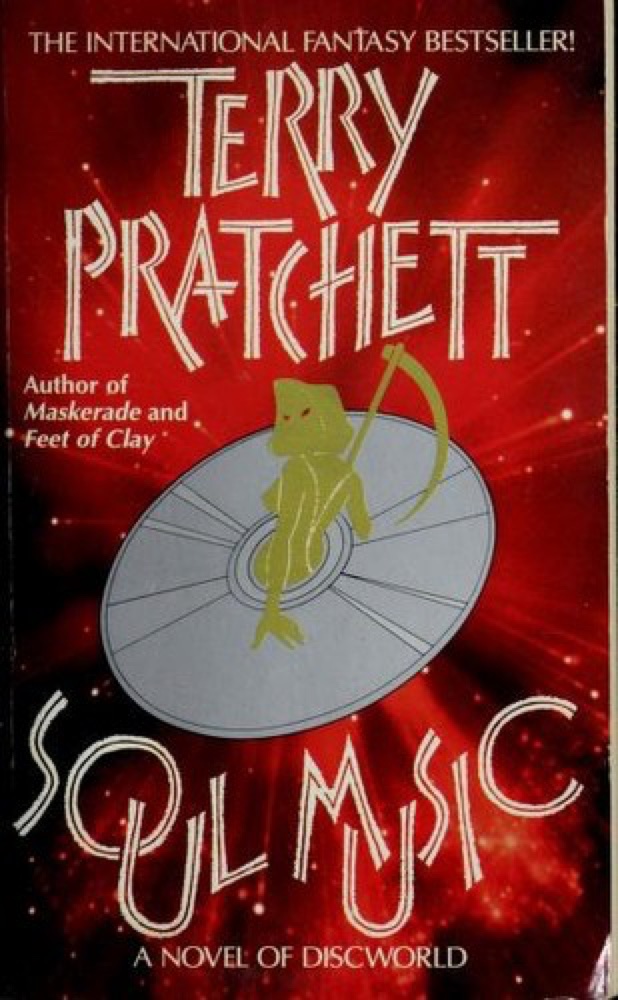 Soul Music
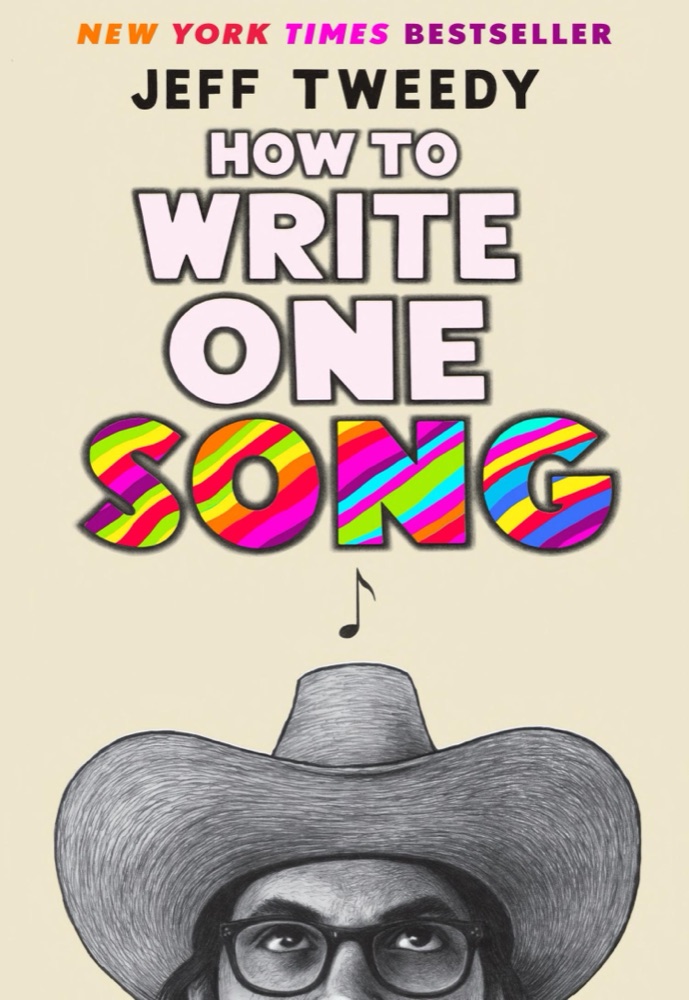 How to Write One Song: Loving the Things We Create and How They Love Us Back
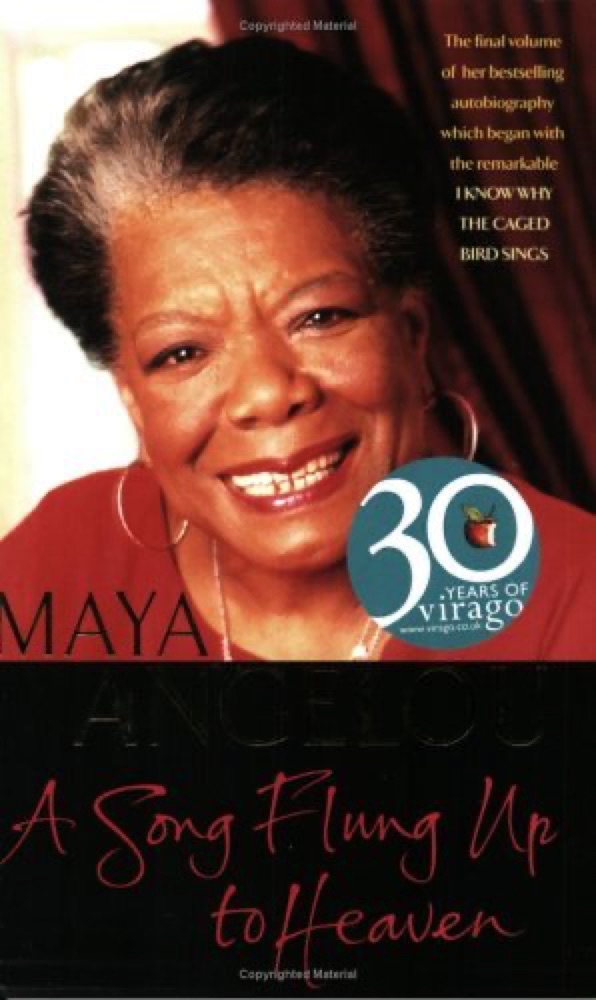 A Song Flung Up to Heaven
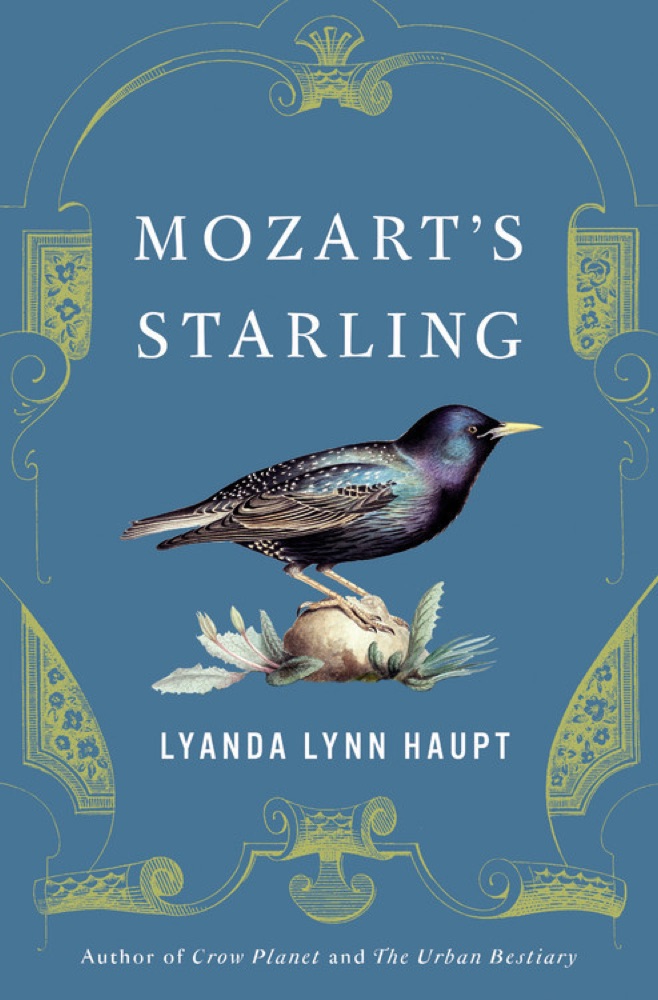 Mozart's Starling
 The Real Frank Zappa Book
 Tibetan Peach Pie
 The Uncool
 Decoded
 Let's Go (So We Can Get Back): A Memoir of Recording and Discording with Wilco, Etc.
 Echo
Echo
 Sepulchre
 Life Itself
 Mumbo Jumbo
 Wild Ducks Flying Backward
 Home: A Memoir of My Early Years
 Please Kill Me: The Uncensored Oral History of Punk
 The Glass Bead Game
 Doctor Faustus
 Jazz
Jazz
 Europe Central
 The Song Is You
 The Artist's Way
 Ragtime
 Acid for the Children
 Singin' and Swingin' and Gettin' Merry Like Christmas
 What Does This Button Do?: An Autobiography
 The Autobiography of an Ex-Coloured Man