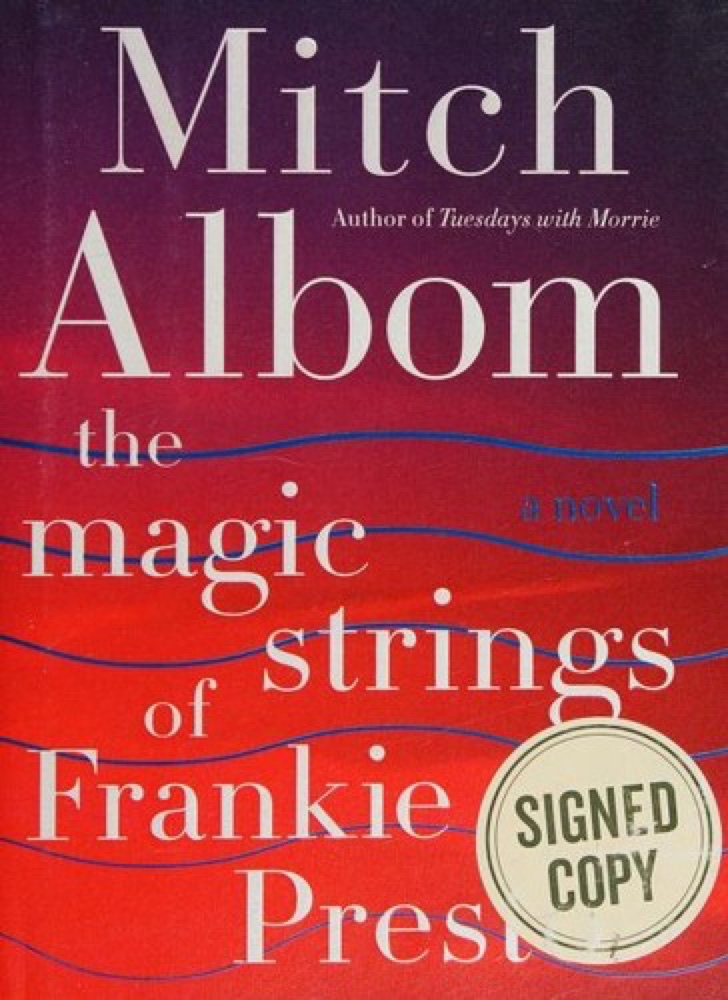
 The Magic Strings of Frankie Presto
Quotes from the Book
Never lose the groove in order to find a note.
11
A politician is not allowed to get too emotional in public, so what he does is drop subtle hints that, over time, cause the public to get emotional. Once the same emotions are generated by enough people, the politician can use it to steer the public in his desired direction. Fear is an emotion that is often used this way. A smart politician knows that if he can create fear in enough people, those people will give up what they truly want in order to give the politician what he says they need.
11
Musicians do not have to be believed in. We do not have to be trusted. Our Music speaks for itself without the listener having to know anything about us. Music touches people's emotions in a way that nothing else can. When people find a musician they like, they are usually fans for Life. If they like the musician and his Music, they will open up their hearts to whatever that musician has to say. It matters not what country the musician or the fan comes from. Music is a language that all understand. It goes beyond and breaks down barriers. This makes the musician very powerful, and with power comes responsibility.
6
And by the way, if I always tell you the truth, you might start to believe me.
6
You can't speak Music with notes alone, but you can speak Music without notes at all!
6
You see, most people play louder to get someone's attention, but getting quieter can stop a bull from charging.
5
A child playing air-guitar plays no wrong notes.
4
It was made clear to me that Music is related to everything, especially nature and language, but in order to speak it naturally, I had to first make myself a part of it.
4
There is only one reason that you ever fail at anything...and that is because you eventually change your mind. That's it!...anything and everything you have ever decided to do, you have succeeded, or will succeed, at doing.
4
It's time for you to take control of your Life and for you to accept that it is you who's in control.
3
It is understated and underappreciated, yet it plays the most important role. The bass is the link between harmony and rhythm. It is the foundation of a band. It is what all the other instruments stand upon, but it is rarely recognized as that.
1
Anyone who can get another person to express himself freely is powerful because he allows all involved to recognize their collective and individual power.
1
We think that Music stops at the ears. That is a mistake. Vibrations can be felt in all places and at all times, even with the eyes.
1
Real? What is real? And tell me, what importance does reality have anyway? Did you learn from the experience? Now, that is important!
1
Listen! Before you can fully understand the notes, dear boy, you must first understand the space you will place them in. Space can be seen as the birthplace of all things. That is why all things are eventually attracted back to it... Your understanding of this will allow you to pack your Music with an immeasurable amount of power, the power to change the world and the power for the world to change you. But remember, you are responsible.
1
Okay, when I play at my best, I’m not thinking. I’m in the ‘zone.’ Music is flowing through me, but this flow is broken sometimes when I make a mistake. My mistakes are often caused by frustration, and making mistakes often causes me to become frustrated. Many times, poor technique is at the root of the problem. Poor technique robs me of free expression. It’s like I hear what I wanna play, but my technique doesn’t allow it to come out. “Now,” I continued, “in order for me to play freely, I need good technique, but I don’t wanna be thinking about my technique while I’m playing any more than I wanna be thinking about my mouth when I’m talking. So, when I practice, I use ‘concentration’ to learn what the technique is. Then I use ‘not concentrating’ to get completely comfortable using the technique. Combining the two concentration methods allows me to get a complete grasp of the technique.” I surprised myself. Somehow, I was finally getting it. I didn’t know where the information was coming from, but I was open to it and it was flowing through me. I wasn’t ready to stop. Feeling the energy, I kept talking. “If ‘not concentrating’ is where I want to end up, I need to add it to my practice routine. Combining ‘concentrating’ with ‘not concentrating’ is necessary to complete the circle. This, like you said, is yin and yang. Both parts are needed to complete the whole. We know how to concentrate and we know how to practice concentrating, but do we know how to practice ‘not concentrating’? I need to figure that out for the circle to be complete.” “What can you use to practice ‘not concentrating’?” Michael asked as he removed the still smoldering hat from my head. “Television,” I replied. That was an easy one for me. “Do you think that television can be of any assistance?” “Of course, it can,” I responded. “If I practice my techniques while watching a television show it might allow another part of my brain to be activated. This would simulate ‘not concentrating’ while playing music.
Every time you move, and every time you play a note, a piece of yourself is left behind.
Once you find the groove, it doesn’t matter what note comes out; it will ‘feel’ right to the listener.
My newfound listening skill was one most other musicians neglected. It wasn't that they couldn't listen as well as I could; they just didn't. I noticed that most musicians seemed to reserve their ears for themselves rather than open up their ears to the rest of the band. I found that when I listened to the other musicians more than I listened to myself, I played better.
Watch on YouTube
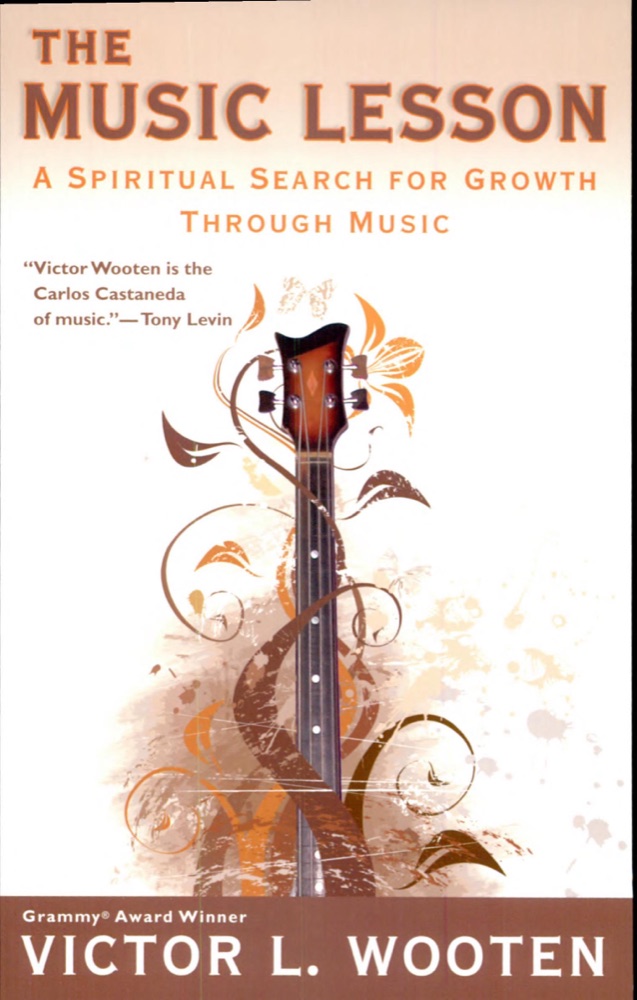
About Victor L. Wooten
We have collected 19 quotes from 1 book by Victor L. Wooten on BookQuoters.
More about the author →About the book
From Grammy-winning musical icon and legendary bassist Victor L. Wooten comes The Music Lesson, the story of a struggling young musician who wanted music to be his life, and who wanted his life to be great. Then, from nowhere it seemed, a teacher arrived. Part musical genius, part philosopher, part eccentric wise man, the teacher would guide the young musician on a spiritual journey, and teach him that the gifts we get from music mirror those from life, and every movement, phrase, and chord has its own meaning...All you have to do is find the song inside.
Book details
- First published
- 2006
- Author
- Victor L. Wooten
- Genre
- Nonfiction
- Goodreads rating
- 4.17 (6k ratings)
Keep reading
The Magic Strings of Frankie Presto
 The Violin Conspiracy
 Every Good Boy Does Fine: A Love Story, in Music Lessons
 How to Write One Song: Loving the Things We Create and How They Love Us Back
 How Music Works
 Orfeo
Orfeo
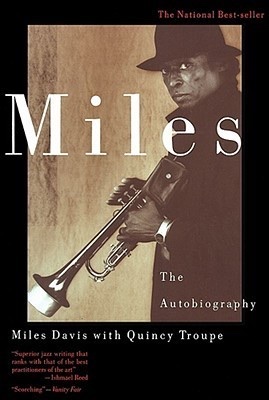 Miles: The Autobiography
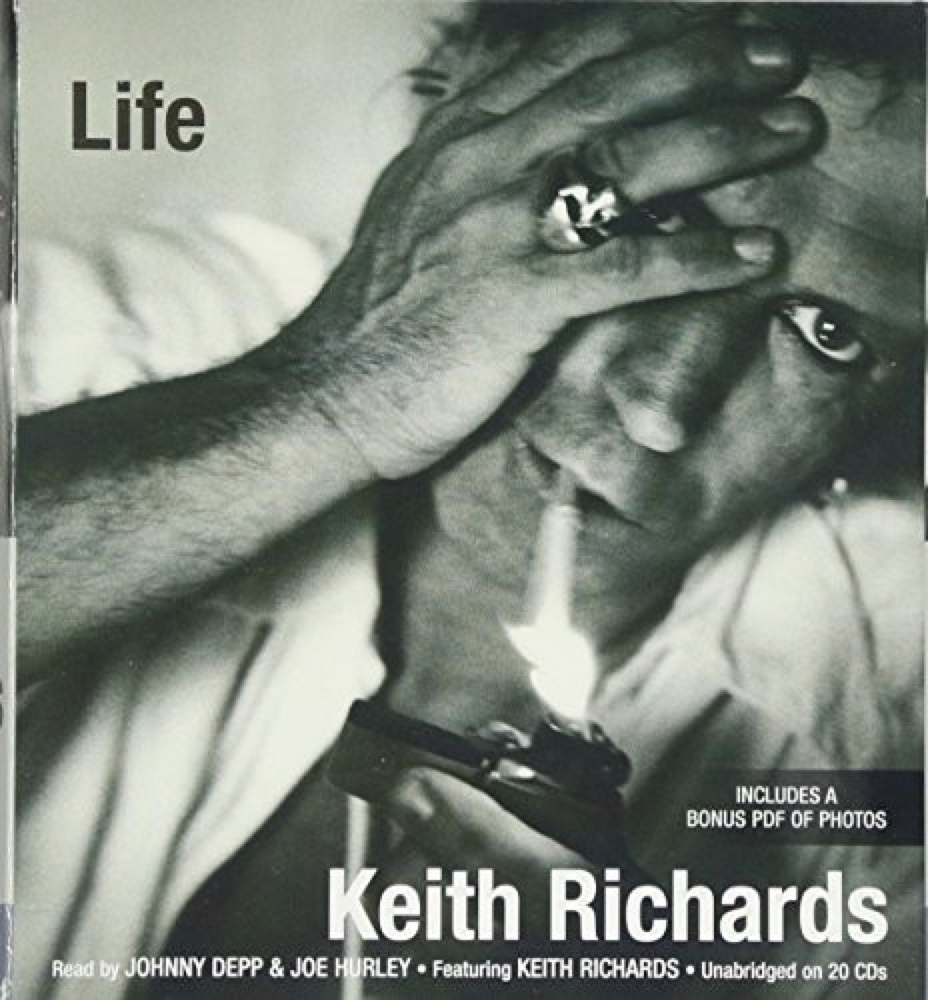 Life
Life
 The Soloist: A Lost Dream, an Unlikely Friendship, and the Redemptive Power of Music
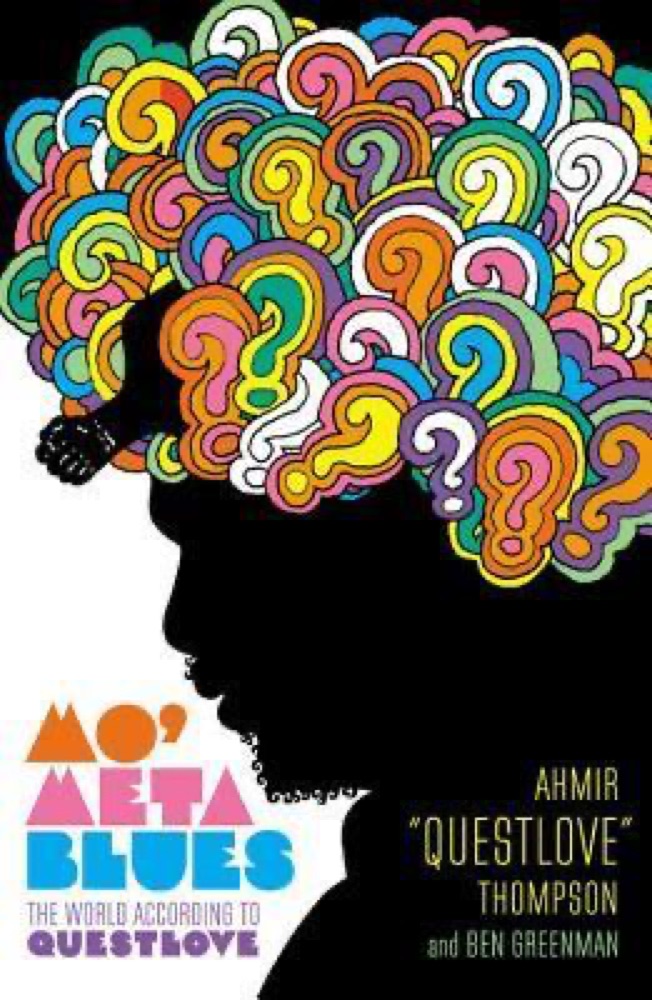 Mo' Meta Blues: The World According to Questlove
 Silence: Lectures and Writings
 Musicophilia: Tales of Music and the Brain
 Let's Go (So We Can Get Back): A Memoir of Recording and Discording with Wilco, Etc.
 Absolutely on Music: Conversations with Seiji Ozawa
 Body and Soul
 This Is What It Sounds Like: What the Music You Love Says About You
 Sepulchre
 This Is Your Brain on Music
 The Inner Game of Music
 The Air You Breathe
 Songbook
 Piece by Piece
 Sing You Home
 Will
Will
 Born to Run
 The Witch of Portobello
 Decoded
 The Secret Piano: From Mao's Labor Camps to Bach's Goldberg Variations
 The Power of One
 The Glass Bead Game
 Letter to My Daughter
 Moonwalk
 Mastery
 Buffering: Unshared Tales of a Life Fully Loaded
 Acid for the Children
 This Song Will Save Your Life
 Echo
Echo
 The Art of Public Speaking
 The Promise of a Pencil: How an Ordinary Person Can Create Extraordinary Change
 Improv Wisdom: Don't Prepare, Just Show Up
 Utopia Avenue
 The Artist's Way
 Never Broken: Songs Are Only Half the Story
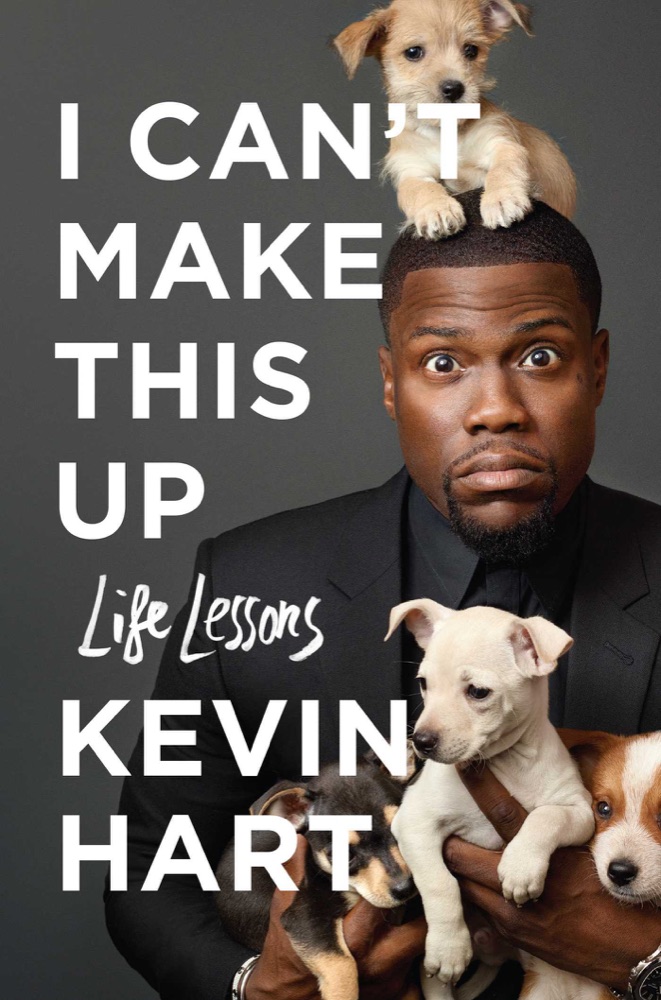 I Can't Make This Up: Life Lessons
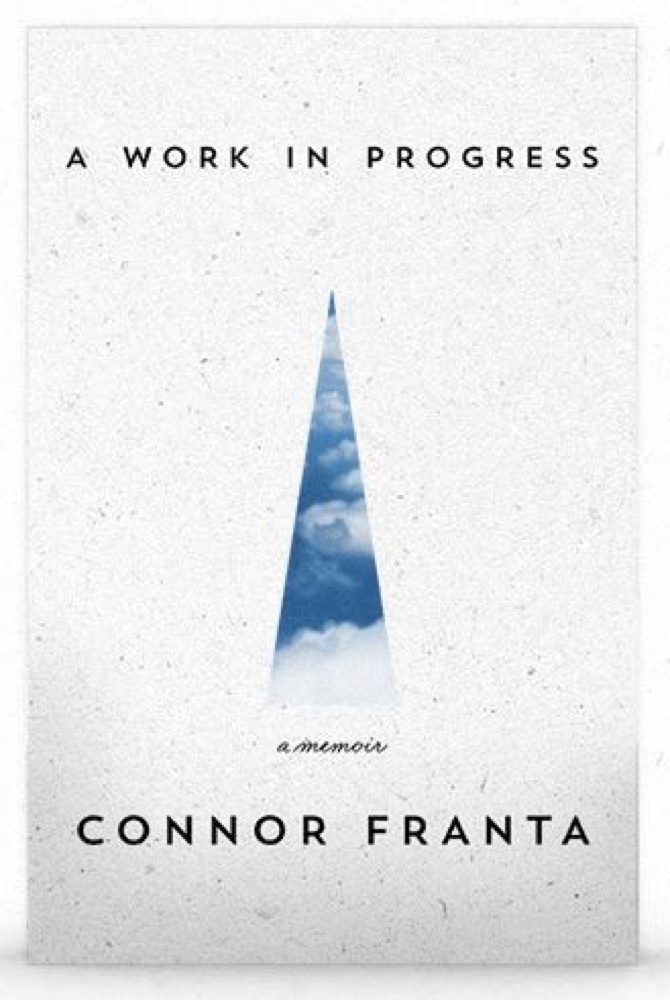 A Work in Progress
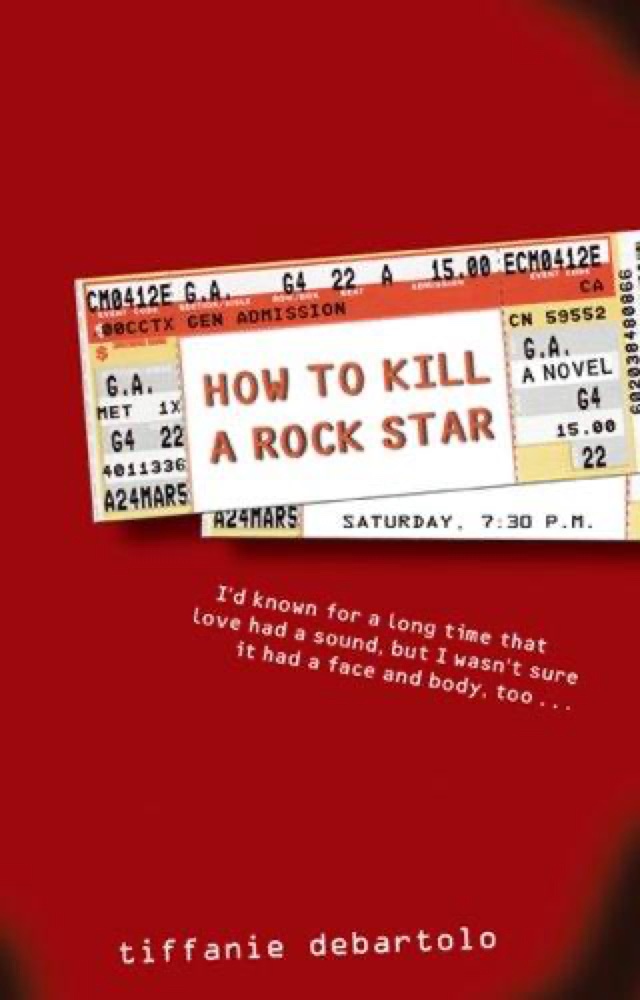 How to Kill a Rock Star
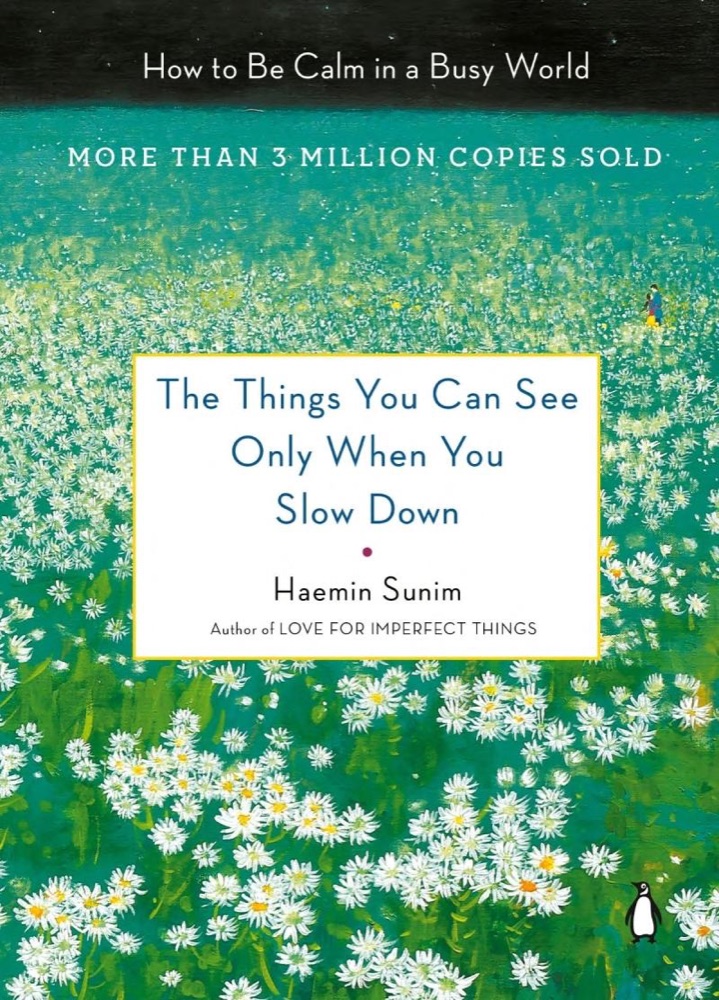 The Things You Can See Only When You Slow Down: How to Be Calm in a Busy World
 The Creative Habit: Learn It and Use It for Life
 Surrender: 40 Songs, One Story
 Into the Magic Shop: A Neurosurgeon's Quest to Discover the Mysteries of the Brain and the Secrets of the Heart
 The Real Frank Zappa Book
 Be Here Now
 The Dude and the Zen Master
 Still the Mind: An Introduction to Meditation
 Home: A Memoir of My Early Years
 Creativity: Unleashing the Forces Within
 The Uncool
 Illusions: The Adventures of a Reluctant Messiah
 A Sudden Light