
 Dandelion Wine
Quotes from the Book
We earth men have a talent for ruining big, beautiful things.
Science is no more than an investigation of a miracle we can never explain, and art is an interpretation of that miracle.
There was a smell of Time in the air tonight. He smiled and turned the fancy in his mind. There was a thought. What did time smell like? Like dust and clocks and people. And if you wondered what Time sounded like it sounded like water running in a dark cave and voices crying and dirt dropping down upon hollow box lids, and rain. And, going further, what did Time look like? Time look like snow dropping silently into a black room or it looked like a silent film in an ancient theater, 100 billion faces falling like those New Year balloons, down and down into nothing. That was how Time smelled and looked and sounded. And tonight-Tomas shoved a hand into the wind outside the truck-tonight you could almost taste time.
They began by controlling books of cartoons and then detective books and, of course, films, one way or another, one group or another, political bias, religious prejudice, union pressure; there was always a minority afraid of something, and a great majority afraid of the dark, afraid of the future, afraid of the past, afraid of the present, afraid of themselves and shadows of themselves.
I'm not anyone, I'm just myself; whatever I am, I am something, and now I'm something you can't help.
Can't you recognize the human in the inhuman?
I'm being ironic. Don't interrupt a man in the midst of being ironic, it's not polite. There!
Why live? Life was its own answer. Life was the propagation of more life and the living of as good a life as possible.
It is good to renew one's wonder, said the philosopher. Space travel has again made children of us all.
You're insane!" "I won't argue that point.
The Men of Earth came to Mars. They came because they were afraid or unafraid, because they were happy or unhappy, because they felt like Pilgrims or did not feel like Pilgrims. There was a reason for each man. They were leaving bad wives or bad towns; they were coming to find something or leave something or get something, to dig up something or bury something or leave something alone. They were coming with small dreams or large dreams or none at all...it was not unusual that the first men were few. The numbers grew steadily in proportion to the census of Earth Men already on Mars. There was comfort in numbers. But the first Lonely Ones had to stand by themselves...
I'm numb and I'm tired. Too much has happened today. I feel as if I'd been out in a pounding rain for forty-eight hours without an umbrella or a coat. I'm soaked to the skin with emotion.
Garrett," said Stendahl, "do you know why I've done this to you? Because you burned Mr. Poe's books without really reading them. You took other people's advice that they needed burning. Otherwise you'd have realized what I was going to do to you when we came down here a moment ago. Ignorance is fatal, Mr. Garrett.
The Martians were there—in the canal—reflected in the water.... The Martians stared back up at them for a long, long silent time from the rippling water....
Do you ever wonder if--well, if there are people living on the third planet?' 'The third planet is incapable of supporting life,' stated the husband patiently. 'Our scientists have said there's far too much oxygen in their atmosphere.
I hate being clever, thought the captain, when you don’t really feel clever and don’t want to be clever. To sneak around and make plans and feel big about making them. I hate this feeling of thinking I’m doing right when I’m not really certain I am. Who are we, anyway? The majority? Is that the answer? The majority is always holy, is it not? Always, always; just never wrong for one little insignificant tiny moment, is it? Never ever wrong in ten million years? He thought: What is this majority and who are in it? And what do they think and how did they get that way and will they ever change and how the devil did I get caught in this rotten majority? I don’t feel comfortable. Is it claustrophobia, fear of crowds, or common sense? Can one man be right, while all the world thinks they are right? Let’s not think about it. Let’s crawl around and act exciting and pull the trigger. There, and there!
The Lord is not serious. In fact, it is a little hard to know just what else He is except loving. And love has to do with humor, doesn't it? For you cannot love someone unless you put up with him, can you? And you cannot put up with someone constantly unless you can laugh at him. Isn't that true? And certainly we are rediculous little animals wallowing in the fudge bowl, and God must love us all the more because we appeal to his humor.
Ask me, then, if I believe in the spirit of the things as they were used, and I'll say yes. They're all here. All the things which had uses. All the mountains which had names. And we'll never be able to use them without feeling uncomfortable. And somehow the mountains will never sound right to us; we'll give them new names, but the old names are there, somewhere in time, and the mountains were shaped and seen under those names. The names we'll give to the canals and mountains and cities will fall like so much water on the back of a mallard. No matter how we touch Mars, we'll never touch it. And then we'll get mad at it, and you know what we'll do? We'll rip it up, rip the skin off, and change it to fit ourselves.
One minute it was Ohio winter, with doors closed, windows locked, the panes blind with frost, icicles fringing every roof, children skiing on slopes, housewives lumbering like great black bears in their furs along the icy streets. And then a long wave of warmth crossed the small town. A flooding sea of hot air; it seemed as if someone had left a bakery door open. The heat pulsed among the cottages and bushes and children. The icicles dropped, shattering, to melt. The doors flew open. The windows flew up. The children worked off their wool clothes. The housewives shed their bear disguises. The snow dissolved and showed last summer's ancient green lawns. Rocket summer. The words passed among the people in the open, airing houses. Rocket summer. The warm desert air changing the frost patterns on the windows, erasing the art work. The skis and sleds suddenly useless. The snow, falling from the cold sky upon the town, turned to a hot rain before it touched the ground. Rocket summer. People leaned from their dripping porches and watched the reddening sky. The rocket lay on the launching field, blowing out pink clouds of fire and oven heat. The rocket stood in the cold winter morning, making summer with every breath of its mighty exhausts. The rocket made climates, and summer lay for a brief moment upon the land....
You don’t question Providence. If you can’t have the reality, a dream is just as good.
...trees to cool the towns in the boiling summer, trees to hold back the winter winds. There were so many things a tree could do: add color, provide shade, drop fruit, or become a children's playground, a whole sky universe to climb and hang from; an architecture of food and pleasure, that was a tree. But most of all the trees would distill an icy air for the lungs, and a gentle rustling for the ear when you lay nights in your snowy bed and were gentled to sleep by the sound.
Sleeping beauty awoke at the kiss of a scientist and expired at the fatal puncture of his syringe.
The rockets came like locusts, swarming and settling in blooms of rosy smoke. And from the rockets ran men with hammers in their hands to beat the strange world into a shape that was familiar to the eye, to bludgeon away all the strangeness, their mouths fringed with nails so they resembled steel-toothed carnivores, spitting them into their swift hands as they hammered up frame cottages and scuttled over roofs with shingles to blot out the eerie stars, and fit green shades to pull against the night.
Perhaps I'm not their dead one back, but I'm something almost better to them; an ideal shaped by their minds.
They stood there, King of the Hill, Top of the Heap, Ruler of All They Surveyed, Unimpeachable Monarchs and Presidents, trying to understand what it meant to own a world and how big a world really was.
All the things which had uses. All the mountains which had names. We'll give them new names, but the old names are there, somewhere in time..." -Bradbury, The Martian Chronicles
The rockets set the bony meadows afire, turned rock to lava, turned wood to charcoal, transmuted water to steam, made sand and silica into green glass which lay like shattered mirrors reflecting the invasion, all about. The rockets came like drums, beating in the night. The rockets came like locusts, swarming and settling in blooms of rosy smoke.
Did you know?
- The book is a "fix-up" novel, weaving together previously published short stories with new bridging passages.
- Bradbury drew on the mosaic structure of Sherwood Anderson's Winesburg, Ohio and John Steinbeck's The Grapes of Wrath.
- An influential 1950 review by Christopher Isherwood compared Bradbury's work to that of Edgar Allan Poe, helping legitimize science fiction.
- The opening vignette, "Rocket Summer," describes a rocket launch whose heat turns an Ohio winter briefly to summer.
- The narrative draws an explicit parallel between the colonization of Mars and American westward expansion.
- It was adapted into a three-part NBC television miniseries in 1980.
About Ray Bradbury
Ray Bradbury (1920-2012) was an American author widely regarded as a master of science fiction, fantasy, and horror, best known for The Martian Chronicles and Fahrenheit 451. His lyrical, humane style helped move speculative fiction into the literary mainstream over a career spanning some seven decades.
More about the author →More by Ray Bradbury
Dandelion Wine
 Bradbury Stories: 100 of His Most Celebrated Tales
 The Illustrated Man
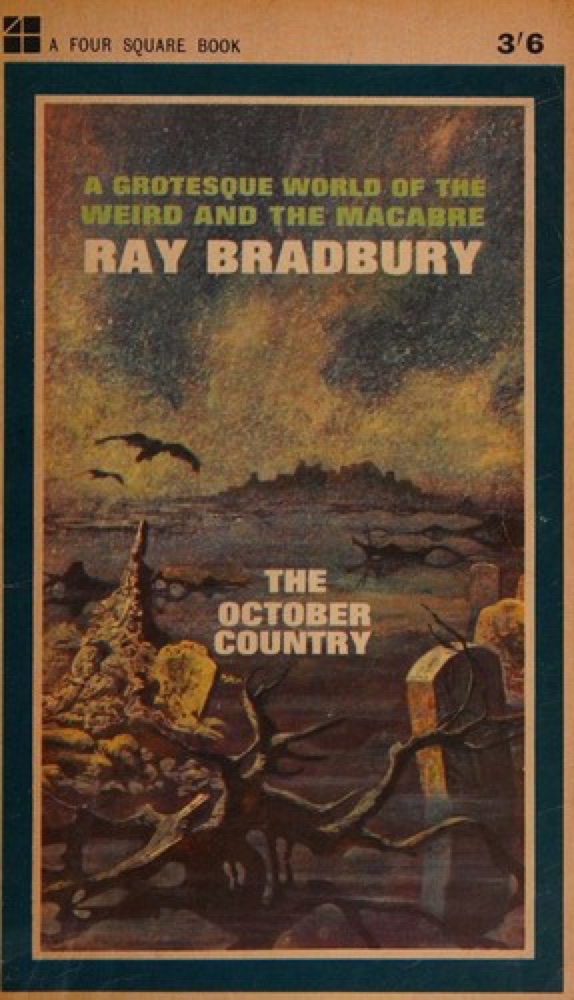 The October Country
About the book
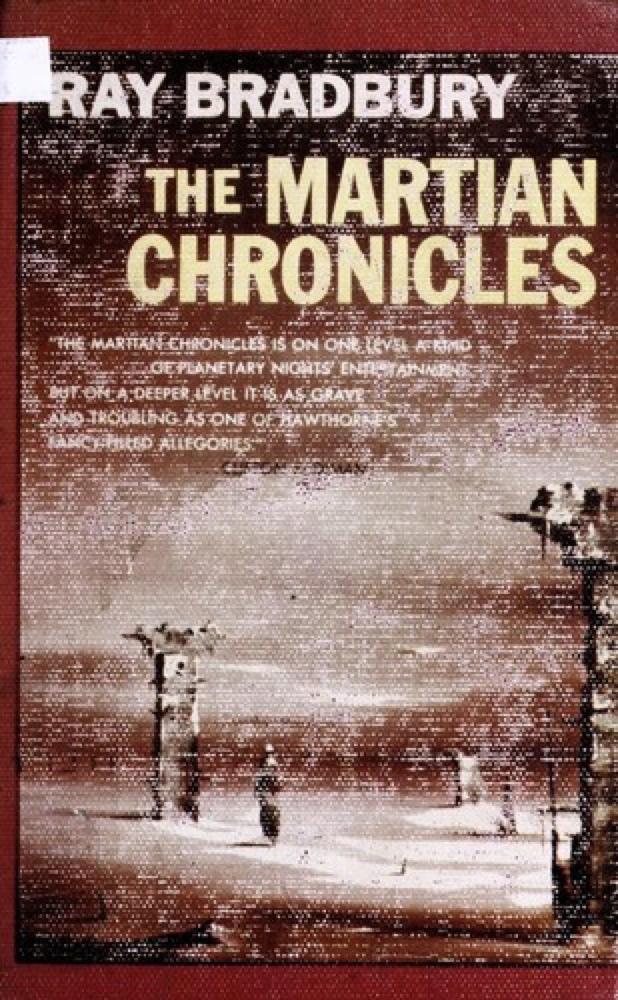
The Martian Chronicles, first published in 1950, is Ray Bradbury's landmark work of speculative fiction chronicling the human colonization of Mars. Rather than a conventional novel, it is a "fix-up" that stitches together previously published short stories with new connecting passages, arranged chronologically to trace waves of expeditions from Earth. Astronauts arrive to find an ancient Martian civilization, and the early encounters end in misunderstanding and death; later, settlers pour in to build a familiar small-town America on the red planet, even as Earth slides toward nuclear war.
Beneath its rockets and telepathic Martians, the book is a meditation on humanity's recurring flaws. Bradbury draws explicit parallels between the settlement of Mars and the American westward expansion, and the stories take on militarism, racism, censorship, environmental destruction, and the loss of wonder to conformity and technology. The Martians function less as monsters than as a mirror, and the colonists carry their earthly failings with them into a new world.
Widely credited with helping legitimize science fiction as serious literature, The Martian Chronicles drew early praise comparing Bradbury to Edgar Allan Poe. Bradbury modeled its mosaic structure on works like Sherwood Anderson's Winesburg, Ohio and John Steinbeck's The Grapes of Wrath, and its blend of poetic prose and social critique has kept it in print and on school syllabi for decades, cementing its place among the genre's most enduring books.
Key characters
- Captain WilderCommander of the Fourth Expedition who later leads a long mission to the outer solar system.
- Jeff SpenderFourth Expedition crewman who turns against his fellows to protect Mars from human exploitation.
- Sam ParkhillFormer crewman who opens the first hot dog stand on Mars.
- Captain John BlackLeader of the Third Expedition, undone by a Martian collective hallucination.
- YllaA Martian woman who dreams telepathically of an approaching human traveler.
- Benjamin DriscollAn emigrant who plants trees to enrich the thin Martian atmosphere.
- Walter GrippA miner left searching for companionship after nuclear war empties the colonies.
Book details
- First published
- 1950
- Length
- 222 pages
- Reading time
- 3 hours
- Author
- Ray Bradbury
- Genre
- Fiction
- Goodreads rating
- 4.16 (291k ratings) →
- First line
- “One minute it was Ohio winter, with doors closed, windows locked, the panes blind with frost, icicles fringing every roof, children skiing on slopes, housewives lumbering like great black bears in their furs along the icy streets.”
Movie & TV adaptations
- IMDb
If you liked this, read…
- 1Fahrenheit 451Bradbury's own dystopia sharing his lyrical style and warnings about conformity and censorship.
- 2The Left Hand of DarknessUrsula K. Le Guin's literary science fiction using another world to examine human nature.
- 3Winesburg, OhioSherwood Anderson's linked-story mosaic that shaped Bradbury's structure.
Keep reading
Bradbury Stories: 100 of His Most Celebrated Tales
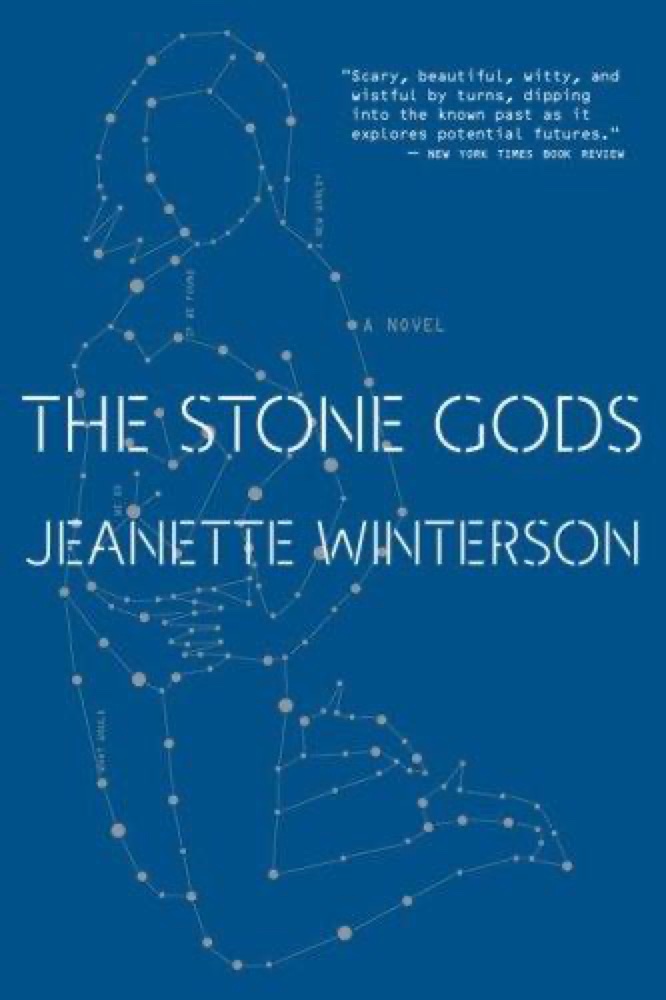 The Stone Gods
The Illustrated Man
The Stone Gods
The Illustrated Man
 Solaris
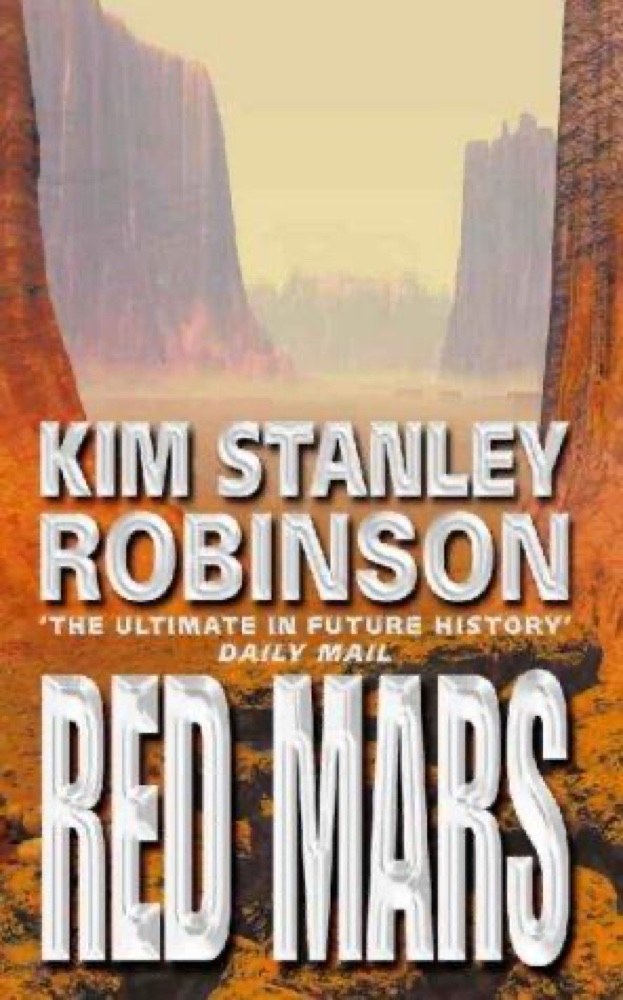 Red Mars
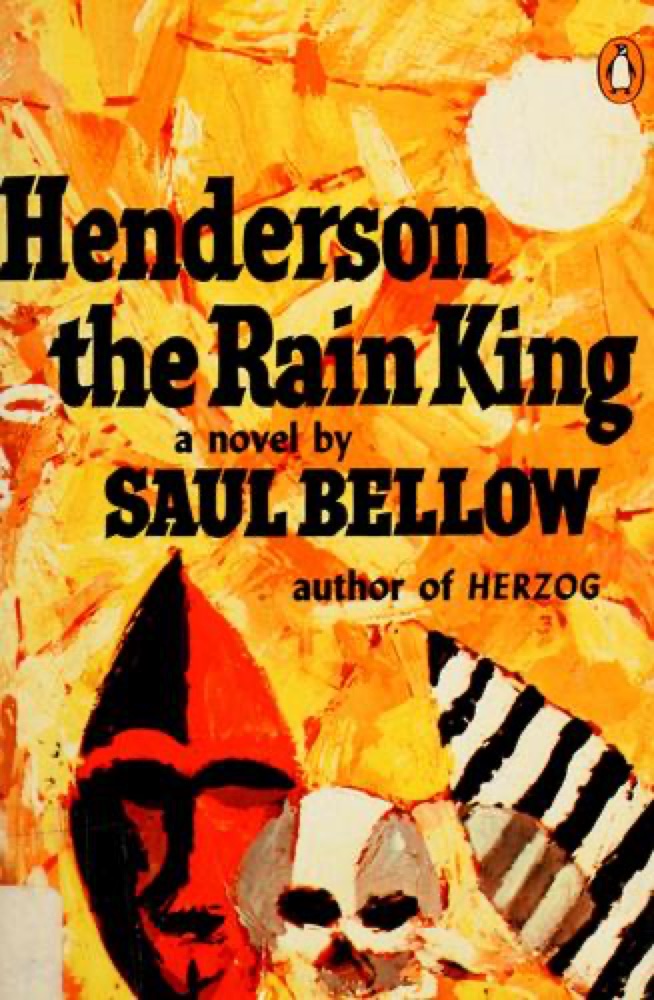 Henderson the Rain King
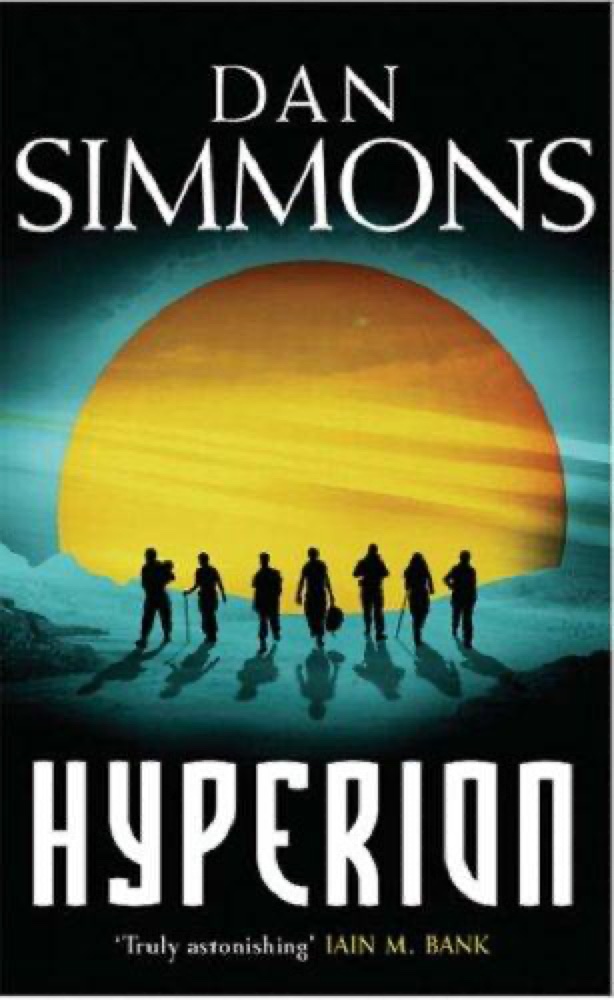 Hyperion
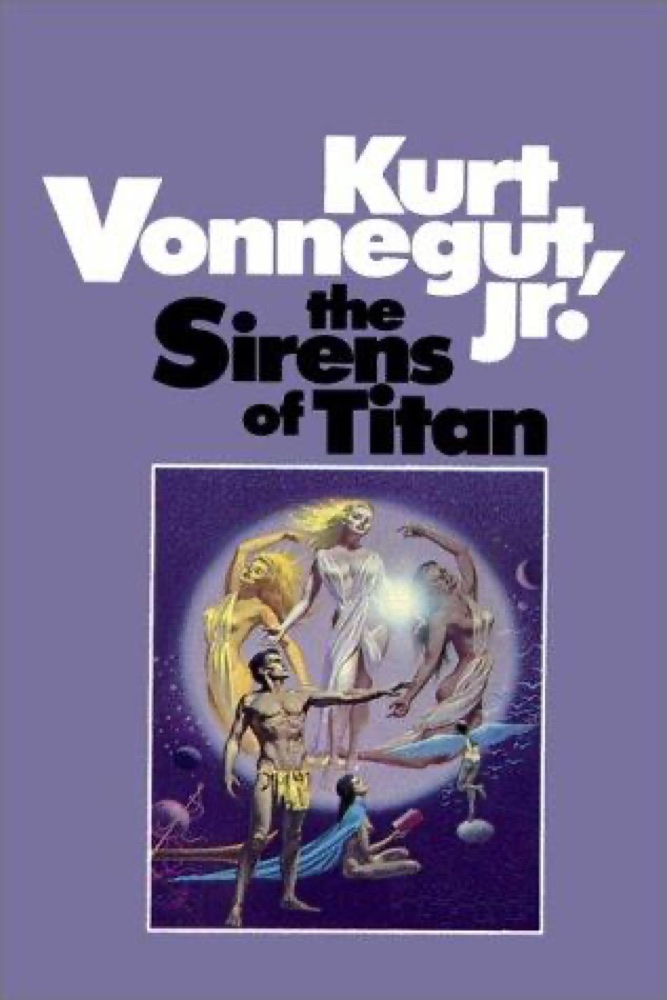 The Sirens of Titan
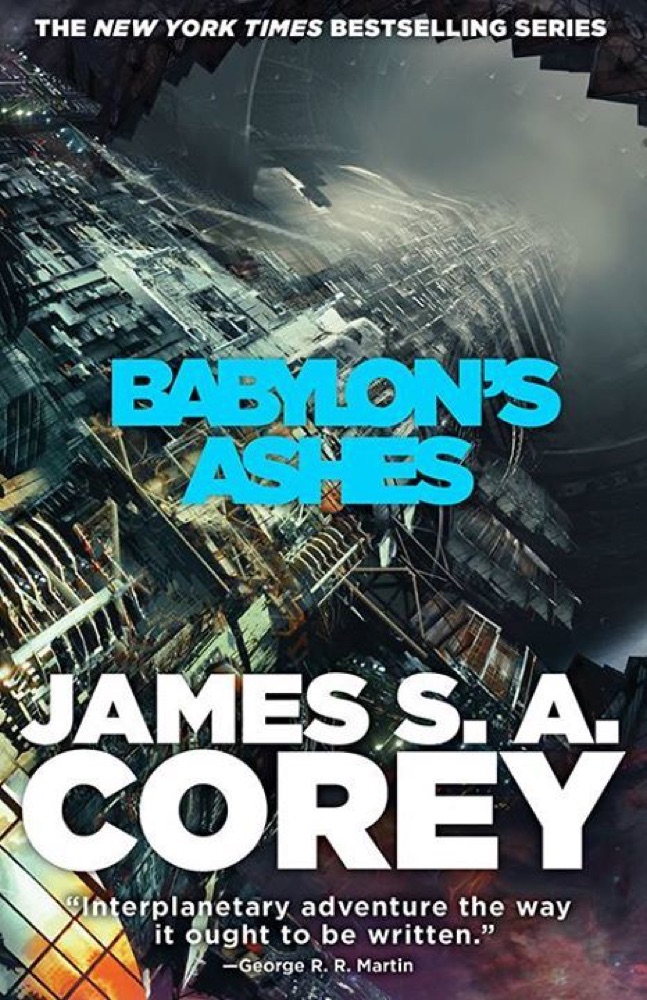 Babylon's Ashes
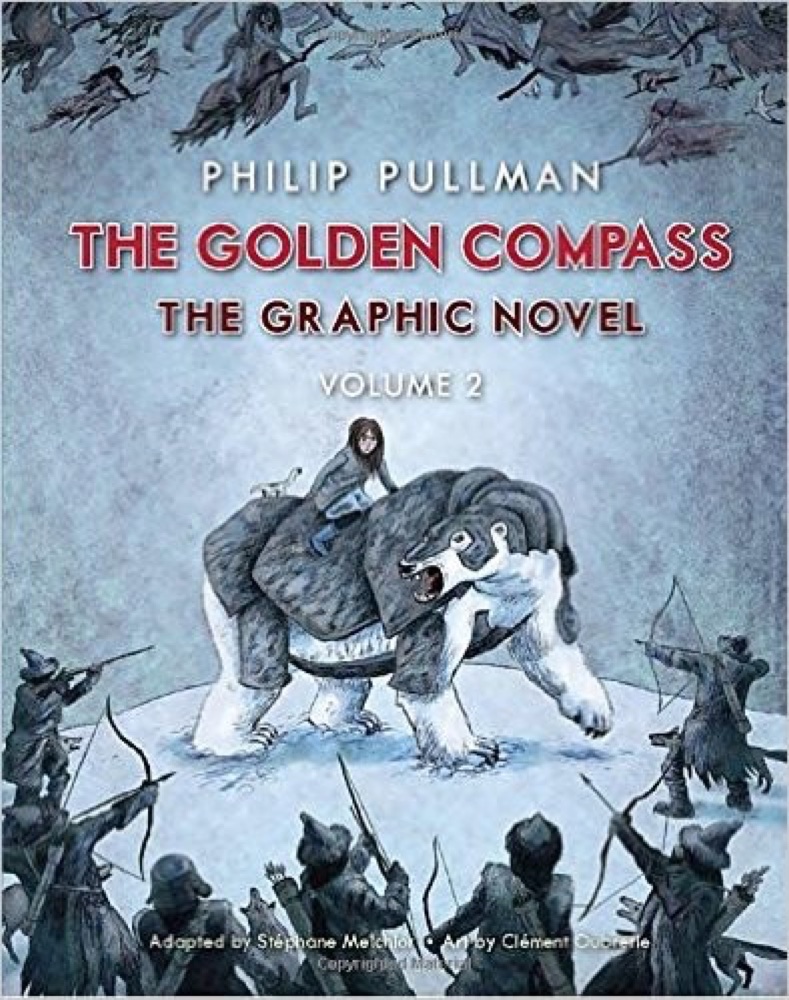 The Golden Compass
 The Star Diaries
 The Man in the High Castle
 The Gone-Away World
 That Hideous Strength
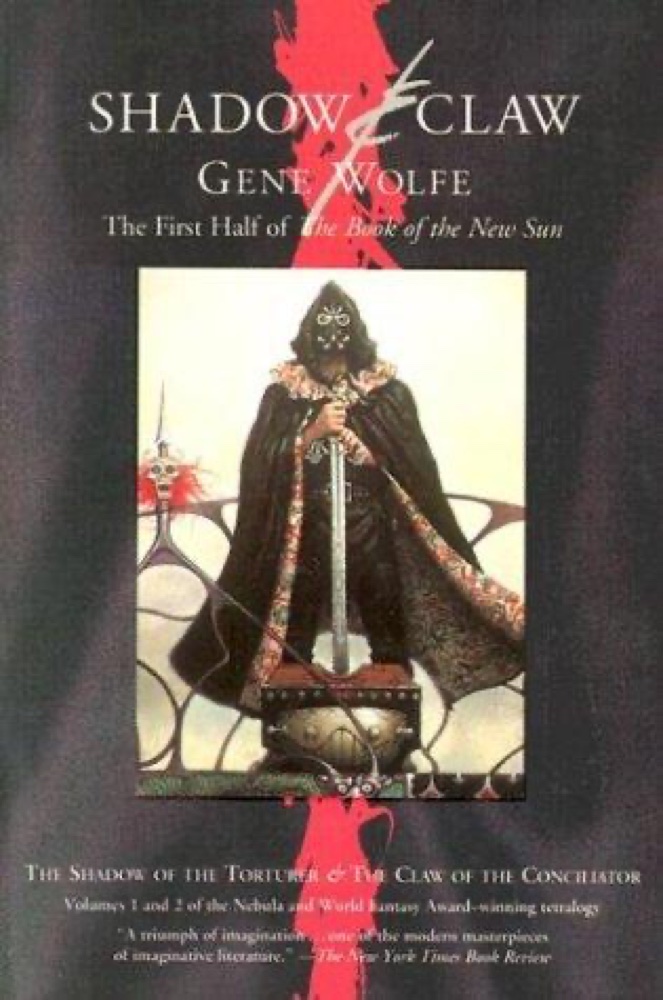 Shadow & Claw
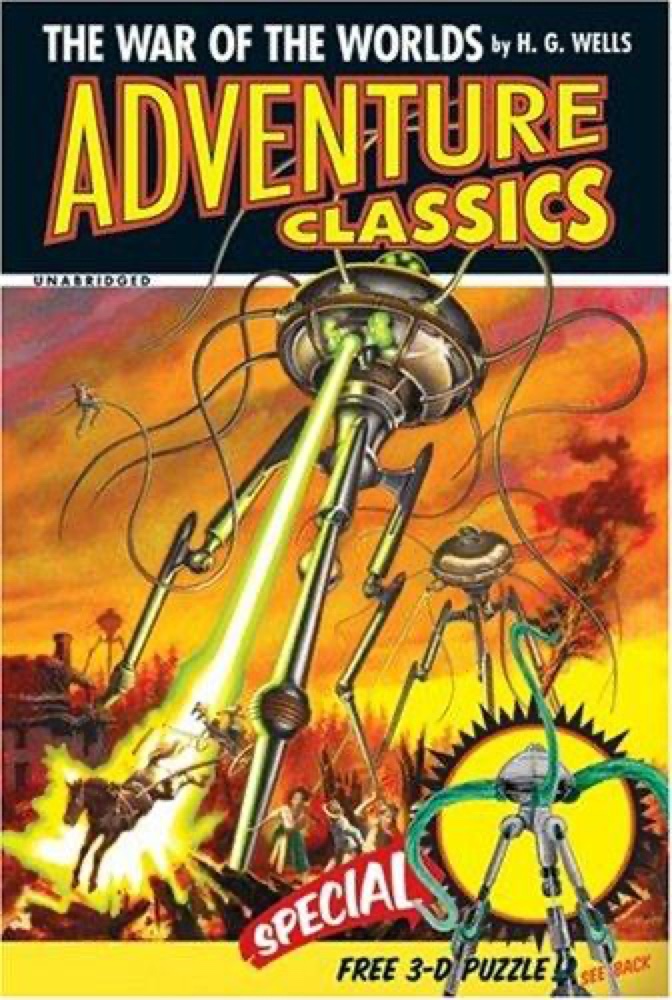 The War of the Worlds
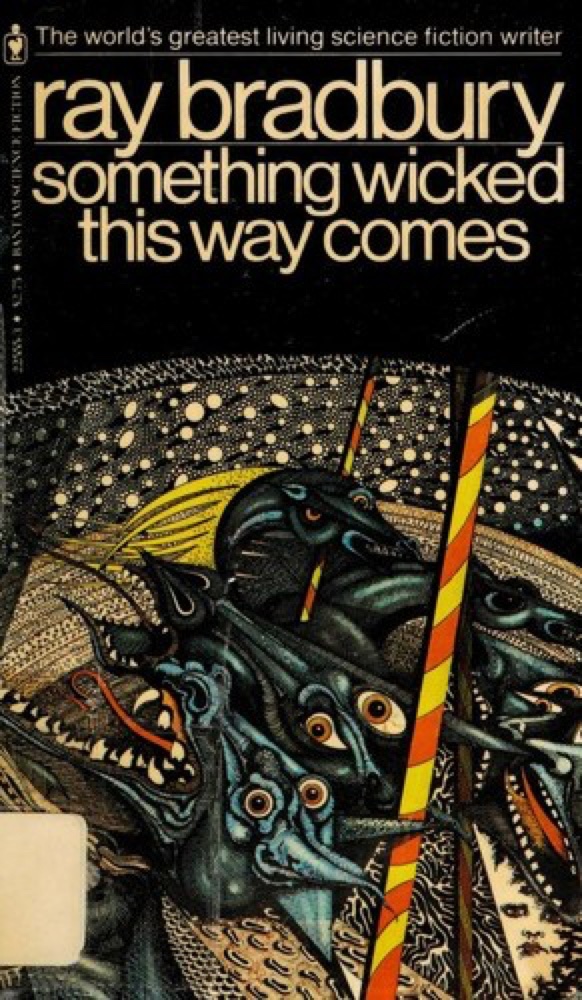 Something Wicked This Way Comes
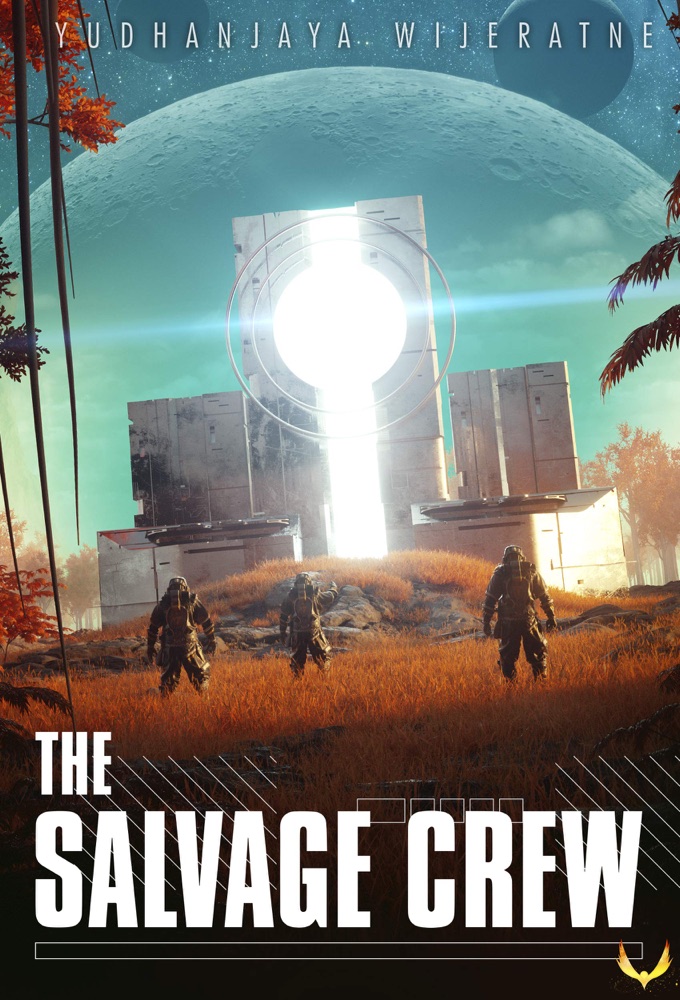 The Salvage Crew
 The Long Way to a Small, Angry Planet
 Plainwater: Essays and Poetry
 Winter's Tale
 Sourcery
 Hogfather
 The Island of the Day Before
 Dead Astronauts
 The Fifth Science
 Out of the Silent Planet
 The Stardust Grail
 All the King's Men
 The Wolf Gift
 Arm of the Sphinx
 The Ultimate Hitchhiker's Guide
 Dhalgren
 The Time Machine
 You Can't Go Home Again
 The Chrysalids
 Always Coming Home
 The Stories of Vladimir Nabokov
 The Magic Mountain
 A Madness of Angels
 Seven Surrenders
 Pyramids
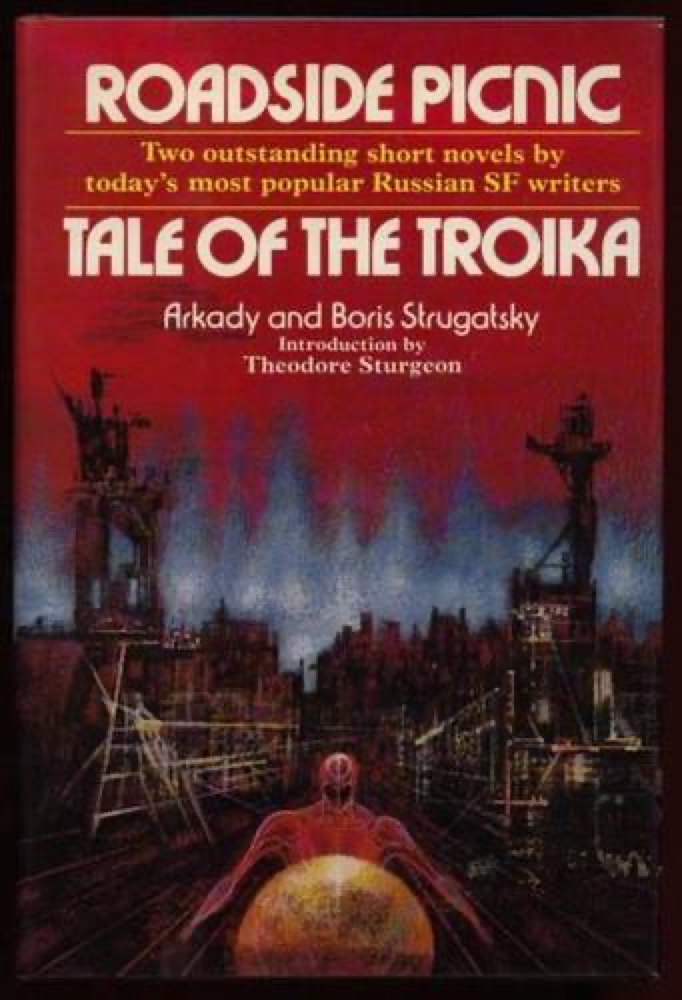 Roadside Picnic
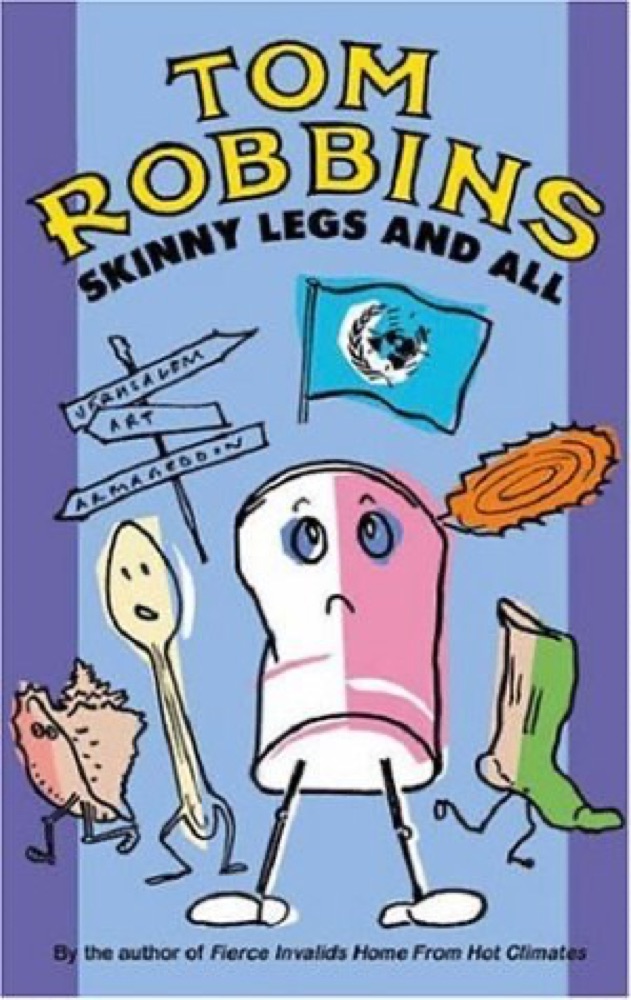 Skinny Legs and All
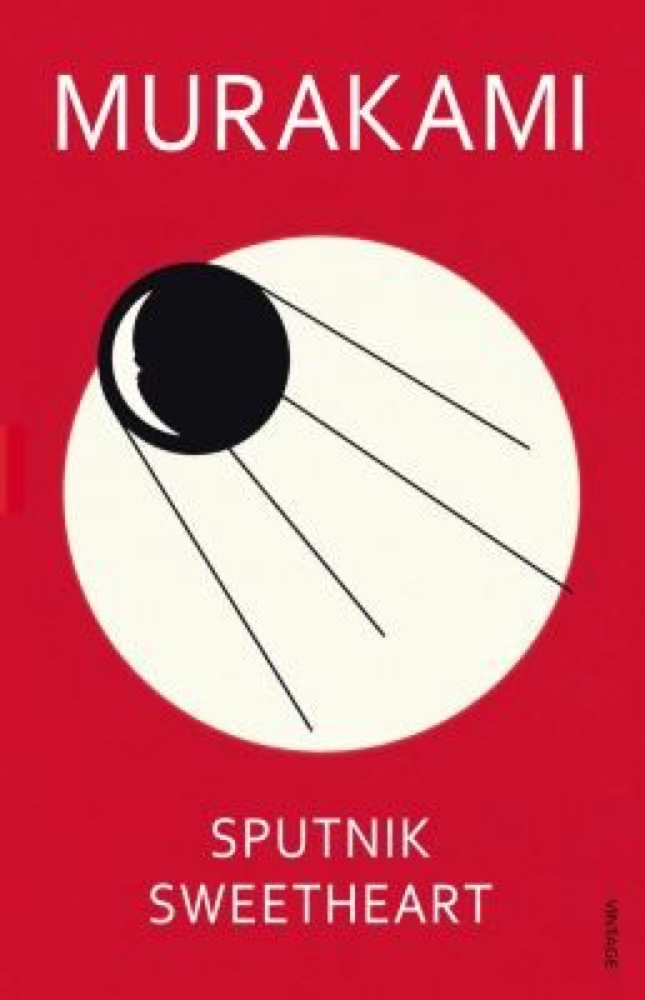 Sputnik Sweetheart
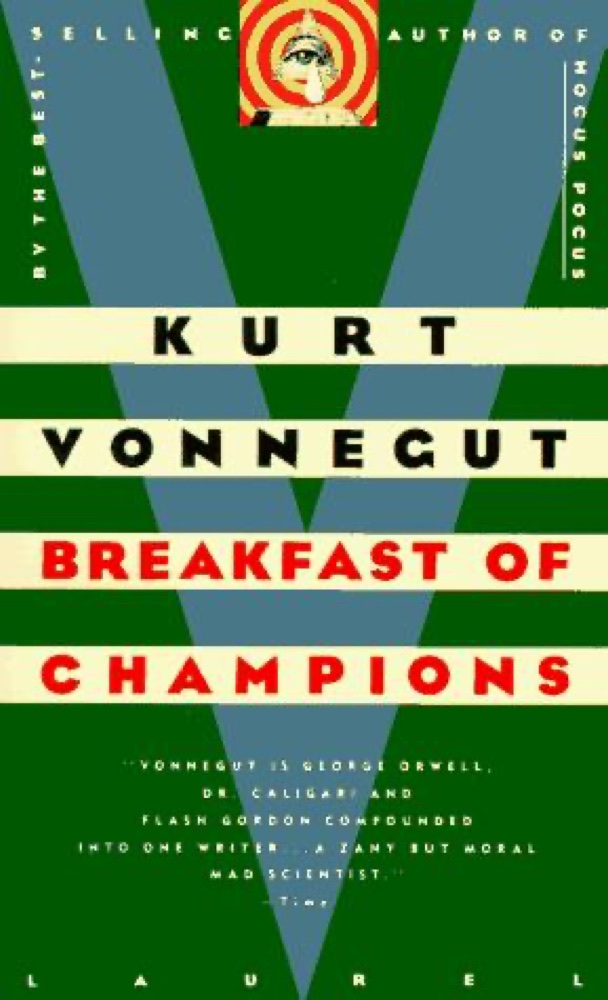 Breakfast of Champions
 Too Like the Lightning
 The Fall of Hyperion
 Cat's Cradle
 The Manticore
 Moon Palace
 Moon Tiger
 The Adventures of Augie March
 Jailbird
 Green Mars
 American Gods
 We the Living
 Watchmen
 Robopocalypse
 Another Roadside Attraction