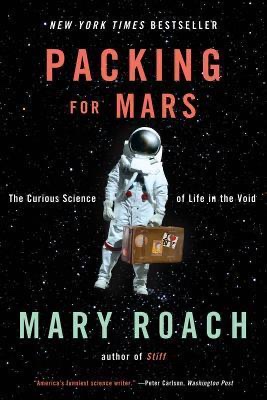
 Packing for Mars: The Curious Science of Life in the Void
Quotes from the Book
I am alone now, truly alone, and absolutely isolated from any known life. I am it. If a count were taken, the score would be three billion plus two over on the other side of the moon, and one plus God knows what on this side.
30
I am also planning to leave a lot of things undone. Part of life's mystery depends on future possibilities, and mystery is an elusive quality which evaporates when sampled frequently, to be followed by boredom. For example, catching various types of fish is on my list of good things to do, but I would be reluctant to rush into it, even if i had the time. I want no part of destroying fishing as a mysterious sport.
10
We are off! And do we know it, not just because the world is yelling "Lift-off" in our ears, but because the seats of our pants tell us so! Trust your instruments, not your body, the modern pilot is always told, but this beast is best felt. Shake, rattle and roll!
4
A classic case of poor cockpit design is the ejection procedure which used to be in one Air Force trainer. It was a placard listing half a dozen important steps, printed boldly on the canopy rail where the pilot couldn’t miss seeing it. The only flaw was that step 1 was “jettison the canopy.
3
Far from feeling lonely or abandoned, I feel very much a part of what's taking place on the lunar surface. I know that I would be a liar or a fool if I said that I have the best of the three Apollo 11 seats, but I can say with truth and equanimity that I am perfectly satisfied with the one I have. This venture has been structured for three men, and I consider my third to be as necessary as either of the other two.
2
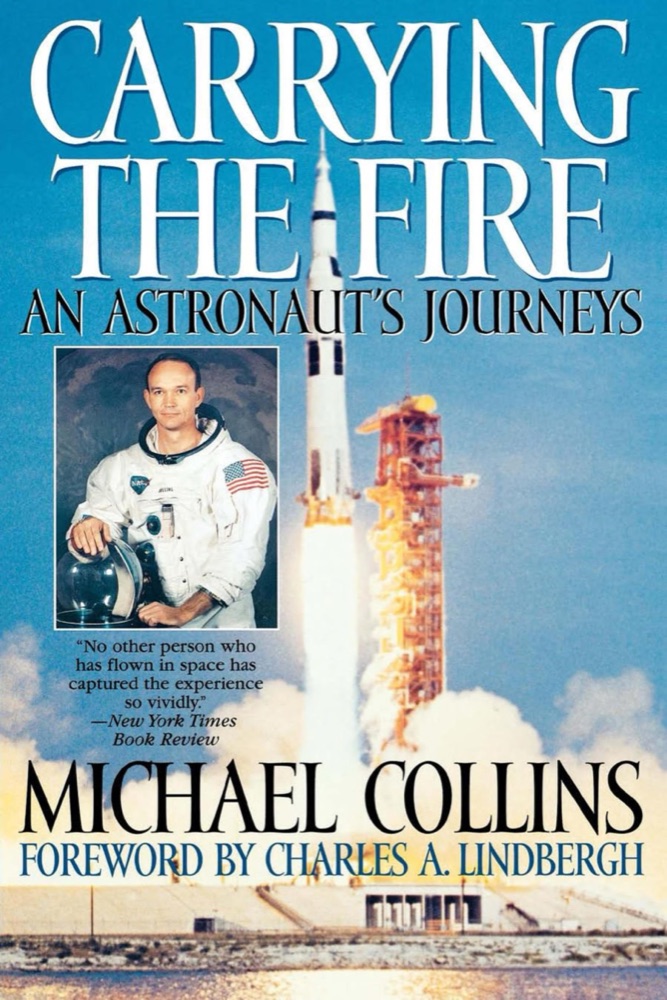
Of course, Apollo was the god who carried the fiery sun across the sky in a chariot. But beyond that, how would you carry fire? Carefully, that's how, with lots of planning and at considerable risk. It is a delicate cargo, as valuable as moon rocks, and the carrier must always be on his toes lest it spill. I carried the fire for six years, and now I would like to tell you about it, simply and directly as a test pilot must, for the trip deserves the telling.
2
When it is dark enough, men see the stars.
1
Finally, I must say that below the threshold of fear for life and limb there lurks a similar emotion, perhaps not fear but at least apprehension, a worry, not that you are going to be killed, but that you will be terribly embarrassed.
1
At any rate, it was clear that our backup crew would not fly Gemini 10. So when I heard from John Young (he and Gus Grissom had just come off the Gemini 6 backup crew) that he and I were to fly 10, I was overjoyed. I would miss Ed, but I liked John. And besides, I would have flown by myself or with a kangaroo, I just wanted to fly. All that stuff about crew psychological compatibility is crap. Almost anyone can put up with almost anyone else for a clearly defined period of time in pursuit of a mutual objective important to each.
1
As we got busier and busier, we paid less and less attention to the mail, and I have since met more than one friend who clearly felt that I had gotten so big for my britches that I had chosen to ignore his heartfelt message. Most of the messages were pretty straightforward, but there were a few weirdos in the bunch. One poor man, obviously deranged, wrote from Israel, enclosing reams of data on the gigantic ants that infested the moon. It would be disaster, he pointed out, for the LM to come down on or near one of these anthills, and he would be happy to provide us with his detailed maps showing the location of each hill—for a price, of course.
1
Then it’s time to don a triangular yellow plastic urine bag by inserting the penis into a rubber receiver built into one corner of it. There are three sizes of receivers (small, medium, large), which are always referred to in more heroic terms: extra large, immense, and unbelievable. One selects based on bitter experience in ground tests, where a poor fit in the feet-above-head Gemini seating arrangement means urine trickling up the spine and pooling in the small of the back. “Wetbacks,” the suit technicians call these neophyte astronauts, with displeasure.
1
On the return trip, the atmospheric “re-entry corridor,” or zone of survivability, or whatever you wanted to call it, was only forty miles thick, and hitting a forty-mile target from 230,000 miles is like trying to split a human hair with a razor blade thrown from a distance of twenty feet.
1
Exploration produces a mood in people, a widening of interest, a stimulation of the thought process,
Gosh, Officer, I guess I just haven’t learned to slow down since I got back from the moon.
But it seems to me you had an experience of in some ways greater profundity—the hours you spent orbiting the moon alone, and with more time for contemplation. What a fantastic experience it must have been—alone looking down on another celestial body, like a god of space! There is a quality of aloneness that those who have not experienced it cannot know—to be alone and then to return to one’s fellow men once more. You have experienced an aloneness unknown to man before. I believe you will find that it lets you think and sense with greater clarity. Sometime in the future, I would like to listen to your own conclusions in this respect.
Will this magnificent accomplishment serve as inspiration … or will the inspiration be abandoned before the veiled censure of those who seem to suggest the solution of all human dilemmas lies in turning away from space to other priorities?” The
It was impressive, I thought, a stroke of genius to relate their primordial setting to the origin of the earth, and to couch it in the beautiful seventeenth-century prose poetry of King James I’s scholars.
In all likelihood, however, I would have been back-up commander of Apollo 14 and would have walked the moon on 17, the last of the series. But in June 1969 I couldn’t even count to seventeen, nor do I have any regrets today over the decision … Still, I watched Gene Cernan with more than average interest during that flight three and a half years later.
My computer had been equipped with a slightly different program which M.I.T. called Colossus IIA; it was aptly named. I felt flea-sized in its presence, and punched the computer keys with a good deal of reverence, as I availed myself of the services of this giant. That is, until it and I started to disagree and it refused to give me the answers I sought. Then I lost my temper. Flash an “operator error” light at me, will you, you stupid goddamned computer, and I would sputter and stammer until the soothing voice of Tom Wilson14 or one of the other instructors came over the earphones and unctuously explained how I had offended their precocious brat.
Apollo 8 has 5,600,000 parts and one and one half million systems, subsystems, and assemblies. Even if all functioned with 99.9 percent reliability, we could expect fifty-six hundred defects…
TLI was what made this flight different from the six Mercury, ten Gemini, and one Apollo flights that had preceded it, different from any trip man had ever made in any vehicle. For the first time in history, man was going to propel himself past escape velocity, breaking the clutch of our earth's gravitational field and coasting into outer space as he had never done before. After TLI there would be three men in the solar system who would have to be counted apart from all the other billions, three who were in a different place, whose motion obeyed difterent rules, and whose habitat had to be considered a separate planet. The three could examine the earth and the earth could examine them, and each would see the other for the first time.
I don’t mean to deny a feeling of solitude. It is there, reinforced by the fact that radio contact with the earth abruptly cuts off at the instant I disappear behind the moon. I am alone now, truly alone, and absolutely isolated from any known life. I am it. If a count were taken, the score would be three billion plus two over on the other side of the moon, and one plus God only knows what on this side. I feel this powerfully—not as fear or loneliness—but as awareness, anticipation, satisfaction, confidence, almost exultation. I like the feeling.
The plaque which was to be left on the moon, bolted to a leg of the LM, was another matter. “Here Men From Planet Earth/ First Set Foot Upon The Moon/July 1969 A.D./We Came In Peace For All Mankind,
If we want to change course, it’s as simple as ABC. We just get Roger Chaffee’s tracking network to send up a state vector and a couple of other things to Dave Scott’s computer, which feeds pointing commands through Dick Gordon’s instrument panel to Donn Eisele’s controls, which cause Walt Cunningham’s electricity to power Gene Cernan’s engines, which fire, to get us out of Bill Anders’s radiation zone into the position called for by Buzz Aldrin’s flight plan. The rest of you guys must be loafing!
The earth from orbit is a delight—alive, inviting, enchanting—offering visual variety and an emotional feeling of belonging “down there.” Not so with this withered, sun-seared peach pit out my window. There is no comfort to it; it is too stark and barren; its invitation is monotonous and meant for geologists only. Look at this crater, look at that one, are they the result of impacts, or volcanism, or a mixture of both?
Even more basic, any EVA puts man just one thin, glued-together, rubber membrane away from near-instant death.
certainly had had no childhood dream of flying to the moon or anywhere else, but the idea was damned appealing, it had been endorsed by the President,* and it beat the barrier four ways to Sunday.
There is money hanging around, but it is tainted PR money, trading great piles of greenbacks for tiny bits of soul in an undetermined but unsatisfactory ratio. For example, I have been offered $50,000 to do beer commercials, and I love beer, but somehow it seems a grubby thing to do.
As the four of us ascend, I feel that more than the elevator door has clanged shut behind me. I recall that there are one million visitors here to watch the launch, but I feel closer to the moon than to them. This elevator ride, this first vertical nudge, has marked the beginning of Apollo 11, for we cannot touch the Earth any longer.
Gemini 10 flies no more. We are but awkward trespassers bobbing at the mercy of a new set of experts.
Watch on YouTube
About Michael Collins
We have collected 30 quotes from 1 book by Michael Collins on BookQuoters.
More about the author →About the book
NASA astronaut Michael Collins trained as an experimental test pilot before venturing into space as a vital member of the Gemini 10 and Apollo 11 missions. In Carrying the Fire, his account of his voyages into space and the years of training that led up to them, Collins reveals the human tensions, the physical realities, and the personal emotions surrounding the early years of the space race. Collins provides readers with an insider's view of the space program and conveys the excitement and wonder of his journey to the moon. As skilled at writing as he is at piloting a spacecraft, Collins explains the clash of personalities at NASA and technical aspects of flight with clear, engaging prose, withholding nothing in his candid assessments of fellow astronauts Neil Armstrong, John Glenn, and Buzz Aldrin, and officials within NASA. A fascinating memoir of mankind's greatest journey told in fa
Book details
- First published
- 1974
- Author
- Michael Collins
- Genre
- Nonfiction
- Goodreads rating
- 4.49 (7k ratings)
Keep reading
Packing for Mars: The Curious Science of Life in the Void
 The Martian
 The Astronaut Wives Club
 Moondust: In Search of the Men Who Fell to Earth
 The Apollo Murders
 A Deepness in the Sky
 Space Chronicles: Facing the Ultimate Frontier
 The Right Stuff
 The Hitchhiker's Guide to the Galaxy
 Falling Free
 A City on Mars: Can We Settle Space, Should We Settle Space, and Have We Really Thought This Through?
 How I Killed Pluto and Why It Had It Coming
 To Be Taught, If Fortunate
 2010: Odyssey Two
 2061: Odyssey Three
 An Astronaut's Guide to Life on Earth
 Leviathan Wakes
 Cosmic
 Orbital
 Omon Ra
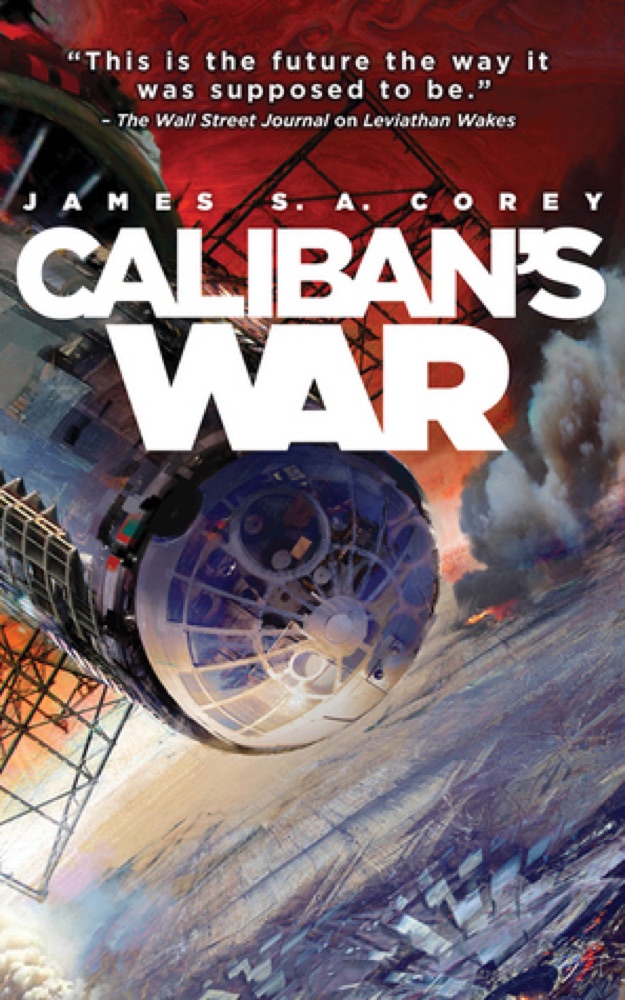 Caliban’s War
 Kon-Tiki
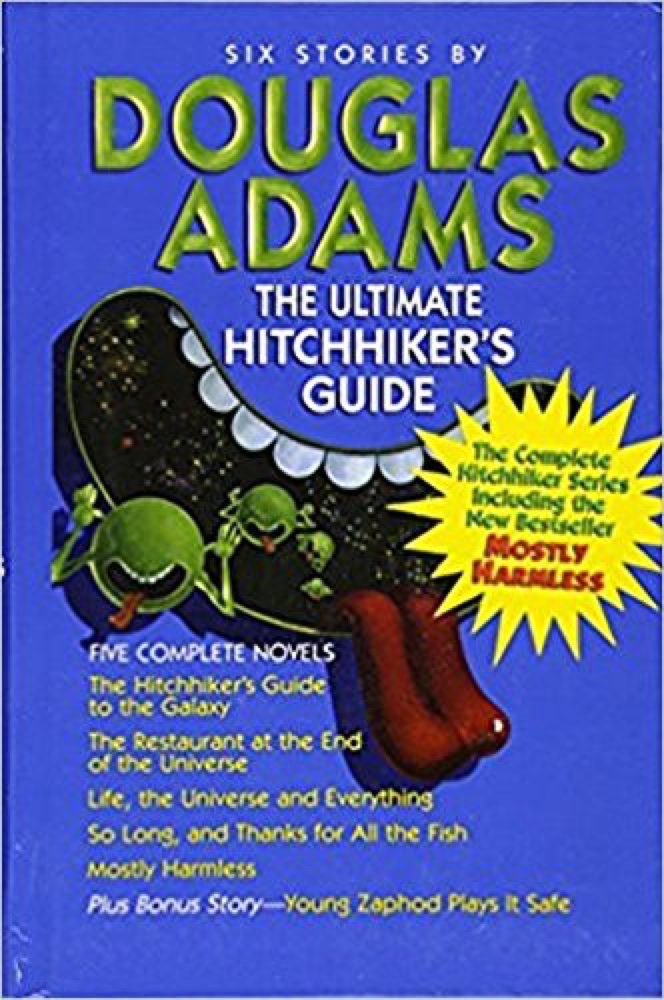 The Ultimate Hitchhiker's Guide
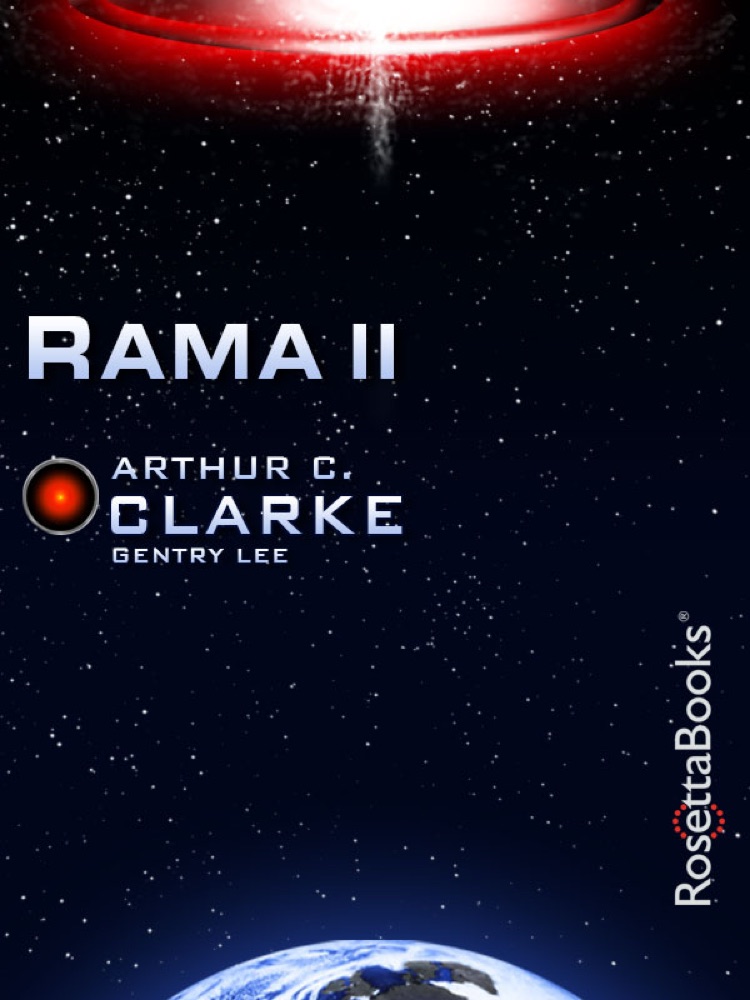 Rama II
 Ripple
 Heaven's River
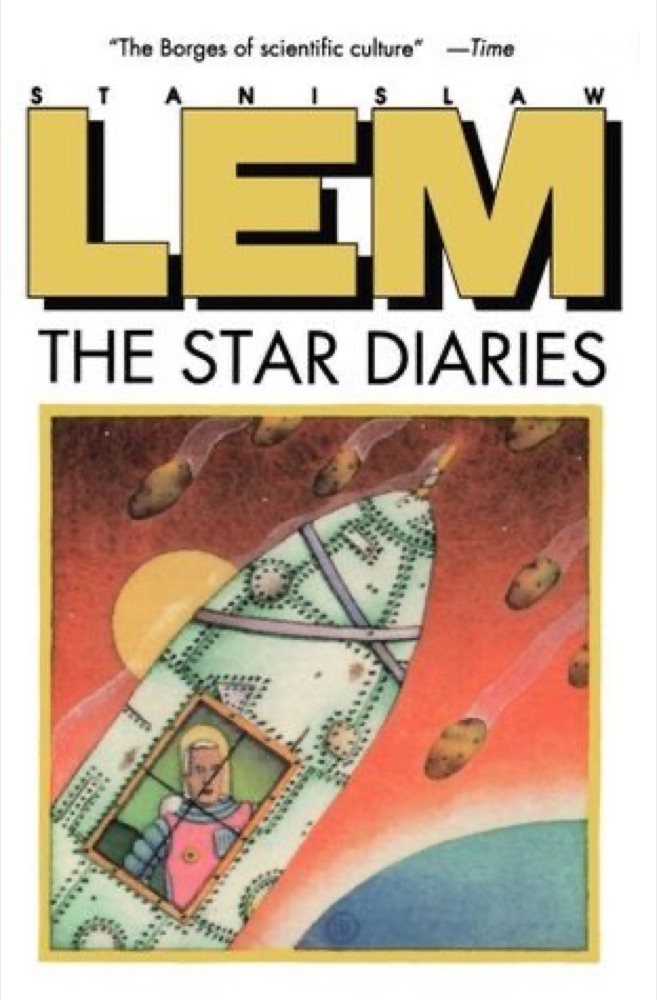 The Star Diaries
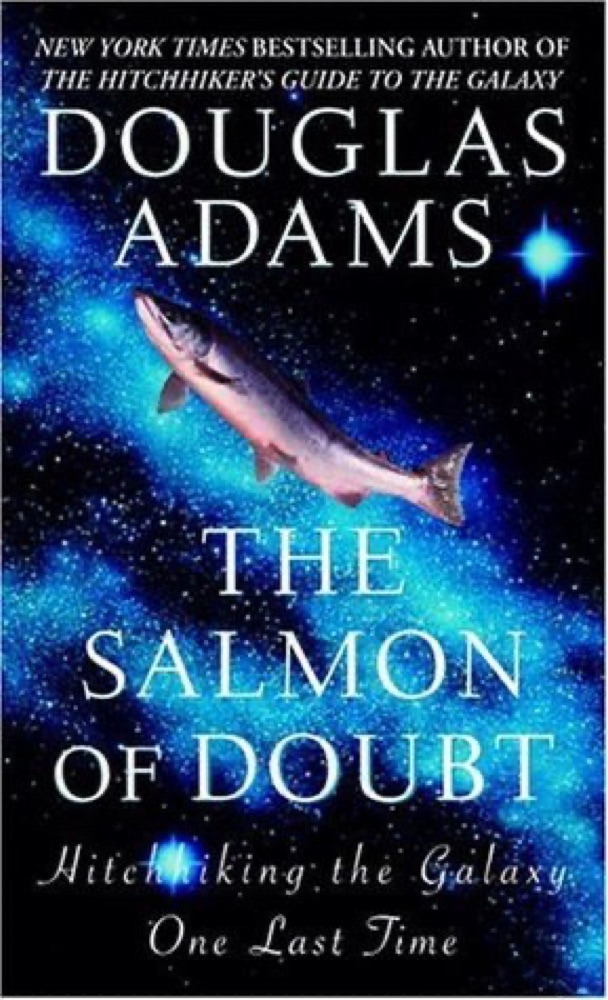 The Salmon of Doubt
 Armada
 Moon Palace
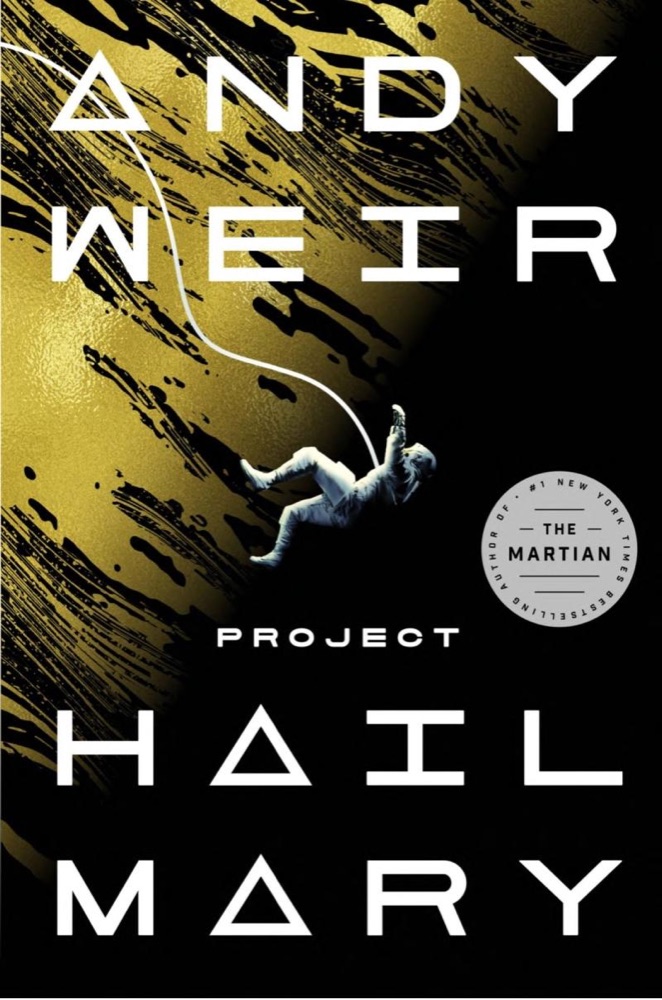 Project Hail Mary
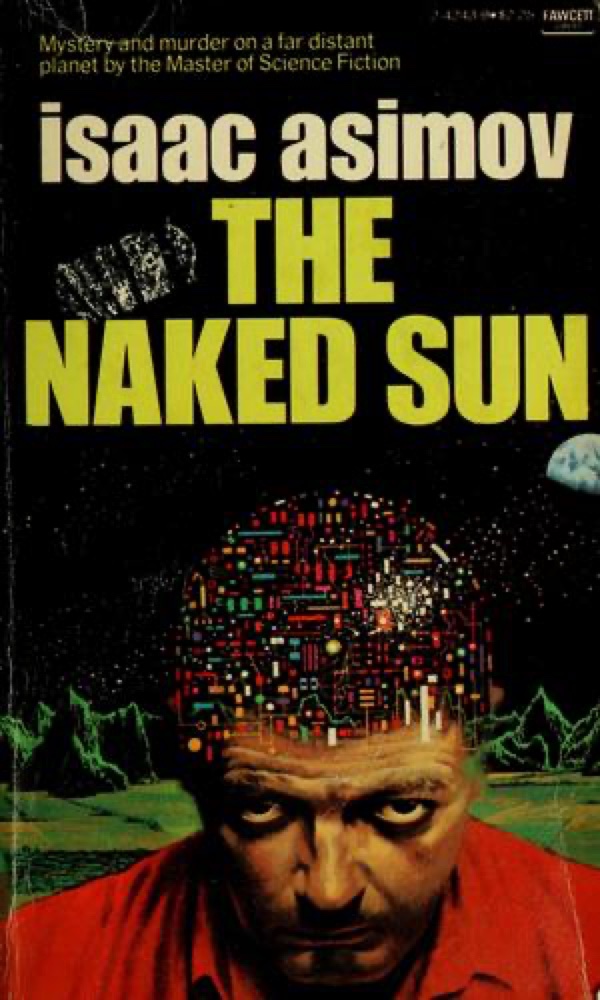 The Naked Sun
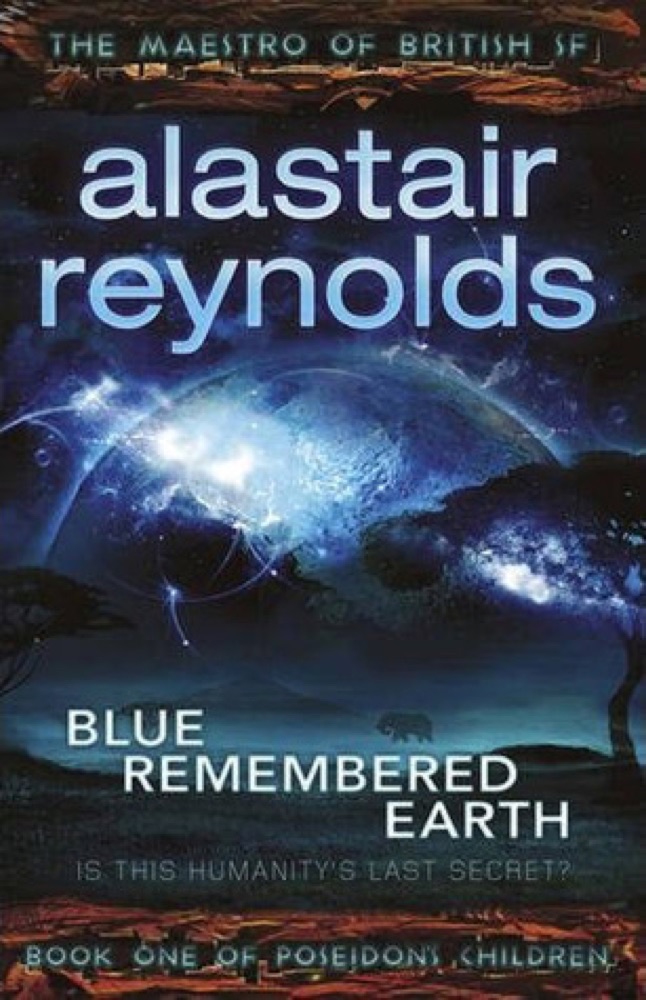 Blue Remembered Earth
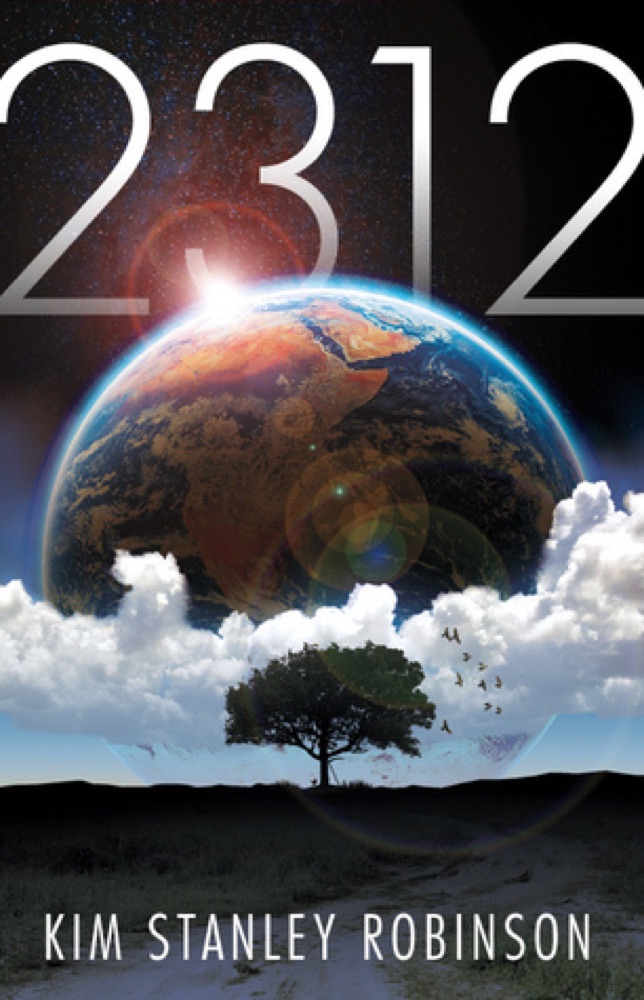 2312
2312
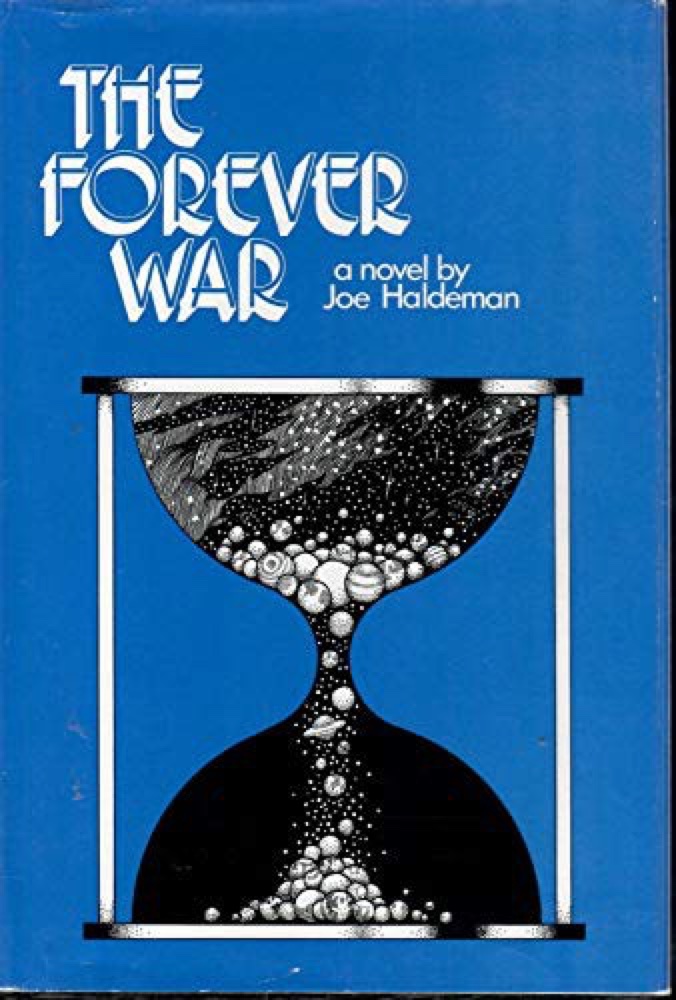 The Forever War
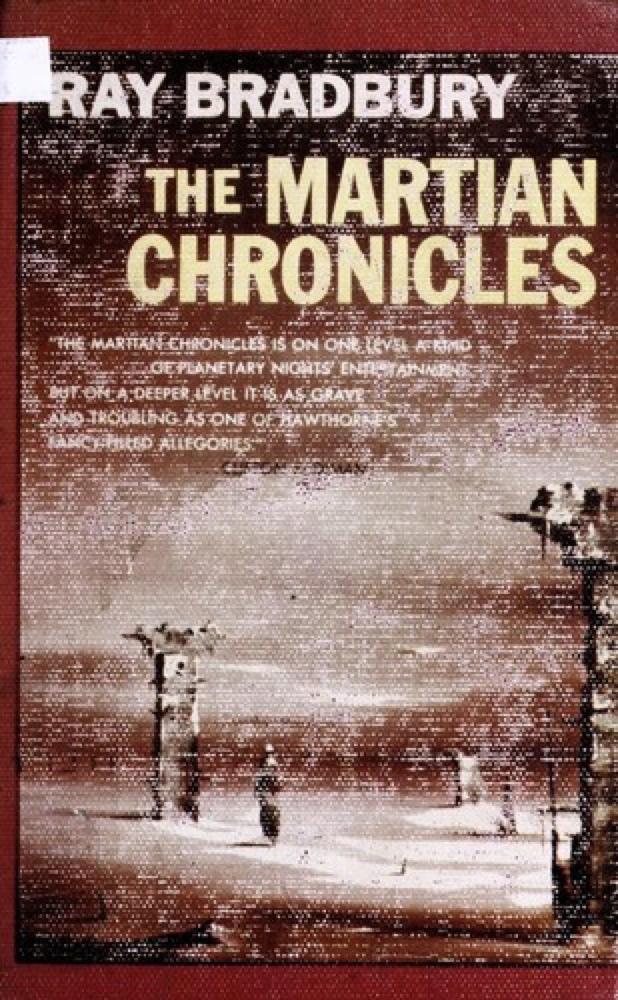 The Martian Chronicles
 Saturn's Children
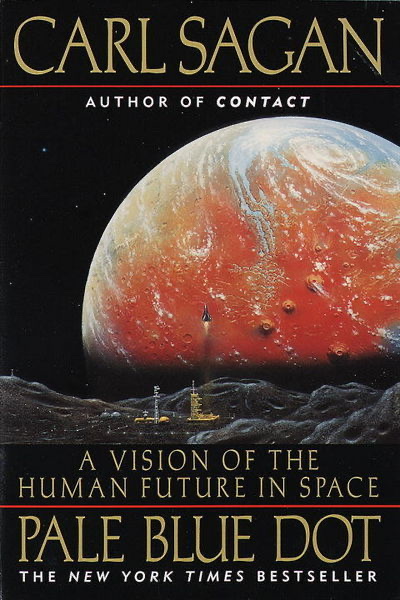 Pale Blue Dot: A Vision of the Human Future in Space
 Beacon 23
 The Second Ship
 The Number of the Beast
 The Dreadful Lemon Sky
 Death's End
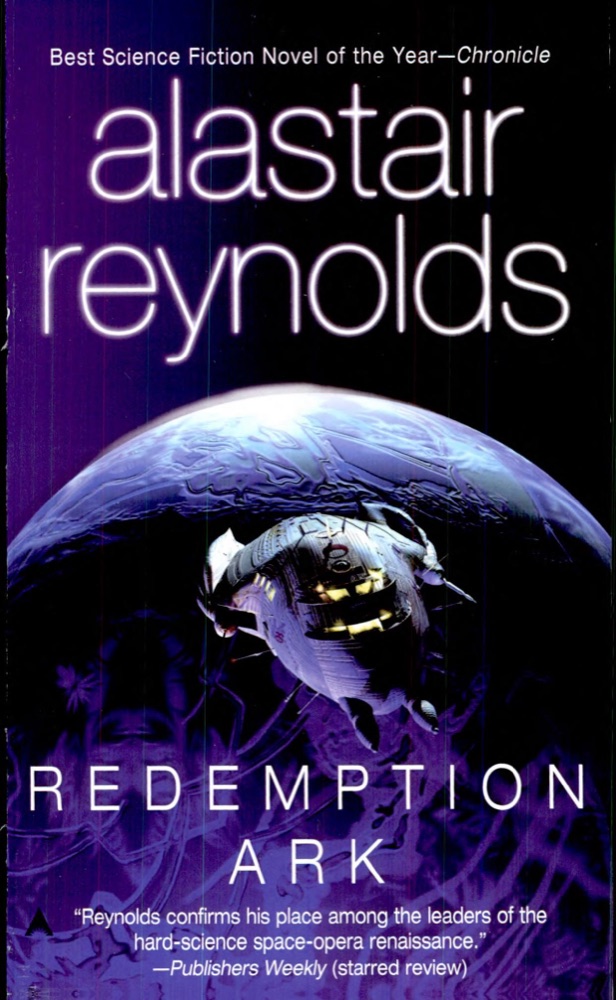 Redemption Ark
 Spaceman of Bohemia
 West with the Night
 Ancestral Night
 Solaris
 The Star Rover
 Delta-v
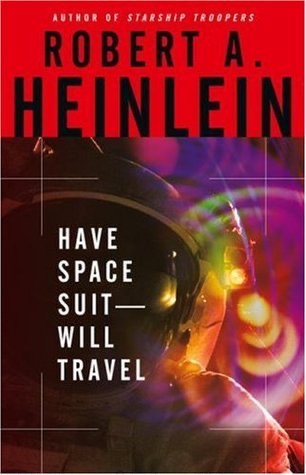 Have Space Suit—Will Travel
 What If?: Serious Scientific Answers to Absurd Hypothetical Questions
 Journey to the Center of the Earth
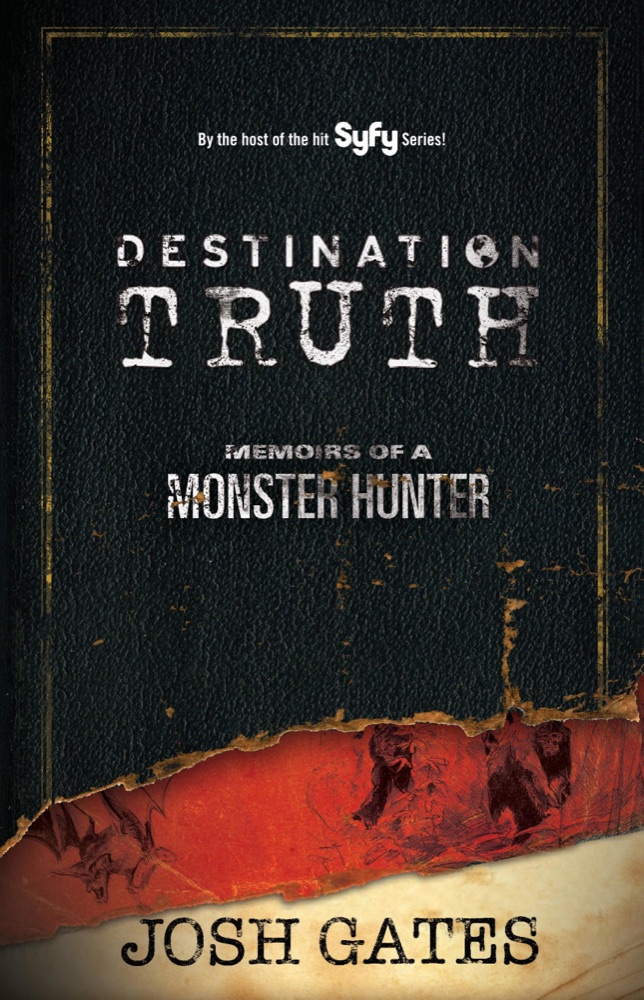 Destination Truth: Memoirs of a Monster Hunter
 The Darkness Outside Us
 Bewilderment
 NGLND XPX
 Flight Behavior
 The Worst Journey in the World
 The Time Machine