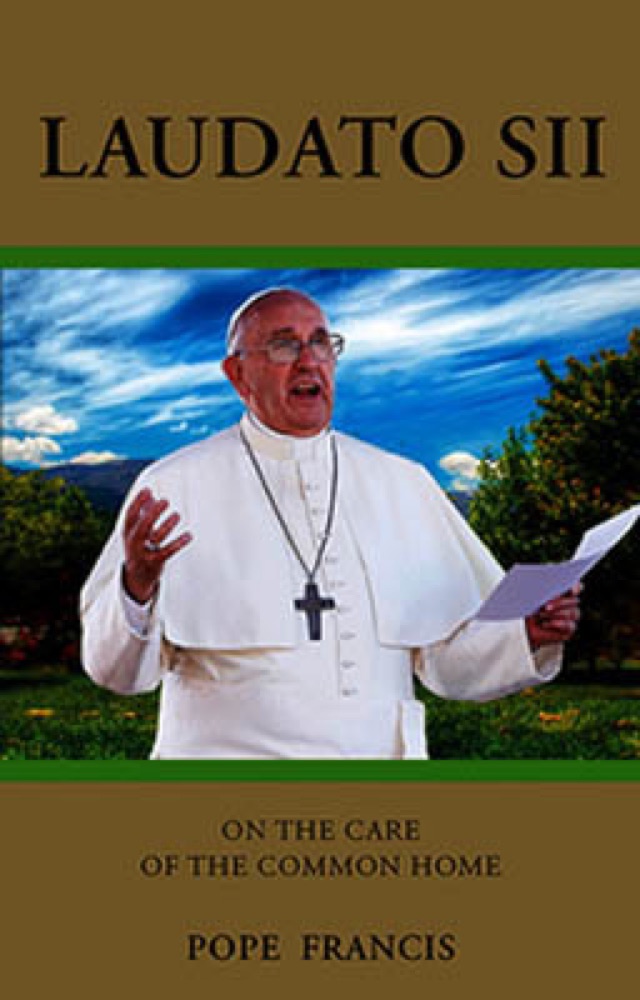
 Laudato Si': On the Care of Our Common Home
Quotes from the Book
The most important thing in the life of every man and every woman is not that they should never fall along the way. The important thing is always to get back up, not to stay on the ground licking your wounds.
20
The Church does not exist to condemn people but to bring about an encounter with the visceral love of God’s mercy.
11
The fragility of our era is this, too: we don’t believe that there is a chance for redemption; for a hand to raise you up; for an embrace to save you, forgive you, pick you up, flood you with infinite, patient, indulgent love; to put you back on your feet. We need mercy.
11
By welcoming a marginalized person whose body is wounded and by welcoming the sinner whose soul is wounded, we put our credibility as Christians on the line. Let us always remember the words of Saint John of the Cross: “In the evening of life, we will be judged on love alone.
11
DON Luigi Giussani used to quote this example from Bruce Marshall’s novel To Every Man a Penny. The protagonist of the novel, the abbot Father Gaston, needs to hear the confession of a young German soldier whom the French partisans are about to sentence to death. The soldier confesses his love of women and the numerous amorous adventures he has had. The young priest explains that he has to repent to obtain forgiveness and absolution. The soldier answers, “How can I repent? It was something that I enjoyed, and if I had the chance I would do it again, even now. How can I repent?” Father Gaston, who wants to absolve the man who has been marked by destiny and who’s about to die, has a stroke of inspiration and asks, “But are you sorry that you are not sorry?” The young man answers impulsively, “Yes, I am sorry that I am not sorry.” In other words, he apologizes for not repenting. The door was opened just a crack, allowing absolution to come in….
11
The Church Fathers teach us that a shattered heart is the most pleasing gift to God. It is the sign that we are conscious of our sins, of the evil we have done, of our wretchedness, and of our need for forgiveness and mercy.
9
The corrupt man is the one who sins but does not repent, who sins and pretends to be Christian, and it is this double life that is scandalous. The corrupt man does not know humility, he does not consider himself in need of help, he leads a double life.
9
People are looking for someone to listen to them. Someone willing to grant them time, to listen to their dramas and difficulties. This is what I call the “apostolate of the ear,” and it is important. Very important. I feel compelled to say to confessors: talk, listen with patience, and above all tell people that God loves them.
8
Justice on its own is not enough. With mercy and forgiveness, God goes beyond justice, he subsumes it and exceeds it in a higher event in which we experience love, which is at the root of true justice.
6
There are no situations we cannot get out of, we are not condemned to sink into quicksand, in which the more we move the deeper we sink. Jesus is there, his hand extended, ready to reach out to us and pull us out of the mud, out of sin, out of the abyss of evil into which we have fallen. We need only be conscious of our state, be honest with ourselves, and not lick our wounds. We need to ask for the grace to recognize ourselves as sinners. The more we acknowledge that we are in need, the more shame and humility we feel, the sooner we will feel his embrace of grace. Jesus waits for us, he goes ahead of us, he extends his hand to us, he is patient with us. God is faithful. Mercy will always be greater than any sin, no one can put a limit on the love of the all-forgiving God. Just by looking at him, just by raising our eyes from our selves and our wounds, we leave an opening for the action of his grace. Jesus performs miracles with our sins, with what we are, with our nothingness, with our wretchedness.
6
Sin is more than a stain. Sin is a wound; it needs to be treated, healed. The place where my encounter with the mercy of Jesus takes place is my sin.
5
When Man ceases to worship God he does not worship nothing but worships everything.
5
Do not fall into the terrible trap of thinking that life depends on money and that, in comparison with money, anything else is devoid of value or dignity. This is nothing but an illusion! We cannot take money with us into the life beyond. Money does not bring us happiness.
5
G. K. Chesterton: “When Man ceases to worship God he does not worship nothing but worships everything.
5
God awaits us with open arms; we need only to take a step toward him like the Prodigal Son. But if, weak as we are, we don't have the strength to take that step, just the desire to take it is enough.
3
But sin is more than a stain. Sin is a wound; it needs to be treated, healed. This
2
Go to Jesus: he likes to hear about these things. He forgets, he has a special knack for forgetting. He forgets, he kisses you, he embraces you, and he says: ‘Neither do I condemn you. Go, [and] from now on do not sin any more.’ That is the only advice he gives. If things haven’t changed in a month…we go back to the Lord. The Lord never tires of forgiving: never! It is we who tire of asking him for forgiveness. We need to ask for the grace not to get tired of asking for forgiveness, because he never gets tired of forgiving.
2
God forgives not with a decree but with a caress. Jesus too goes beyond the law and forgives by caressing the wounds of our sins.
2
We need to remember and remind ourselves where we come from, what we are, our nothingness.
2
Mercy will always be greater than any sin, no one can put a limit on the love of the all-forgiving God. Just by looking at him, just raising our eyes from ourselves and our wounds, we leave an opening for the action of his grace. Jesus performs miracles with our sins, with what we are, with our nothingness, with our wretchedness.
2
God is a careful and attentive father, ready to welcome any person who takes a step or even expresses the desire to take a step that leads home. He is there, staring out at the horizon, expecting us, waiting for us. No human sin -- however serious -- can prevail over or limit mercy.
2
MAY I ask you about your experiences as confessor to homosexual people? During the press conference on your return flight from Rio de Janeiro you famously remarked, “Who am I to judge?” On that occasion I said this: If a person is gay and seeks out the Lord and is willing, who am I to judge that person? I was paraphrasing by heart the Catechism of the Catholic Church where it says that these people should be treated with delicacy and not be marginalized. I am glad that we are talking about “homosexual people” because before all else comes the individual person, in his wholeness and dignity. And people should not be defined only by their sexual tendencies: let us not forget that God loves all his creatures and we are destined to receive his infinite love. I prefer that homosexuals come to confession, that they stay close to the Lord, and that we pray all together. You can advise them to pray, show goodwill, show them the way, and accompany them along it.
1
WHAT do you need in order to obtain mercy? Is it necessary to have a certain predisposition? The first thing that comes to mind is the phrase “I can’t take it anymore!” You
1
turned toward her and called her abuela, grandmother, as we do in Argentina. “Abuela, do you want to confess?” “Yes,” she replied. And since I was ready to leave, I said: “But if you have no sins…” Her answer was swift and immediate: “We all have sins.” “But maybe the Lord can’t forgive them,” I said. “The Lord forgives everything.” “How do you know?” “If the Lord didn’t forgive everything, our world would not exist.
1
someone doesn’t want to carry the cross, I don’t know what she’s still doing in the convent.
1
sin la misericordia, sin el perdón de Dios, el mundo no existiría, no podría existir.
1
Watch on YouTube
About Pope Francis
We have collected 80 quotes from 3 books by Pope Francis on BookQuoters.
More about the author →More by Pope Francis
Laudato Si': On the Care of Our Common Home
 Let Us Dream: The Path to a Better Future
About the book
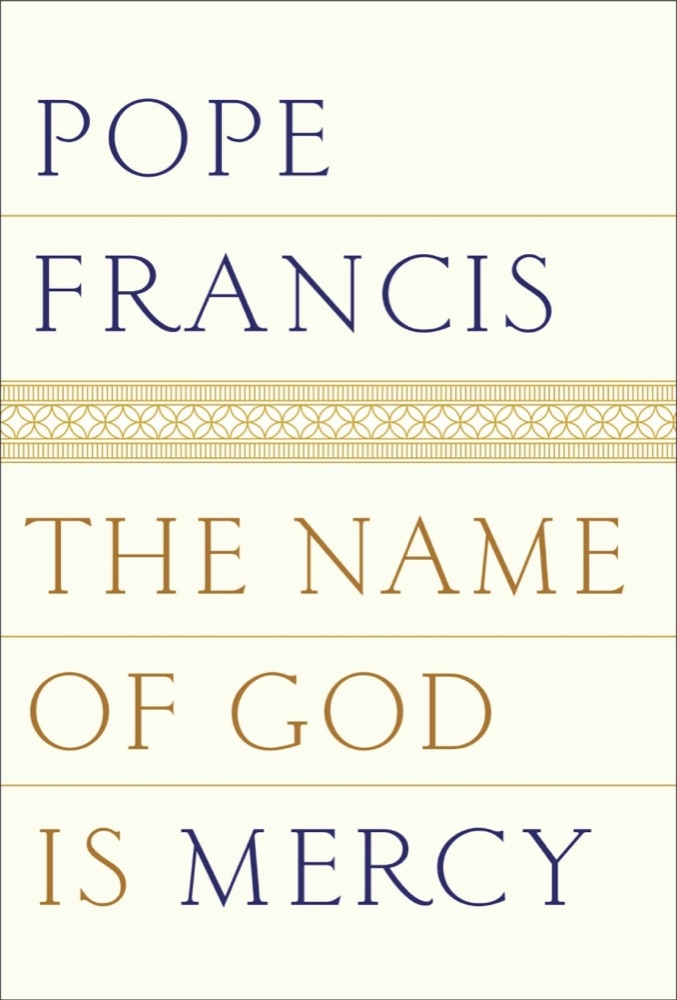
In his first book published as Pope, and in conjunction with the Extraordinary Jubilee of Mercy, Pope Francis here invites all humanity to an intimate and personal dialogue on the subject closest to his heart—mercy—which has long been the cornerstone of his faith and is now the central teaching of his papacy. In this conversation with Vatican reporter Andrea Tornielli, Francis explains—through memories from his youth and moving anecdotes from his experiences as a pastor—why “mercy is the first attribute of God.” God “does not want anyone to be lost. His mercy is infinitely greater than our sins,” he writes. As well, the Church cannot close the door on anyone, Francis asserts—on the contrary, its duty is to go out into the world to find its way into the consciousness of people so that they can assume responsibility for, and move away from, the bad things they have done. The first Jesuit a
Book details
- First published
- 2015
- Author
- Pope Francis
- Genre
- Nonfiction
- Goodreads rating
- 4.19 (6k ratings)
Keep reading
 Gentle and Lowly: The Heart of Christ for Sinners and Sufferers
 The Cross of Christ
 He Chose the Nails: What God Did to Win Your Heart
 In His Image: 10 Ways God Calls Us to Reflect His Character
 Just Like Jesus: Learning to Have a Heart Like His
 Pastrix: The Cranky, Beautiful Faith of a Sinner & Saint
 My Utmost for His Highest
 The Holiness of God
 The Attributes of God: A Journey Into the Father's Heart
 The Bruised Reed
 What's So Amazing About Grace?
 Tattoos on the Heart: The Power of Boundless Compassion
 All of Grace
 Discipline: The Glad Surrender
 Hope for the Troubled Heart: Finding God in the Midst of Pain
 Encounters with Jesus: Unexpected Answers to Life's Biggest Questions
 The Ragamuffin Gospel
 The Grand Weaver: How God Shapes Us through the Events in Our Lives
 40 Days of Decrease: A Different Kind of Hunger. A Different Kind of Fast.
 Prayer in the Night: For Those Who Work or Watch or Weep
 King's Cross: The Story of the World in the Life of Jesus
 The Case for Faith: A Journalist Investigates the Toughest Objections to Christianity
 The Doctrine of Repentance
 The Furious Longing of God
 Jesus Is: Find a New Way to Be Human
 Saint Francis
 Hallelujah Anyway: Rediscovering Mercy
 Moving Mountains: Praying with Passion, Confidence, and Authority
 Life Together: The Classic Exploration of Christian Community
 Instruments in the Redeemer's Hands: People in Need of Change Helping People in Need of Change
 Grace for the Moment: Inspirational Thoughts for Each Day of the Year, Volume 1
 Rediscover Catholicism
 Erasing Hell: What God Said About Eternity, and the Things We've Made Up
 Jesus Over Everything: Uncomplicating the Daily Struggle to Put Jesus First
 Because He Loves Me: How Christ Transforms Our Daily Life
 The Cost of Discipleship
 The Prodigal Prophet: Jonah and the Mystery of God's Mercy
 Life of Christ
 Seeking Allah, Finding Jesus: A Devout Muslim Encounters Christianity
 Absolute Surrender
 The Pursuit of God: The Human Thirst for the Divine
 The Divine Conspiracy: Rediscovering Our Hidden Life in God
 The Secret Thoughts of an Unlikely Convert: An English Professor's Journey Into Christian Faith
 Humility: True Greatness
 Praying Like Monks, Living Like Fools: An Invitation to the Wonder and Mystery of Prayer
 Abandonment to Divine Providence: The Classic Text with a Spiritual Commentary
 Studies in the Sermon on the Mount
 A Long Obedience in the Same Direction: Discipleship in an Instant Society
 The Normal Christian Life
 Having a Mary Heart in a Martha World: Finding Intimacy with God in the Busyness of Life
 The Orthodox Way
 Jesus of Nazareth: The Infancy Narratives
 Searching for God Knows What
 Anything: The Prayer That Unlocked My God and My Soul
 Waking the Dead: The Glory of a Heart Fully Alive
 The Pursuit of Holiness
 The Holy Longing: The Search for a Christian Spirituality
 Seeing and Savoring Jesus Christ
 A Little Book on the Christian Life
 Celebration of Discipline: The Path to Spiritual Growth