 Life Ceremony
Quotes from the Book
The normal world has no room for exceptions and always quietly eliminates foreign objects. Anyone who is lacking is disposed of. So that’s why I need to be cured. Unless I’m cured, normal people will expurgate me. Finally I understood why my family had tried so hard to fix me.
357
This society hasn't changed one bit. People who don't fit into the village are expelled: men who don't hunt, women who don't give birth to children. For all we talk about modern society and individualism, anyone who doesn't try to fit in can expect to be meddled with, coerced, and ultimately banished from the village.
277
She's far happier thinking her sister is normal, even if she has a lot of problems, than she is having an abnormal sister for whom everything is fine.
223
After all, I absorb the world around me, and that’s changing all the time. Just as all the water that was in my body last time we met has now been replaced with new water, the things that make up me have changed too.
178
When something was strange, everyone thought they had the right to come stomping in all over your life to figure out why. I found that arrogant and infuriating, not to mention a pain in the neck. Sometimes I even wanted to hit them with a shovel to shut them up, like I did that time in elementary school. But I recalled how upset my sister had been when I’d casually mentioned this to her before and kept my mouth shut.
148
So the manual for life already existed. It was just that it was already ingrained in everyone’s heads, and there wasn’t any need to put it in writing. The specific form of what is considered an “ordinary person” had been there all along, unchanged since prehistoric times I finally realized.
116
You eliminate the parts of your life that others find strange--maybe that's what everyone means when they say they want to 'cure" me.
109
People who are considered normal enjoy putting those who aren't on trial, you know.
92
Infecting each other like this is how we maintain ourselves as human is what I think.
79
Anyone who devotes their life to fighting society in order to be free must be pretty sincere about suffering.
76
I find the shape of people’s eyes particularly interesting when they’re being condescending. I see a wariness or a fear of being contradicted or sometimes a belligerent spark ready to jump on any attack.
58
My present self is formed almost completely of the people around me. I am currently made up of 30 percent Mrs. Izumi, 30 percent Sugawara, 20 percent the manager, and the rest absorbed from past colleagues such as Sasaki, who left six months ago, and Okasaki, who was our supervisor until a year ago. My speech is especially infected by everyone around me and is currently a mix of that of Mrs. Izumi and Sugawara. I think the same goes for most people. When some of Sugawara’s band members came into the store recently they all dressed and spoke just like her. After Mrs. Izumi came, Sasaki started sounding just like her when she said, “Good job, see you tomorrow!” Once a woman who had gotten on well with Mrs. Izumi at her previous store came to help out, and she dressed so much like Mrs. Izumi I almost mistook the two. And I probably infect others with the way I speak too. Infecting each other like this is how we maintain ourselves as human is what I think.
56
When you work in a convenience store, people often look down on you for working there. I find this fascinating, and I like to look them in the face when they do this to me. And as i do so I always think: that's what a human is.
51
The sensation that the world is slowly dying feels good.
45
Deep down I wanted some kind of change. Any change, whether good or bad, would be better than the state of impasse I was in now.
43
I wished I was back in the convenience store where I was valued as a working member of staff and things weren’t as complicated as this. Once we donned our uniforms, we were all equals regardless of gender, age, or nationality— all simply store workers.
42
The long-forgotten silence sounded like music I’d never heard before.
38
As long as you wear the skin of what’s considered an ordinary person and follow the manual, you won’t be driven out of the village or treated as a burden.
37
I am one of those cogs, going round and round. I have become a functioning part of the world, rotating in the time of day called morning.
35
Maybe people who thought they were being violated felt a bit better when they attacked other people in the same way.
33
I’d noticed soon after starting the job that whenever I got angry at the same things as everyone else, they all seemed happy. If I went along with the manager when he was annoyed or joined in the general irritation at someone skiving off the night shift, there was a strange sense of solidarity as everyone seemed pleased that I was angry too.
33
For breakfast I eat convenience store bread, for lunch I eat convenience store rice balls with something from the hot-food cabinet, and after work I’m often so tired I just buy something from the store and take it home for dinner. I drink about half the bottle of water while I’m at work, then put it in my ecobag and take it home with me to finish at night. When I think that my body is entirely made up of food from this store, I feel like I’m as much a part of the store as the magazine racks or the coffee machine.
33
As far as I was concerned, though, keeping my mouth shut was the most sensible approach to getting by in life.
30
Up until now he’d been ranting about people meddling in his life, yet here he was attacking me with the same kinds of reproaches that were making him suffer. His argument was falling apart I thought. Maybe people who thought they were being violated felt a bit better when they attacked other people in the same way.
27
When I can’t sleep, I think about the transparent glass box that is still stirring with life even in the darkness of night. That pristine aquarium is still operating like clockwork. As I visualize the scene, the sounds of the store reverberate in my eardrums and lull me to sleep.
19
So that was it: now that she thinks he’s “one of us” she can lecture him. She’s far happier thinking her sister is normal, even if she has a lot of problems, than she is having an abnormal sister for whom everything is fine. For her, normality—however messy—is far more comprehensible.
18
Did you know?
- The original Japanese title is コンビニ人間 (Konbini Ningen), literally "Convenience Store Human."
- Author Sayaka Murata worked part-time in a real convenience store while writing the book.
- It won the 155th Akutagawa Prize, one of Japan's most prestigious literary awards, in 2016.
- The novel sold more than 1.5 million copies in Japan.
- Ginny Tapley Takemori translated the English edition, published in 2018.
- The book has been translated into more than thirty languages.
About Sayaka Murata
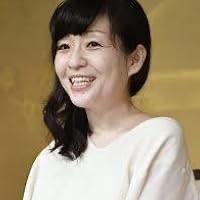
Sayaka Murata is a Japanese writer born in 1979 who worked part-time in a convenience store while writing, drawing on that experience for this novel. "Convenience Store Woman," winner of the Akutagawa Prize, was her first work translated into English.
More about the author →More by Sayaka Murata
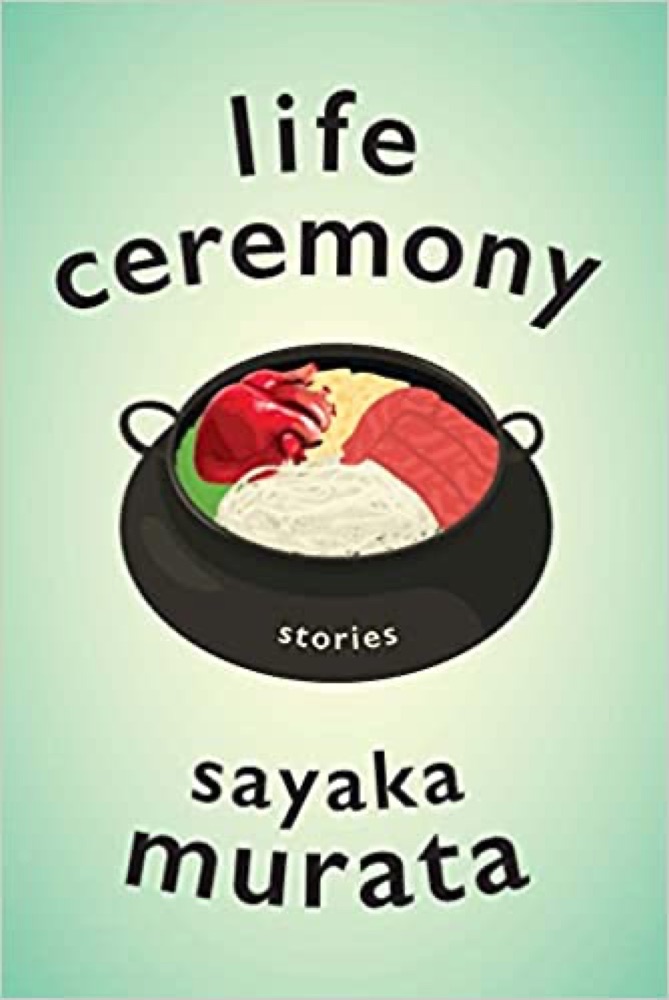
Life Ceremony
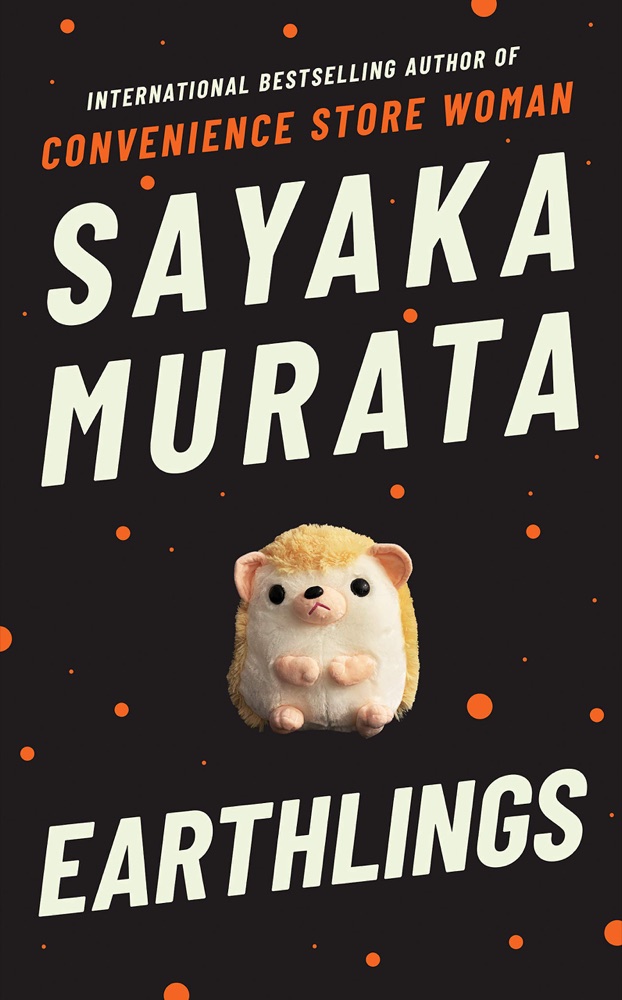 Earthlings
About the book
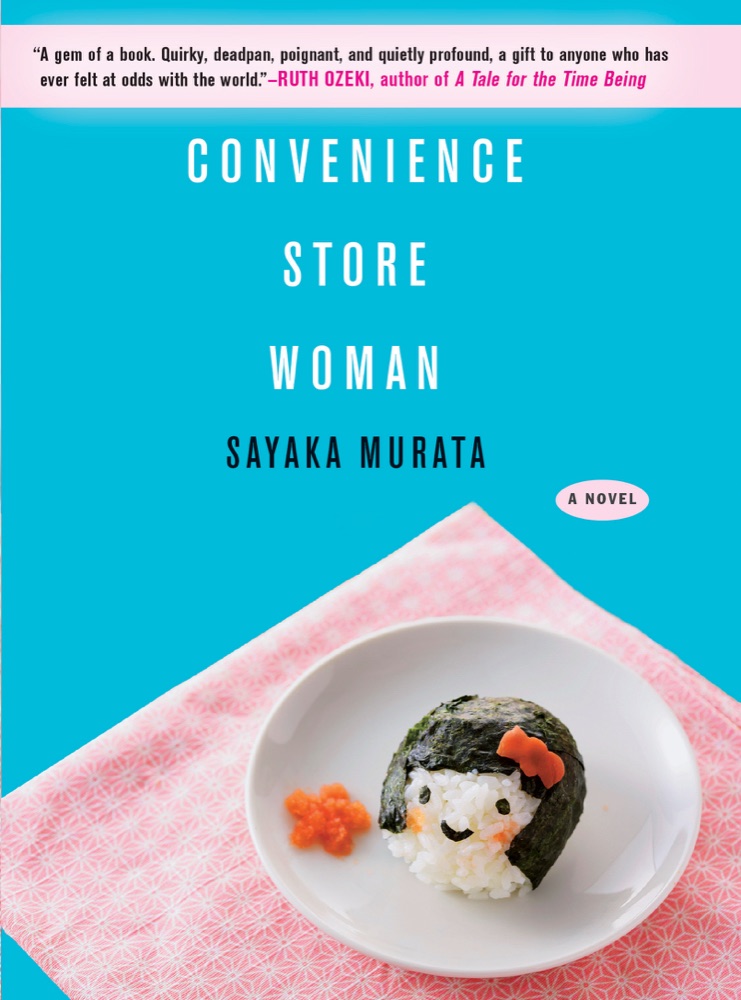
"Convenience Store Woman" follows Keiko Furukura, a single woman in her mid-thirties who has worked part-time at the same Tokyo convenience store for eighteen years. Having always felt out of step with the people around her, Keiko finds reassurance in the store's strict routines and scripted interactions, which tell her exactly how to behave. As family and acquaintances pressure her to marry and pursue a "real" career, she enters a strange arrangement with an embittered former coworker named Shiraha to give the appearance of a conventional life.
At its heart the novel examines social conformity and the narrow definitions of a "normal" life, particularly the expectations placed on women around marriage, work, and motherhood. Through Keiko's flat, literal narration, Murata turns an ordinary retail job into a lens on belonging, performance, and the quiet violence of being treated as a problem to be fixed. The convenience store itself becomes both a refuge and a symbol of how thoroughly modern life can be standardized.
Originally published in Japan in 2016, the novel won the prestigious Akutagawa Prize and sold well over a million copies, becoming a cultural phenomenon. Ginny Tapley Takemori's 2018 English translation brought Murata wide international attention, and the book was widely praised for its deadpan humor and unsettling strangeness. It has since been translated into dozens of languages and is frequently cited as a standout of contemporary Japanese fiction.
Key characters
- Keiko FurukuraThe narrator, a 36-year-old woman who has worked at the same convenience store for eighteen years
- ShirahaA cynical, resentful new hire who becomes part of Keiko's marriage-of-convenience scheme
- MamiKeiko's married sister, who worries about Keiko fitting into normal society
Book details
- First published
- 2016
- Length
- 160 pages
- Reading time
- 2 hours
- Author
- Sayaka Murata
- Genre
- Fiction
- Goodreads rating
- 3.67 (398k ratings)
- First line
- “A convenience store is a world of sound.”
Critical reception
- Won the Akutagawa Prize in 2016 and sold over 1.5 million copies in Japan.
- Widely praised by critics for its deadpan comedy and unsettling strangeness.
- Translated into more than thirty languages, establishing Murata's international reputation.
Movie & TV adaptations
- IMDb
If you liked this, read…
- 1EarthlingsAlso by Sayaka Murata, exploring alienation and rejection of social norms in a darker register
- 2The VegetarianHan Kang's unsettling novel about a woman who refuses society's expectations of her
Keep reading
Life Ceremony
 The Folded Clock: A Diary
 Terminal Boredom: Stories
 Humans of New York
 In the Miso Soup
Earthlings
In the Miso Soup
Earthlings
 Conversations with Friends
 An Absolutely Remarkable Thing
 Breasts and Eggs
 Almond
 Eleanor Oliphant Is Completely Fine
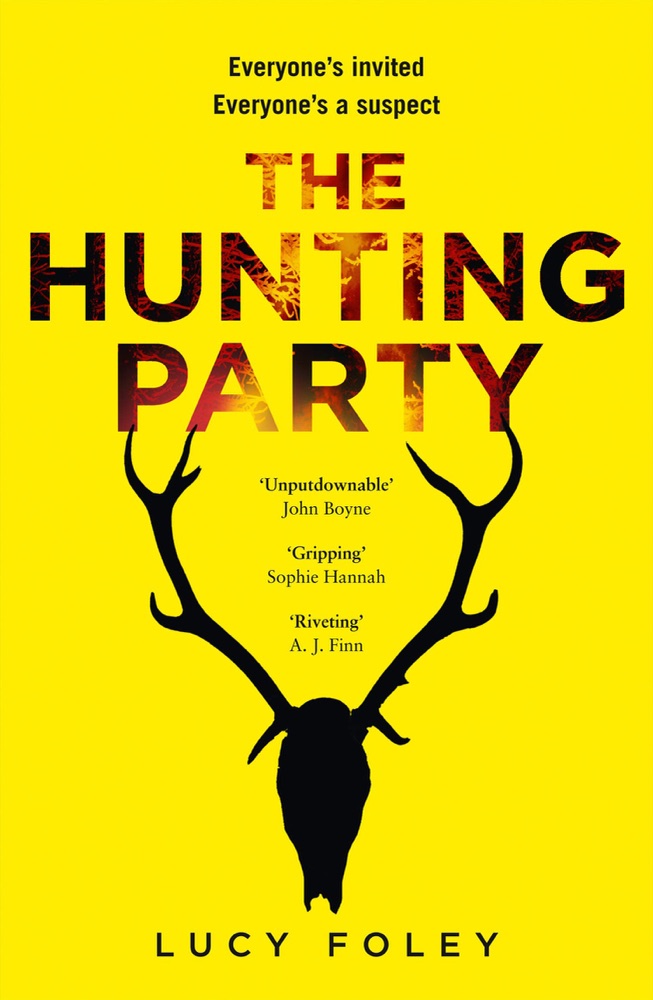 The Hunting Party
 Joan Is Okay
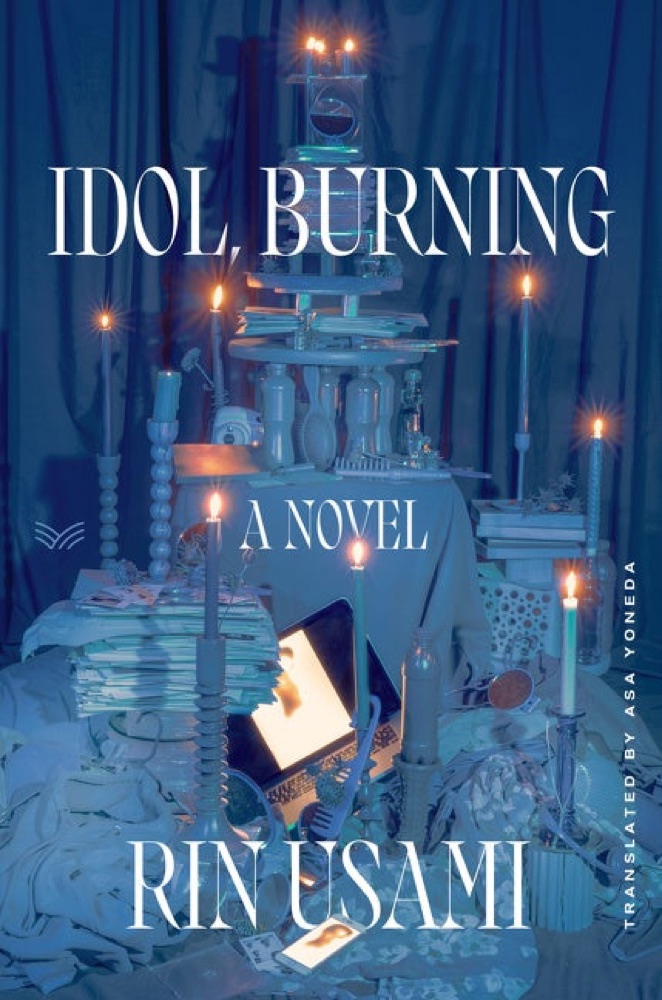 Idol, Burning
 Agatha Christie: An Autobiography
 Wishful Drinking
 The Spirit Bares Its Teeth
 The Collected Stories of Lydia Davis
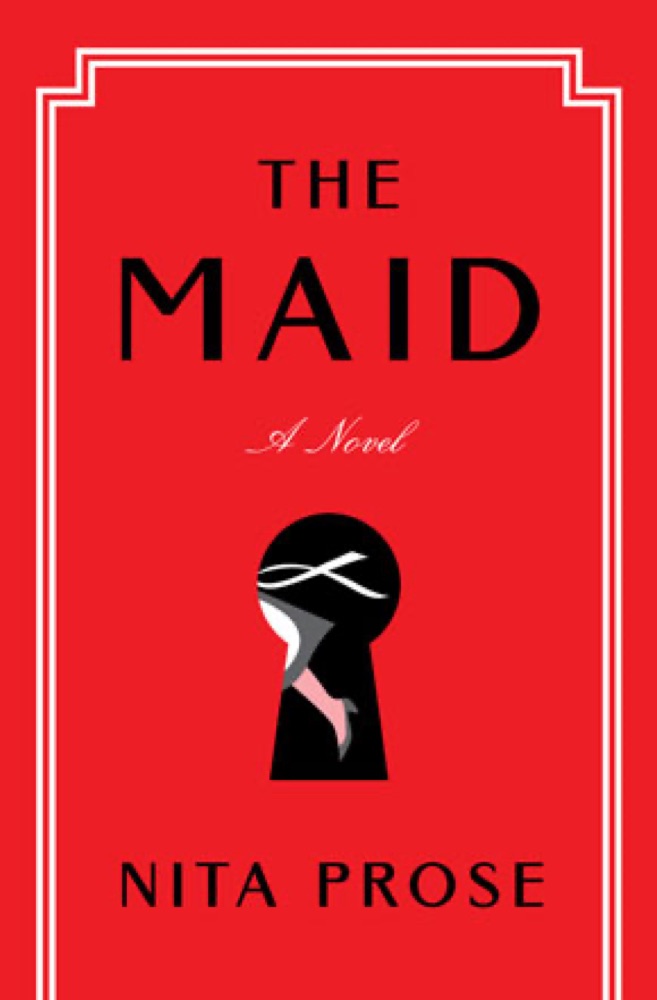 The Maid
 Delicacy
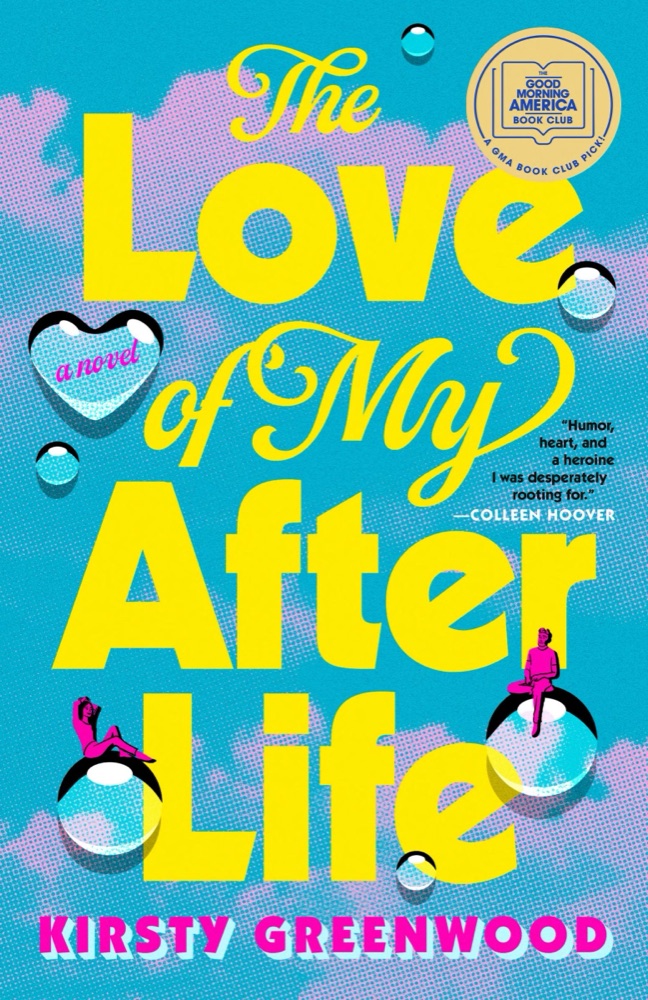 The Love of My Afterlife
 It's Not Like It's a Secret
 Cackle
 Six Earlier Days
 Sweet Bean Paste
 Life Will Be the Death of Me: . . . and you too!
 Just Ignore Him
 Love from A to Z
 My Booky Wook
 Second Helpings
 Still Life
 Belong to Me
 Heart Berries
 In The Blood
 The Harder I Fight the More I Love You: A Memoir
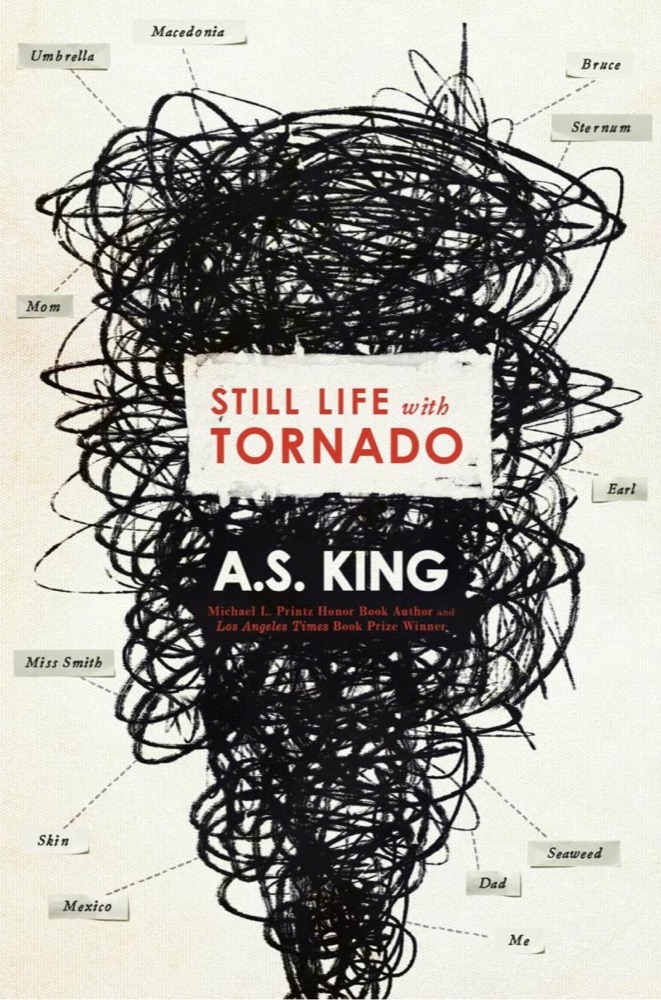 Still Life with Tornado
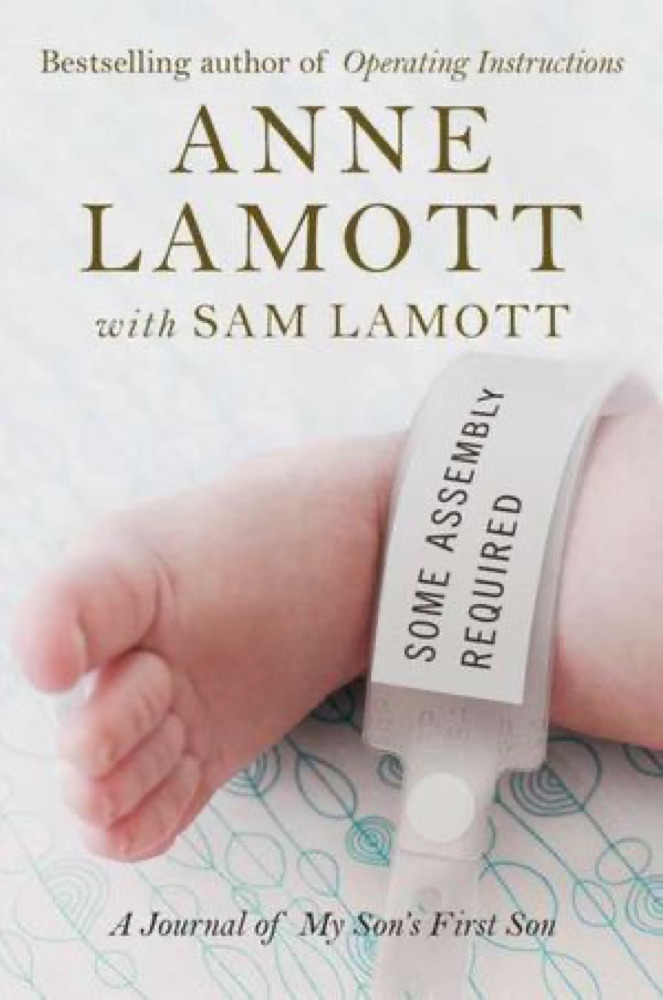 Some Assembly Required: A Journal of My Son's First Son
 Yolk
Yolk
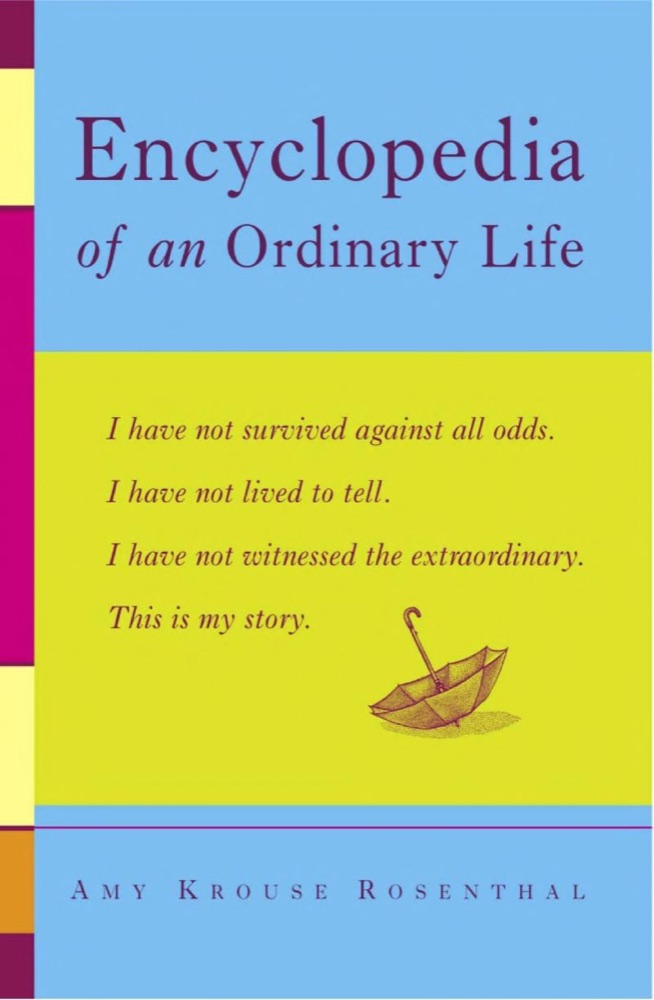 Encyclopedia of an Ordinary Life
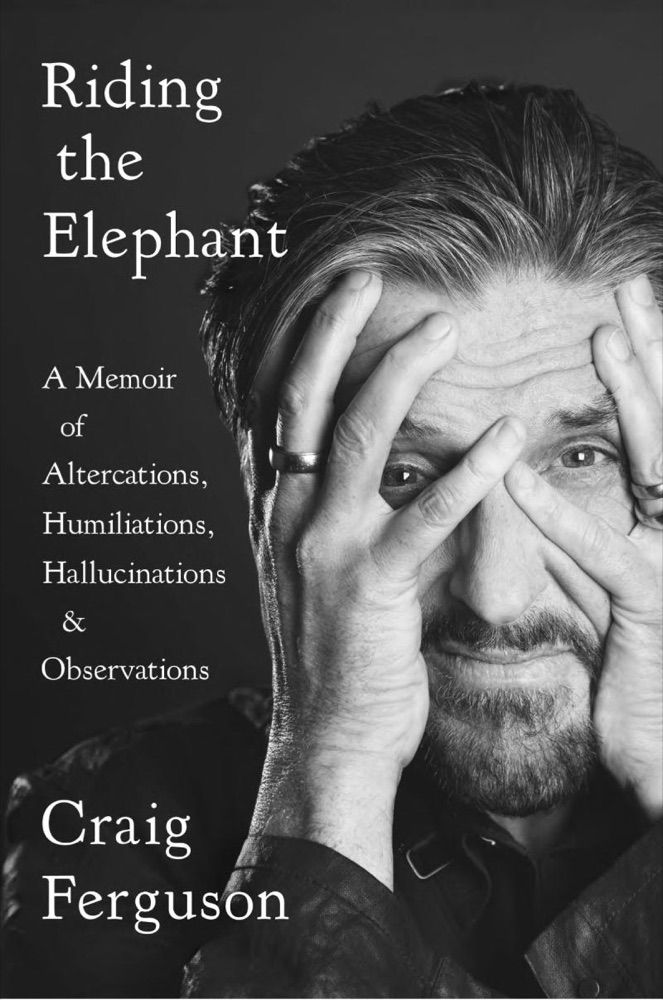 Riding the Elephant: A Memoir of Altercations, Humiliations, Hallucinations, and Observations
 Orphan Train
 Every Exquisite Thing
 The Fortunes of Indigo Skye
 Worm
Worm
 The Girl in 6E
 Apathy and Other Small Victories
 Diary of a Void
 Look Me in the Eye
 Speedboat
 A Fraction of the Whole
 You Too Can Have a Body Like Mine
 Open City
 Engleby
 Cassandra in Reverse
 Shampoo Planet
 The Likeness
 A Room Called Earth
 One's Company
 The Lake
 Underground: The Tokyo Gas Attack and the Japanese Psyche