
 Dubliners
Quotes from the Book
It’s harder to come back than it is to arrive.
18
He finished his drink. 'I don’t like mornings either,' he said. “That’s why I’m a writer.
12
Once he’d had happiness but for so brief a time; happiness was made of quicksilver, it ran out of your hand like quicksilver. There was the heat of tears suddenly in his eyes and he shook his head angrily. He would not think about it, he would never think of that again. It was long ago in an ancient past. To hell with happiness. More important was excitement and power and the hot stir of lust. Those made you forget. They made happiness a pink marshmallow.
12
There were always eyes. A little tailor on his way home from a movie. A waitress in a drive-in. A butcher-boy on a bicycle. A room clerk with a wet pointed nose. A detective’s wife who was alert, too alert. Whose eyes saw too much. There were always eyes but they didn’t see. He had proved it.
4
He scraped through the dark sand to the center house, two stories, both pouring bands of light into the fog. There was warmth and gaiety within, through the downstairs window he could see young people gathered around a piano, their singing mocking the forces abroad on this cruel night. She was there, proptected by happiness and song and the good. He was separated from her only by a sand yard and a dark fence, by a lighted window and by her protectors. He stood there until he was trembling with pity and rage. Then he fled, but his flight was slow as the flight in a dream, impeded by the deep sand and the blurring hands of the fog. He fled from the goodness of that home, and his hatred for Laurel throttled his brain. If she had come back to him, he would not be shut out, an outcast in a strange, cold world.
4
He didn’t consciously bring Brub to memory. It was one of those minnows of thought, darting through the unruffled pond of his thinking.
3
They were one unto the other, a circle whirling evenly, effortlessly, endlessly. He knew beauty and the intensity of a dream and he was meshed in a womb he called happiness. He did not think: This must come to an end in time. A circle had no beginning or end; it existed. He did not allow thought to enter the hours that he waited for her, laved in memory of her presence. He seldom left the apartment in those days. In the outside world there was time; in time, there was impatience. Better to remain within the dream.
3
He’d always, all of his life, loved the sound of breaking water. Nothing that had happened had changed that. The crawling of water over sand, the hush of a word no … no … no … not even that had changed his love of the power of the sea.
2
He drove until emotional exhaustion left him empty as a gourd. Until no tears, no rage, no pity had meaning for him.
2
He wanted to know about her. But he couldn’t ask questions, not open questions. She was like him; she’d lie.
2
At eight the bar was emptied of all but those whose goal was alcoholism
2
His mouth was sharp with questions, they were like tacks pricking his tongue.
1
The criminal doesn’t escape.’ Dix smiled wryly. Brub said, ‘I won’t say that. Although I honestly don’t think he ever does escape. He has to live with himself. He’s caught there in that lonely place.
1
He walked on, quiet as the fog.
1
He waited for her to say more but only silence roiled about them.
1
She gave him a woman smile. Not for him, for Laurel because she scorned Laurel.
1
Again in the dark, sea-scented night, he was filled with power and excitement and rhythm.
1
She knew he was watching her and she didn’t care. She expected it.
1
It was good standing there on the promontory overlooking the evening sea, the fog lifting itself like gauzy veils to touch his face. There was something in it akin to flying; the sense of being lifted high above crawling earth, of being a part of the wildness of air.
1
Her name was Mildred Atkinson and she had led a very stupid life. Grade school, high school—Hollywood High but she was no beauty queen—business college and a job in an insurance office. She was twenty-six years old and she was a good girl, her parents sobbed. She played bridge with girl friends and she once taught a Sunday-school class. She didn’t have any particular gentleman friend, she went out with several. Not often, you could bet. The only exciting thing that had ever happened to her was to be raped and murdered. Even then she’d only been subbing for someone else.
1
He saw her as he would always see her, a slender girl in a simple beige dress, curled in a large wing chair by the white fireplace. The chair was a gaudy piece patterned in greens and purples, like tropical flowers, with a scrawl of cerise breaking the pattern. Her hair was the color of palest gold, a silvery gold, and she wore it pulled away from her face into a curl at the back of her neck. She had a fine face, nothing pretty-pretty about it, a strong face with high cheek bones and a straight nose. Her eyes were beautiful, sea blue, slanted like wings; and her mouth was a beautiful curve. Yet she wasn’t beautiful; you wouldn’t look at her in a room of pretty women, in a bar or night spot. You wouldn’t notice her; she’d be too quiet; she was a lady and she wouldn’t want to be noticed.
1
He brushed aside their urging the way you brushed away smoke; knowing it would recur but you could again brush it away.
It was close to two; he’d have to hump it to get out before the ugly beldame of the brooms showed up.
There was nothing unusual on the front page. The ways of civilization
Brub said, “I won’t say that. Although I honestly don’t think he ever does escape. He has to live with himself. He’s caught there in that lonely place.
Please, darling.” Sylvia dumped ash trays with zeal. “Why people are so damn morbid,” she returned to the subject with emphasis. She’d set up a hearty defense mechanism to battle her fears. Dix remonstrated. “I don’t know that it’s exactly morbidity. Isn’t it rather self-importance?
It’s in a lonesome place you do have to be talking with someone, and looking for someone, in the evening of the day.” —J. M. SYNGE
Laurel couldn’t disappoint him. He’d known what she was the first time he’d looked at her. Known he couldn’t trust her, known she was a bitchy dame, cruel as her eyes and her taloned nails. Cruel as her cat body and her sullen tongue. Known he couldn’t hurt her and she couldn’t hurt him. Because neither of them gave a damn about anyone or anything except their own skins.
When he saw Sylvia studying his anger, he smiled at her. The smile was hard to come, it pained when it cracked the hard mould of his face. He said, ‘As a matter of fact, I’m delighted you dropped in, Sylvia.
Terriss had boasted of his decorating taste. It wasn’t personal taste, it was money; with Terriss’ money you were steered to taste. You couldn’t go wrong.
Watch on YouTube
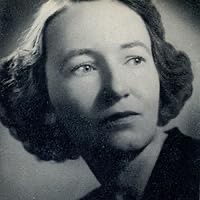
About Dorothy B. Hughes
We have collected 30 quotes from 1 book by Dorothy B. Hughes on BookQuoters.
More about the author →About the book
Postwar Los Angeles is a lonely place where the American Dream is showing its seamy underside—and a stranger is preying on young women. The suggestively named Dix Steele, a cynical vet with a chip on his shoulder about the opposite sex, is the LAPD's top suspect. Dix knows enough to watch his step, especially since his best friend is on the force, but when he meets the luscious Laurel Gray—a femme fatale with brains—something begins to crack. The basis for extraordinary performances by Humphrey Bogart and Gloria Grahame in the 1950 film version of the book, In a Lonely Place tightens the suspense with taut, hard-boiled prose and stunningly undoes the conventional noir plot.
Book details
- First published
- 1947
- Author
- Dorothy B. Hughes
- Genre
- Fiction
- Goodreads rating
- 4.12 (10k ratings)
Keep reading
Dubliners
 The Complete Stories
 Velvet Was the Night
 Call for the Dead
 Career of Evil
 The Brutal Telling
 The Hellbound Heart
 After Leaving Mr. Mackenzie
 Tar Baby
 The Rainbow
 The Daughter of Doctor Moreau
 The Damnation Game
 The Little Friend
 From Here to Eternity
 The Orchardist
 Mohawk
 The Stories of John Cheever
 The Long Way Home
 Death Watch
 The Sweetness of Water
 Everything That Rises Must Converge: Stories
 Murphy
 A Reliable Wife
 Heart-Shaped Box
 At the Water's Edge
 Another Country
 The Burning Soul
 In the Valley of the Sun
 Lethal White
 Passenger
 A Rule Against Murder
 Provinces of Night
 Oscar and Lucinda
 Wayfarer
 The Black Ice
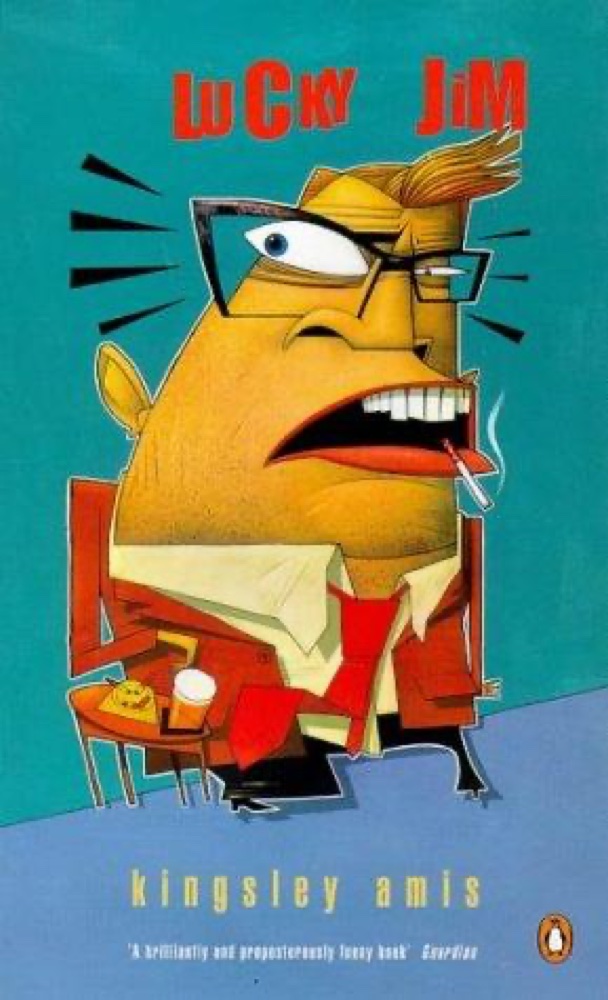 Lucky Jim
 Hush
Hush
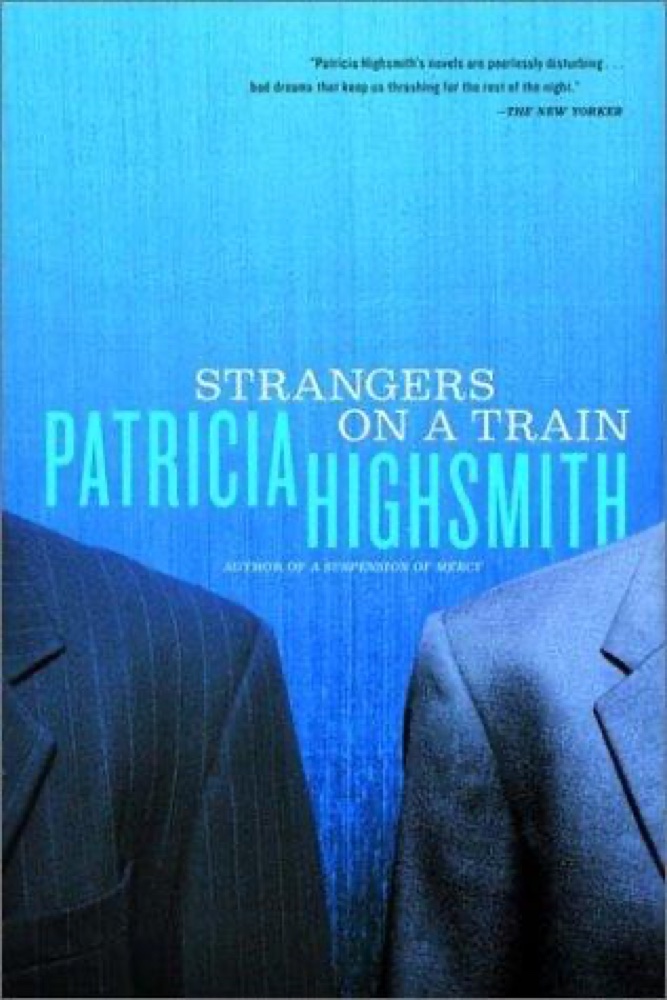 Strangers on a Train
 Ethan Frome
 Mystic River
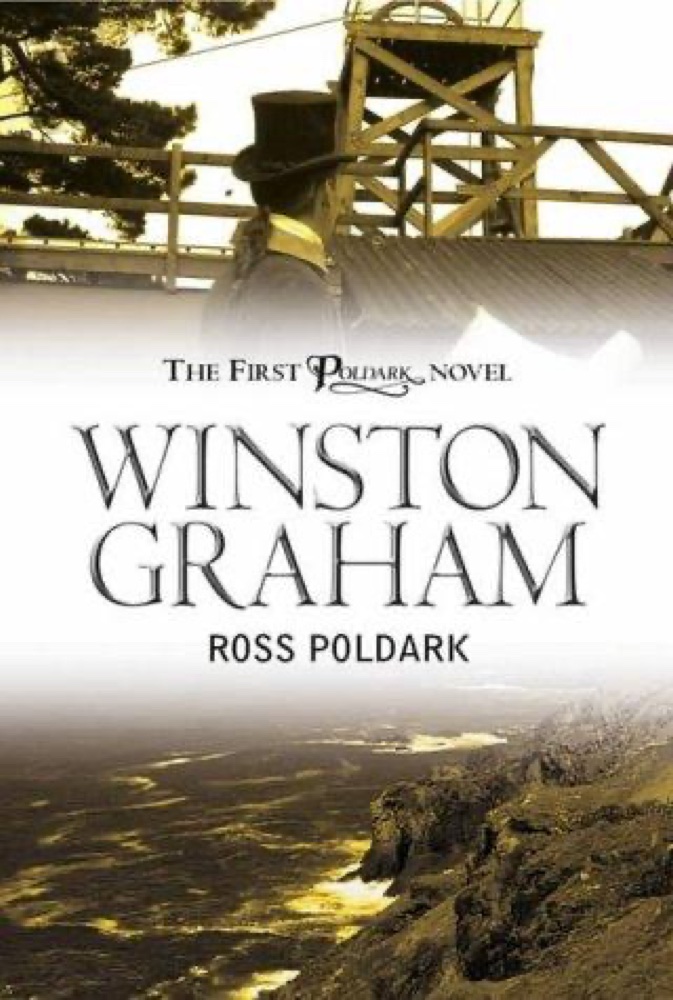 Ross Poldark
 Twilight
 What I Did for a Duke
 Let the Right One In
 A Spot of Bother
 The Mermaid, the Witch, and the Sea
 Home Fire
 A Good Man is Hard to Find and Other Stories
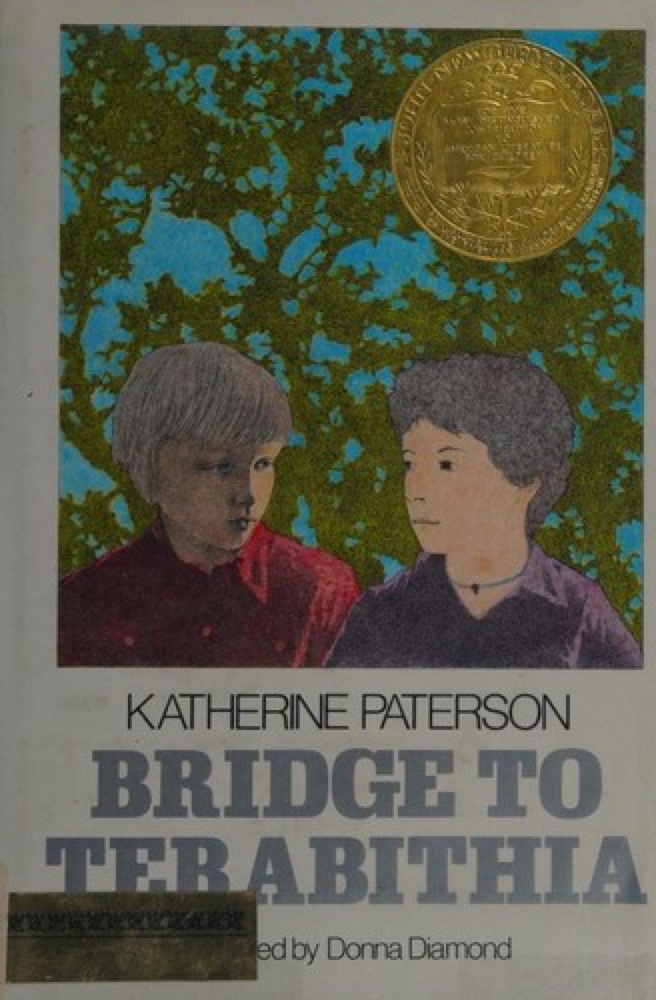 Bridge to Terabithia
 The Shadows
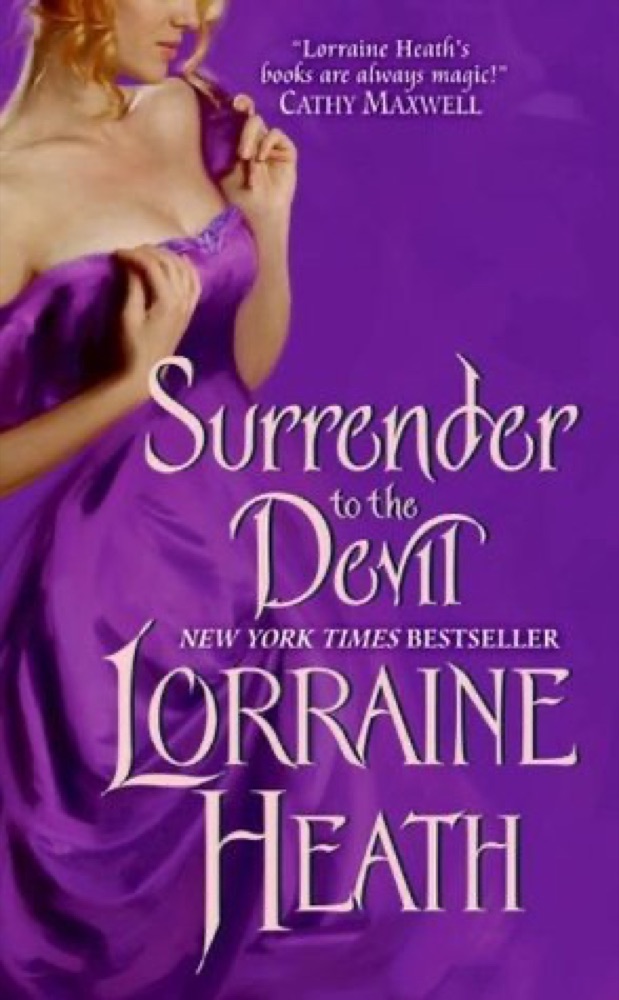 Surrender to the Devil
 Like Life: Stories
 Tuesday Nights in 1980
 Widdershins
 Down Cemetery Road
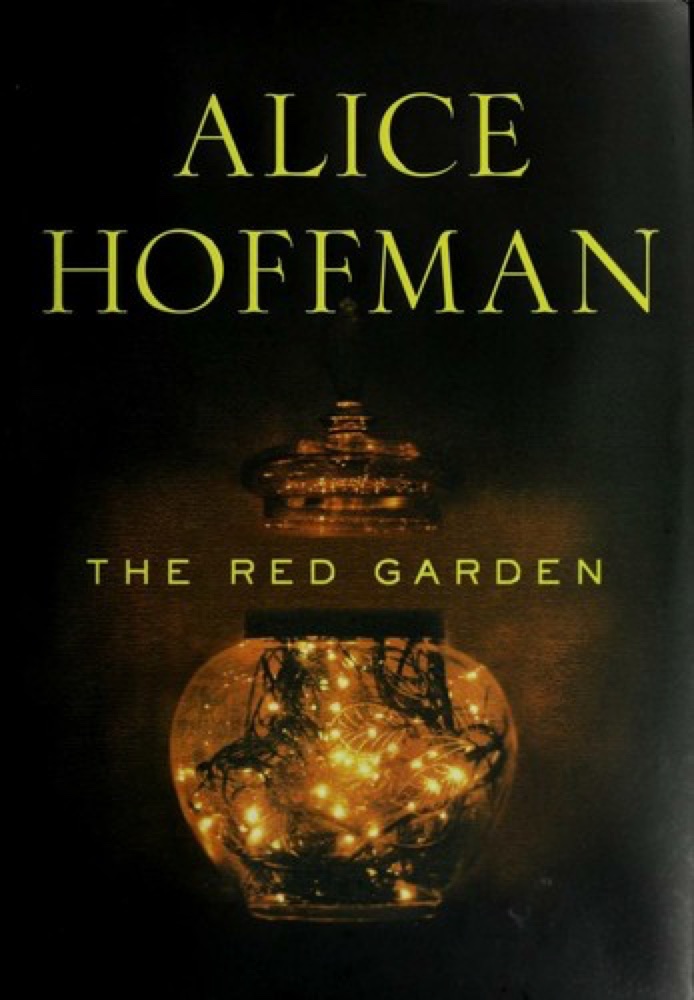 The Red Garden
 Why We Die
 Gathering Darkness
 Gormenghast
 The Whisper Man