

 Quo Vadis
Quotes from the Book
Așa-i de când lumea, că cine se introspectează prea mult, acela nu mai e de acord nici cu sine însuși, în cele din urmă, iar cine nu-i de acord cu sine însuși, acela nu-i capabil să ia o hotărâre.
In genere, femeia nu-si insala barbatul si nu-l tradeaza, daca el singur nu-i acela care sa-i strice sau sa-i calce inima singur in picioare, daca nu o dezgusta ori n-o respinge prin micimea lui, prin egoismul lui, prin ingustimea vederilor. Deci, trebuie sa iubesti. Ca ea sa nu se simta numai femela ta, ci faptura cea mai scumpa pentru tine, copilul tau, prietenul tau; poart-o la san, ca sa-i fie cald si atunci poti fi sigur de ea, atunci, cu fiecare an care trece, se va lipi tot mai mult de tine, pana cand o sa va lipiti de tot, ca gemenii siamezi. Daca nu-i dai toate astea, o strici, o dezgusti prin nimicnicia ta si se indeparteaza. Te va parasi de indata ce maini mai nobile se vor intinde spre ea, caci trebuie s-o faca, are nevoie de caldura si de consideratie ca de aerul pe care-l respira.
Am auzit sau am citit că filoanele de aur au uneori la suprafață un înveliș de cuarț, din care e greu să extragi metalul. Presupun că și inima ta are un asemenea înveliș; înăuntru se află metalul prețios, dar afurisita asta de coajă nu s-a topit de tot...
If you consider yourself a superior type, or even if you be such, let me tell you that the sum total of such superiority, is socially, a minus quantity." I
Thoughts like mine are not reckoned among the delights of life. It is like the dog trying to catch his tail; he does not catch anything. I do not prove anything, only tire myself; but have the satisfaction that another day has passed, or another night gone by. I
How utterly unprofitable my life is! These continual searchings of my mind are leading me into the desert.
Sometimes I have thought that human misery goes far beyond human imagination,—imagination has its limits, and misery, like the vast seas, appears to be without end.
The evil genius bent upon wrecking my life had not taken in account one thing: a man crushed and utterly wretched cares less for himself than a happy one. In presence of that indifference fate becomes more or less powerless. I was and am still in that frame of mind that, if angry Fortuna came to me in person, and said: "Go to perdition," I should reply calmly: "Be it so,"—not out of sorrow for the loss of Aniela, but from mere indifference to everything within or without me. This
The world has robbed me of my love, time has dried up hatred, and as the living individual must feel something, I live upon what remains to me. I must also say that he who feels and lives thus does not get a surfeit of happiness.
I still seem to hear Sniatynski's words: "Do not philosophize her away, as you have philosophized away your abilities and your thirty-five years of life." I know it leads to nothing, I know it is wrong, but I do not know how not to think. 13
It is all my fault! But the blind man when he stumbles over a stone, curses the stone, not the blindness that made him stumble. 17
What a strange power there is in woman! She comes in contact with a genius without portfolio, an exceptionally useless implement like me, and then, without any preaching on her part, he feels himself in duty bound to do all sorts of things he never dreamed of doing before. The
It is difficult to imagine love without generosity, without a desire to make some sacrifices. To-day
Hamlet is the human soul as it was, as it is, and as it will be. In conceiving this drama, Shakspeare overstepped the limit fixed even for genius. I can understand Homer and Dante, studied by the light of their epoch. I can comprehend that they could do what they did; but how an Englishman of the seventeenth century could foreknow psychosis, a science of recent growth, will be to me, in spite of my study of Hamlet, an everlasting mystery. Having
Homesickness springs from the isolation of the soul from its surroundings.
Besides, my old opinions—at least, the greater part of them—are now in tatters, like a worn-out garment. But
I feel restless, and something seems to weigh me down.
Expectancy of anything is always oppressive. When
There is in, us a lack of the synthetic faculty which distinguishes things that are important from those that are not.
If you borrowed the very moonbeams for your head-dress, if you were a hundred times more beautiful than my fancy can paint, you would be as nothing to me,—less than nothing, because an object of aversion.
Walking along the avenues, we had one of the so-called intellectual conversations, which consist a great deal in quoting names of books and authors.
It seems incredible that a man possessing so many conditions of happiness should be not only so little happy, but clearly does not see the reason why he should exist at all. It
Truly times must be out of joint, when only asses have any power of action left, and those who have a little more intelligence use it to doubt everything, and to persuade themselves that it is not worth while to attempt anything.
Aspasia and Xantippe in one. I
There was only one who understood me, and he understood me wrongly." Miss
There speaks again the sceptic; but I shall never be so intoxicated as to lose my capacity of observation.
As I have said, I am comparatively speaking calm, do not wish for anything, or expect anything, am resigned in fact to that kind of spiritual paralysis until the time comes when bodily paralysis carries me off, as it carried off my father.
Our souls are full of Gothic arches, pinnacles, twisted traceries we cannot shake off, and of which Greek minds knew nothing.
Watch on YouTube
About Henryk Sienkiewicz
We have collected 35 quotes from 2 books by Henryk Sienkiewicz on BookQuoters.
More about the author →More by Henryk Sienkiewicz
Quo Vadis
Book details
- Author
- Henryk Sienkiewicz
- Genre
- Classics
- Goodreads rating
- 4.03 (963 ratings) →
Keep reading
 The Adolescent
 The Complete Essays
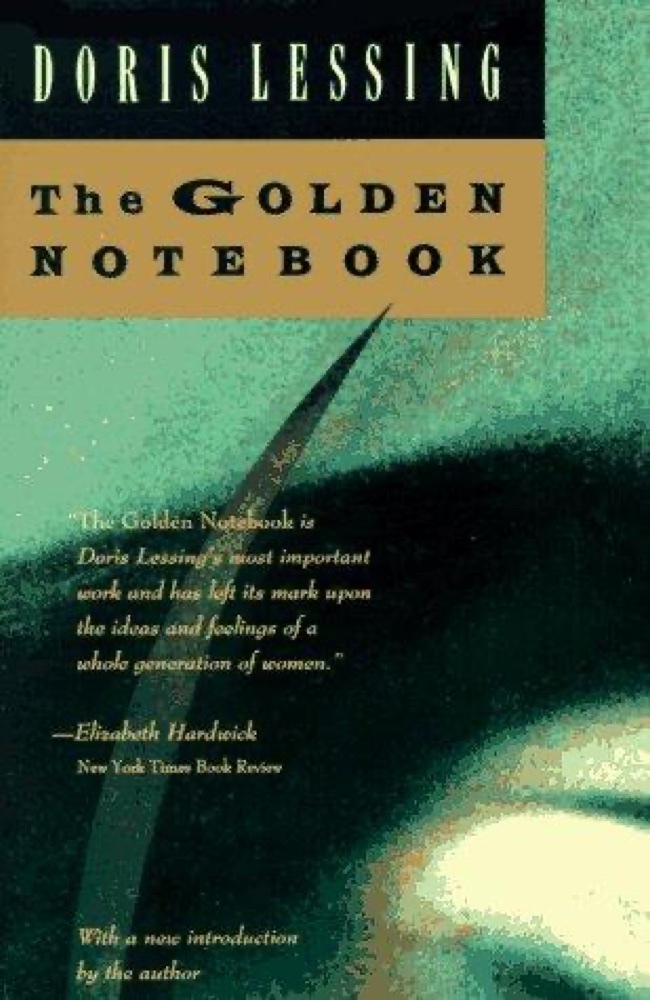 The Golden Notebook
 Fathers and Sons
 The Complete Short Stories
 The Complete Stories
 Under Western Eyes
 Selected Stories
 Daniel Deronda
 Cuckold
 Embers
 Selected Stories of Anton Chekhov
 The Immoralist
 The Magus
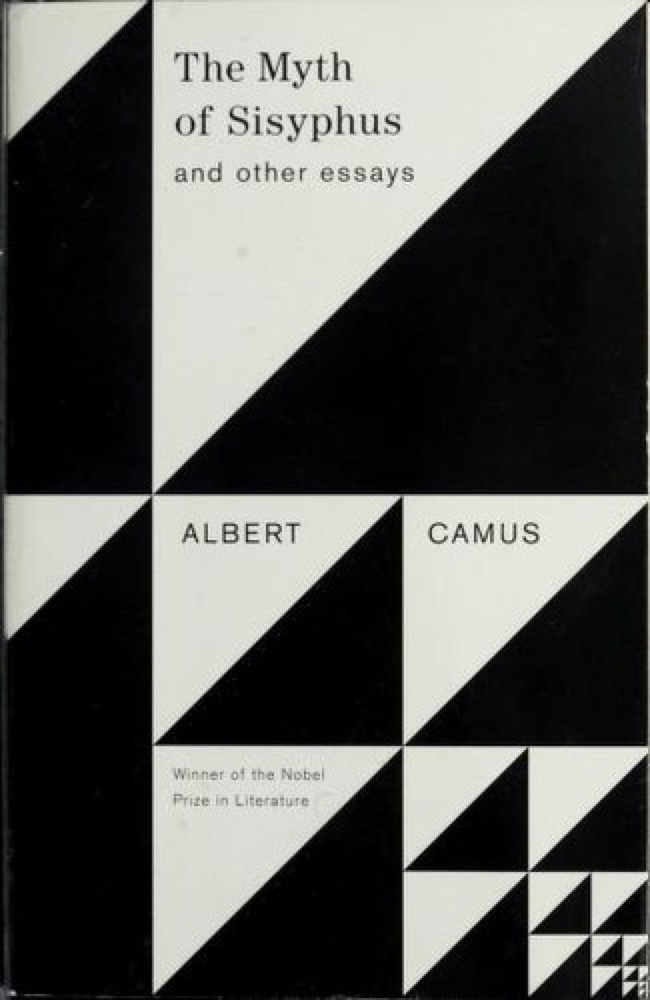 The Myth of Sisyphus and Other Essays
 Zeno's Conscience
 The Idiot
 A Short History of Decay
 The Guermantes Way
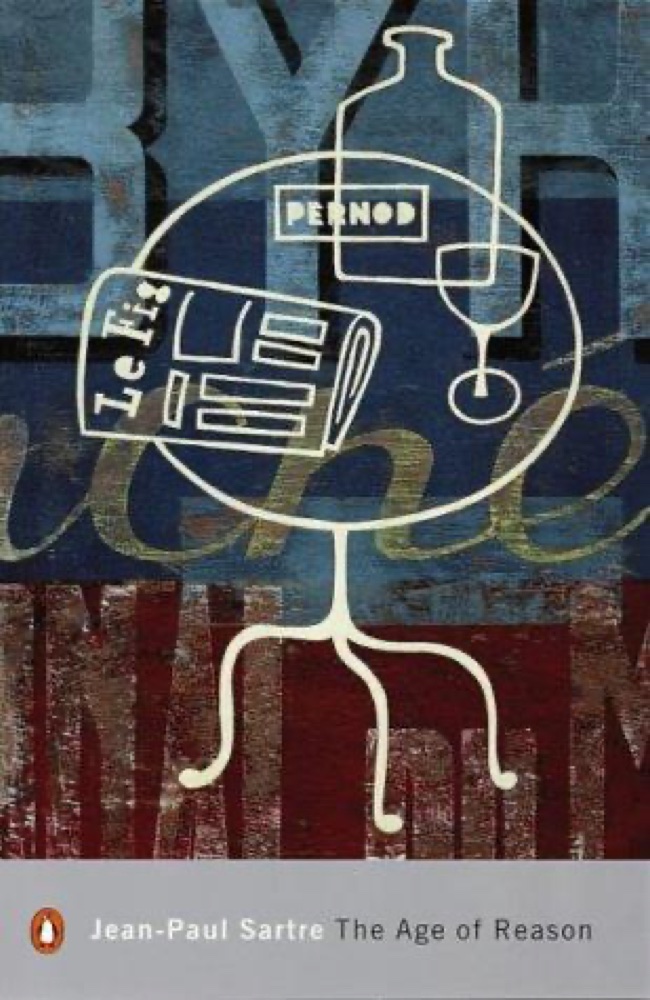 The Age of Reason
 Humboldt's Gift
 Notes from Underground
 No Exit and Three Other Plays
 Eyeless in Gaza
 The Man Without Qualities
 Art and Lies
 The Sea, the Sea
 The Fall
 Memories, Dreams, Reflections
 Shadow & Claw
 Smilla's Sense of Snow
 A Room with a View
 Steppenwolf
 Faust
Faust
 Foundation and Empire
 Sexus
Sexus
 The Stories of Vladimir Nabokov
 Three Comrades
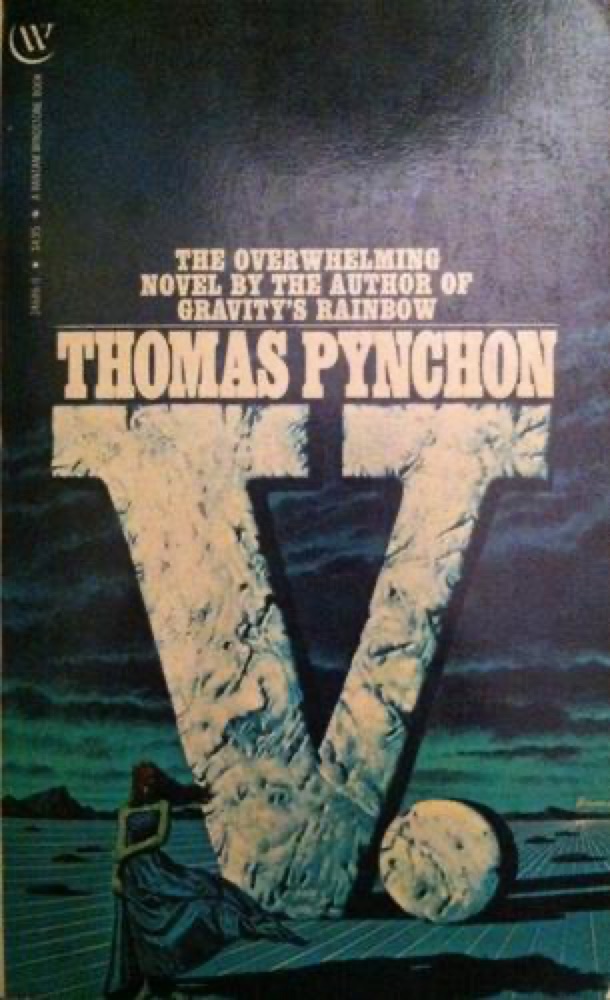 V.
V.
 Kokoro
 Beautiful Losers
 Diary of a Drug Fiend
 The Hour of the Star
 Dust Tracks on a Road
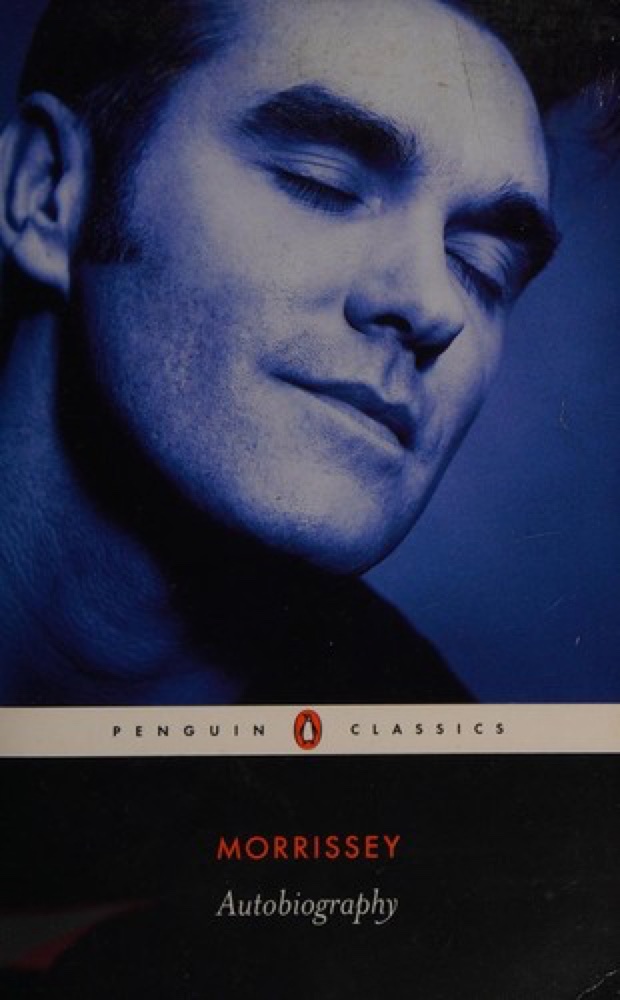 Autobiography
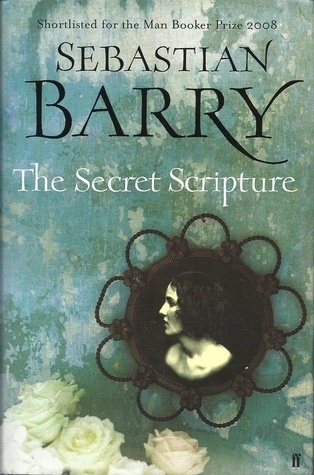 The Secret Scripture
 Twilight of the Idols
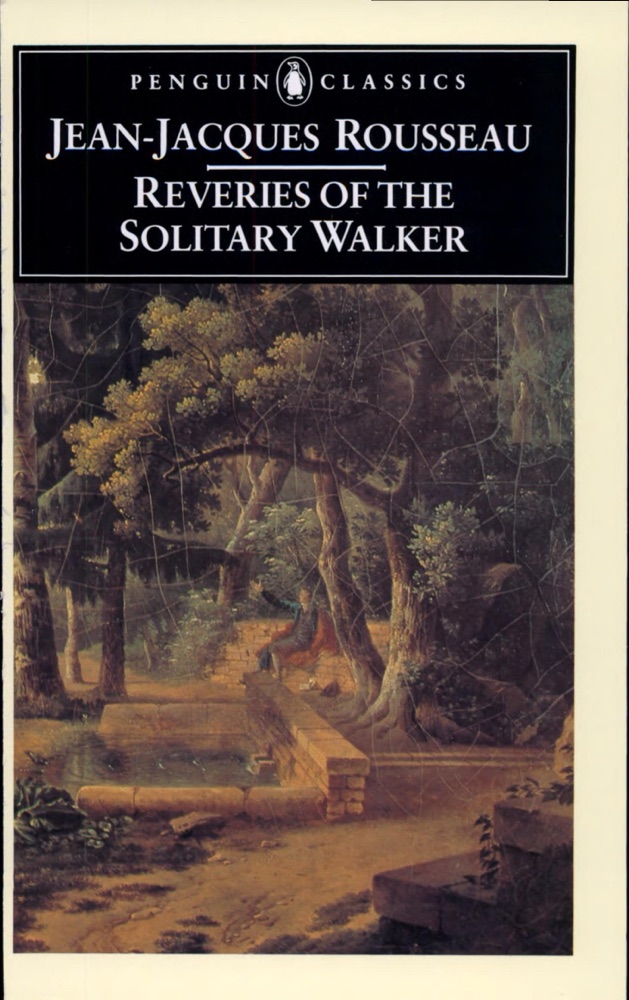 Reveries of the Solitary Walker
 The Magic Mountain
 Villette
 Justine
 Dhalgren
 The Consolation of Philosophy
 Mansfield Park
 The Story of a New Name
 The Fountainhead
 My Friends
 The Mill on the Floss
 The Man in the High Castle
 Infinite Jest