
 Siddhartha
Quotes from the Book
Solitude is independence. It had been my wish and with the years I had attained it. It was cold. Oh, cold enough! But it was also still, wonderfully still and vast like the cold stillness of space in which the stars revolve.
You are willing to die, you coward, but not to live.
There is no reality except the one contained within us. That is why so many people live such an unreal life. They take the images outside of them for reality and never allow the world within to assert itself.
In eternity there is no time, only an instant long enough for a joke.
For what I always hated and detested and cursed above all things was this contentment, this healthiness and comfort, this carefully preserved optimism of the middle classes, this fat and prosperous brood of mediocrity.
When I have neither pleasure nor pain and have been breathing for a while the lukewarm insipid air of these so called good and tolerable days, I feel so bad in my childish soul that I smash my moldering lyre of thanksgiving in the face of the slumbering god of contentment and would rather feel the very devil burn in me than this warmth of a well-heated room. A wild longing for strong emotions and sensations seethes in me, a rage against this toneless, flat, normal and sterile life. I have a mad impulse to smash something, a warehouse, perhaps, or a cathedral, or myself, to commit outrages, to pull off the wigs of a few revered idols...
Most men will not swim before they are able to.” Is that not witty? Naturally, they won't swim! They are born for the solid earth, not for the water. And naturally they wont think. They are made for life, not for thought. Yes, and he who thinks, what’s more, he who makes thought his business, he may go far in it, but he has bartered the solid earth for the water all the same, and one day he will drown.
I am in truth the Steppenwolf that I often call myself; that beast astray that finds neither home nor joy nor nourishment in a world that is strange and incomprehensible to him.
A wild longing for strong emotions and sensations seethes in me, a rage against this toneless, flat, normal and sterile life. I have a mad impulse to smash something, a warehouse perhaps, or a cathedral, or myself, to committ outrages...
How absurd these words are, such as beast and beast of prey. One should not speak of animals in that way. They may be terrible sometimes, but they're much more right than men...They're never in any embarrassment. They always know what to do and how to behave themselves. They don't flatter and they don't intrude. They don't pretend. They are as they are, like stones or flowers or stars in the sky.
There are always a few such people who demand the utmost of life and yet cannot come to terms with its stupidity and crudeness.
You should not take old people who are already dead seriously. It does them injustice. We immortals do not like things to be taken seriously. We like joking. Seriousness, young man, is an accident of time. It consists, I don't mind telling you in confidence, in putting too high a value on time. I, too, once put too high a value on time. For that reason I wished to be a hundred years old. In eternity, however, there is no time, you see. Eternity is a mere moment, just long enough for a joke.
I want to tell you something today, something that I have known for a long while, and you know it too; but perhaps you have never said it to yourself. I am going to tell you now what it is that I know about you and me and our fate. You, Harry, have been an artist and a thinker, a man full of joy and faith, always on the track of what is great and eternal, never content with the trivial and petty. But the more life has awakened you and brought you back to yourself, the greater has you need been and the deeper the sufferings and dread and despair that have overtaken you, till you were up to your neck in them. And all that you once knew and loved and revered as beautiful and sacred, all the belief you once had in mankind and our high destiny, has been of no avail and has lost its worth and gone to pieces. Your faith found no more air to breathe. And suffocation is a hard death. Is that true, Harry? Is that your fate?
But it's a poor fellow who can't take his pleasure without asking other people's permission.
How foolish it is to wear oneself out in vain longing for warmth! Solitude is independence.
His life oscillates, as everyone's does, not merely between two poles, such as the body and the spirit, the saint and the sinner, but between thousands and thousands.
I do want more. I am not content with being happy. I was not made for it. It is not my destiny. My destiny is the opposite.
Every age, every culture, every custom and tradition has its own character, its own weakness and its own strength, it beauties and ugliness; accepts certain sufferings as matters of course, puts up patiently with certain evils. Human life is reduced to real suffering, to hell, only when two ages, two cultures and religions overlap... Now there are times when a whole generation is caught in this way between two ages, two modes of life, with the consequence that it loses all power to understand itself and has no standard, no security, no simple acquiescence. Naturally, every one does not feel this equally strongly.
Once it happened, as I lay awake at night, that I suddenly spoke in verses, in verses so beautiful and strange that I did not venture to think of writing them down, and then in the morning they vanished; and yet they lay hidden within me like the hard kernel within an old brittle husk.
The man of power is ruined by power, the man of money by money, the submissive man by subservience, the pleasure seeker by pleasure.
I cannot understand what pleasures and joys they are that drive people to the overcrowded railways and hotels, into the packed cafés with the suffocating and oppressive music, to the Bars and variety entertainments, to World Exhibitions, to the Corsos. I cannot understand nor share these joys, though they are within my reach, for which thousands of others strive. On the other hand, what happens to me in my rare hours of joy, what for me is bliss and life and ecstasy and exaltation, the world in general seeks at most in imagination; in life it finds it absurd. And in fact, if the world is right, if this music of the cafés, these mass enjoyments and these Americanised men who are pleased with so little are right, then I am wrong, I am crazy. I am in truth the Steppenwolf that I often call myself; that beast astray who finds neither home nor joy nor nourishment in a world that is strange and incomprehensible to him.
A wild longing for strong emotions and sensations seethes in me, a rage against this toneless, flat, normal and sterile life.
The mistaken and unhappy notion that a man is an enduring unity is known to you. It is also known to you that a man consists of a multitude of souls, of numerous selves. The separation of the unity of the personality into these numerous pieces passes for madness. Science has invented the name schizomania for it. Science is in this so far right as no multiplicity maybe dealt with unless there be a series, a certain order and grouping. It is wrong insofar as it holds that one only and binding lifelong order is possible for the multiplicity of subordinate selves. This error of science has many unpleasant consequences, and the single advantage of simplifying the work of the state-appointed pastors and masters and saving them the labors of original thought. In consequence of this error many persons pass for normal, and indeed for highly valuable members of society, who are incurably mad; and many, on the other hand, are looked upon as mad who are geniuses...This is the art of life. You may yourself as an artist develop the game of your life and lend it animation. You may complicate and enrich it as you please. It lies in your hands. Just as madness, in a higher sense, is the beginning of all wisdom, so is schizomania the beginning of all art and all fantasy.
I would traverse not once more, but often the hell of my inner being. One day I would be a better hand at the game. One day I would learn how to laugh. Pablo was waiting for me, and Mozart too.
Our leaders strain every nerve and with success, to get the next war going, while the rest of us, meanwhile, dance the fox trot, earn money and eat chocolates...And perhaps...it has always been the same and always will be, and what is called history at school, and all we learn by heart there about heroes and geniuses and great deeds and fine emotions, is all nothing but a swindle invented by the schoolmasters for educational reasons to keep children occupied for a given number of years. It has always been so and always will be. Time and the world, money and power belong to the small people and shallow people. To the rest, to the real men belongs nothing...eternity...it isn't fame. Fame exists in that sense only for the schoolmasters. No, it isn't fame. It is what I call eternity...The music of Mozart belongs there and the poetry of your great poets. The saints, too, belong there, who have worked wonders and suffered martyrdom and given a great example to men. But the image of every true act, the strength of every true feeling, belongs to eternity just as much, even though no one knows of it or sees it or records it or hands it down to posterity. In eternity there is no posterity...It is the kingdom on the other side of time and appearances. It is there we belong. There is our home. It is that which our heart strives for...And we have no one to guide us. Our only guide is our homesickness.
In fear I hurried this way and that. I had the taste of blood and chocolate in my mouth, the one as hateful as the other.
Life is always frightful. We cannot help it and we are responsible all the same. One's born and at once one is guilty.
The cup was emptied and would never be filled again.
Man is an onion made up of a hundred integuments, a texture made up of many threads. The ancient Asiatics knew this well enough, and in the Buddhist Yoga an exact technique was devised for unmasking the illusion of the personality. The human merry-go-round sees many changes: the illusion that cost India the efforts of thousands of years to unmask is the same illusion that the West has labored just as hard to maintain and strengthen.
As a body everyone is single, as a soul never
Did you know?
- The original German title is Der Steppenwolf, published in 1927.
- The novel is framed as a manuscript left behind by its protagonist, Harry Haller, and introduced by a fictional editor's preface.
- Hesse wrote that of all his books, Steppenwolf was the one most often and most violently misunderstood.
- The book was rediscovered and became hugely popular during the 1960s counterculture movement.
- The American rock band Steppenwolf took its name from the novel.
- The first English translation was made by Basil Creighton in 1929.
About Hermann Hesse
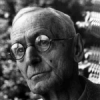
Hermann Hesse (1877-1962) was a German-born Swiss poet and novelist whose works, including Siddhartha, Demian, and The Glass Bead Game, explore the individual's search for authenticity and spiritual self-knowledge. He was awarded the Nobel Prize in Literature in 1946.
More about the author →More by Hermann Hesse
All books by Hermann Hesse →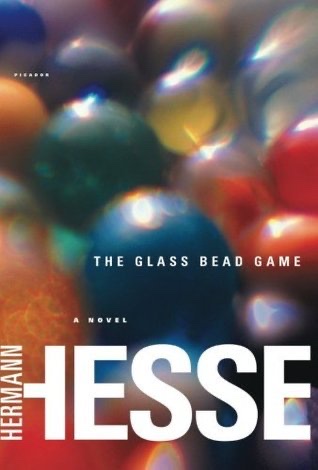
About the book
Steppenwolf, first published in German in 1927, is Hermann Hesse's novel of a middle-aged intellectual named Harry Haller who believes himself split between two natures: a refined, bourgeois-loving man and a wild, solitary "wolf of the steppes." Framed as a manuscript Harry leaves behind for his landlady's nephew, the book follows his deepening crisis of alienation and suicidal despair until a chance encounter with a young woman named Hermine draws him into a world of dancing, music, sensual pleasure, and finally the surreal "Magic Theatre."
At its heart the novel is a study of the divided self and the search for wholeness. Hesse dramatizes the tension between spirit and instinct, discipline and abandon, and argues that Harry's neat two-sided image of himself is a dangerous oversimplification of a personality made of countless selves. Figures like Hermine, the saxophonist Pablo, and Hermine's friend Maria act as guides who challenge Harry's contempt for ordinary life and push him toward laughter, humility, and self-examination.
Initially controversial for its frank treatment of sex, drugs, and despair, Steppenwolf was, in Hesse's own words, the book most often and most violently misunderstood of all his works. It was rediscovered by a new readership during the 1960s counterculture, becoming one of Hesse's most widely read novels and lending its name to the rock band Steppenwolf. It remains a touchstone of twentieth-century literature about inner conflict and the longing for transcendence.
Key characters
- Harry HallerMiddle-aged intellectual protagonist who sees himself as half man, half wolf
- HermineYoung woman who befriends Harry and reintroduces him to pleasure and life
- PabloCharismatic saxophonist who leads Harry to the Magic Theatre
- MariaHermine's friend who becomes Harry's lover
Book details
- First published
- 1927
- Length
- 237 pages
- Reading time
- 3 hours
- Author
- Hermann Hesse
- Genre
- Classics
- Goodreads rating
- 4.13 (223k ratings) →
- First line
- “The day had gone by just as days go by.”
Movie & TV adaptations
- IMDb
If you liked this, read…
- 1DemianAnother Hesse novel about a young man's inner division and search for self
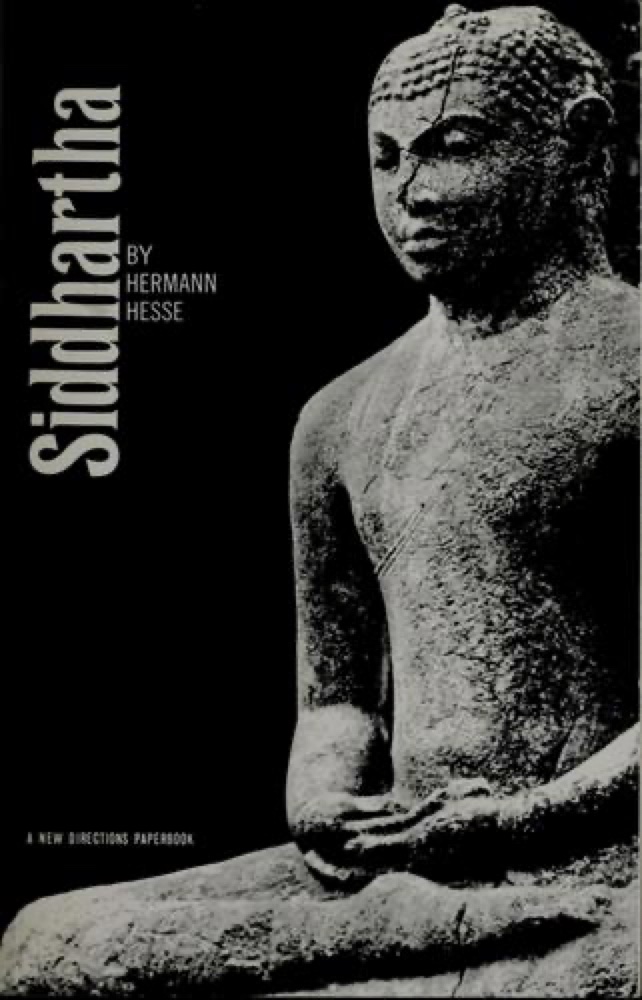
- 2SiddharthaHesse's spiritual quest novel exploring the path to self-knowledge
- 3Notes from UndergroundDostoevsky's portrait of an alienated, self-divided intellectual
Keep reading
 The Magus
 Notes from Underground
 The Golden Notebook
 Autobiography
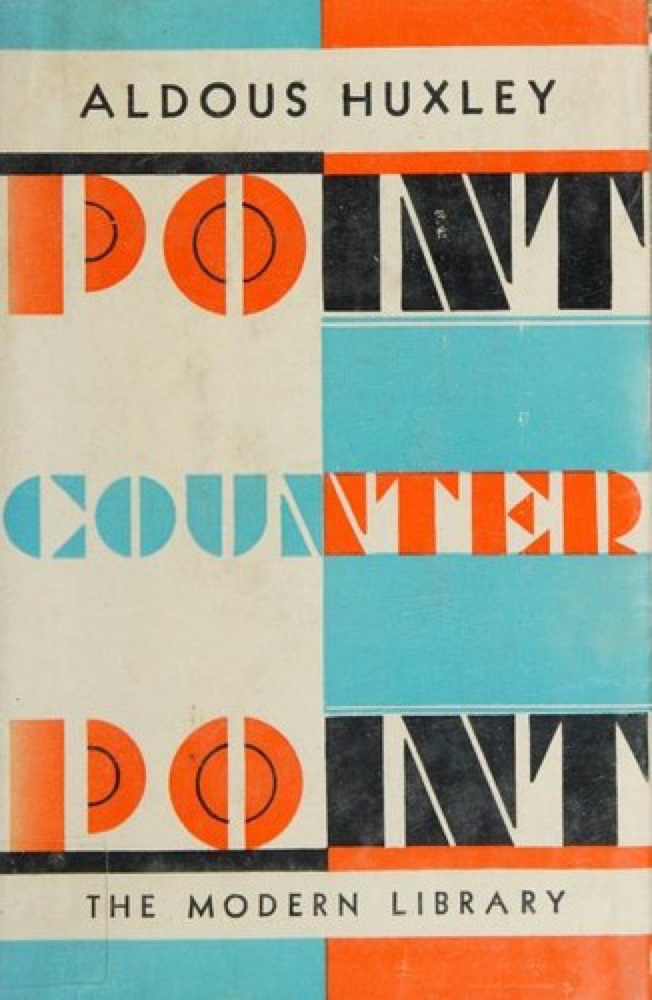 Point Counter Point
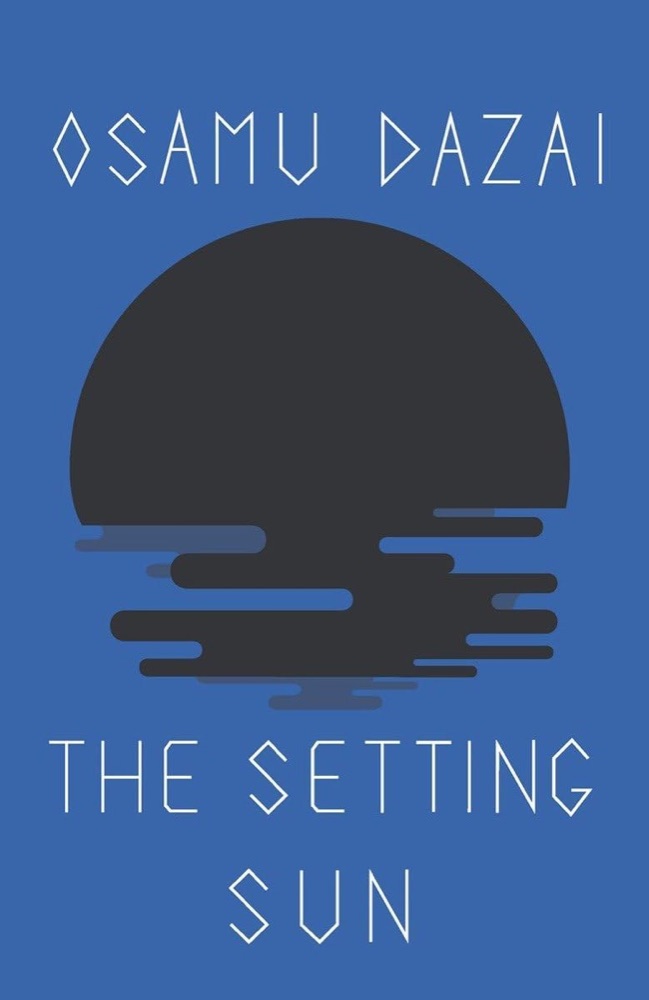 The Setting Sun
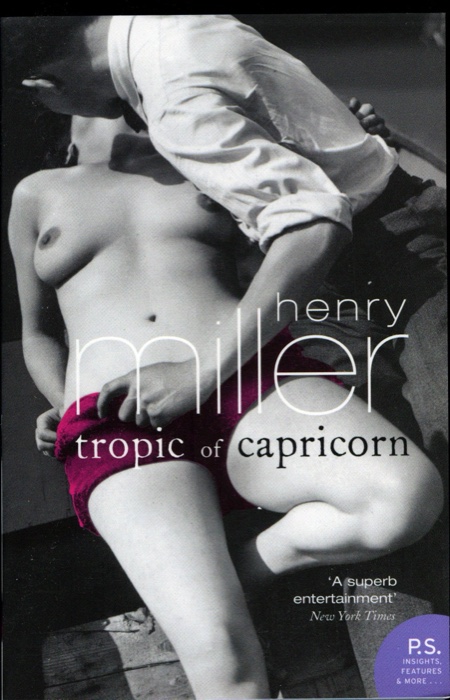 Tropic of Capricorn
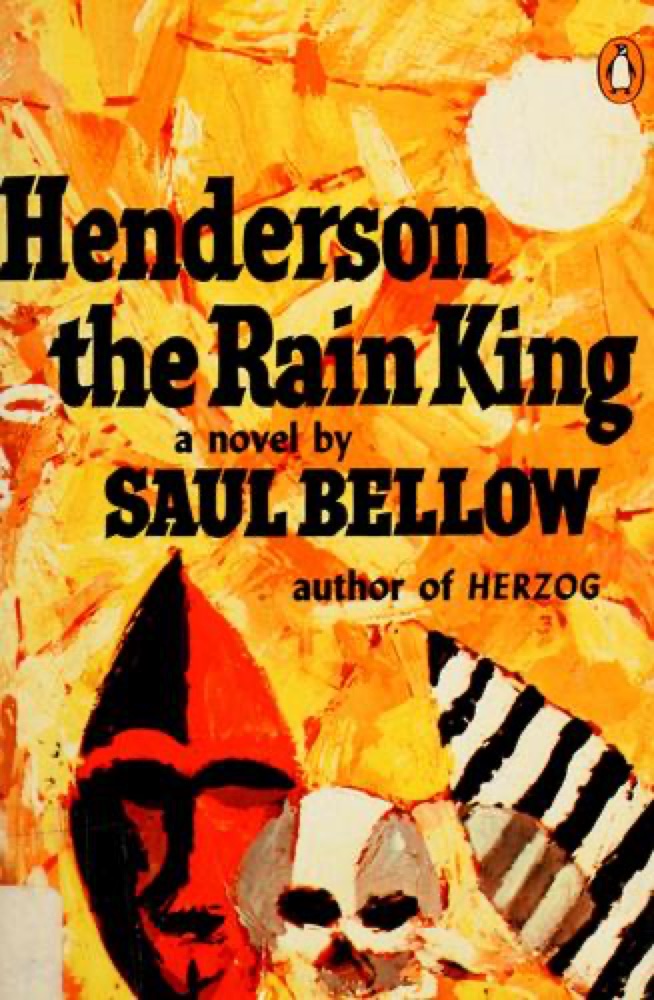 Henderson the Rain King
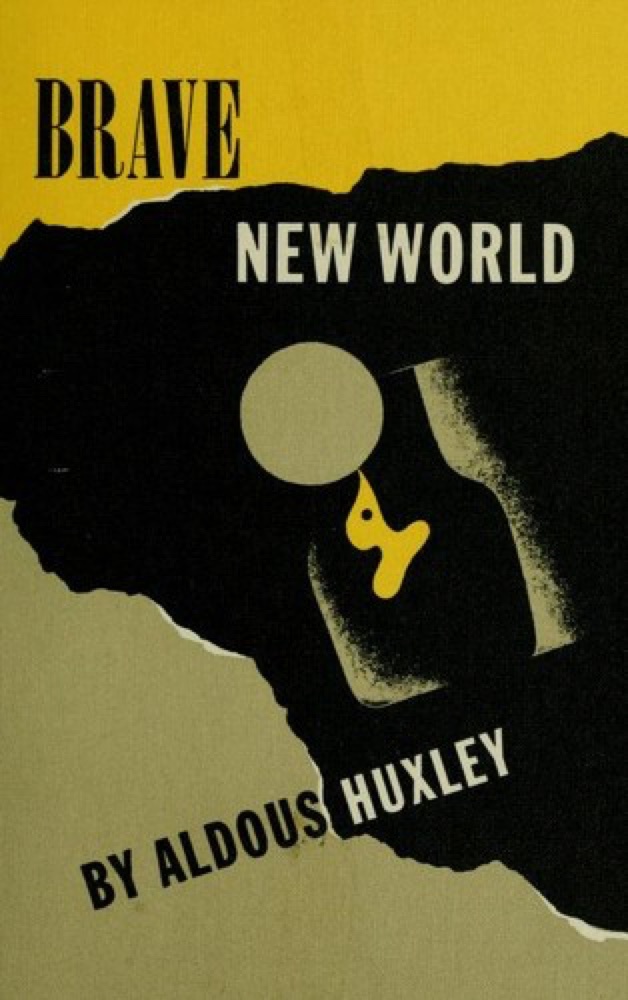 Brave New World
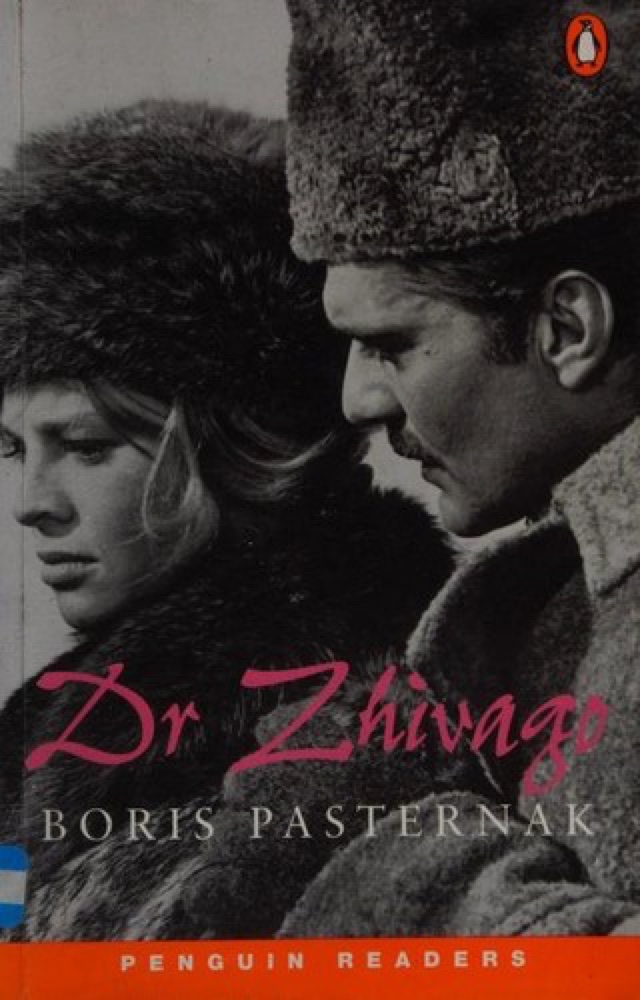 Doctor Zhivago
 The Dice Man
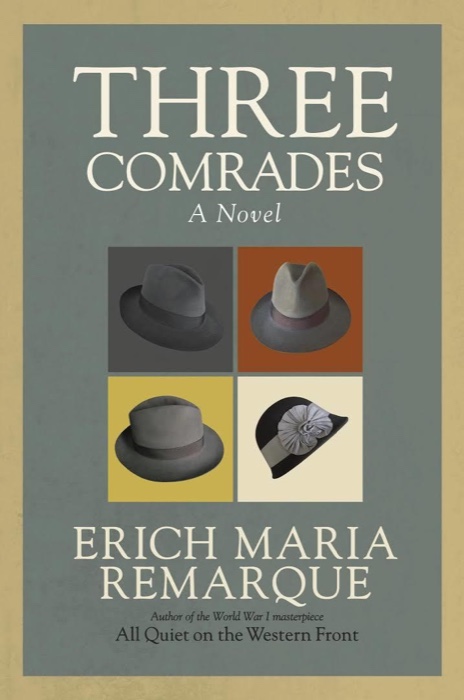 Three Comrades
 Tropic of Cancer
 Sexus
Sexus
 Embers
 A Hero of Our Time
 The Trouble with Being Born
 Heart of Darkness
 Fathers and Sons
 The Immoralist
 Journey to the End of the Night
 The Sea, the Sea
 Demian
 East of Eden
 Humboldt's Gift
 No Longer Human
 V.
V.
 Tales of Ordinary Madness
 The Gargoyle
 The Collector
 The Fall
 The Black Prince
 The Man in the High Castle
 Without Dogma
 The Man Without Qualities
 Beautiful Losers
 No Exit and Three Other Plays
 Demons
 Faust
Faust
 The Burning World
 Absalom, Absalom!
 Either/Or: A Fragment of Life
 Infinite Jest
 Dhalgren
 Lady Chatterley's Lover
 Man and Superman
 Selected Stories
 Thus Spake Zarathustra
 Watchmen
 The Star Rover
 Surfacing
 We
We
 Hell
Hell
 The Empusium
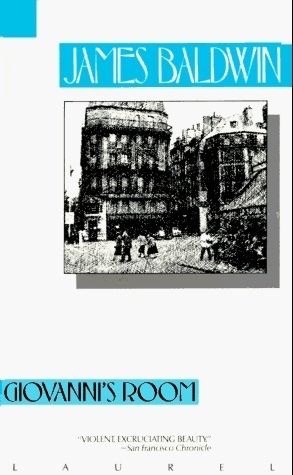 Giovanni's Room
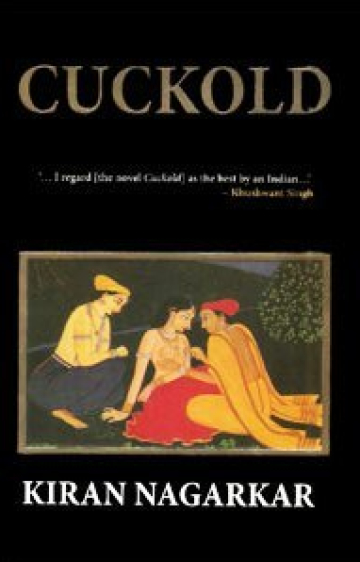 Cuckold
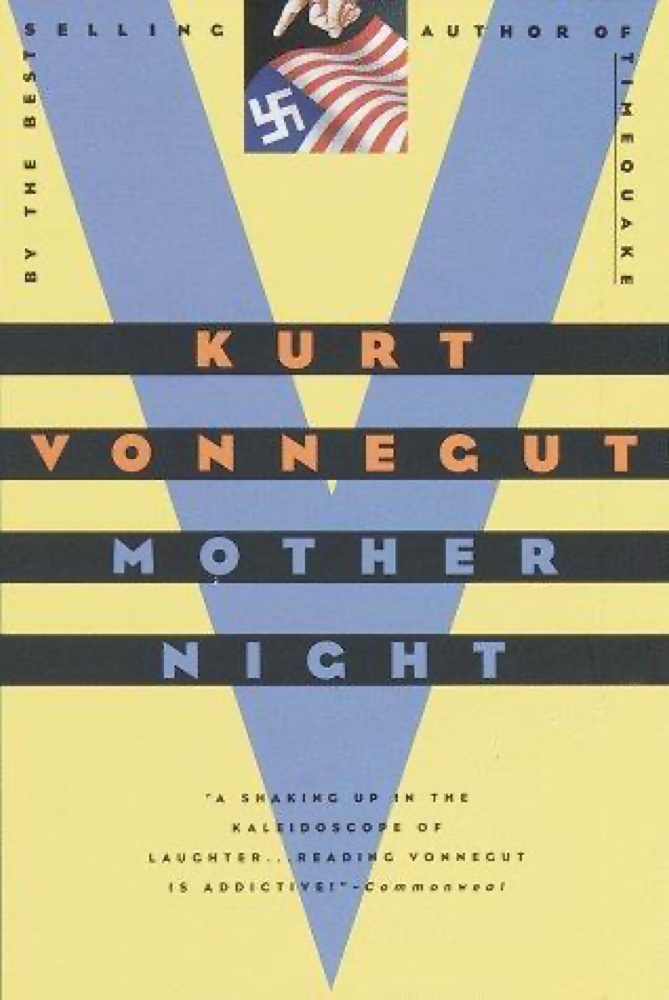 Mother Night
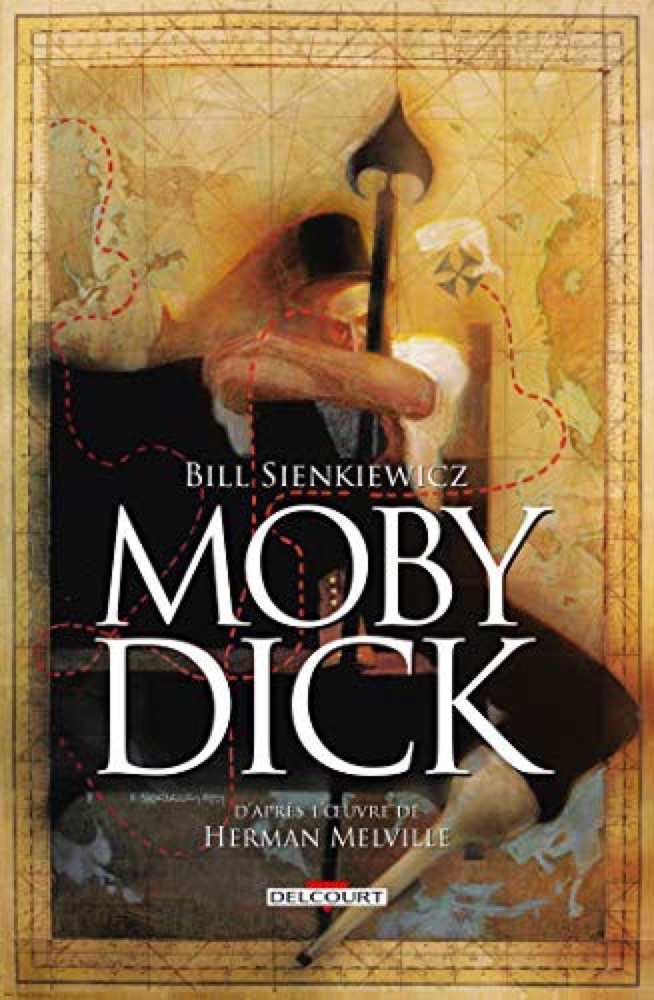 Moby-Dick
Siddhartha
Moby-Dick
Siddhartha
 The Fairy Tales of Hermann Hesse